North Carolina is the kind of place that lures you in with one pretty overlook and then casually drops a waterfall, a cave, a mossy swamp, and a mountain summit into the same itinerary.
If your vacation style leans more toward trail dust than souvenir shops, these natural attractions deliver the sort of scenery that makes your camera roll work overtime and your group chat a little jealous.
From the misty peaks of the west to blackwater paddles in the east, each stop on this list offers a distinct mood, a strong sense of place, and enough wow factor to justify a detour, an overnight, or a full blown road trip.
Pack the snacks, charge the phone, and give your calendar a little breathing room, because these eleven North Carolina standouts are not quick pit stops – they are the main event, and they know it.
1. Great Smoky Mountains National Park
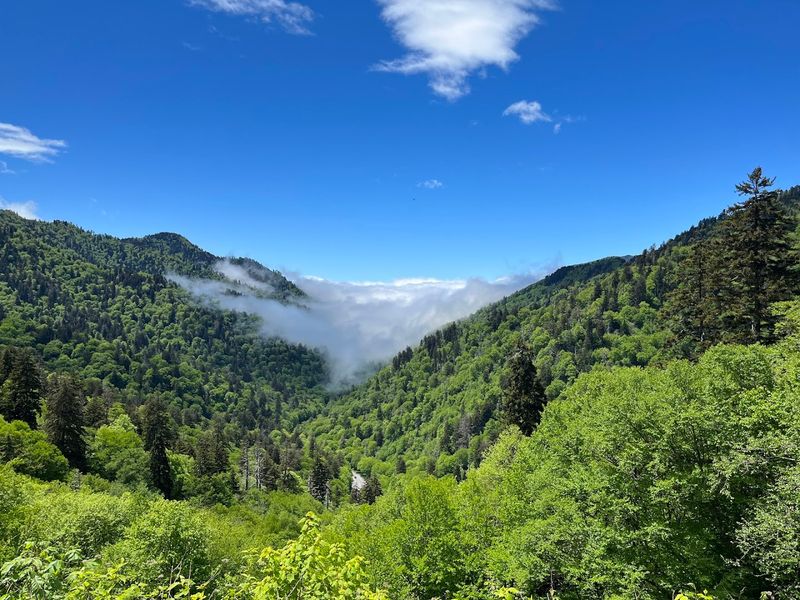
Mornings here arrive wrapped in blue haze, and suddenly the name Smoky makes perfect sense.
In western North Carolina, Great Smoky Mountains National Park delivers rolling ridgelines, deep forests, and enough scenic pullouts to test anyone’s promise to keep driving.
You can chase waterfalls, walk quiet coves, or tackle a section of the Appalachian Trail if your legs are feeling heroic.
Clingmans Dome sits nearby on the state line and gives you one of the park’s biggest views, especially at sunrise when the mountains stack like watercolor brushstrokes.
Cataloochee Valley is famous for elk sightings, and Cades Cove style nostalgia sneaks into several historic areas with old cabins and churches.
Spring wildflowers and fall color both deserve the hype, which is annoying only because the hype is absolutely right.
This park also works for travelers who want options, not pressure.
Easy nature trails, picnic spots, and visitor centers make it accessible, while backcountry routes keep serious hikers happily occupied.
I would plan at least two days, because one day here feels like eating one potato chip and pretending that solved anything.
Base yourself in Bryson City, Cherokee, or nearby mountain towns for easy access and good post hike meals.
Cell service can be spotty, so old school paper maps are not a bad idea.
If you want a North Carolina nature trip with maximum range, this is the heavyweight champion.
2. Mount Mitchell State Park
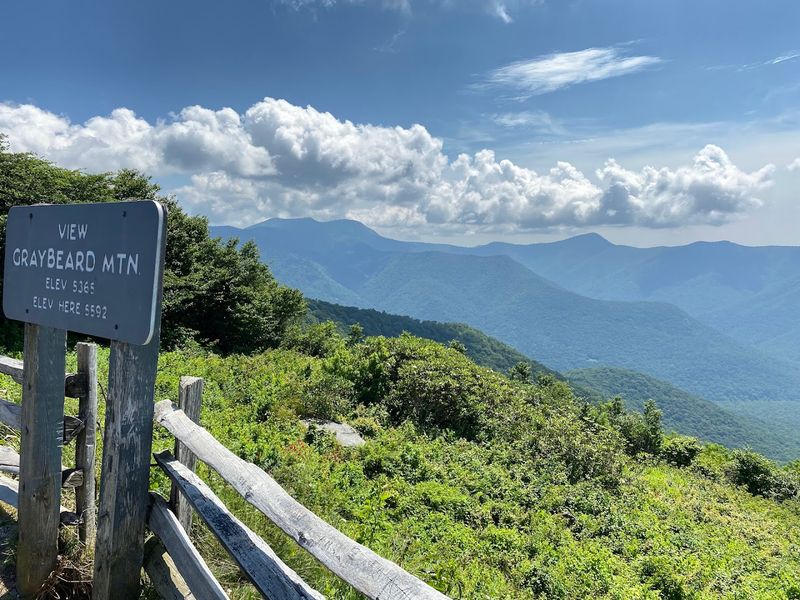
The air gets thinner, cooler, and a little smug at Mount Mitchell, because it knows it is the highest peak east of the Mississippi.
Near Burnsville, Mount Mitchell State Park offers a quick route to a truly enormous view, with the summit rising to 6,684 feet.
That elevation gives the landscape a northern feel, complete with fragrant spruce fir forest and weather that can flip moods fast.
The paved path to the observation deck is short, which means you can earn a spectacular panorama without a marathon level commitment.
On clear days, layered Blue Ridge ridges stretch outward in every direction like a crumpled green ocean.
Visit the museum, read up on Elisha Mitchell, and then step outside again because the real exhibit is definitely the horizon.
Several hiking trails start within the park, including routes to nearby peaks and quieter forest sections where the wind whispers through fir branches.
Even in summer, pack a light layer because the summit often feels far cooler than towns below.
That weather contrast is part of the fun, like sneaking into another season for the afternoon.
The drive on the Blue Ridge Parkway and NC 128 is part of the experience, with overlooks that practically demand extra stops.
Come early for cleaner light and fewer crowds around the deck.
3. Elk Knob State Park
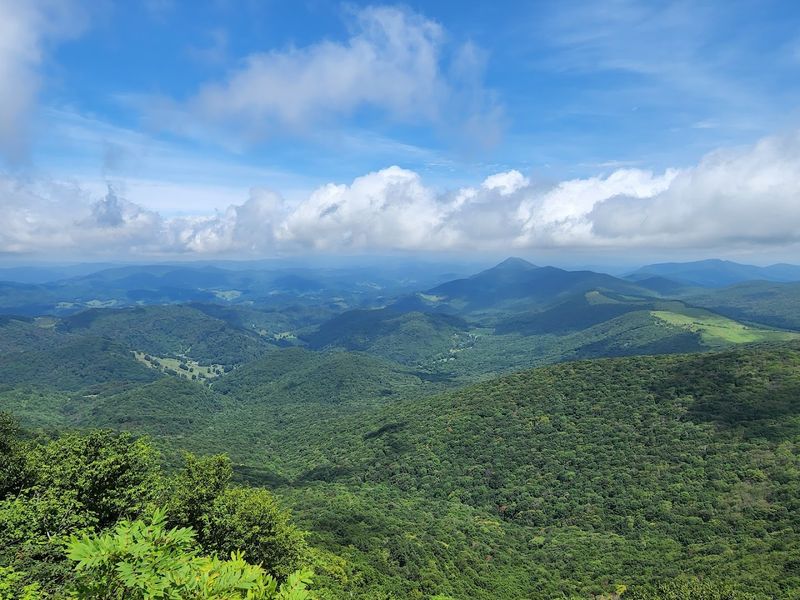
Some hikes make you work for the finale, and Elk Knob absolutely understands dramatic timing.
Near Todd in northwestern North Carolina, this state park protects one of the region’s highest peaks and rewards hikers with panoramic views that feel much bigger than the modest mileage suggests.
The park is compact, peaceful, and refreshingly free of overbuilt distractions.
The main draw is the Summit Trail, a steadily climbing route of about two miles each way through hardwood forest and rhododendron.
As you gain elevation, the air sharpens, the trees thin, and the anticipation starts doing cardio before you do.
At the top, long range views open across the Blue Ridge, with rolling folds of mountain country extending into Tennessee and Virginia.
Bring sturdy shoes, water, and a wind layer because summit breezes can be surprisingly brisk even on warm days.
Spring and early summer bring wildflowers, while fall turns the slopes into a patchwork of gold, rust, and ember red.
In winter, snow can transform the trail into a quieter, more challenging adventure.
If you want a less crowded North Carolina summit that still earns a victory snack in the parking lot, Elk Knob is a smart pick.
4. South Mountains State Park
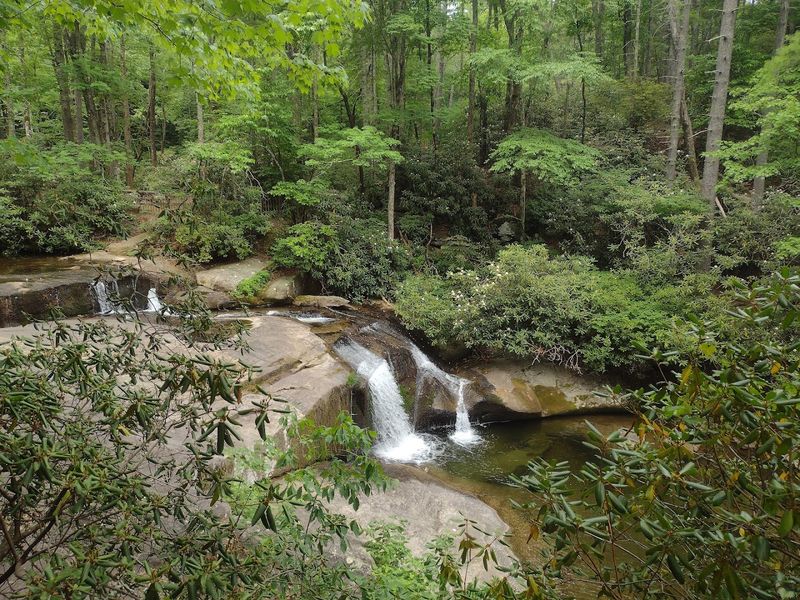
South Mountains State Park feels like a secret mountain range that somehow escaped the spotlight.
Near Connelly Springs, this large park spreads across rugged terrain with backcountry mileage, tumbling creeks, and one of the prettiest waterfalls in the foothills.
It is the kind of place that makes you wonder why more people are not talking about it, then quietly hope they keep forgetting.
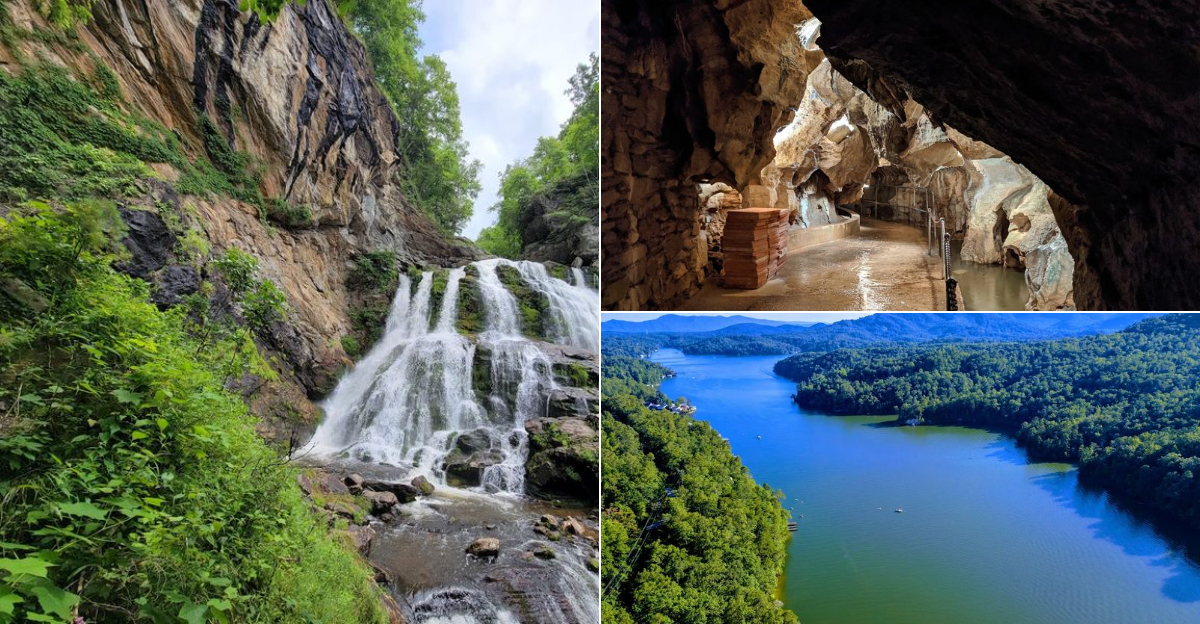
High Shoals Falls is the headline act, dropping about eighty feet in a graceful cascade reached by a popular trail.
The route has enough climb to raise your pulse, but the payoff is cool mist, mossy rocks, and serious photo appeal.
If you want more solitude, the park’s extensive trail network opens into horse trails, mountain bike routes, and remote forest corners.
The elevation changes create a surprisingly wild feeling, especially for a park not far from the Piedmont.
Ridgetop views appear in select spots, while streams and wooded hollows keep the atmosphere shaded and calm.
You can camp here too, which is useful if one waterfall stop accidentally turns into an all day wandering session.
Visit in spring for fresh green color or after rain when the falls run strongest.
Pack snacks, because once you get moving, this park encourages one more trail, then one more.
For travelers seeking a foothills adventure with range, South Mountains more than earns a dedicated trip day.
5. Gorges State Park
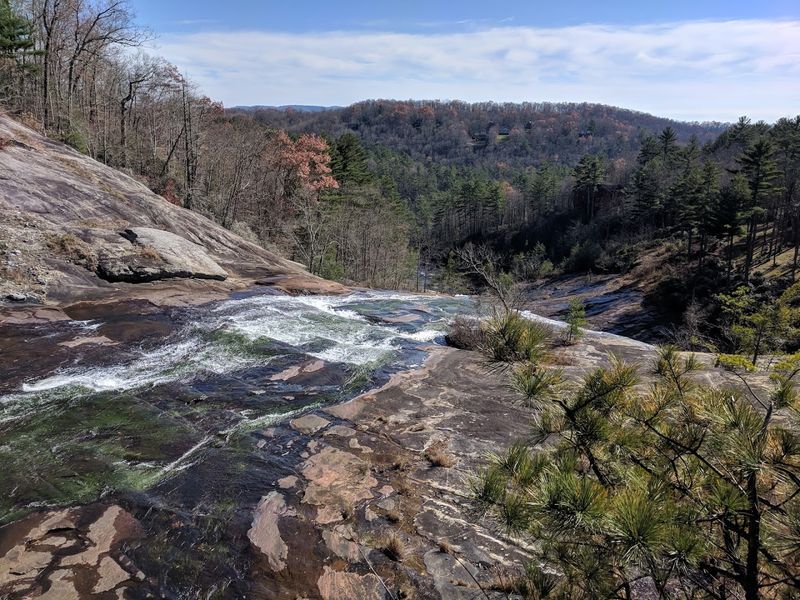
Everything at Gorges State Park feels supercharged – steeper cliffs, louder water, richer green, bigger drama.
Near Sapphire in far western North Carolina, the park protects a rugged escarpment landscape where streams plunge through deep gorges and rainfall keeps the forest almost extravagantly lush.
This is waterfall country with a flair for theatrics.
Rainbow Falls is the marquee hike, and yes, it earns every bit of its reputation.
The trail descends through dense woods to a powerful cascade that throws spray into the air and occasionally paints a little prism when the sun cooperates.
Turtleback Falls and Drift Falls nearby add even more watery spectacle, though swimming conditions can change and caution matters.
What makes this park special is the sense of rawness.
Boardwalk gloss is not the point here; mud, roots, and steep grades are part of the package.
That wild edge creates a more immersive experience, the kind where your shoes come back dirtier and your mood comes back better.
The visitor center provides trail advice, and that is worth using because difficulty levels are real, not decorative.
Summer is green and dramatic, while autumn adds color without toning down the falls.
If your ideal North Carolina adventure includes serious scenery and a little honest effort, Gorges is a thrilling choice.
6. Linville Caverns
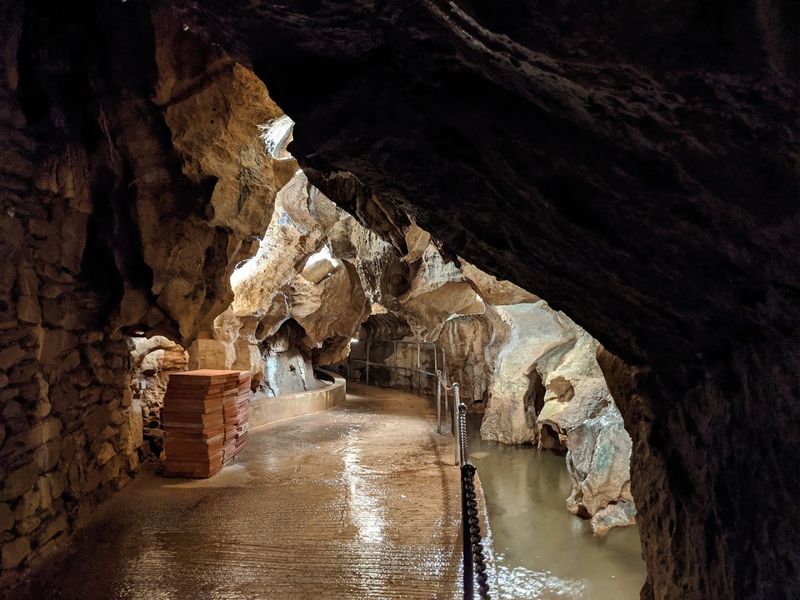
When the summer sun gets bossy, heading underground starts sounding like genius behavior.
Linville Caverns, near Marion in western North Carolina, offers a completely different kind of natural attraction, swapping grand overlooks for cool darkness, echoing chambers, and fascinating geology.
It is one of the few show caves in the state, and that alone gives it road trip bragging rights.
Guided tours lead you through narrow passages, cavern rooms, and damp stone formations shaped over long spans of time.
The temperature stays consistently cool, which feels like nature quietly invented air conditioning before electricity joined the conversation.
Along the way, guides explain the cave’s history, rock formations, and resident trout in the underground stream.
The experience is not overly long, making it easy to pair with nearby outdoor stops like Linville Gorge, the Blue Ridge Parkway, or local mountain drives.
Because the path can be slick and the ceiling low in places, wear shoes with grip and prepare to duck occasionally.
That little bit of awkward crouching is part of the charm, or at least the story you tell later.
Linville Caverns works especially well for families, curious travelers, and anyone craving variety beyond trails and overlooks.
It adds mystery to a mountain itinerary without requiring mountaineering knees.
For a cooler, stranger side of North Carolina nature, this stop absolutely deserves consideration.
7. Morrow Mountain State Park
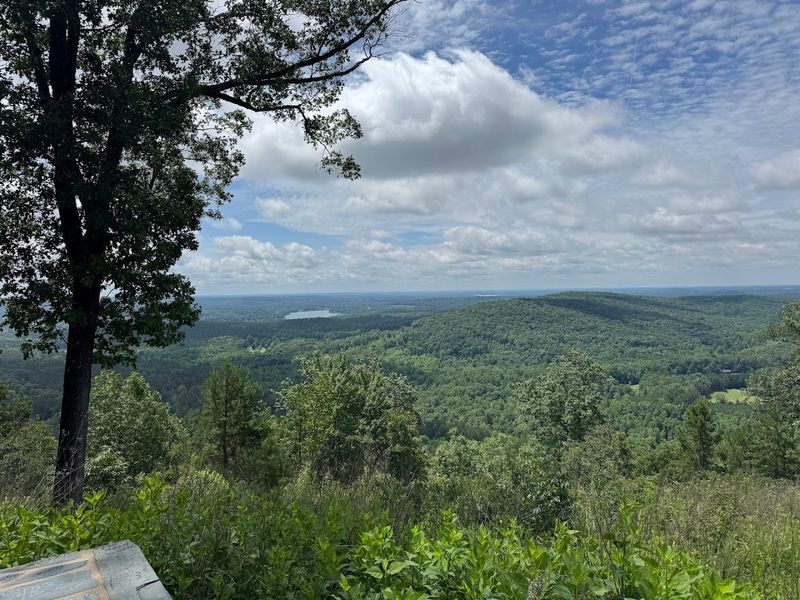
Not every great North Carolina landscape shouts, and Morrow Mountain proves quiet scenery can still steal the show.
Near Albemarle, this state park rises from the ancient Uwharrie Mountains, a worn down range with rounded summits, river views, and a peaceful, almost old soul atmosphere.
It feels gentler than the high Blue Ridge, but no less rewarding.
The drive to Morrow Mountain’s overlook is quick, and the panorama across the Yadkin Pee Dee River valley is especially lovely in soft morning or evening light.
Several trails let you explore deeper, from easy walks to more demanding climbs across rocky, wooded terrain.
Because the Uwharries are among North America’s oldest mountains, the landscape carries a distinct character – humble, sturdy, and quietly impressive.
Boating and paddling opportunities on Lake Tillery and the river add another layer for visitors who prefer water to switchbacks.
The park also preserves cultural history, including an archaeology museum highlighting Native American presence in the region.
That combination of nature and story gives the place more depth than a simple scenic stop.
Campgrounds and cabins make overnight stays easy, especially for families or anyone wanting a slower paced getaway.
Come in fall for color, or spring for comfortable hiking weather and fresh greens.
If your ideal trip values calm beauty over crowds, Morrow Mountain is an easy yes.
8. Merchants Millpond State Park
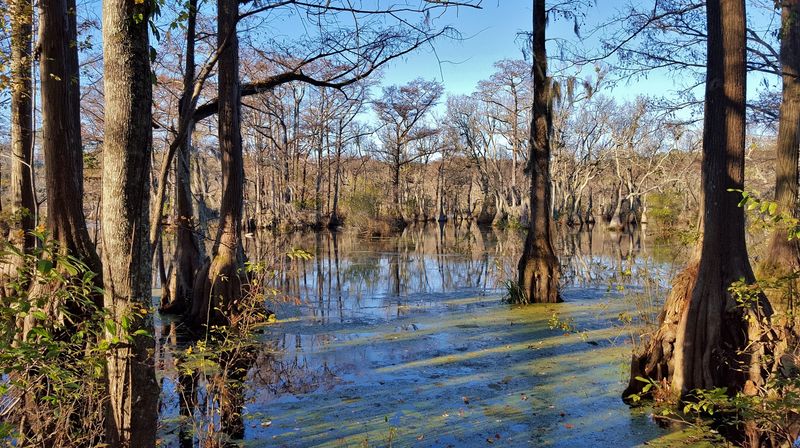
At Merchants Millpond, North Carolina suddenly looks like it borrowed a scene from the Deep South and added its own hush.
Near Gatesville in the state’s northeastern corner, this park protects a remarkable millpond and swamp ecosystem filled with bald cypress, water lilies, and shadowy reflections.
The mood is less mountain adventure and more enchanted bayou with excellent birdwatching.
Paddling is the star activity here.
Slip into a canoe or kayak, and you can glide through tea colored water beneath cypress limbs draped in moss, with turtles sunning on logs and herons stalking the shallows.
It is beautiful, slightly eerie, and wonderfully quiet, like nature decided indoor voices were mandatory.
Hiking trails around Lassiter Swamp and the millpond offer dry land options, though wetland magic is strongest from the water.
Wildlife sightings can include river otters, barred owls, and plenty of amphibian chatter once the day cools.
Photographers especially love the mirror still mornings, when every tree seems to admire its own reflection.
This park feels unlike almost anywhere else in North Carolina, which is exactly why it deserves a special trip.
Plan for bug spray, sun protection, and a little patience on the paddle.
For a journey with atmosphere, texture, and serious swamp charisma, Merchants Millpond absolutely delivers.
9. Carolina Beach State Park
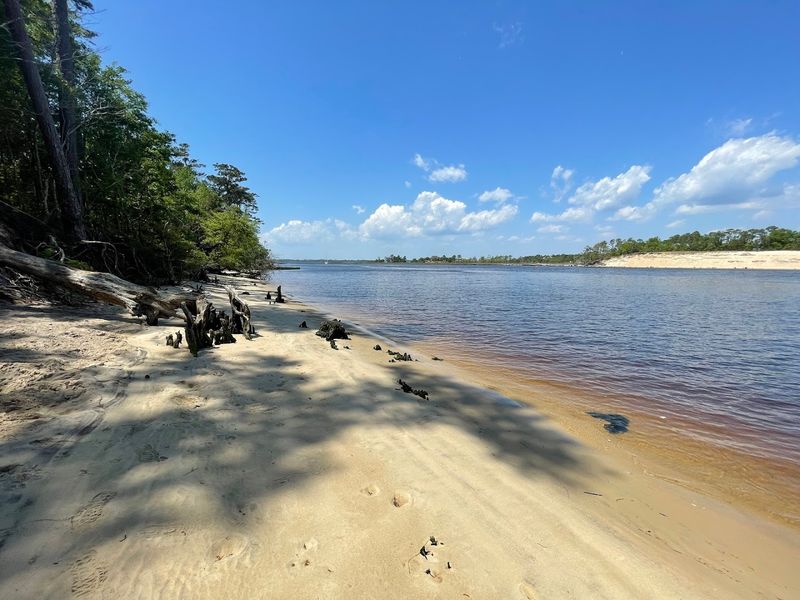
Beach trips usually promise sunscreen and salt air, but Carolina Beach State Park adds carnivorous plants to the itinerary just to keep things interesting.
Located in Carolina Beach near Wilmington, this coastal park mixes maritime forest, sandy trails, riverfront scenery, and rare natural habitats into one unusually varied stop.
It is proof that the coast can do much more than simply lounge attractively.
The Flytrap Trail is the signature walk, offering one of the best places to see native Venus flytraps in the wild.
These famous little insect eaters are surprisingly small, so slow down and look carefully rather than expecting a botanical action movie.
The park’s pocosins, pine woods, and open savannas create an ecological patchwork that feels rich without feeling crowded.
Beyond hiking, you can paddle quiet waters, fish, camp, or watch the Cape Fear River catch evening light.
Sugarloaf Dune, a Civil War era landmark, adds a layer of history to the natural appeal.
That combination keeps the park from feeling one note, even if your original plan was just a quick trail before tacos.
Visit in cooler months for comfortable walking, though every season has something to show off.
Bring binoculars for birds and patience for spotting flytraps.
If you want coastal North Carolina with brains, beauty, and a quirky streak, this park is an excellent excuse.
10. Nantahala National Forest
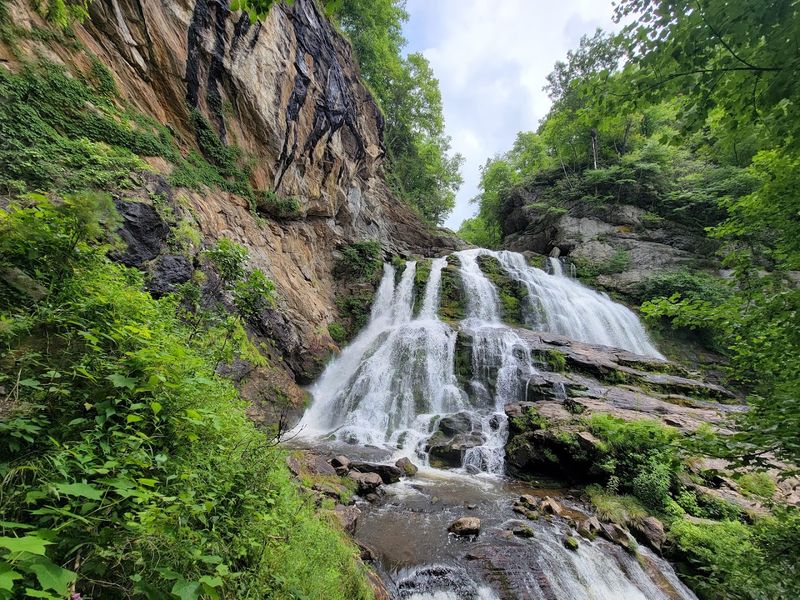
Nantahala National Forest is not one attraction so much as a grand buffet of mountain scenery, and yes, you will want seconds.
Stretching across a huge section of western North Carolina, with Franklin as a useful gateway town, it includes deep valleys, wild rivers, high balds, waterfalls, and scenic roads that know exactly how photogenic they are.
You could visit repeatedly and still leave with unfinished business.
The Nantahala River is famous for whitewater rafting and kayaking, making this forest a top pick for travelers who like their beauty with a side of splash.
Farther afield, Wayah Bald, Whiteside Mountain, and sections of the Appalachian Trail offer sweeping views and satisfying hikes.
The forest also contains quieter corners where a simple creekside walk can feel like the best decision of the week.
Because the area is so broad, planning matters.
Choose one zone for waterfalls, another for paddling, or build a full itinerary around mountain towns like Franklin, Highlands, or Bryson City.
That variety is the magic – you can tailor the trip to your energy level, your weather luck, and your snack inventory.
Fall color here is excellent, but summer is unbeatable for river adventures and cool forest shade.
11. Lake Lure
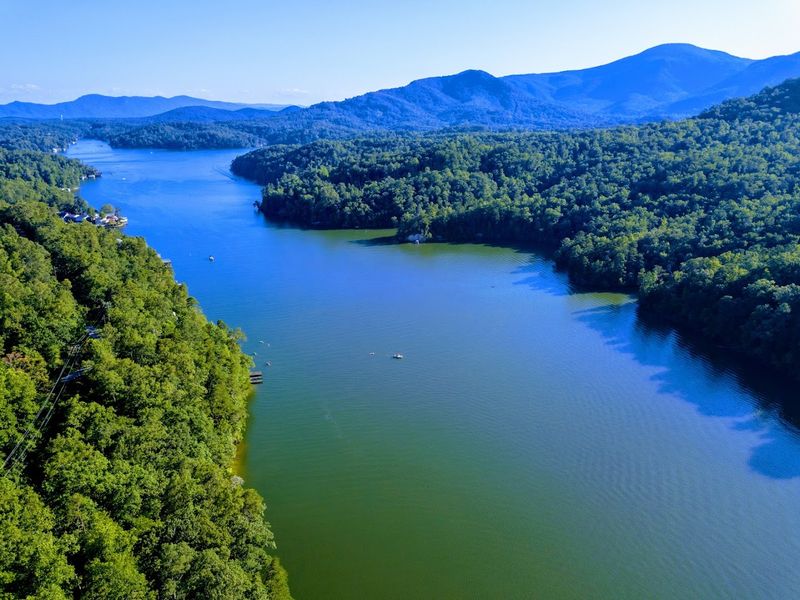
Lake Lure looks like a postcard that somehow learned depth, texture, and very good lighting.
In the town of Lake Lure, this mountain framed lake in western North Carolina combines dramatic scenery with easygoing recreation, making it ideal for travelers who want beauty without spending every waking hour climbing uphill.
Sometimes the perfect outdoor day involves less suffering and more floating, and that is valid.
The lake is surrounded by steep wooded slopes and rocky outcrops, creating a sheltered, cinematic feel from almost every angle.
Boat tours are a popular way to appreciate the landscape, while kayaking and paddleboarding let you move at your own pace.
Mornings often bring glassy reflections that make the whole place look suspiciously edited.
Nearby attractions add range.
Chimney Rock State Park sits just up the road with iconic views, trails, and a waterfall, so you can pair lake time with a little vertical adventure.
Back in town, the beach area, flowering bridge, and waterfront dining make the destination feel polished without losing its natural charm.
Summer is lively, but spring and fall offer gorgeous color and fewer crowds.
Book lodging early if you want a weekend stay, because people have noticed this place is lovely.
For a North Carolina nature trip that balances mountain grandeur with laid back fun, Lake Lure is hard to beat.