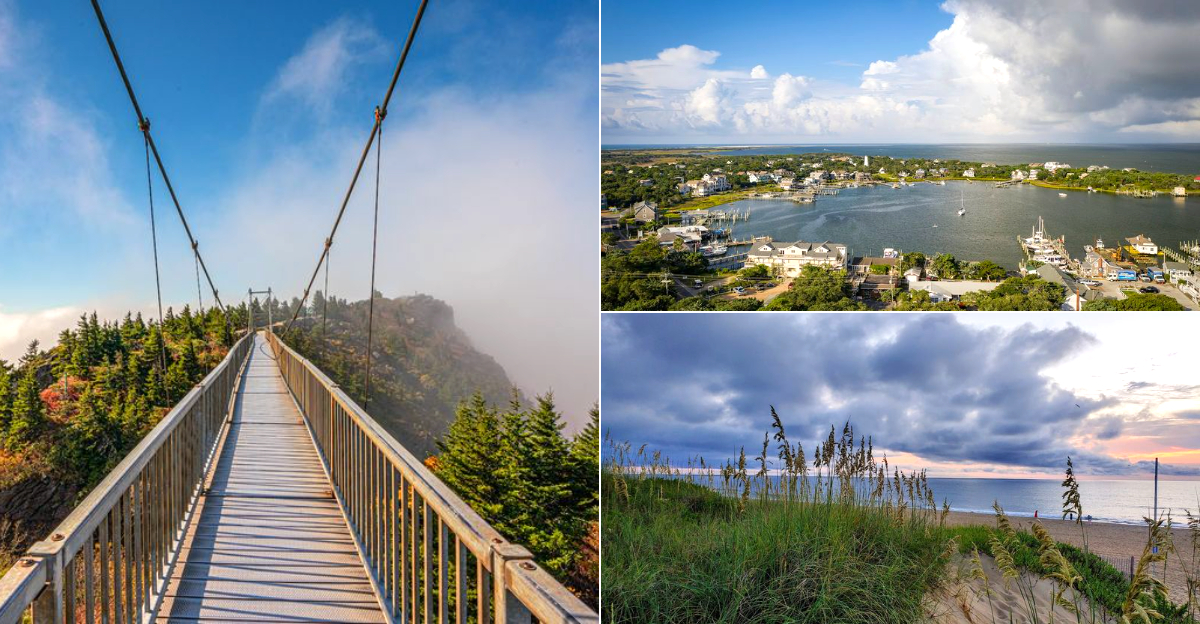
North Carolina is a state defined by its sweeping geographic transitions, moving effortlessly from mist-covered mountain ridges to the windswept barrier islands of the Atlantic coast.
Because of this dramatic diversity, the Tar Heel State boasts an incredible collection of landmarks that feel entirely distinct from one another yet collectively capture its true heritage.
This curated list highlights ten essential destinations that offer an authentic glimpse into the region’s deep history, natural wonders, and vibrant local culture.
Whether you are a lifelong resident seeking to reconnect with local treasures or a first-time visitor plotting an epic road trip, these iconic locations deserve top billing on your travel itinerary.
This State invites you to explore the legendary spaces that make North Carolina truly unforgettable, promising a journey filled with awe-inspiring moments from the mountains to the sea.
1. Biltmore Estate – Asheville, Buncombe County
Some places make you slow down before you even reach the front door.
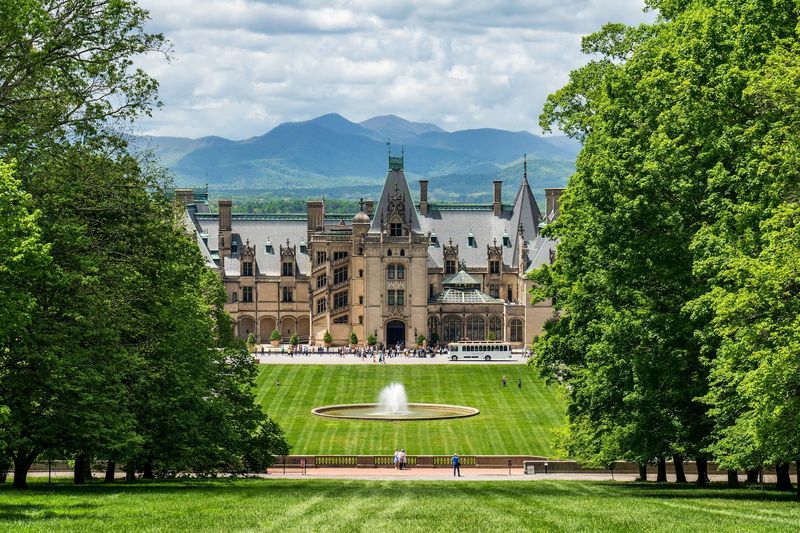
Biltmore Estate in Asheville, Buncombe County, did that for me with its long approach, formal gardens, and the kind of architecture that invites a second look.
Built by George Vanderbilt and opened in 1895, the house remains America’s largest privately owned home. I liked starting with the audio tour because the stories about art, guests, and daily routines gave each room more personality.
Fresh air changes the pace in the best way after the house tour ends.
The estate’s gardens, designed by Frederick Law Olmsted, feel especially rewarding in spring and early summer, while the conservatory offers color even on gray days.
If you have time, the winery tasting is an easy add-on, and the Antler Hill area makes a good break for lunch.
I found that arriving early helped me avoid crowds and gave the grounds a calmer rhythm. The whole visit feels polished, but never stiff.
I love how the estate moves from mountain roads to villages without losing its character.
2. Blue Ridge Parkway – Asheville, Buncombe County
The road starts working its charm long before you pull over at the first overlook.
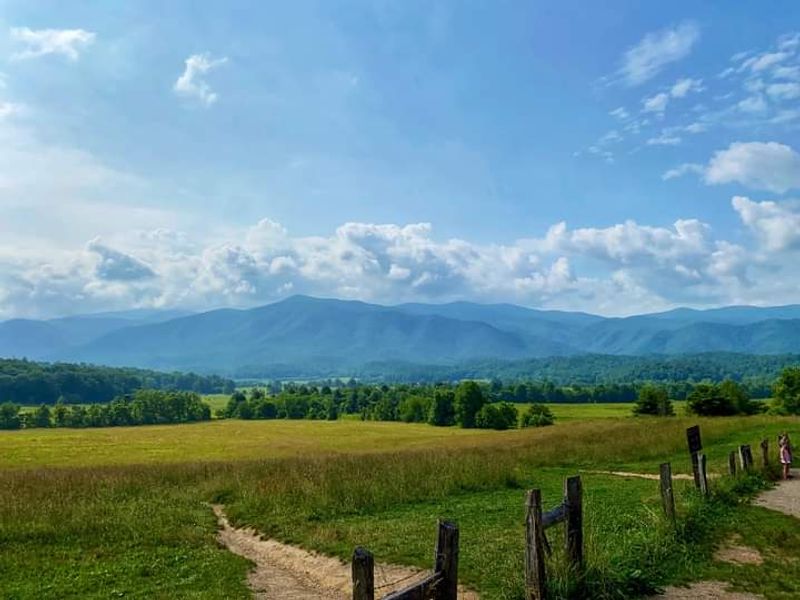
Blue Ridge Parkway near Asheville, Buncombe County, is less about rushing somewhere and more about noticing how the mountains keep changing shape.
I have driven short sections and full afternoons, and the experience feels different every time.
Opened in stages beginning in the 1930s, the parkway was designed for scenery, so even a casual drive can feel thoughtfully composed.
Weather writes its own itinerary here, and that is part of the appeal.
On clear days, the views stretch across ridges in gentle layers, while fog makes the forests feel quieter and more intimate.
I recommend checking road conditions before heading out, especially in colder months, because closures happen often at higher elevations.
Craggy Gardens, the Folk Art Center, and graveled pullouts all reward an unhurried schedule.
My best tip is simple: keep snacks, a light jacket, and room in your plans for stops you never saw coming. Each location here provides a profoundly immersive experience, ensuring your time is spent uncovering the very soul of the Southeast.
3. Great Smoky Mountains National Park – Cherokee, Swain County
Mist has a way of turning ordinary mornings into something more memorable.
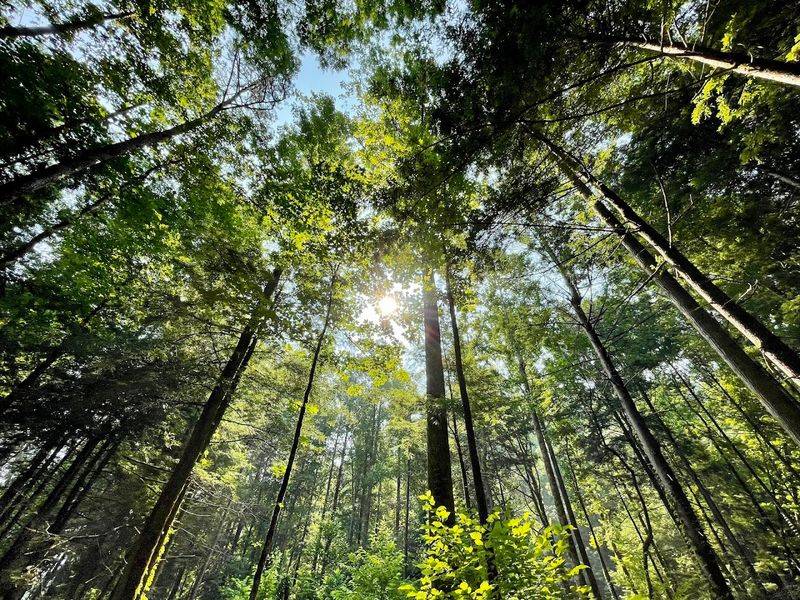
Great Smoky Mountains National Park near Cherokee, Swain County, earns its name with blue haze, dense forests, and trails that seem to settle your thoughts as you walk.
I usually enter from the North Carolina side when I want a quieter start and an easy connection to Cherokee’s cultural stops.
The park, established in 1934, is America’s most visited national park, yet many corners still feel calm.
Wildlife and weather keep you alert without making the day feel tense.
Elk are often seen in Cataloochee Valley, and black bears live throughout the park, so I always keep my distance and store food carefully.
Streams, old-growth forest pockets, and historic buildings add variety if you prefer short walks over long hikes.
Clingmans Dome, now officially Kuwohi, offers sweeping views when skies cooperate, but lower elevations can be just as rewarding.
I leave this park feeling refreshed, slightly muddy, and grateful for how alive the landscape feels, unlike the standard tourist stops.
4. The Outer Banks – Nags Head, Dare County
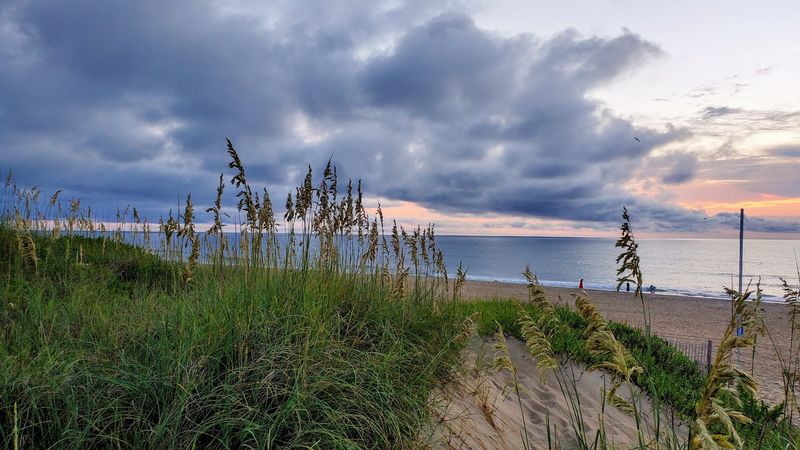
Wind seems to sharpen every color along this stretch of coast.
The Outer Banks near Nags Head, Dare County, combines wide beaches, shifting dunes, maritime history, and towns that still feel shaped by water and weather.
I like that a day here can move from lighthouse views to seafood shacks to quiet shoreline walks without feeling forced.
These barrier islands are famously dynamic, and storms, tides, and currents have always influenced both travel and daily life.
Small decisions make a big difference when you visit.
I learned quickly to pack more water than expected, check beach driving rules before assuming access, and respect rip current warnings no matter how calm the surf appears.
Jockey’s Ridge State Park is a standout for sunset, especially if you want a broad view of sand and sound without a long hike.
Depending on the season, traffic can be slow, so patience goes a long way.
What stays with me most is the mix of open sky, salt air, and local stories that never feels overly polished.
5. Cape Hatteras Lighthouse – Buxton, Dare County
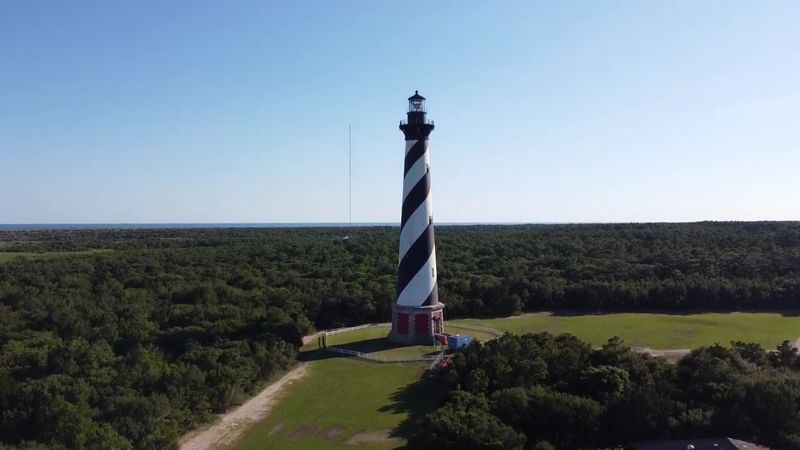
Black and white stripes rarely look this purposeful against a coastal sky.
Cape Hatteras Lighthouse in Buxton, Dare County, stands as one of North Carolina’s clearest reminders that beauty and danger often share the same shoreline.
I was struck not only by its height, but by the engineering story behind it, especially the famous 1999 relocation that moved the structure inland to protect it from erosion.
That bit of modern history gives the lighthouse a surprisingly contemporary edge.
Climbing days reward anyone comfortable with a lot of steps and a little wind.
The view from the top reaches across sea, sound, and low-slung villages, and it quickly explains why this beacon mattered to sailors navigating the Graveyard of the Atlantic.
Even if the climb is closed, the grounds and nearby beach make the stop worthwhile, especially early or late in the day.
I suggest bringing sun protection because shade is limited and the light here means business.
Few places make coastal history feel this direct, sturdy, and easy to picture.
6. Linville Caverns – Marion, McDowell County
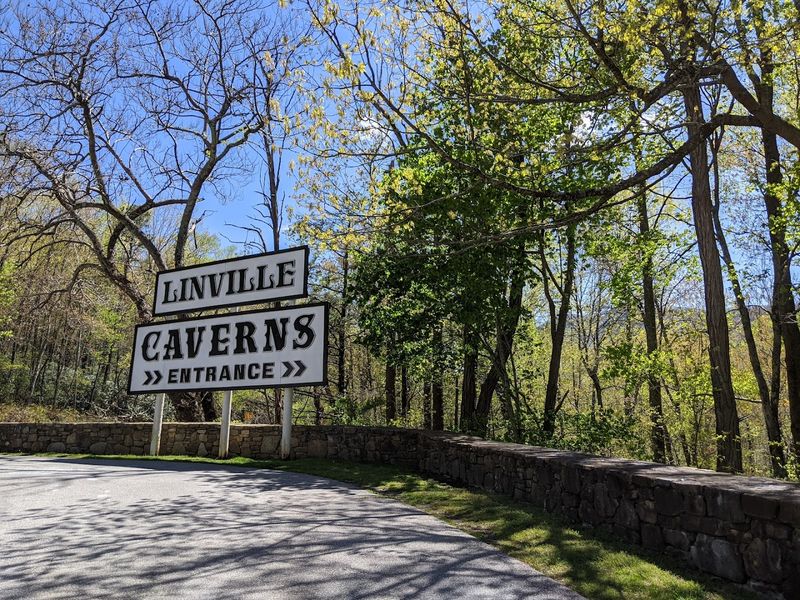
Cool air changes the mood the second you step below ground.
Linville Caverns near Marion, McDowell County, offers a very different side of western North Carolina, trading overlooks for limestone passages and quiet underground water.
I appreciated that the guided tour keeps the visit focused and informative without turning it into a lecture. Open to visitors since 1939, the caverns remain the only show caverns in the state, which gives the experience a small but memorable distinction.
Darkness makes details stand out in unexpected ways.
The guides point out formations, explain how the cave developed over time, and often mention the trout living in the underground stream, which always catches people by surprise.
Temperatures stay cool year-round, so a light layer helps even in summer, and sturdy shoes are better than sandals on damp surfaces.
The tour is not long, which I actually liked because it leaves room to pair the stop with nearby mountain drives.
It is a compact visit, but one that lingers in memory longer than you might expect.
7. Old Salem Museums & Gardens – Winston-Salem, Forsyth County
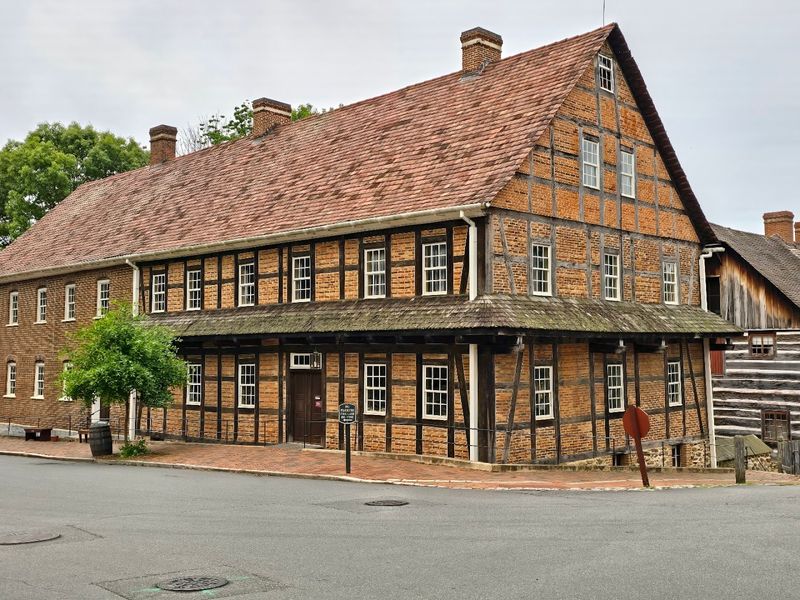
Brick paths can make history feel surprisingly close under your feet.
Old Salem Museums & Gardens in Winston-Salem, Forsyth County, preserves the Moravian story through restored buildings, skilled trades, and streets that still feel lived in rather than staged.
I found it easiest to enjoy when I let myself wander between structured exhibits and quieter corners. Founded in 1766, Salem grew as a Moravian community known for craftsmanship, music, and a daily life shaped by strong communal traditions.
The best moments often arrive through ordinary details.
Watching bakers, potters, and other interpreters explain their work gave me a better sense of the town than any timeline could, and the gardens add texture without stealing attention from the architecture.
If you like museums that reward conversation, ask questions because the staff usually have excellent answers and a few lively side stories.
I also recommend comfortable shoes since the site covers more ground than it first appears.
By the time I left, the place felt less like a lesson and more like a neighborhood speaking across centuries.
8. Grandfather Mountain Swing Bridge – Linville, Avery County
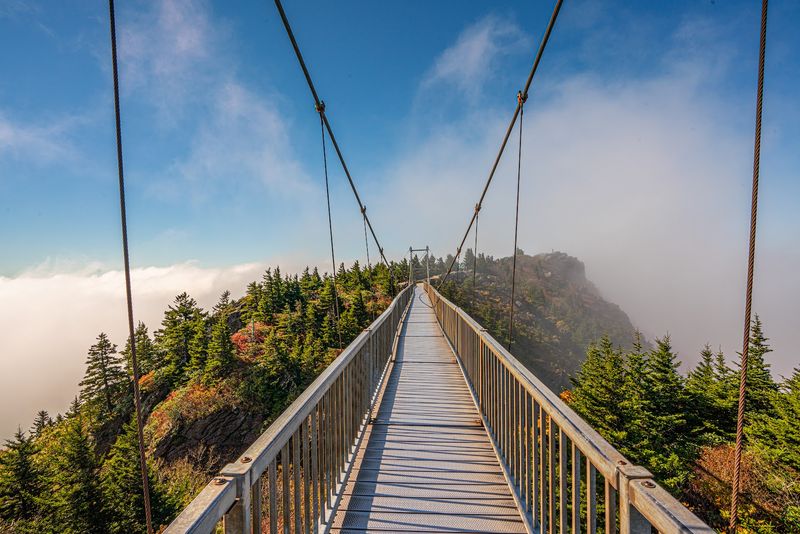
Altitude adds a little drama before you even take the first step.
Grandfather Mountain Swing Bridge near Linville, Avery County, pairs big views with an experience that is more accessible than many high-elevation outings in the region.
I expected the bridge to feel gimmicky, but it actually works as a strong introduction to the mountain’s geology and scale.
Spanning a gap at more than a mile above sea level, the bridge connects visitors to panoramic views without requiring a strenuous hike.
Wind keeps the moment honest, especially on cooler days.
Beyond the bridge, the nature museum, wildlife habitats, and short trails make it easy to turn a brief stop into a fuller visit, and the educational pieces help explain why this mountain matters ecologically.
I was glad I brought a jacket because temperatures can feel notably lower here than in nearby valleys, even when the forecast looks mild.
Clear mornings are often best for visibility, though changing clouds add character fast.
It is one of those places where a simple walk becomes the part you remember most clearly.
9. Asheville Arts District – Asheville, Buncombe County
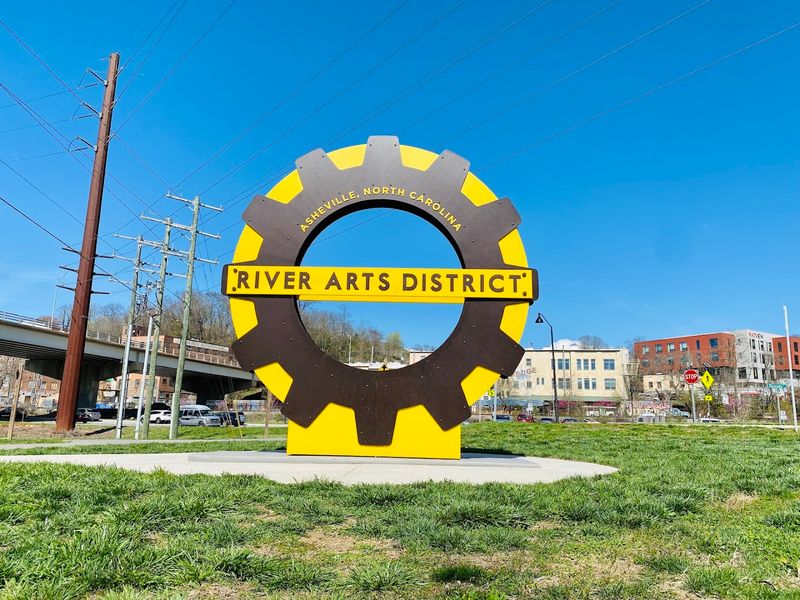
Color shows up quickly here, sometimes before you even find a parking spot.
Asheville Arts District in Asheville, Buncombe County, rewards wandering with studio doors, murals, handmade goods, and the pleasant sense that creativity is part of the neighborhood’s daily routine.
I like visiting without a rigid checklist because the fun often comes from unplanned conversations with artists.
The district, especially the River Arts area, grew inside former industrial buildings that now hold working studios and galleries.
Watching people make things changes how you see what is for sale.
Pottery, prints, paintings, jewelry, and textiles appear throughout the district, and many artists are happy to explain process, inspiration, or the practical side of their craft without sounding rehearsed.
I usually go earlier in the day when parking is simpler and I can move at a slower pace before stopping for coffee or lunch nearby.
Flood recovery and redevelopment have shaped parts of the area, so checking current openings is wise. Even after a short visit, I leave feeling like the city’s personality has introduced itself directly.
10. Ocracoke Island – Ocracoke, Hyde County
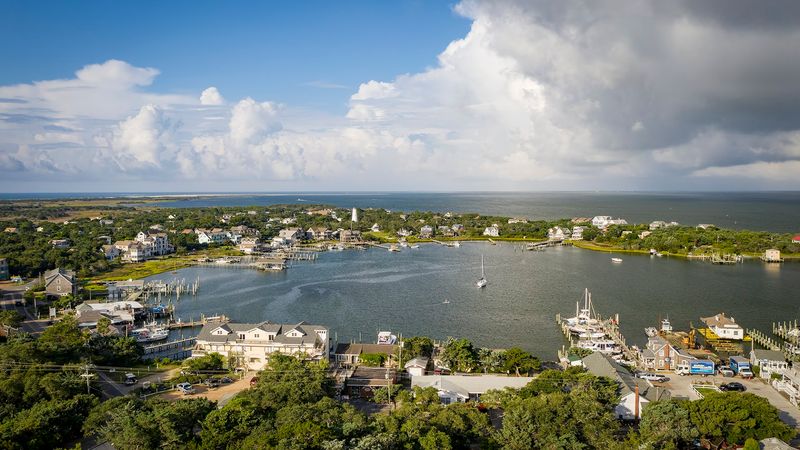
Ferry schedules have a way of reminding you to loosen your grip on the clock.
Ocracoke Island in Ocracoke, Hyde County, feels pleasantly set apart, with a village atmosphere, broad beaches, and a pace that encourages walking, biking, and noticing small details.
I always think places like this reveal themselves best when you stop trying to see everything.
Accessible by ferry or small plane, the island carries deep maritime history and a long connection to fishing, shipwreck lore, and Blackbeard stories.
Quiet does not mean empty of character.
The village has locally owned shops, seafood spots, and the Ocracoke Lighthouse nearby, while the Cape Hatteras National Seashore beaches offer long stretches of sand that rarely feel crowded compared with more built-up destinations.
I recommend bringing supplies before arrival, especially during busier months, because choices are fewer and that is part of the charm.
Bikes are genuinely useful here, not just decorative vacation props.
In the evening, with boats rocking in Silver Lake Harbor, the island settles into a mood that feels simple, weathered, and entirely itself.