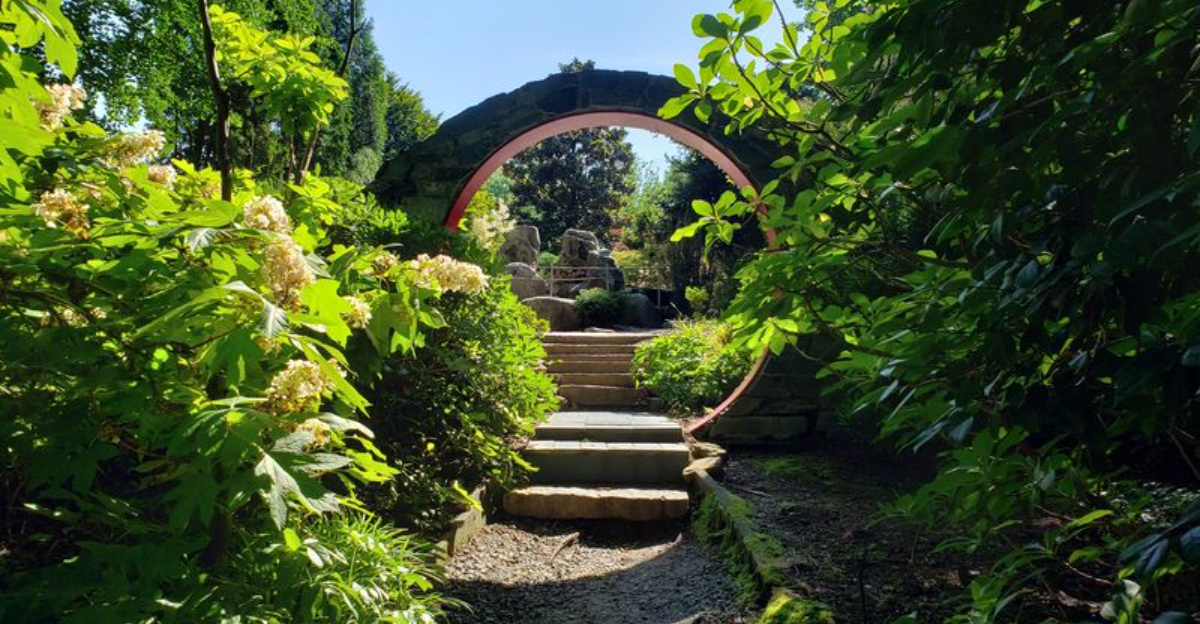
We didn’t expect to find so many beautiful gardens across North Carolina that could be explored without spending anything.
Yet these public green spaces quickly became some of our favorite places to slow down during the warmer months.
We wandered along peaceful paths, discovered colorful plant collections, watched butterflies move through blooming gardens, and found shady spots that felt surprisingly far removed from everyday life.
Some gardens were tucked into college campuses or city parks, while others were hidden behind quiet roads and surrounded by mature trees.
Each had its own personality, from carefully designed botanical displays to natural landscapes that invited a slower pace.
The best part was knowing we could enjoy all that beauty without worrying about an admission fee.
If you’re searching for an inexpensive summer outing, a relaxing place to walk, or a beautiful backdrop for photos, these 11 North Carolina public gardens offer plenty of reasons to step outside and explore.
1. JC Raulston Arboretum – Raleigh
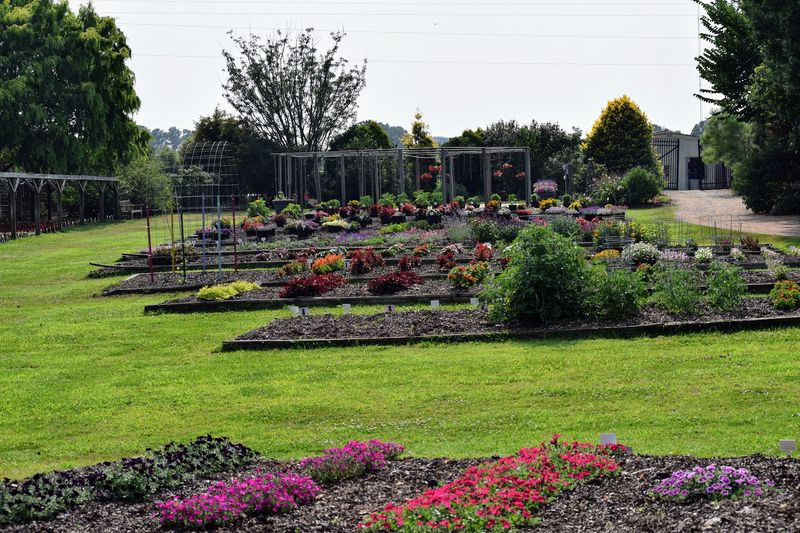
A flash of color can stop you mid-step at JC Raulston Arboretum in Raleigh, where plants from around the world grow like friendly science experiments.
Located near North Carolina State University on Beryl Road, this free garden is a favorite for curious walkers, plant lovers, and families who want an easy outdoor break.
The arboretum is known for testing trees, shrubs, perennials, and vines that may grow well in the Southeast.
Paths lead past sunny beds, shady corners, Japanese maples, roses, conifers, and bold tropical-looking leaves in warm months.
Plant labels make the visit feel like a treasure hunt, especially if you enjoy learning names as you wander.
Bring a notebook or snap photos if you garden at home, because ideas are everywhere.
Parking is usually simple, but special events can make it busier.
For the calmest visit, go on a weekday morning.
You will hear birds, see gardeners at work, and leave with at least one plant wish added to your list.
2. North Carolina Botanical Garden – Chapel Hill
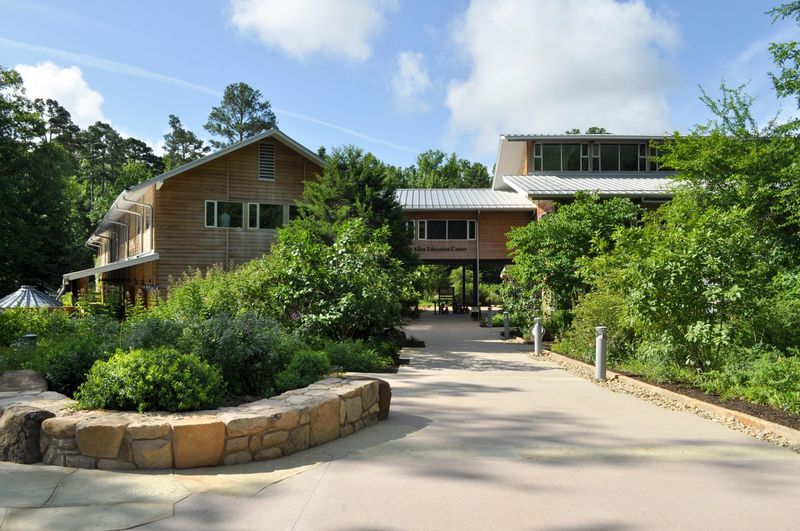
Pine needles, wildflowers, and quiet trails give the North Carolina Botanical Garden in Chapel Hill a calm, woodsy charm right away.
This garden, part of the University of North Carolina, focuses on plants native to the Southeast.
That makes it different from many display gardens, because the beauty feels deeply connected to local forests, meadows, and wetlands.
Visitors can explore habitat gardens, a carnivorous plant collection, herb gardens, and natural trails without paying admission.
The site sits on Old Mason Farm Road, not far from campus, yet it can feel miles from busy streets.
Look for signs that explain how native plants help birds, butterflies, bees, and clean water.
Kids often enjoy the unusual pitcher plants, while adults may notice smart ideas for low-water landscaping.
Wear shoes that can handle dirt paths if you plan to walk beyond the main garden areas.
Spring brings blooms, fall brings golden color, and even winter has seed heads, bark, and peaceful shapes worth seeing.
3. UNC Charlotte Botanical Gardens – Charlotte
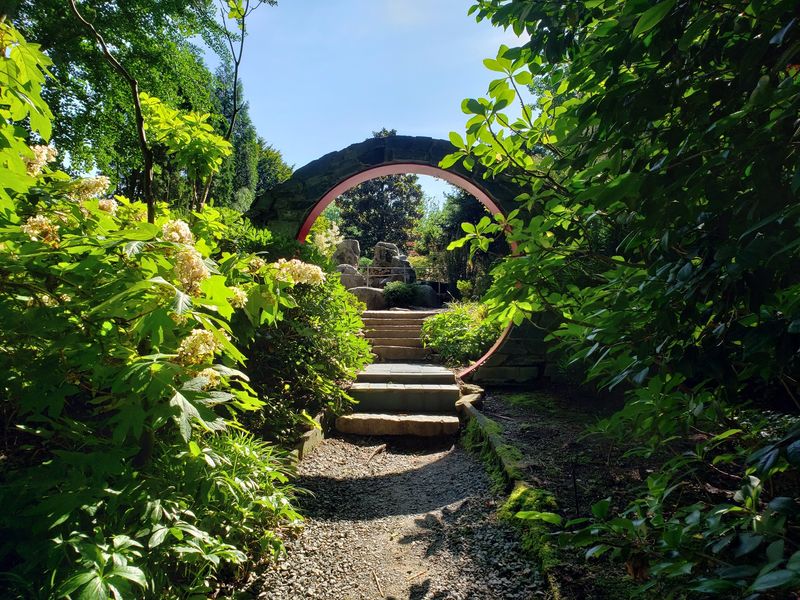
Hidden on a busy university campus, UNC Charlotte Botanical Gardens feels like a secret shortcut into another world.
The gardens include several areas, and each has its own mood.
Van Landingham Glen offers a shady woodland walk with native plants, ferns, and spring ephemerals, while the outdoor gardens near the greenhouses show off colorful beds and interesting collections.
Admission to the outdoor gardens is free, though hours for indoor conservatory spaces can vary, so check current details before leaving home.
The location on the UNC Charlotte campus makes it handy for students, local families, and visitors exploring the Queen City.
Expect a mix of learning and wandering.
Labels, plant collections, and seasonal displays make the garden useful for home gardeners, while the paths provide a peaceful pause from traffic and campus life.
Spring is especially lovely, but summer brings bold texture and shade.
Use campus maps for parking rules, because university lots can be confusing.
Once you find your way, the reward is leafy, quiet, and surprisingly rich.
4. Greensboro Arboretum – Greensboro
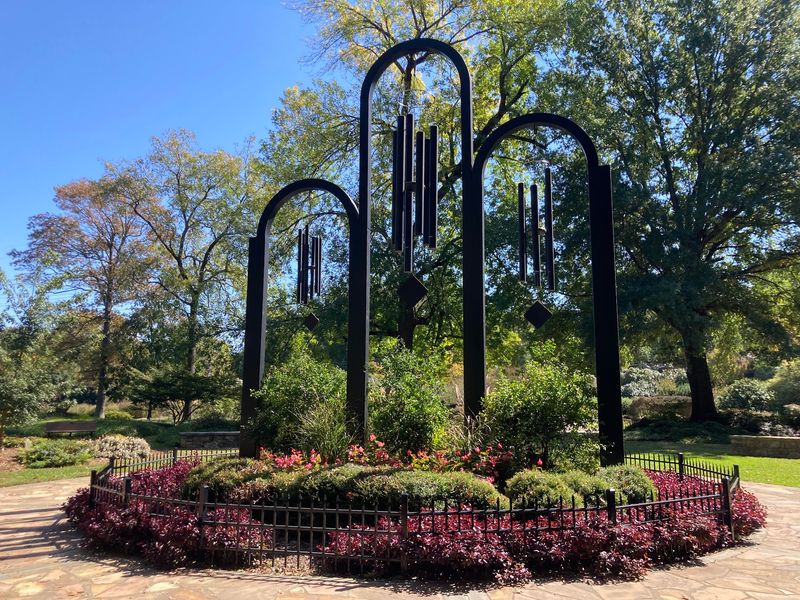
Curving walkways make Greensboro Arboretum feel like a choose-your-own-adventure book written in flowers.
Set within Lindley Park in Greensboro, this free public garden covers a welcoming space filled with themed plantings, bridges, arbors, and open lawns.
It is easy to enjoy because many paths are paved, making short strolls simple for visitors of many ages.
The garden shows off roses, hostas, annual color, shrubs, trees, and seasonal beds that change through the year.
You might see someone taking graduation photos, a family walking after lunch, or a gardener studying plant combinations for a home yard.
Because the arboretum sits in a city park, it works well for a relaxed outing without much planning.
Bring a drink, walk slowly, and look for details like textures, leaf shapes, and pollinators visiting blooms.
Early morning brings softer light and fewer people.
Late afternoon is also pleasant when the heat drops.
For a free garden, it delivers plenty of beauty, especially during spring and summer.
5. Tanger Family Bicentennial Garden – Greensboro
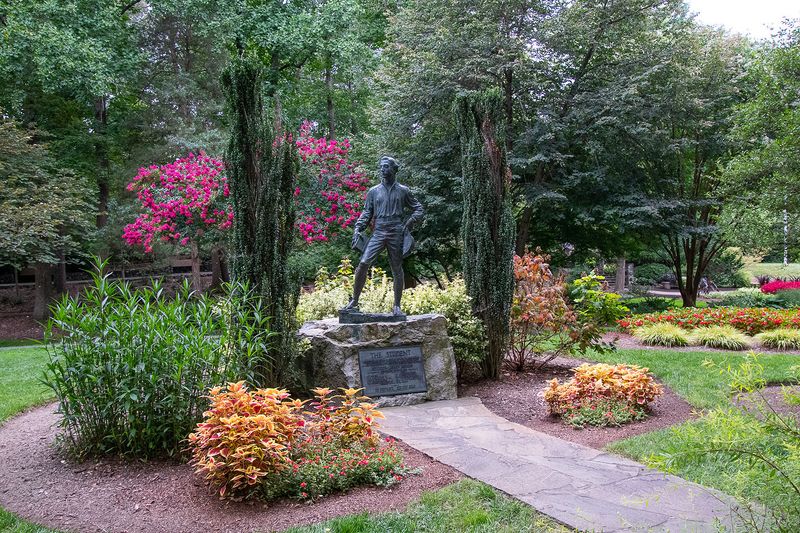
Bronze sculptures peek from the greenery at Tanger Family Bicentennial Garden, giving a simple walk a touch of storybook drama.
This free Greensboro garden sits on Hobbs Road and honors the nation’s bicentennial with a polished, graceful layout.
Brick paths, formal beds, lawns, stonework, and art pieces create a refined setting that still feels friendly and easy to explore.
Many visitors pair it with nearby Greensboro gardens, but it deserves time of its own.
The garden is popular for photos because the paths, sculptures, and seasonal flowers create lovely backdrops without feeling too large or rushed.
Slow down near the plantings and notice how the design frames views.
Some spots feel open and sunny, while others pull you toward shade, benches, or a quiet corner.
Parking is usually nearby, though weekends can draw more people.
Visit in spring for fresh blooms, or return in fall when colors soften and the air feels crisp.
It is a polished escape that proves free places can still feel special.
6. Gateway Gardens – Greensboro
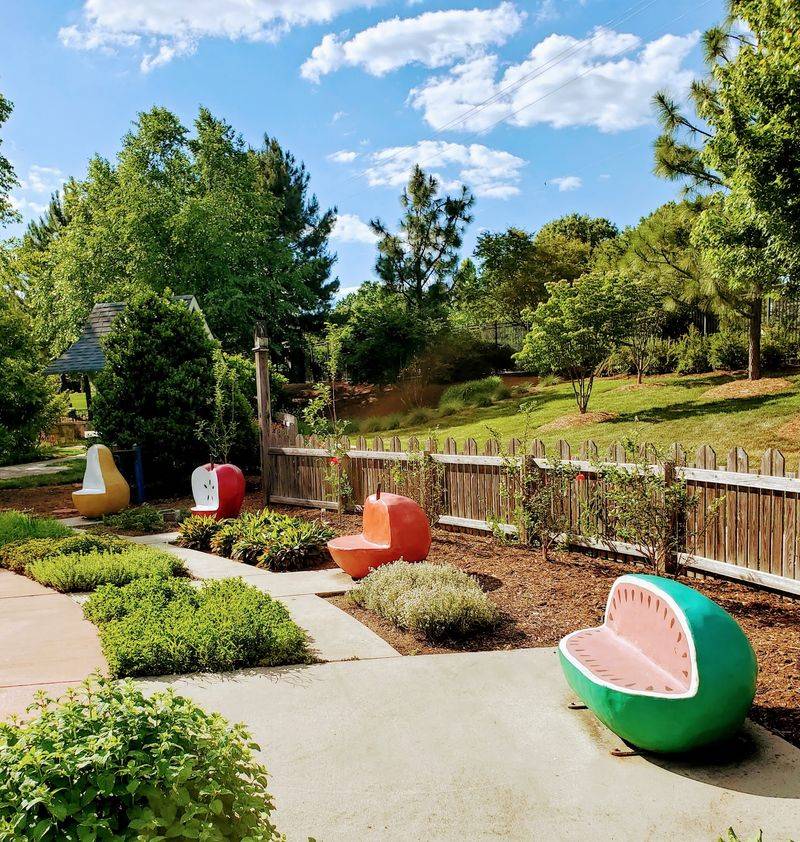
Giant gates, bright flowers, and playful details make Gateway Gardens one of Greensboro’s most cheerful free surprises.
Located near East Gate City Boulevard, this public garden was designed as a welcoming green entrance to the city.
It mixes art, landscape design, and family-friendly spaces in a way that feels creative instead of stiff.
Children often enjoy the whimsical features, while adults can appreciate the thoughtful planting and open lawns.
The garden includes colorful beds, interesting structures, and paths that invite slow wandering rather than a fast march.
Because it sits near major roads, the peaceful feeling may catch you off guard.
One minute you are in traffic, and the next you are standing near flowers, sculpture, and buzzing pollinators.
Bring a camera if you like bold garden scenes.
Morning light helps the colors pop, and weekdays are usually quieter.
Gateway Gardens is a smart pick when you want a free stop that feels lively, artsy, and easy to enjoy with different ages.
7. The Bog Garden at Benjamin Park – Greensboro
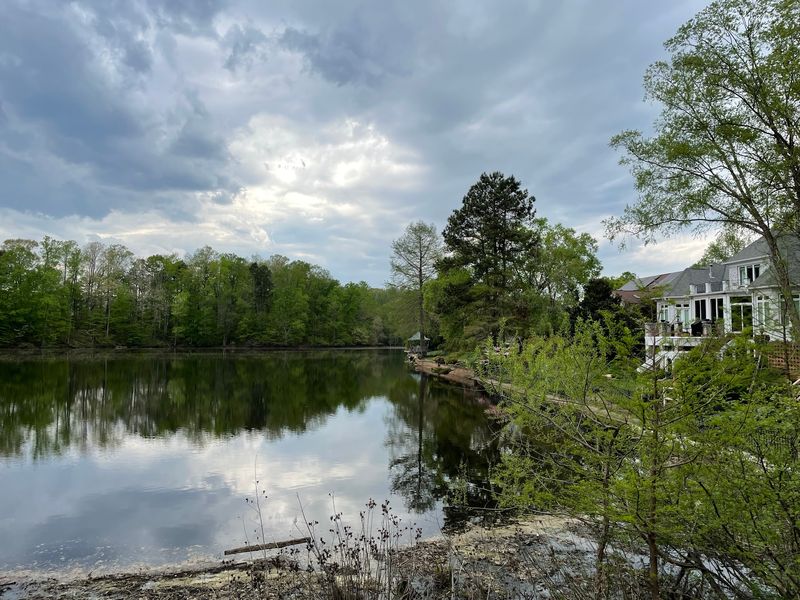
Boardwalks hover over wet ground at The Bog Garden, turning a normal walk into a small swamp adventure.
Found in Benjamin Park in Greensboro, this free garden protects a wetland area filled with water-loving plants, tall trees, and wildlife.
The raised wooden paths let visitors explore without trampling sensitive soil or getting muddy shoes.
Listen for frogs, watch for birds, and keep your eyes open for turtles near the water.
The mood here is less polished than a formal garden, but that is part of its magic.
Signs and paths help you understand how wetlands filter water and support animals.
It is a great place to teach kids that gardens are not always neat rows of flowers.
Shade makes the walk pleasant on warm days, though bug spray can help in summer.
After rain, the area feels especially alive.
Move quietly, take your time, and you may notice small scenes that faster walkers miss, like ripples, feathers, reflections, and leaves floating like tiny boats.
8. Bullington Gardens – Hendersonville
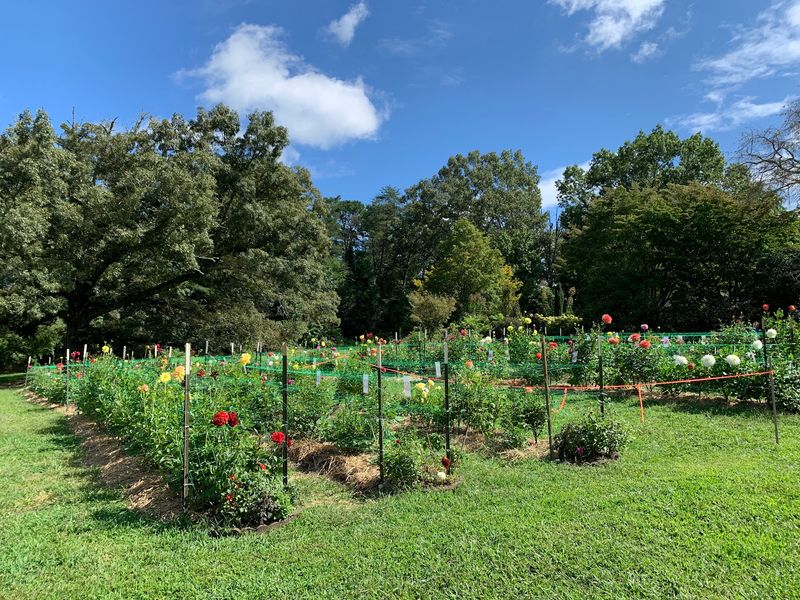
Mountain air gives Bullington Gardens in Hendersonville a fresh, slightly magical feeling before you even reach the first bed.
This public garden and education center sits in the Blue Ridge foothills and welcomes visitors without an admission fee.
The setting is smaller and quieter than many famous mountain attractions, which helps it feel like a true hidden escape.
Garden areas often include perennials, native plants, trees, shrubs, and learning spaces used for classes and youth programs.
The place has a practical heart, teaching people how plants grow while still offering plenty of beauty for casual visitors.
Stroll slowly and notice how mountain conditions shape the plant choices.
Cooler air, slopes, and seasonal changes create a different garden experience than you find in the Piedmont or coastal plain.
Check hours before visiting, since educational sites may have changing schedules.
Spring and early summer bring cheerful blooms, while fall adds mountain color nearby.
Bullington Gardens is ideal when you want a calm stop near Hendersonville that feels thoughtful, local, and quietly inspiring.
9. Wilson Botanical Gardens – Wilson
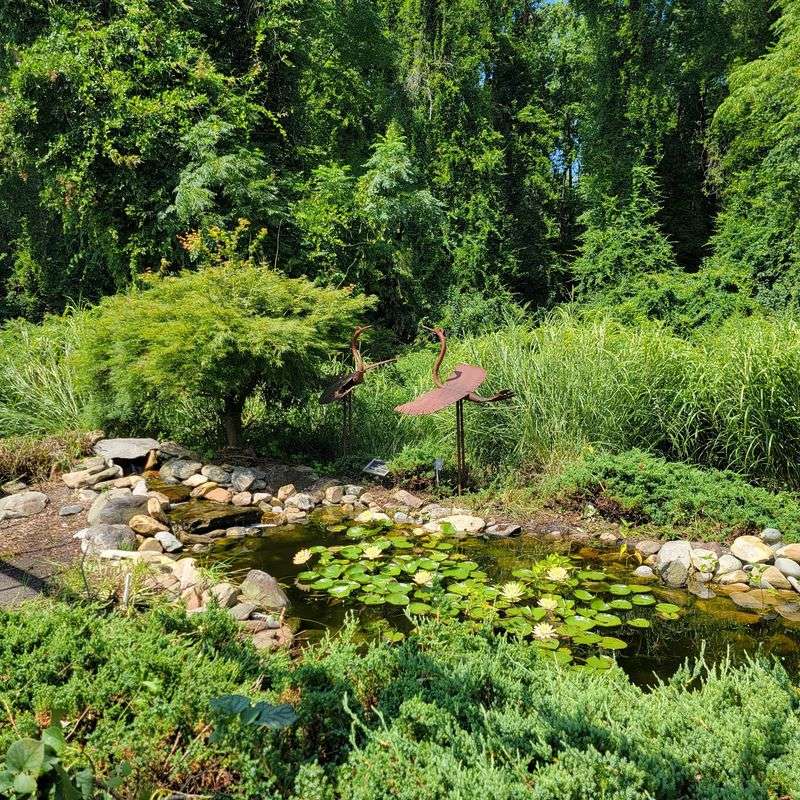
Practical garden ideas bloom everywhere at Wilson Botanical Gardens, and that makes the visit both pretty and useful.
Located in Wilson, this free public garden is connected with local horticulture education and demonstration planting.
Instead of only showing beauty, it helps visitors see what can work in eastern North Carolina yards, from flowers and shrubs to vegetables and pollinator plants.
The garden is a good stop for anyone who likes clear examples.
You can study plant spacing, raised beds, seasonal color, and ways to support bees and butterflies.
Families can walk at an easy pace, and gardeners may leave with ideas for their own sunny beds or small landscapes.
Because it is not as famous as larger attractions, the mood often feels relaxed and neighborly.
Bring sun protection during warm months, since some demonstration areas may be open and bright.
Check local extension information for hours and events.
Wilson Botanical Gardens proves that a free garden can be beautiful, educational, and genuinely helpful for everyday people who want greener homes.
10. Pitt County Arboretum – Greenville
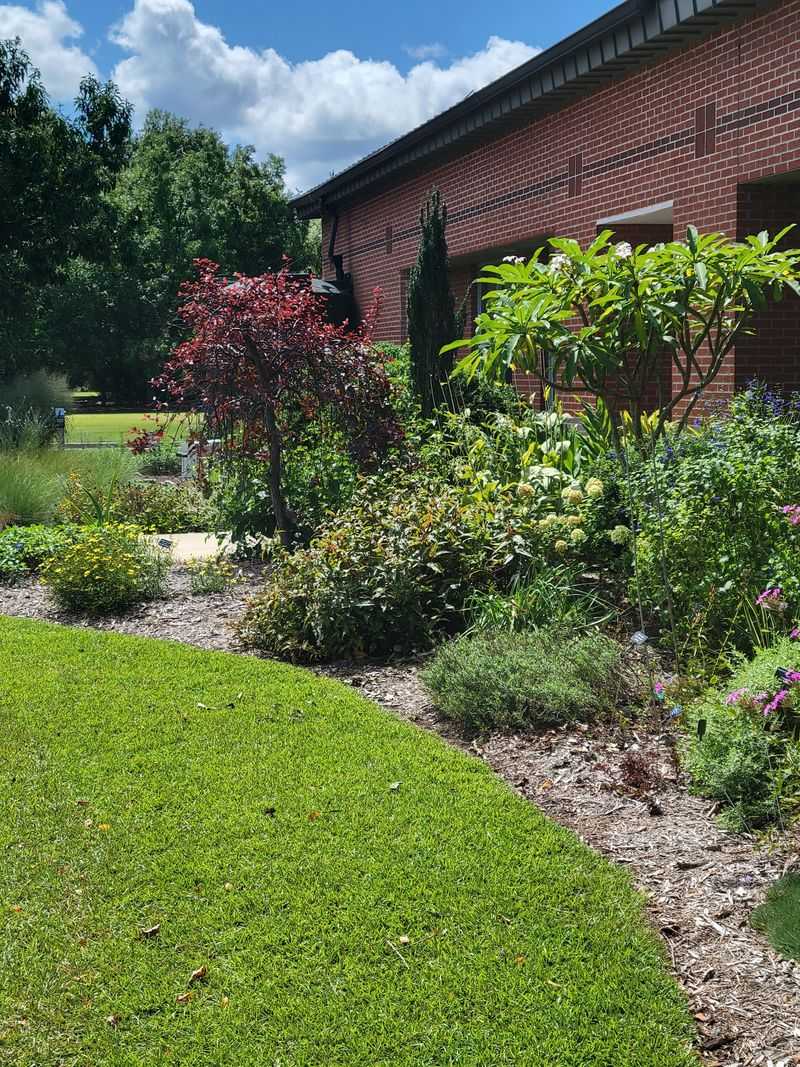
A quiet corner of Greenville holds Pitt County Arboretum, where learning hides in plain sight among trees and flowers.
This free arboretum is located near the Pitt County Extension office and serves as a living classroom for local residents.
It features plantings chosen to teach useful lessons about trees, shrubs, perennials, and landscape care in eastern North Carolina.
Expect a friendly, down-to-earth place rather than a flashy tourist stop.
That is exactly why it works so well for a peaceful break, especially if you enjoy gardens that feel connected to the community.
Labels and demonstration areas can help you compare plants for home use.
Visitors may find ideas for shade, sunny beds, pollinator support, or low-maintenance corners.
Greenville’s warm seasons can be humid, so visit earlier in the day if you want a cooler walk.
Pair the arboretum with other local stops or use it as a quick reset during errands.
It is simple, useful, and quietly charming, with enough variety to reward careful looking.
11. De Hart Botanical Gardens – Louisburg
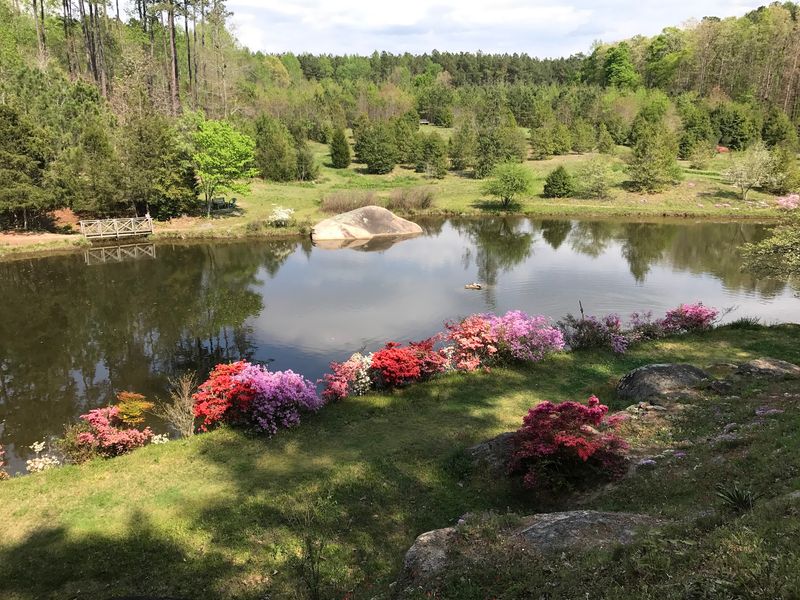
Rustic paths and quiet woods give De Hart Botanical Gardens in Louisburg the feeling of a place discovered by happy accident.
This lesser-known garden offers a more natural, tucked-away experience than many polished city gardens.
Located in Franklin County near Louisburg, it is associated with Louisburg College and has long served as a space for study, conservation, and quiet outdoor enjoyment.
Visitors should expect a wilder mood, with trees, native plants, and natural features shaping the visit.
That makes it a strong choice for people who prefer birdsong, shade, and a slower pace over formal beds.
Because smaller public gardens can have limited hours, seasonal access changes, or campus-related rules, check current visitor information before making the trip.
Good walking shoes are smart, especially after wet weather.
Bring curiosity instead of a packed schedule.
The reward here is not a grand show, but a peaceful sense of discovery.
De Hart Botanical Gardens feels like the kind of free escape where you can breathe deeper and hear your own thoughts again.