Some towns make history. Bath seems to have been quietly hiding inside it for 300 years.
Founded in 1705 along the Pamlico River, this tiny North Carolina community became the state’s oldest town. It may be small, but its past is anything but ordinary.
Colonial governors once walked these streets, ships arrived with cargo, and the infamous pirate Blackbeard called Bath home for a time. Historic homes, an old church, and peaceful streets still whisper stories from those early days.
Today, Bath feels wonderfully removed from the rush of modern life.
That is part of its charm.
Come wander through this village, uncover the people and events that shaped it, and see why a town this small has managed to keep such a big piece of North Carolina’s past alive.
Bath Was Founded More Than 300 Years Ago
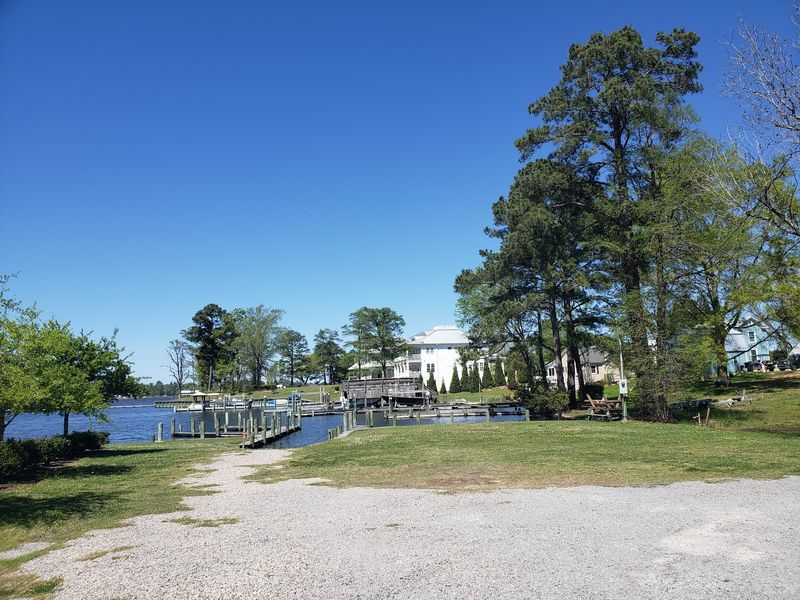
Long before America was a country, brave settlers were building homes along the Pamlico River. European settlement started here in the 1690s, and by 1705 the town of Bath was officially born.
What surprises many people is just how tiny it began. In 1708, Bath had only about 12 houses and roughly 50 residents.
That is smaller than many classrooms today, yet it earned the title of North Carolina’s very first town.
Being first means Bath watched the whole state grow up around it. While other places turned into busy cities, this little community kept its small-town heartbeat.
That early start set the tone for everything that followed. The size never exploded, but the history piled up year after year.
Walking through Bath now feels like stepping into a living history book, where three centuries of stories quietly wait to be discovered by curious visitors who take the time to slow down and look.
The Town Became North Carolina’s First Port of Entry
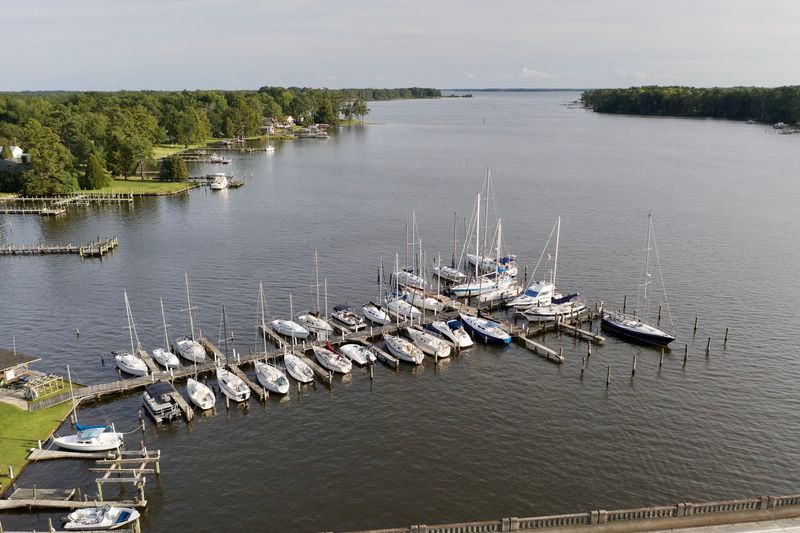
Picture wooden ships gliding up Bath Creek, their sails full and their decks stacked with goods. That was a common sight in early Bath, and it changed everything for the little town.
Because of its handy spot where Bath Creek meets the Pamlico River, the community became North Carolina’s first official port of entry. Traders shipped naval stores, furs, tobacco, and other valuable items in and out of the harbor.
All that activity turned a sleepy settlement into an early business hub. Money and news flowed through the docks, connecting Bath to faraway places across the ocean.
For a town with barely 50 people at the start, that was a huge deal. The water was more than pretty scenery.
It was a highway that carried the colony’s economy.
Today the creek looks peaceful and quiet, but it once buzzed with sailors, merchants, and the shouts of dock workers hauling cargo. Those busy port days helped Bath earn its spot in history.
Bath Once Had Political Importance Far Bigger Than Its Size
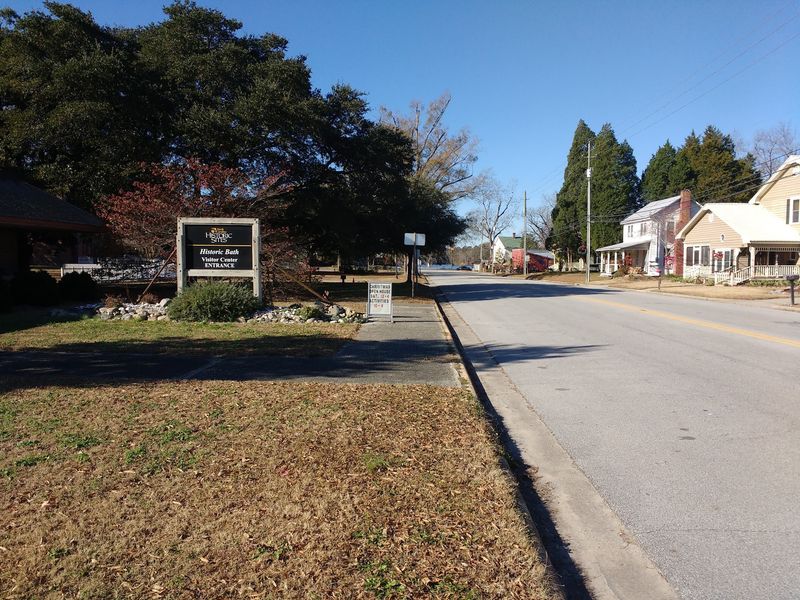
Do not let Bath’s small size fool you. For a while, this tiny town carried some serious political weight in colonial North Carolina.
The General Assembly, which was basically the colony’s lawmaking group, actually met here. Colonial governors even lived in town for stretches of time, making Bath a center of important decisions.
Things got even more interesting in 1746, when Bath was seriously considered as a possible capital of the colony. Imagine that tiny village becoming the headquarters of the whole state.
That idea eventually slipped away, but the fact that it was on the table shows how respected Bath once was. Leaders, lawmakers, and powerful families all had reasons to gather here.
It is kind of amazing to think about. A place with just a handful of houses helped shape rules that affected thousands of people.
This chapter reminds us that big things sometimes come from small places, and Bath proved that point long before anyone thought to write it in a history book.
Blackbeard’s Connection Gives Bath a Wild Chapter
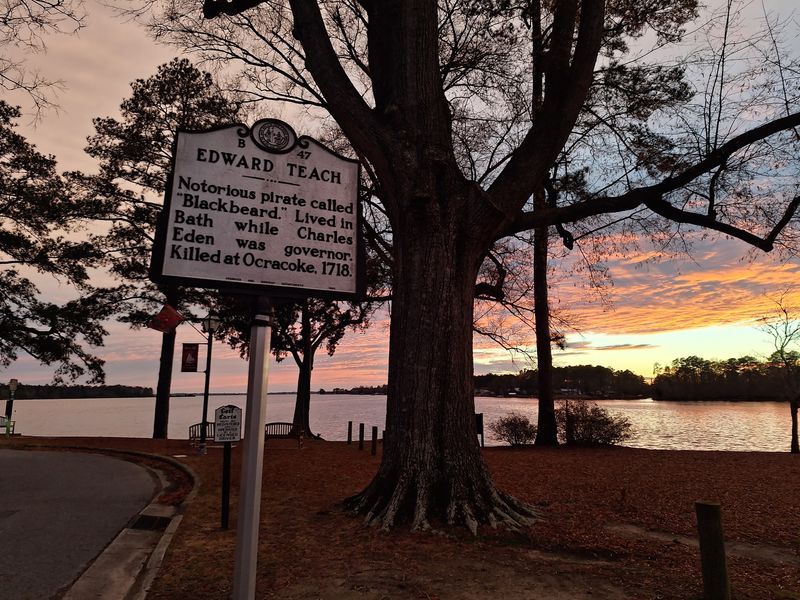
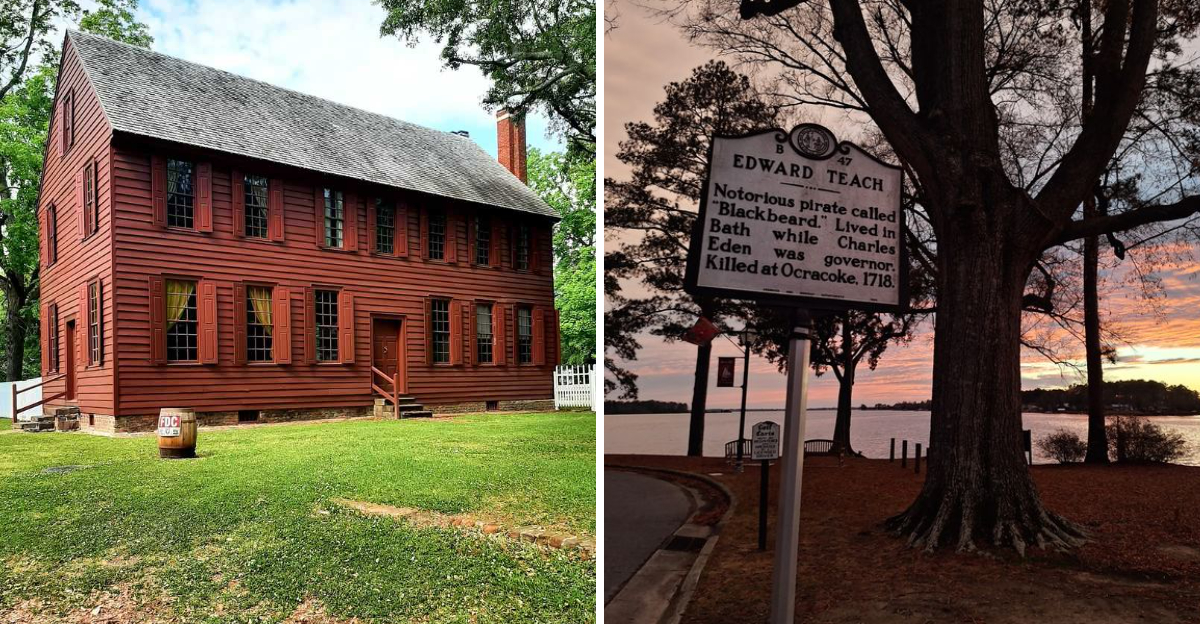
Every good history has a splash of danger, and Bath’s comes with a pirate flag. The infamous Edward Teach, known to the world as Blackbeard, actually lived here for a time.
This was one of the most feared pirates on the seas, and yet he called quiet little Bath home for a while. He even mingled with important colonial figures around town.
Having a legendary pirate in the neighborhood gives Bath a swashbuckling twist that most historic villages can only dream about. It is a strange mix of peaceful streets and high-seas adventure.
Stories about Blackbeard’s treasure, his ships, and his eventual downfall still swirl around the area. Visitors love imagining him walking the same paths they explore today.
Fun fact: Blackbeard met his end nearby at Ocracoke, not far from Bath. That connection keeps the pirate legend alive and gives the town an exciting edge.
Who knew such a calm little place once hosted one of history’s most notorious troublemakers?
St. Thomas Church Has Watched Centuries Pass
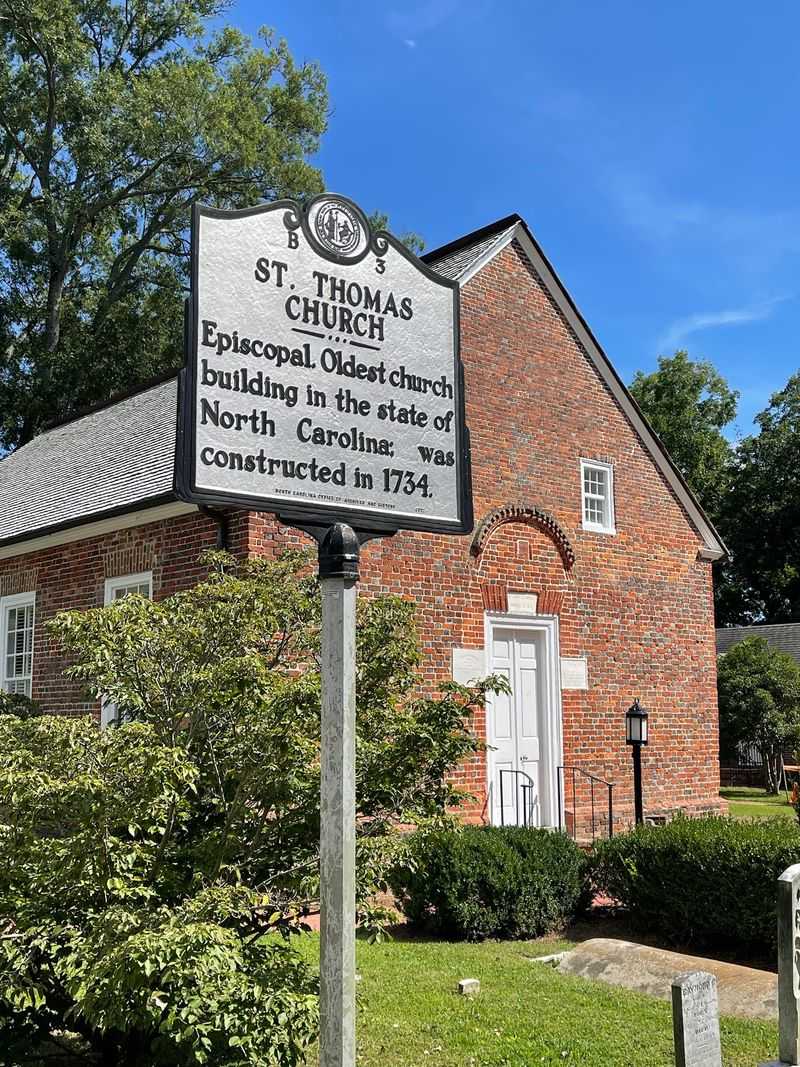
Standing quietly since 1734, St. Thomas Church has seen almost 300 years of history unfold. That makes it the oldest church building still standing in all of North Carolina.
Its sturdy walls have witnessed weddings, funerals, and countless Sunday services across the centuries. Generations of Bath families gathered here to pray and to gather as a community.
Inside, you can still find surviving artifacts that connect visitors directly to colonial life. Each object tells a small story about the people who once filled these pews.
What makes this landmark so powerful is its endurance. Wars, storms, and changing times came and went, but the church kept standing strong.
Walking through the doors feels a little like traveling back in time. The quiet, cool air and old details remind everyone just how long this building has served the town.
For history lovers, St. Thomas Church is a must-see stop. It is not just a pretty old building.
It is a living connection to the very beginnings of North Carolina itself.
The Palmer-Marsh House Preserves Colonial Bath
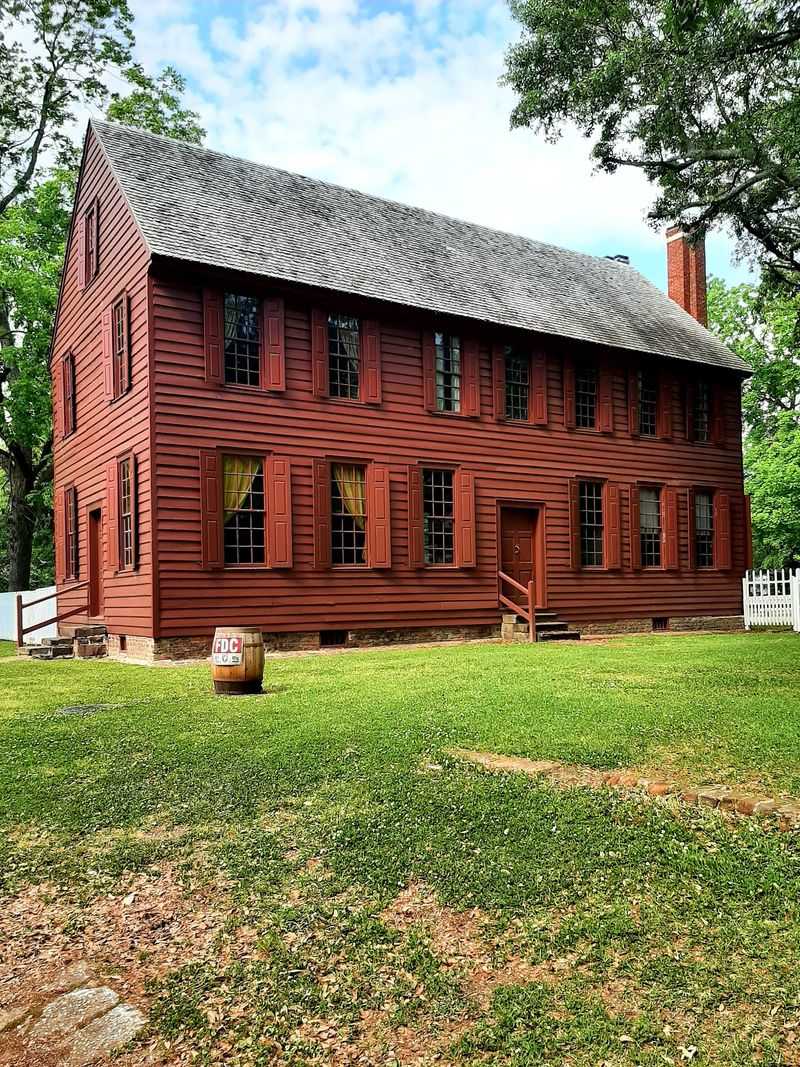
If walls could talk, the Palmer-Marsh House would have plenty to say. Dating back to the mid-1700s, it is Bath’s oldest surviving home and one of the oldest frame houses in the entire state.
One of the first things people notice is its enormous chimneys, which are truly massive for a house of its age. They give the building a bold, unforgettable look.
Inside, period details show off how the wealthier families of colonial Bath actually lived. Fine woodwork and careful craftsmanship fill the rooms.
The home is tied to important colonial families whose names shaped the town’s story. Their belongings and choices still echo through the space today.
Touring this house gives visitors a close-up view of everyday colonial life. It is not a guess or a copy.
It is the real thing, preserved for modern eyes.
For anyone curious about how people lived hundreds of years ago, the Palmer-Marsh House offers a genuine window into the past. It stands as proud proof of Bath’s long and layered history.
The Bonner House Shows What Life Looked Like in the 1800s
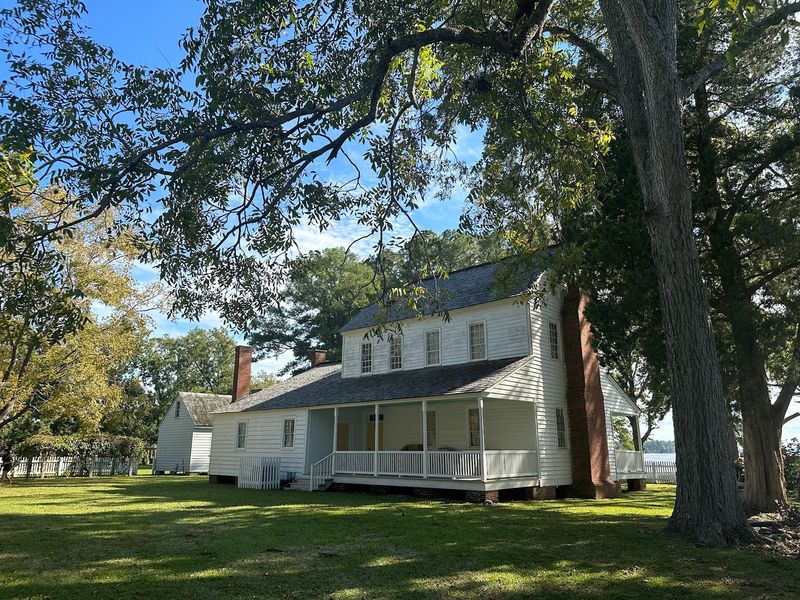
Fast forward from colonial days, and you arrive at the Bonner House, built around 1830. It represents a newer chapter in Bath’s long story.
Step inside and the past feels surprisingly close. Wide pine floors stretch across the rooms, worn smooth by nearly two centuries of footsteps.
The windows still hold blown-glass panes, which have a wavy, handmade look you just cannot find in modern homes. Carved mantels above the fireplaces add elegant, artistic touches.
Historic decorative finishes throughout the house help it feel deeply connected to its own time period. Every corner seems to whisper stories from the 1800s.
What makes this home special is how real and untouched it feels. Instead of guessing what life was like, visitors can actually see it with their own eyes.
The Bonner House reminds us that Bath’s history did not stop after the colonial era. It kept growing and changing while still holding tightly to its roots.
For anyone who loves old houses, this one is a true treasure worth exploring slowly.
John Lawson’s Legacy Is Still Part of Bath
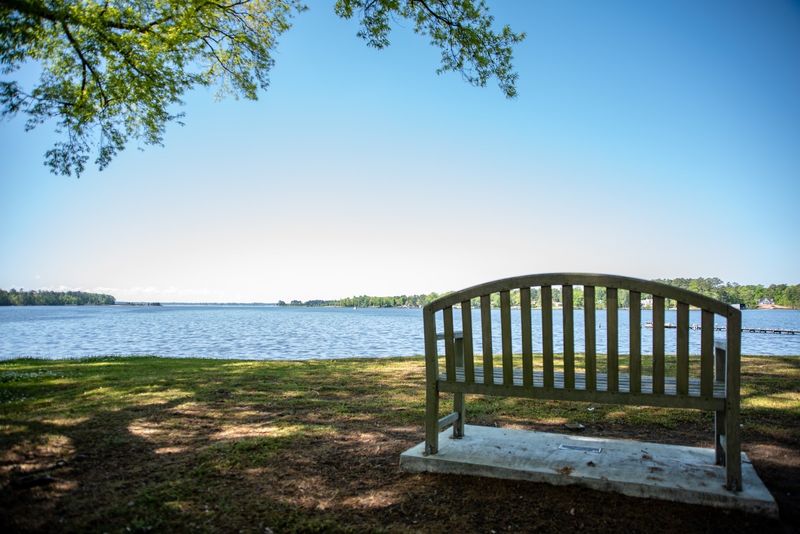
Some names just refuse to fade away, and John Lawson’s is one of them. This explorer and writer was among Bath’s earliest residents, and his story is still woven into the town.
Lawson was famous for traveling and writing about the land and people of the Carolinas. His observations gave the world an early look at this brand-new frontier.
Here is a neat detail that ties everything together. The Bonner House actually stands on lots that Lawson had once picked out for his own home.
That connection creates a direct bridge between Bath’s very first days and the historic buildings still standing today. Past and present quite literally share the same ground.
Because of this link, walking through parts of Bath means walking where a founding figure once dreamed and planned. His influence lingers in the streets and property lines.
John Lawson’s legacy proves that a single person can leave marks that last for centuries. In Bath, his name and choices remain part of the town’s living history, honored and remembered by all who visit.
Bath Lost Its Importance and That Helped Preserve It
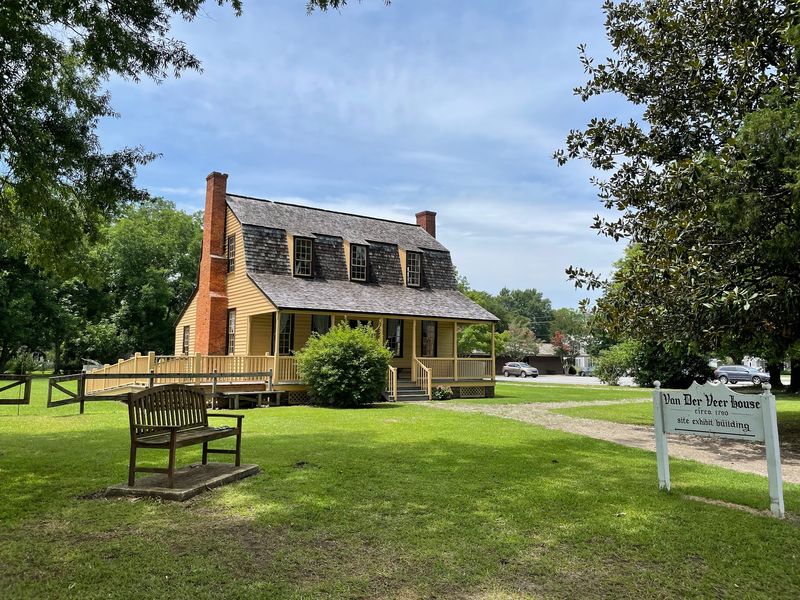
Here is one of history’s funny twists. Losing importance turned out to be the best thing that ever happened to Bath.
In 1785, Beaufort County moved its seat of government to nearby Washington. Suddenly Bath lost much of its political and commercial power almost overnight.
For most towns, that would be terrible news. Without government business and busy trade, Bath stopped growing into a major city.
But that slowdown had a surprising upside. Because it never boomed into a big, modern place, its old buildings and quiet character were never bulldozed or replaced.
While other towns tore down their history to make room for progress, Bath simply stayed the same. Time practically stood still.
That accidental preservation is exactly why visitors today can still see colonial homes and centuries-old streets. The town became a kind of living museum without even trying.
Sometimes staying small is a hidden blessing. Bath’s quiet decline saved its past, giving future generations a rare and beautiful glimpse into early American life that most places lost long ago.
Three Centuries Later, Bath Still Feels Like a Village
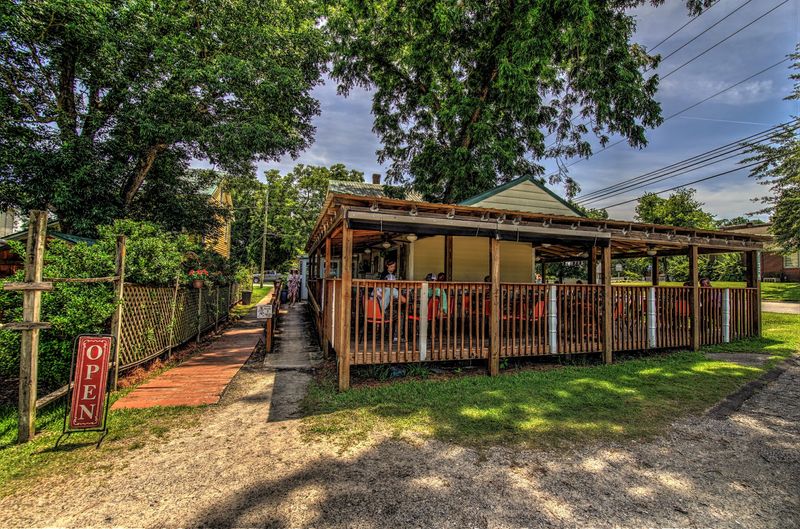
More than 300 years after those first settlers arrived, Bath still feels wonderfully small. The busy port days and political power may be gone, but the village charm remains.
Quiet streets wind past preserved buildings that have stood for generations. Everywhere you look, the past and present gently blend together.
What makes Bath so special is that it never chased big-city dreams. Instead, it held onto its history and let that become its greatest strength.
Visitors often describe a peaceful, almost timeless feeling as they wander through town. There are no towering skyscrapers or crowded highways, just calm water and old stories.
This little community proves that importance is not always about size. Bath once reached far beyond its tiny borders, and it still tells that story to anyone willing to listen.
Coming here is like closing a history book and realizing the story is still being written. Bath remains a small town with a giant past, quietly guarding three centuries of memories along the peaceful banks of the Pamlico River.