
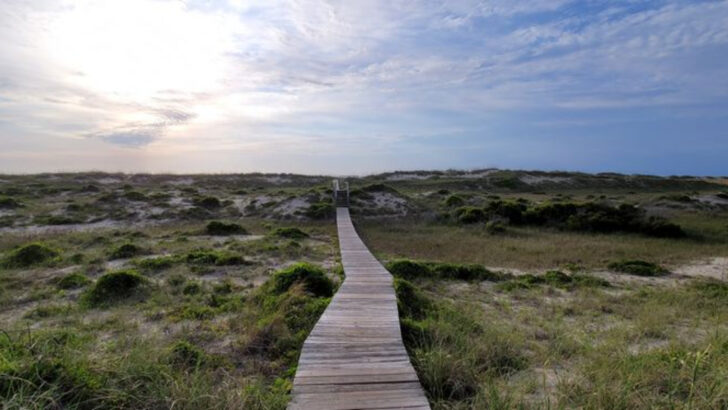
North Carolina is famous for the Smoky Mountains, the Outer Banks, and Asheville, but the state holds so many more treasures waiting to be discovered.
Beyond the tourist hotspots, there are quiet valleys, wild coastlines, and historic trails that most visitors never find.
These hidden corners offer something special: fewer crowds, genuine character, and experiences you will actually remember.
Whether you love hiking, paddling, history, or just soaking in a peaceful atmosphere, this list has something worth adding to your travel plans.
Valle Crucis
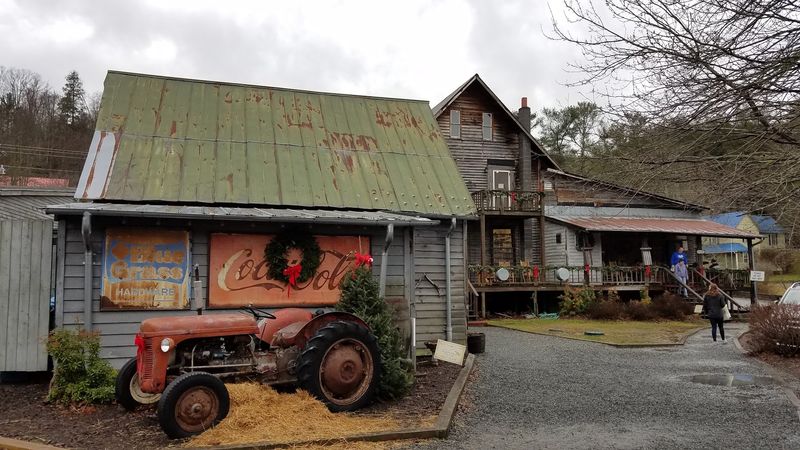
Step back in time the moment you arrive in Valle Crucis, a tiny mountain valley tucked just outside the busy town of Boone. The scenery here feels like something from an old postcard — rolling green fields, split-rail fences, and gentle streams winding through the hills.
It is the kind of place that makes you slow down without even trying.
The original Mast General Store, established in 1883, is the heart of this community. Still operating today, the store sells everything from old-fashioned candy to outdoor gear, and its creaky wooden floors and vintage displays make browsing feel like a genuine adventure.
Locals and travelers alike stop in just to soak up the atmosphere.
Valle Crucis is also home to the Mast Farm Inn, a beautifully preserved historic property perfect for a relaxing overnight stay. The Valle Crucis Community Park offers picnic spots and easy access to the Watauga River for wading and fishing.
Because it sits in the shadow of bigger Blue Ridge destinations, crowds are rarely a problem here, making every visit feel unhurried and personal.
Green Swamp Preserve
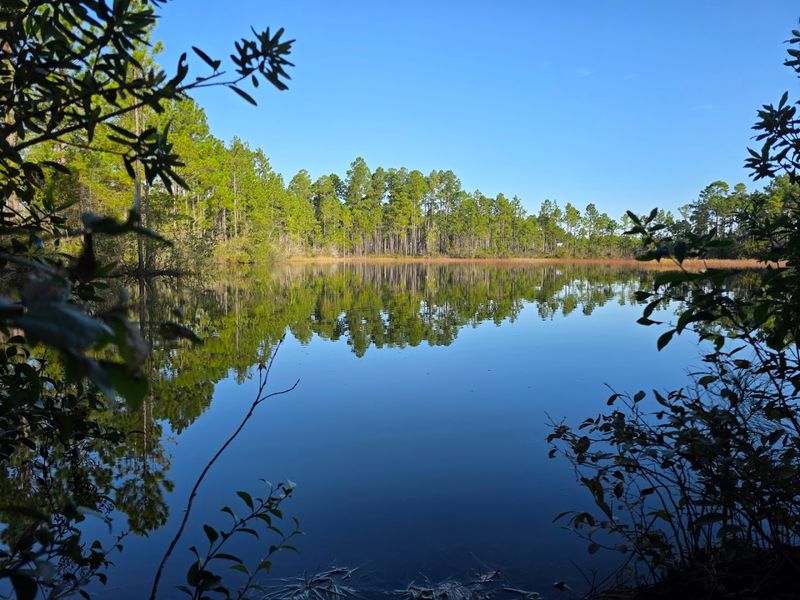
Most people think Venus flytraps only exist in terrariums or science classrooms, but North Carolina is actually one of the only places on Earth where they grow wild. Green Swamp Preserve, managed by The Nature Conservancy, protects one of the most remarkable ecosystems in the entire Southeast.
Walking through it feels genuinely surreal.
The preserve covers roughly 16,000 acres of longleaf pine savanna and wetlands near Supply, North Carolina. Along with Venus flytraps, visitors can spot pitcher plants, sundews, and rare native orchids all thriving in the same sandy, nutrient-poor soil.
It sounds strange, but this harsh environment is exactly what these extraordinary plants need to survive.
Visiting is straightforward — there is a marked trail open to the public, and the best time to go is late spring through early summer when the plants are most active. Wear waterproof shoes because the ground stays wet, and stay on the trail to protect the fragile vegetation.
Photography enthusiasts will have a field day capturing close-up shots of these bizarre, beautiful carnivorous plants in their natural setting. Admission is free, which makes it an easy, unforgettable stop.
Wilson Creek
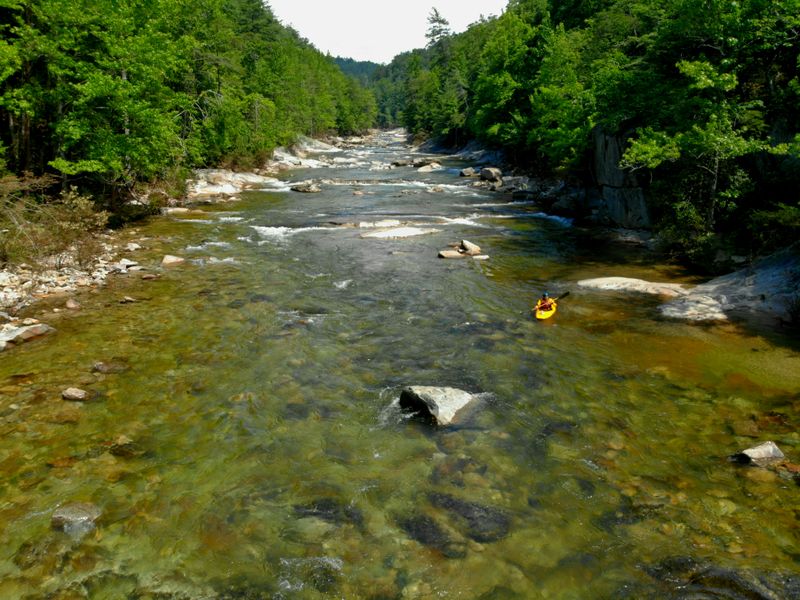
On a hot summer afternoon, few places in North Carolina beat Wilson Creek for a refreshing escape. Located in the Pisgah National Forest near Lenoir, this wild and scenic river corridor is a gem that most visitors to the mountains completely overlook.
The water runs cold, clear, and fast over smooth boulders, creating natural swimming holes that feel almost too good to be real.
Beyond swimming, Wilson Creek offers outstanding whitewater kayaking, trout fishing, and backcountry camping along miles of forested trails. The terrain is rugged and wild, which is exactly the point.
Unlike the packed parking lots you find at more famous waterfall destinations, Wilson Creek still has an uncrowded, adventurous feel that rewards those willing to make the drive.
Several waterfalls are accessible via short hikes, including Crabtree Falls and the cascades along upper Wilson Creek. Dispersed camping is allowed in many areas, making it ideal for multi-day trips.
Cell service is limited out here, so download offline maps before you go and pack everything you need. First-time visitors often leave wondering why they spent years driving past this place on the way to somewhere busier and more crowded.
Little Switzerland
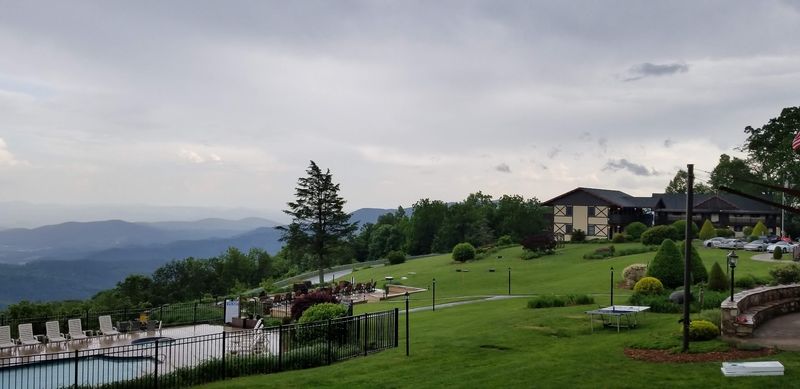
Tucked along the Blue Ridge Parkway at milepost 334, Little Switzerland earns its name with an alpine personality that feels distinctly different from the rest of the North Carolina mountains. The community sits at around 3,500 feet elevation, and the cool temperatures, dramatic ridgeline views, and quiet roads give it a European mountain village kind of energy.
Best of all, the crowds that pack Asheville rarely make it this far.
The Switzerland Inn has anchored this tiny community since 1910, offering comfortable lodging with sweeping panoramic views from its dining room and wraparound porches. Watching the sunset from here while the mountains turn shades of orange and purple is genuinely one of those moments you do not forget quickly.
It is the kind of simple pleasure that feels surprisingly profound.
Nearby hiking options include the Crabtree Falls Trail and access to the Mountains-to-Sea Trail. The area is also a favorite stop for motorcyclists and cyclists cruising the Parkway.
Local gem mines like the Emerald Village give families a hands-on activity that kids absolutely love. If you want the Blue Ridge Parkway experience without fighting for parking or waiting in lines, Little Switzerland is the answer you have been looking for.
Merchants Millpond State Park
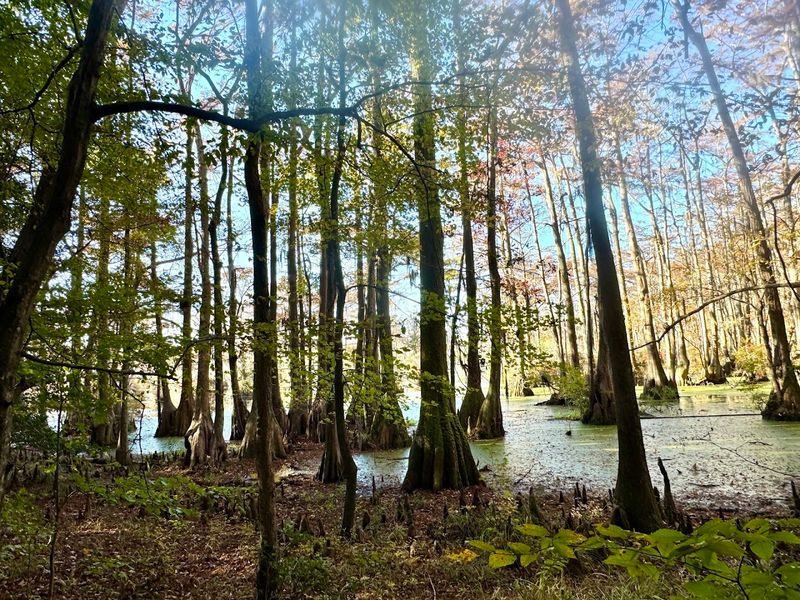
Paddling through Merchants Millpond feels less like exploring North Carolina and more like drifting through a Louisiana bayou. Located near Gatesville in the northeastern corner of the state, this park protects a stunning 760-acre millpond and surrounding swamp forest that most North Carolinians have never heard of.
The scenery is genuinely unlike anything else in the state.
Ancient bald cypress trees, some hundreds of years old, rise straight from the dark water with their knobby root systems on full display. Spanish moss hangs from nearly every branch, and the still blackwater reflects everything perfectly on calm mornings.
Wildlife is abundant — great blue herons, river otters, turtles, and the occasional black bear have all been spotted here.
Canoe and kayak rentals are available on-site, making it easy to explore even without your own gear. The park also offers hiking trails through the surrounding swamp forest and primitive campsites for overnight stays.
Visiting on a weekday almost guarantees you will have large stretches of the millpond completely to yourself. Photographers and nature lovers consistently rank this as one of their favorite hidden spots in the entire state, and it is easy to understand why once you see it firsthand.
Elkin
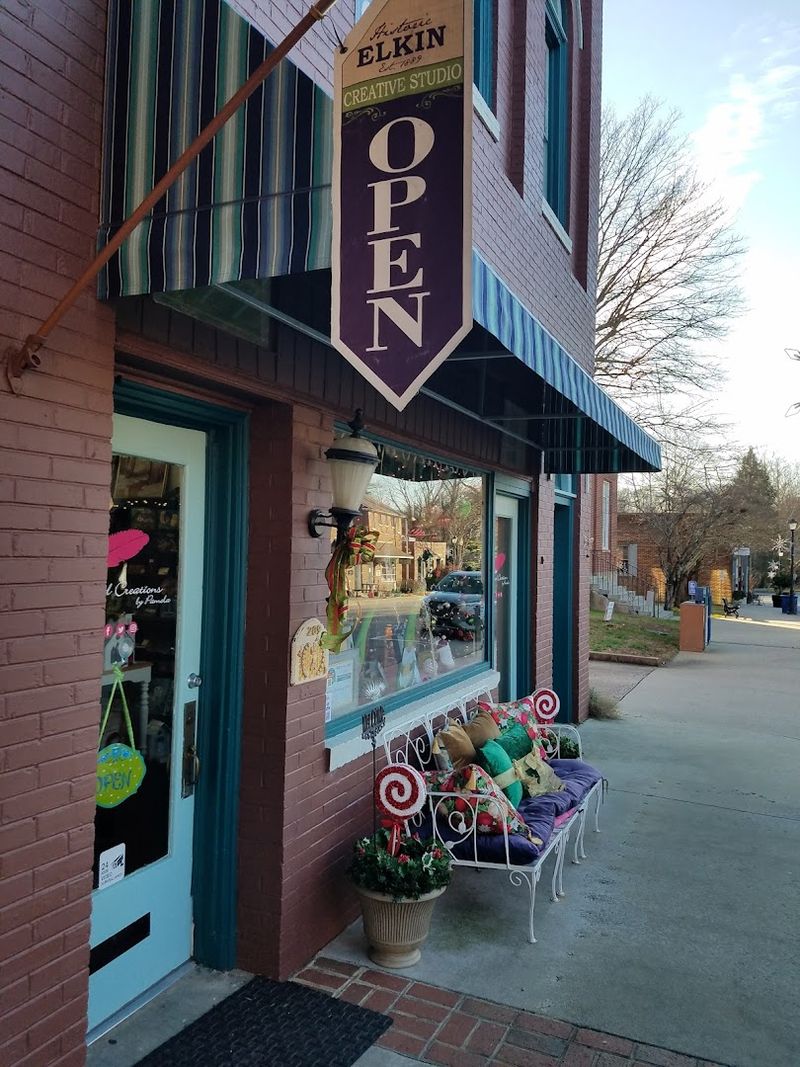
Elkin does not shout for attention, and that is a big part of its charm. Sitting along the Yadkin River in the foothills of the Blue Ridge, this small town serves as a relaxed gateway to one of North Carolina’s best-kept secrets — the Yadkin Valley wine region.
More than 40 wineries operate within a short drive, producing award-winning wines from locally grown grapes in a landscape that genuinely surprises first-time visitors.
The town itself is easy to enjoy on foot. Downtown Elkin has a walkable historic district with independent shops, local restaurants, and art galleries housed in well-preserved brick buildings.
The Yadkin River Greenway offers scenic walking and cycling paths along the riverbank, perfect for working up an appetite before exploring the local food scene.
Elkin is also a trailhead for the Mountains-to-Sea Trail and offers access to Elkin Creek for fishing and wading. The annual Yadkin Valley Grape Festival draws visitors each fall, but even outside festival season the town maintains a warm, welcoming energy.
If you have been searching for a weekend escape that combines good wine, outdoor activity, and genuine small-town hospitality without the tourist price tag, Elkin delivers on every front without any fuss.
Cape Lookout National Seashore
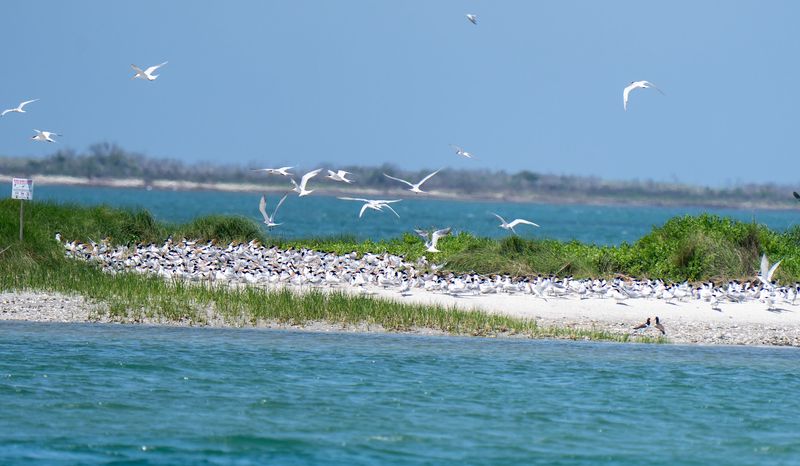
Getting to Cape Lookout requires a boat, and that single fact keeps the crowds away in the best possible way. Stretching 56 miles along the Crystal Coast, this remote national seashore is one of the most untouched barrier island environments anywhere on the East Coast.
No bridges, no roads, no hotels — just wild beaches, shifting dunes, and open sky as far as you can see.
The famous Cape Lookout Lighthouse, with its distinctive black-and-white diamond pattern, has guided sailors since 1859 and remains one of the most photogenic structures in North Carolina. Wild horses roam the northern end of the seashore on Shackleford Banks, living completely free as their ancestors have done for centuries.
Watching them graze along the shoreline at sunrise is one of those experiences that genuinely stops you in your tracks.
Ferry services operate from Harkers Island, Beaufort, and Morehead City, making access straightforward for day trips or overnight camping. Shelling is outstanding here because the remote beaches rarely get picked clean.
Fishing, kayaking, and swimming are all popular activities, and the lack of development means the water stays remarkably clear. Pack everything you need before boarding the ferry because there are no shops or facilities waiting on the other side.
Stone Mountain State Park
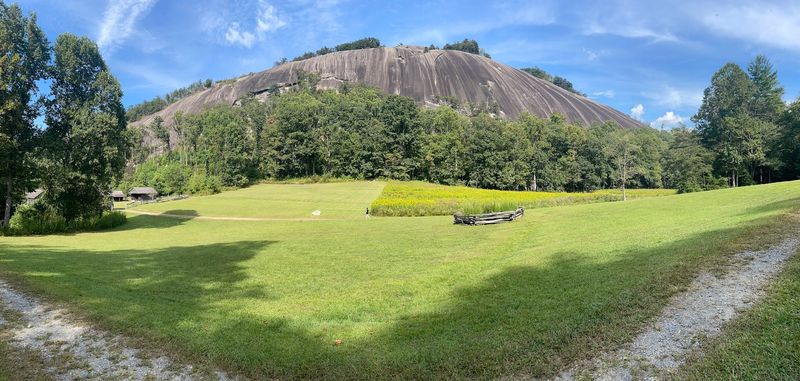
At first glance, the name Stone Mountain might make you think of the famous Georgia landmark, but North Carolina’s version has its own quiet magnificence worth celebrating. Located in Wilkes County, this state park centers on a 600-foot granite dome that rises dramatically above the surrounding forest.
It is one of the largest exposed granite plutons in the eastern United States, and standing at the base looking up is genuinely humbling.
Stone Mountain Falls drops about 200 feet down the face of the dome, making it one of the most impressive waterfalls in the state. The main hiking trail to the summit is challenging but very rewarding, offering sweeping views across the Blue Ridge foothills from the top.
Rock climbers also love this park, with dozens of established routes up the granite face at varying difficulty levels.
Because Stone Mountain sits outside the main tourist corridors, trails here see a fraction of the foot traffic you would find at comparable destinations. Camping is available both at developed sites and backcountry spots, and the park’s meadows and streams make it outstanding wildlife habitat.
Wildflower season in spring transforms the forest floor into a colorful display that rivals anything the more famous parks in the region can offer.
Historic Occoneechee Speedway Trail
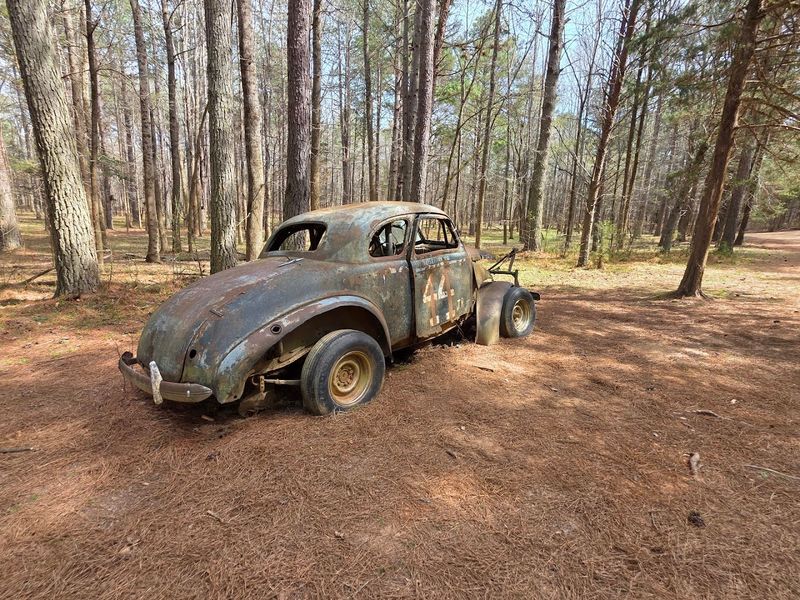
Racing history and quiet woodland scenery make an unexpected but genuinely enjoyable combination at the Historic Occoneechee Speedway Trail near Hillsborough. From 1948 to 1968, this half-mile dirt oval hosted some of NASCAR’s earliest and most legendary races, drawing massive crowds to watch drivers like Curtis Turner and Junior Johnson compete on one of the sport’s original circuits.
Today, nature has slowly reclaimed the track, and the result is strangely beautiful.
The trail itself is just over a mile long, looping around the old circuit through a mix of forest and open meadow. Interpretive signs placed along the route tell the story of the speedway’s heyday, making it feel part history lesson and part peaceful afternoon walk.
The contrast between the roaring past and the current birdsong-filled quiet is something visitors consistently mention as surprisingly moving.
The trail is free to access and connects to the larger Occoneechee Mountain State Natural Area, which adds more hiking options along the Eno River. It is an easy addition to a visit to nearby Hillsborough, a charming small town with excellent restaurants and a strong arts community.
History buffs, NASCAR fans, and casual hikers all find something to appreciate here, which makes it a genuinely versatile and underrated destination worth any traveler’s time.
Stanley Rehder Carnivorous Plant Garden
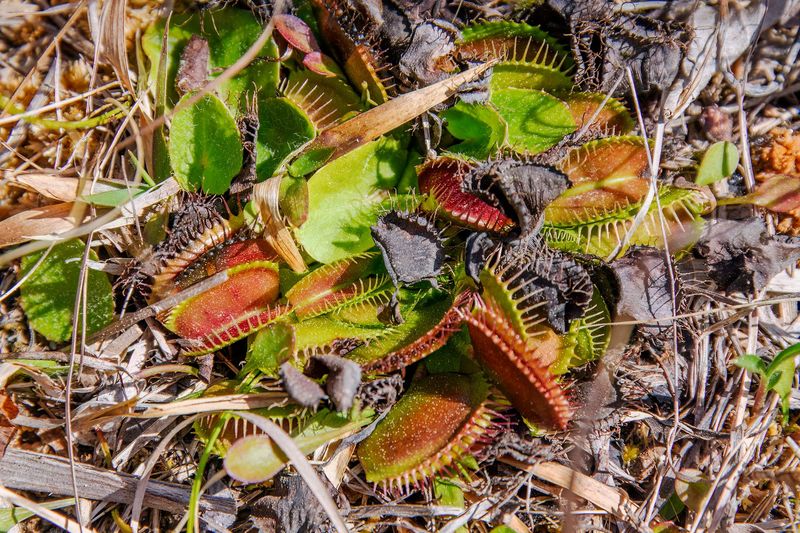
Hidden inside a quiet Wilmington neighborhood, the Stanley Rehder Carnivorous Plant Garden is one of the most surprising urban nature preserves you will ever stumble across. The garden protects a naturally occurring population of Venus flytraps — a plant native to only a small coastal region of North and South Carolina — right in the middle of a suburban park.
It is free to visit and open year-round, yet somehow remains almost entirely off most visitors’ radar.
Named after a local horticulturist who championed its preservation, the garden features a short boardwalk trail through a wet savanna habitat where Venus flytraps, pitcher plants, and sundews grow in dense clusters. Spring and early summer are the best times to visit when the plants are actively growing and blooming.
Watching a Venus flytrap snap shut on an unsuspecting insect in real life is every bit as fascinating as it sounds.
The garden sits within Piney Ridge Nature Preserve, and the surrounding wooded area adds pleasant walking beyond the carnivorous plant zone. Educational signage throughout explains the ecology of these remarkable plants and why their natural range is so limited.
For families visiting Wilmington’s beaches, this makes a fantastic half-morning side trip that kids will talk about long after returning home from vacation.
Saluda
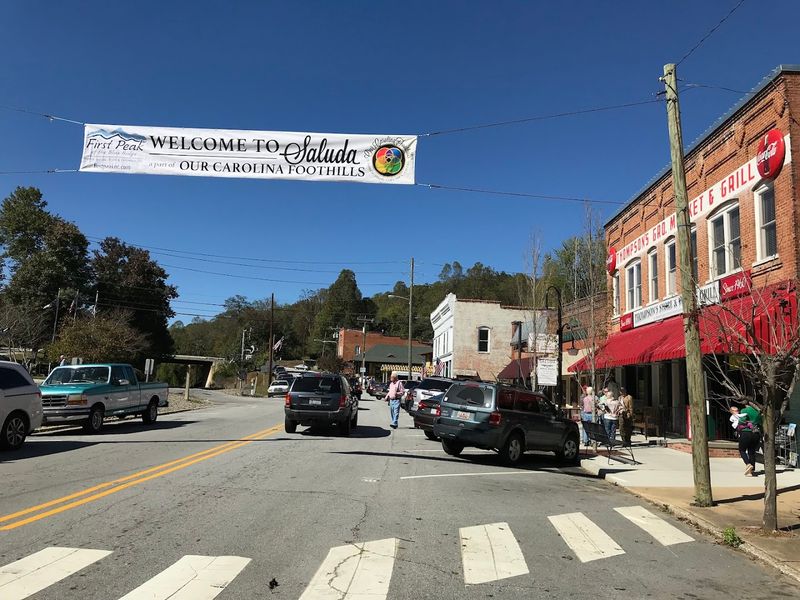
Saluda holds the distinction of sitting at the top of the steepest standard gauge railroad grade in the United States, a historical footnote that perfectly captures this little town’s underdog spirit. Located in Polk County just off Interstate 26, Saluda is easy to pass through without stopping — and that would be a genuine mistake.
Its compact downtown packs an impressive amount of personality into just a few blocks of historic buildings.
Art galleries, pottery studios, antique shops, and locally owned restaurants line the main street, giving the town a creative, unhurried energy that feels earned rather than manufactured. The annual Coon Dog Day Festival every July draws visitors for its quirky small-town celebration, complete with a parade, live music, and the kind of community warmth that bigger destinations simply cannot replicate.
It is the sort of event that makes you feel like an honorary local by the end of the afternoon.
Outdoor enthusiasts will appreciate Saluda’s proximity to Pearson’s Falls, a beautiful 90-foot waterfall accessible via a short trail through a glen preserve managed by the Tryon Garden Club. The Green River Gamelands nearby offer exceptional hiking and fishing.
Saluda makes an ideal stop between Asheville and Spartanburg for anyone looking to stretch their legs and discover something genuinely memorable along the way.
Bald Head Island
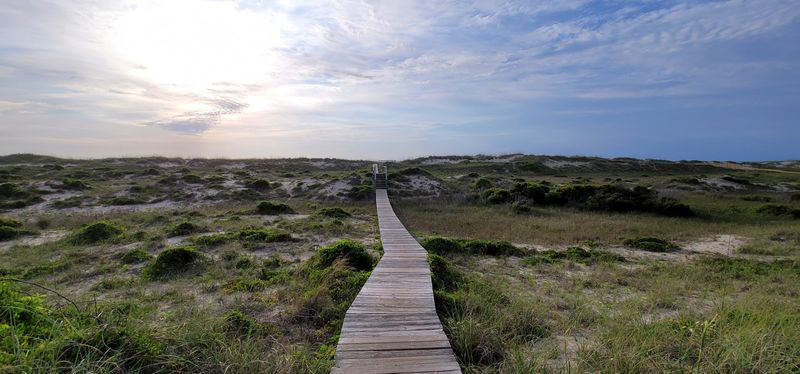
No cars are allowed on Bald Head Island, and that rule alone changes everything about how the place feels. Accessible only by a 20-minute ferry from Southport, this barrier island off the Cape Fear coast operates at a pace that the rest of the modern world seems to have forgotten.
Golf carts and bicycles are the transportation of choice, and the absence of engine noise makes the island’s natural soundtrack — waves, wind, and birdsong — wonderfully easy to appreciate.
The island is home to Old Baldy, North Carolina’s oldest standing lighthouse, built in 1817. Maritime forests of live oak, yaupon holly, and red cedar cover much of the interior, creating shaded pathways that feel genuinely enchanting to explore.
The beaches on the ocean side are wide, uncrowded, and strikingly beautiful, with loggerhead sea turtles nesting here every summer in significant numbers.
Bald Head Island is not a budget destination — ferry tickets, rentals, and accommodations carry premium prices — but for a special occasion or a genuinely restorative escape, it delivers exceptional value. The Bald Head Island Conservancy runs educational programs about sea turtle conservation that are outstanding for families with children.
Watching a sunrise on these undeveloped shores with no cars, no traffic, and no noise is about as close to perfect as a beach morning can get.
Linville Gorge Wilderness
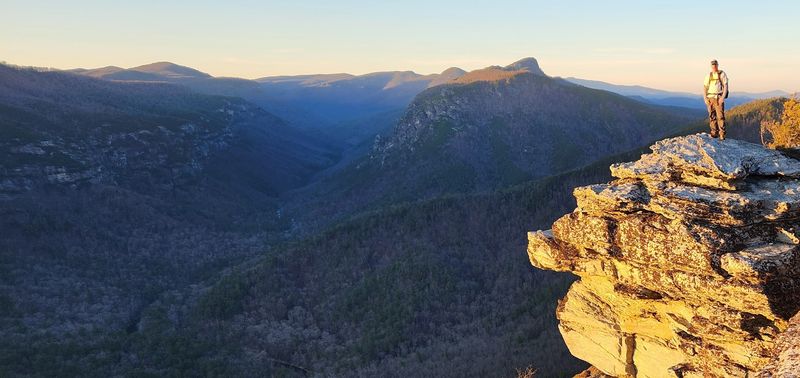
Called the Grand Canyon of the East by those who have stood on its rim, Linville Gorge Wilderness does not exaggerate its own drama. Carved by the Linville River over millions of years, the gorge drops more than 2,000 feet from its rim to the river below, creating walls of sheer rock, dense old-growth forest, and a wilderness character that is genuinely rare this far east of the Mississippi.
It is rugged, remote, and absolutely spectacular.
The wilderness area covers roughly 12,000 acres and requires a permit for weekend and holiday camping during peak season, a small logistical step that helps keep the backcountry from being overwhelmed. Trails range from moderate rim walks with jaw-dropping views to brutal scrambles down into the gorge itself.
The Linville River at the bottom rewards those who make the descent with crystal-clear swimming holes and a profound sense of solitude.
Table Rock and Hawksbill Mountain, both accessible from the gorge’s edge, offer some of the most dramatic exposed summit views in all of North Carolina without requiring technical climbing skills. Wildlife including black bears, peregrine falcons, and timber rattlesnakes all call this wilderness home, so staying alert adds a layer of genuine wildness to every hike.
For experienced hikers craving challenge and scenery without the Smokies crowds, Linville Gorge is the obvious answer.