North Carolina has a way of revealing its beauty in layers. A winding drive might carry you from quiet foothills to misty mountain roads, past old barns, river bends, and small towns where time seems to slow just enough to notice the details.
In summer, the landscape feels especially full—deep green forests, warm air drifting through shaded trails, and the steady sound of water moving over stone.
Out here, every hike feels like its own small discovery. Some paths lead to wide-open balds where the wind takes over, others slip through narrow gorges where waterfalls echo between rock walls.
Even the quieter trails tend to leave a lasting impression once you’ve stepped away from them.
It’s the kind of state where the best places don’t always announce themselves.
Here are the 13 North Carolina trails everyone wishes they had discovered sooner.
Looking Glass Rock Trail
Some hikes save their best moment for the very end, and that delayed payoff makes the finish even sweeter. You spend much of the climb in cool forest shade, listening to your breathing and the crunch of dirt underfoot, while wondering if the famous view can really live up to its reputation.
Then the trees part, the granite opens wide, and suddenly the answer is obvious.
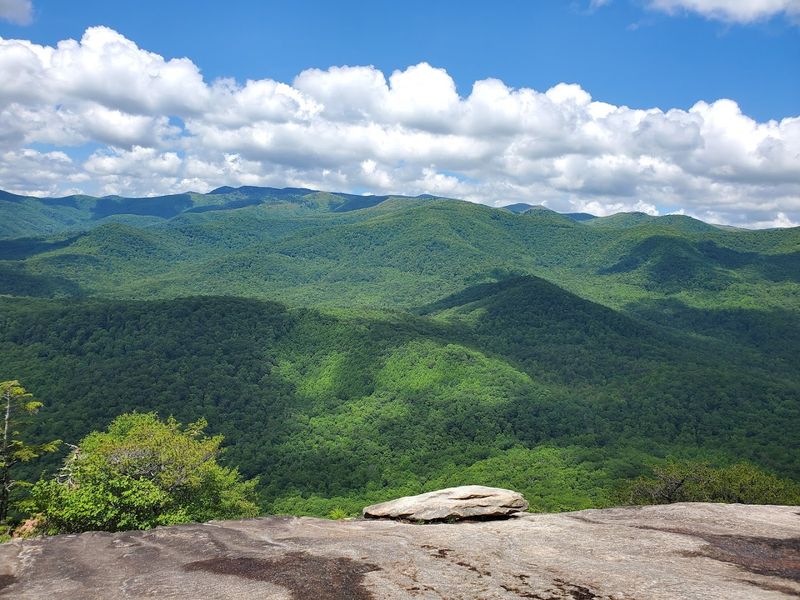
Looking Glass Rock Trail in Pisgah National Forest is one of those classic North Carolina climbs that never feels overrated once you stand on top. The round trip is steep enough to make you work, but the summit rewards you with a broad granite face and long views over ridges, valleys, and layered peaks.
On clear days, the perspective feels almost aerial.
Because the route gains elevation steadily, pacing matters more than speed. The trail is well known, yet it still feels satisfying rather than crowded if you start early and take your time.
Cooler months often bring sharper visibility, while shoulder seasons add color that turns the entire panorama into a postcard.
If you are building a shortlist of essential summit hikes, this one belongs near the top. It is accessible, memorable, and dramatic without feeling gimmicky.
By the time you start descending, you will probably be wondering why it took so long to make it here.
Graveyard Fields Loop Trail
There is something almost surprising about stepping into a mountain valley that feels open, bright, and easy to love right away. Water slips over rock, wooden walkways cross wet ground, and broad views appear where you might expect only thick forest.
It is the kind of place that feels family friendly without losing its mountain magic.
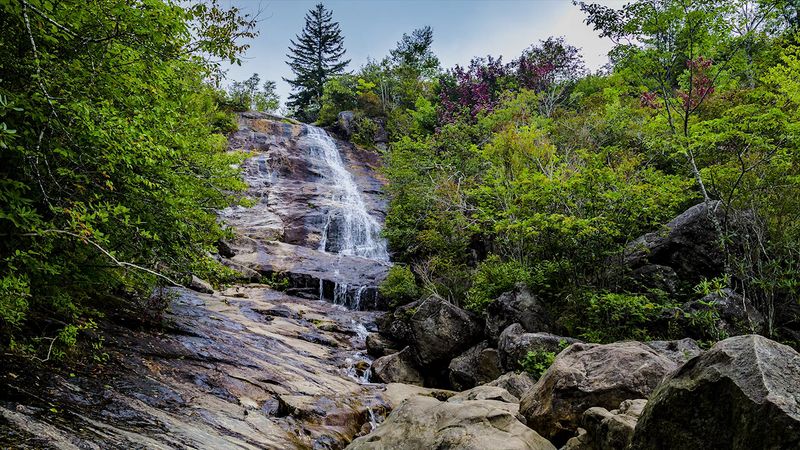
That balance is what makes Graveyard Fields Loop Trail along the Blue Ridge Parkway such a smart pick. Sitting at high elevation, the area is known for waterfalls, berry patches, and a landscape shaped by old logging and fire, which helped create the wide valley you see today.
The loop and its side paths offer a little of everything, including accessible scenery that still feels distinctly wild.
Summer brings blueberries and lush greens, while fall can make the whole basin glow with color. The lower falls are especially popular because they are relatively easy to reach, but exploring a bit farther gives you more room to enjoy the setting.
Even on a busy day, the combination of creek sounds and open sky feels refreshing.
If you are traveling the Parkway and want a stop that delivers quickly, this one is hard to beat. It works for different energy levels and still feels memorable.
Many hikers leave thinking it was supposed to be a brief detour, only to realize it became one of the highlights of the trip.
Craggy Gardens Trail
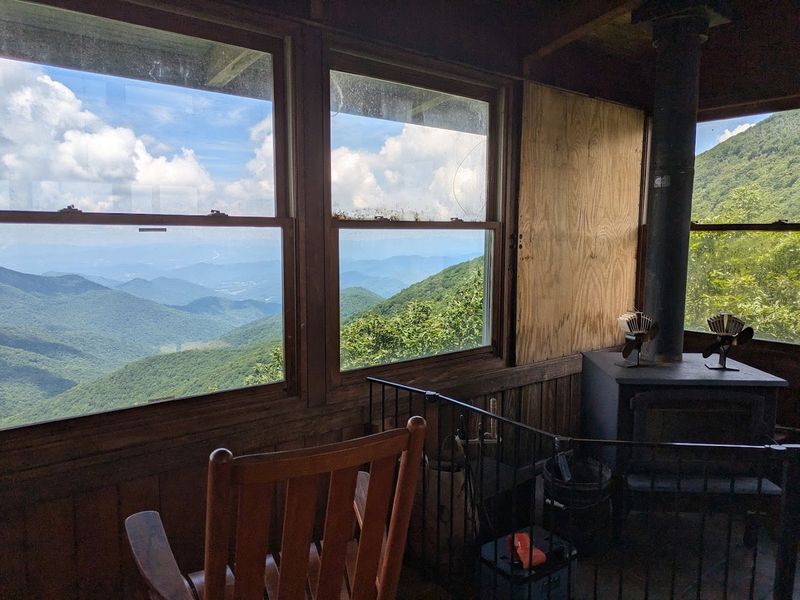
Few trails make such a quick impression with so little mileage. The breeze feels cooler up high, the vegetation looks almost storybook in bloom season, and the views arrive before you have time to settle into a hiking rhythm.
It is a short climb, but it carries the atmosphere of a much bigger mountain adventure.
Craggy Gardens Trail on the Blue Ridge Parkway is famous for its rhododendron displays, and for good reason. When the blossoms peak in early summer, the trail feels wrapped in pink and purple clouds, with twisted shrubs framing wide mountain vistas.
Even outside bloom season, the summit area offers expansive views that make the effort feel generous.
This is one of those hikes you can recommend to almost anyone, especially if time is limited and you still want a genuine Blue Ridge experience. The ascent is manageable, the payoff is immediate, and the location near Asheville makes it easy to include in a full day of exploring.
Sunrise and sunset can be particularly beautiful when light spills across the ridges.
What makes the trail memorable is not just the scenery, but the mood. It feels elevated, airy, and just dramatic enough to pull you out of your routine.
If you have ever underestimated a shorter trail, this is the place that will change your mind quickly.
Linville Gorge Wilderness – Table Rock Trail
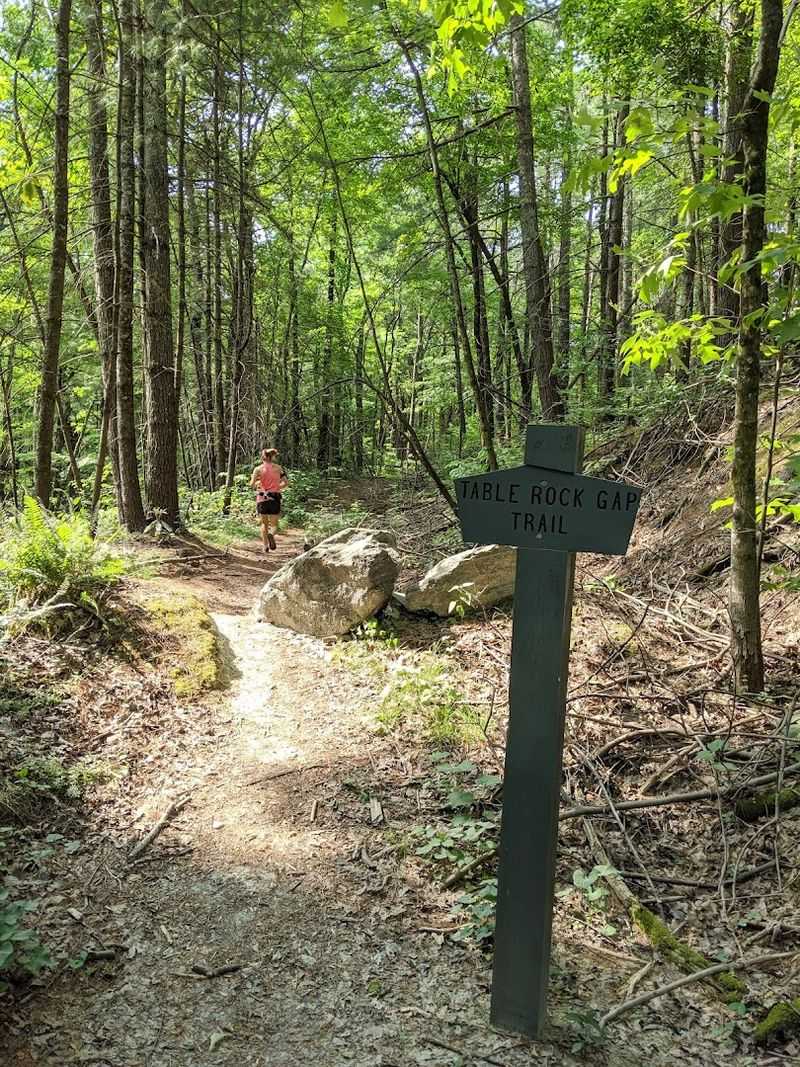
There are trails that feel polished, and then there are trails that remind you the mountains still have edges. The climb is rugged enough to keep you alert, the terrain feels raw, and the overlooks come with a sense of real exposure that makes every step more exciting.
This is the kind of place that wakes up your attention fast.
Table Rock Trail in the Linville Gorge Wilderness delivers one of North Carolina’s most dramatic introductions to wild mountain scenery. Starting near the picnic area, the route climbs through forest and rock toward a famous overlook above the gorge, where steep walls and deep folds of terrain create a view that feels almost untamed.
Across the distance, Hawksbill and the gorge itself add to the spectacle.
Although the hike is not extremely long, it can feel tougher than the mileage suggests because of elevation gain and uneven footing. Good shoes, water, and a little patience make the experience far more enjoyable.
Once you reach the rocky outlook, it becomes obvious why photographers, day hikers, and first time visitors all talk about this spot with the same kind of awe.
If you want a trail that introduces you to Linville Gorge without requiring an overnight trek, this is a strong choice. It is bold, scenic, and unforgettable.
After one visit, you will understand why so many hikers return looking for a deeper taste of the wilderness.
Mount Mitchell Summit Trail
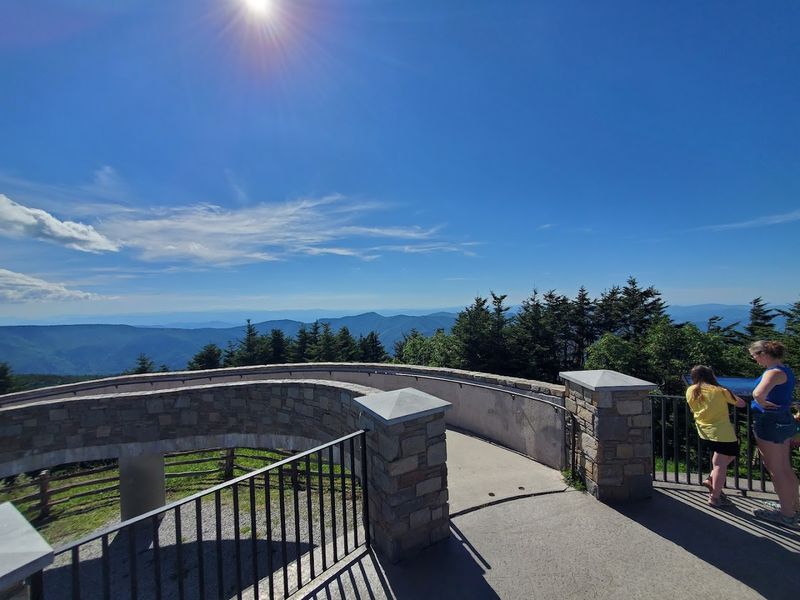
Even before you begin walking, the elevation changes the mood. The air feels cooler, the spruce-fir forest feels more northern than southern, and the sky often seems close enough to touch.
It is a short trail, but there is something special about knowing you are heading toward the highest point east of the Mississippi.
Mount Mitchell Summit Trail, located in Mount Mitchell State Park, gives you that rare mix of accessibility and major bragging rights. Beginning near the parking area, the paved path climbs gently to the observation deck at 6,684 feet, where sweeping views can appear between drifting clouds.
On a clear day, the surrounding Black Mountains stretch outward in layers that look almost endless.
Because the hike is brief, this trail works well for travelers with limited time, mixed ability groups, or anyone wanting a memorable summit without a long backcountry commitment. Do not let the easy distance fool you, though.
Temperatures can be much colder than nearby towns, and fog can roll in quickly, so bringing a jacket is usually a smart move.
What makes this place linger in your memory is the contrast between effort and reward. You get a true high peak experience with very little barrier to entry.
For many visitors, it becomes the trail that sparks a deeper curiosity about North Carolina’s higher mountains.
DuPont State Recreational Forest – Triple Falls Trail
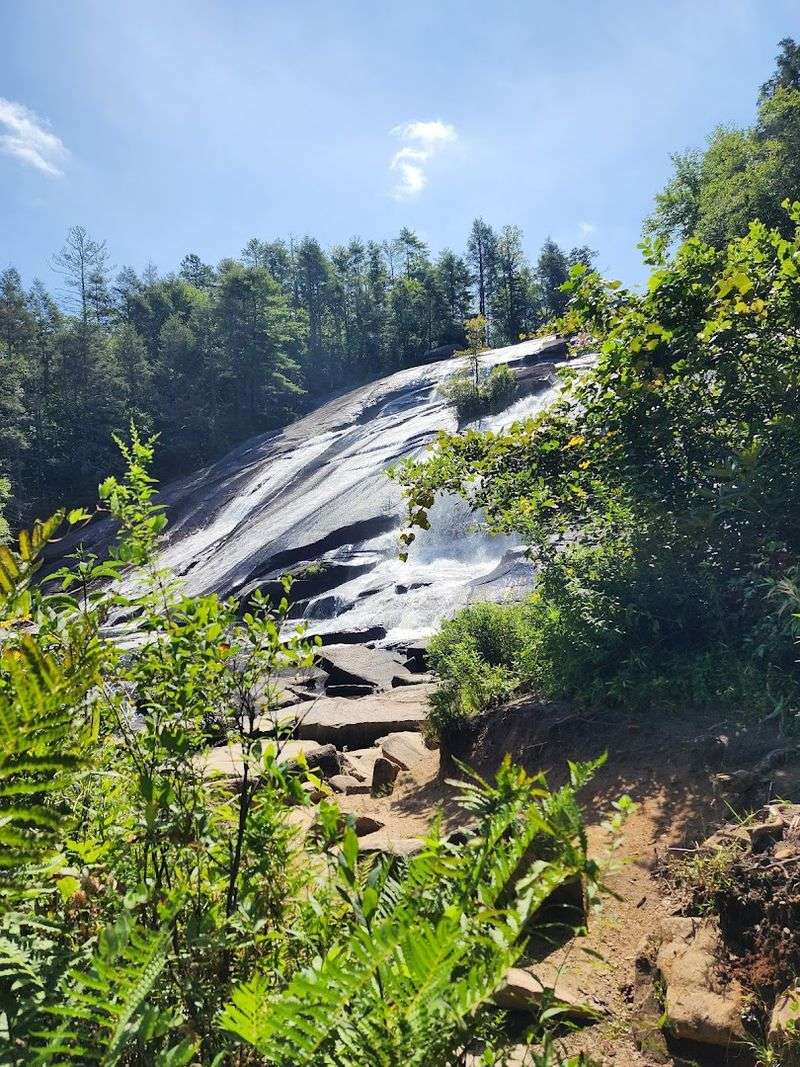
Sometimes a trail feels cinematic in the best possible way, with water, rock, and forest combining into scenes that seem almost too perfectly arranged. You hear the falls before you fully see them, and that rising sound builds anticipation with every step.
By the time the water comes into view, the setting already feels iconic.
Triple Falls Trail in DuPont State Recreational Forest is one of those places that earns its popularity honestly. The waterfall drops in three striking tiers, creating a broad, photogenic cascade that has appeared in films and countless travel photos.
Reached from the High Falls Access Area, the route is relatively short, which makes the reward feel especially immediate.
The trail works well as a standalone outing, but it is even better if you combine it with nearby High Falls or Hooker Falls for a fuller DuPont experience. Conditions are usually friendly for casual hikers, though wet spots and roots can still demand attention.
Early mornings often feel calmer, giving you a better chance to take in the sound and scale without distraction.
What stays with you here is the balance of drama and approachability. It looks like the kind of waterfall you would expect at the end of a long, difficult hike, yet it is accessible enough for many visitors to enjoy.
That contrast is exactly why people wish they had found it sooner.
Art Loeb Trail
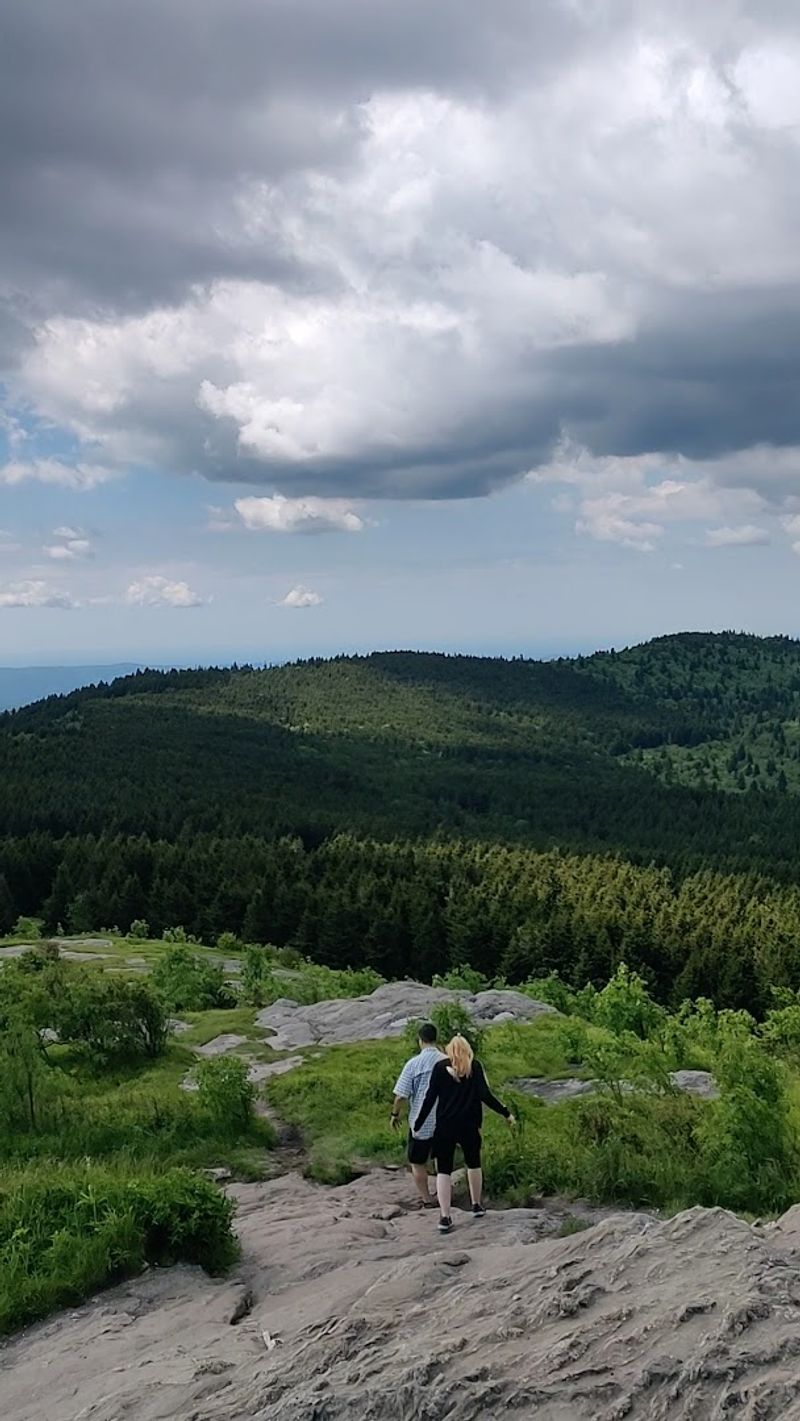
Before the first overlook even opens, you can feel this route setting a different tone. The air is thinner, the ridges feel wilder, and every climb seems to promise another horizon just beyond the next rise.
If you like hikes that feel immersive instead of convenient, this one quickly gets under your skin.
That is exactly why the Art Loeb Trail in Pisgah National Forest earns legendary status among North Carolina hikers. Stretching roughly 30 miles between Davidson River and Deep Gap, it crosses high balds, dense forest, and long exposed ridgelines with unforgettable Blue Ridge views.
Black Balsam, Tennent Mountain, and Shining Rock create a lineup of scenery that feels far bigger than most East Coast hikes.
You do not have to thru-hike the entire trail to appreciate it, though many people dream about doing just that. Day hikers often sample key sections near Black Balsam for sweeping panoramas, while backpackers tackle the full route for a serious challenge.
Weather changes quickly here, and exposed stretches can feel intense in wind, rain, or summer sun.
Go with steady legs, layered clothing, and enough time to pause often. This is the kind of trail that makes ordinary walks feel smaller afterward.
Once you have seen those open ridges and endless mountain folds, it is easy to understand why so many hikers wish they had found it sooner.
Linville Falls Trail
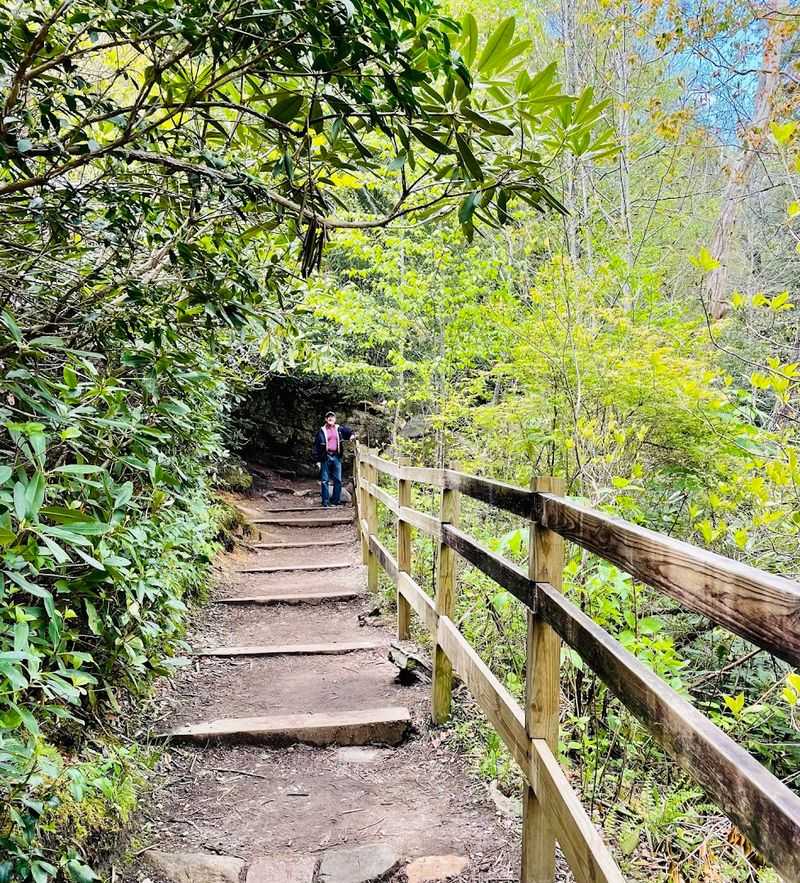
The best waterfall trails do more than lead you to water. They build suspense through changing viewpoints, the sound of rushing flow, and that moment when a gorge suddenly opens wider than expected.
This one does all of that while giving you several chances to stop, look, and decide which angle is your favorite.
Linville Falls Trail, reached from the Blue Ridge Parkway visitor area, is one of the most photographed hikes in the Appalachians for good reason. The network of overlooks reveals different perspectives on the falls as the Linville River narrows, drops, and carves through dark rock into the gorge below.
Even the easier viewpoints deliver a dramatic look at one of North Carolina’s signature landscapes.
You can keep the outing simple by visiting the upper overlooks, or extend it with steeper spur trails for closer and more dramatic vantage points. The terrain varies from family friendly sections to rougher descents, so it helps to choose your route based on energy and footwear.
Either way, the reward comes quickly and often.
This trail stands out because it gives you a sense of scale that many waterfall walks never quite achieve. The falls are beautiful, but the surrounding gorge is what makes the experience unforgettable.
Once you have seen that water disappear through stone, it is easy to understand the trail’s lasting reputation.
Stone Mountain Loop Trail
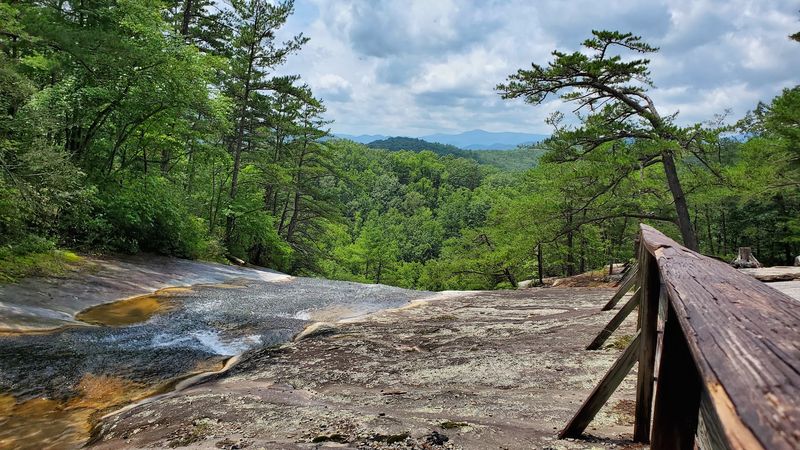
There is a certain thrill in walking toward a mountain that looks less like a typical peak and more like a giant slab of exposed stone rising out of the forest. The scenery changes constantly, moving from wooded trail to roaring water to open granite.
That variety keeps the entire loop feeling fresh from start to finish.
Stone Mountain Loop Trail in Stone Mountain State Park is one of North Carolina’s most distinctive all around hikes. The route combines a climb onto the huge granite dome with views of surrounding ridges and a look at Stone Mountain Falls, a 200 foot cascade that adds even more drama to the outing.
Historical features, including old homestead elements in the park, enrich the experience beyond the scenery alone.
This trail is long enough to feel like a real adventure but approachable enough for many active hikers to enjoy in a half day. The granite sections deserve caution, especially when wet, and summer heat can reflect strongly off the exposed rock.
Starting earlier usually makes the climb more comfortable and the overlooks more peaceful.
What makes the loop so easy to recommend is its range. You get water, elevation, geology, and broad views without needing to choose just one highlight.
After finishing, most hikers feel like they experienced several different trails rolled into one memorable route.
Deep Creek Loop Trails
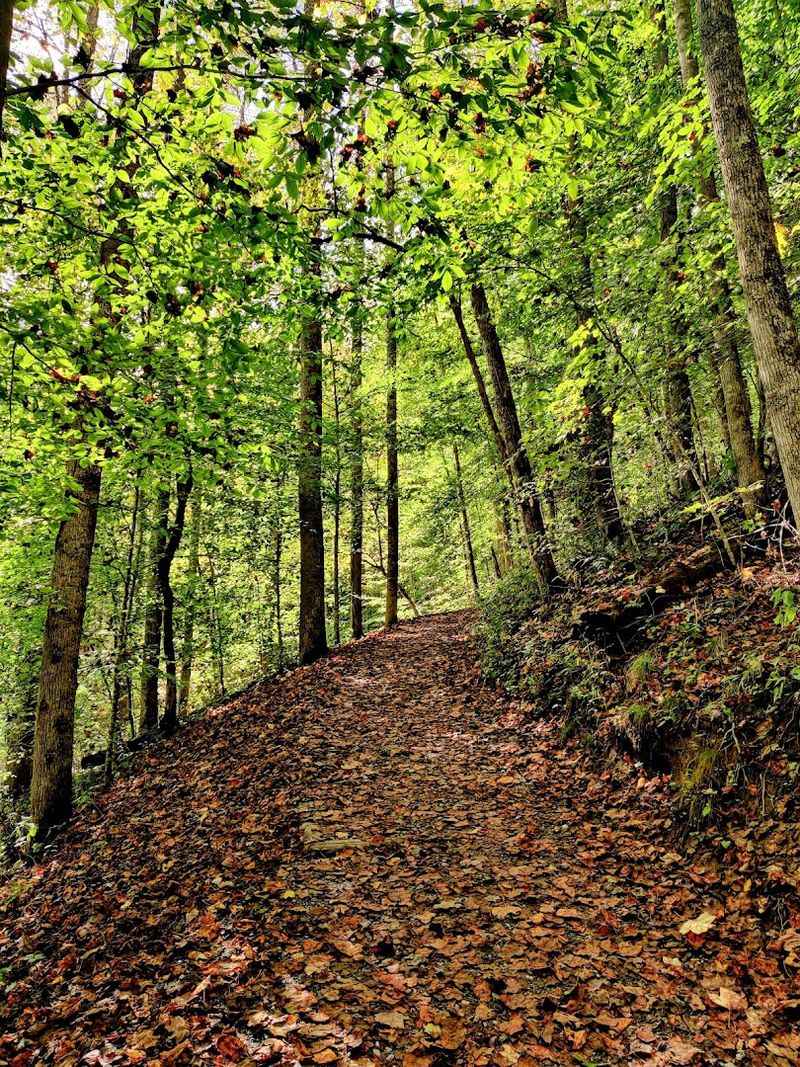
Not every unforgettable trail needs a summit or a punishing climb. Sometimes the magic comes from cool water, dense green forest, and the easy rhythm of moving beside a creek that seems determined to keep you company.
This area has that inviting, all day kind of energy that makes it easy to linger.
The Deep Creek Loop Trails on the North Carolina side of Great Smoky Mountains National Park are beloved for exactly that reason. A mix of paths in the Deep Creek area lets you link waterfalls, streamside stretches, and shaded forest into a customizable outing that works for different ability levels.
Tom Branch Falls, Indian Creek Falls, and Juney Whank Falls each add their own personality to the experience.
This is also one of the most family friendly trail systems in the Smokies, especially if you want options. In warmer months, the nearby tubing scene gives the area a playful atmosphere, while spring and fall keep the forest looking especially lush and photogenic.
Since several routes intersect, it helps to glance at a map before starting so you can shape the loop you want.
What stands out most is how generous the area feels. You get multiple waterfalls, soothing water sounds, and classic Smokies scenery without committing to one hard destination.
It is the kind of place that can rescue a trip when you want beauty, flexibility, and a hike that leaves everyone happy.
Max Patch Trail
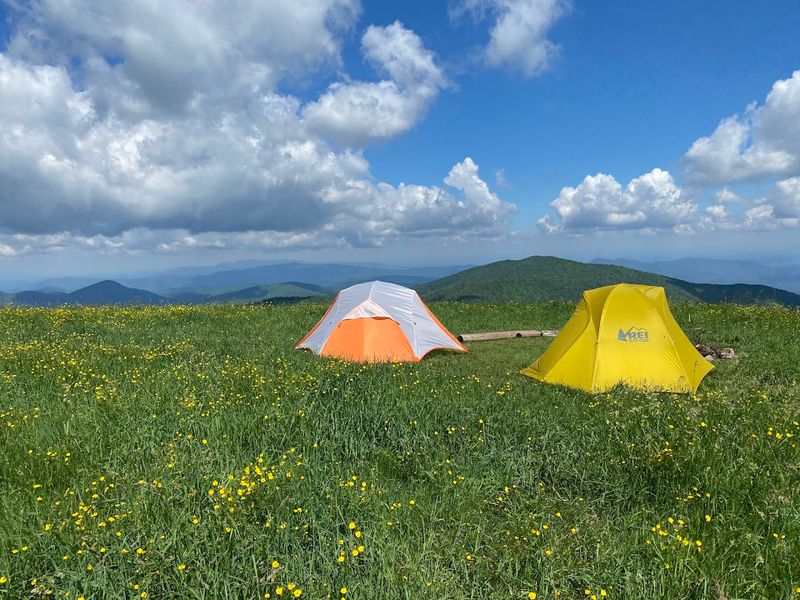
It is hard not to smile when a trail leads you out of the trees and into a wide open summit where the sky suddenly takes over. Wind moves across the grass, the horizon expands in every direction, and the mountains look softer and larger at the same time.
Few places feel this open so quickly.
Max Patch Trail in Pisgah National Forest is famous for that feeling. This grassy bald near Hot Springs offers a short walk to one of the most beloved 360 degree viewpoints in the southern Appalachians, with the Appalachian Trail crossing the summit area as an added bit of hiking lore.
Whether clouds are drifting low or sunset is turning the ridges gold, the scene feels effortlessly memorable.
The trail itself is manageable for many visitors, which helps explain why it has become such a popular stop. Still, the exposed summit means weather matters, and fog, wind, or muddy conditions can change the experience fast.
Bringing an extra layer and giving yourself time to wander the loop at the top makes the visit more rewarding.
What makes Max Patch special is not technical difficulty or dramatic cliffs. It is the pure simplicity of standing in open space and watching mountains unfold in every direction.
If you want a trail that delivers wonder without a punishing approach, this is one of North Carolina’s best answers.
Catawba Falls Trail
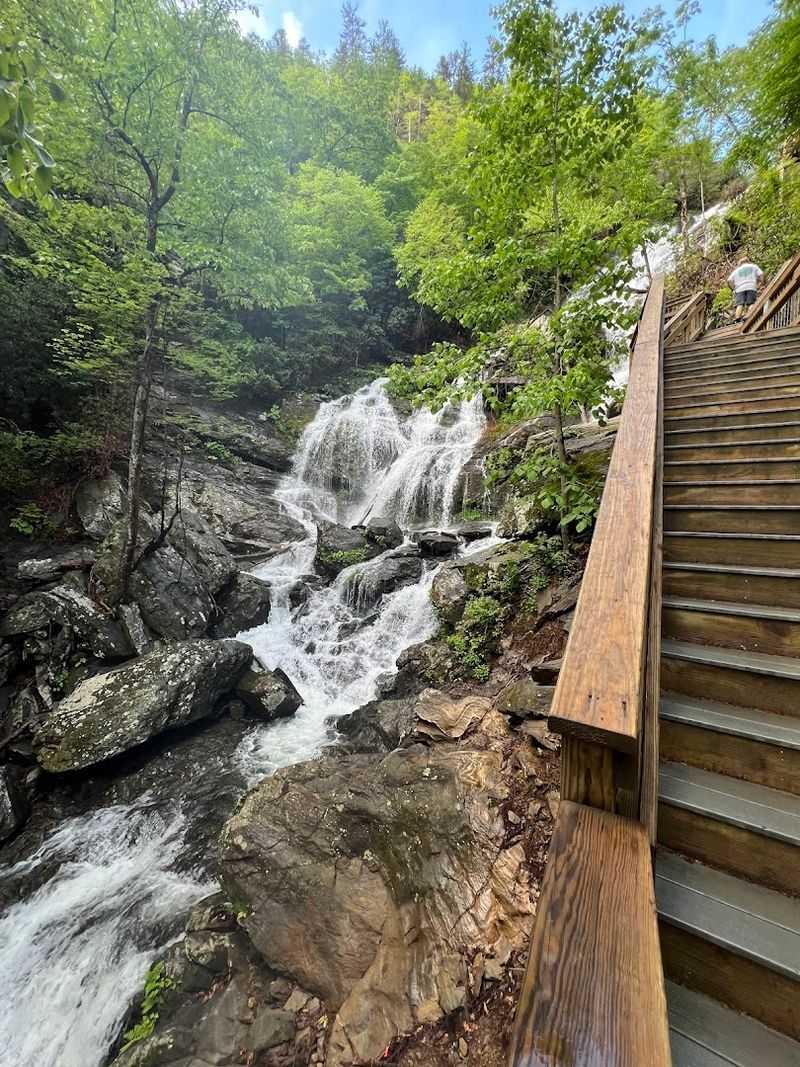
There is something deeply satisfying about a waterfall trail that keeps revealing more as you go. The sound grows louder, the forest stays cool, and each bend hints that another cascade may be just ahead.
It feels inviting rather than intimidating, which is part of its charm.
Catawba Falls Trail near Old Fort has long been a favorite, and recent restoration has made access and navigation more welcoming for many hikers. The route leads through Pisgah forest scenery to a multi tier waterfall system that feels larger and more complex the longer you stand and study it.
Instead of one simple drop, you get a layered water feature with texture, movement, and plenty of visual interest.
This trail works especially well for travelers who want strong scenery without committing to a major mountain climb. It remains important to stay on marked paths and respect any barriers or safety guidance around wet rock and steep areas.
Visiting after good rainfall can make the falls even more impressive, though that can also mean slicker footing.
What makes the hike memorable is how approachable the reward feels. You can bring newer hikers here and still feel like you are sharing something genuinely beautiful.
By the end, it often becomes the trail people mention first when talking about easy to love waterfall outings in western North Carolina.
Mountains-to-Sea Trail (Pilot Mountain Section)

There is a special appeal to walking even a small piece of a trail that spans an entire state. You feel connected to something larger, yet the experience stays grounded in the immediate details of rock, forest, and shifting views.
That big picture feeling gives this section extra personality from the start.
The Mountains-to-Sea Trail segment at Pilot Mountain State Park blends long distance trail lore with one of North Carolina’s most recognizable landscapes. Here, the statewide route passes through terrain shaped by the iconic Pilot Knob and surrounding ridges, offering hikers a mix of woodland path, rocky character, and broad views into the Piedmont.
It is a satisfying way to experience the MST without needing a multi day commitment.
This area works well whether you are already a trail nerd or simply want a scenic hike with a sense of purpose. Depending on the section you choose, the outing can range from moderate strolling to something more energetic, especially if you add nearby park trails.
Cooler months often bring the clearest views, while autumn can make the ridges particularly photogenic.
What makes this hike stick with you is the blend of local identity and statewide ambition. You are not just visiting a mountain, you are stepping onto a route that ties together North Carolina’s landscapes from west to east.
That added context makes every mile feel a little more meaningful.