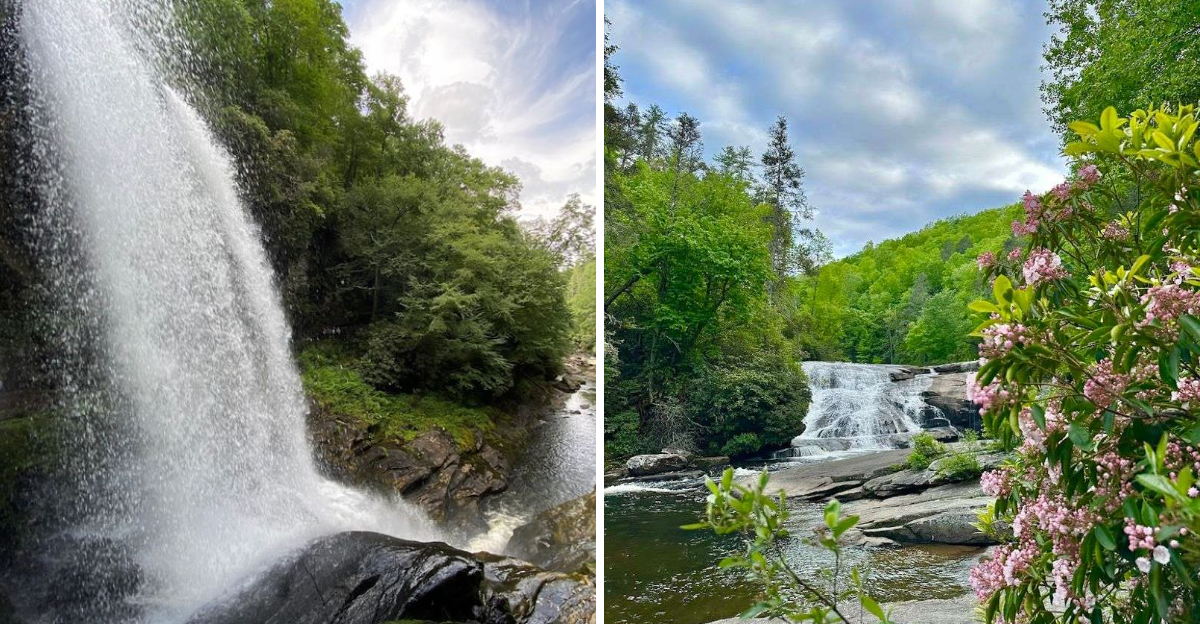
Spring rainfall in North Carolina creates some of the most spectacular waterfall displays you’ll ever witness.
After May storms roll through the mountains, these cascades transform from gentle trickles into roaring curtains of water that fill the air with mist and thunder.
The combination of fresh greenery and powerful water flow makes this the perfect time to explore these natural wonders.
Whether you’re an experienced hiker or just looking for a scenic roadside stop, these twelve waterfalls offer unforgettable experiences during the rainiest spring month.
Linville Falls
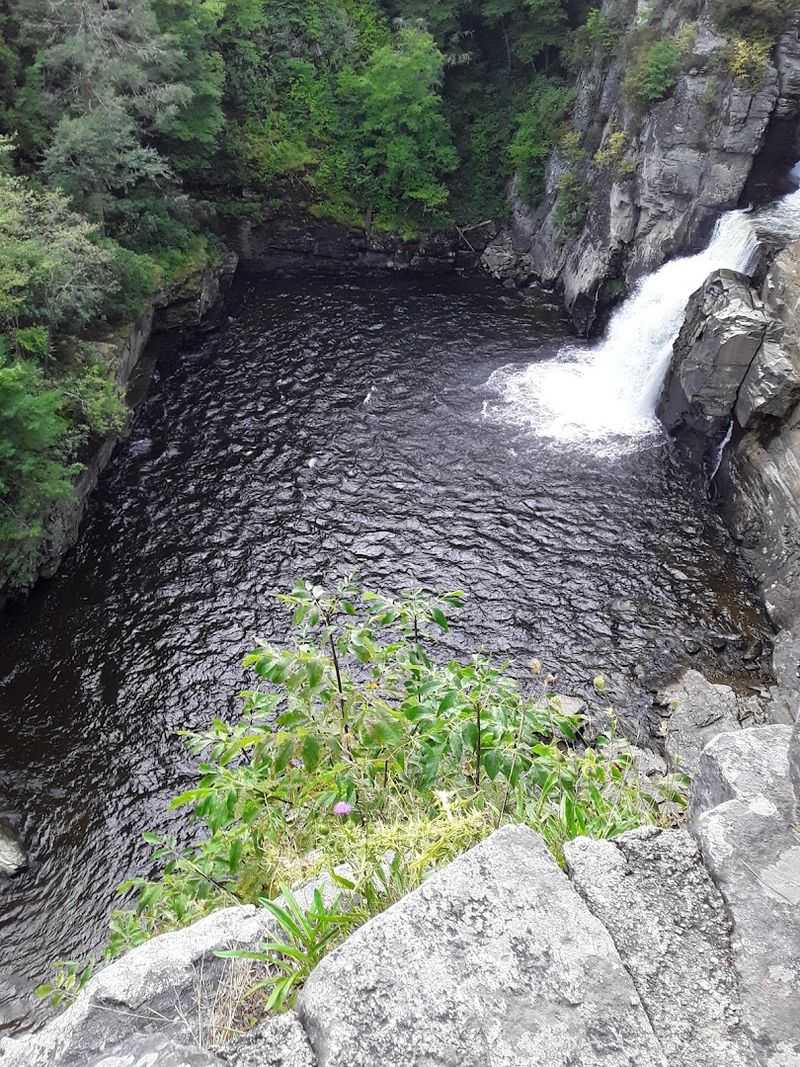
Thunderous roar echoes through Linville Gorge as spring runoff crashes over rocky ledges into the deep canyon below. This iconic Blue Ridge waterfall becomes a completely different beast after May rainfall, when the river swells to several times its normal size.
Mist rises from the gorge floor like smoke, creating rainbows on sunny afternoons.
Multiple viewing platforms along the rim let you experience different perspectives of this powerful cascade. The upper falls drop first, then the river makes a sharp turn before plunging again into the rugged gorge.
Each overlook reveals something new about the waterfall’s complex structure and impressive scale.
The moderate hike to reach these viewpoints takes about an hour round trip. Trail conditions improve by May, though rocks near overlooks stay slippery from constant spray.
Families with older children handle the walk easily, and the payoff ranks among the best waterfall experiences in North Carolina.
Arrive early during weekends to secure parking at this popular destination.
Looking Glass Falls
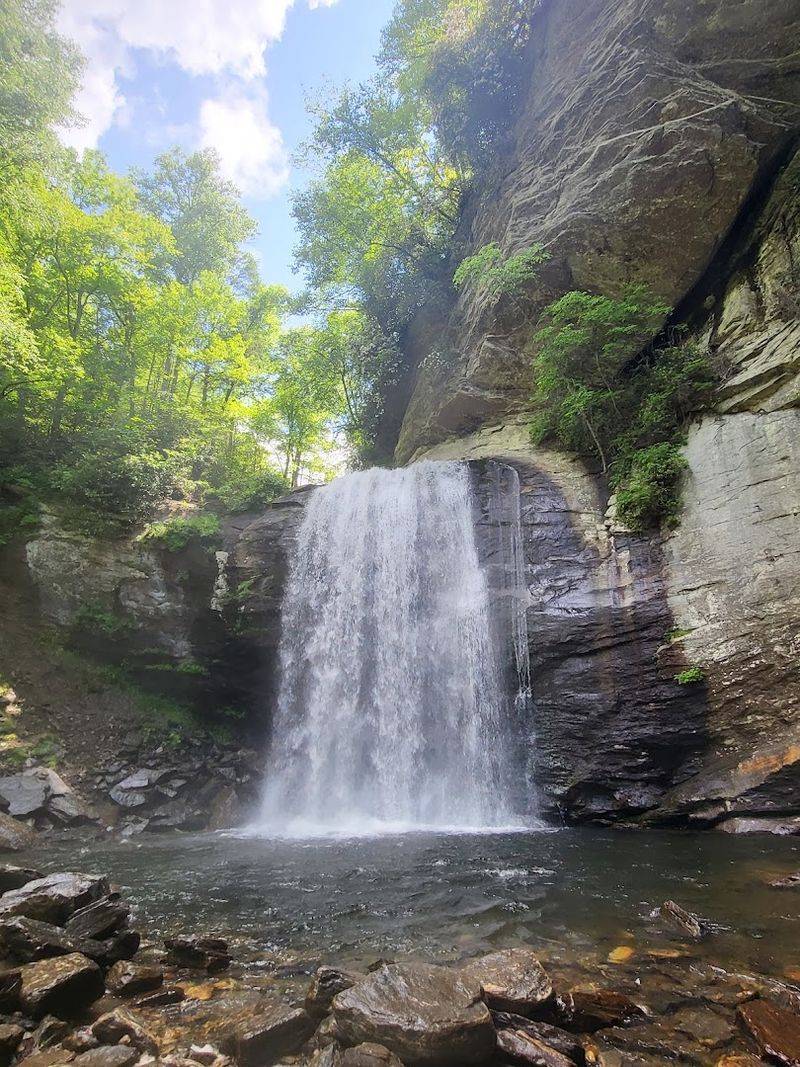
Pull right up to one of North Carolina’s most photogenic waterfalls without breaking a sweat. Looking Glass Falls tumbles sixty feet as a wide, silvery curtain that’s visible directly from Highway 276 near Brevard.
After spring storms, the normally graceful cascade transforms into a heavy wall of water that sends spray across the entire viewing area.
The name comes from the way sunlight reflects off the wet rock face behind the falling water, creating a mirror-like shine. May brings peak flow conditions while azaleas and rhododendrons bloom along the banks.
Photographers love the combination of easy access and dramatic backdrop, especially in early morning light.
A short path leads down to the pool at the base if you want to feel the spray up close. Expect to get damp during high-water periods as mist drifts across the observation area.
This waterfall attracts crowds on weekends, but its roadside location means you can stop by anytime without committing to a long hike.
Perfect for families with young children or anyone wanting maximum impact with minimal effort.
Dry Falls
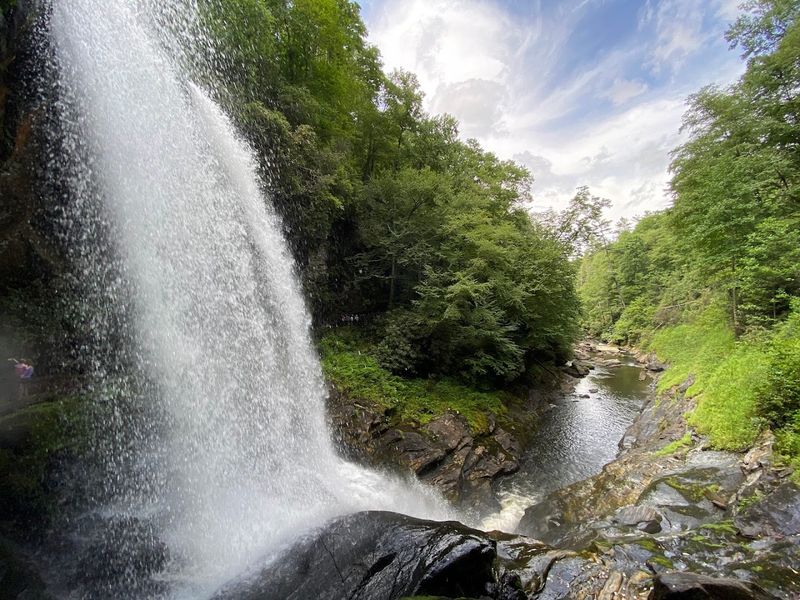
Walking behind a waterfall sounds impossible until you experience Dry Falls in person. A paved trail leads directly behind this seventy-five-foot cascade, putting you inside a natural tunnel with water crashing just feet away.
Spring rainfall makes the experience incredibly intense as increased volume amplifies both the roar and the spray that drifts back toward the path.
Despite its name, you’ll definitely get misted when water levels run high in May. The rock overhang that creates this unique walkway stays mostly dry during normal conditions, but spring runoff pushes more moisture into the sheltered area.
Bring a rain jacket if you plan to linger behind the falls during peak flow.
The short quarter-mile trail makes this accessible for most visitors, though watch for slippery spots near the waterfall. Standing behind that thundering curtain of water creates an almost otherworldly sensation, especially when sunlight filters through the falling spray.
This remains one of the most distinctive waterfall experiences in the entire state, combining easy access with genuine adventure that kids especially love.
Whitewater Falls
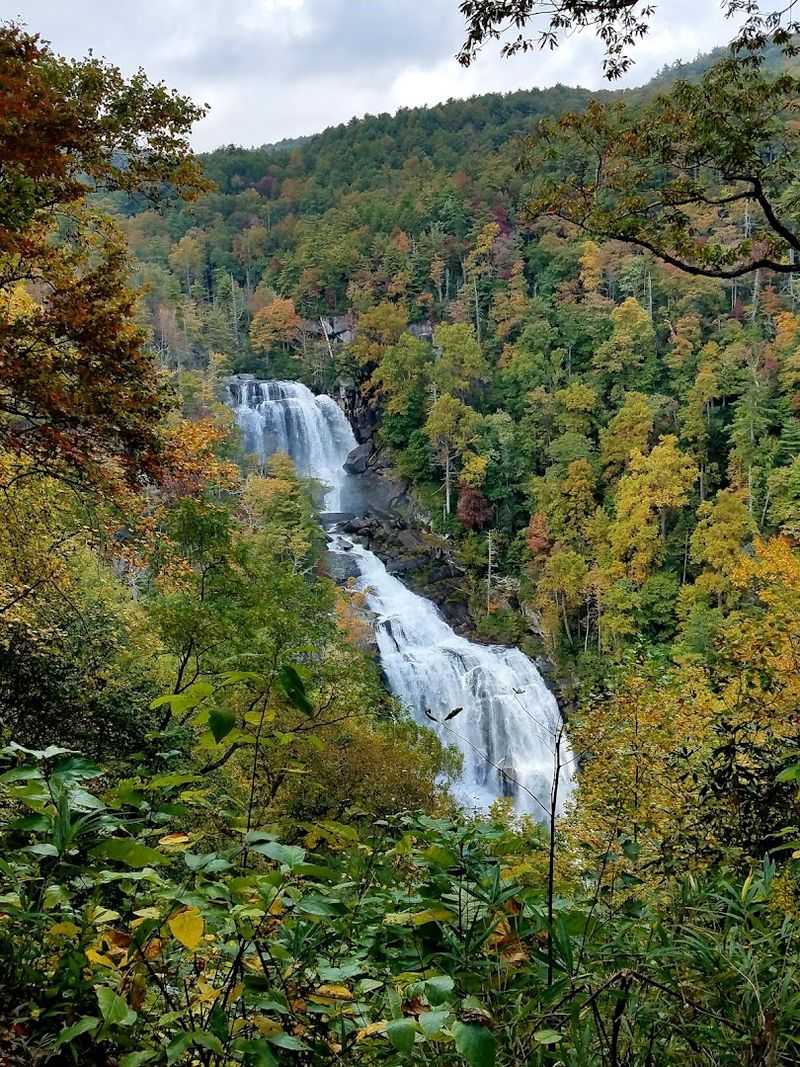
At 411 feet, Whitewater Falls claims the title of highest waterfall east of the Rocky Mountains. That’s taller than a 40-story building, dropping in a series of cascades that become absolutely spectacular after spring storms.
The sheer volume of water pouring over these cliffs during May runoff has to be seen to be believed.
Two viewing platforms offer different perspectives on this massive cascade. The upper deck sits just a short walk from the parking area, providing a straight-on view of the main drop.
A more challenging trail descends to a lower overlook where you can see additional cascades as the river continues tumbling downstream.
The surrounding forest explodes with spring color in May, creating a perfect frame for the white torrents of water. Sound carries across the gorge, with the roar audible from the parking lot on high-water days.
Crowds gather here for good reason, as few waterfalls in the eastern United States match this combination of height and power.
The upper platform works for all fitness levels.
Crabtree Falls
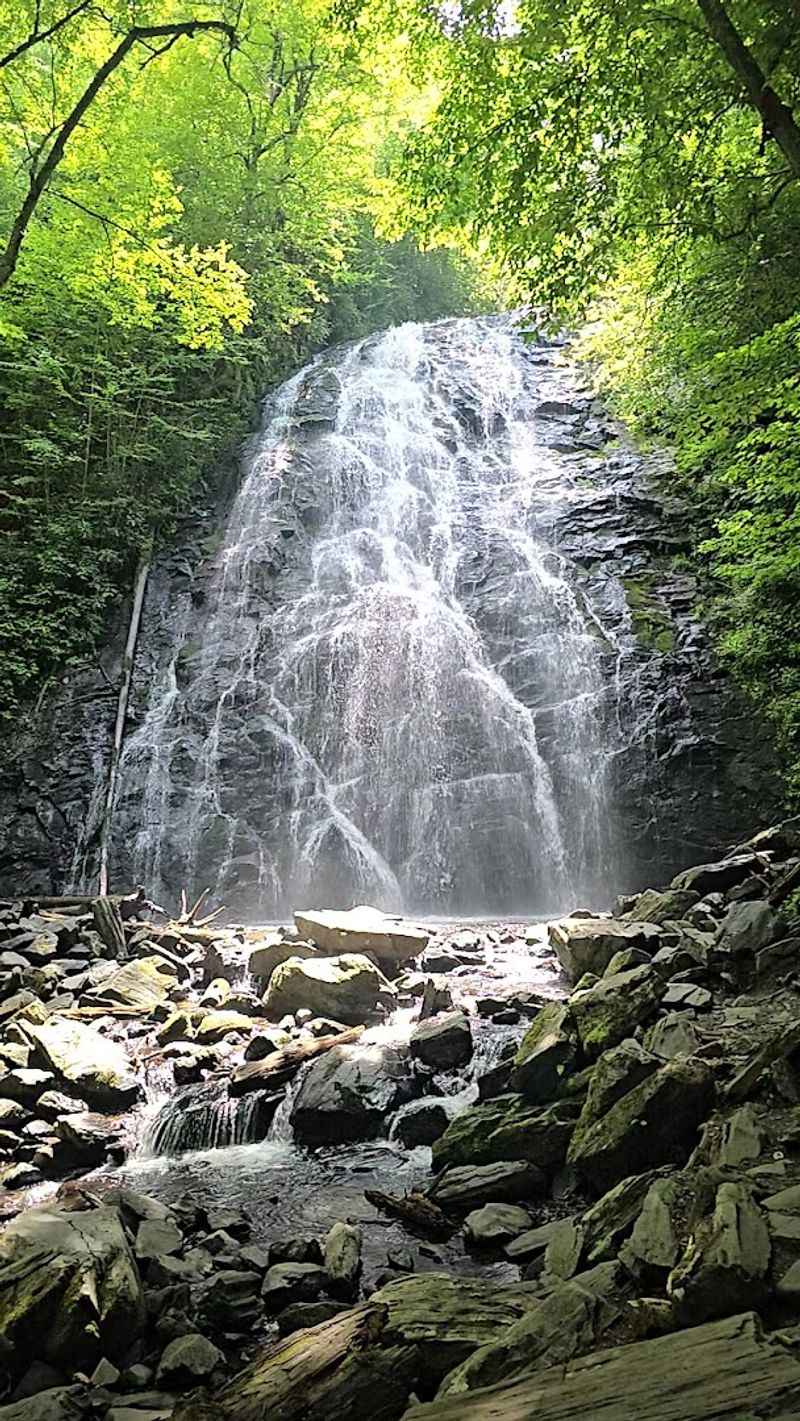
A scenic loop trail winds through the forest to reveal this beautiful multi-tiered waterfall that seems to dance over layered rock shelves. Rather than one dramatic plunge, Crabtree Falls cascades in segments that create a lively, musical flow pattern.
Spring rainfall brings out the best in this cascade as water rushes over each rocky tier with increased energy and volume.
The three-mile loop hike takes about two hours and rewards you with multiple viewing angles. You’ll cross wooden bridges, climb stone steps, and pause at several overlooks that showcase different sections of the falls.
May means lush greenery overhead and wildflowers blooming along the trail banks.
Families with school-age children enjoy this moderate adventure that feels more exciting than difficult. The segmented nature of the waterfall means you get multiple photo opportunities rather than one single shot.
Recent trail improvements have made the path safer and easier to navigate, though rocks near the creek crossing stay slippery.
Pack snacks and plan to spend a few hours exploring this peaceful area that feels wonderfully remote despite being fairly accessible.
Catawba Falls
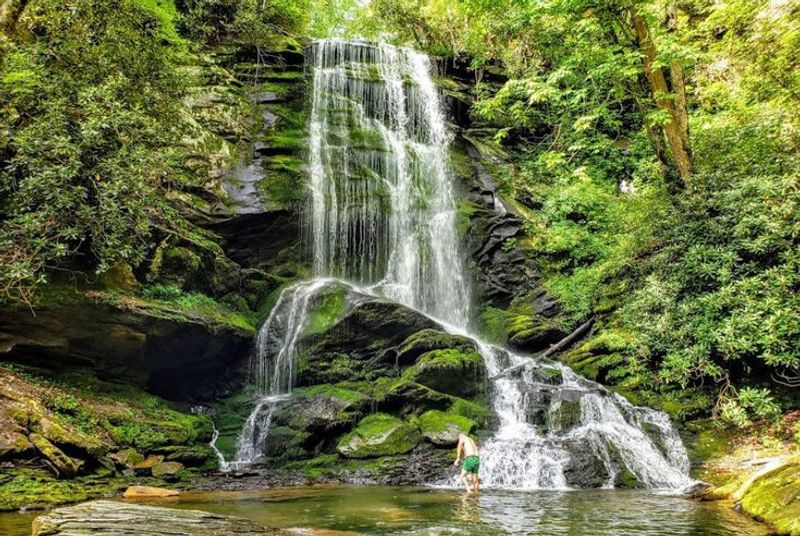
Recent trail restoration brought this stunning waterfall back into the spotlight after years of limited access. The rebuilt path now offers a safe, well-maintained route to one of the most impressive cascades in the Pisgah National Forest.
Catawba Falls drops in multiple tiers, creating a dramatic multi-level display that’s surrounded by dense woodland.
May rainfall ensures strong, continuous flow through all sections of the waterfall. The lower section alone measures about fifty feet, with upper cascades adding significant height to the total drop.
Hemlock trees and rhododendron thickets create a secluded feeling even though the trailhead sits near Old Fort.
The two-and-a-half-mile round trip hike involves some elevation gain but remains manageable for moderately fit hikers. You’ll cross the creek several times on sturdy bridges while following the sound of rushing water upstream.
The restored trail includes improved parking and clear signage, making this waterfall much easier to visit than in previous years.
Spring conditions showcase the falls at their most powerful, with enough water to make every tier visible and impressive from the main viewing area at the base.
Moore Cove Falls
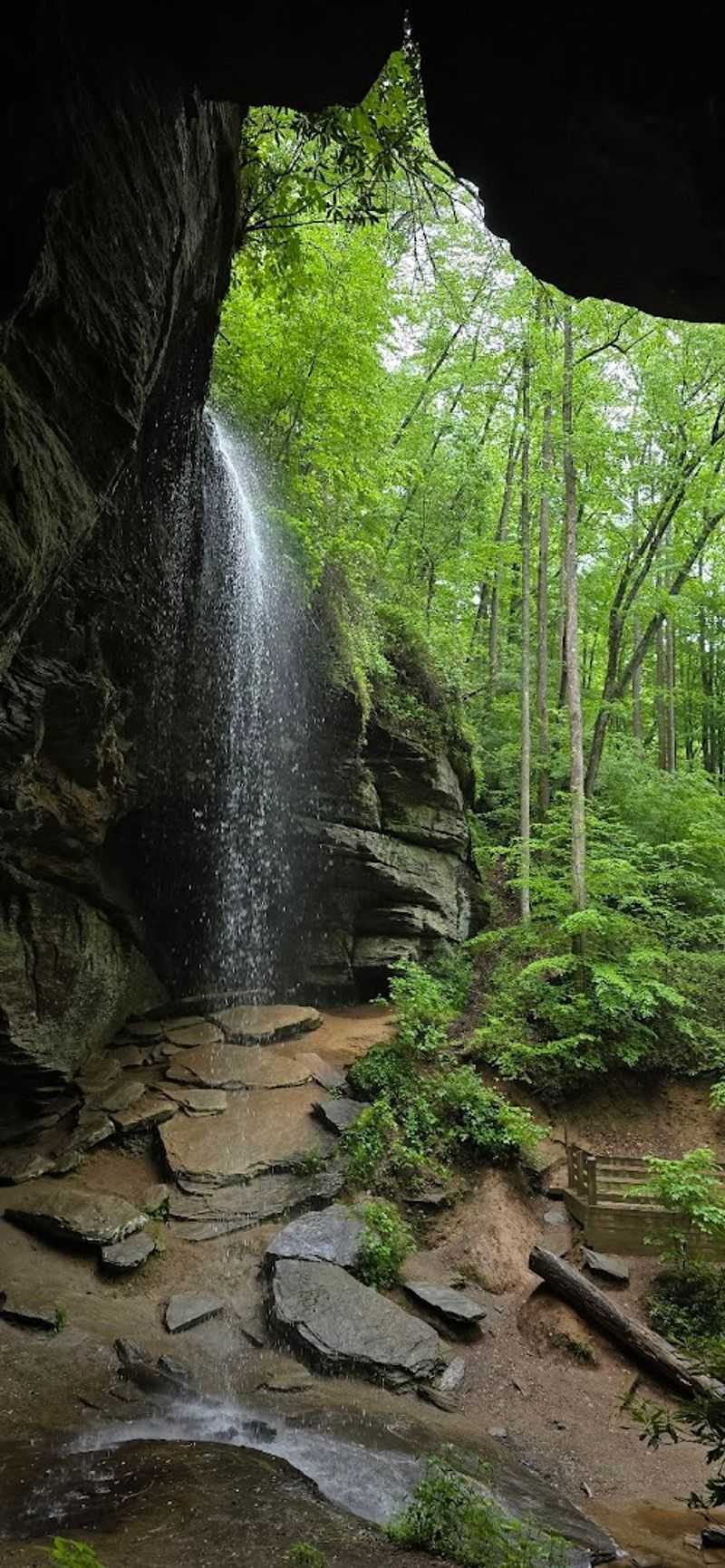
Delicate yet powerful describes this elegant waterfall that spills over a curved rock face into a peaceful cove. Moore Cove Falls maintains a veil-like quality even during high water, with the cascade spreading across the rock wall in thin sheets rather than a concentrated stream.
The short, easy hike makes this accessible for everyone, including families with small children.
After spring rains, the waterfall expands wider across the overhang while still keeping that graceful appearance. You can walk right up to the alcove behind the falls and watch water droplets catch the light.
Moss-covered rocks and ferns thrive in the constant mist, creating a fairy-tale atmosphere that photographers especially love.
The trail covers less than a mile round trip with minimal elevation change. Most visitors complete the walk in under an hour, making this perfect for a quick nature break.
May brings wildflowers along the path and plenty of water flowing over the falls.
The shallow pool at the base stays cold year-round, fed by mountain springs that keep the temperature refreshing even as weather warms up outside the shaded cove.
Triple Falls
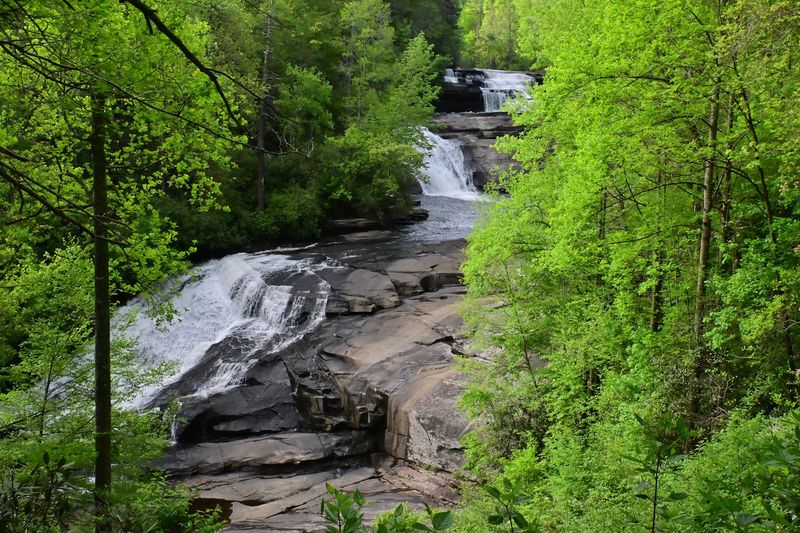
DuPont State Recreational Forest contains several spectacular waterfalls, but Triple Falls earns its name with three distinct tiers that create a stair-step pattern down the mountainside. The middle section really steals the show, especially visible from the trail viewpoint where you can watch water pound into a deep pool before continuing downstream.
May runoff brings impressive volume to all three levels.
The forest surrounding these falls has appeared in multiple Hollywood films thanks to its pristine beauty. After spring storms, the combination of rushing water and fresh green forest creates a scene that looks almost too perfect to be real.
Mist rises from each tier, creating a cool microclimate even on warm days.
A network of well-maintained trails connects Triple Falls to other waterfalls in the forest, allowing for longer hikes if desired. The direct route covers about two miles round trip with moderate terrain.
Wooden bridges and overlooks provide safe viewing platforms without requiring scrambling over rocks. Weekends get busy here, but the forest absorbs crowds well.
Early morning visits offer the best light for photography and fewer people sharing the viewpoints.
Hooker Falls
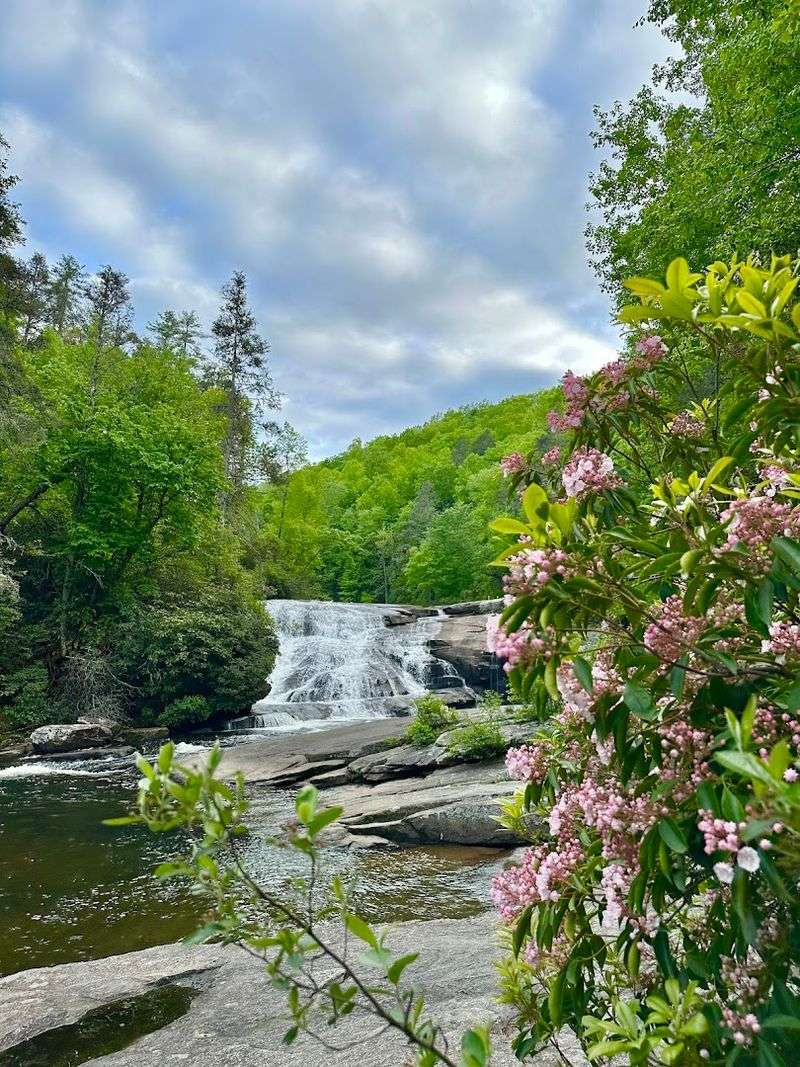
Broad and powerful rather than tall and dramatic, Hooker Falls spreads across the Little River in a wide curtain that becomes especially forceful after spring rainfall. What it lacks in height it makes up for in sheer volume, with water pushing across the entire width of the riverbed.
May storms turn this into a thundering display that’s far more impressive than its twelve-foot drop might suggest.
The easy half-mile trail from the parking area makes this one of the most accessible waterfalls in DuPont State Forest. Families with strollers can navigate the relatively flat path without difficulty.
The viewing area offers a straight-on perspective of the full width, letting you appreciate how much water moves over these falls during high-flow periods.
Swimming in the pool below is popular during summer months, but May water temperatures stay too cold for most people. The scene remains beautiful year-round, though spring showcases the falls at maximum power.
Photographers love the way the wide cascade creates perfect reflections in the calm pool above the drop.
This waterfall pairs perfectly with others in the forest for a full day of waterfall hunting.
High Falls
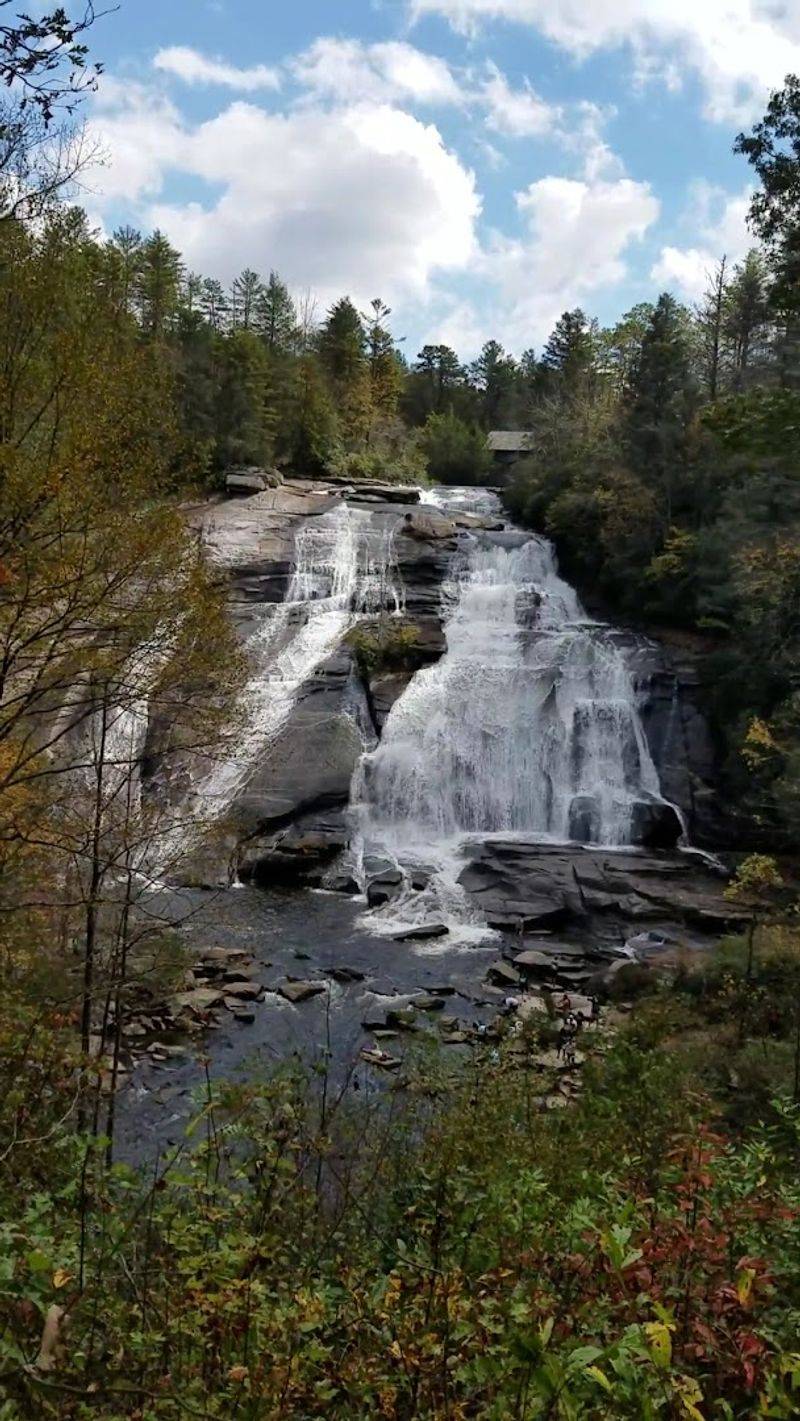
Standing on the bridge overlook above High Falls feels like watching nature’s power on full display. This dramatic cascade plunges more than 120 feet down a steep rock face, creating tremendous mist and roar that intensifies significantly after May rainfall.
Water crashes against rock ledges on the way down, breaking into white foam that contrasts beautifully with dark stone and green forest.
The viewing platform sits right at the top of the falls, offering a bird’s-eye perspective that reveals the full vertical drop. Spring runoff increases both volume and mist production, sometimes obscuring the base in clouds of spray.
Rainbows frequently appear in the mist on sunny afternoons when light hits the water droplets just right.
Getting here requires about a mile hike from the main parking area with some uphill sections. The trail quality stays excellent thanks to regular maintenance by forest staff.
High Falls serves as the centerpiece of DuPont’s waterfall collection, and most visitors include it on their itinerary. The combination of height, power, and accessibility makes this essential viewing during spring’s peak flow season.
Safety railings keep the overlook secure even with excited children.
High Shoals Falls
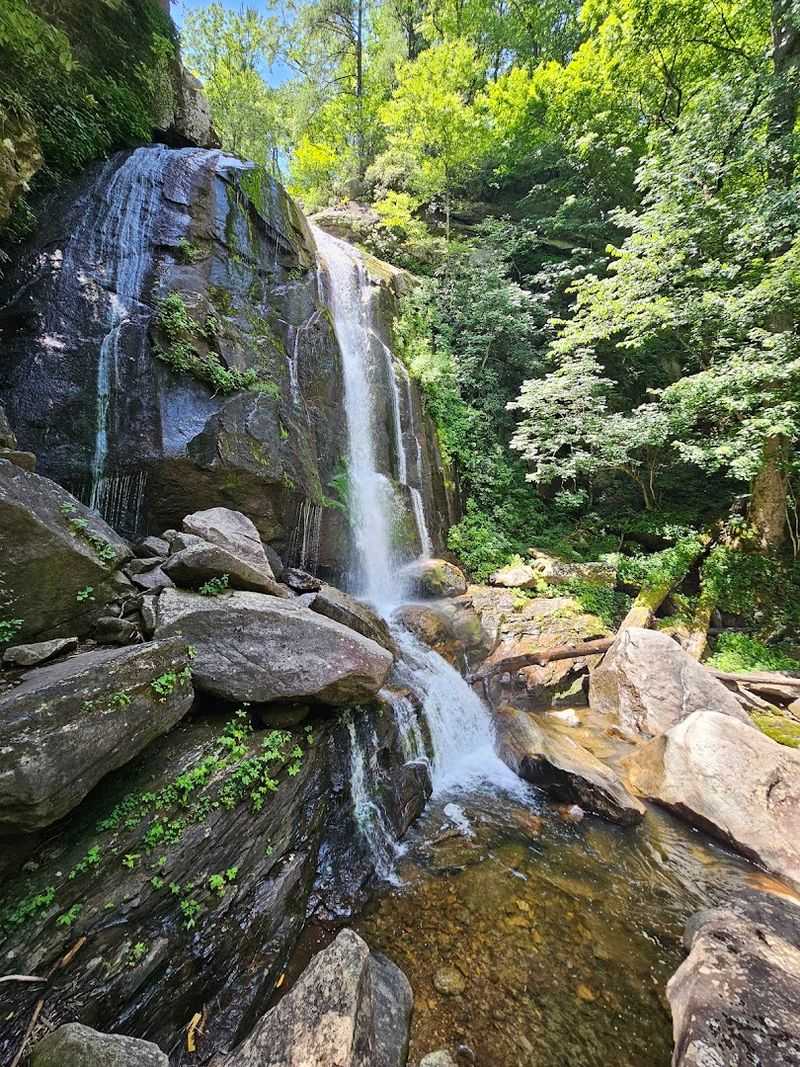
The sound hits you first as High Shoals Falls roars through a narrow gorge in South Mountains State Park. This steep, rocky cascade becomes incredibly energetic after rainfall, with water bouncing off boulders and creating a constant thunder that echoes off the surrounding cliffs.
May brings the falls to life with aggressive flow that showcases its wild character.
The gorge setting amplifies everything about this waterfall, from sound to visual impact. Water rushes down a long series of drops rather than one clean plunge, creating a chaotic, powerful display that feels more dynamic than static waterfalls.
Spray fills the air, coating nearby rocks and vegetation with constant moisture that supports unique plant communities.
Reaching High Shoals requires commitment with a moderate three-mile hike that includes creek crossings and elevation changes. The trail follows Jacob Fork upstream through beautiful forest before revealing the falls.
South Mountains State Park sees fewer visitors than more famous waterfall destinations, giving this area a wilder, more secluded feeling. Serious hikers appreciate the combination of solid trail workout and impressive payoff.
Spring conditions make the hike more challenging but also far more rewarding.
Setrock Creek Falls
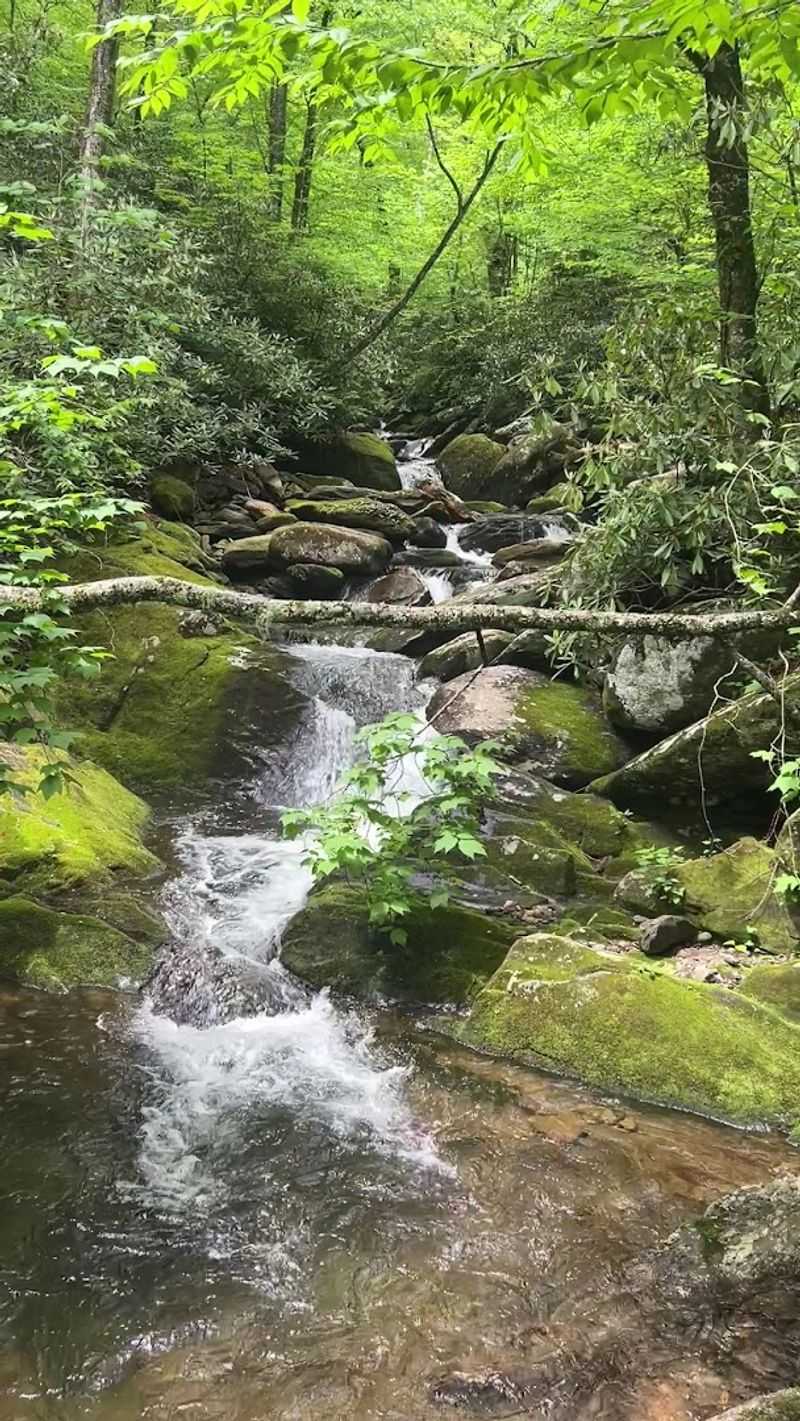
Tucked away near Mount Mitchell, Setrock Creek Falls offers a quieter alternative to more crowded waterfall destinations. The high-elevation location means you’re hiking through spruce-fir forest that gives this area a distinctly different feel from lower mountain waterfalls.
Cool temperatures persist even in May, with spring runoff keeping the creek flowing strong through the rocky channel.
The waterfall itself cascades over multiple rock ledges in a long series of drops rather than one dramatic plunge. Forest surrounds the falls completely, creating an intimate viewing experience where you feel immersed in wilderness.
Fewer visitors discover this gem compared to roadside falls, rewarding those willing to seek it out with a more peaceful encounter.
The trail distance and difficulty level vary depending on which route you take, but expect at least a moderate hike to reach the falls. High elevation means later spring arrival here, with May still feeling like early spring at this altitude.
The combination of cool mountain air, dense forest, and reliable water flow makes this special for hikers who value solitude.
Pack layers even during spring as temperatures stay noticeably cooler than in valleys below.