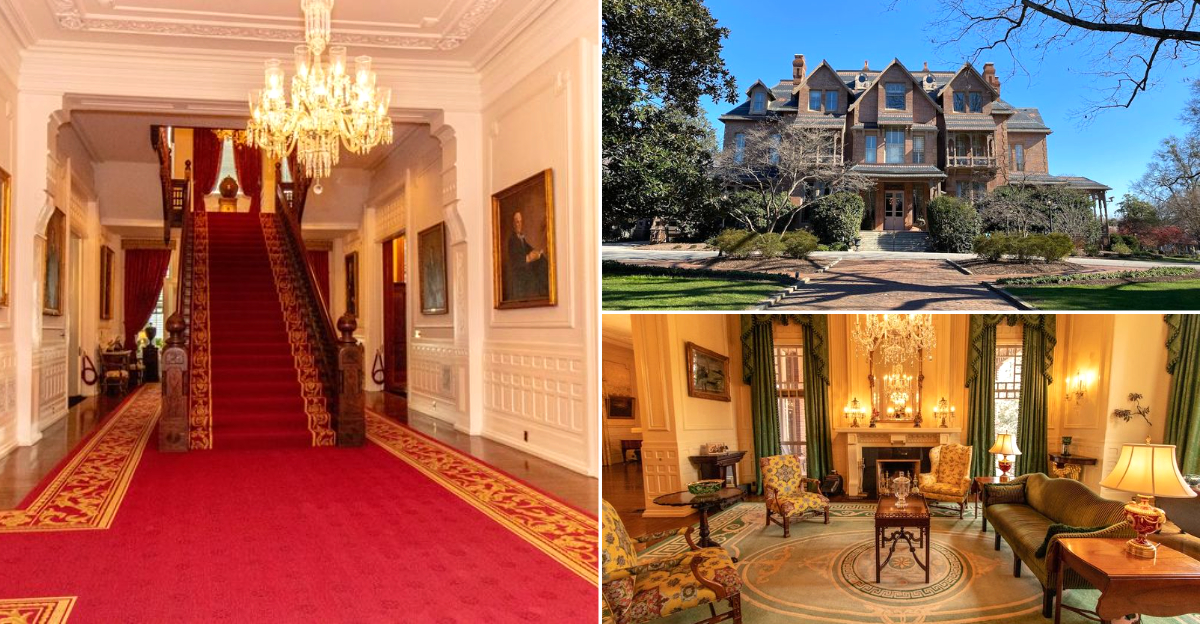
Few buildings in North Carolina carry the weight of history quite like the stately red-brick structure at the heart of Raleigh’s government district.
The North Carolina Executive Mansion has served as the official residence of the state’s governors since 1891, witnessing more than a century of political change and civic life.
Guided tours offer visitors a rare look inside rooms filled with period furnishings, state portraits, and carefully preserved historic details.
The mansion’s grounds are equally worth exploring, with manicured gardens that provide a quiet contrast to the bustle of downtown Raleigh.
Whether you’re a history enthusiast, an architecture lover, or simply curious about North Carolina’s past, the Executive Mansion is a Raleigh experience not to miss.
A Grand First Impression
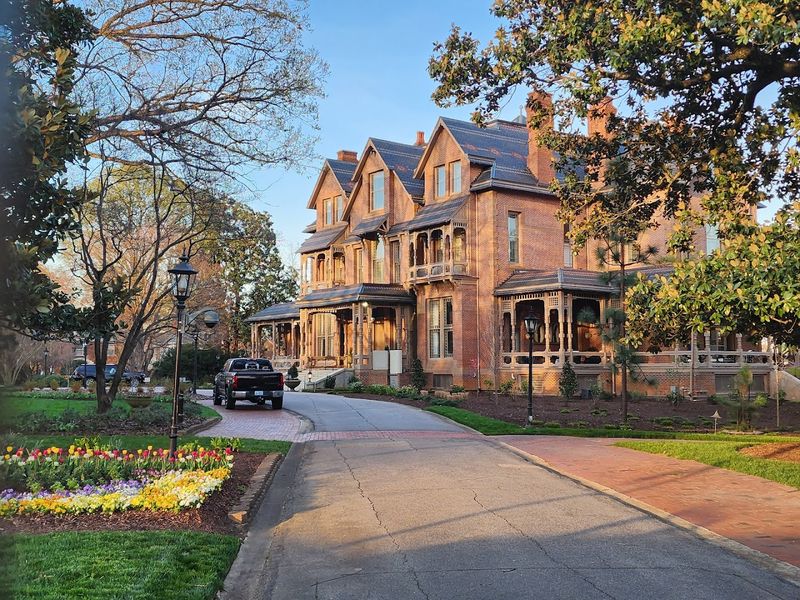
Before you even step through the gates, there is a sense that public history lives here in brick, iron, and carefully tended grounds.The building feels ceremonial without turning cold, which is part of why so many visitors come away surprised by its warmth.
That first impression sets the tone for exploring the North Carolina Executive Mansion at 200 N Blount St, Raleigh, NC 27601.
Completed in 1891, the residence was designed by architects Samuel Sloan and Adolphus Gustavus Bauer in a confident Queen Anne style.Its red brick exterior, asymmetrical massing, and intricate woodwork reflect the ambitions of a state presenting itself as modern, stable, and culturally serious.
You can read the mansion almost like a political statement built into the streetscape.
What I find most fascinating is how the house balances grandeur with approachability.It was always meant to represent the people of North Carolina, not just shelter a governor behind formal walls.
That civic purpose still shapes the experience today, making the mansion feel less like a relic and more like an active participant in the state’s public memory.
Architecture That Signals Power
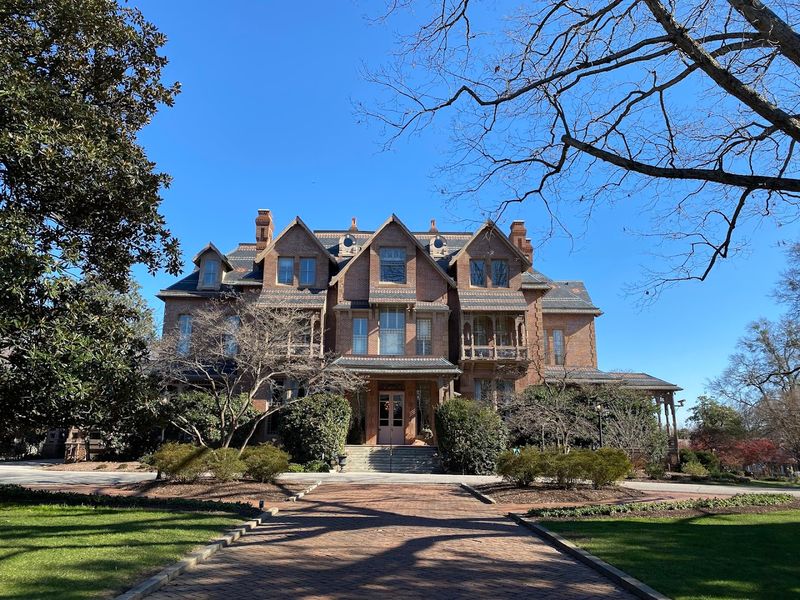
Sunlight catches the brickwork and decorative trim in a way that makes the mansion feel almost theatrical, yet its design choices were deeply strategic.
Architecture here was not just about taste.
It was about projecting confidence, legitimacy, and a distinctly North Carolina identity at the end of the nineteenth century.
The Queen Anne style allowed for visual richness without seeming tied to a single rigid tradition.
Turrets, gables, chimneys, and varied textures create movement across the facade, encouraging you to look longer and notice craftsmanship that rewards patience.
Inside, carved wood, elegant mantels, and carefully scaled rooms suggest authority while still preserving a domestic atmosphere.
I think that combination is what makes the building so memorable.
Unlike many official residences that feel distant or overly staged, this mansion communicates political symbolism through livable spaces, not just monumental scale.
As you move through its details, you can sense how architecture was used to reassure citizens that government could be cultured, orderly, and rooted in the life of the state rather than floating above it.
Built By Skilled Hands
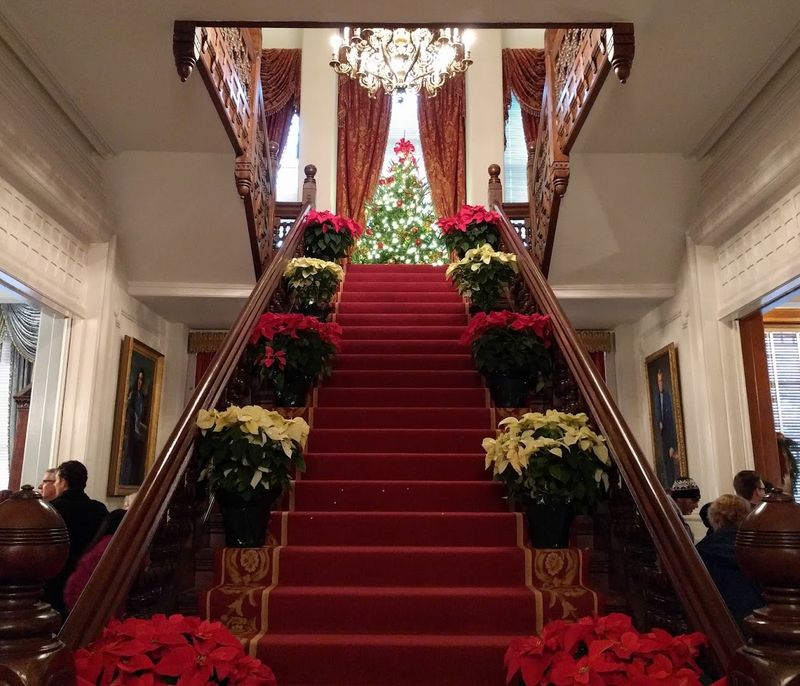
Behind the polished public image lies a more complex and human story, one shaped by labor, craft, and the realities of the post Civil War South.The mansion did not simply appear as a symbol of power.
It was built through the hands of skilled workers whose contributions deserve equal attention.
Historical accounts note that incarcerated laborers participated in making the bricks used for the residence, while artisans and tradesmen completed the refined architectural details.That contrast between coercion and craftsmanship complicates any easy celebration of the house.
If you want to understand the mansion honestly, you have to hold beauty and injustice in the same frame.
I find that tension essential rather than uncomfortable background material.It reminds you that political landmarks often stand on layered histories, where public pride intersects with unequal systems that shaped who built, owned, and occupied space.
The mansion becomes more meaningful when interpreted with that fuller context.
Today, talking about those origins can deepen a visit instead of diminishing it.You are not just admiring elegant architecture.
You are also confronting how state identity was constructed through labor, aspiration, and difficult histories that still deserve careful recognition.
Home Life Behind Public Duty
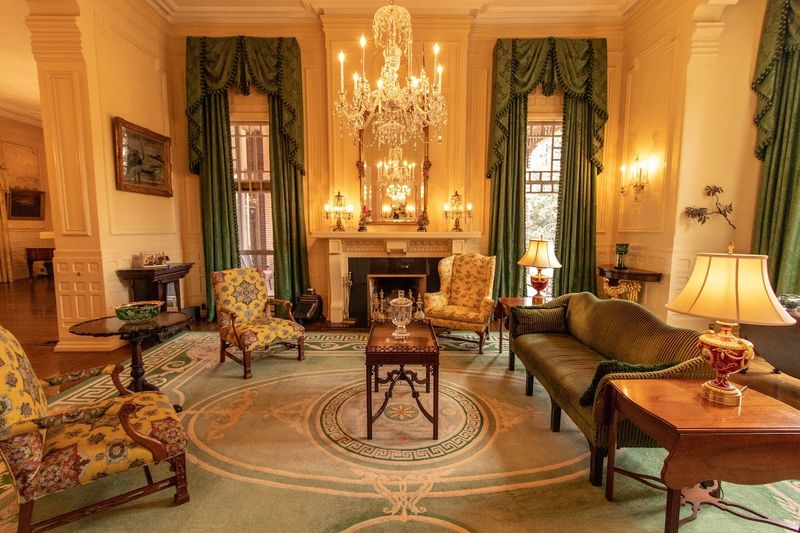
Official residences often seem frozen in ceremony, but this mansion was also a home where families ate dinner, welcomed guests, and lived through ordinary routines.That domestic layer changes how you read every room.
Suddenly the house feels less like a monument and more like a setting where public duty met private life every day.
Governors and their families used the building not only for formal receptions but also for birthdays, conversations, and quieter evenings away from the spotlight.Those overlapping functions shaped the interiors, which needed to signal hospitality, dignity, and comfort all at once.
You can imagine the constant shift between household rhythm and state protocol.
I think that tension makes the mansion especially compelling.Political history becomes easier to connect with when you remember that decisions affecting millions were often framed by spaces where people also raised children, drank coffee, and navigated personal challenges.
The house carries traces of both ceremonial expectation and domestic adaptation.
For visitors, that blend can be unexpectedly moving.
It reveals government not as an abstract machine but as something enacted by people in rooms with fireplaces, portraits, staircases, and tables set for both family moments and consequential public conversations.
A Stage For State Hospitality
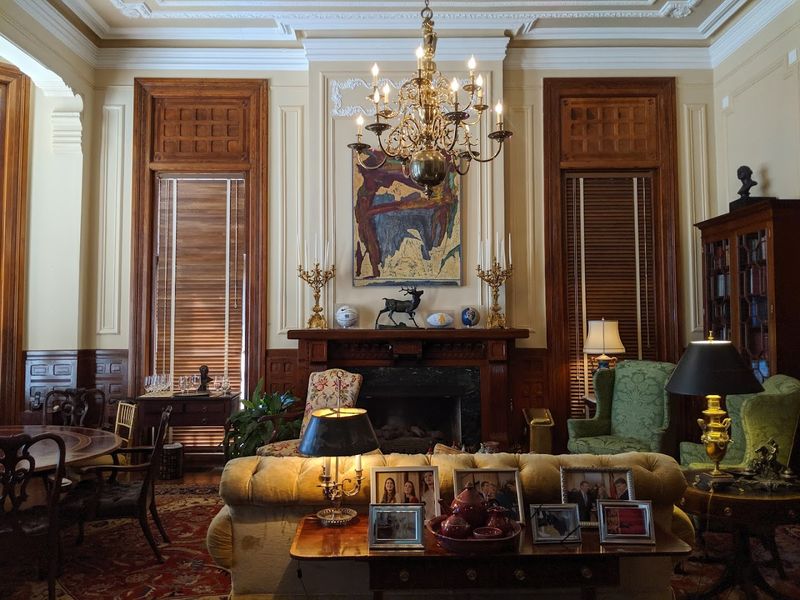
There is a special kind of choreography to public hospitality, and this mansion has long served as one of North Carolina’s most visible stages for it.Every reception, dinner, and ceremonial gathering adds another layer to the building’s civic identity.
The house was designed not just to impress, but to welcome.
Over the decades, governors have used its rooms to host legislators, diplomats, military figures, artists, community leaders, and everyday citizens attending seasonal events.That social function matters because politics is not carried out only through speeches and legislation.
It is also shaped through relationships, rituals, and the symbolism of who gets invited into representative spaces.
I like thinking about the mansion as a bridge between government and the public.When people walk through its doors for an event, they are participating in a tradition that turns architecture into a form of democratic theater.
The setting communicates continuity while each gathering updates its meaning for a new moment.
Even the table settings, floral displays, and movement between parlors and dining rooms carry subtle messages.
They tell visitors that state identity can be expressed through courtesy, stewardship, and a shared sense of occasion as much as through official policy.
The Mansion’s Art And Furnishings
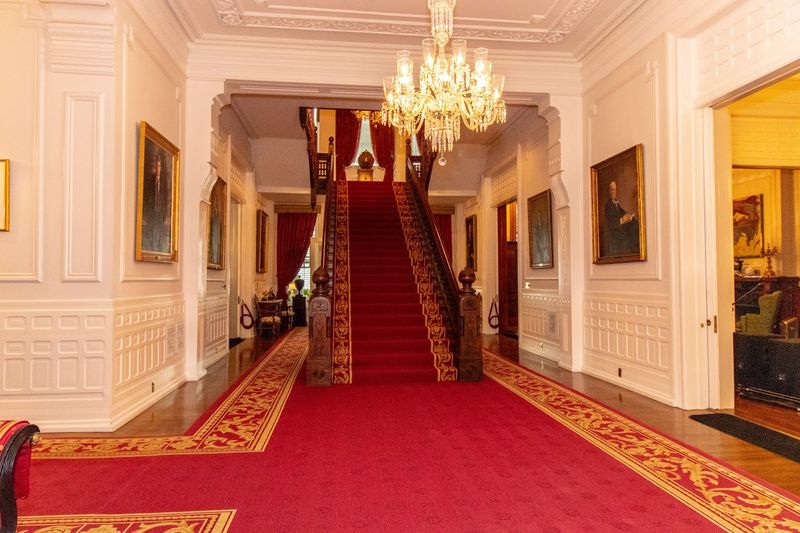
Quiet details often leave the strongest impression, and in this mansion the furnishings and artwork do much of the storytelling.A chair, portrait, silver service, or textile can reveal values that official documents never fully capture.
The rooms speak through objects as much as architecture.
Collections within the residence reflect different eras of state history, taste, and civic self presentation.Portraits connect visitors to political lineage, while period furniture and decorative arts help explain how North Carolina chose to display refinement, memory, and continuity inside a working executive home.
Nothing feels entirely accidental when viewed in that light.
I think these material choices make the mansion feel intimate.Instead of encountering history only as dates and administrations, you see how power was framed through color palettes, craftsmanship, heirlooms, and visual symbols meant to reassure, persuade, or commemorate.
Objects become interpreters, guiding you through changing cultural priorities.
They also remind you that preservation is an active process.What gets saved, restored, or displayed shapes public memory in real time.
As you notice the layered interiors, you are really seeing a conversation between past and present, where each generation decides how the state’s executive residence should represent North Carolina to itself and to visitors.
Traditions That Keep It Alive
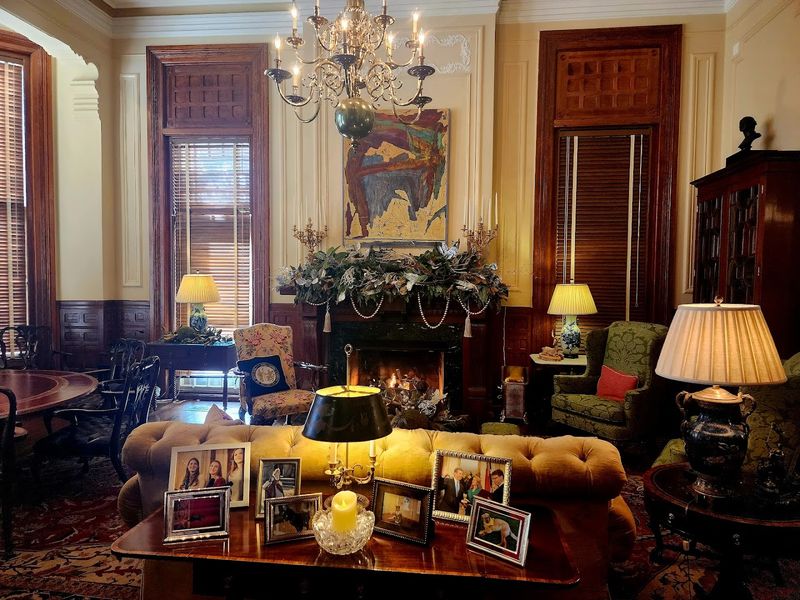
Historic houses stay relevant when they remain woven into living tradition, and this mansion has done that remarkably well.It is not preserved as a silent shell.
Instead, recurring events and customs keep the residence connected to the people it symbolically serves.
Seasonal decorating, public tours, ceremonial occasions, and long standing hospitality practices all help transform the building from an artifact into an active civic space.Visitors are not just looking backward.
They are stepping into rituals that continue to define how the state presents itself with grace, continuity, and a sense of welcome.
I find that especially important in a political era when institutions can feel abstract or remote.Tradition, when handled thoughtfully, offers a tactile way for you to experience public history.
The mansion becomes a place where government is made visible through shared customs rather than distant language.
Of course, traditions evolve.Each administration leaves its own mark through entertaining styles, restoration priorities, and the causes it highlights within the residence.
That means the mansion is never truly static, even when honoring long established practices, and that ongoing balance between preservation and renewal is part of what makes it such a revealing lens on North Carolina’s civic culture.
Why It Still Matters Today
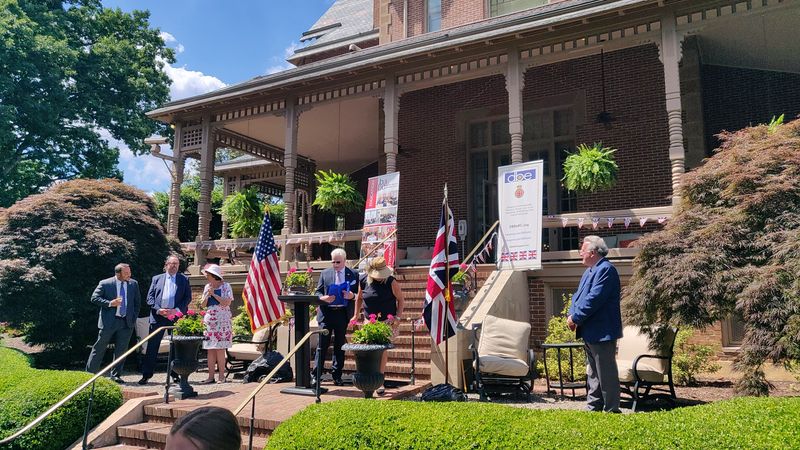
Long after the novelty of ornate architecture fades, the mansion still matters because it gathers so many threads of state history into one readable place.It reflects politics, design, labor, memory, and public ritual all at once.
Few landmarks give you such a layered encounter with North Carolina’s identity.
What stays with me most is how the residence humanizes government.Instead of treating political history as a sequence of distant administrations, the mansion shows how leadership is staged, symbolized, and lived within physical rooms that carry emotion as well as authority.
That makes the past feel less abstract and more consequential.
It also invites harder questions.Who gets represented in official spaces, whose stories are centered, and how should historic residences interpret complicated origins for modern audiences?
Those are not side notes.They are central to why visiting or studying the mansion can still feel urgent.
If you approach it with curiosity, the building offers more than a beautiful tour.It becomes a conversation about what North Carolina chooses to honor, how it remembers, and how public spaces can connect citizens to the larger democratic story.
That is why this historic home remains one of the state’s most fascinating windows into political life.