Ninety-foot cliffs don’t belong in eastern North Carolina — and that’s exactly what makes this place so wild.
At Cliffs of the Neuse State Park, the earth suddenly splits open above the river, exposing giant walls of sand, clay, and ancient shell deposits that have been sitting here for millions of years. It feels strange, unexpected, and a little unreal.
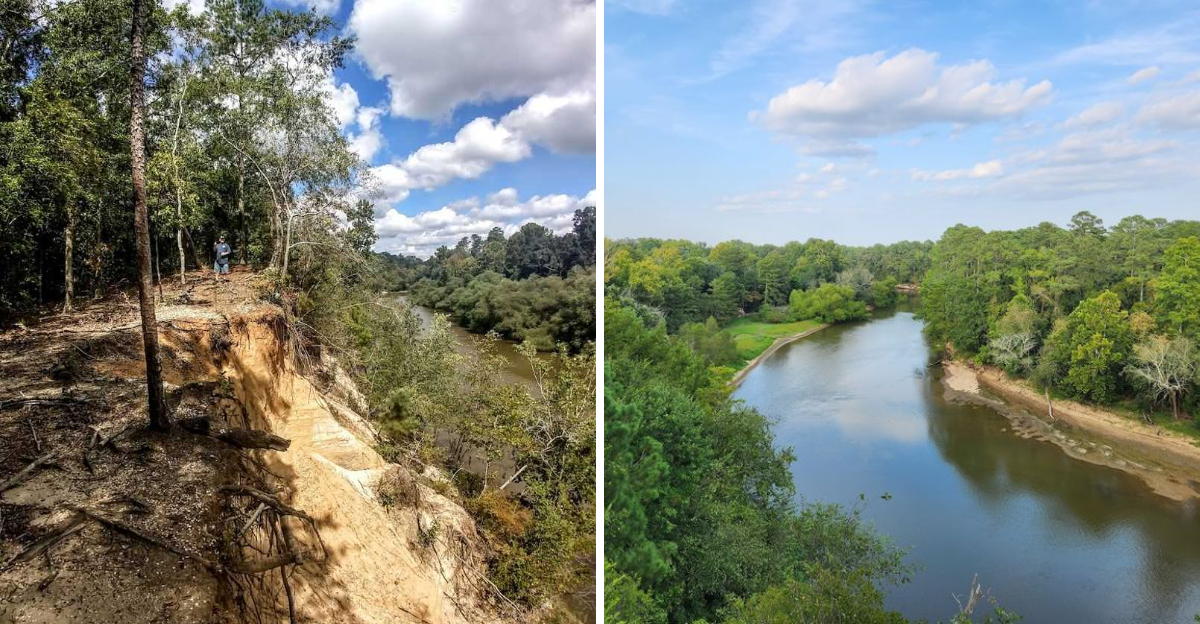
One minute you’re walking through quiet pine woods. The next, you’re standing at the edge of towering bluffs staring down at the slow-moving Neuse River, watching sunlight hit layers of earth like stripes in a canyon.
Then there’s the rest of it — shady hiking trails, hidden creeks, birds circling overhead, and a swimming lake perfect for hot summer afternoons.
It’s part history lesson, part outdoor escape, and one of those places that leaves you wondering why more people don’t know about it.
The Dramatic 90-Foot River Bluffs
Standing at the base of these towering formations feels like stepping into a geology textbook brought to life. The cliffs stretch skyward in ribbons of rust, cream, and gray, each layer telling a different chapter of the earth’s story.
You can see shells embedded in the rock face, remnants of ancient seas that once covered this land.
These aren’t your typical mountain bluffs. The sediment here is soft enough that you can watch it slowly change with each season’s rain and wind.
Every visit reveals slightly different patterns and colors.
The best time to see them is late afternoon when the sun hits the western face. The light brings out the warm tones in the clay layers and creates dramatic shadows in the deeper crevices.
Photographers love this golden hour magic.
Scientists study these formations to understand how North Carolina’s landscape evolved. But you don’t need a degree to appreciate their raw beauty and the sense of deep time they represent.
A Rare Geological Window Into Coastal Plain History
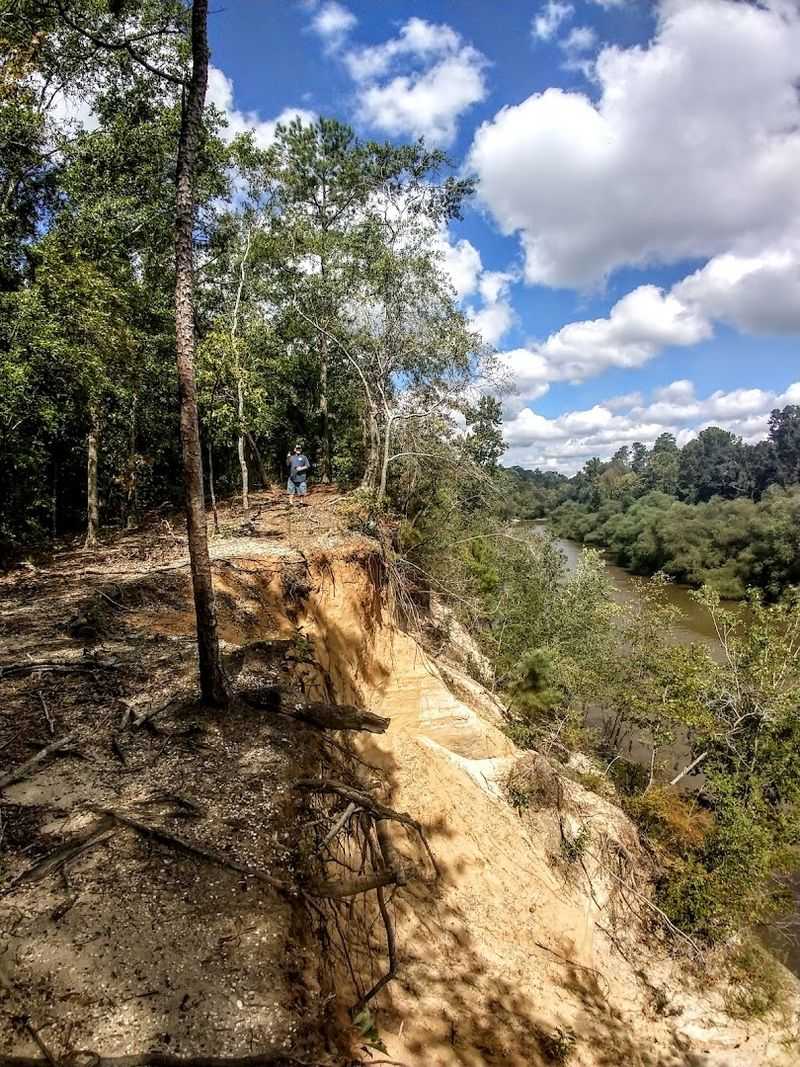
Most people never get to see what’s underneath the ground where they walk every day. This park pulls back the curtain on 2 million years of coastal plain development, all visible in vertical slices along the riverbank.
The exposed strata showcase how seas advanced and retreated, depositing different materials with each cycle.
Walking the overlook trail, you’ll notice distinct color changes in the cliff face. Lighter bands represent sandy periods when ancient beaches dominated the area.
Darker layers mark times when clay-rich river deltas spread across the region.
Fossil hunters get excited about the shell fragments scattered throughout the middle sections. These marine fossils prove the ocean once pushed far inland, covering what’s now eastern North Carolina.
It’s wild to think you’re looking at an ancient seabed while standing 90 feet above a modern river.
Teachers often bring students here for hands-on geology lessons. The cliffs make abstract concepts like sedimentation and erosion suddenly concrete and real.
The Neuse River’s Slow, Scenic Flow
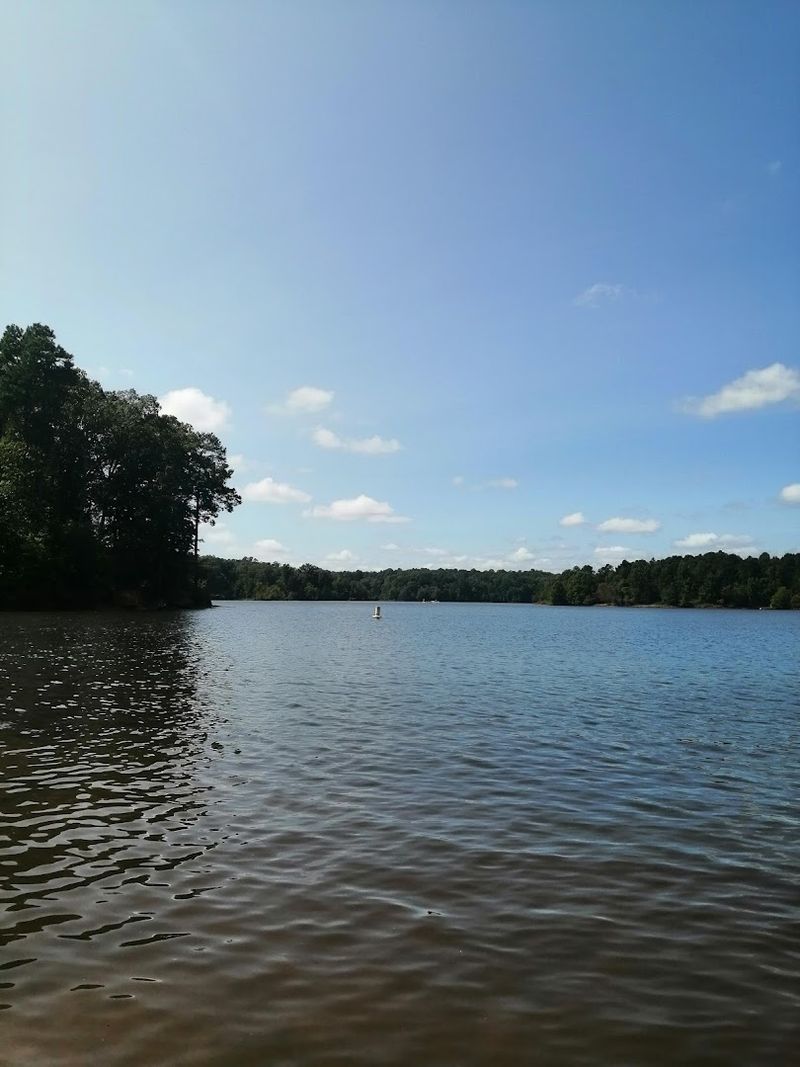
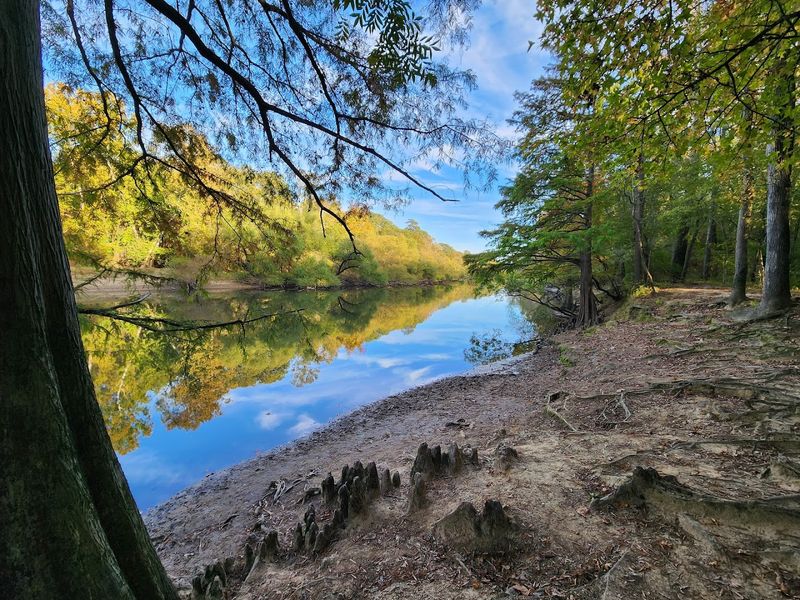
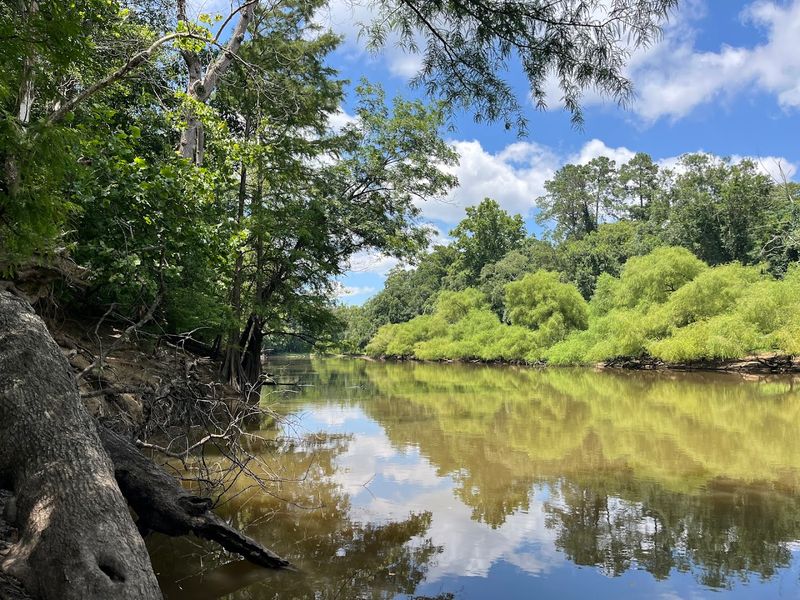
Rivers don’t always rush and tumble. Here, the Neuse glides past the cliffs with barely a ripple, creating a liquid mirror that doubles the beauty of everything above it.
On still mornings, the reflection is so perfect you might lose track of which way is up.
This river ranks among North Carolina’s longest, stretching from the Piedmont all the way to Pamlico Sound. But in this stretch near Seven Springs, it takes its time, carving gently at the base of the cliffs.
The slow current makes it ideal for wildlife watching and photography.
Dawn and dusk transform the scene completely. Mist rises from the water’s surface, softening the hard edges of the rock walls.
The changing light paints the cliffs in shades that shift from pink to gold to deep purple.
Local paddlers consider this section one of the most peaceful in the entire river system. The combination of towering geology and glassy water creates an atmosphere that feels almost sacred in its quiet beauty.
The 350-Yard Trail to the Iconic Overlook
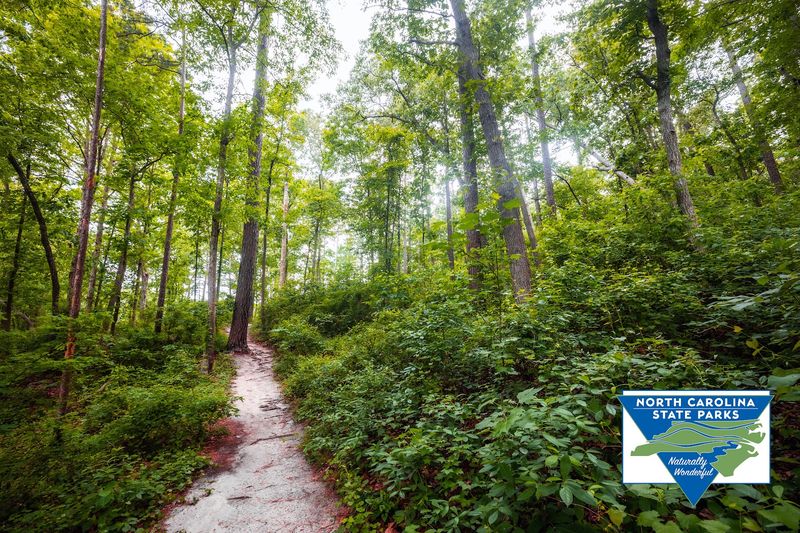
You don’t need to be an experienced hiker to reach the park’s most stunning view. This short path winds through forest for about the length of three football fields before opening onto a platform that’ll make your jaw drop.
It’s accessible enough for most ages and fitness levels, yet delivers views that rival trails ten times longer.
The trail itself offers nice variety as you walk. You’ll pass through mixed hardwoods and catch glimpses of the river through the trees.
Small interpretive signs explain the geology and ecology along the way.
Once you reach the overlook, you’re standing directly above a dramatic bend in the river. The cliff face drops away beneath the viewing platform, giving you a bird’s-eye perspective on the colorful sediment layers.
This spot shows up in countless park photos and promotional materials for good reason.
Weekday mornings offer the best experience with fewer visitors crowding the platform. Bring a camera and extra memory cards because you’ll want to capture this scene from every angle possible.
Hidden Creek Corridors and Bottomland Forests
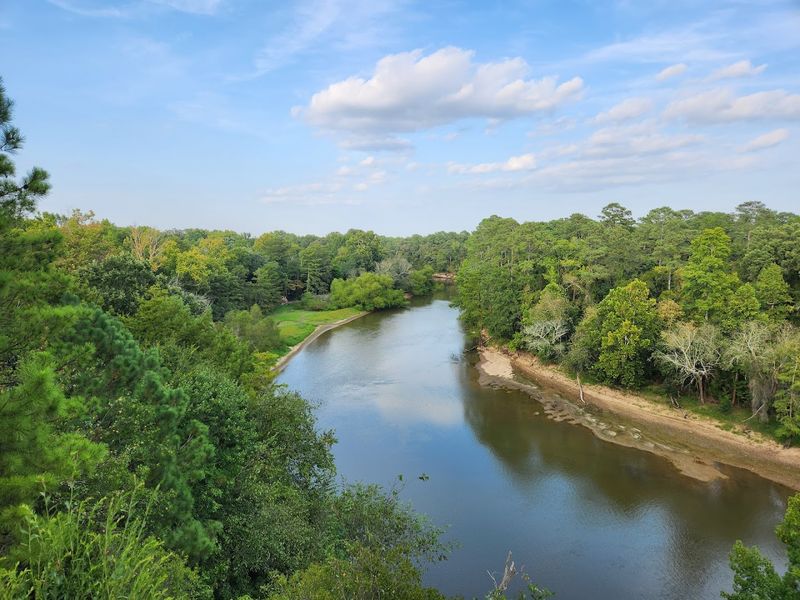
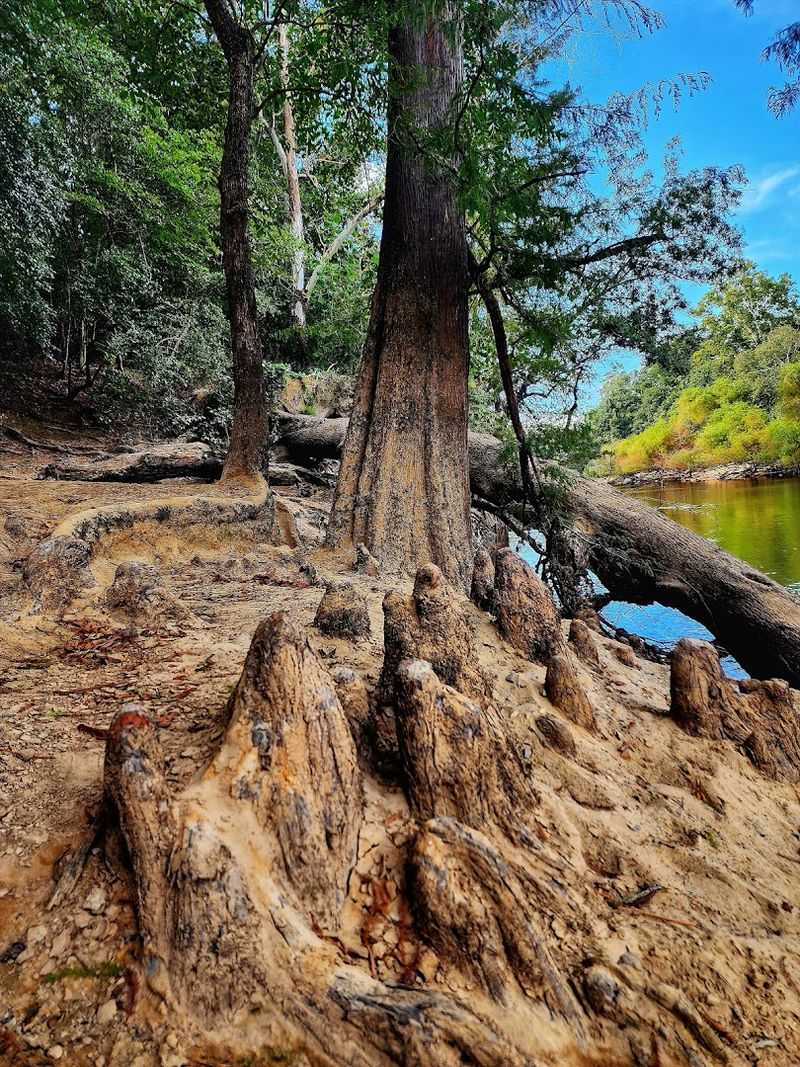
Beyond the famous overlook, the park holds quieter treasures in its network of creek valleys. Mill Creek winds through dense stands of water-loving hardwoods, creating pockets of cool shade even on the hottest summer days.
These bottomland areas feel like stepping into a completely different ecosystem from the sunny cliff tops.
The contrast between habitats makes the park ecologically rich. While the exposed cliffs bake in full sun, these creek corridors stay moist and sheltered.
Different plants and animals thrive in each zone, giving nature lovers more to discover.
Walking through the bottomland forests, you’ll notice the air feels different. Humidity hangs heavier here, and the smell of rich soil and decaying leaves is stronger.
The understory grows thick with ferns and moisture-loving shrubs.
These areas see fewer visitors than the main overlook trail, making them perfect for those seeking solitude. The gentle gurgle of creek water provides a soothing soundtrack to your exploration of this shadowy, secret side of the park.
Birdwatching and Wildlife Along the River Corridor
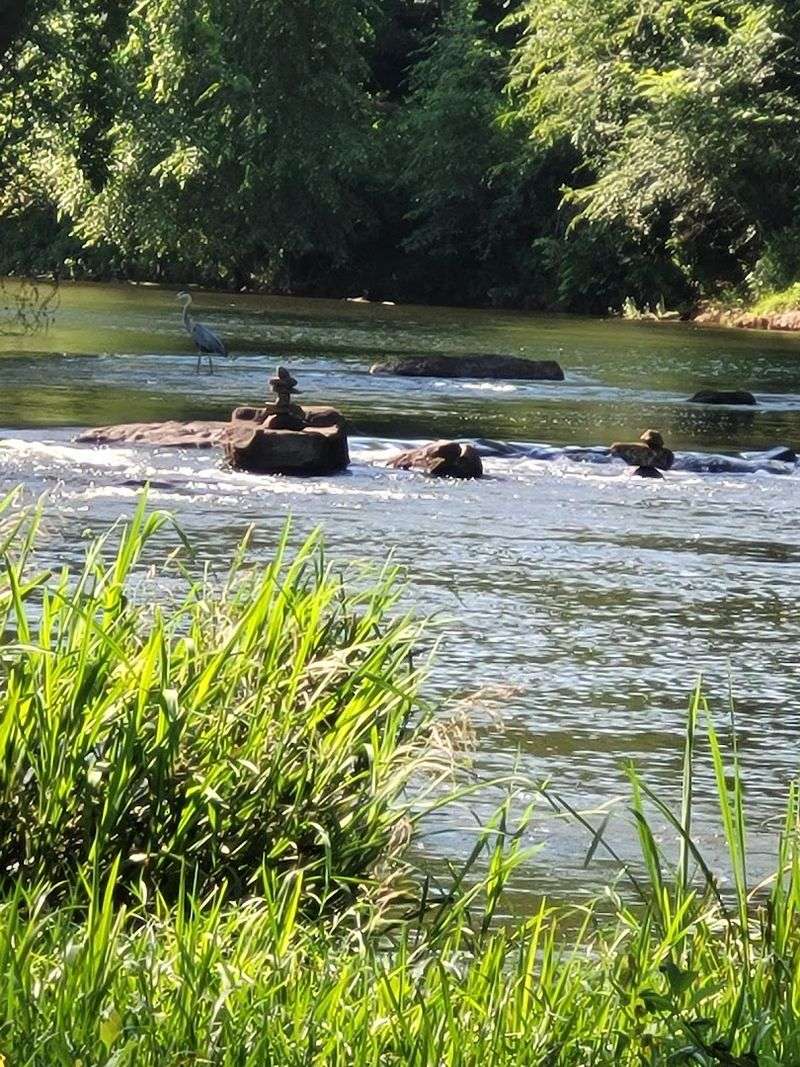
Early risers get rewarded with the best wildlife shows at this park. Bald eagles patrol the river at dawn, scanning for fish with their incredible eyesight.
Seeing one of these massive birds against the backdrop of ancient cliffs creates a moment you won’t forget. Their white heads stand out dramatically against the earth-toned rock walls.
River otters play in the shallows near the cliff base, especially during quieter weekday hours. These playful mammals slide down muddy banks and hunt for fish and crayfish.
Watching them tumble and splash brings instant smiles to observers lucky enough to spot them.
Waterfowl migrate through in impressive numbers during spring and fall. Wood ducks, herons, and various diving ducks use the river as a rest stop on their long journeys.
Patient birdwatchers can add multiple species to their life lists in a single morning.
Bring binoculars and move slowly along the trails for the best viewing opportunities. The park’s mix of river, forest, and cliffs creates habitat diversity that attracts an unusually wide variety of creatures.
Seasonal Swimming in the 11-Acre Lake
When summer heat becomes unbearable, the park’s spring-fed lake offers refreshing relief. This 11-acre swimming hole features a genuine sandy beach that feels more coastal than inland.
Cool, clear water stays pleasant even during the dog days of July and August, making it one of the region’s favorite swimming spots.
The lake operates separately from the river, so currents and water quality aren’t concerns. Lifeguards supervise during peak season, giving parents peace of mind while kids splash and play.
The bottom slopes gradually, creating safe zones for swimmers of all abilities.
Unlike ocean beaches with waves and undertow, this lake stays calm and predictable. Younger children can wade safely in the shallows while stronger swimmers venture toward the deeper sections.
The sandy bottom feels good on bare feet.
Concession stands offer snacks and drinks during operating hours, though availability varies by staffing. Arrive early on weekends during summer when the beach area fills quickly.
Remember that swimming season typically runs from late spring through early fall only.
Paddling Through a Scenic River Corridor

Seeing the cliffs from below completely changes your perspective on their scale and beauty. Kayakers and canoeists glide right past the base of these geological wonders, watching layers of sediment tower overhead.
The 8-mile stretch through the park ranks as one of the Neuse’s most scenic paddling sections.
The slow current makes this route suitable for intermediate paddlers, though some experience helps. You’ll want to be comfortable spending a few hours on the water and handling minor obstacles like fallen branches.
The reward is an intimate encounter with the cliff faces from a vantage point few visitors experience.
Wildlife viewing improves dramatically from a boat. Animals along the riverbank often don’t notice quiet paddlers, allowing closer observation of herons, turtles sunning on logs, and occasionally even otters.
The low profile of a kayak helps you blend into the scenery.
Rental availability varies seasonally, so call ahead to confirm. Experienced paddlers often bring their own boats and use park access points.
Either way, paddling past those colorful cliffs creates memories that land-based visits simply can’t match.
Hiking and Biking Through Restored Pine Forests
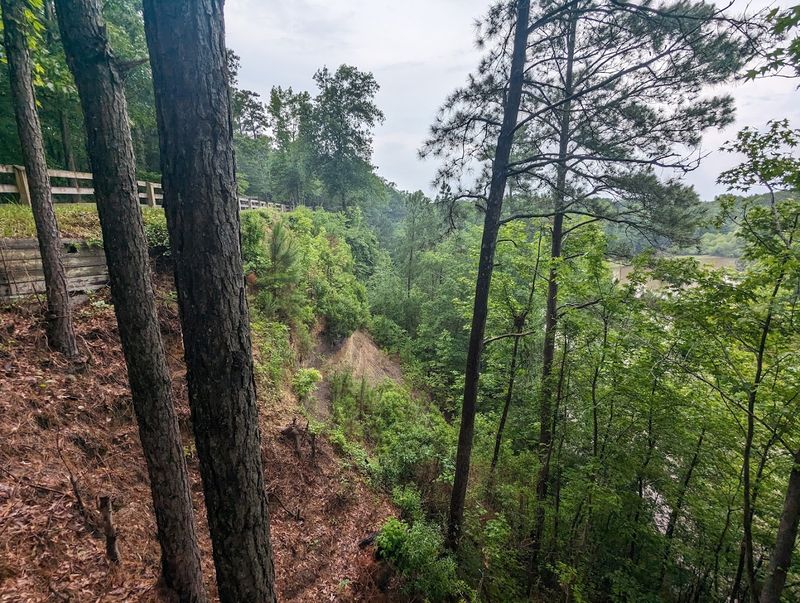
Miles of multi-use trails wind through an ongoing ecological success story. The park is actively bringing back longleaf pine ecosystems that once dominated the region but nearly disappeared due to logging and land conversion.
Walking through these restoration areas shows conservation in action, not just theory.
Longleaf pines grow tall and straight with distinctive long needles bundled in threes. Their open canopy lets sunlight reach the forest floor, encouraging a diverse understory of native plants.
Prescribed burns help maintain this natural community, though trails remain safe for visitors.
Mountain bikers appreciate the well-maintained paths that challenge without overwhelming. The terrain varies from flat sections perfect for beginners to rolling hills that get your heart pumping.
Trail surfaces drain well, staying rideable even after rain.
Mixed hardwood forests appear in lower, wetter areas along the route, adding variety to your journey. Each season brings different wildflowers and foliage colors.
Spring shows off dogwoods and redbuds, while fall delivers brilliant yellows and reds throughout the canopy.
What to Know Before You Go
Located at 240 Park Entrance Road in Seven Springs, North Carolina, this state park operates on a seasonal schedule that affects visitor planning. Swimming facilities, boat rentals, and concession services typically run from late spring through early fall only.
Calling ahead saves disappointment if you’re counting on specific amenities.
Staffing levels fluctuate, which can impact what’s available on any given day. The park maintains trails and basic facilities year-round, but extras like equipment rentals may be unavailable during off-peak times.
Budget-conscious visitors appreciate the low entry fees, though some activities carry additional charges.
Bring cash for rentals and certain fees, as card readers aren’t always reliable at remote park locations. Summer visits require preparation for heat and insects.
Pack sunscreen, bug spray, and plenty of water, especially if you’re hiking or spending time at the beach.
The park’s remote location means limited nearby services. Stock up on supplies in nearby towns before arriving.
Cell phone coverage can be spotty in some areas, so download maps and information beforehand for the smoothest visit possible.