Summer crowds pack the ferries, fill the beaches, and line up at every shop on this little island. Then November rolls around, the rental signs go up, and the whole place seems to take a long, slow breath.
That is the moment smart travelers have been waiting for. On the Outer Banks of North Carolina, one village sits at the end of a ferry ride with no bridge connecting it to the mainland, and late fall is when its real personality comes out.
The beaches empty, the harbor settles, and locals finally have time to chat. Keep reading to learn why this season works so well, what to see, and how to plan a trip that feels like having an island almost to yourself.
An Island Village at the End of the Ferry Line
No bridge reaches this place, and that is part of the charm. Ocracoke is a village on Ocracoke Island, North Carolina 27960, tucked into the southern end of the state’s famous Outer Banks in the United States.
Getting here takes a ferry, either from Hatteras Island to the north or from the mainland ports of Swan Quarter and Cedar Island. The trip itself becomes part of the adventure.
In summer, those ferries can mean long waits and packed decks. Late fall changes the math.
Fewer cars mean shorter lines, and the ride feels more like a relaxing cruise than a race for a spot.
The village sits on the southwestern tip of the island, near Pamlico Sound. Most of the rest of the island is protected seashore, so the town feels compact and easy to explore.
Plan ahead by checking the North Carolina ferry schedule, since times can shift by season and weather. A little homework now saves a lot of waiting at the dock later.
Why Late Fall Hits the Sweet Spot
Timing is everything on a barrier island. Once the summer rush fades and school is back in session, Ocracoke shifts into a calmer rhythm that many longtime fans prefer.
Late fall usually brings mild days that work well for walking, biking, and beach strolls. The heavy heat of July is gone, and so are most of the crowds.
That quiet comes with a trade-off worth knowing. Some shops and restaurants cut their hours or close for the season, so a bit of flexibility helps.
Here are a few smart moves for a fall visit:
Check business hours before you go, since they change often this time of year. Pack layers, because island weather can turn breezy fast.
Keep an eye on the forecast too. Late fall can still bring coastal storms, and ferry service may pause when the wind kicks up.
Lodging often costs less outside peak season, which leaves more room in the budget for souvenirs. Fewer people, more space, and a slower pace make a pretty convincing package.
The White Tower Watching Over Town
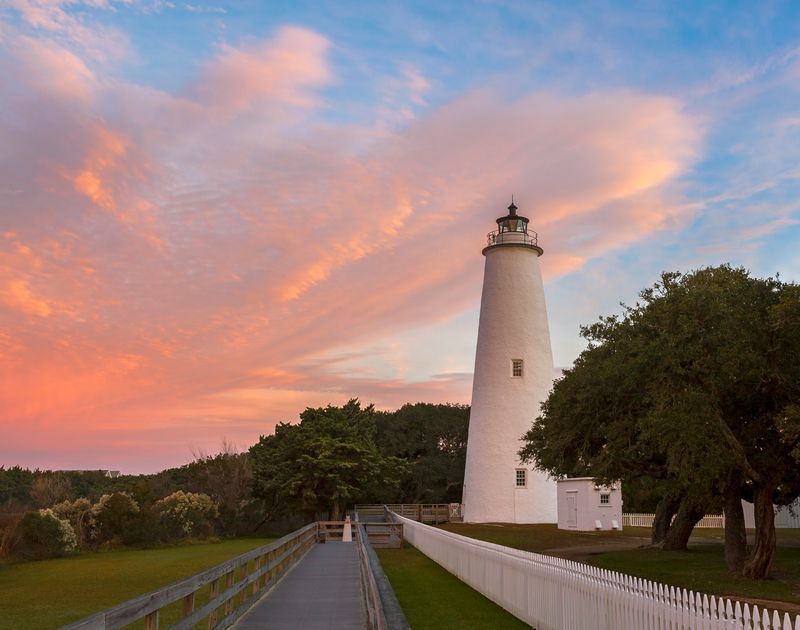
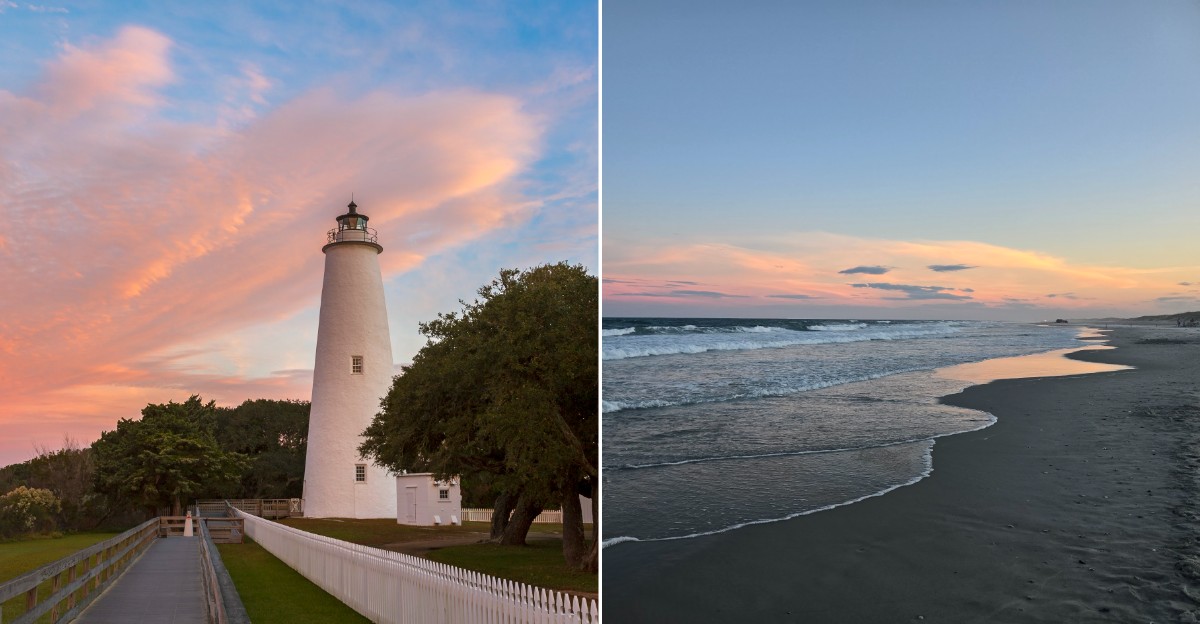
Built in 1823, the Ocracoke Lighthouse ranks among the oldest operating lighthouses in North Carolina. That is a long time to keep the lights on.
The bright white tower stands over the village and Pamlico Sound, guiding boats through the waters around the island. It is shorter than some of its famous Outer Banks cousins, but it carries plenty of history.
A short boardwalk leads to the base, making it an easy stop for all ages. Climbing inside is generally not allowed, so think of this one as a look-and-learn landmark.
Late fall is a great time to visit because the grounds are calm. Photographers can frame the tower without a crowd of strangers in every shot.
The lighthouse is managed by the National Park Service as part of Cape Hatteras National Seashore. Signs nearby share details about its past and its role in keeping sailors safe.
Grab a photo, read the signs, and enjoy a moment with a tower that has been on duty for two centuries.
Silver Lake, the Heart of the Harbor
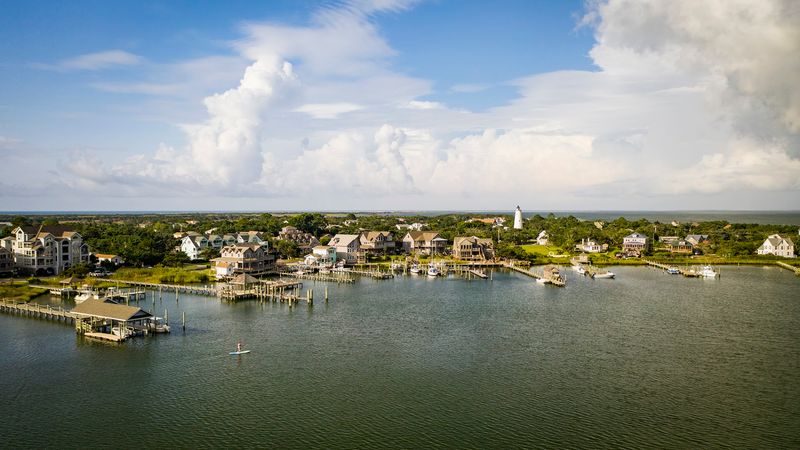
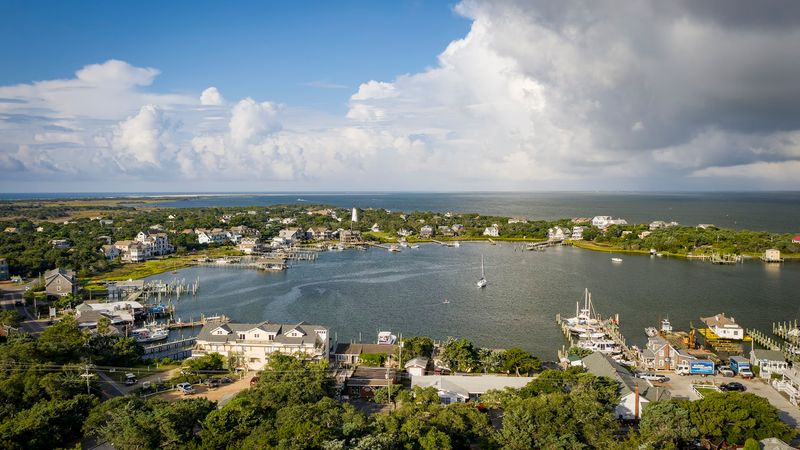
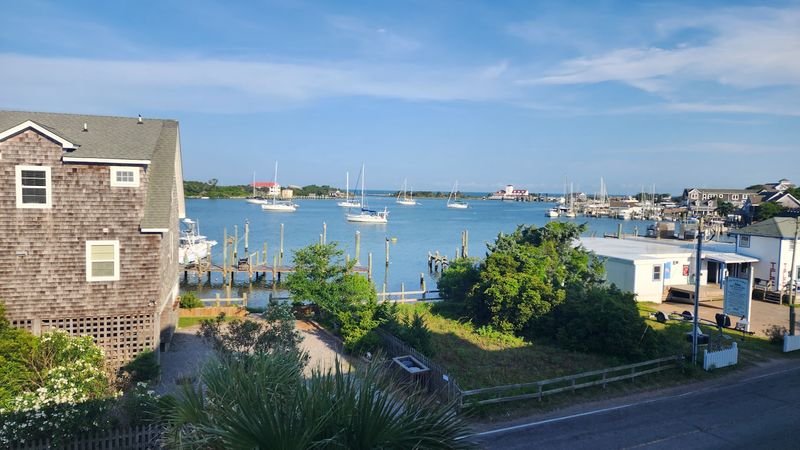
Every village needs a gathering spot, and here it happens to be a harbor. Silver Lake sits right in the middle of town, dotted with boats and ringed by shops and places to eat.
During the busy months, the waterfront can feel like a parade of golf carts and bikes. In late fall, things slow way down.
That slower pace makes Silver Lake perfect for an easy loop on foot or by bicycle. Benches and docks give plenty of chances to sit and watch boats come and go.
Sunset is the crowd favorite here for a reason. The harbor faces west toward the sound side, so evening light makes it a popular photo spot.
The ferry from the mainland ports also arrives near the harbor area, so this is often the first part of the village people see.
Spend an hour here early in the trip to get your bearings. Once you know the harbor, the rest of the village falls into place like a well-drawn map.
History Inside an Early 1900s House
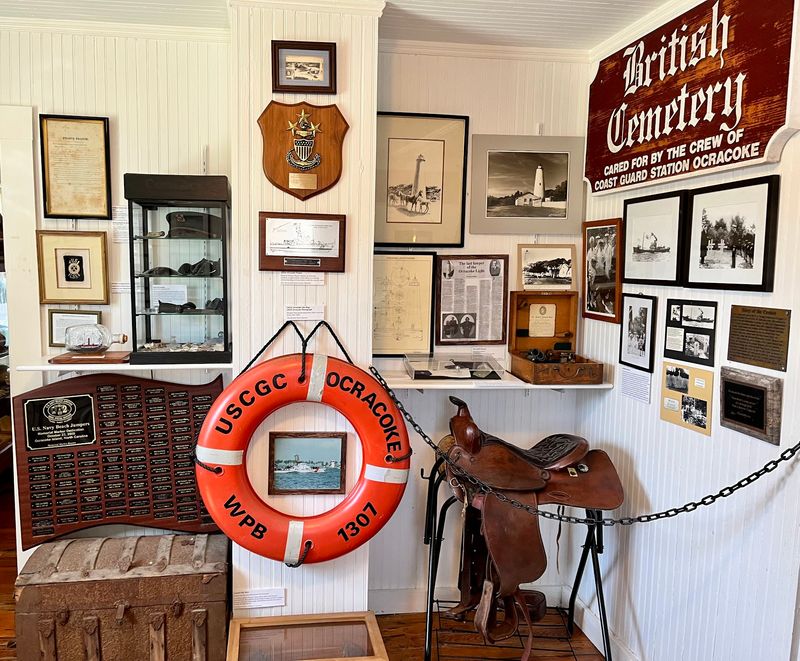
Some museums fill huge buildings. This one fits inside a house built in the early 1900s, and that cozy setting suits the island well.
The Ocracoke Preservation Society Museum traces the story of the island and its people. Exhibits cover daily life, fishing, island families, and the challenges of living far from the mainland.
Islanders here have their own distinct way of speaking, sometimes called the Ocracoke brogue. Learning about it adds a fun layer to any trip.
The museum is a smart pick for a breezy fall afternoon. It offers a break from the wind while still keeping the focus on the island.
Hours can change by season, so confirm before heading over. Off-season schedules are often shorter than summer ones.
Kids and adults alike can find something interesting, from old photos to everyday objects. A visit here helps the rest of the village make more sense.
After this stop, the old houses and narrow lanes around town start telling their own stories.
A Small Plot With a Big Story
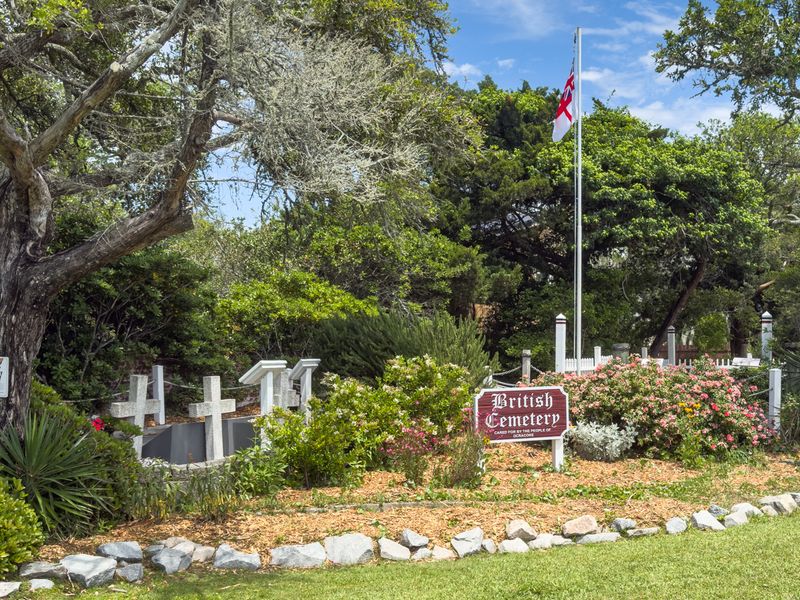
Few places in North Carolina fly the British flag, yet one tiny plot on Ocracoke does. The British Cemetery holds the graves of sailors from World War II.
Those sailors served on a British vessel, HMT Bedfordshire, which was sent to help protect the American coast during the war. Several of the crew were later laid to rest on the island.
Islanders have cared for the site for decades. Each year, a ceremony honors the sailors, showing a long bond between Ocracoke and Britain.
The cemetery is small and peaceful, enclosed by a simple fence. A visit takes only a few minutes, but the history sticks around much longer.
Late fall is a respectful time to stop by because it is quiet. Please keep voices low and stay on the paths.
Signs on site share details about the ship and its crew. Reading them gives a fresh look at how World War II reached even this remote stretch of shoreline.
Beaches With Room to Spare
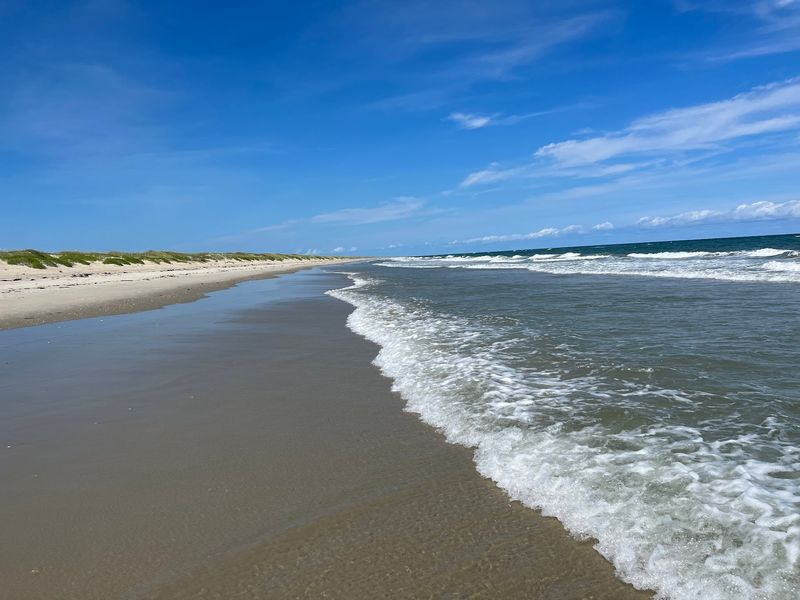
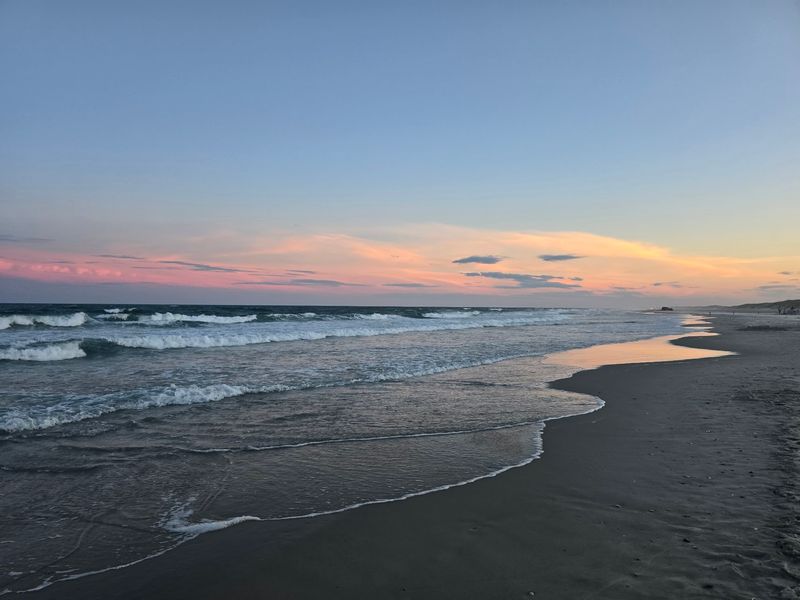
Here is a fun fact for beach lovers. Much of Ocracoke Island’s shoreline is protected as part of Cape Hatteras National Seashore, so there are no rows of tall hotels along the dunes.
That means wide, open stretches of beach. In late fall, finding a spot to yourself is pretty easy.
The Ocracoke day-use beach area, run by the park, offers parking and easy access. It is just a short drive from the village.
Fall is a good season for shell hunting and long walks. Fishing from the shore is also popular on the island.
Lifeguards usually are not on duty after summer, so swimmers should use extra care. Rip currents can happen any time of year.
Bring a jacket, since the wind near the water can feel stronger than in town. A thermos and a folding chair make a nice setup too.
Leave shells with critters inside, and pack out any trash. The beach stays this lovely because people treat it kindly.
The Famous Ponies of the Island
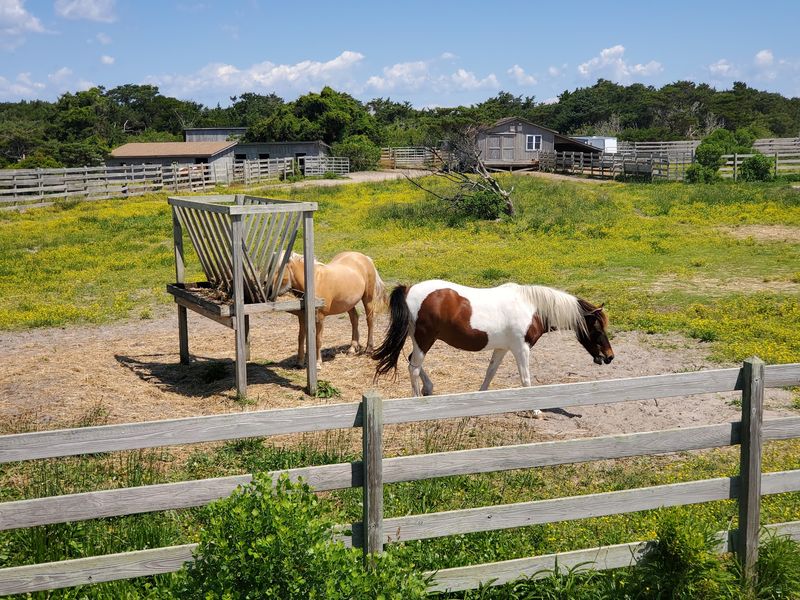
Wild horses on a beach sound like a storybook, and Ocracoke has its own chapter. The island is known for its herd of Banker ponies, whose roots go back centuries.
Many believe the ponies came from Spanish ships long ago, though the exact origin is still debated. Either way, they are part of island history.
Today the herd lives in a fenced pasture managed by the National Park Service. The fence keeps the ponies safe from traffic along the highway.
A viewing platform near the pen lets people look out over the pasture. Spotting the ponies takes a little patience, since they roam a large area.
Late fall can be a calm time to stop by. Fewer cars at the pull-off mean more space to linger and watch.
Do not feed or try to touch the animals. Keeping a respectful distance helps them stay healthy.
Bring binoculars for a closer view. Seeing one of these sturdy horses is a highlight many people remember long after the trip.
Getting Around Like a Local
Locals know a secret about the village. Two wheels often beat four here.
Ocracoke village is small and walkable, and bikes are a popular way to get around. Narrow lanes like Howard Street show off old homes, family cemeteries, and twisting live oaks.
Rentals may run on reduced schedules in late fall, so call ahead. Some lodging spots also provide bikes for guests.
A few handy tips for the season:
Pack a light rain jacket, since showers can roll through. Carry a small flashlight for evening walks, because the village keeps things dark at night.
Fuel and groceries are available on the island, but options are limited. Stock up on basics before boarding the ferry.
Cell service can be spotty in places, so download maps ahead of time. Ferry reservations are wise for the mainland routes.
Slow travel fits this island perfectly. Once the car is parked, late fall on Ocracoke feels just right, with quiet lanes, open beaches, and a village that finally has time to say hello.