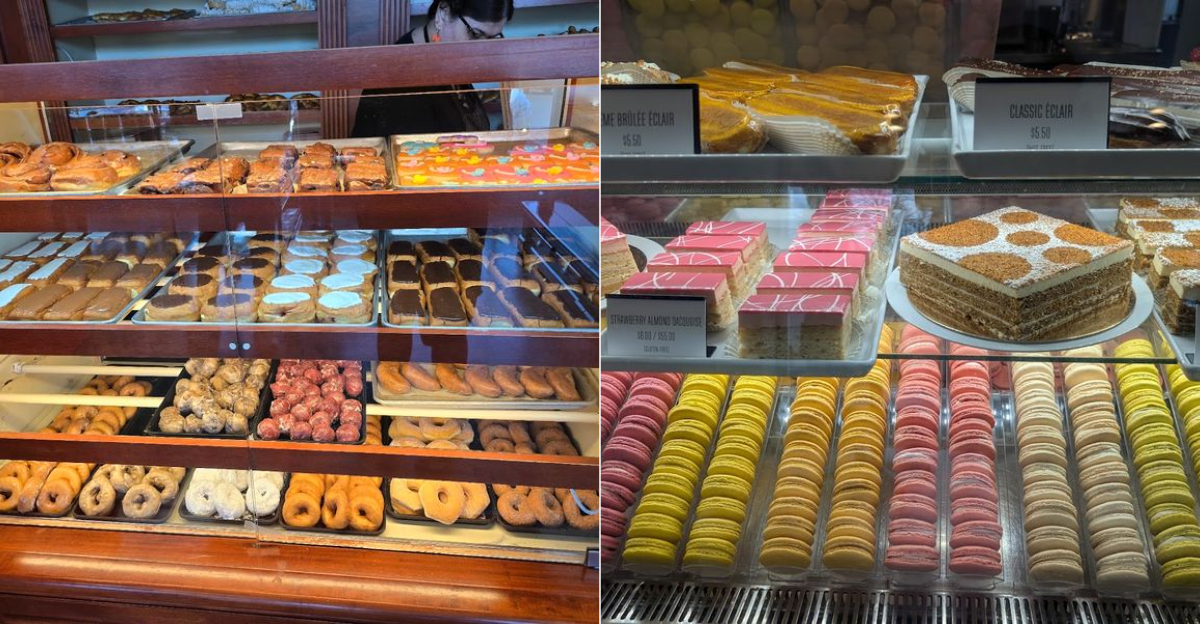
In the world of pastry making, the simplest recipes often carry the greatest professional risk because they leave little room to conceal technical flaws behind elaborate decorations or complicated flavor combinations.
Desserts built from only a handful of core ingredients demand an exceptional understanding of proportions and a deep knowledge of the relationship between fat, sugar, and natural acidity.
For that reason, the lemon bar has become something of an ultimate test of skill within Ohio’s bakery scene.
When bakers manage to preserve the bright citrus character of the filling while ensuring that the shortbread base retains its delicate texture, the dessert stops being an ordinary daily offering and becomes a defining signature of the establishment itself.
Below, we take a closer look at twelve standout destinations where this citrus square has rightfully helped shape both reputation and menu identity.
Cherbourg Bakery – Bexley
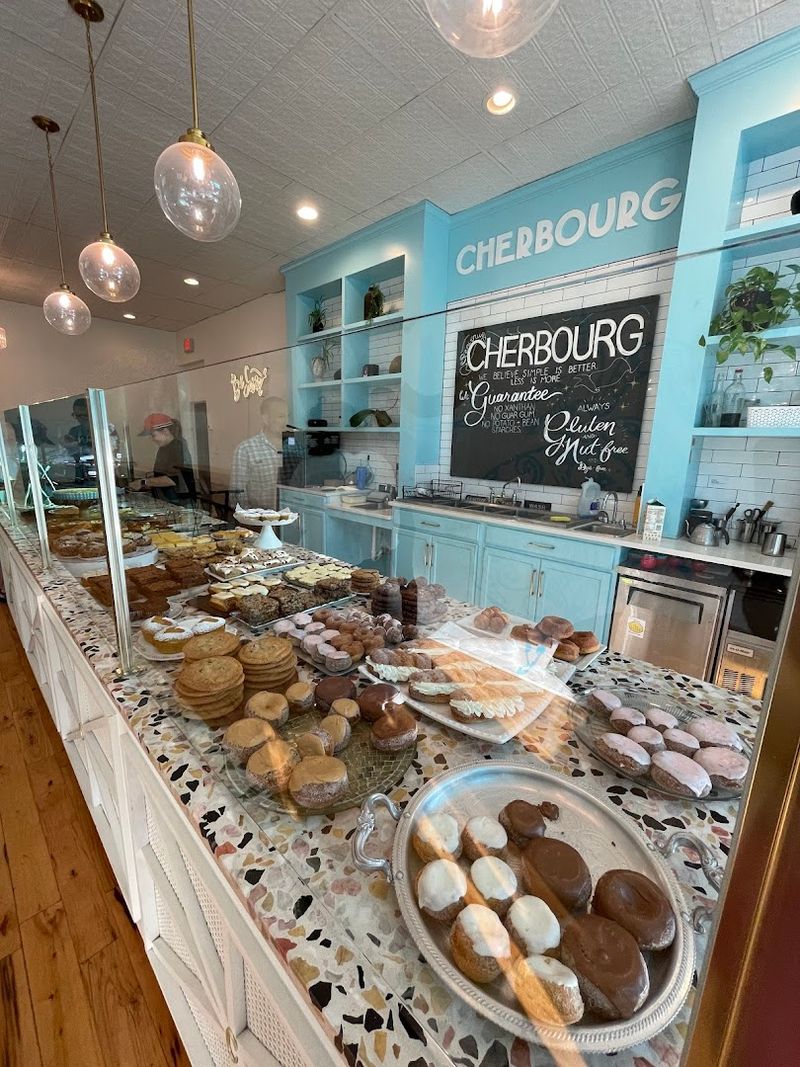
At this gluten-free bakery, the Double Lemon Bar has become a defining example of how careful pastry work can outweigh novelty.
Instead of treating dietary restrictions as a compromise, the kitchen builds structure and flavor from the ground up.
Rice flour blends, measured fat content, and exact baking times create a base that stays tender without turning sandy or dry.
Above that crust, the filling matters even more.
Bright citrus flavor lands first, yet richness follows closely enough to keep the bar from tasting sharp or thin. Sweetness is controlled with restraint, allowing the lemon to read as fresh and clear rather than candy-like.
Because the menu is entirely gluten-free, texture becomes the real test of skill, and this dessert passes it convincingly.
Each square looks simple, though every component depends on precision.
More than many decorated pastries, it shows how ingredient quality, balance, and consistency can shape a bakery’s identity around one memorable bite that feels complete from the first cut to the final crumb.
Ashley’s Pastry Shop – Dayton
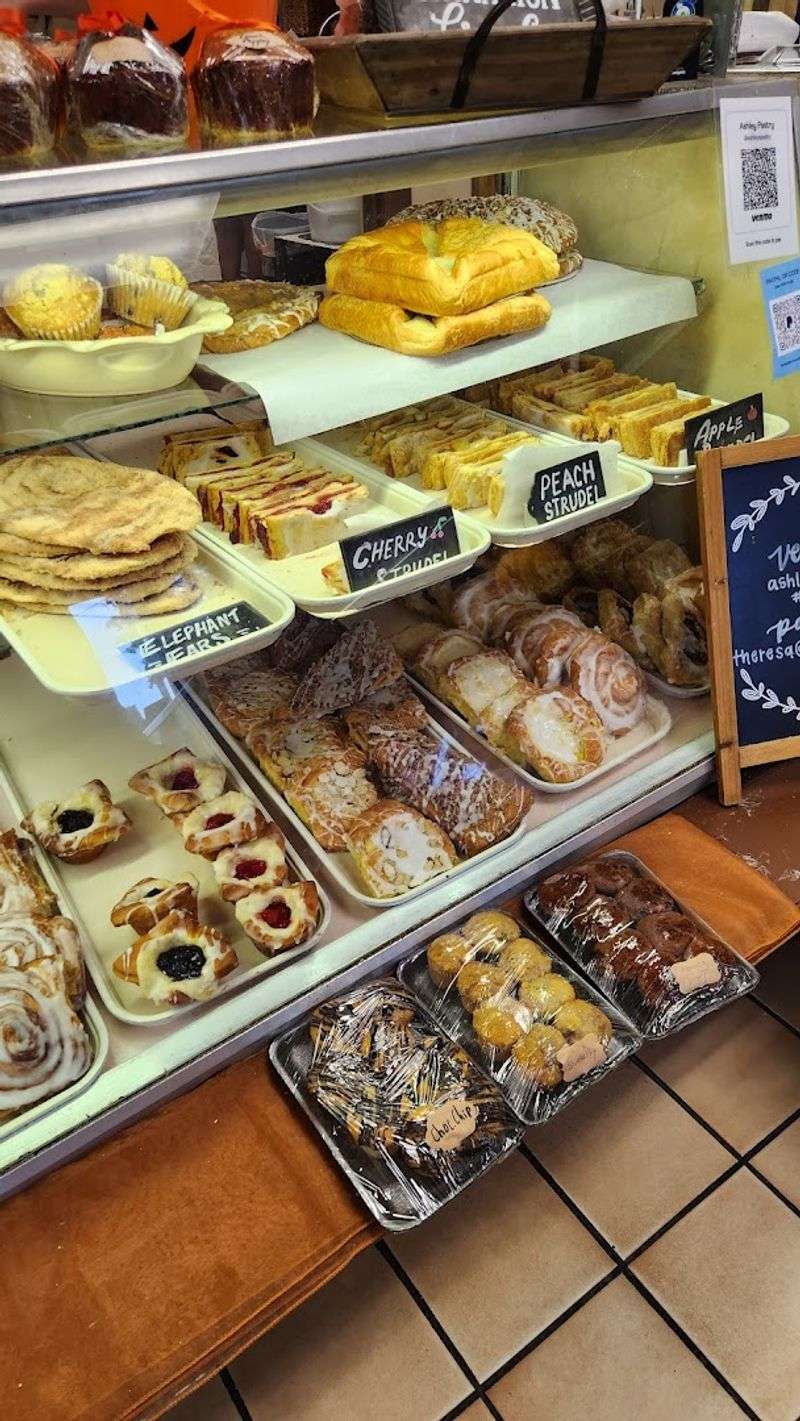
Scratch baking gives this pastry shop a steady sense of continuity, and the lemon bar fits naturally into that tradition.
Nothing about it depends on trend-driven styling or oversized presentation.
Butter, flour, eggs, and citrus do the work, which makes consistency across batches especially important.
Generations respond to that familiarity because the format is direct and easy to understand.
Older customers recognize a dessert they have loved for decades, while younger ones appreciate how clean flavors stand out beside richer cakes and frosted goods.
A properly baked crust keeps the base firm enough to hold its shape, yet tender enough to break with a gentle bite.
Meanwhile, the filling delivers brightness without becoming aggressive.
Tartness lifts the buttery foundation, and sweetness softens the edges without burying the lemon.
That balance explains why the dessert remains a favorite in a shop known for dependable pastry standards, where a seemingly simple square can say as much about craft as any elaborate specialty in the case.
Farkas Pastry Shoppe – Cleveland
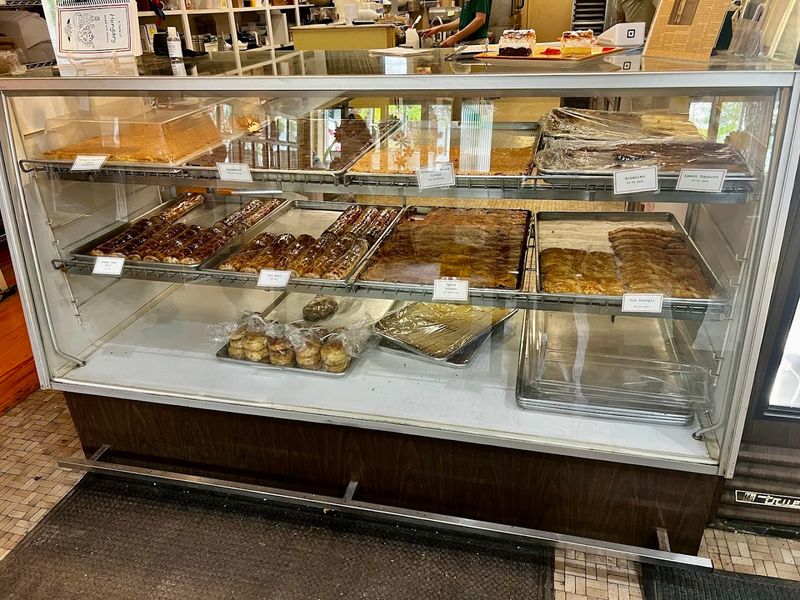
European pastry traditions often emphasize exact technique, and that precision helps explain why a lemon bar stands out in this varied shop.
Surrounded by tortes, cookies, and classic pastries, the citrus square still earns attention through control rather than excess.
Careful baking keeps the crust thin, even, and sturdy enough to support a generous layer of filling.
Texture becomes the key point of distinction.
A good version should never slump, weep, or turn rubbery after chilling.
Here, the top remains smooth and cohesive, while the interior stays soft enough to contrast the base without losing definition when sliced.
Citrus desserts can sometimes feel secondary in bakeries rooted in traditional Central European styles, yet this one fits comfortably beside richer standards.
Lemon brings needed lift to a pastry case that also celebrates butter, nuts, chocolate, and cream.
Through that contrast, the bar shows how balance works in practice, proving that bright flavor and disciplined structure belong within the same serious baking tradition.
Gourmand Croquant Bakery – Columbu
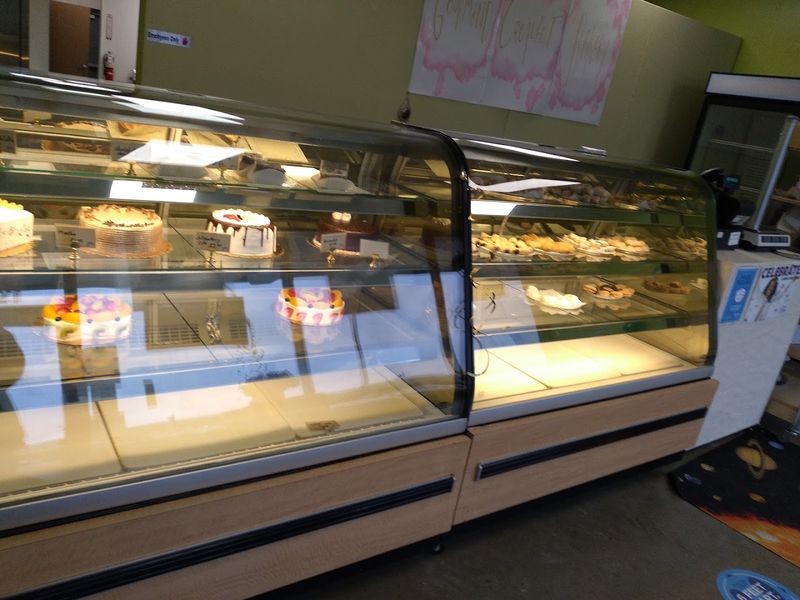
French technique often reveals itself most clearly in restraint, and that principle shapes the lemon bars associated with this bakery’s refined pastry approach.
Rather than leaning on heavy sweetness, the dessert depends on precise ratios and clean execution.
A well-made base recalls sable texture, crisp at the edges yet delicate enough to avoid heaviness.
Presentation also matters because neat lines suggest confidence in the bake.
Smooth filling, tidy cuts, and an even top indicate proper setting and careful cooling.
Citrus flavor reads as polished rather than loud, with acidity calibrated to brighten the palate without overwhelming butter and egg richness.
Among laminated pastries, tarts, and other French-influenced specialties, a lemon bar might seem modest. Still, it performs an important role by offering clarity and contrast within a more elaborate lineup.
Ingredient quality becomes easier to notice when there is nowhere to hide.
The dessert demonstrates craftsmanship through texture, balance, and finish.
In doing so, it shows that a simple rectangle can uphold the same standards as a more formally composed pastry.
Sugar Rush Columbus Bakery & Milkshake Bar – Reynoldsbur
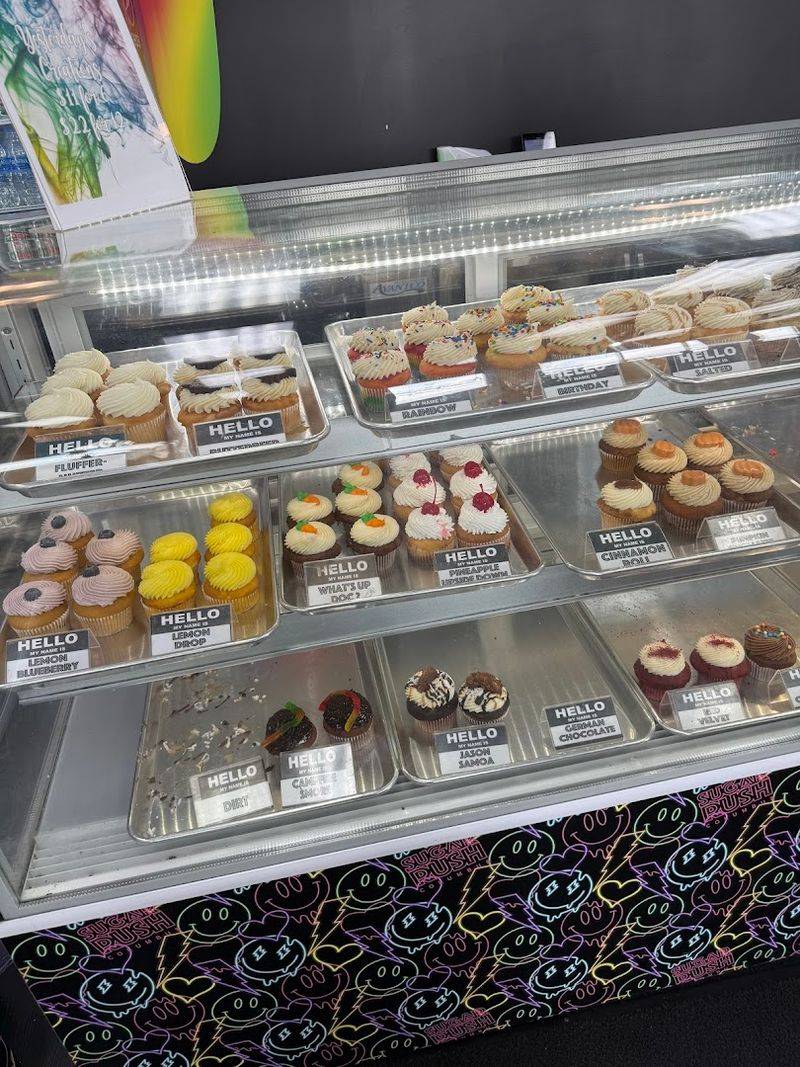
Colorful dessert menus often lean toward excess, which makes a strong lemon bar especially useful in a shop built around variety and visual appeal.
Against towering shakes and richer sweets, citrus offers relief without feeling austere.
That contrast helps explain why a lemon-based dessert can become a signature even in a playful setting.
Flavor balance is the reason it works.
Creamy filling brings enough body to satisfy the same audience drawn to indulgent treats, yet the lemon keeps each bite from turning heavy.
Crust texture matters just as much, since a firm, buttery base gives the bar definition and prevents the softness above from feeling loose.
Versatility also gives the dessert staying power.
It fits afternoon snacking, pairs well with coffee, and cuts through sweetness after more decadent menu choices.
In a bakery known for crowd-pleasing creativity, that flexibility becomes part of its appeal.
Citrus desserts help anchor a broad pastry case with something bright, reliable, and technically sound. They offer more than just another sugary option.
Pistacia Vera – Columbus
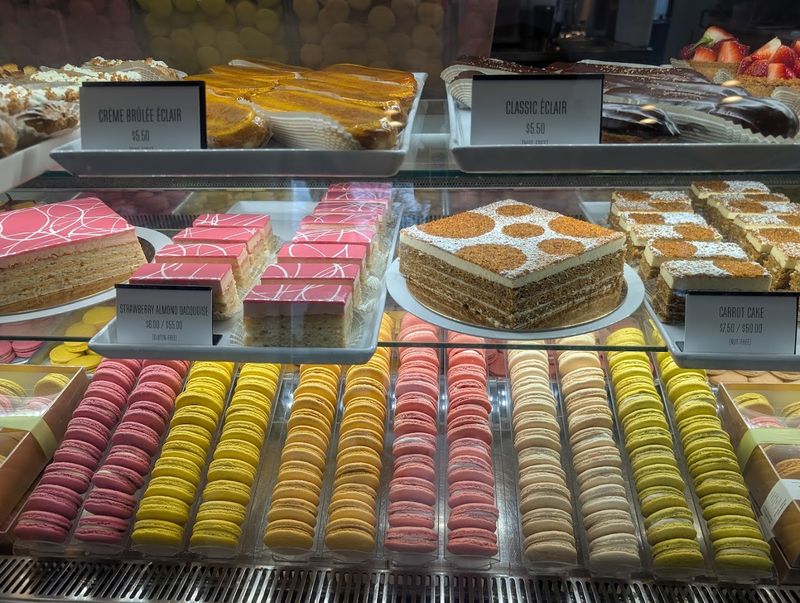
Artisan pastry shops earn reputations through precision, and that same discipline makes a lemon bar compelling in a case known for refined execution.
Every element has to be exact because there is little decoration to distract from flaws.
Clean slicing, even thickness, and a smooth set tell the story before the first bite begins.
Ingredient sourcing plays a central role in that clarity.
Good butter gives the crust fragrance and structure, while fresh citrus creates flavor that tastes vivid instead of flat.
Sugar must support both, not dominate them, so the filling lands with measured richness and a finish that remains sharp and focused.
Reputation often rests on technical showpieces, yet simple pastries can reveal standards more directly. Here, the lemon bar succeeds because it translates the same care found in more elaborate work into a format that seems almost understated.
That contrast makes the dessert memorable, proving that disciplined baking, accurate textures, and restrained flavor can establish a signature item in a bakery celebrated for polish.
Pattycake Bakery – Columbus

Small-batch baking gives desserts a sense of immediacy, and lemon bars benefit from that attention because freshness affects both crust and filling.
A short hold time helps preserve clean citrus aroma and keeps the texture from turning dull.
Scratch-made production also allows adjustments that protect consistency when ingredients shift with season or supplier.
Bakery culture matters here as much as formula.
Cases built around everyday cakes, cookies, and bars encourage repeat visits, so a signature item has to deliver steady pleasure rather than occasional spectacle.
Bright citrus does that well, offering contrast to chocolate, spice, and richer butter-based sweets while still feeling familiar enough for regular buying.
Good ingredient choices become visible in a dessert this straightforward.
Flour quality shapes the base, butter defines flavor, and the filling needs enough egg and lemon to hold together without stiffness.
Within a broad menu, the lemon bar stands out because restraint reads as confidence, and that confidence turns a humble square into one of the clearest expressions of thoughtful neighborhood baking.
Bake Me Happy – Columbus
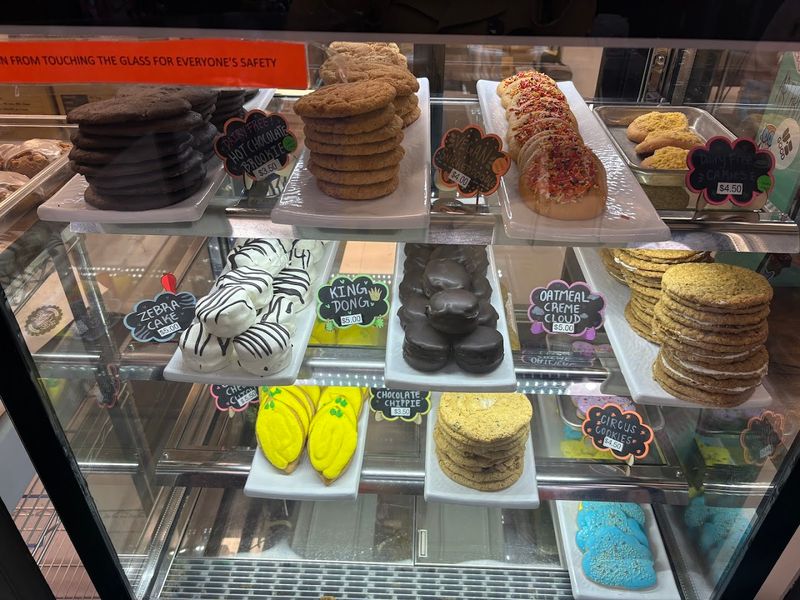
Gluten-free baking exposes technical weaknesses quickly, which is why a successful lemon bar carries unusual weight in this pastry case.
The dessert depends on structure, and structure is harder to achieve when wheat flour is absent.
Blended flours, starches, and moisture control must work together so the crust tastes tender and rich rather than brittle.
Filling texture creates the second challenge.
Too much liquid can soften the base, while overbaking can turn the lemon layer dense and overly firm. Skilled handling keeps the top smooth and cohesive, with enough acidity to stay bright and enough sweetness to avoid harshness.
Customer loyalty often grows around foods that exceed expectations, especially in bakeries serving people who regularly face compromise elsewhere.
This lemon bar succeeds because it does not ask for lowered standards.
Instead, it demonstrates craft through a clean cut, balanced flavor, and a finish that feels complete.
The result shows how gluten-free expertise can transform a classic citrus dessert into a reliable signature with both technical credibility and broad appeal.
Resch’s Bakery – Columbus
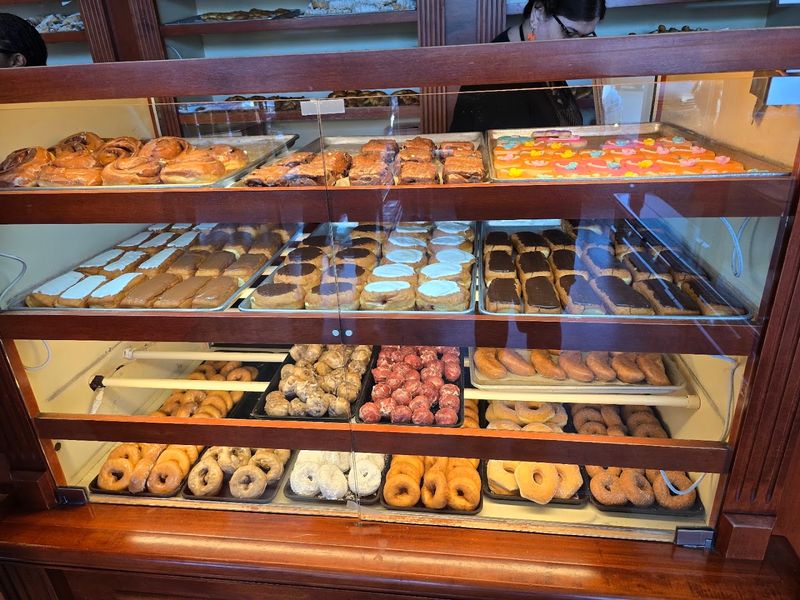
Long-standing bakeries often build loyalty through repetition, and lemon bars fit that pattern because they reward steadiness more than reinvention.
Customers return for a dessert that tastes the way they remember, with no need for seasonal framing or elaborate decoration.
Daily bakery culture gives simple items unusual importance, especially when they pair easily with coffee, family gatherings, or an ordinary afternoon stop.
Consistency is what turns that habit into attachment.
The crust needs the same snap and tenderness each time, while the filling should remain smooth, tart, and properly set.
If either piece drifts, regulars notice immediately, which makes this dessert a revealing measure of operational discipline.
Many celebrated pastries depend on occasion, but lemon bars belong to the everyday.
Their appeal comes from clarity, from the way butter, sugar, eggs, and citrus meet in a form that feels both comforting and exacting.
Within a bakery shaped by long memory and dependable production, that straightforward quality explains why a modest bar can become one of the most enduring customer favorites.
I Love You To The Moon and Back Bakery – Eastlake
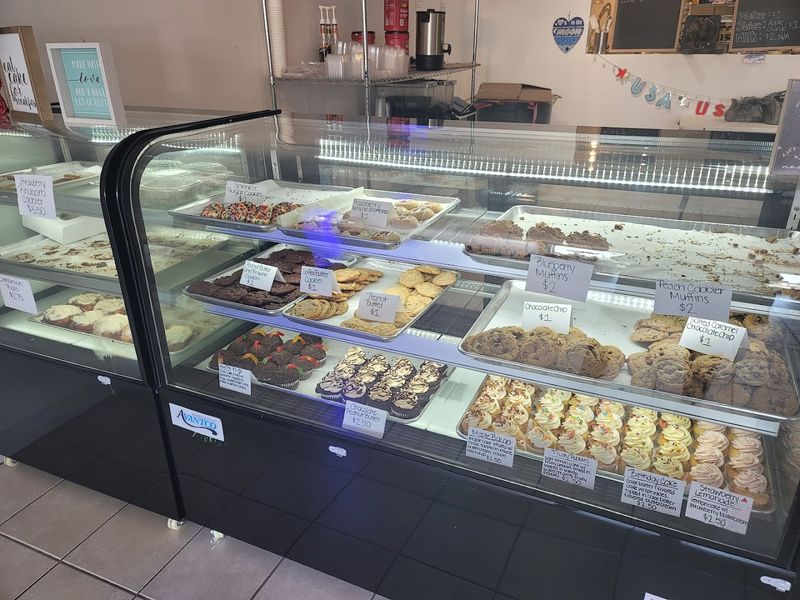
Homemade baking traditions often center on desserts that feel recognizable, and lemon bars hold that place because they combine comfort with real technical demands.
A bakery rooted in community connection can make that familiarity especially meaningful.
Regular customers do not need novelty every visit when the standards behind a classic remain visible and dependable.
Creativity still has room within that framework.
Citrus desserts can appear beside cookies, cupcakes, and celebration treats as a lighter, sharper option that broadens the case without complicating it.
The best version relies on a crust that tastes buttery and grounded, followed by a filling that lands bright first, then settles into a soft richness.
Community bakery culture rewards items that travel well, share easily, and please different age groups, all strengths of a good lemon bar.
Its endurance comes from being both practical and skillful.
Even in a menu with more playful offerings, this dessert signals seriousness about basics, proving that clear flavor, controlled sweetness, and proper texture can become the truest expression of a neighborhood baking style.
Bella’s Bread – Granville
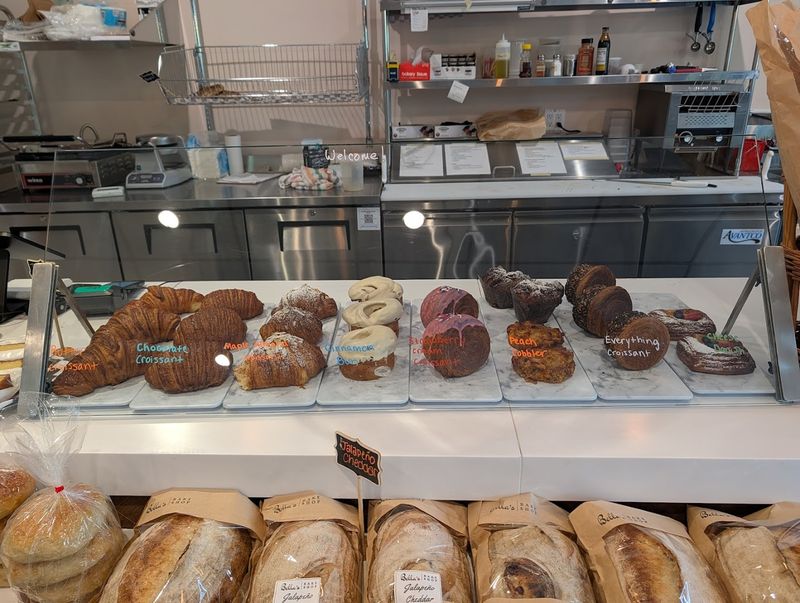
Artisan baking often depends on fundamentals, and lemon bars reveal those fundamentals with unusual honesty.
There is little room for decoration to cover a weak crust or muddled filling.
Strong results come from disciplined mixing, measured bake times, and ingredients chosen for flavor rather than mere stability.
Restraint is part of the appeal.
Too much sugar erases the citrus, and too much acidity can flatten the richness that makes the dessert satisfying.
A balanced version lets butter support the base while lemon stays vivid and aromatic, creating contrast without turning the bar into something severe.
Craftsmanship becomes most visible in the details.
Cuts should look neat, the surface should set cleanly, and the crust should hold together without becoming hard.
Within an artisan menu that likely values bread, pastry, and careful production methods, the lemon bar stands as a concise statement of standards.
By doing less, it reveals more, showing how ingredient quality and technical restraint can make a bright, humble dessert feel quietly definitive.
Palumbo’s Italian Market – Hilliard
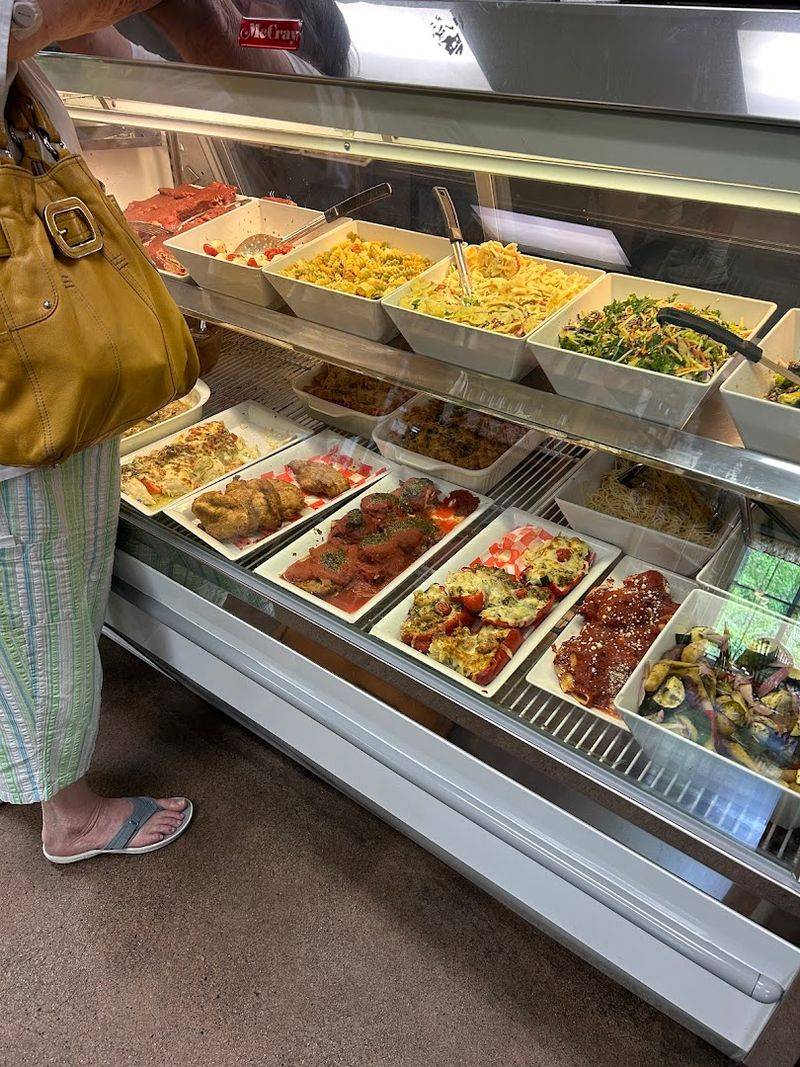
Italian pastry traditions often favor richness, from custard-filled specialties to nut-based cookies and cream-centered desserts, so a lemon bar brings useful contrast.
Its brightness refreshes the palate in a case where many options lean buttery, dense, or chocolate-forward. That contrast helps the dessert stand out without separating it from the broader pastry identity around it.
Technique still determines whether it belongs.
A proper crust should feel delicate but stable, echoing the controlled handling expected in serious baking. The filling needs enough body to slice cleanly, yet enough citrus clarity to keep each bite from blending into the sweeter profile of neighboring treats.
Markets with bakery counters succeed when offerings cover different moods and occasions, and citrus desserts play an important role in that range.
Lemon bars can follow a meal, travel to a gathering, or serve as a lighter choice among heavier standards. In that setting, the dessert becomes more than an outlier, showing how Italian-influenced pastry expertise can accommodate brightness, balance, and restraint alongside the richer classics customers already trust.