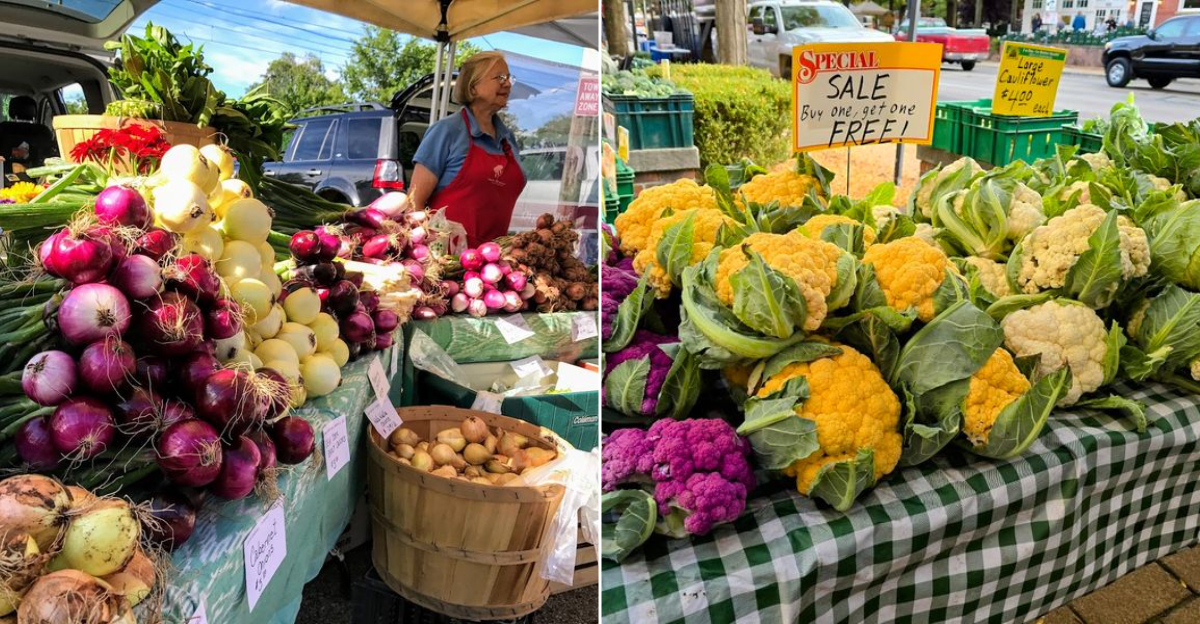
There’s something about an Ohio farmers market in spring that makes even an ordinary grocery run feel different. The air is lighter, tables are lined with just-picked greens and early strawberries, and vendors greet you like you’ve stopped by before—even if it’s your first time.
From small-town squares to busy neighborhood markets, these spaces turn weekly shopping into a slower kind of ritual. You notice details you usually rush past: the scent of fresh bread drifting from a stall, the sound of paper bags rustling, the easy conversations between growers and regulars comparing what’s best that day.
And in a season when prices seem to shift faster than the weather, finding fresh produce that still feels affordable adds its own quiet relief.
Here are 11 Ohio farmers markets where that feeling comes naturally, and where good value still meets good food.
North Market
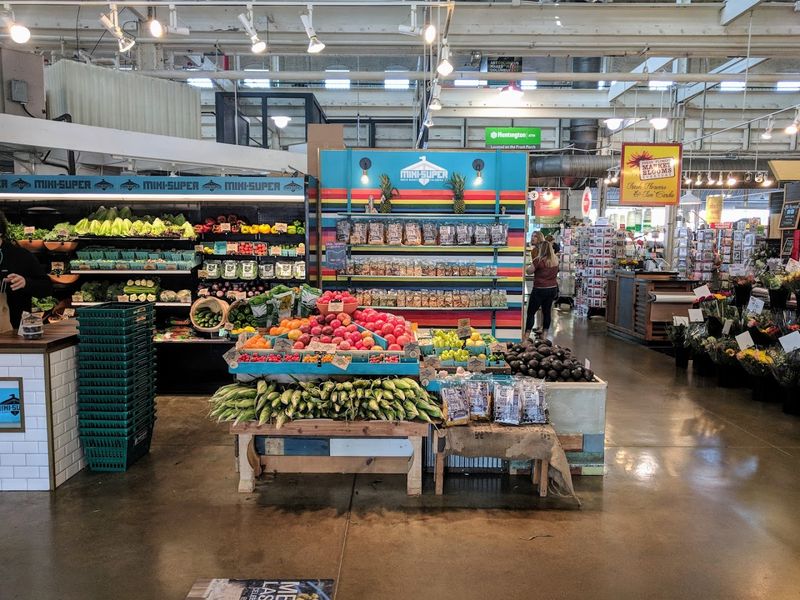
The easiest way to stretch a produce budget is often to shop where variety and competition live side by side. In a busy, historic hall, you can compare tomatoes, greens, mushrooms, and fruit from multiple vendors without driving across town.
That kind of setup usually leads to better prices, especially when sellers know shoppers are comparing quality and value in real time.
That is exactly why North Market in Columbus earns a place high on this list. Operating since 1876, this well-known public market blends old-school character with practical everyday shopping.
You will find affordable produce alongside meat counters, baked goods, specialty groceries, and international food vendors, which makes it easy to build a full meal in one stop.
What makes the savings feel real is the flexibility. You can buy just what you need for the week, snag a small bargain basket, or shop seasonally when Ohio produce is at its cheapest and best.
Because several merchants share the same space, prices often stay competitive rather than inflated.
If you like markets that feel lively but still useful for routine errands, this one delivers. Come with a list, compare a few stalls, and you may leave with more produce than you planned for less money than expected.
Findlay Market
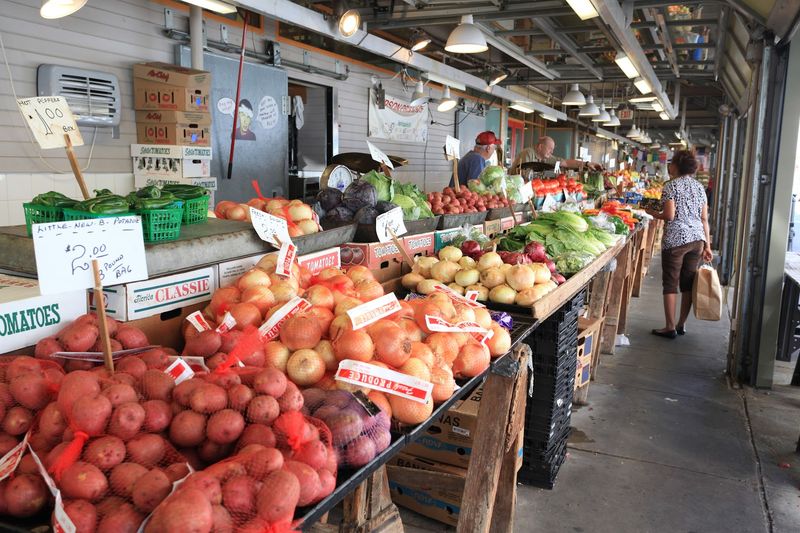
Few shopping experiences make fresh food feel more approachable than a market packed with long-running farm stands and neighborhood energy. When vendors have deep roots and regular customers, prices tend to stay grounded in what people will actually pay.
That is good news for anyone trying to bring home crisp lettuce, peppers, onions, and fruit without feeling punished at checkout.
In Cincinnati, Findlay Market has been doing exactly that for generations. Known as Ohio’s oldest continuously operated public market, it has served shoppers since 1852 and still feels like a place where value matters.
Alongside its historic charm, you will find budget-friendly produce vendors, local meats, and a broad mix of food sellers that keep the whole place lively.
The smartest way to shop here is to compare several stands before buying everything at once. Seasonal abundance often drives down the cost of everyday staples, and vendors may offer better deals when you buy multiple items or shop later in the day.
Even if you come for one thing, it is easy to leave with enough ingredients for several meals.
What stands out most is the balance of tradition and practicality. You get a memorable Cincinnati experience, but you also get the kind of produce pricing that makes local shopping feel realistic for a normal week.
West Side Market
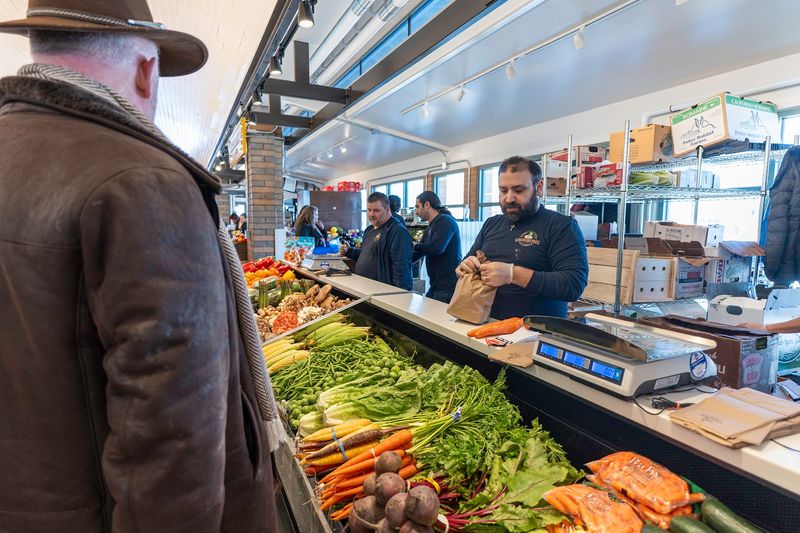
Walking into a large public market can feel like stepping into a better version of grocery shopping. The selection is wider, the colors are brighter, and the prices often reward anyone willing to browse before buying.
When bulk deals and vendor competition come together, fresh produce can become one of the smartest bargains in town.
That is the appeal of West Side Market in Cleveland, an iconic indoor market known for its dramatic building and extensive vendor mix. Hundreds of merchants and food stalls help create an environment where fruits, vegetables, herbs, and pantry staples are sold at competitive prices.
You will also find strong ethnic food representation, which adds both flavor and value to a regular shopping trip.
This is a particularly useful stop if you cook often or shop for a family. Bulk buying can lower the per-item cost on staples like potatoes, onions, peppers, and apples, and some vendors are known for generous quantities.
If you are flexible about what is in season, the savings can be even better.
Beyond the price tags, the market feels like a place where fresh food is still meant to be accessible. Bring a tote, make a lap before committing, and you can build a week of meals while spending less than many shoppers expect in central Cleveland.
2nd Street Market
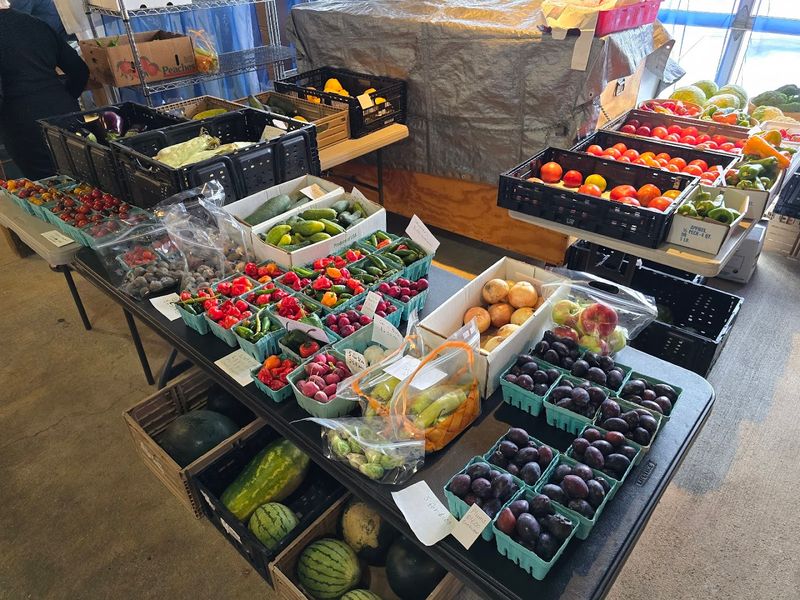
Some of the best market finds happen in places that feel calm, local, and easy to shop on a regular basis. A year-round setup removes the pressure of chasing a tiny seasonal window and makes fresh produce feel more practical for everyday budgets.
That matters when you want consistency as much as charm.
In Dayton, 2nd Street Market offers exactly that kind of dependable experience. Operated by Five Rivers MetroParks, this indoor market is known for local farms, baked goods, meats, artisan foods, and especially affordable seasonal produce.
The vendor lineup changes with the harvest, so what is freshest often becomes what is priced most attractively.
The biggest advantage here is balance. You can pick up vegetables for home cooking, add bread or eggs, and still keep the trip manageable because the market is designed for repeat visits rather than one-time splurges.
Seasonal shopping really pays off, especially when tomatoes, squash, greens, and root vegetables are plentiful.
It also helps that the atmosphere feels welcoming instead of rushed. You can talk with growers, ask what is peaking, and adjust your meal plans around value.
If you want an Ohio market that makes local produce feel both approachable and affordable, this Dayton staple is an easy one to recommend.
Clintonville Farmers Market
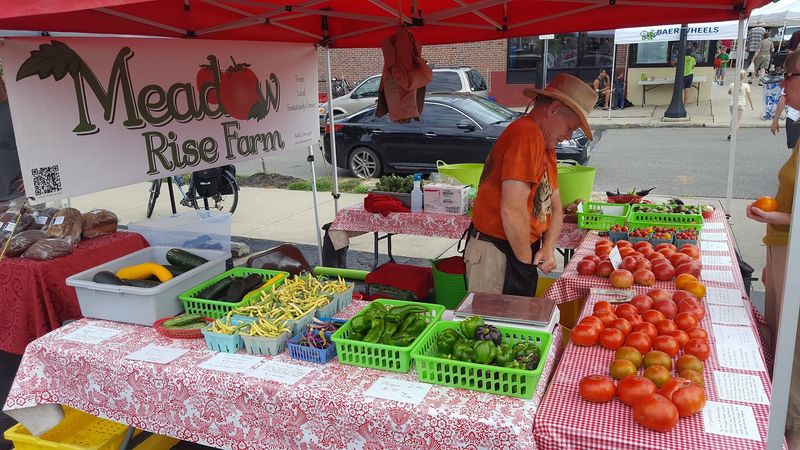
When farmers sell directly to shoppers, the whole experience tends to feel simpler and more transparent. You can ask what was picked that morning, what is coming next week, and which items offer the best value right now.
That direct connection often keeps produce prices surprisingly reasonable, especially compared with specialty grocery markup.
That is a big reason Clintonville Farmers Market in Columbus stands out. As a producer-only market, it emphasizes farms from central Ohio, which means you are buying from the people who actually grow the food.
With fewer middle steps between field and table, the market has built a reputation for fair pricing and dependable quality.
You are likely to notice that the best deals come from shopping with the season instead of against it. Peak harvest vegetables often appear in abundance, and that can translate into lower costs on everyday staples like greens, cucumbers, peppers, sweet corn, and herbs.
The market also rewards regulars who learn which farms consistently price generously.
What makes this place especially appealing is its neighborhood feel. It does not come across as a tourist stop or a luxury outing.
Instead, it feels like the kind of market where fresh food belongs in normal weekly routines, which is exactly why the savings feel believable and repeatable.
Bexley Farmers Market
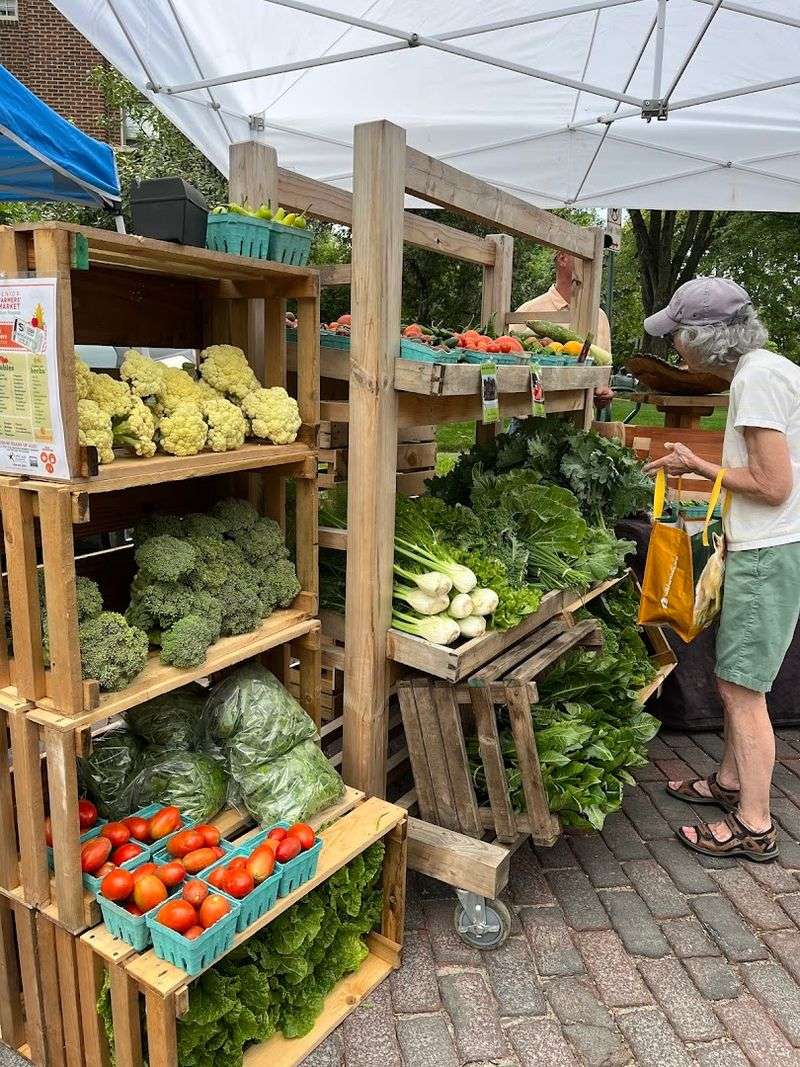
A smaller community market can sometimes beat expectations because it cuts down on distance, overhead, and unnecessary fuss. When growers are coming from nearby farms, transportation is shorter and produce often arrives fresher.
That close-to-home model can make prices feel refreshingly grounded for shoppers trying to buy local without overspending.
Bexley Farmers Market is a strong example of that advantage. This community-focused market features Ohio-grown produce, baked goods, flowers, and other local goods, all in a setting that feels approachable rather than overwhelming.
Because many farms serve the area directly, affordability often comes from that short farm-to-market route instead of flashy promotions.
You may not see the giant scale of a major public market, but that is part of the charm. The selection tends to focus on what is fresh and worth buying now, which helps you shop more intentionally.
If you build meals around the weekly harvest, it is easier to keep your spending in check while still taking home high-quality ingredients.
There is also something reassuring about how personal the experience feels. Vendors are usually happy to suggest cheaper alternatives, explain what is abundant, or point you toward a better-value bunch or basket.
For a market that delivers convenience, friendliness, and fair produce pricing, Bexley deserves a closer look.
Canal Market District
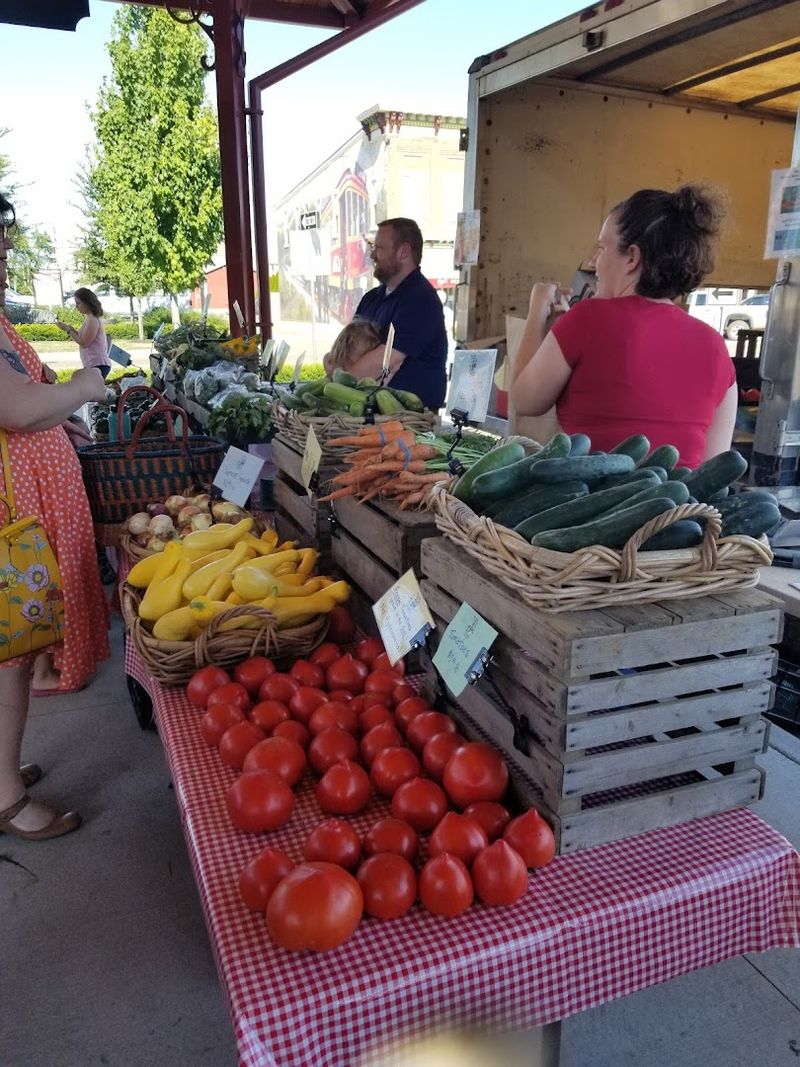
Open-air markets in historic downtown districts often make shopping feel like an event, but the best ones still work for people watching their budget. Fresh vegetables, honey, meat, and pantry staples can all feel more attainable when local producers gather in one walkable place.
The right market gives you atmosphere without turning everything into a premium purchase.
That balance is exactly what you will find at Canal Market District in Newark. Set in a historic part of downtown, this market is known for produce, meats, honey, and other local goods that often come at pleasantly low prices.
The open-air format encourages browsing, comparing, and building a basket based on what looks best and costs least that day.
Because vendors are strongly rooted in the surrounding area, the pricing often reflects practical local demand rather than inflated destination shopping. You can score seasonal vegetables for home cooking, then round out the trip with eggs, bread, or small extras without blowing your budget.
It is especially rewarding when Ohio harvests hit their peak and selection expands.
The market also has that rare quality of feeling enjoyable and useful at the same time. You are not just strolling for entertainment, even though it is easy to do that too.
For shoppers in central and eastern Ohio, this is a smart place to find genuinely affordable local produce.
Hyde Park Farmers Market
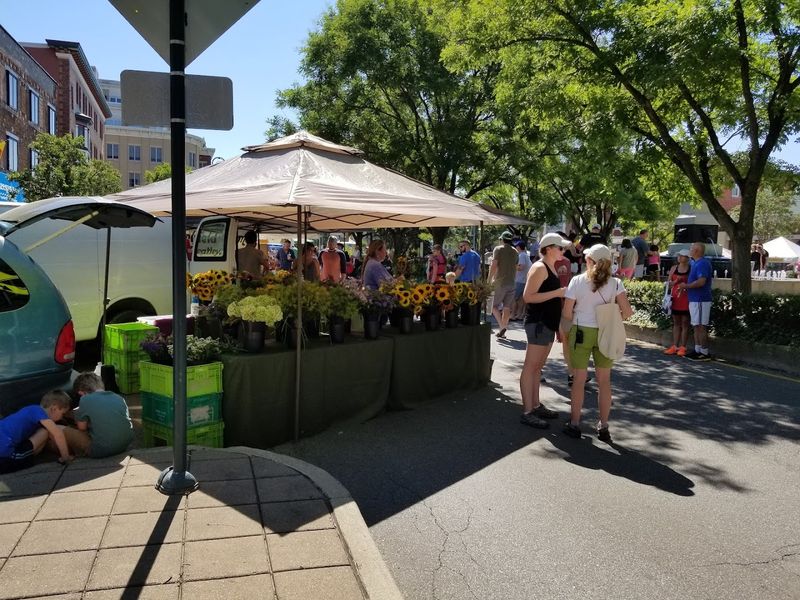
Neighborhood markets can be ideal when you want local food without the intensity of a giant public hall. They tend to be easier to navigate, quicker to shop, and often surprisingly fair on price when the vendors are actual regional producers.
That combination makes them useful for people trying to keep fresh ingredients in regular rotation.
Hyde Park Farmers Market in Cincinnati fits that role nicely. This producer-focused neighborhood market offers vegetables, meats, baked goods, and other fresh local products in a setting that feels connected to everyday life.
Its pricing is often considered mid-range overall, but many shoppers find the produce more affordable than expected because sourcing stays close to local farms.
The real value comes from shopping strategically rather than impulsively. Look for items that are clearly in peak season, compare quantities, and focus on basics that can anchor several meals for the week.
Produce bought directly from local growers can feel like a better deal when quality lasts longer in your refrigerator and flavor means less waste.
There is also a nice sense of routine here. It feels like a place where neighbors stock up, chat briefly, and move on with their day instead of treating the market as a special splurge.
If you want Cincinnati produce shopping that feels convenient and reasonably priced, this one belongs on your list.
North Union Farmers Market at Shaker Square
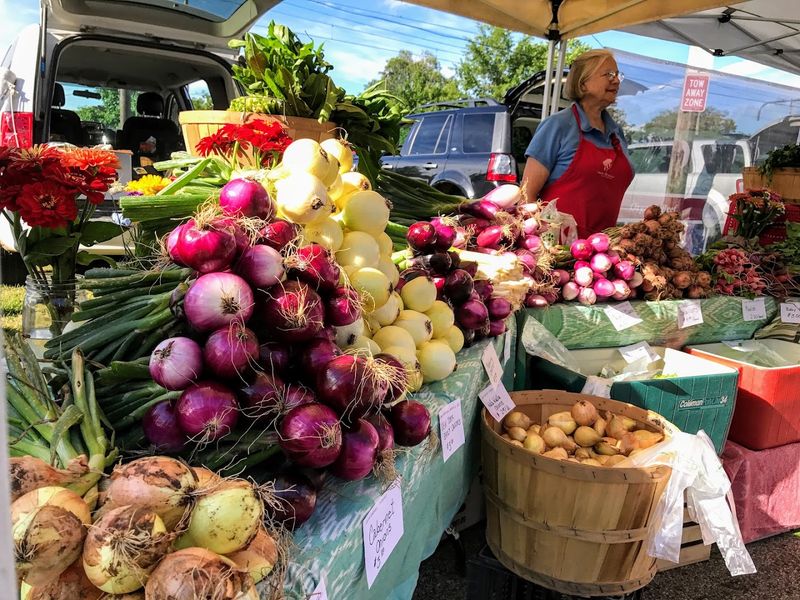
Affordable produce matters even more when a market actively works to make local food accessible to a wider range of shoppers. Programs that support SNAP use and community buying power can make a huge difference in whether fresh vegetables feel realistic or aspirational.
The best markets combine quality, regional sourcing, and true everyday usability.
That is why North Union Farmers Market at Shaker Square stands out in Cleveland. As one of Ohio’s most established producer markets, it brings together regional farms with a strong reputation for quality and a clear commitment to affordability programs.
For many shoppers, that means the market is not just attractive, but genuinely practical for stocking up on produce.
The pricing tends to feel strongest when Ohio harvests are fully rolling. Greens, tomatoes, squash, root vegetables, apples, and herbs often become easier to buy when supply is high and producers are selling directly.
SNAP-friendly systems also help broaden access, which supports a healthier, more competitive market overall.
What I like most about this option is that it proves a respected market does not have to be intimidating or expensive. You can shop intentionally, ask vendors where the best value is, and leave with food that feels fresher than supermarket produce.
In a city setting, that balance of quality and affordability is hard to beat.
Worthington Farmers Market
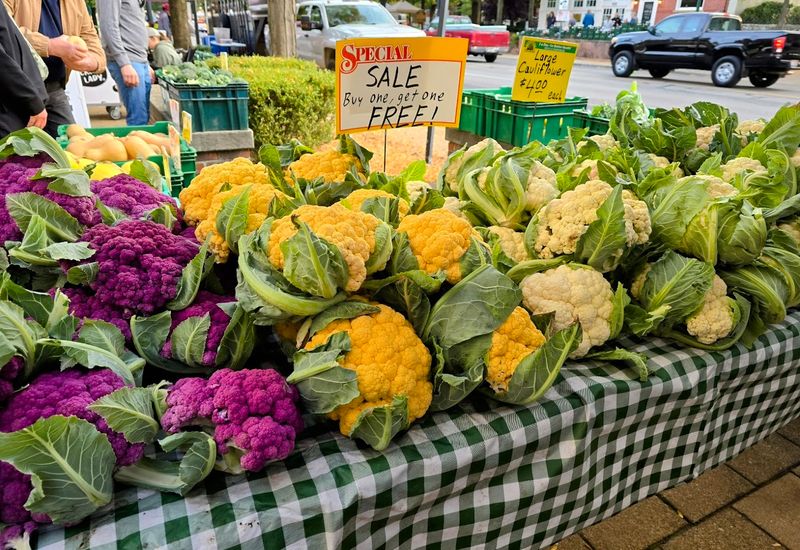
Big suburban markets can be surprisingly good for bargain hunters, especially when vendor volume pushes prices into more competitive territory. A larger customer base often means more farms, more choice, and a better chance of finding standout deals on produce.
For shoppers who want options without sacrificing freshness, scale can work in your favor.
That is part of the appeal at Worthington Farmers Market. Known as one of the largest suburban markets in central Ohio, it draws a strong mix of vendors and shoppers, which helps create the kind of high-volume environment where pricing stays sharper.
Fruits, vegetables, herbs, and other staples often feel more attainable here than people expect from a popular market.
The best strategy is to arrive with a rough plan but stay flexible. When many producers are selling similar seasonal items, you can compare bunch sizes, quality, and price before deciding.
That makes it easier to find value on weekly essentials while still grabbing something special if the deal is right.
There is also a sense of reliability that matters for repeat shopping. This does not feel like a novelty visit where everything is marked up for the weekend crowd.
Instead, Worthington often functions like a real produce source for regular households, which is exactly why it belongs on a list of Ohio markets where fresh food costs less than expected.
Pearl Market
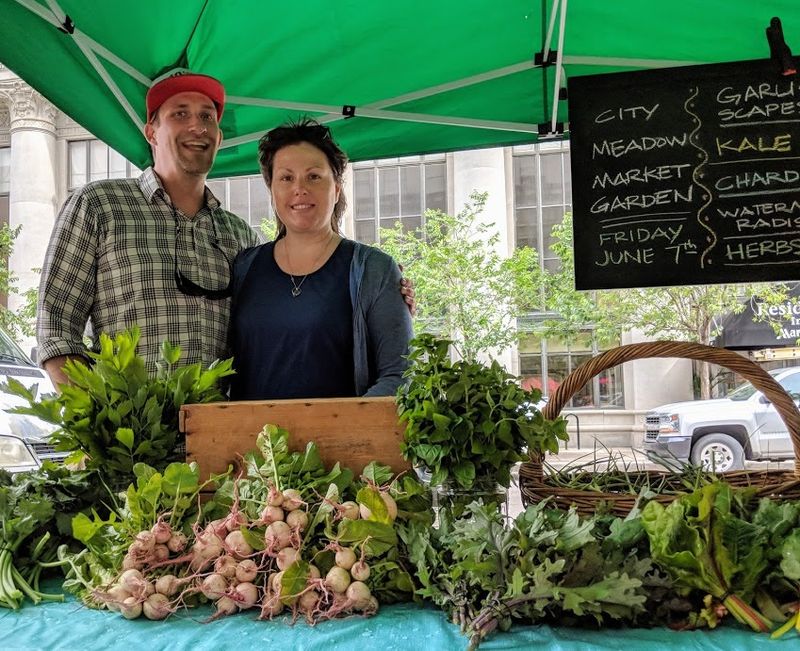
Weekday markets have a different rhythm, and that can make them especially practical for value-minded shoppers. Instead of a big weekend excursion, you get a quicker stop built around real routines like lunch breaks, after-work pickups, or grabbing ingredients for dinner.
That convenience can pair surprisingly well with affordable produce if the vendor mix is right.
Pearl Market in downtown Columbus offers exactly that kind of easy access. Known for serving office workers and downtown visitors, it combines fresh produce with prepared foods and grab-and-go options in a way that feels useful rather than overwhelming.
The produce selection may not be massive, but prices can be appealing when you want quality ingredients without a specialty-store markup.
This is a good place to think in terms of efficient meal building. You can pick up vegetables for a simple stir-fry, salad, or pasta night, then add bread, fruit, or a ready-made item if the day gets busy.
That flexibility is part of its value, especially for people who do not want a long market trip to eat better.
What makes Pearl Market stand out is how naturally it fits into city life. You are not making a grand outing of it, which can help keep spending in check.
For downtown Columbus shoppers seeking fresh produce at approachable prices, this market is an underrated option.