Specialty hobby shops in Ohio continue to thrive because they offer far more than products.
They help develop technical skills, patience, and problem-solving abilities through hands-on projects and real-world experience.
While large retailers focus on volume and convenience, these stores provide niche inventory, expert guidance, classes, repairs, and the kind of support that encourages long-term engagement with a hobby.
Whether the goal is tuning a complex RC vehicle, painting detailed miniatures, or locating a hard-to-find tool, local expertise remains an important part of the creative process.
That combination of craftsmanship, knowledge, and personal connection helps keep hobby communities strong across the state.
Here is a closer look at 11 iconic hobby shops in Ohio whose inventories range from scale models to comprehensive art and creative supplies.
Hobby Shop – Dayton
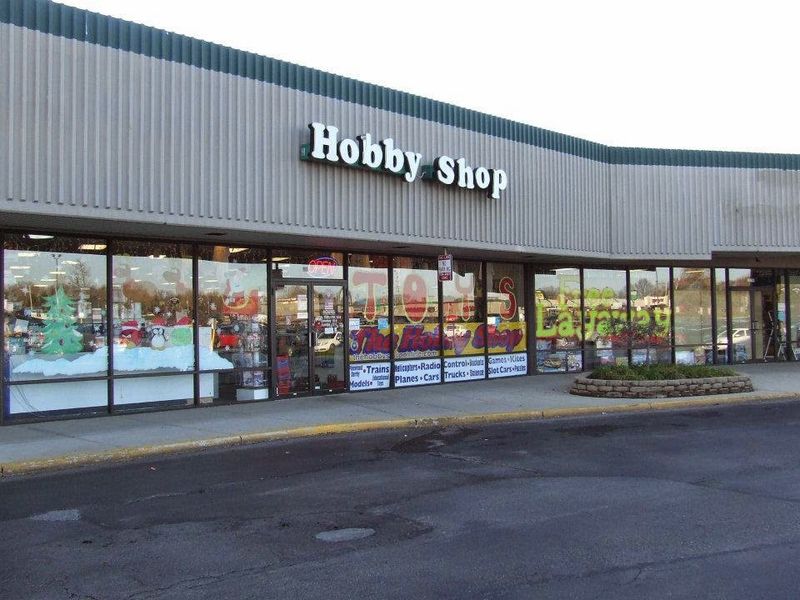
Among longtime hobby destinations, this kind of store stands out for treating model building as both craft and education.
Shelves typically hold aircraft, military, automotive, and railroad kits alongside brushes, specialty cements, weathering powders, sprue cutters, and hard-to-find paints in precise color lines.
Beginners quickly learn that choosing the right adhesive, primer, and sanding tool matters just as much as selecting an impressive kit.
Careful assembly teaches patience because every small step affects the final result, from dry fitting parts to masking clean paint lines.
Technical projects also build spatial reasoning, mechanical awareness, and problem solving, especially when instructions leave room for interpretation or modifications.
Instead of rushing, you start noticing how scale, proportion, and engineering details shape a convincing finished replica.
Veteran modelers often value places like this for practical advice on airbrushing, decal setting solutions, seam filling, and realistic weathering techniques.
Hands-on hobbies reward persistence in a way online carts never can, since progress comes from steady refinement rather than instant purchase.
Detailed modeling ultimately blends art, research, and discipline into one satisfying process.
Robbies Hobbies – Columbus
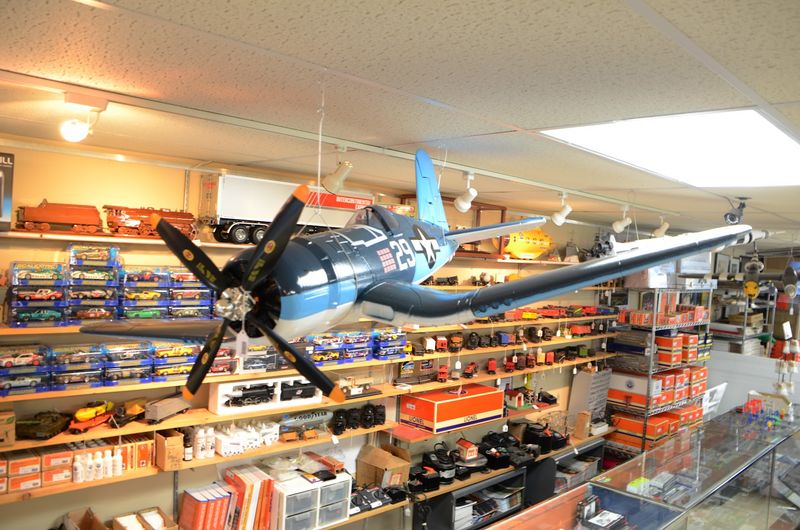
Few hobbies reveal their complexity faster than radio control, where excitement depends on setup, tuning, maintenance, and constant troubleshooting.
Inventory in a strong RC-focused shop usually includes airplanes, helicopters, multirotor drones, cars, transmitters, batteries, ESCs, servos, propellers, tires, chargers, and shelves of replacement parts.
Owning the machine is only the beginning, because performance always depends on matching components correctly and keeping everything in working order.
Repair services matter here since crashes, stripped gears, bad bearings, bent shafts, and worn connectors are part of the experience.
Skilled guidance can help you choose brushless systems, battery chemistries, radio programming options, and sensible upgrades instead of wasting money on incompatible gear.
Engineering knowledge becomes practical when balancing weight, power, control response, and durability.
Watching experienced hobbyists diagnose a vibration or signal issue shows why this pastime rewards curiosity more than impulse buying.
Mechanical confidence grows as you learn soldering basics, drivetrain setup, safe charging habits, and flight or handling adjustments for different conditions.
Technical hobbies stay engaging precisely because every session teaches something new about design, maintenance, and control.
Hilltop Hobby Shop – Akron
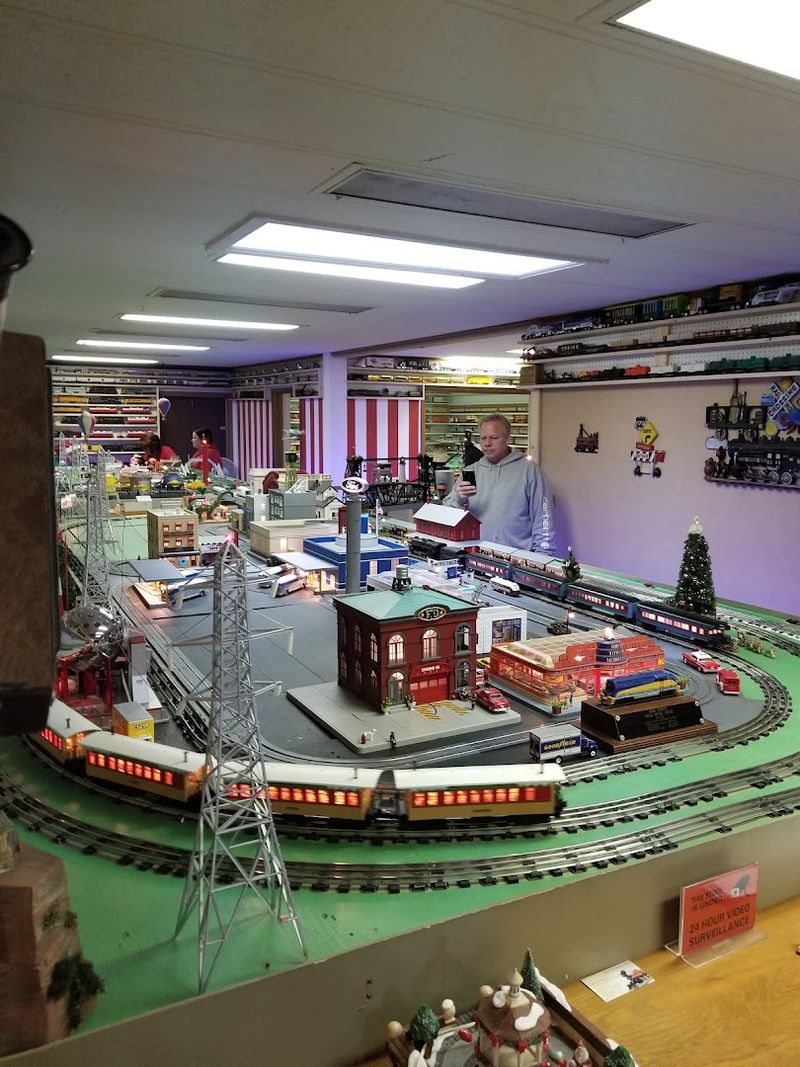
Scale modeling appeals to people who enjoy accuracy, craftsmanship, and the quiet satisfaction of creating something exact by hand.
A well-stocked shop in this category usually carries plastic kits, primers, acrylic and enamel paints, masking materials, hobby knives, pin vises, sanding sticks, putties, and detail parts for builders refining every seam and panel line.
Selection matters because one missing shade or specialized tool can determine whether a project feels compromised or complete.
Painting techniques make a major difference, especially when subtle shading, pre-weathering, or layered finishes bring a replica to life.
Precision assembly pushes you to slow down, test fit repeatedly, and understand how tiny components interact before applying glue.
Creative expression enters through color choices, surface effects, historical research, and display presentation.
Rather than being passive consumers, builders become interpreters of machines, vehicles, and scenes through careful execution.
Mistakes are rarely wasted since sanding, filling, repainting, and rebuilding teach control and resilience with every attempt.
Exact replicas feel rewarding not because they imitate reality perfectly, but because they combine patience, observation, and technical decision making in a single finished object.
Hobby Central – Delaware
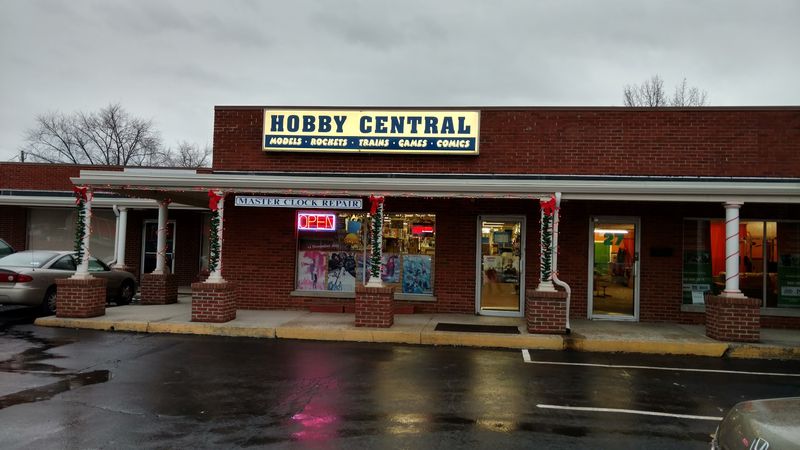
Walking into a broad-based hobby store can feel like entering a map of possible interests rather than a single retail category.
One aisle might feature model kits and paints, while another offers puzzles, kites, educational science sets, RC products, art materials, rockets, trains, or craft supplies suited to different ages and skill levels.
Variety matters because many people discover a lasting pastime only after seeing options they never thought to search for online.
Family involvement grows naturally in places that welcome both beginners and experienced hobbyists without making either group feel out of place.
Parents can find project kits that teach measurement, sequencing, and problem solving, while kids get introduced to making rather than just consuming.
Creative exploration becomes easier when staff can explain starter tools, age-appropriate products, and realistic first projects.
Sometimes the most valuable part of a shop like this is not a specific item but the permission it gives you to try something unfamiliar.
Educational hobbies tend to stick when they are accessible, tactile, and supported by knowledgeable conversation.
Multi-category stores remain important because they create low-pressure entry points into skills, collections, and interests that can last for years.
Hobbies Abundant – Columbus
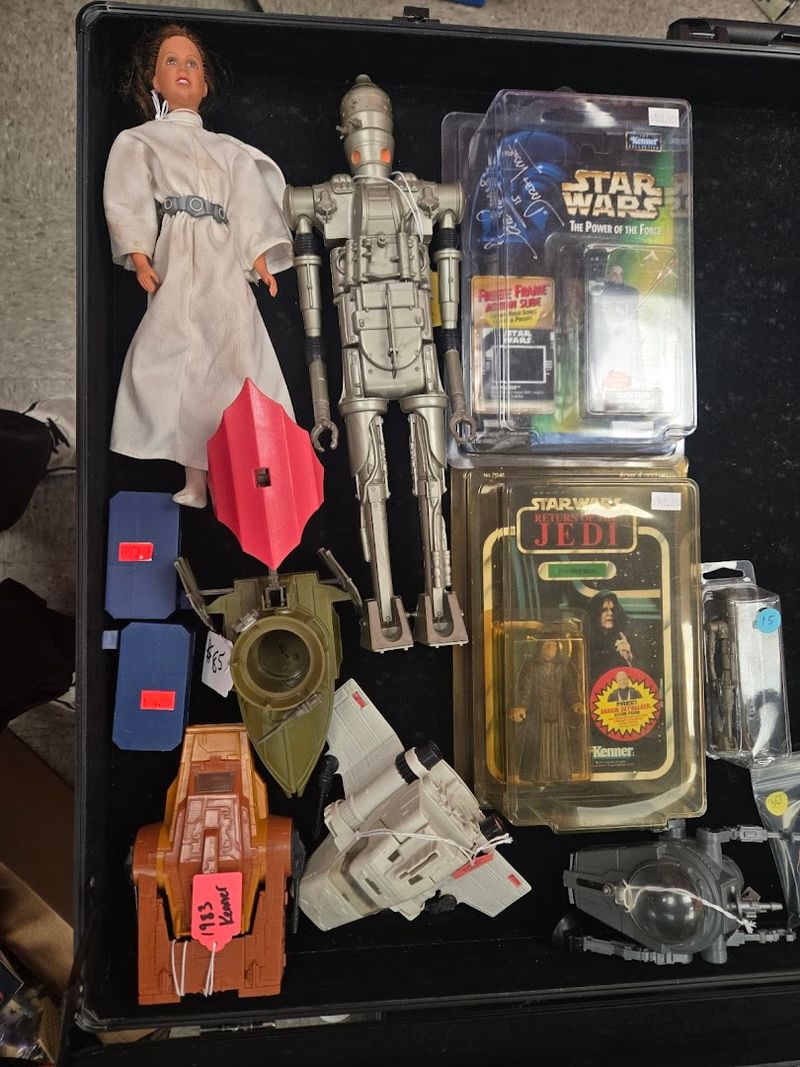
Collectors often judge a shop by what cannot be found in ordinary big-box aisles, and that is where a specialty inventory becomes meaningful.
Strong stores in this niche tend to carry unusual collectibles, hard-to-find hobby supplies, limited-run items, replacement components, and category-specific products that serve dedicated enthusiasts rather than casual browsers.
Discovery is part of the appeal, because the right visit can uncover something you have been hunting for far longer than expected.
Brick-and-mortar shopping remains valuable for collectors who want to inspect condition, compare editions, or ask informed questions before committing to a purchase.
Packaging details, print variations, completeness, and authenticity often matter as much as the item itself. Online listings rarely replace the confidence that comes from seeing a product directly and discussing it with someone who understands why tiny distinctions matter.
Specialized stores also reflect the depth of niche interests by stocking categories that seem obscure until you meet the people who care deeply about them.
Enthusiasts appreciate environments where uncommon products are treated as normal, not eccentric.
That sense of recognition helps collectors keep returning, since rarity feels more rewarding when it is paired with expertise and real conversation.
HobbyTown – Reynoldsburg
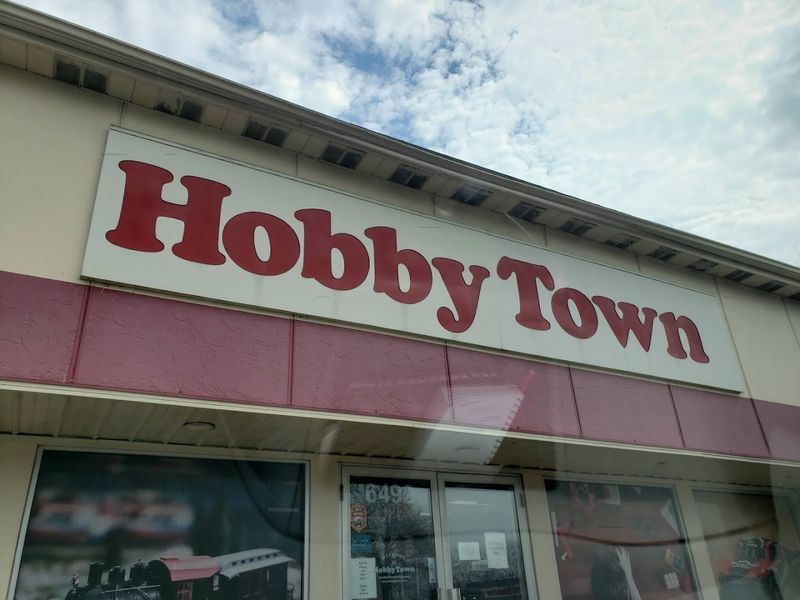
Large hobby stores succeed when they bring many interests together without flattening them into generic merchandise.
Inventory in a well-developed format often spans RC vehicles, parts, STEM kits, educational building sets, model kits, paints, adhesives, tools, slot cars, games, puzzles, and creative materials for makers of different ages.
Breadth matters because hobby life rarely stays confined to one category forever.
Multi-generational appeal is one of the biggest strengths of a place like this, where experienced builders, curious kids, and casual gift shoppers can all find an entry point.
Someone may arrive for a replacement battery and leave considering a science kit, a weathering set, or a beginner tabletop game.
Shared shopping experiences often spark conversations that turn separate interests into family traditions.
Educational products deepen that value by connecting play with engineering, design, experimentation, and hand skills.
Seeing so many tools, kits, and creative materials under one roof reminds you that hobbies are not only entertainment but also informal education.
Bigger stores matter when they function as crossroads, helping different generations exchange knowledge while still giving each person room to pursue a distinct passion.
Grandview Hobbies – Columbus
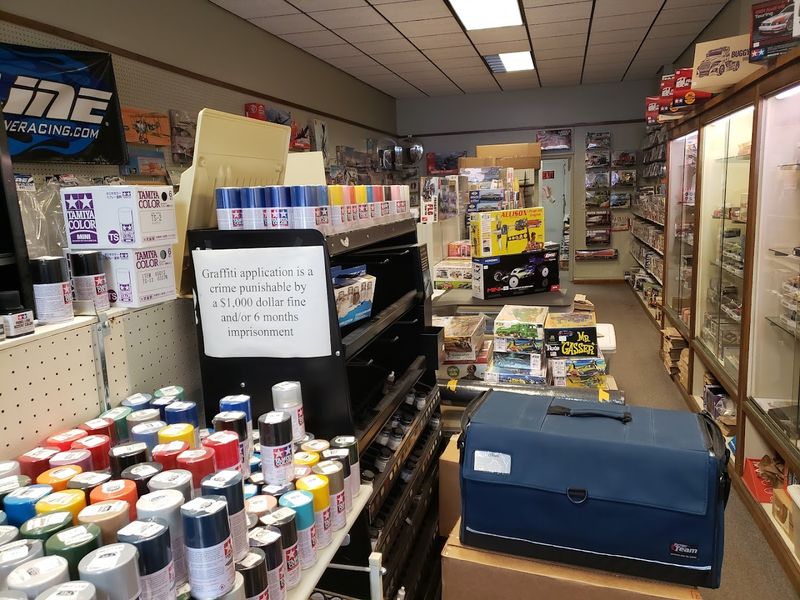
Tabletop gaming depends on physical space in a way many hobbies do not, because the experience lives in shared rules, reactions, and repeated in-person play.
A strong gaming-centered shop usually offers board games, collectible card games, miniatures systems, paints, accessories, terrain pieces, sleeves, dice, and organized events that keep players returning beyond a single purchase.
Product selection is important, but community structure is what turns interest into habit.
Organized tournaments and scheduled play nights give newcomers a clear way to join while also supporting serious competitors and dedicated groups.
Miniatures gaming adds another layer through model assembly, painting, scenario design, and tactical learning that develops over time.
Social interaction remains the core draw, since strategy feels richer when it unfolds across a table with live conversation and visible stakes.
Digital platforms can teach rules or facilitate remote matches, yet they rarely replace the atmosphere of a room built around shared enthusiasm.
Local game spaces help players form friendships, test new systems, and maintain traditions that depend on regular gathering.
Gaming culture stays healthy when there is somewhere reliable to meet, learn, compete, and celebrate memorable moments together.
Paradise Hobbies – Sunbury
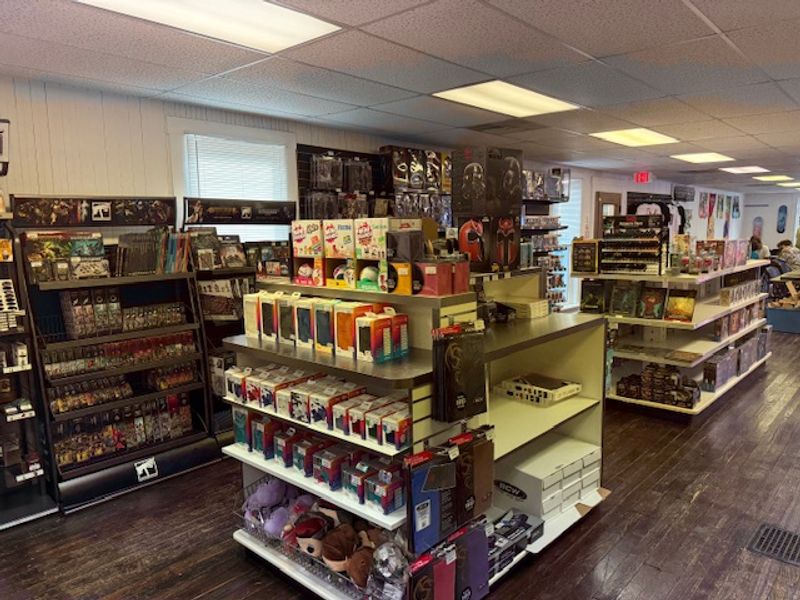
Model railroading attracts people who enjoy planning systems, building landscapes, and researching how transportation once shaped entire regions.
A specialty shop focused on trains usually carries locomotives, rolling stock, track, power supplies, control equipment, scenery materials, structures, ballast, figures, trees, and detail accessories for layouts at several scales.
Every purchase connects to a bigger vision, since even a tiny signal tower or coal hopper affects the story a layout tells.
Scenery building is where creativity expands beyond track plans into terrain shaping, weathering, lighting, architecture, and seasonal atmosphere.
Customization often includes kitbashing buildings, modifying freight cars, installing decoders, or recreating local lines with historically accurate details.
Technical planning matters because wiring, grades, curve radius, switching operations, and maintenance all influence how realistic the miniature railroad feels.
Long-term commitment is part of the appeal rather than a drawback, since layouts evolve through research, experimentation, and gradual expansion.
Train hobbies rarely end with one completed project because there is always another scene to refine or operating problem to solve.
That open-ended nature makes model railroading especially satisfying for people who enjoy building worlds, not just collecting objects.
Hamilton Hobbies – Hamilton
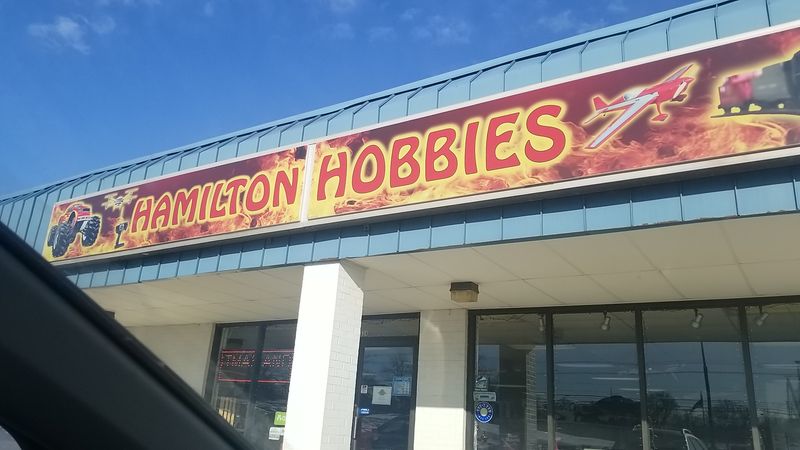
Independent hobby shops often distinguish themselves less by sheer size than by the quality of guidance available across the counter.
Personalized service becomes crucial when a customer needs the correct paint match, a compatible part, a better starter kit, or honest advice about whether a project fits current skill level.
That kind of conversation saves time, money, and frustration in ways search results rarely can.
Specialized inventory also gains value when it is curated by people who understand how products actually perform in real projects.
Instead of guessing between similar adhesives, brushes, knives, motors, or weathering products, you can learn which tool works best for a specific material or technique.
Experienced enthusiasts pass along practical knowledge that does not always appear in packaging or online descriptions.
Small stores preserve hobby culture by maintaining chains of instruction that might otherwise fade as fewer people learn hands-on skills informally.
Advice about setup, repair, assembly order, finishing methods, or product compatibility often comes from years of trial and error.
That accumulated knowledge is one reason independent shops still matter, especially when you need confidence, not just inventory, before starting something intricate.
Train Station – Columbus
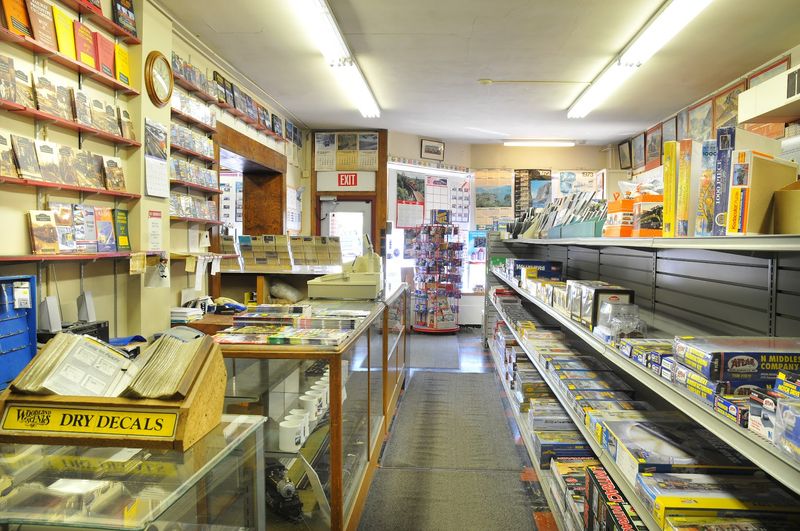
Railroad hobbies occupy a distinctive place because they combine collecting, historical research, engineering curiosity, and craftsmanship within one sustained interest.
A dedicated train store typically offers locomotives, rolling stock, track systems, structures, electronics, scenery supplies, maintenance items, and often books or reference materials that support historically grounded layouts.
Serious enthusiasts are rarely buying isolated objects, since each piece fits a broader operating theme, era, or prototype line.
Layout design requires thought about space, traffic flow, switching possibilities, electrical reliability, and visual realism long before scenery is complete.
Collectors may focus on specific road names, manufacturers, liveries, or time periods, turning each acquisition into a research decision as much as a retail one.
Historical knowledge matters because accurate consists, architecture, and freight service patterns can shape an entire miniature world.
Craftsmanship ties everything together through track installation, wiring, weathering, structure assembly, and careful maintenance of moving equipment.
Train enthusiasts tend to appreciate detail not as ornament but as evidence of understanding.
That blend of history, mechanics, and artistic interpretation helps explain why railroad hobbies remain deeply absorbing for people who want a pastime with both intellectual depth and tactile rewards.
Corner Field Model Railroad Museum and Store – Middlefield
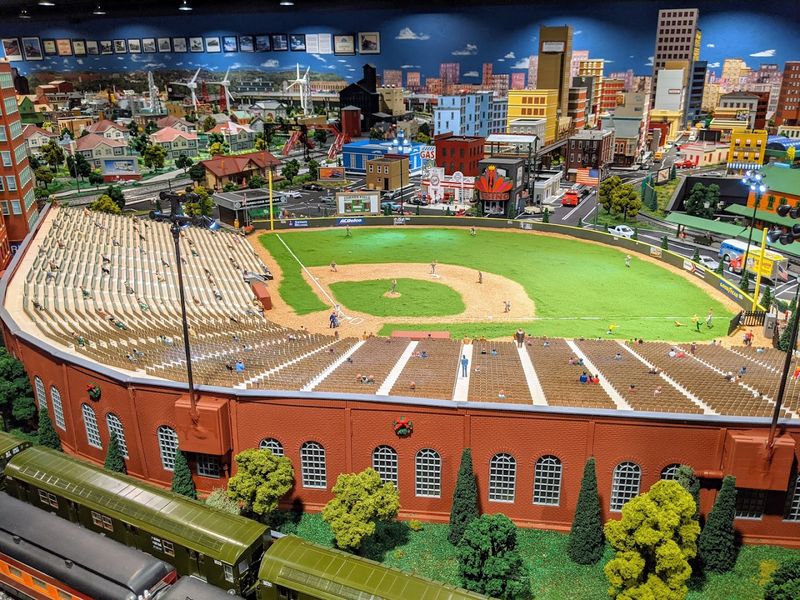
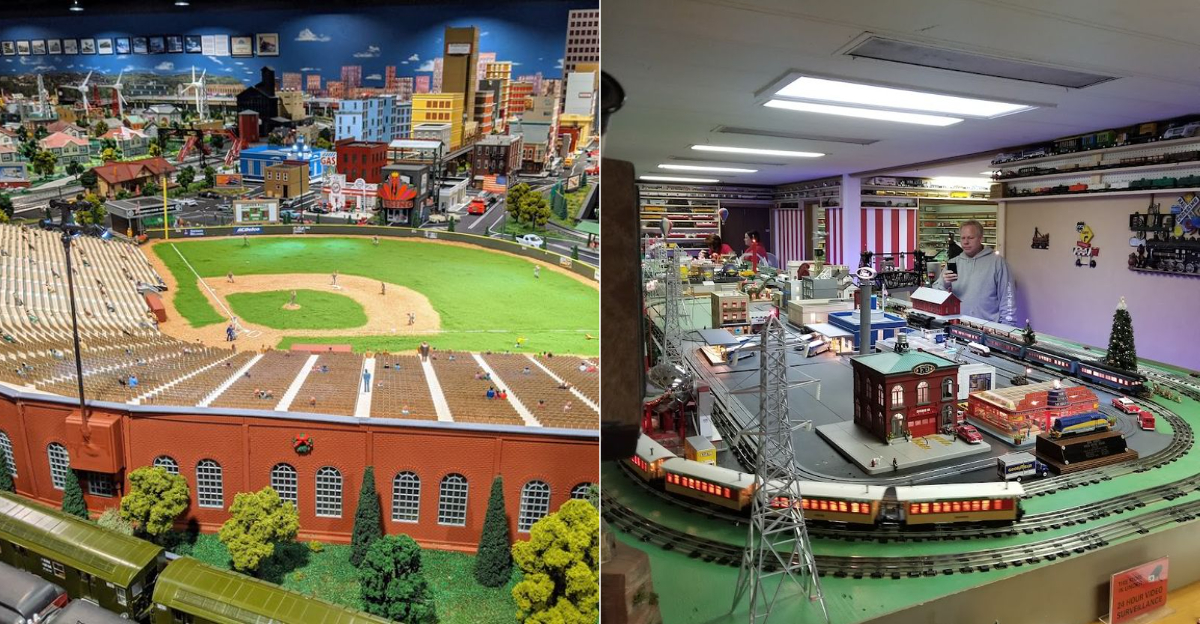
Combining a retail shop with large-scale public exhibitions gives model railroading unusual power as both hobby and educational experience.
Visitors can see how track planning, electrical systems, signaling, scenery construction, and realistic operations come together in ways that individual boxed products cannot fully explain.
Public layouts transform abstract supplies into visible systems, making the connection between craftsmanship and engineering immediately understandable.
Museum-style displays also help preserve transportation history by showing how railroads moved freight, linked towns, and shaped industrial growth across different eras.
Watching trains operate through miniature landscapes encourages questions about scheduling, grades, yards, motive power, and route design.
Educational value emerges naturally because the exhibits invite observation of mechanics, geography, and historical context all at once.
The retail side matters too, since inspired visitors often want to carry that curiosity home through starter sets, scenery materials, structures, or reference books.
Future generations are more likely to stay interested when they encounter the hobby as something alive, impressive, and approachable in person.
Exhibition spaces keep that interest moving forward by turning appreciation into understanding, and understanding into participation.