A hotel room can be more than a place to unpack your suitcase when the building itself has lived several lives. In Ohio, old inns, grand towers, historic mansions, and city landmarks have been carefully transformed into welcoming places to stay, preserving details that might otherwise have disappeared.
Ohio’s historic hotels offer travelers a chance to sleep beneath ornate ceilings, walk through timeworn lobbies, and imagine the people who once passed through the same doors. Some are connected to famous guests and elegant evenings, while others reflect the changing fortunes of small towns and growing cities.
These properties make history feel close and tangible rather than something confined to a museum. From grand urban hotels to intimate heritage inns, each has a story woven into its architecture and atmosphere.
Discover the 11 Ohio hotels where a memorable overnight stay comes with a fascinating piece of the past.
Hilton Cincinnati Netherland Plaza
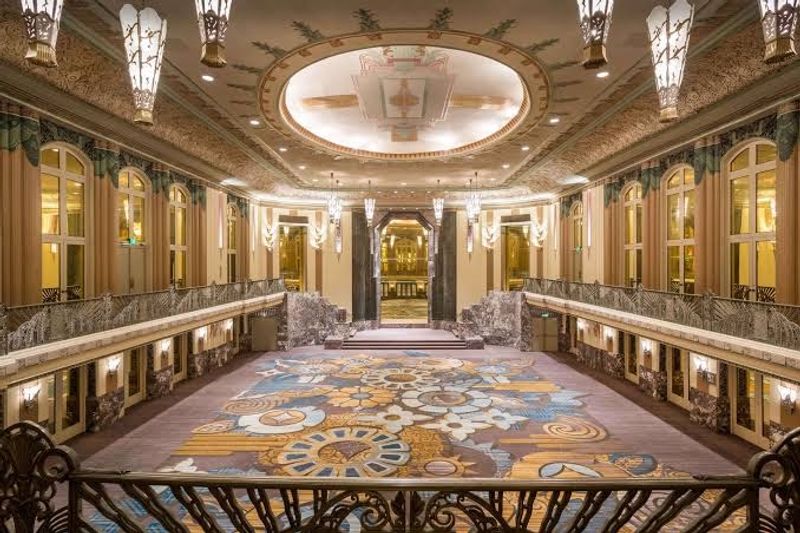
The first thing many guests notice is the glow. Light bounces off marble, metal, and rich old details, making the whole place feel like a movie set from another time.
Even before you reach your room, the building seems to whisper that it has seen a lot.
In downtown Cincinnati, the Hilton Cincinnati Netherland Plaza opened in 1931 as part of the Carew Tower complex, a bold idea that mixed shops, offices, and hotel life in one giant landmark. Its French Art Deco design still feels special, especially in the Palm Court, where murals and sleek patterns pull your eyes in every direction.
Try taking a slow walk through the public spaces before heading out for the night. Fountain Square is nearby, and the hotel’s old-world dining rooms make breakfast or dessert feel more memorable.
It is a smart pick for travelers who want city energy wrapped in real architectural drama.
The Golden Lamb
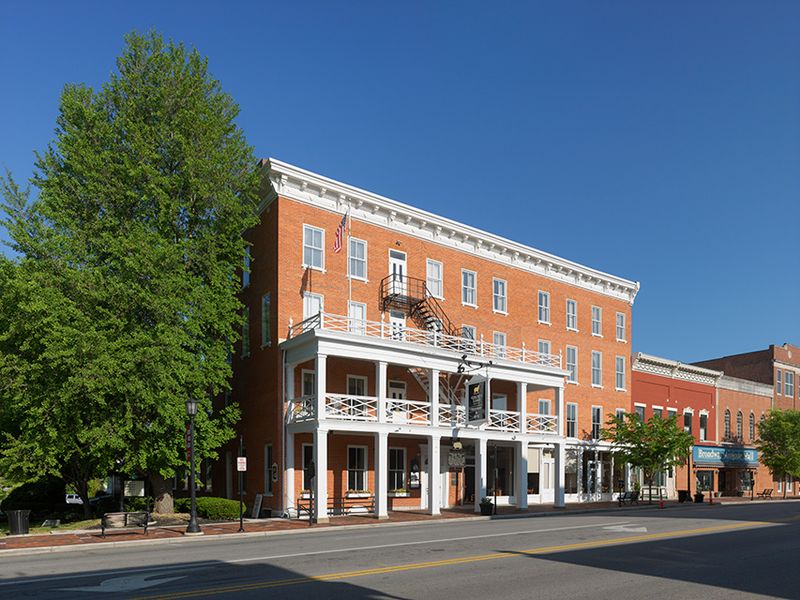
Floorboards creak softly here, and somehow that makes the stay better. A place this old does not hide its age.
Instead, it lets you feel it in the stairways, dining rooms, and guest spaces that have welcomed travelers for more than two centuries.
Set in Lebanon, The Golden Lamb dates to 1803 and is known as Ohio’s oldest continuously operating hotel. Presidents slept here, writers passed through, and Charles Dickens is part of its long guest list.
The rooms carry different historic themes, and the restaurant serves comfort food that fits the setting, from roast turkey to old-fashioned desserts.
Spend time looking at the portraits, wood trim, and little details that connect one era to the next. The walkable downtown adds to the charm, with antique shops and local stores close by.
Staying here feels less like booking a room and more like borrowing a page from Ohio history.
The Westin Great Southern Columbus
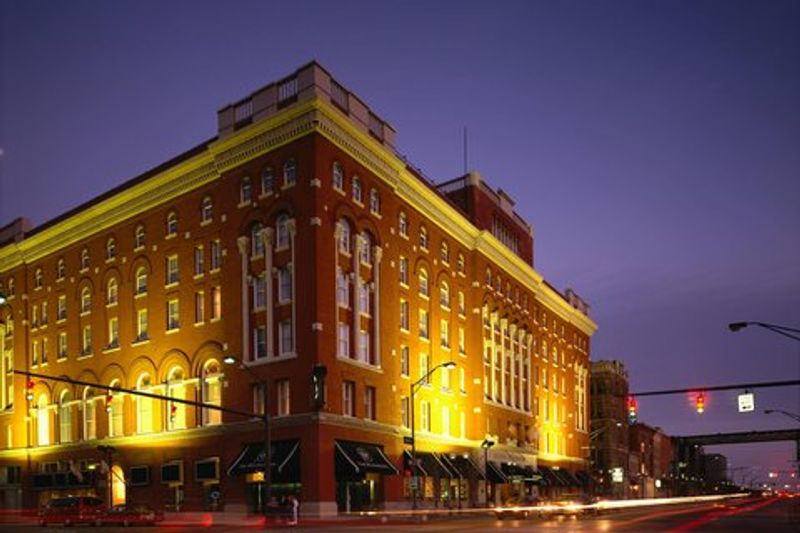
Some buildings wear survival well. This one stands with the confidence of a place that has changed with the city and still kept its dignity.
You can sense that history in the high ceilings, carved details, and formal feel that sets it apart from newer hotels.
In Columbus, The Westin Great Southern began in 1897 as the Great Southern Fire Proof Hotel and Opera House. At the time, its fire-resistant construction was a major talking point, and the Renaissance Revival style gave it a grand public face.
After years of shifting use, it returned to hotel life with much of its old spirit still in place.
Before dinner, look around the lobby and imagine theatergoers and business travelers filling the same space generations ago. German Village is nearby for brick streets and cozy restaurants, while downtown Columbus is easy to reach.
It suits visitors who enjoy a stay with a comeback story and a strong sense of place.
Hotel LeVeque, Autograph Collection
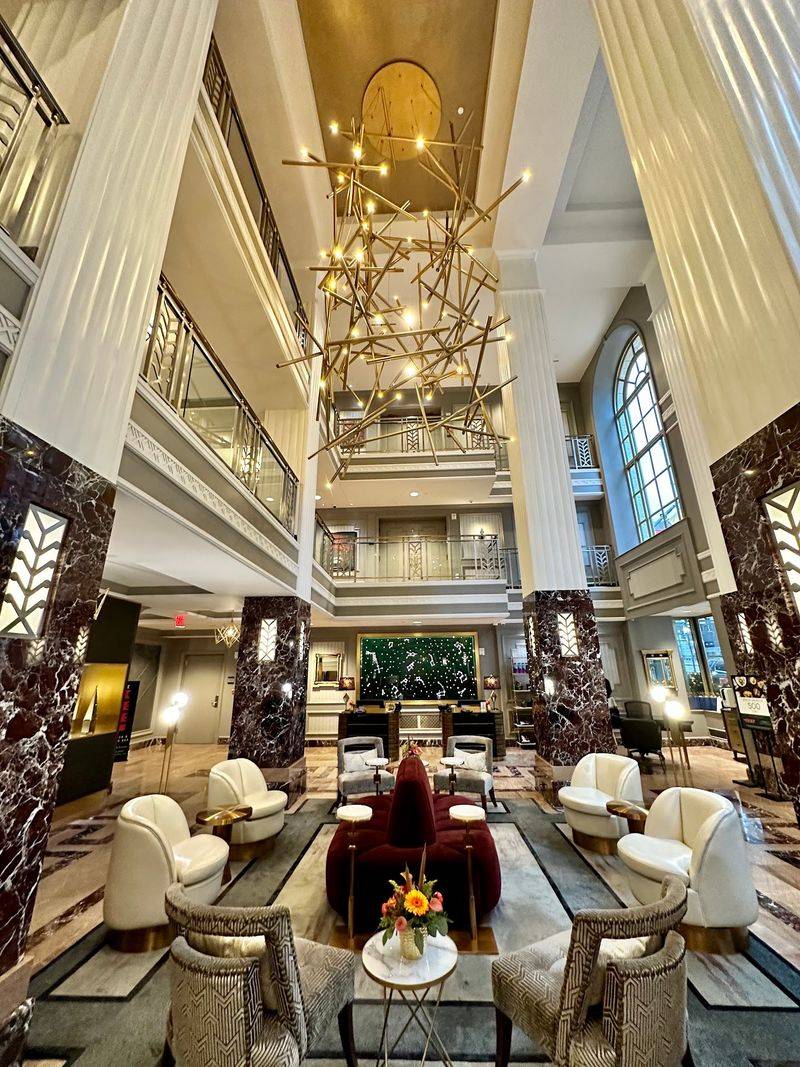
At sunset, the tower seems to catch the whole sky. Its shape rises above downtown Columbus with the kind of confidence only a historic skyscraper can carry.
Walking inside feels like stepping into a more glamorous chapter of city life.
Hotel LeVeque lives inside the 1927 American Insurance Union Citadel, once the tallest building in Columbus. After many years as an office tower, the landmark was reimagined as a hotel while keeping its Art Deco beauty front and center.
Rich metallic touches, dramatic lighting, and a celestial design theme give the interiors a mood that feels both old and fresh.
Ask for time to wander the lobby instead of rushing to the elevator. The Scioto Mile is close for river views and evening walks, and the nearby theaters make a night out easy to plan.
For travelers who like architecture with personality, this one leaves a strong impression long after checkout.
The Cincinnatian Hotel
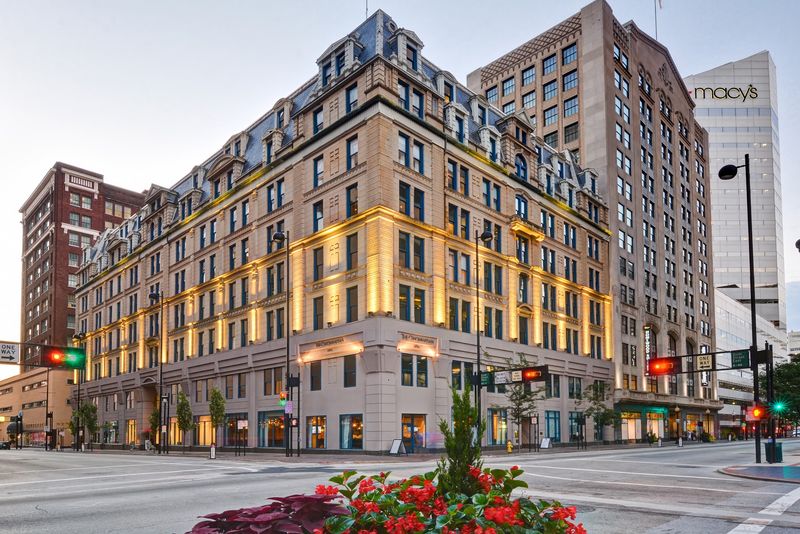
Elegance can be quiet. It shows up in the curve of a staircase, the weight of old doors, and the way a lobby makes you slow your steps without even thinking about it.
That is the mood waiting inside this long-standing Cincinnati landmark.
The Cincinnatian Hotel opened in 1882 and became known for Victorian style and polished public rooms that reflected the city’s growing confidence. Over time, it remained one of downtown Cincinnati’s most recognizable places to stay, even as the streets around it changed.
Historic character still shapes the experience, from the architecture to the formal atmosphere that feels rooted in another century.
Spend a few extra minutes in the common spaces instead of heading straight upstairs. Nearby, you can explore Fountain Square, the Aronoff Center, or local restaurants tucked into the downtown grid.
The appeal here is not flash. It is the chance to rest inside a building that still carries the grace and social energy of the late 1800s.
The Historic Buxton Inn
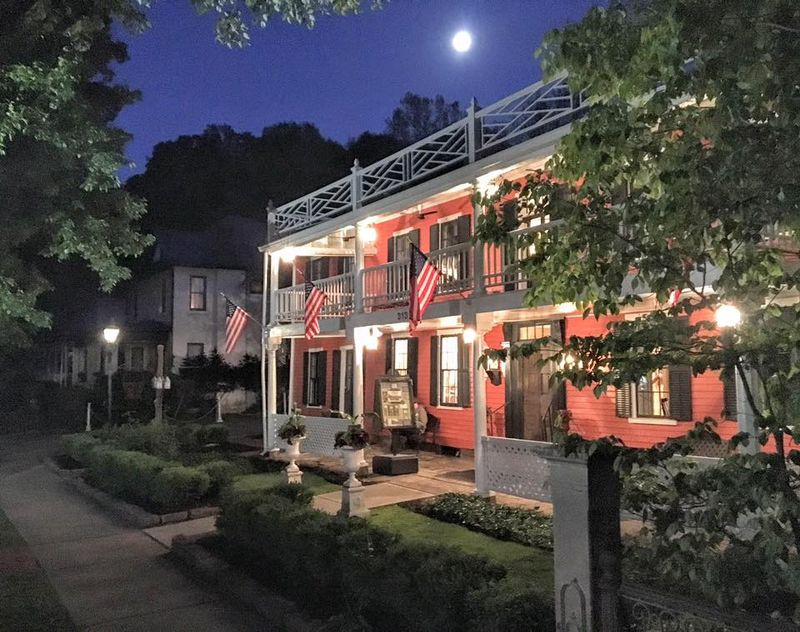
It is easy to picture muddy boots at the door and tired horses outside when you stand near this old inn. Time feels close here, not sealed off behind glass.
The age of the place is part of its personality, and that gives every stay a stronger pulse.
In Granville, the Historic Buxton Inn began in 1812 as a stagecoach stop and has remained one of Ohio’s oldest operating inns. Antique furnishings, uneven old textures, and stories of long-ago travelers give the rooms a lived-in feel rather than a staged one.
The building connects directly to the early road networks that helped shape the state.
Take a walk along Broadway after settling in, because Granville’s village center is one of the nicest parts of the visit. You will find tree-lined streets, local shops, and a calm college-town rhythm near Denison University.
For people who enjoy history that feels personal and close-up, this inn offers exactly that.
The Granville Inn
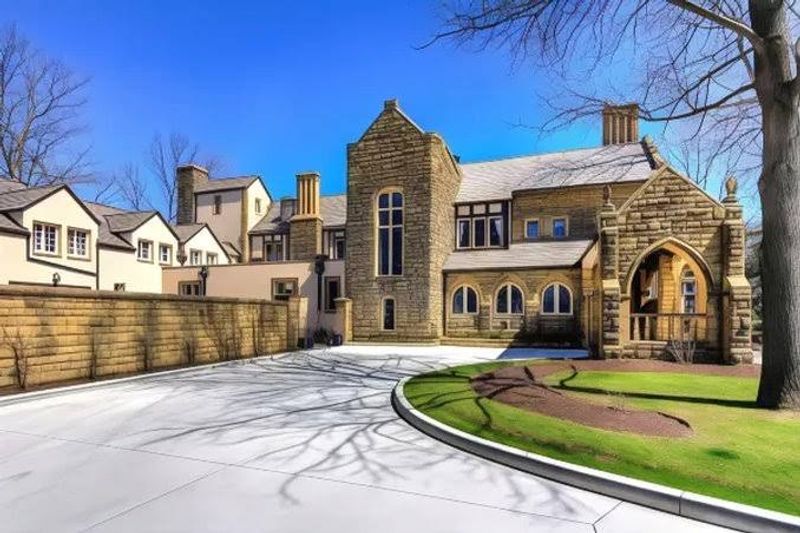
From the outside, it looks as if a slice of the English countryside landed in central Ohio and decided to stay. Stone walls, dark wood, and old-world lines give the building a storybook feeling, but the atmosphere inside is relaxed rather than stiff.
The Granville Inn opened in 1924 and was designed in the Jacobean Revival style, with the look of a manor house built to anchor the community. In Granville, near Denison University, it has long served as a gathering place as much as a hotel.
The architecture carries plenty of charm, especially in spaces where wood details and traditional furnishings create warmth.
Set aside time for a meal on site or a walk through the village after dark, when the streets feel especially peaceful. Nearby shops and campus views add to the sense that you are staying in the heart of a real town, not beside a highway.
It rewards travelers who appreciate comfort with a little character and mood.
Glidden House
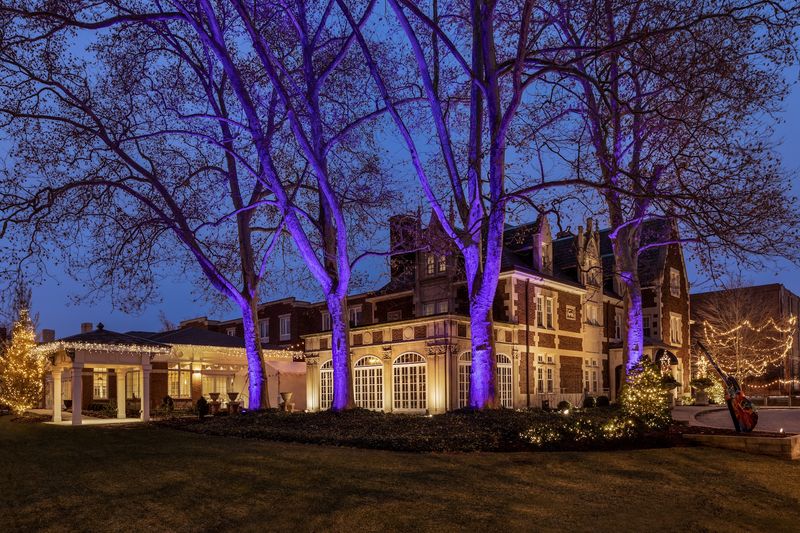
Not every hotel begins as a family home, and you can feel that difference right away. The scale is more intimate, the corners more personal, and the details more connected to daily life.
Instead of grand public spectacle, the charm comes from stepping inside someone else’s old world.
Glidden House in Cleveland started in 1910 as the mansion of John Glidden Jr., part of a wealthy industrial family. Today, the Tudor-style estate works as a boutique hotel while keeping much of its residential character.
Located in University Circle, it sits close to major museums, gardens, and cultural spots that make the neighborhood one of the city’s most rewarding areas to explore.
After breakfast, walk to the Cleveland Museum of Art or the Cleveland Botanical Garden and treat the hotel as part of a larger historic district experience. Its appeal lies in the balance: polished but not flashy, historic but easygoing.
For travelers who like quiet elegance, it feels especially well judged.
Steele Mansion Inn & Gathering Hub
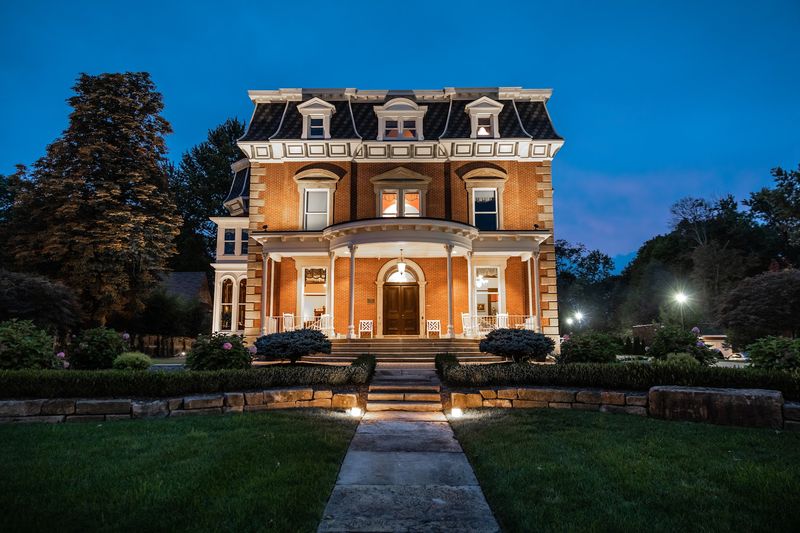
There is something satisfying about a rescued building. You look at the trim, the stained glass, the restored rooms, and realize the place could have been lost.
Instead, it came back with all its personality intact, maybe even sharper because of what it survived.
In Painesville, Steele Mansion was built in 1867 for Colonel George Steele and later spent years waiting for a serious revival. That revival finally turned the Victorian mansion into an inn where original woodwork, decorative details, and period style still do much of the talking.
The house has drama, but not the gloomy kind. It feels lively, colorful, and a little theatrical.
Take time to sit on the porch or look closely at the interior craftsmanship before heading out. Lake Erie is not far, and the surrounding area offers a quieter side of northeast Ohio travel.
Visitors who enjoy restoration stories often come away remembering this stay for its spirit as much as its beauty.
Hotel Millersburg
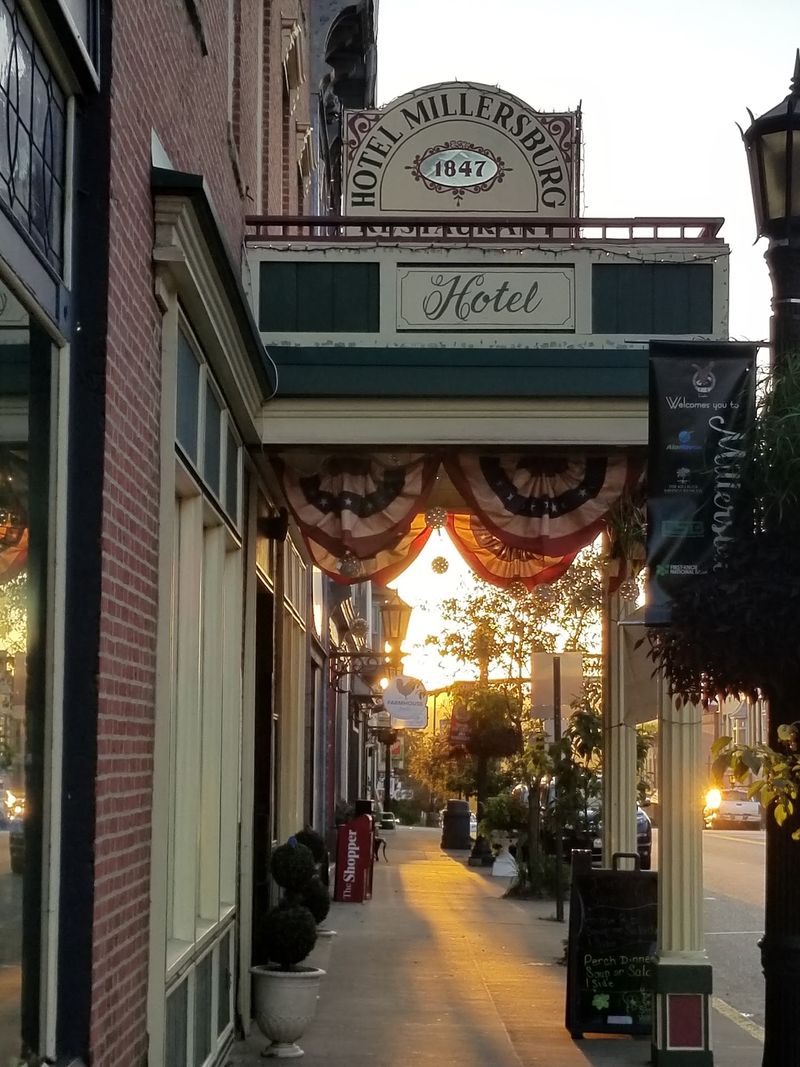
Small-town history often hides in plain sight. It lives above storefronts, around courthouse squares, and in hotels where generations of travelers have come and gone without much fuss.
That steady, ordinary kind of endurance can be just as moving as grand city glamour.
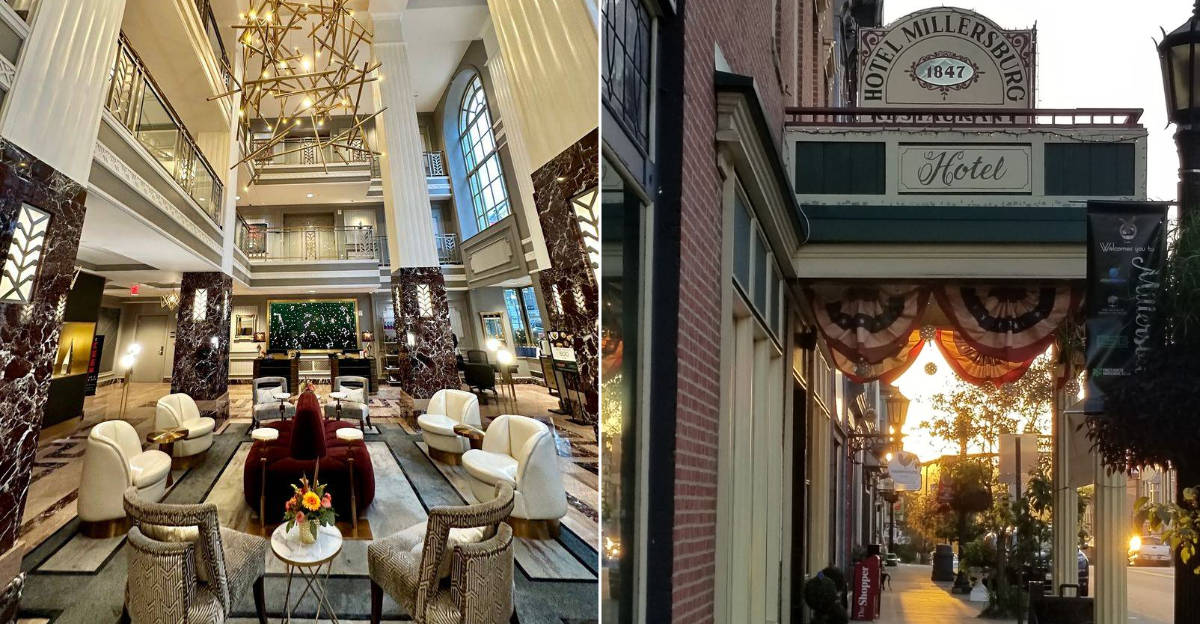
Hotel Millersburg has welcomed guests in Holmes County since the nineteenth century, and its downtown setting gives the stay a grounded, local feel. In Millersburg, the historic district surrounds you with brick buildings, village shops, and the slower pace many visitors hope to find in Ohio’s Amish Country.
The building reflects a long hospitality tradition shaped by road trips, regional trade, and community life.
Start the evening with a walk around the square, then settle in for a relaxed meal nearby. Bakeries, simple comfort food, and country roads are part of the experience here.
The hotel is worth choosing if you want history that feels approachable, unpolished in the best way, and deeply tied to everyday Ohio life.
Hotel Lakeside
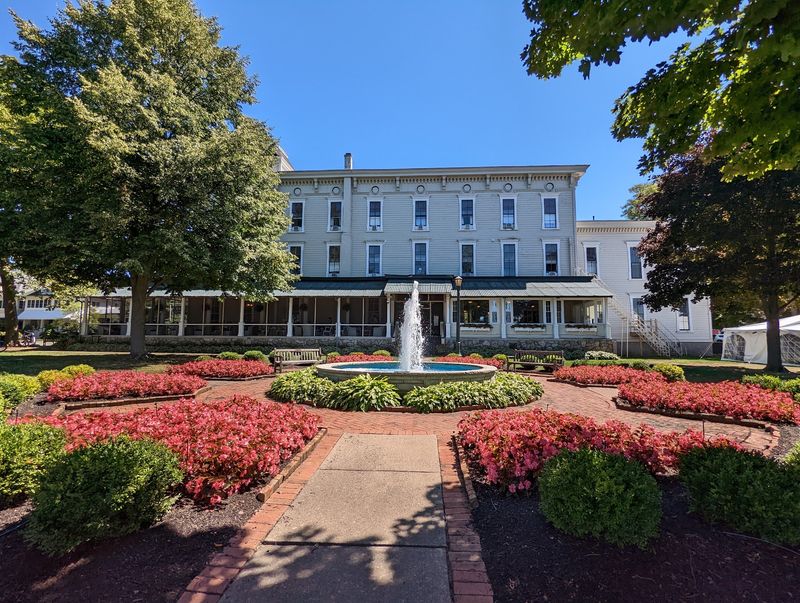
Morning here has its own soundtrack. Rocking chairs creak, lake air moves across the porch, and footsteps drift toward the water before breakfast is even over.
The scene feels gentle, but the history behind it runs deep.
Hotel Lakeside opened in 1875 in Lakeside Marblehead and became part of a long tradition of summer life along Lake Erie. The Victorian-era setting still shapes the experience, especially in a community known for porches, walkable streets, and time spent outdoors rather than behind closed doors.
It reflects the old idea of a seasonal retreat where families came to rest, gather, and enjoy the lake.
Plan to catch the view near the water at sunset, then wander back through the grounds at an easy pace. The dock, the open-air feel, and the nearby lakefront activities all add to the mood.
For travelers who love places with nostalgia built into the breeze, this hotel offers a very specific kind of peace.