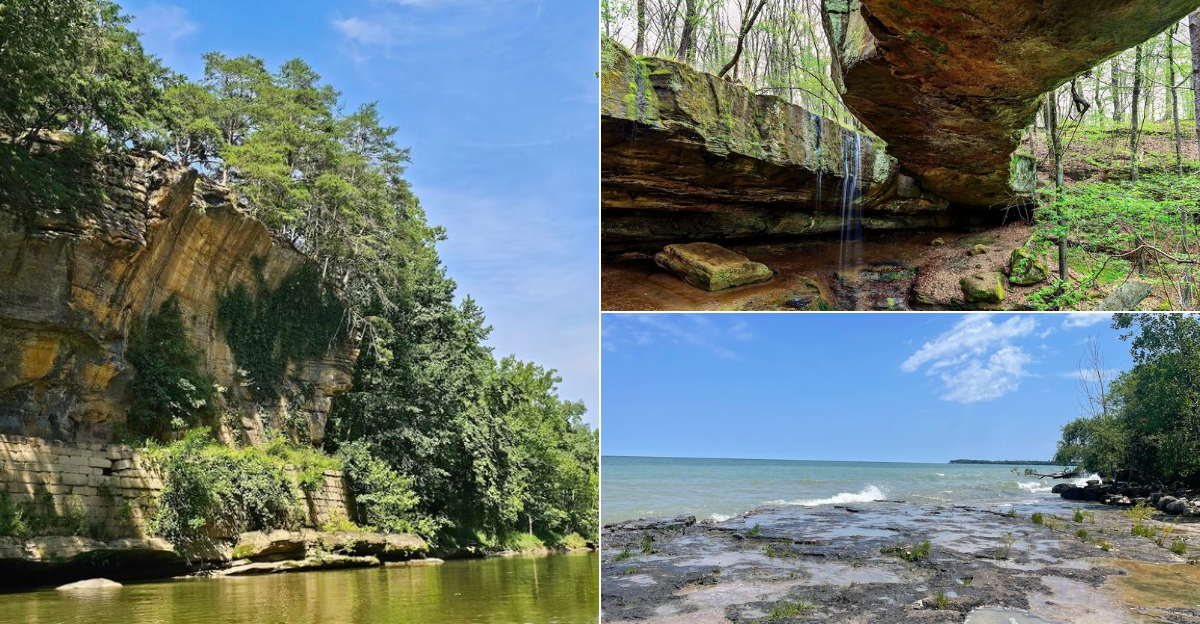
Ohio has a sneaky wild side, and it is far more dramatic than most road maps let on.
Hidden gorges, island glacial grooves, sapphire springs, and towering old forests turn this supposedly flat Midwestern state into a genuine plot twist for anyone who loves the outdoors.
If you think Ohio is all cornfields, football, and polite traffic, these places are ready to lovingly prove you wrong with cliffs, waterfalls, rare habitats, and views that feel borrowed from somewhere much farther away.
Grab your hiking shoes, charge your phone, and come with me through fifteen natural wonders that make Ohio look delightfully overqualified for the word surprising.
Once you see what is tucked into Rockbridge, Yellow Springs, Logan, Castalia, Oak Harbor, and beyond, you may start plotting a weekend escape before you even reach the final stop on this list, and honestly, I would not blame you at all.
1. Conkle’s Hollow State Nature Preserve
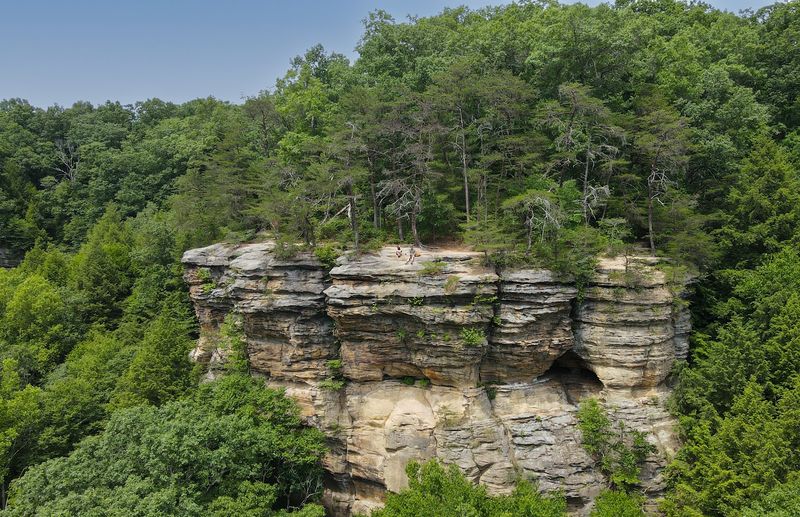
The first time you see Conkle’s Hollow, Ohio stops feeling modest.
Tucked near Rockbridge in Hocking County, this deep sandstone gorge rises with sheer walls that can reach about two hundred feet.
The place feels cool, hushed, and almost theater-like, as if the cliffs are waiting for your reaction.
The lower trail is short, mostly flat, and wonderfully approachable, which means you get big scenery without an epic sufferfest.
Hemlocks, ferns, and moss soften the stone, while trickling water and birdsong keep the whole walk sounding like a nature app with better production values.
If you want more of a workout, the rim trail adds higher views and steeper terrain.
What makes this preserve special is its microclimate.
Rare plants thrive here because the gorge stays shaded and damp, creating conditions unlike the surrounding uplands.
You are not just hiking through pretty scenery – you are stepping into a pocket ecosystem with serious character.
Go after rain for richer colors and stronger trickles.
Wear sturdy shoes because roots and rock can get slick fast.
Conkle’s Hollow is compact, unforgettable, and proof that Ohio knows how to make an entrance.
2. Clifton Gorge State Nature Preserve
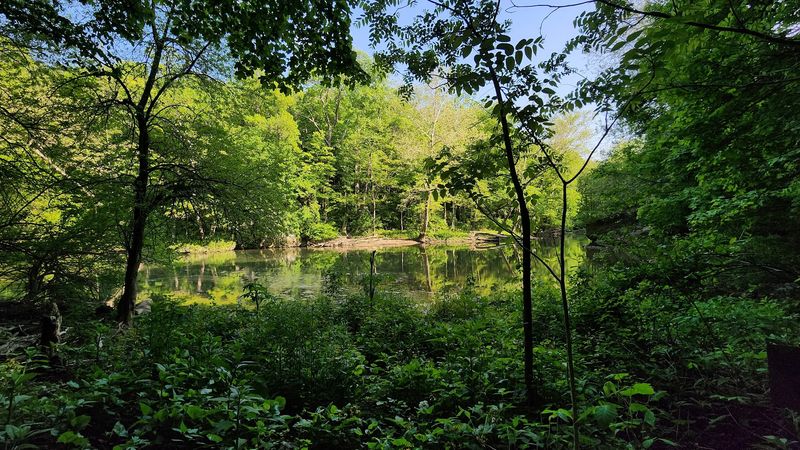
Water does the talking at Clifton Gorge, and it has excellent material.
This preserve near Yellow Springs follows the Little Miami River through a rugged dolomite and limestone gorge carved after the last ice age.
The result is a corridor of rapids, ledges, and forested cliffs that feels far more dramatic than many first-time visitors expect.
The trails here stay interesting because the scenery keeps changing.
One minute you are above rushing water, the next you are peering into rocky crevices or spotting wildflowers along the rim.
Spring is especially lively, when blooming plants and stronger river flow make the whole gorge look switched on.
Clifton Gorge also matters ecologically.
Its varied terrain creates habitats for unusual plants, and the cooler gorge conditions support species that do not appear everywhere in the region.
That scientific importance gives the preserve an extra layer beyond the obvious visual wow factor.
Pair this stop with nearby John Bryan State Park or a walk in Yellow Springs for a full day.
Stay alert on wet rock and uneven trail sections, because the edges deserve respect.
Clifton Gorge is the kind of place that makes a short hike feel gloriously overachieving.
3. Glen Helen Nature Preserve
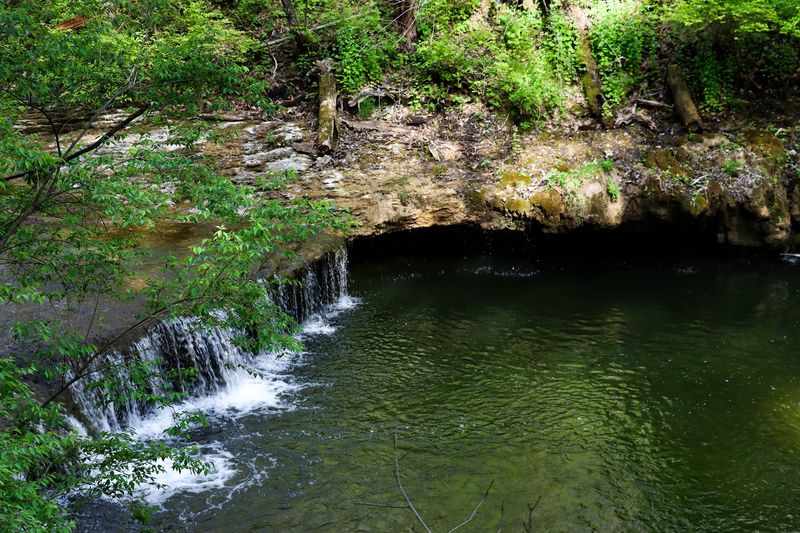
Glen Helen feels like Yellow Springs keeping its best secret in plain sight.
This beloved preserve surrounds a wooded gorge, clear springs, and trails that wind past limestone outcrops just outside the village center.
You can start with a coffee downtown and be under a leafy canopy before the cup cools down.
The most famous feature is the spring that gave Yellow Springs its name.
Though the water is no longer considered safe to drink, the iron-tinted flow still draws visitors who want a quick history lesson with their scenery.
Along the paths, you will also find small cascades, footbridges, and enough birdsong to make silence seem unnecessary.
Glen Helen has long been tied to conservation and education.
Its trails, raptor center, and ongoing stewardship help visitors connect with the land without turning the experience into a lecture in hiking boots.
The balance is part of the charm.
Come in spring for wildflowers or autumn for color that turns the ravine into a postcard with depth.
Trails can be muddy, so practical shoes beat stylish regret every time.
Glen Helen is gentle, thoughtful, and quietly one of Ohio’s most rewarding walks.
4. Rockbridge State Nature Preserve
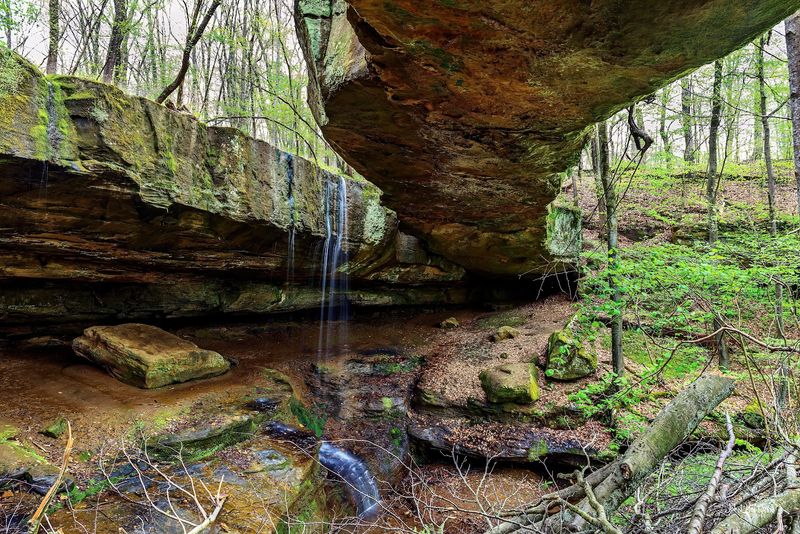
Some places bury the headline, but Rockbridge puts it right in the name.
Near Rockbridge, Ohio, this preserve protects the largest natural bridge in the state, a hefty sandstone span shaped by erosion over thousands of years.
Seeing that arch appear through the trees feels like stumbling onto an ancient doorway with no obvious destination.
The trail is under a mile, yet it packs a lot into a short wander.
A wooded path drops through a shady ravine, crosses a small stream, and arrives at the massive bridge, which stretches roughly one hundred feet long and stands high above the forest floor.
It is easy to understand why this stop wins over casual walkers and geology nerds alike.
Because the preserve is small, timing matters.
Weekday visits or early mornings feel calmer, and the softer light makes the rock glow warm against the green canopy.
After rain, the ravine smells earthy and alive, like the forest just remembered its best lines.
Bring shoes with grip and take your time on the descent.
The route can be muddy, and the footing changes quickly.
Rockbridge proves that one well-made stone curve can steal an entire afternoon.
5. Worden’s Ledges
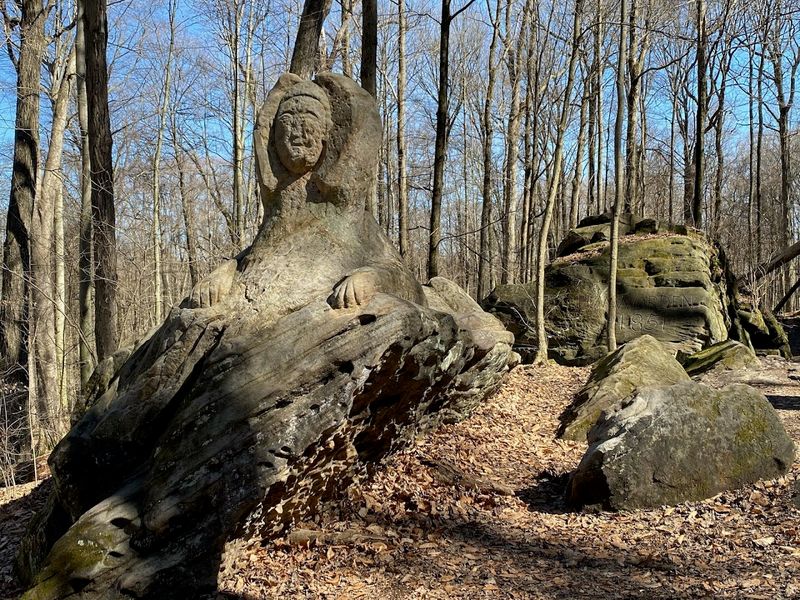
Worden’s Ledges looks like nature and folklore decided to collaborate.
Hidden in Hinckley Reservation near Hinckley, Ohio, this sandstone ledge system winds through the woods with narrow passages, weathered walls, and carvings that add a dose of mystery.
It is equal parts scenic walk and treasure hunt for curious eyes.
The ledges themselves are beautiful, shaped by erosion into twisting forms that feel older than the surrounding suburban world.
Then come the carvings, many created in the 1940s by Noble Stuart, featuring faces, historical figures, and symbols tucked into the stone.
That unexpected art gives the trail a slightly surreal energy without overshadowing the natural setting.
The loop is manageable for many visitors, and the forest canopy keeps the path pleasant in warmer months.
After rain, the moss brightens, the rock darkens, and every turn seems a little more dramatic.
Bring a camera, because this place specializes in surprising corners.
Worden’s Ledges is especially good for hikers who like atmosphere over mileage.
You are not here to crush distance – you are here to notice details.
Few Ohio spots blend geology, shade, and weird woodland charisma quite this well.
6. Cascade Park
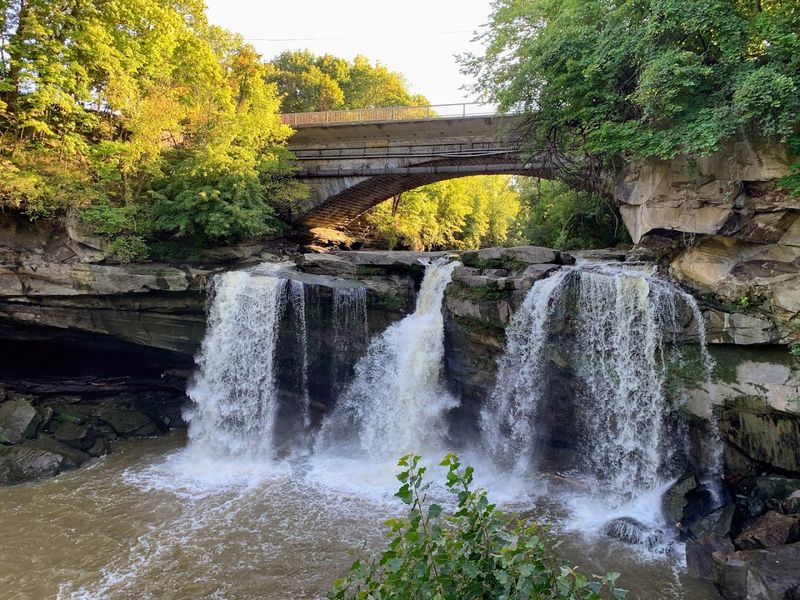
Nothing wakes up a city park like a proper waterfall, and Cascade Park has two.
In Elyria, west of Cleveland, this compact natural area surprises visitors with dramatic twin falls dropping over layers of shale and sandstone.
It is the sort of place that makes you check the map twice, just to confirm you are still in town.
The East Falls and West Falls each have their own personality.
One feels broad and theatrical, while the other offers a tighter, more tucked-away view, and together they turn a short outing into a satisfying little scenic sampler.
Overlooks and nearby paths make it easy to appreciate the geology without committing to a major hike.
Cascade Park also works beautifully in different seasons.
Spring runoff gives the waterfalls extra muscle, summer adds leafy framing, and winter can rim the rocks with ice for a colder kind of drama.
That variety keeps the park from feeling like a one-visit wonder.
If you are passing through Lorain County, this stop is a smart detour.
Bring a camera and watch footing near damp stone or muddy sections.
Cascade Park proves Ohio can hide a postcard scene where you least expect it, practically between errands.
7. Cedar Falls
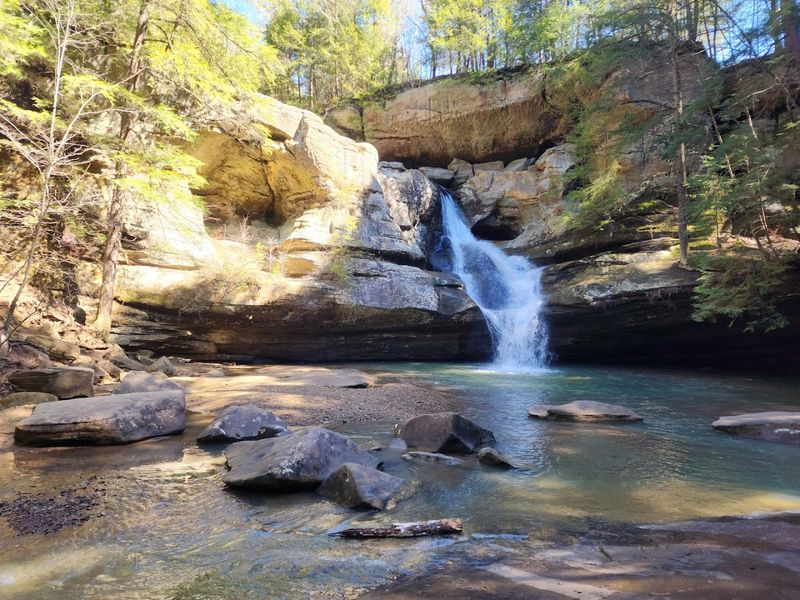
Cedar Falls enters the scene with the confidence of a headliner.
Located in Hocking Hills near Logan, Ohio, it is often considered the region’s largest waterfall by volume, spilling in a broad sheet over a rugged sandstone ledge.
The name comes from the eastern red cedars clinging to the surrounding cliffs, which adds a nice botanical flourish to the drama.
The walk to the falls is relatively short, but the setting feels grand.
Massive boulders, mossy rock, and a cool ravine atmosphere make the approach just as enjoyable as the destination.
When water levels are strong, the sound builds before the view appears, which is nature showing off and frankly earning it.
This is one of the signature stops in Hocking Hills for good reason.
Photographers love the layered composition, families appreciate the manageable access, and hikers can connect nearby trails for a longer adventure.
Even on a busy day, the falls still manage to command attention.
Visit after rain for the fullest cascade and richest color.
Trails and stone steps can be slick, so move carefully.
Cedar Falls is a classic because it delivers exactly what you hope for and a little more than you expected.
8. Blue Hole
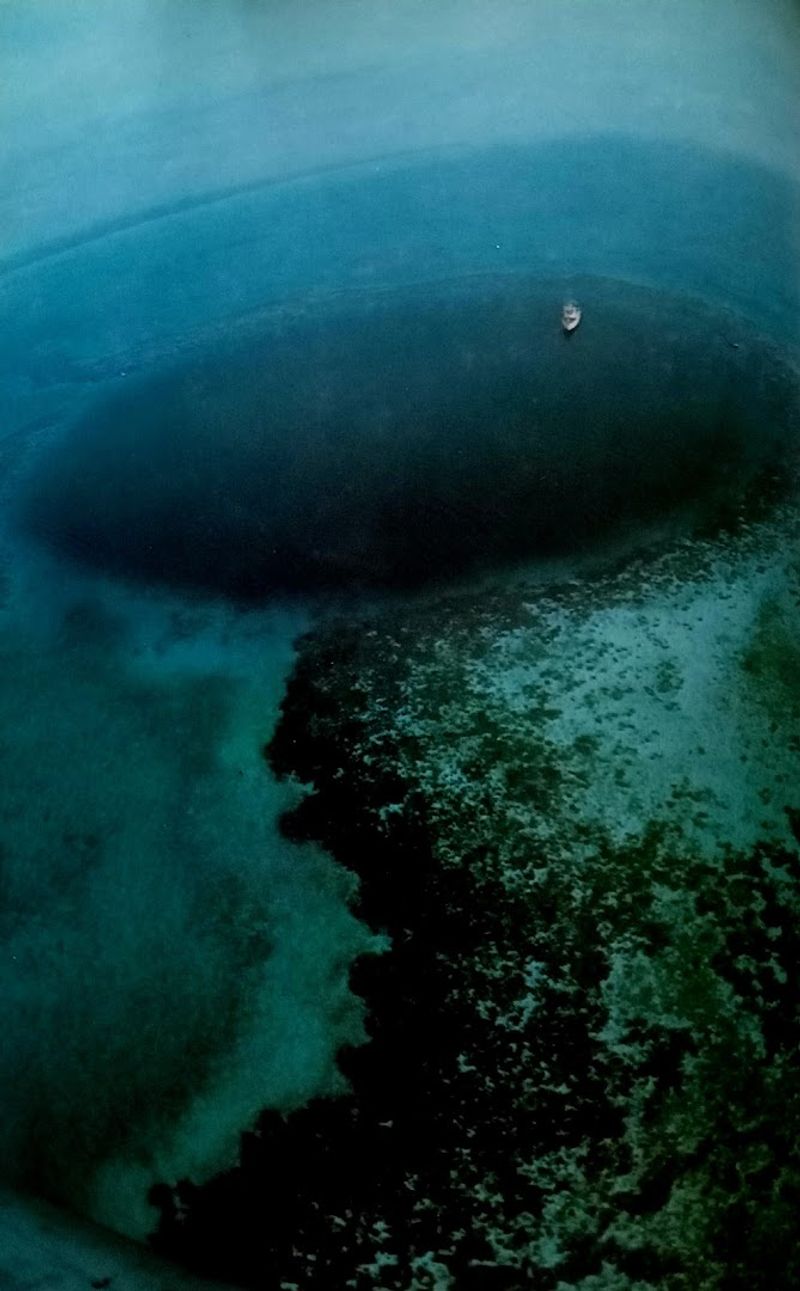
Blue Hole looks less like Ohio and more like a color test someone forgot to turn off.
In Castalia, near Lake Erie, this famous natural spring became legendary for its astonishing clarity and vivid blue water.
Even though swimming is no longer part of the story, the spring’s visual punch still feels almost unreal.
The water owes its color and transparency to limestone-filtered groundwater rising from below.
At its peak popularity in the twentieth century, Blue Hole drew crowds who came to gawk, picnic, and brag that they had seen water that bright in northern Ohio.
The spring is smaller than some visitors expect, but the intensity of the color easily makes up for the scale.
What fascinates me most is how simple the wonder is.
There are no cliffs, no roaring falls, no giant trail system – just a pool so clear and richly colored that it rewires your expectations.
Sometimes one perfect shade does all the heavy lifting.
Check current access details before visiting, since availability can change.
Pair it with other Erie shore attractions for a fuller day.
Blue Hole is a reminder that natural drama does not always need volume when it has that much blue swagger.
9. Rocky River Reservation
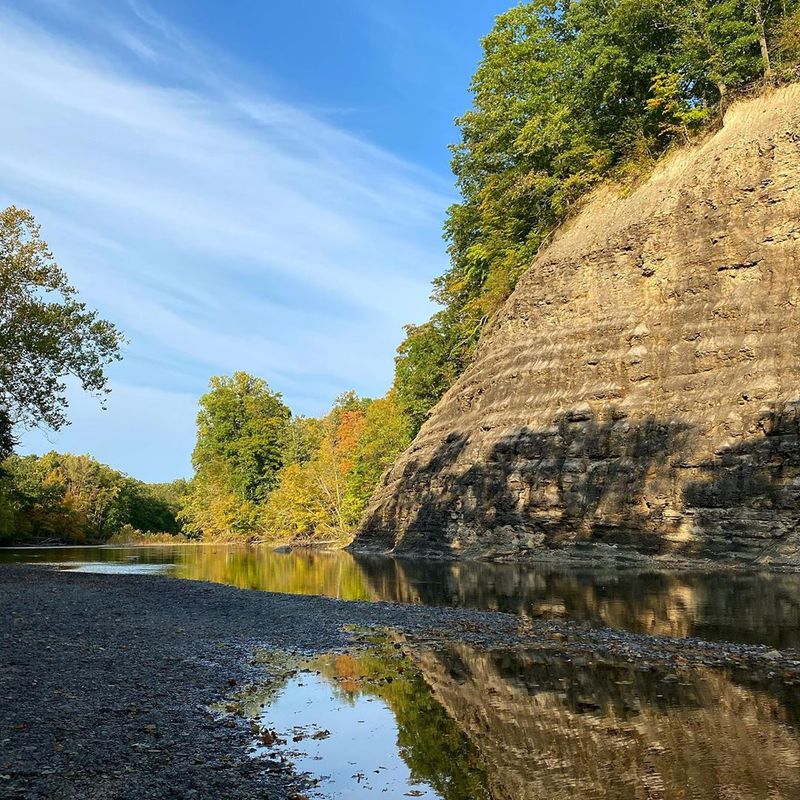
This long green valley is what happens when a major metro area gets lucky with geography.
Stretching through Cleveland Metroparks and touching Fairview Park, Ohio, Rocky River Reservation follows the Rocky River past forests, shale cliffs, wetlands, and quiet overlooks.
It feels surprisingly expansive for a place woven into suburban life.
The appeal here is range.
You can hike wooded trails, watch kayakers, bike the all-purpose path, or simply stand above the river and enjoy the way the valley cuts through the city like a secret.
Wildlife sightings are common too, from deer to herons, which adds a little suspense to every calm bend.
Different sections offer different moods.
Some areas are broad and welcoming, while others feel intimate and tucked away, especially when morning fog hangs over the water.
That variety makes repeat visits easy, because the reservation rarely shows exactly the same face twice.
If you like nature with flexible difficulty, this is an ideal pick.
You can build a serious day outdoors or sneak in a restorative hour.
Rocky River Reservation proves Ohio’s natural wonders do not always hide far away – sometimes they run right through the middle of everyday life.
10. Blackhand Gorge State Nature Preserve
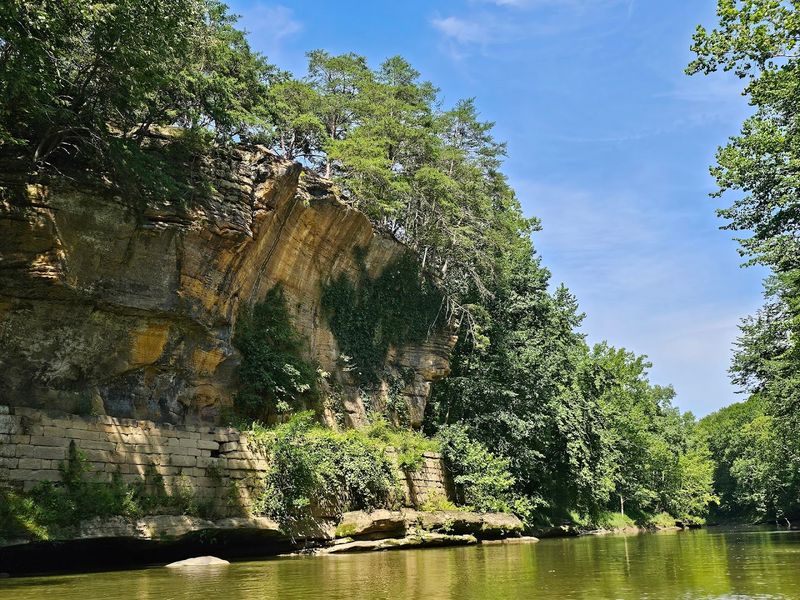
Blackhand Gorge has one of those names that practically demands a visit.
East of Newark, Ohio, this preserve protects a striking sandstone gorge cut by the Licking River, with cliffs, hemlock groves, and a trail that follows a former rail corridor.
The scenery is strong, and the name somehow makes it stronger.
The paved trail is a major advantage.
It lets walkers and cyclists ease into the gorge without rough footing, making the preserve accessible while still delivering dramatic rock walls and river views.
The famous Black Hand petroglyph that inspired the name is gone, destroyed in the nineteenth century, but the story still lingers over the landscape.
Watch for seasonal details as you move through.
Spring greens brighten the cliffs, summer shade keeps things pleasant, and autumn turns the corridor into a long ribbon of color.
Birdlife and reflections on calm water add extra rewards if you keep your pace relaxed.
This is an excellent choice for travelers who want beauty without a brutal climb.
Bring binoculars, a bike, or simply patience.
Blackhand Gorge offers history, geology, and easygoing adventure in one polished package, which is a very efficient kind of magic.
11. Kelleys Island State Park
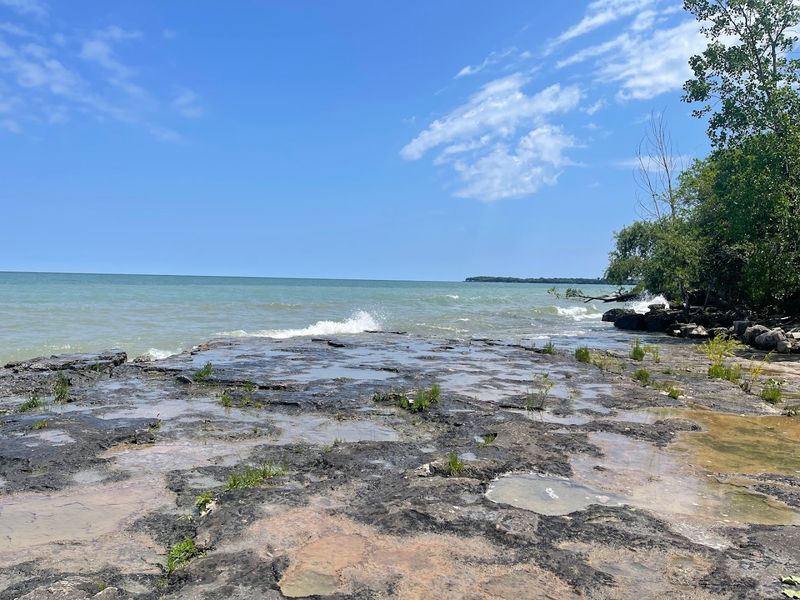
Kelleys Island State Park opens with a ferry ride, which is already a promising start.
Out in Lake Erie, this island park pairs shoreline beauty with one of Ohio’s coolest geological attractions: enormous glacial grooves carved into limestone during the last ice age.
They look like the planet got dragged by a giant rake and somehow improved for it.
The grooves are the star, and rightly so.
They rank among the largest and best preserved accessible examples anywhere, offering a vivid lesson in how much force moving ice can carry.
Interpretive signs help, but honestly, the scale does most of the explaining.
Beyond the geology, the island delivers beaches, wooded trails, kayaking opportunities, and a slower pace that feels pleasantly separated from the mainland.
Birders, cyclists, and casual explorers all find something to like here.
The mix of science and vacation energy is unusually satisfying.
Plan ahead for ferry schedules and give yourself time to roam beyond the grooves.
Sunset along the shore is worth lingering for if your schedule allows.
This destination makes Ohio feel maritime, ancient, and just a little mischievous in the best way.
12. Hocking Hills State Park
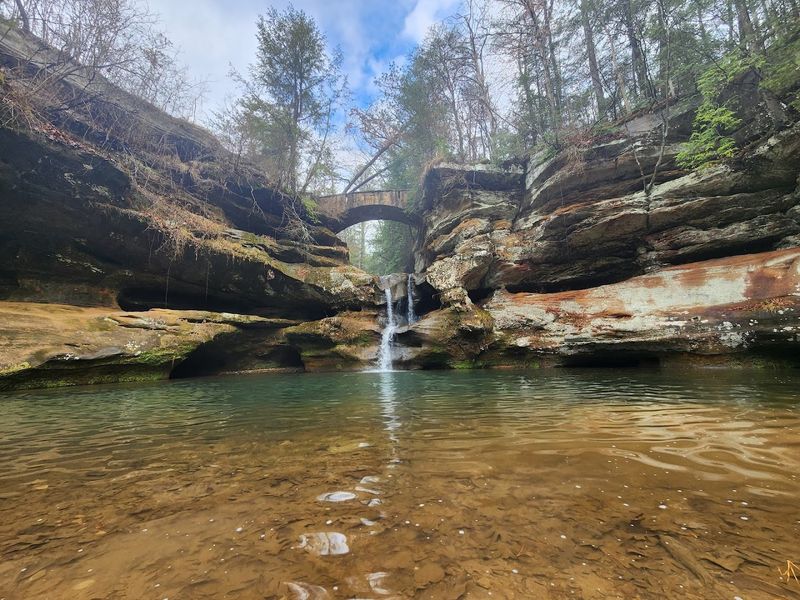
This celebrated park is Ohio’s overachiever, and it knows it.
Near Logan, Hocking Hills State Park bundles sandstone gorges, waterfalls, recess caves, cliffs, and forest trails into one region that feels almost comically scenic.
If someone claimed they had seen the state’s greatest hits, this is probably where they started.
The park includes famous areas like Old Man’s Cave, Ash Cave, Cedar Falls, and more, each with a distinct mood.
One trail may lead you through a narrow gorge with stone bridges, while another opens into a huge cave-like recess where water drips from above.
The variety keeps the experience lively rather than repetitive.
Hocking Hills also earns respect for its geology.
The Blackhand Sandstone formations were shaped over immense spans of time, then sculpted further by water, freeze-thaw cycles, and erosion into today’s dramatic forms.
In other words, nature spent ages perfecting this itinerary.
Expect crowds on peak weekends, so early starts are your friend.
Good shoes, water, and a little route planning make the day smoother.
Hocking Hills is popular because it delivers a rare thing with total confidence: scenery that actually lives up to the hype.
13. Magee Marsh Wildlife Area
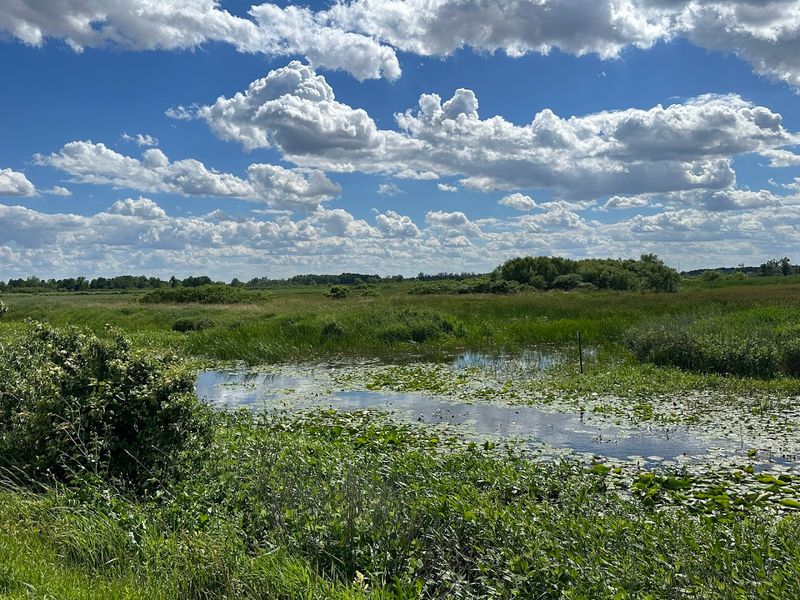
At Magee Marsh, the stars are tiny, feathered, and absurdly photogenic.
Located near Oak Harbor along Lake Erie, this wildlife area is world famous among birders for spring migration, when warblers and other songbirds descend in dazzling numbers.
Even if you cannot identify every species, the energy here is impossible to ignore.
The famous boardwalk is the main stage.
It threads through marsh habitat where birds often pause at eye level, creating astonishing views for observers, photographers, and anyone who enjoys being unexpectedly charmed by creatures smaller than a teacup.
During peak migration in May, the place can feel like a live-action field guide.
Magee Marsh matters because Lake Erie creates a migration bottleneck.
After crossing the water or preparing to, birds pack into shoreline habitat to rest and feed, concentrating species in ways that make this area globally significant.
That ecological role gives every sighting extra weight.
Come early for better light, more birds, and a calmer boardwalk.
Binoculars help, but patience may be the real superpower.
This wildlife are proves one of Ohio’s greatest natural wonders does not roar, tower, or crash – it flutters right past your shoulder.
14. Tinkers Creek State Nature Preserve
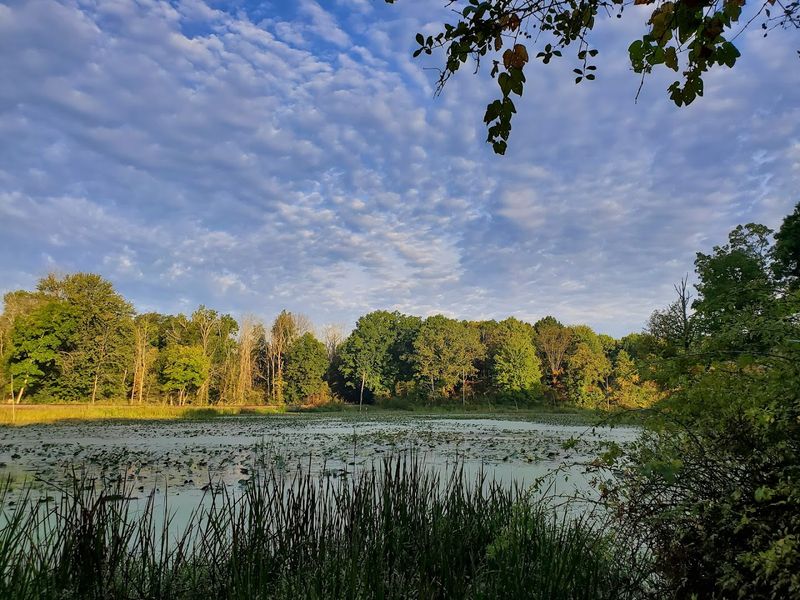
Tinkers Creek rewards the people willing to look past the obvious turnoffs.
Near Streetsboro in northeast Ohio, this preserve protects a rugged gorge system shaped by the state’s largest tributary to the Cuyahoga River.
It is steep, forested, and wonderfully moody in a way that feels older than the nearby highways.
The gorge scenery is the main draw.
Rocky slopes, mature trees, and glimpses of the creek below create a layered landscape that changes with light and season.
Autumn is especially striking, when the valley fills with color and every overlook starts acting like a show-off.
This preserve also contributes to a larger natural story in the region.
Tinkers Creek flows through habitat important for wildlife and water quality, connecting communities to a watershed many people cross without really seeing.
A visit makes that hidden geography feel suddenly personal.
Some areas are best appreciated from designated viewpoints and nearby trails, so check current access information before heading out.
Bring traction-friendly footwear if conditions are damp.
Tinkers Creek is not flashy in the tourist-brochure sense, but its quiet depth sneaks up on you and sticks around.
15. Dysart Woods
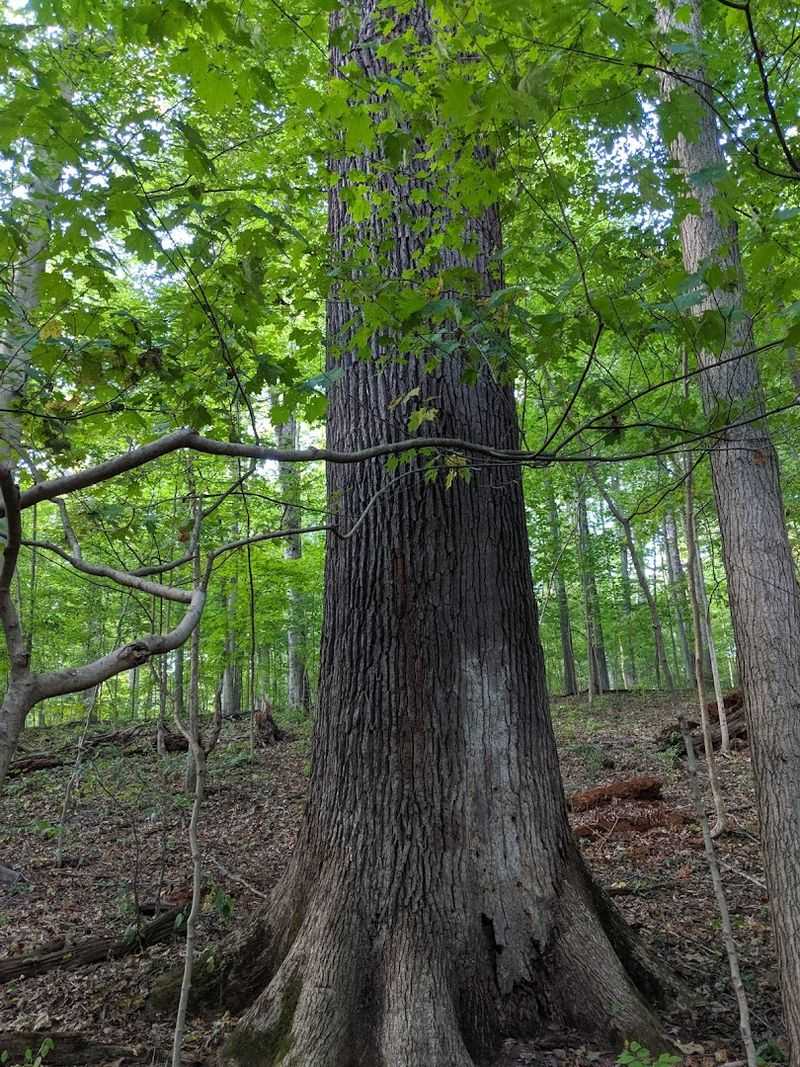
Near Bethesda in southeastern Ohio, this preserve protects one of the state’s finest remaining old-growth forests, where towering trees and rich understory create a sense of deep time.
Walking here feels less like sightseeing and more like entering a living archive.
Unlike places built around a single waterfall or cliff, Dysart Woods impresses through atmosphere.
Massive oaks, maples, beeches, and tulip trees rise overhead, while the layered forest floor hums with the quiet complexity of an ecosystem that has developed over centuries.
You notice scale differently when the oldest things around are still growing.
The preserve is also important for research and conservation.
Old-growth remnants like this help scientists understand forest dynamics, native species relationships, and what much of eastern Ohio once looked like before widespread clearing.
That knowledge gives each trail a subtle gravity.
Visit in late spring or early fall for especially rewarding color and texture.
Move slowly, listen carefully, and let the forest set the pace.
Dysart Woods proves that one of Ohio’s greatest wonders is not spectacle alone – it is age, resilience, and the rare privilege of seeing a woodland remember itself.