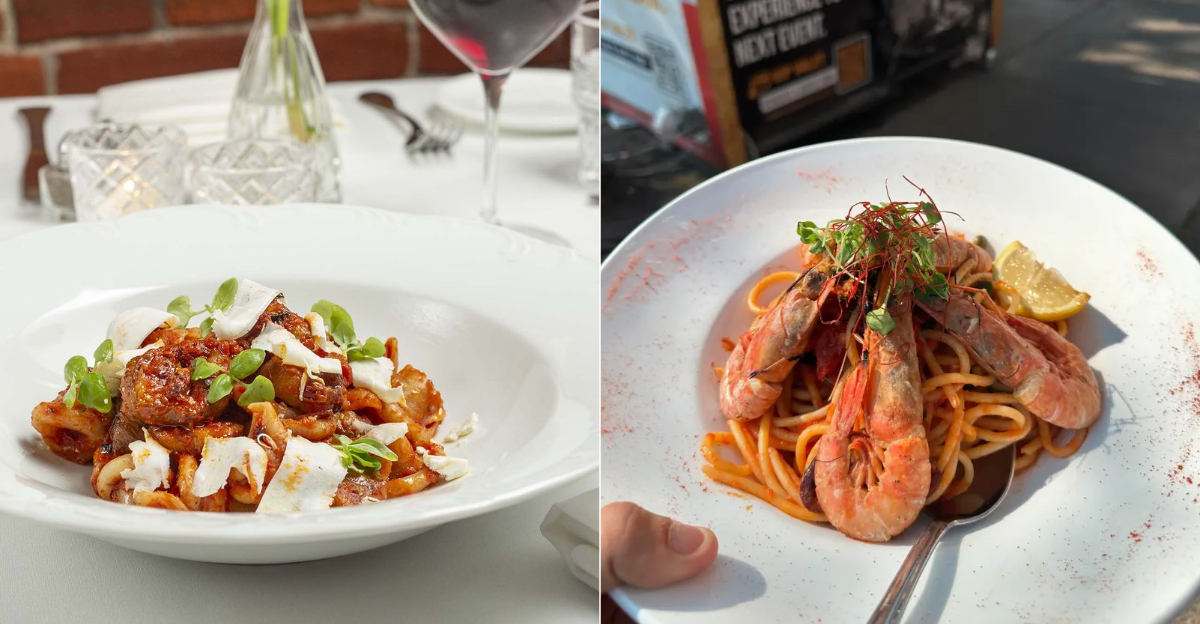
There is something deeply comforting about a generous bowl of warm pasta covered in a rich sauce that has simmered for hours.
In Ohio, that feeling of home-style comfort is no accident. It is the result of long-standing family recipes blending with a vibrant modern dining scene that stretches from Cleveland to Cincinnati.
Local trattorias and chef-driven kitchens continue to reject industrial shortcuts in favor of time-tested culinary practices, from carefully rolling fresh dough to slowly preparing ragù over low heat.
These restaurants offer more than a meal.
They provide a welcome escape from the pace of everyday life through dishes designed to satisfy on a deeper level.
The following guide explores 15 iconic restaurants across Ohio where every bite of pasta delivers the kind of comfort that has made Italian cooking beloved for generations.
Consider it a map to the places that have transformed classic Italian recipes into a lasting expression of hospitality and culinary craftsmanship.
Speck Italian Eatery – Columbus
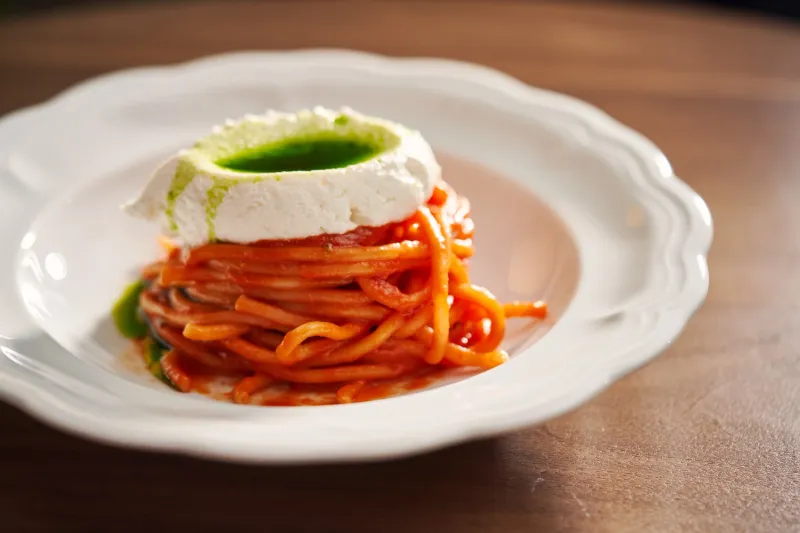
Inside this chef-driven restaurant, homemade pasta helps define a version of Italian cooking that feels current without cutting ties to tradition.
Seasonal produce, changing preparations, and a strong sense of composition give the menu momentum, yet pasta remains the clearest expression of the kitchen’s values.
Technique matters here because dough hydration, resting time, and finishing methods determine whether a dish feels heavy or alive.
Columbus has seen Italian food evolve far beyond red-sauce expectations, and this dining room helps explain that shift.
Menus can move with the market while still relying on old fundamentals such as stock building, careful reduction, and the disciplined use of fat, salt, and cheese.
Such details matter because modern Italian cuisine succeeds only when innovation respects structure.
You can taste that relationship in plates that feel polished but not distant.
Every bowl suggests a kitchen interested in precision rather than excess, and that makes the comfort more convincing.
Instead of nostalgia alone, the experience offers a view of how Ohio chefs continue reshaping Italian traditions through seasonality, craft, and thoughtful restraint.
Basi Italia – Columbus
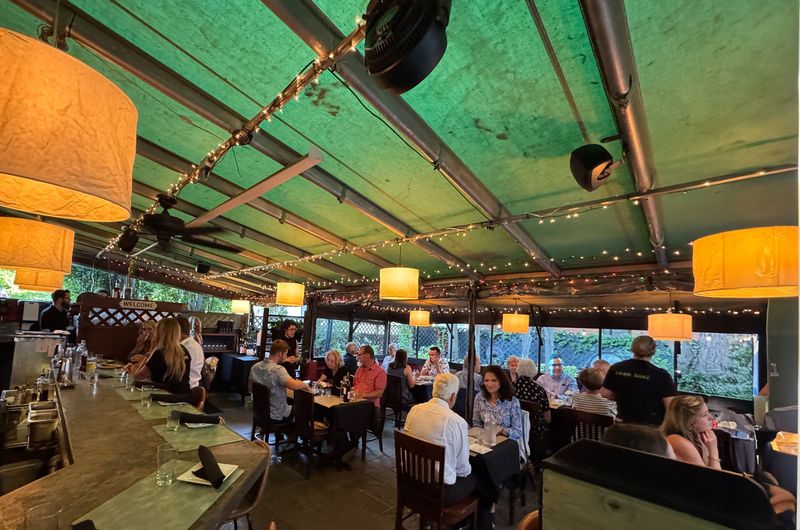
Tucked into a neighborhood setting, this long-admired restaurant shows how intimacy can become part of the flavor of a meal.
The rooms feel personal rather than theatrical, which suits a menu built around made-from-scratch dishes and the steady rhythm of a restaurant that has earned trust over time.
Consistency is the real achievement, because pasta comfort depends on guests believing the kitchen will deliver the same care on a busy night as it does on a quiet one.
Hospitality carries unusual weight here.
Servers, pacing, and the closeness of the space reinforce the idea that Italian dining is not only about recipes but also about how people are received.
That matters in Ohio, where neighborhood institutions often preserve culinary traditions by repeating them faithfully for years.
Instead of chasing novelty, the kitchen leans on durable strengths such as balanced sauces, well-cooked noodles, and dishes that feel grounded in practice.
You leave understanding why long-running Italian restaurants matter.
They become local memory banks, keeping familiar flavors in circulation while reminding diners that comfort food is often less about surprise than about reliability, atmosphere, and human warmth.
Vittoria-Powell
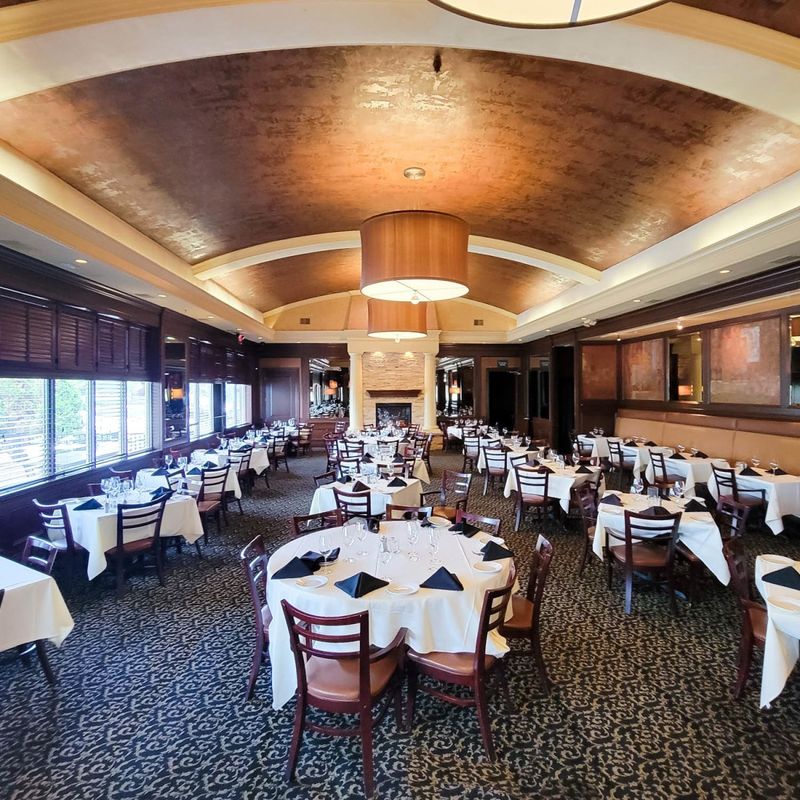
Family tradition is the lens that makes this restaurant meaningful, because the food is presented as part of a living inheritance rather than a branding device.
Fresh pasta carries that idea especially well.
Rolling dough, shaping pieces, and matching them to the right sauce are small acts of preservation that keep culinary heritage visible on the plate instead of leaving it as a story on the wall.
Hospitality strengthens the message.
In family establishments, the welcome often matters as much as the recipe, since Italian dining culture has long connected nourishment with generosity, pacing, and personal attention.
That framework helps explain why places like this remain important in suburban Ohio communities.
They give traditions room to continue outside large cities while making those customs accessible to new diners.
Signature pasta dishes feel comforting not simply because of richness, but because they come from a method handed down and repeated.
You can sense the value of continuity in sauces that favor depth over shortcuts and in textures that suggest practiced hands.
Preservation happens through repetition, and restaurants like this keep that repetition alive in an everyday setting.
Pasta Villa – Columbus
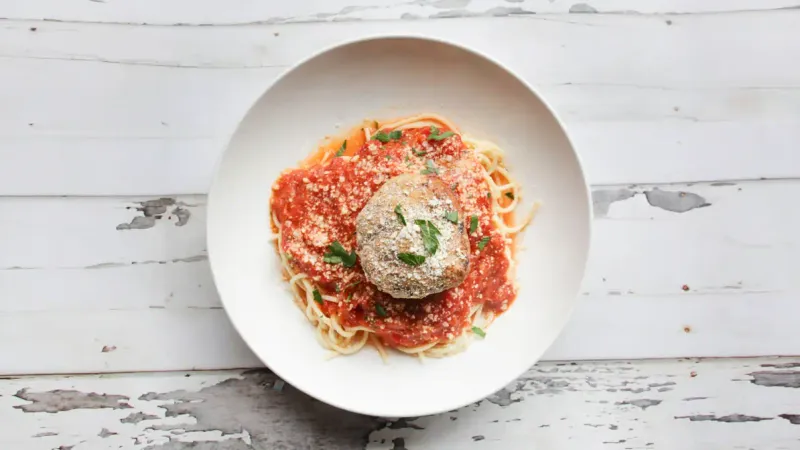
Classic Italian-American comfort is the main story here, and that distinction matters because it reflects a separate culinary history from strictly regional Italian cooking.
Red sauces, baked specialties, generous portions, and familiar combinations speak to the way immigrant traditions adapted to Midwestern tastes and ingredients over time.
Pasta becomes the center of neighborhood loyalty when dishes are recognizable, deeply sauced, and built to satisfy rather than interpret.
Signature favorites endure for a reason.
Long-simmered tomato preparations, hearty cheese use, and dependable noodle cookery create the sort of meal people return to when they want steadiness instead of novelty.
That return pattern is important because it shows how Italian-American restaurants become social anchors. Families celebrate there, regulars develop habits there, and community memory gathers around certain plates.
Comfort food heaven, in this case, is not about technical flourish. It is about knowing exactly what kind of warmth a dish will deliver before it reaches the table.
The continuing popularity of old-school pasta proves that culinary value is not always measured by reinvention.
Sometimes it is measured by how well a restaurant keeps a local craving alive across decades.
Sotto – Cincinnati
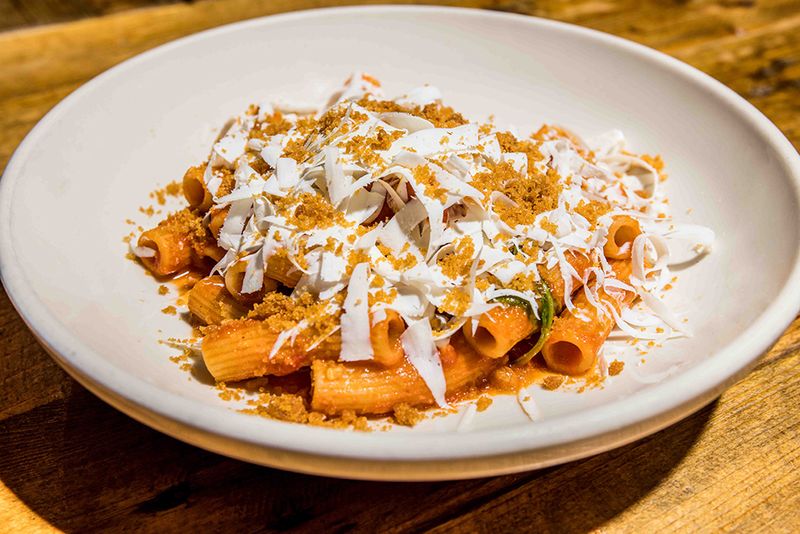
Beneath street level, this restaurant uses atmosphere to deepen the experience of regional Italian cooking rather than distract from it.
The underground setting feels intimate and controlled, which suits a menu where handmade pasta and disciplined plating carry much of the conversation.
Regional influences appear through ingredient choices, shape selection, and restrained sauce work that values proportion and texture.
Culinary artistry shows up in the details.
Dough thickness, filling balance, and finishing choices reveal a kitchen that understands authenticity as a framework, not a cage.
That balance matters because Italian food in America often swings between rigid imitation and careless fusion.
Here, innovation tends to stay tethered to recognizable principles, allowing the cooking to feel both rooted and alive.
Reservations can be hard to secure, and that demand says something about how seriously diners take pasta when craft is visible.
Instead of oversized comfort, you get a more concentrated kind of pleasure.
Every bite suggests intention, from the shape of the noodle to the final gloss of sauce.
The result is memorable because it respects regional tradition while still speaking clearly to contemporary Cincinnati dining culture.
Nicola’s – Cincinnati
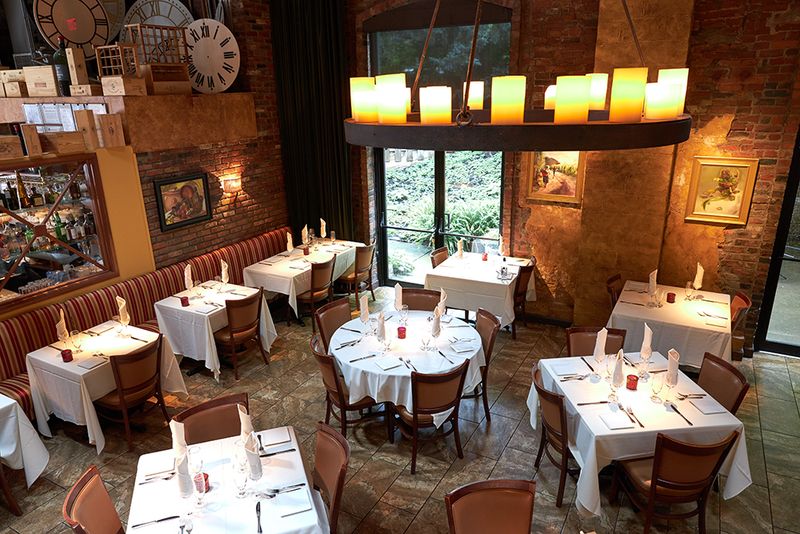
Fine dining has long shaped this restaurant’s reputation, but the real significance lies in how refinement is built from technique rather than ceremony.
Handmade pasta programs require planning, discipline, and trained hands, especially when the kitchen aims for delicacy, consistency, and precise sauce integration.
Quality ingredients matter more in that context because there is little room to hide weak flour, dull cheese, or mediocre produce behind excessive seasoning.
Cincinnati’s Italian food culture includes neighborhood spots and casual favorites, yet restaurants like this serve a different role.
They demonstrate that pasta can function within a serious culinary framework while still delivering comfort through texture, aroma, and patient craftsmanship.
Techniques associated with classic Italian cooking, from emulsion building to controlled reductions, help explain why the plates feel composed without seeming cold.
That contribution matters historically because fine dining institutions often train diners to notice the difference between abundance and precision.
You are encouraged to pay attention to noodle elasticity, sauce structure, and ingredient purity.
When a restaurant maintains those standards over time, it becomes part of the city’s broader education in Italian cuisine, showing that elegance and warmth do not have to pull in opposite directions.
Cento-Columbus
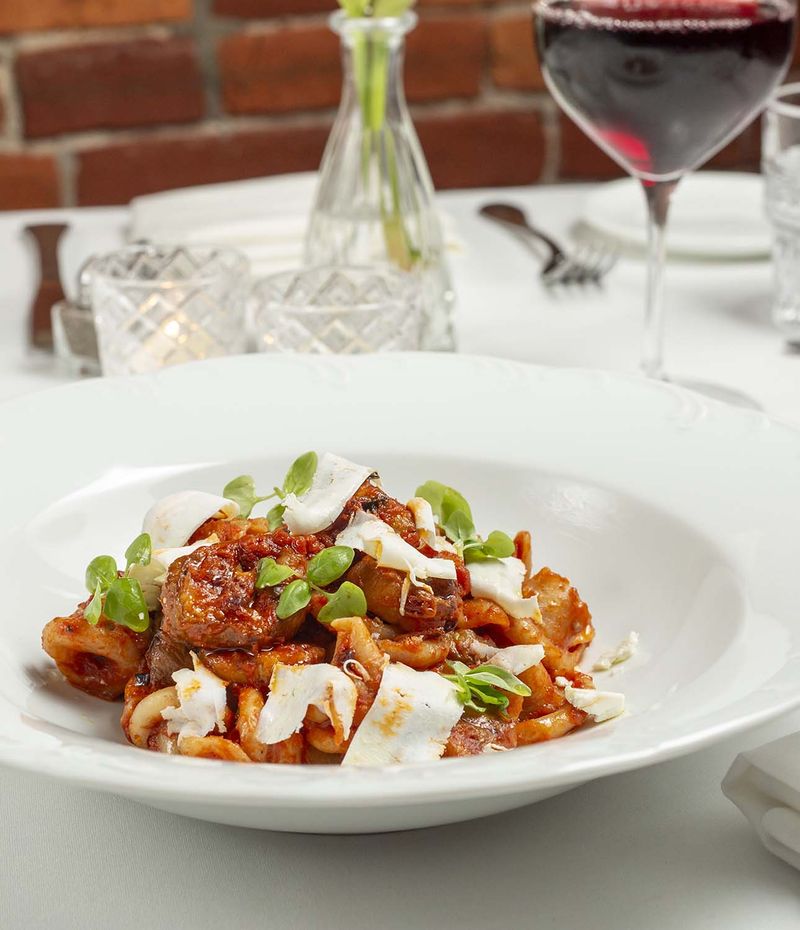
At this modern Short North restaurant, pasta works as a bridge between contemporary technique and older Italian foundations.
Menus often reflect regional references without turning academic, so you notice balance, restraint, and ingredient clarity before anything else.
Doughs are handled with precision, sauces stay focused, and the kitchen’s sourcing matters because excellent flour, cheese, herbs, and preserved staples shape the final texture more than flashy garnish ever could.
Rather than treating tradition as a museum piece, the cooking shows how Italian ideas can move comfortably through a current Ohio dining room.
Seasonal changes influence the menu, yet the core appeal stays tied to handmade noodles, careful emulsions, and the patience required for properly layered flavor.
That approach is important because it explains why pasta still reads as comfort food even in a polished setting.
You are not just tasting a plate assembled for appearance.
You are tasting the labor behind rolled sheets, the discipline behind sauce consistency, and the regional logic that keeps modern Italian cooking grounded.
Pepp & Dolores – Cincinnati
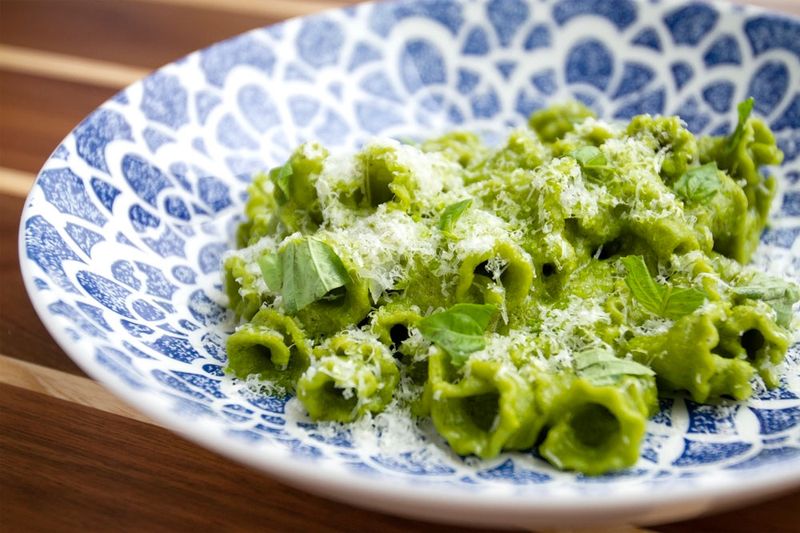
Fresh pasta production sits at the heart of this popular Cincinnati restaurant, but the broader appeal comes from how approachable that craftsmanship feels.
The menu leans into simple ingredients and familiar combinations, proving that flour, eggs, butter, cheese, herbs, and slow-cooked components can still create serious depth when handled with care.
Affordability matters here because it allows handmade pasta to stay connected to everyday dining rather than becoming a special-occasion language only.
Family traditions echo through the style of cooking, especially in dishes where technique serves comfort instead of complexity.
Fresh sheets and shaped noodles demand repetition, timing, and tactile knowledge, and that labor is important precisely because the final plates appear so effortless.
Crowded dining rooms and strong reservation demand often signal more than trendiness.
They suggest that people recognize craftsmanship even when it is presented casually.
This place helps explain why pasta remains such a powerful comfort food.
The ingredients are modest, the methods are old, and the results feel immediate.
Nothing about that formula is accidental.
Simple food only works at a high level when the kitchen respects process, and this restaurant makes that lesson easy to taste.
Pastaio – Columbus
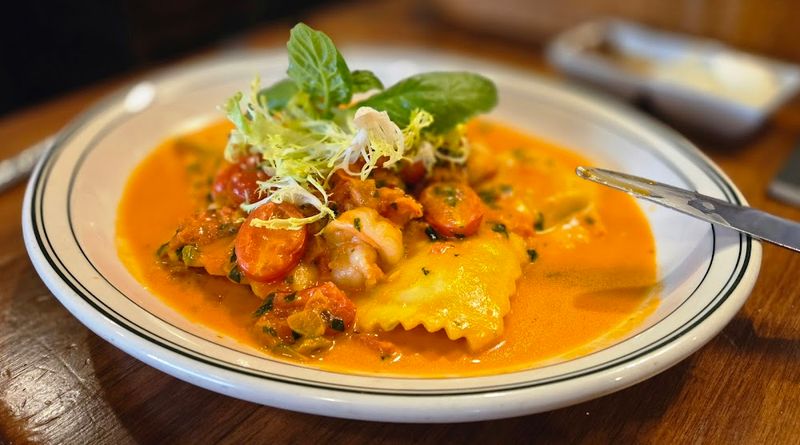
Daily pasta production gives this Columbus destination a clear identity, and that focus is important because freshness changes both flavor and structure.
Ravioli, gnocchi, and other shapes ask for different handling, from dough elasticity to filling moisture to cooking tolerance.
Artisanal technique becomes visible in these differences, reminding diners that pasta is not one category but a system of forms that each demand their own logic.
Growing appreciation for handmade noodles in Ohio has a lot to do with places that make the process tangible.
When production happens regularly and with intention, guests can better understand why fresh pasta cooks differently, absorbs sauce differently, and carries a softer but more precise bite than dried versions. Quality ingredients support that education.
Good ricotta, proper potatoes, strong semolina, and balanced seasoning all matter because there is nowhere for flaws to hide.
This kind of restaurant helps move pasta from generic comfort into studied craft without losing warmth.
You still get the pleasure of a bowl that satisfies deeply, but you also notice technique working underneath the surface.
That combination makes the experience valuable for both casual diners and anyone curious about how pasta earns its reputation.
Pelino’s Pasta – Columbus
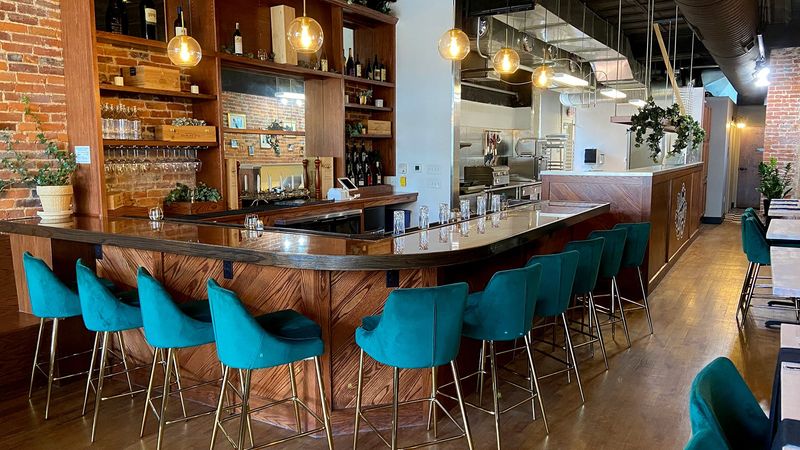
Specialization defines this restaurant, and that narrow focus is exactly what makes it compelling.
Small batch production allows close control over dough consistency, filling texture, shape integrity, and the timing required to finish delicate pasta correctly.
Precision matters here because fresh pasta is technically unforgiving. A slight mistake in hydration, rolling, or cooking can flatten the entire dish.
Regional Italian influences provide structure without making the menu feel repetitive.
Different shapes and preparations point back to distinct traditions, showing how geography informs flour choice, sauce pairing, and even the acceptable thickness of a noodle.
That technical seriousness is worth noticing because it explains why excellent pasta often seems simple while demanding intense concentration behind the scenes.
In a city with growing respect for handmade noodles, places like this sharpen the conversation.
They encourage diners to think about batch size, repetition, and restraint as markers of quality. Nothing needs to be oversized when the craftsmanship is this deliberate.
Comfort arrives through exactness rather than excess.
You taste the reward in clean edges, balanced fillings, and sauces that support rather than bury the pasta, which is ultimately the clearest sign of confidence in the product itself.
Cucina di Spirito – Columbus
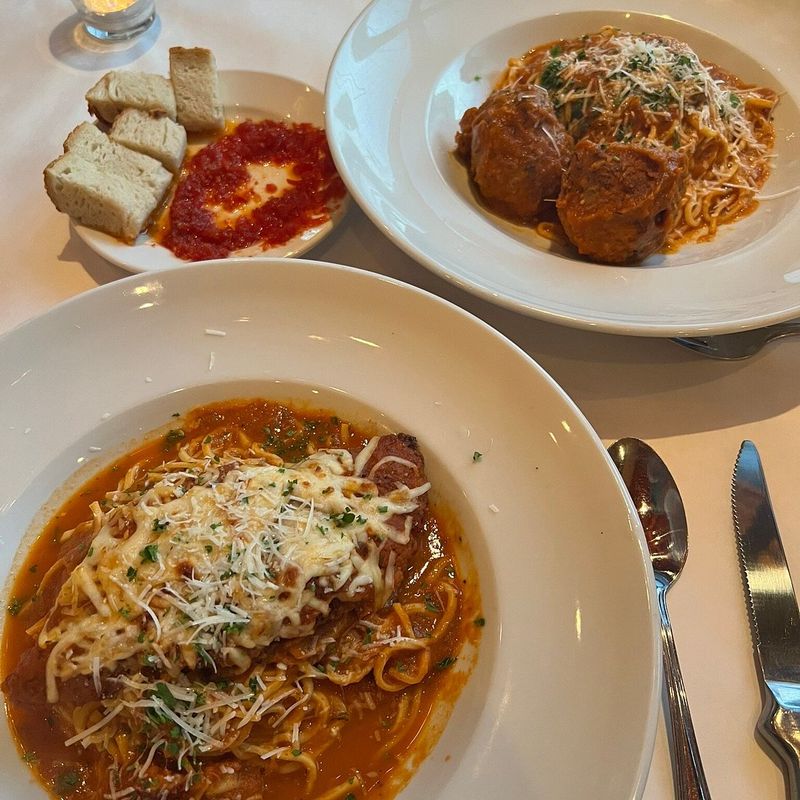
Tuscan influence gives this Columbus restaurant a distinct lane within the state’s wider Italian scene.
That regional foundation matters because Tuscan cooking often favors direct flavors, careful use of ingredients, and a balance between rustic simplicity and disciplined technique.
Fresh produce, olive oil, herbs, cheeses, and properly prepared proteins all support pasta dishes that feel rooted rather than generic.
Family tradition remains central to the experience, not as decoration but as an organizing principle for the menu and hospitality.
Regional recipes carry meaning when they are repeated with understanding, and modern cuisine becomes more persuasive when it keeps that lineage visible.
Here, the relationship between old and new seems especially important.
Contemporary presentation can refine a plate, yet the core appeal still depends on the honesty of the ingredients and the patience of the cooking.
That is why Tuscan-inspired pasta can feel so comforting.
The flavors are usually clear, the sauces tend to respect the noodle, and the dishes avoid unnecessary complication.
In Ohio, restaurants that interpret specific Italian regions help broaden public understanding of pasta beyond a single stereotype.
They show that comfort can come through regional identity as much as through nostalgia.
The Twisted Olive – Canton
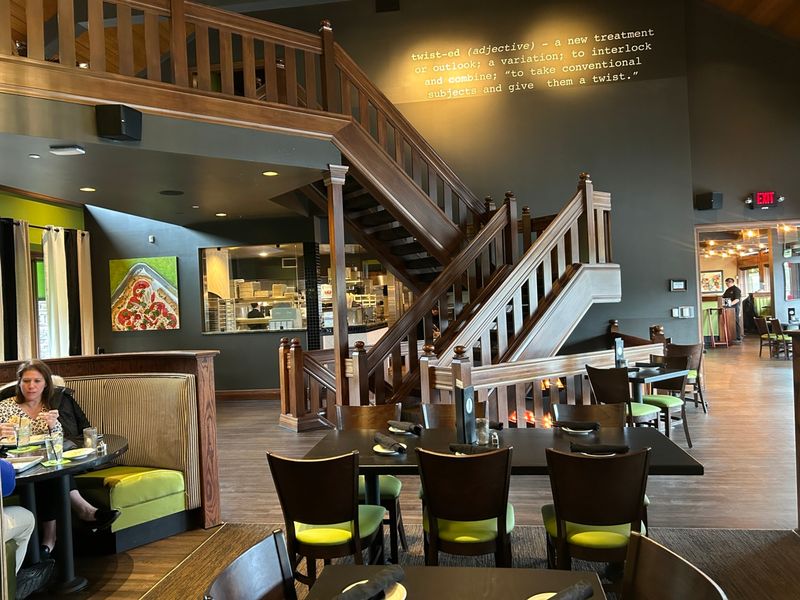
Scale is part of the story at this Canton restaurant, where large dining spaces and event energy intersect with classic Italian comfort food traditions.
That matters because maintaining quality in a high-volume environment requires strong systems, especially for house specialties that guests expect to taste the same every time.
Pasta succeeds in those settings when sauces are reliable, preparation lines are disciplined, and kitchens understand how to deliver abundance without losing structure.
Community gathering is another important piece.
Restaurants of this size often become sites for celebrations, business dinners, and family milestones, which gives familiar pasta dishes a social role beyond simple eating.
Classic favorites endure because they travel well across generations and group sizes.
A broad audience can agree on baked pasta, hearty sauces, and recognizable Italian-American combinations, and that shared comfort keeps these places busy.
The continued popularity of such dishes is not trivial.
It shows how pasta remains one of the easiest ways for restaurants to create common ground.
House specialties become part of local routine, and repeated visits turn certain plates into tradition.
In that sense, hospitality at scale still depends on the same old promise: warm food, dependable flavor, and room for people to gather around it.
Giovanni’s – Cleveland
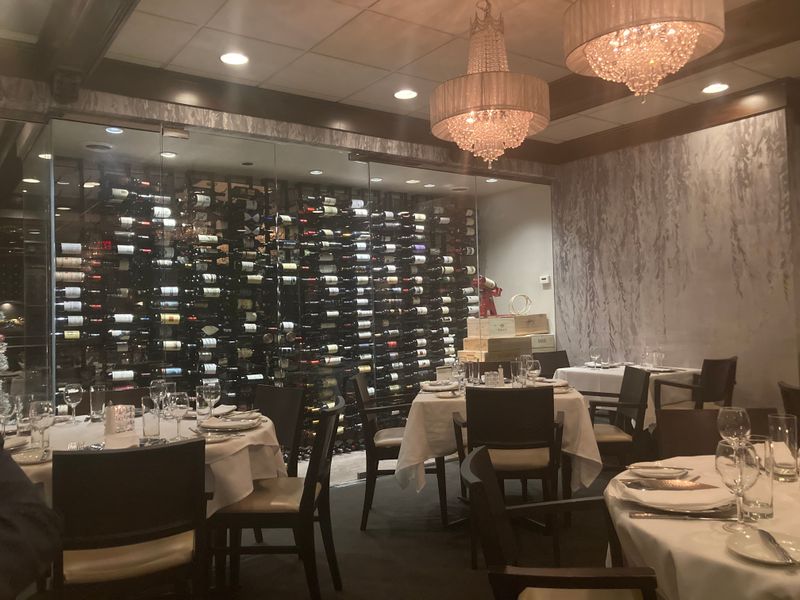
Longevity gives this Cleveland institution its authority, but history only matters when standards are maintained.
Refined Italian cuisine here is tied to discipline, repetition, and a reputation built over many years of meeting expectations.
Pasta craftsmanship plays an important role because a restaurant with this kind of standing cannot rely on nostalgia alone.
It has to keep demonstrating control through execution.
Established standards are visible in the details that separate polished dining from merely formal dining. Sauces need depth without heaviness, noodle texture must stay exact, and the overall composition has to reflect both classical technique and experienced judgment.
That historical reputation matters within Cleveland because long-running restaurants often define what a city understands as excellent Italian food.
They become reference points.
Diners measure newer places against them, whether consciously or not. In that way, a restaurant like this helps preserve continuity while also setting a technical benchmark.
Comfort does not disappear in refined settings. Instead, it becomes quieter and more exact.
You feel it in the confidence of a plate that does not oversell itself.
Consistent pasta cookery, thoughtful balance, and the weight of tradition combine to make the experience feel enduring rather than simply old.
Mia Bella – Cleveland
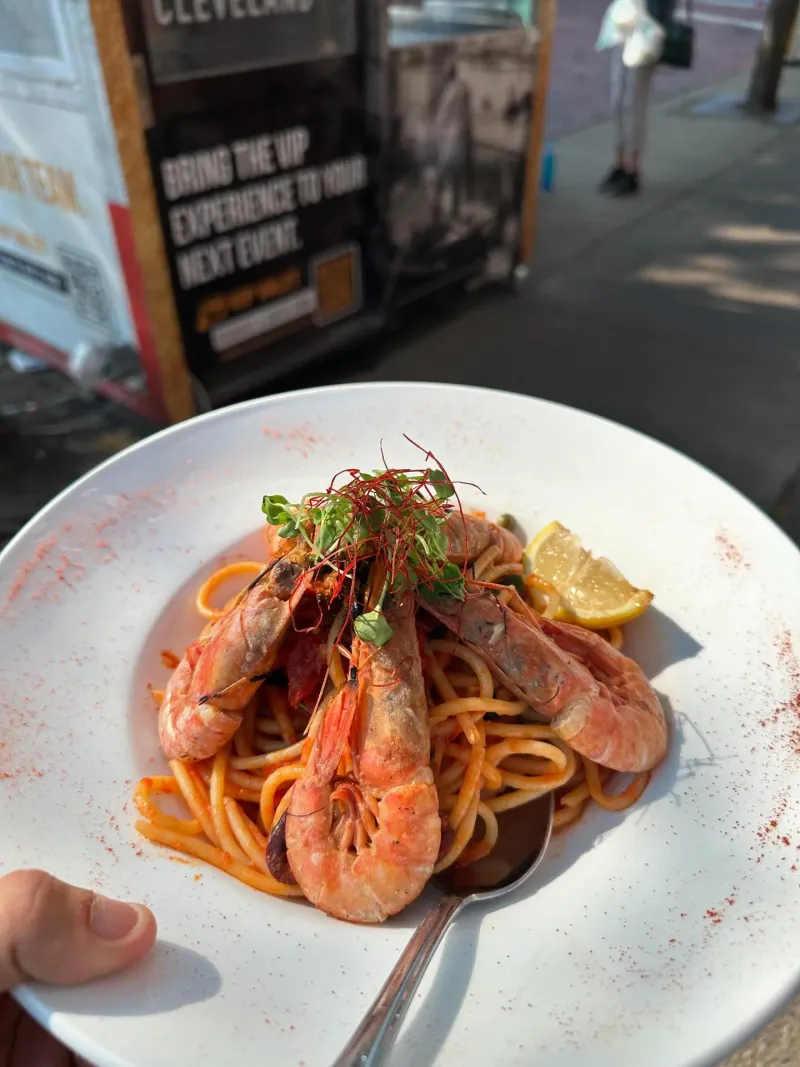
Neighborhood dining culture is the key to understanding this Cleveland restaurant, especially within a city where Italian-American food still carries deep local meaning.
Family recipes and home-style cooking help shape an atmosphere that feels connected to daily life rather than special-occasion performance.
Pasta has unusual emotional power in places like this because it comes wrapped in memory, routine, and the sense that someone has been making versions of these dishes for a very long time.
Community ties matter as much as the menu.
Regulars return for flavors they recognize, newcomers learn the neighborhood through the dining room, and Italian-American traditions stay visible through repeated service rather than abstract storytelling.
That social continuity helps explain why home cooking remains so persuasive.
A familiar tomato sauce, a baked pasta dish, or a carefully prepared noodle plate can say more about belonging than a highly conceptual menu ever could.
In practical terms, the food works because the recipes are built for comfort, not display.
Yet that simplicity is not accidental. It relies on balance, timing, and consistency.
Restaurants grounded in community show that pasta does more than feed people.
It also preserves identity, linking household traditions to public life one dependable plate at a time.
Bruno’s Ristorante – Cleveland

Family ownership gives this Cleveland restaurant its strongest foundation, because continuity across generations shapes both the food and the expectations around it.
Traditional Italian recipes gain force when they are repeated by people who treat them as household knowledge rather than temporary menu concepts.
Pasta specialties sit at the center of that relationship, offering the kind of comfort that depends on familiarity, stable technique, and a clear understanding of what guests return for.
Consistency is especially important in multigenerational establishments.
Diners often come back hoping to find the same sauce character, the same noodle texture, and the same feeling of being looked after that defined earlier visits.
That reliability is not boring.
It is the mechanism that turns a restaurant into part of a family’s own tradition.
The appeal of comfort food comes from trust, and trust is built one accurately repeated plate at a time. Here, old recipes and dependable execution matter more than chasing novelty.
You can see why such places endure in Ohio.
They preserve an accessible form of Italian dining where generosity, recognizable pasta dishes, and continuity across decades still hold enormous value.
In a changing restaurant landscape, that kind of steadiness feels increasingly meaningful.