Warm air settles over Ohio’s forests and river valleys, where limestone outcrops, quiet creek beds, and old quarry walls still hold traces of an ancient ocean. In these landscapes, the ground beneath your feet is far older than it looks, shaped long before forests or farmland ever existed.
Ohio’s fossil sites offer a rare chance to step directly into deep time. From public fossil beds where visitors can search for ancient marine life to museums and nature preserves that reveal the story of a vanished seafloor, the experience blends discovery with education in a way that feels both hands-on and accessible.
Crinoids, trilobites, brachiopods, and coral fragments are just some of the remnants waiting to be found or understood.
This guide explores 12 Ohio places where ancient fossils are still waiting to be discovered, helping you find destinations where geology, history, and curiosity meet in the most unexpected ways.
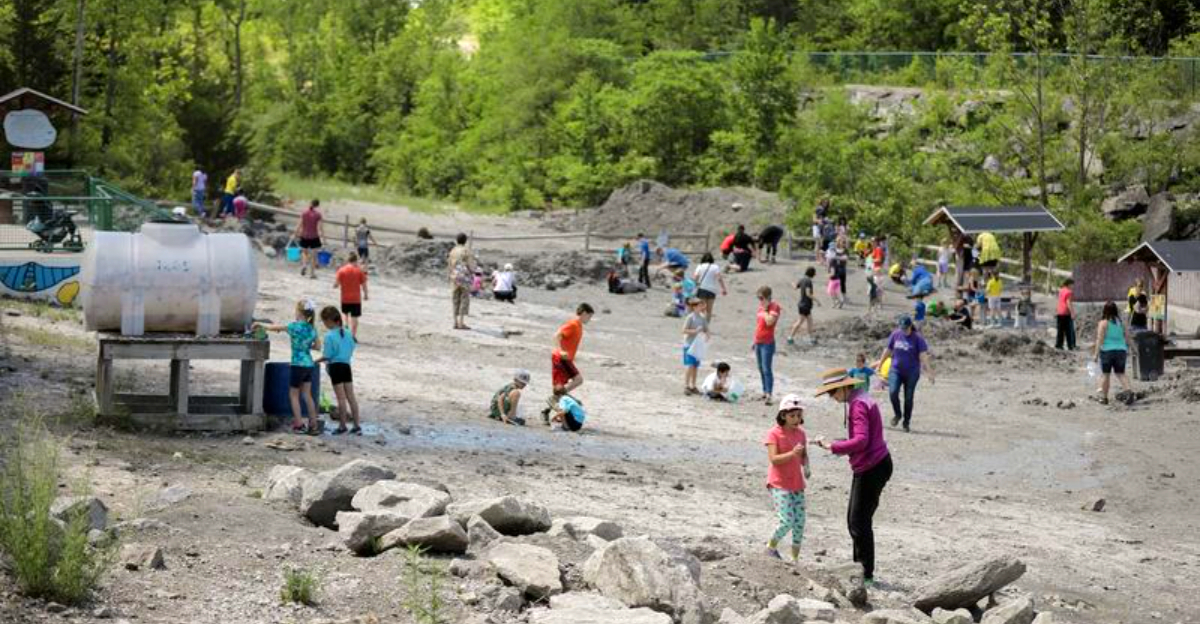
Caesar Creek Spillway
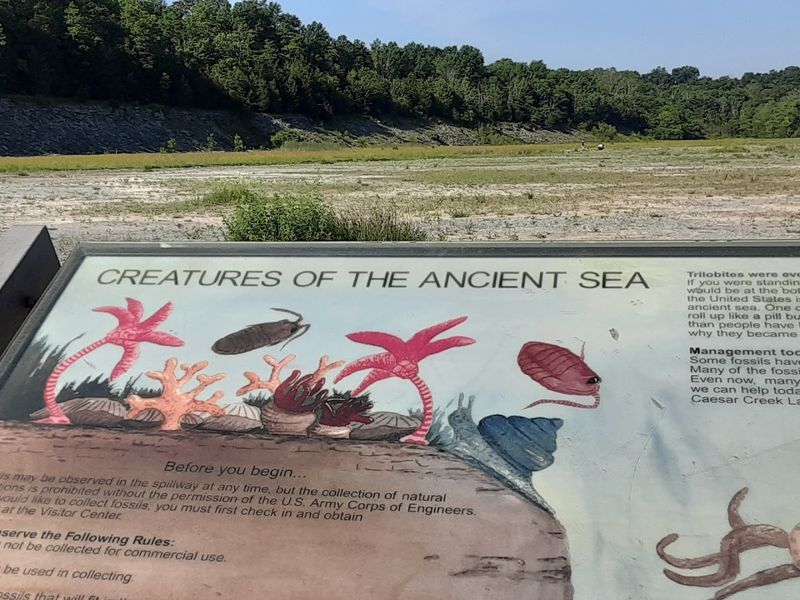
Few places in Ohio feel more thrilling for fossil hunters than a broad, rocky spillway where ancient marine life appears in plain sight. The exposed layers here are famous for producing Ordovician finds, and even beginners quickly understand why collectors talk about this place with real excitement.
That destination is Caesar Creek Spillway, widely considered the state’s premier fossil hunting site.
You can spot brachiopods, bryozoans, horn corals, crinoid pieces, and occasional trilobite material if conditions are right. The best approach is slow and patient, especially after rain or fluctuating water levels reveal fresh surfaces.
Sturdy shoes and a small hand lens make a big difference.
What makes this site special is the sheer consistency of fossil-bearing rock. Families, hobbyists, and serious collectors all find reasons to come back.
Public access has helped make it legendary.
If you want the classic Ohio fossil experience, this is the place to prioritize first. Rules can change, so check current guidance before visiting.
Come prepared, and you may leave with ancient ocean history in your hand.
Caesar Creek Lake Visitor Center
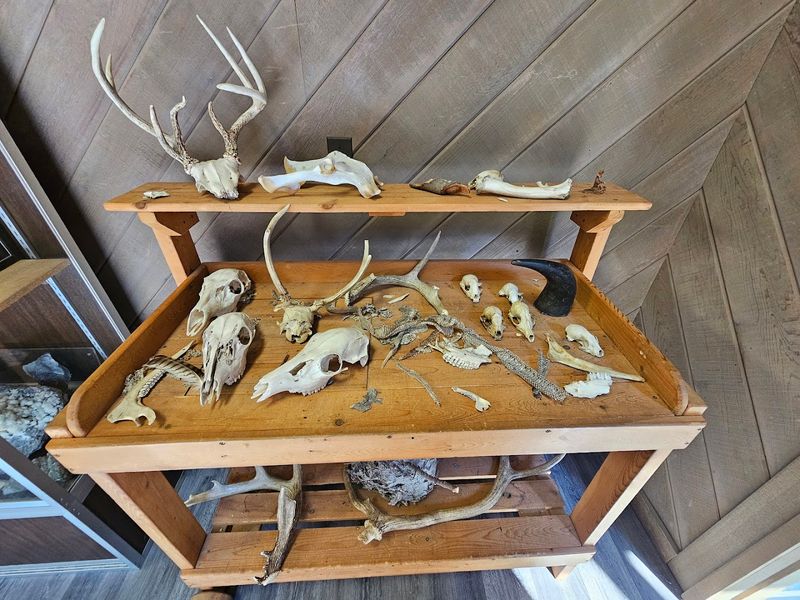
Sometimes the smartest fossil stop is not the rocky ground itself but the place that helps you understand what you are holding. Displays, specimens, and seasonal programming can turn a confusing pile of stone into a vivid story about ancient seas.
That is exactly why the Caesar Creek Lake Visitor Center deserves a place on this list.
Here, you can learn how to identify common Ordovician fossils before or after heading into the field. Exhibits often highlight trilobites, brachiopods, corals, and other marine life found nearby.
Seasonal Fossil Saturdays led by naturalists have made this center especially useful for beginners.
The visitor center adds context that many collecting sites cannot provide on their own. Instead of guessing, you get a clearer sense of age, environment, and preservation.
That educational layer makes every later discovery more satisfying.
If you are traveling with children or simply want a stronger foundation, this stop is worth your time. It pairs perfectly with a field visit to Caesar Creek.
In many ways, it is where curiosity becomes confidence.
Trammel Fossil Park
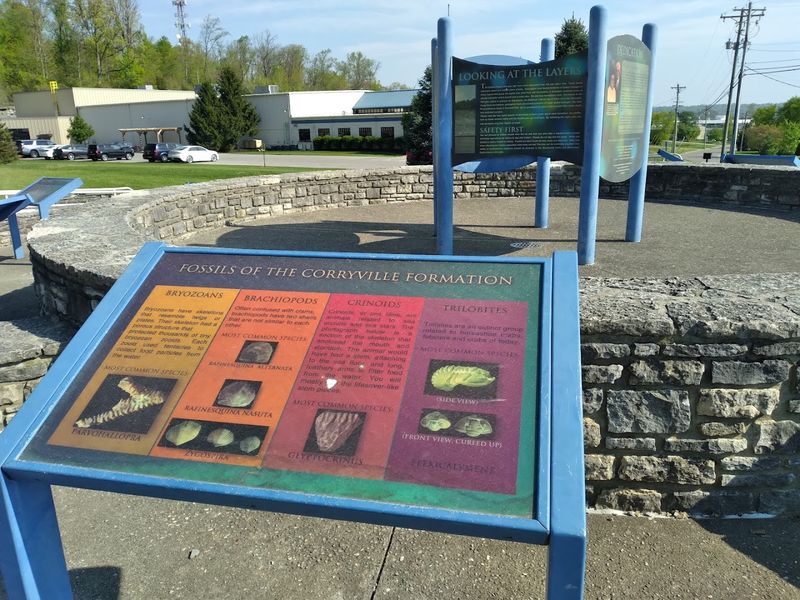
There is something wonderfully democratic about a site where almost anyone can arrive with simple tools and a sense of curiosity. The excitement builds quickly when you realize the ground is packed with remnants of a Devonian sea.
That welcoming experience defines Trammel Fossil Park, one of the best free public fossil parks in the country.
Located in Sharonville, this park is known for fossil-rich shale and limestone where visitors commonly find brachiopods, corals, crinoid fragments, and other marine invertebrates. It is open year-round, which adds to its reputation as an accessible favorite.
You do not need expert knowledge to have a productive visit.
The site feels especially rewarding because collecting is hands-on and straightforward. Families often leave with real specimens and a stronger appreciation for deep time.
It is both educational and genuinely fun.
Bring eye protection, sturdy footwear, and realistic expectations about weather and ground conditions. Trammel Fossil Park is popular for good reason.
If you want a free, public, and proven fossil destination, this one absolutely belongs on your itinerary.
Fossil Park (Sylvania Fossil Park)
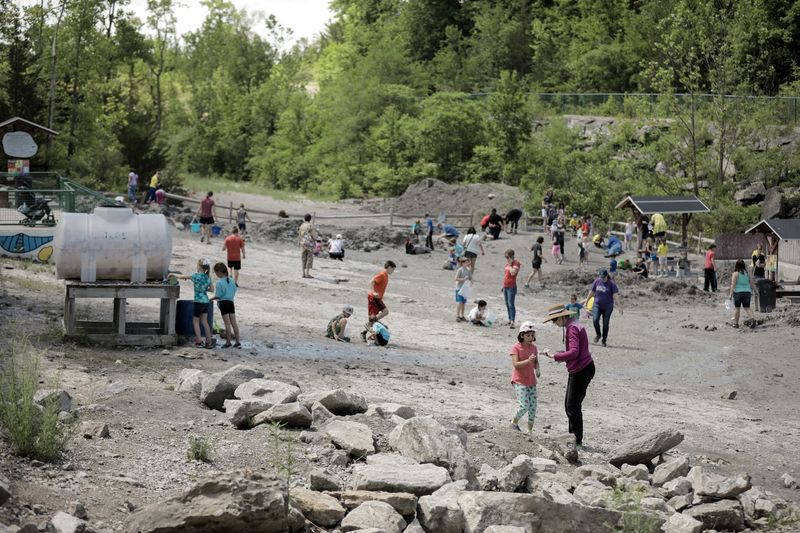
Sunken quarry walls, layered stone, and the promise of ancient reef life give this site an atmosphere that feels instantly memorable. It is the kind of place where every broken slab invites a closer look.
In northwest Ohio, that experience is best known at Sylvania Fossil Park, often simply called Fossil Park.
This former quarry exposes Devonian rock famous for marine fossils, especially corals, brachiopods, and occasional trilobite material. Because it is a public collecting site, it attracts everyone from curious kids to experienced hobbyists.
The setting makes geology feel visible in a way many parks never quite achieve.
One reason people love this park is the combination of easy access and genuinely interesting specimens. You can spend an hour here or settle into a longer search.
Either way, there is a strong chance you will see evidence of an ancient reef ecosystem.
As always, check local rules, safety guidance, and seasonal conditions before you go. Fossil Park remains one of Ohio’s most recognizable places to collect responsibly.
It is a classic stop for good reason.
Oakes Quarry Park
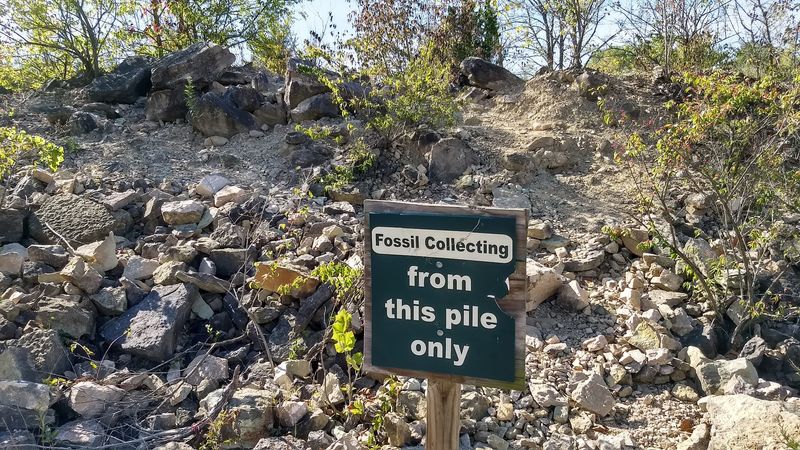
Quiet trails and old quarry walls do not always announce their significance right away, but this landscape tells an extraordinary geological story. What looks calm on the surface once held a thriving Devonian reef ecosystem.
Today, that history is preserved at Oakes Quarry Park, one of the Dayton area’s most interesting fossil-related stops.
Unlike a pure collecting destination, this park blends exposed fossil-bearing limestone with interpretive displays and walking paths. Visitors can learn how the ancient reef formed and see evidence of marine life within the rock.
That educational structure makes the site especially appealing if you enjoy context as much as discovery.
The park works well for families, casual explorers, and anyone who prefers a more scenic pace. You are not just searching for loose specimens.
You are reading a landscape shaped by deep time.
Because Oakes Quarry Park emphasizes interpretation, it stands out from more excavation-focused sites on this list. It rewards careful observation and curiosity.
If you want fossils, geology, and a thoughtful outdoor setting together, this is an excellent choice.
Paulding County Community Fossil Garden
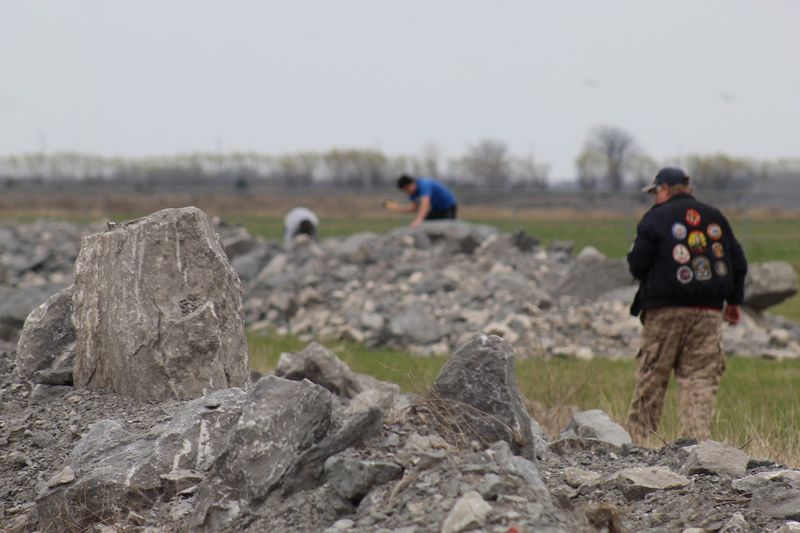
Not every memorable fossil experience requires dramatic cliffs or sprawling quarry walls. Sometimes the most inviting places are the ones built specifically to help families and beginners succeed.
That friendly spirit defines the Paulding County Community Fossil Garden, a small but meaningful stop for hands-on discovery.
The site uses fossil-bearing limestone donated by a local quarry, giving visitors a chance to search through material known to contain ancient marine life. Because the format is approachable, children can participate without feeling overwhelmed by rough terrain or complex collecting rules.
It is a smart introduction to what fossils look like in real stone.
Community-focused sites like this matter because they lower the barrier to entry. You can learn observation skills, compare shapes, and start recognizing common fossil textures.
That confidence often leads to bigger adventures later.
If you are planning a family road trip or looking for a gentler starting point, this garden is easy to appreciate. It may be modest compared with Ohio’s giant-name sites.
Still, its educational value and accessibility earn it a deserving spot here.
Flat Run Fossils
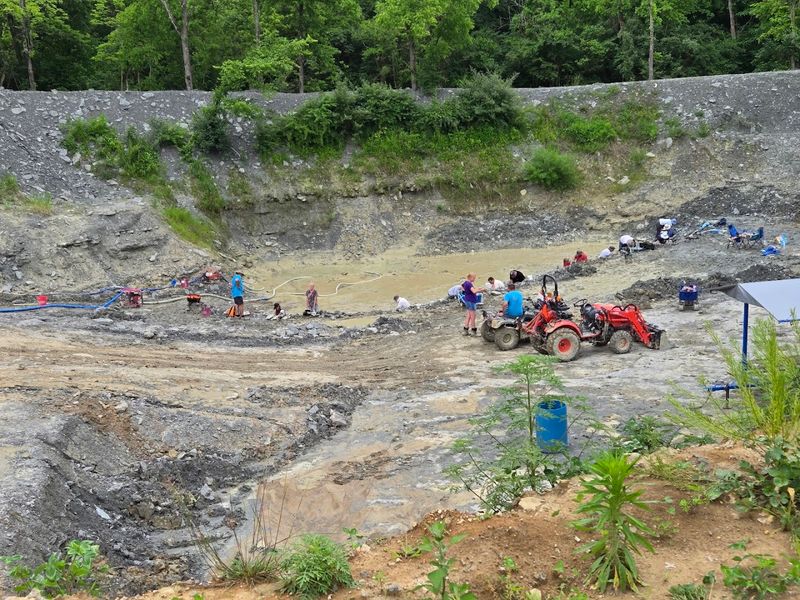
A guided dig can completely change the way you experience fossil hunting, especially when the site is managed with expertise and purpose. Instead of wandering and hoping, you get access to productive ground and practical advice.
That is the appeal of Flat Run Fossils, a private fossil farm known for rewarding experiences.
Because visits are typically guided, beginners often learn faster here than they would at a public self-directed site. The property has built a reputation for marine fossils and for giving visitors a strong chance of finding quality specimens.
Instruction about layers, tools, and techniques adds real value.
The atmosphere tends to feel more focused than a casual park stop, which many collectors appreciate. You are there to dig, observe, and understand what you find.
That structure can make each discovery feel more meaningful.
Before planning a trip, verify reservation details, hours, and any collecting policies. Private operations can change access based on season or scheduling.
If you want a more curated fossil adventure in Ohio, Flat Run Fossils is worth serious consideration.
House of Phacops
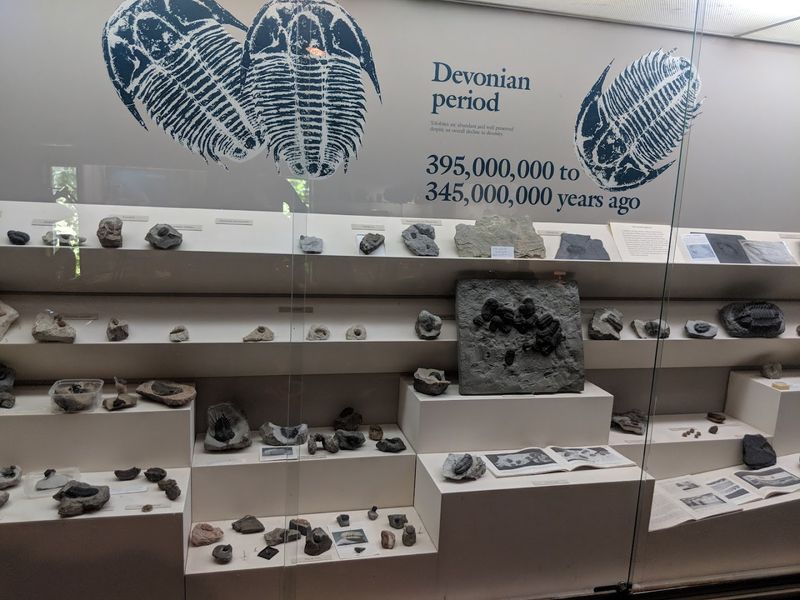
For some fossil hunters, the dream is not just finding something ancient but learning from people who know exactly where to look and what matters. Professional guidance can turn a good day into a remarkable one.
That is why House of Phacops stands out among fossil experiences connected to Ohio enthusiasts.
Known for guided collecting trips and a strong reputation among hobbyists, this organization focuses heavily on trilobites and other Paleozoic fossils. The expertise involved helps visitors understand preservation, extraction, and identification at a deeper level.
That can be especially valuable if you want to move beyond casual collecting.
Another strength is the sense of purpose that comes with organized fieldwork. You are not simply scanning random stones.
You are participating in a more informed search shaped by experience.
Availability, locations, and trip details can vary, so it is important to review current offerings before planning. For collectors who want mentorship as much as specimens, House of Phacops offers a compelling path.
It brings skill, strategy, and enthusiasm together in a memorable way.
Hueston Woods State Park
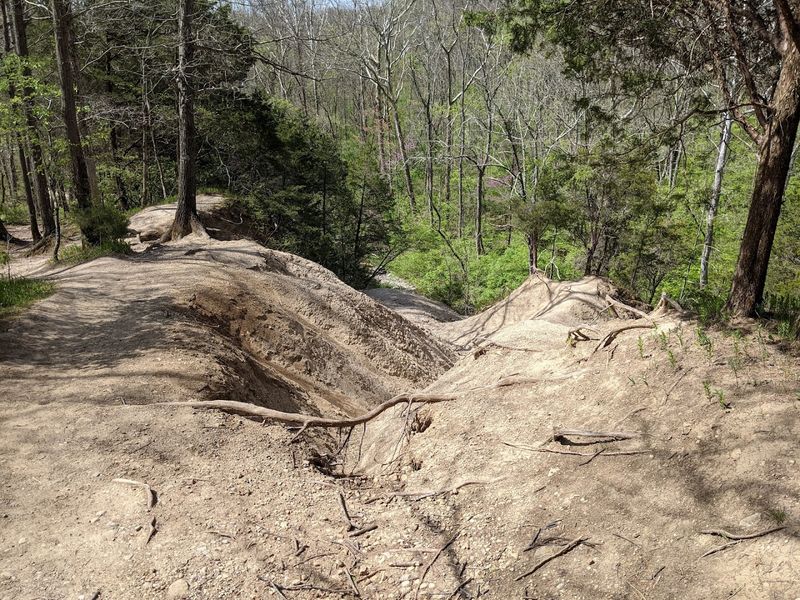
Dense woods, ravines, and quiet stream corridors create the kind of setting where discovery feels earned rather than guaranteed. This is not Ohio’s easiest fossil stop, but that challenge is part of its charm.
Hueston Woods State Park offers occasional fossil opportunities within a scenic outdoor experience.
The park contains Ordovician rock exposures, particularly along streams and certain trails, where observant visitors may notice marine fossils in the stone. Finds here are generally less straightforward than at famous collecting hotspots like Caesar Creek.
Still, the geology is real, and the potential keeps curious explorers looking closely.
This destination works best if you already enjoy hiking and want fossils to be part of a broader day outside. You are just as likely to appreciate the landscape, forest, and water as the specimens themselves.
That balance can be very satisfying.
Because conditions vary, it helps to research park guidance and remain respectful of local rules. Hueston Woods is more subtle than spectacular for fossil hunting.
Even so, it belongs on this list for its geological interest and accessible natural beauty.
Akron Fossils & Science Center
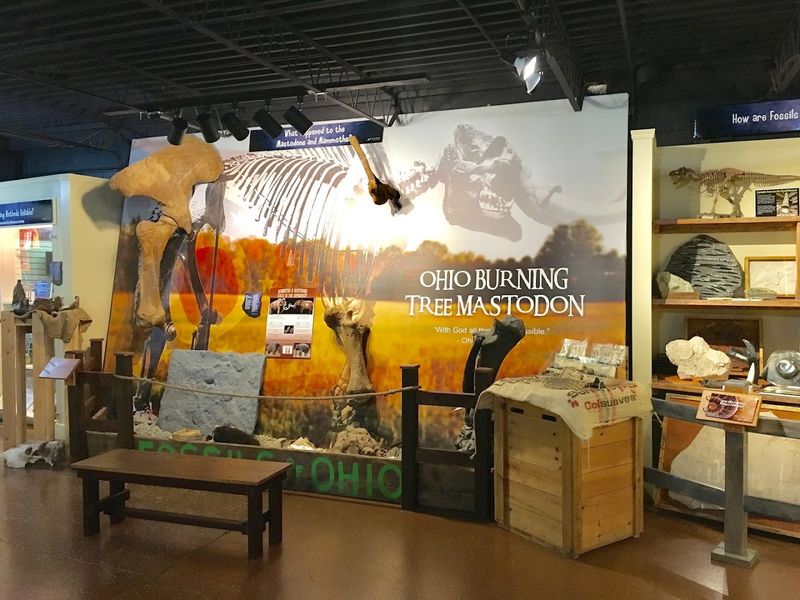
Sometimes the best way to appreciate ancient life is indoors, where displays, labels, and hands-on exhibits make the big picture easier to grasp. A museum can deepen your fossil hunting by showing how individual finds fit into Earth’s longer story.
That is where the Akron Fossils & Science Center becomes especially valuable.
This educational center features extensive fossil exhibits alongside broader science programming, making it more than a simple display hall. Visitors can explore paleontology through models, specimens, and interactive learning opportunities.
It is especially helpful for children who need a visual and tactile introduction to the subject.
What I like about places like this is how they connect field excitement with understanding. You start to see fossils not just as objects, but as evidence of entire vanished ecosystems.
That shift makes outdoor collecting feel richer.
If your trip includes families, homeschool planning, or rainy-day flexibility, this center deserves attention. It may not be a collecting site, but it supports the fossil journey beautifully.
Education is part of discovery, too.
Flint Ridge State Memorial
Not every ancient story in Ohio is told through shells, trilobites, or reef debris. Some places matter because they reveal the deep geological foundations that shaped human history as well as natural history.
Flint Ridge State Memorial is one of those places, and it adds important context to any Ohio geology itinerary.
This nationally significant site is famous for its high-quality flint, used by Indigenous peoples for thousands of years. While it is not primarily a fossil hunting destination, it showcases ancient formations that help visitors think about Ohio’s prehistoric landscape in a broader way.
The exhibits and trails make that story easier to appreciate.
Adding Flint Ridge to a fossil-themed trip expands your perspective beyond collecting alone. You begin to notice how rock, time, and human use intersect across the state.
That wider lens is valuable.
If you enjoy geological significance as much as specimen hunting, this memorial belongs on your route. It offers a different kind of deep-time encounter.
The experience is quieter, but no less meaningful for curious travelers.
Glacial Grooves Geological Preserve
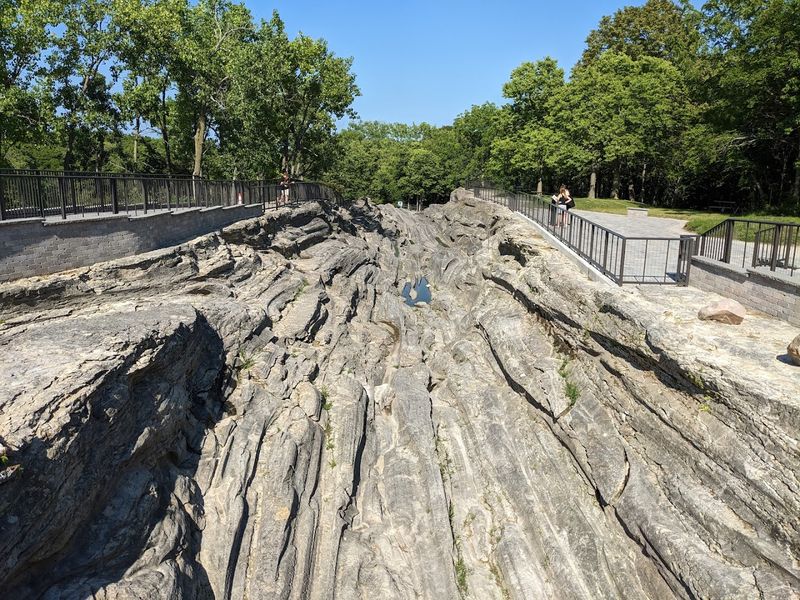
Few places make deep time feel as dramatic as giant marks carved directly into bedrock by moving ice. You may not pocket a fossil here, but you will leave with a stronger sense of the forces that shaped Ohio.
That is exactly why Glacial Grooves Geological Preserve earns a place in this lineup.
Located on Kelleys Island, this preserve protects one of the most significant visible records of Ice Age glaciation in the region. The grooves etched into limestone are striking, educational, and easy to appreciate even if you are new to geology.
They show how later natural processes transformed landscapes that once held ancient seas.
Including a site like this keeps a fossil road trip from becoming too narrow. Fossils tell you what lived here long ago, while glacial features explain how the land itself was altered much later.
Together, those stories feel richer.
This stop is ideal if you want a memorable geological landmark rather than a collecting ground. Bring curiosity and a camera.
The preserve offers scale, clarity, and a powerful reminder that Earth’s history unfolds in layers.