
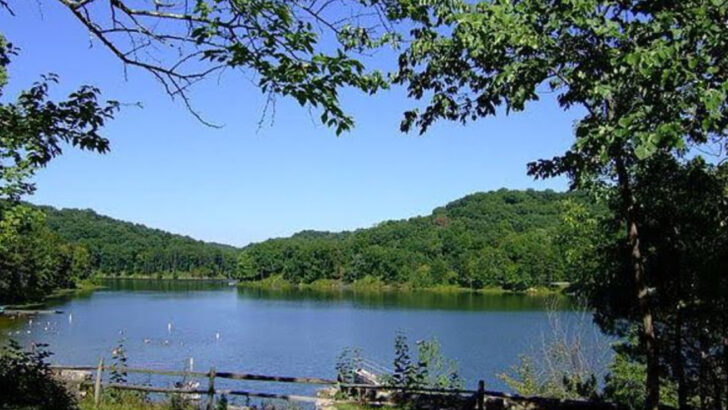
Late March flips a quiet switch across Ohio as waterfalls surge, trails thaw, and spring wildflowers spark fresh color. You get crisp air, runnable paths, and room to breathe before the heavy crowds arrive.
Pack layers, waterproof shoes, and curiosity because migration, vernal pools, and ephemerals all wake up at once. If you time it right, one weekend can feel like five different seasons.
Hocking Hills State Park
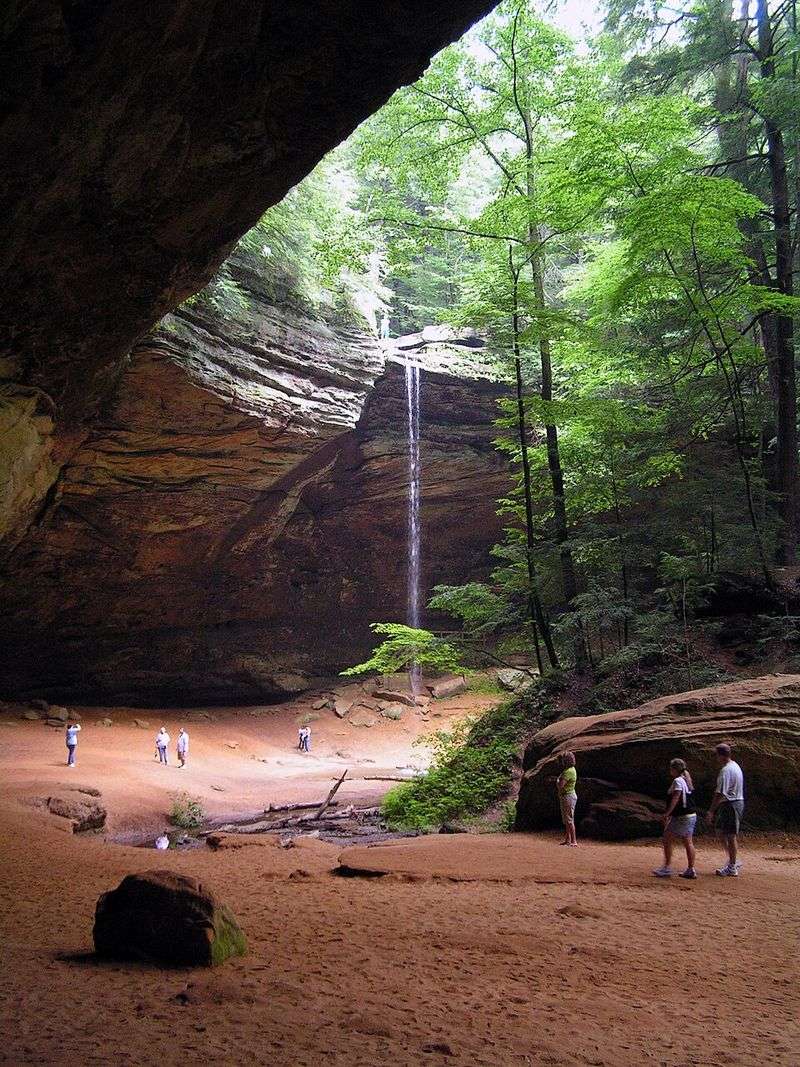
Cool nights and soft rain wake up the hollows, and water roars through sandstone corridors. By the last week of March, trails like Old Man’s Cave and Cedar Falls feel alive with mist, birdsong, and the first bright wildflowers.
You get dramatic waterfalls without summer crowds, plus photogenic light filtering across mossy ledges. Expect cool breezes in shaded gorges that make uphill sections feel gentle and refreshing.
Keep your eyes on the ground along rim sections for hepatica, spring beauty, and bloodroot pushing through leaf litter. Salamanders often cross after warm rains, so bring a flashlight and tread carefully at dusk.
If you prefer quieter corners, take the Gorge Overlook Trail early and loop back via remote connectors to stretch the day. Carry a paper map because cell reception drops in the canyons often.
Parking fills quickly on sunny Saturdays, so arrive before 9 a.m. or choose a drizzly weekday. Waterproof boots help on sandstone steps, and microspikes can be handy if mornings freeze.
For a reward, pack a thermos and enjoy lunch at Whispering Cave, then finish at Ash Cave for thunderous flow and echoing redwall cliffs. Sunset on the Rim Trail paints orange bands across the valley beautifully.
Conkles Hollow State Nature Preserve
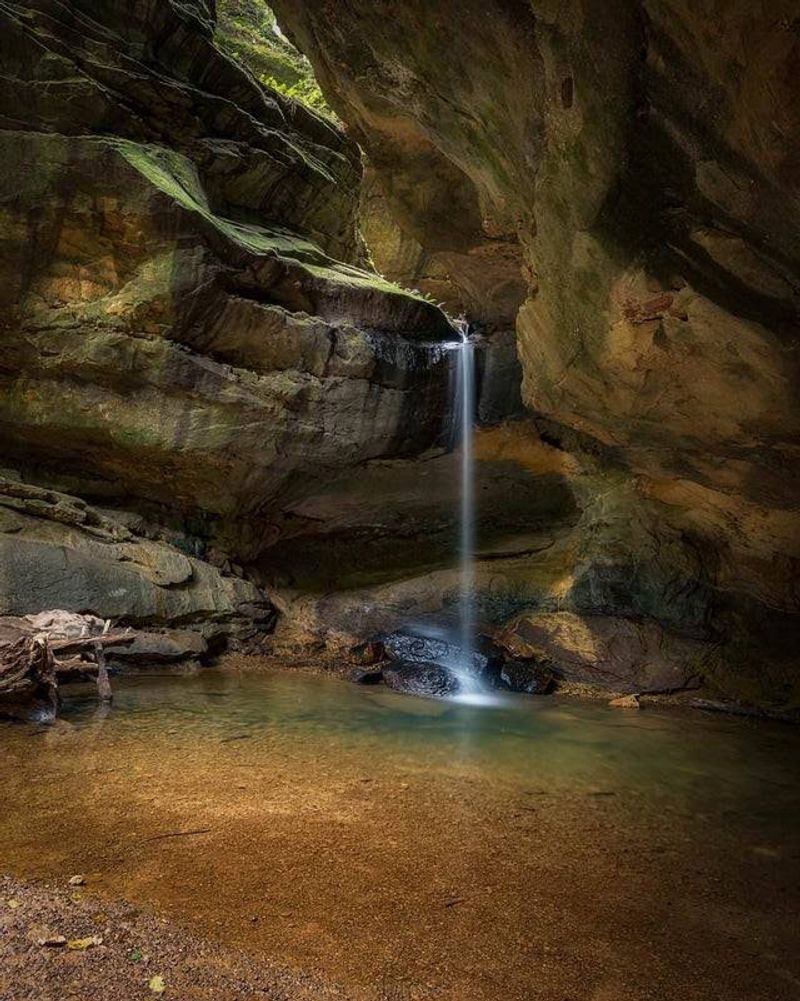
Stepping onto the boardwalk here feels like walking into a sandstone cathedral. The gorge walls soar high and catch every echo of rushing water during spring rains, making late March especially dramatic.
You will notice the temperature drop as you move deeper, which keeps moss green and the first ephemerals peeking from sheltered pockets.
Look for round-lobed hepatica near the base of cliffs and delicate spring beauty along trail edges. The lower gorge is family friendly, but the rim trail gives bigger views if you are comfortable with heights.
After precipitation, waterfalls ribbon down from hidden seeps, so give yourself time for photos and careful footing. Poles help on slick rock, and a lightweight rain shell pays off.
Arrive early because the small lot can fill by midmorning on weekends. I like pairing this stop with nearby Rock House for variety and a snack break in the car.
Bring binoculars too, since pine stands at the rim often hold early migrants and chatty kinglets. If skies clear late, the west rim rewards you with warm light washing across the gorge.
Clifton Gorge State Nature Preserve
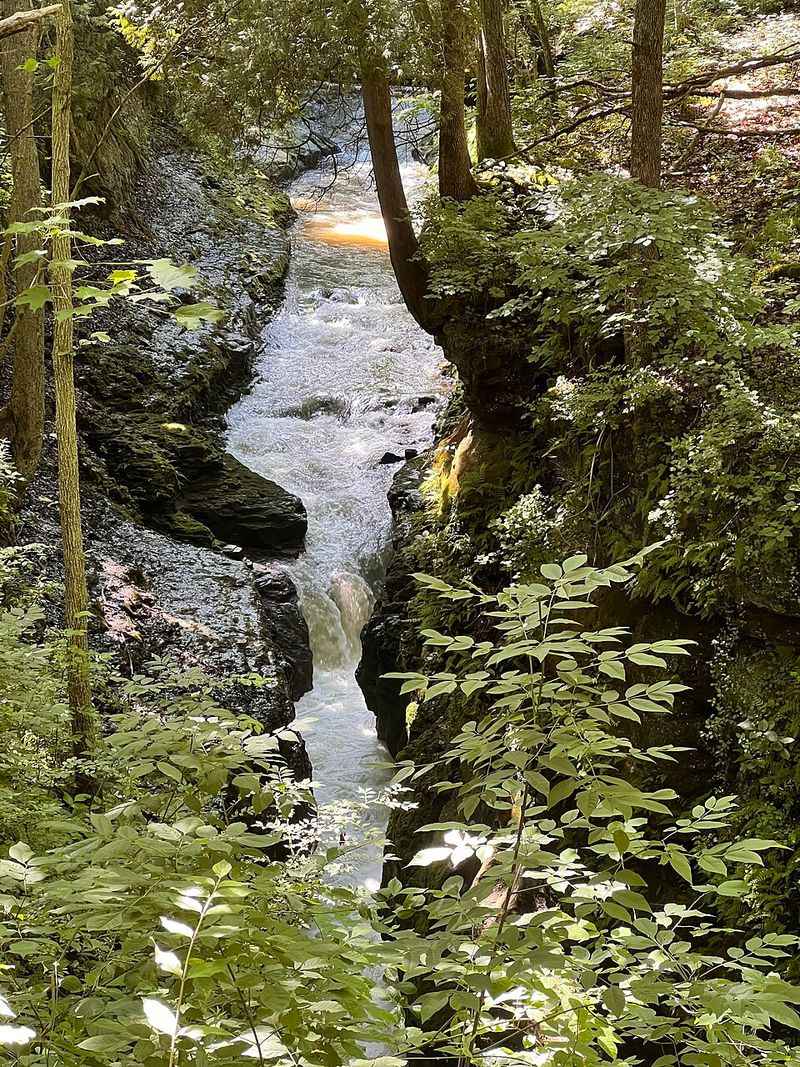
That steady roar you hear from the trailhead only grows as the Little Miami squeezes into the gorge. High water in late March turns riffles into white tongues and paints the limestone with spray.
The microclimate hugs cool air, so ephemerals often last a bit longer here than in open woods nearby.
Scan the banks for bloodroot, cutleaf toothwort, and Dutchman’s breeches under beech and maple. The Narrows Trail threads close to the edge, offering powerful views and mist for your camera lens, so pack a cloth.
Keep an eye out for belted kingfishers working the eddies, and listen for the buzzy call of phoebes under bridges. The adjacent John Bryan trails connect nicely for an all-day loop.
Parking at the Clifton Mill end makes a tasty finish if cinnamon rolls motivate your steps. Trail surfaces are rocky and can be slippery, so waterproof traction is your friend.
I like to start upstream, then return as evening softens the gorge and crowds thin. If a warm rain hits, headlamps reveal salamander crossings on adjacent forest lanes after sunset.
Magee Marsh Wildlife Area
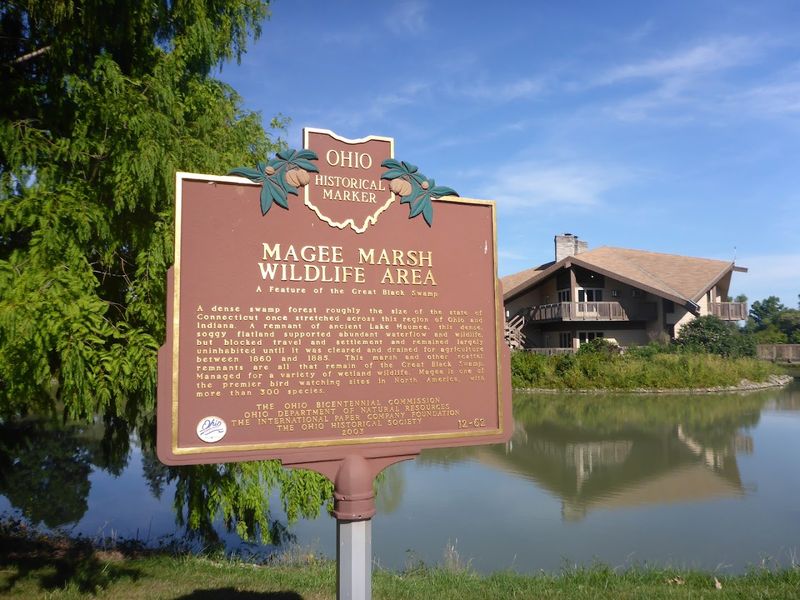
Before May warbler mania, late March belongs to waterfowl and the first brave songbirds. The boardwalk threads through quiet tamarack and cottonwood while geese, mergansers, and teal raft in the marsh.
You can feel migration building like a low drumbeat, perfect for easing into the season without shoulder-to-shoulder crowds.
Bring a spotting scope or share space at the platforms along the causeway. Red-winged blackbirds call from cattails, and bald eagles often cruise the tree line, so keep the camera handy.
A northwest wind stacks birds along the shore, whereas a south wind can push movement inland. Layer up since Lake Erie air bites harder than the forecast suggests.
Facilities are simple but sufficient, and the boardwalk drains well after rain. I like pairing sunrise at Ottawa National Wildlife Refuge, then hopping here as light shifts and birds start moving.
If you hear chips in the understory, scan for winter wrens flicking tails and sneaking under logs. Give yourself time for the long looks that make early season birding so satisfying.
Maumee Bay State Park
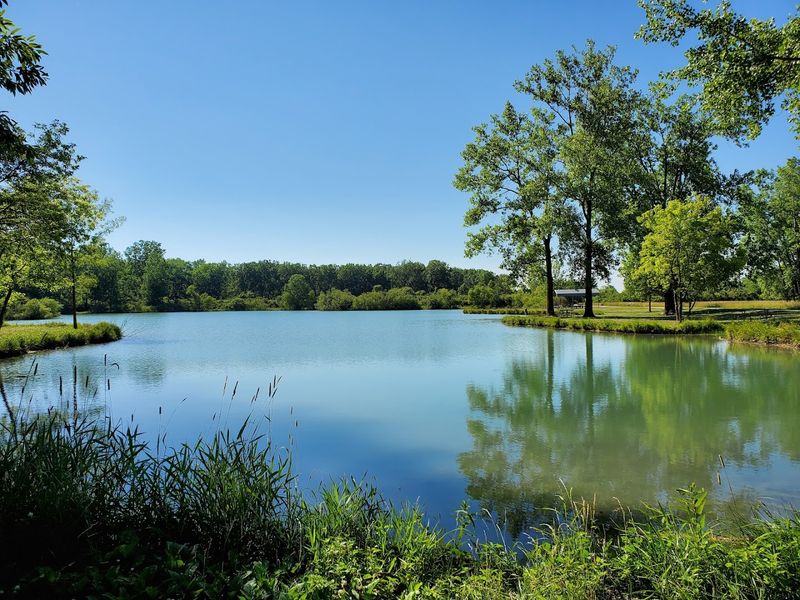
Open water edges and thawing marshes turn this park into a late March sampler platter. You can split time between the lake, the inland trails, and the boardwalks that skirt reed beds.
After sunrise, light glints off lingering ice shards, and rafts of scaup and goldeneye shift with the breeze.
Walk the boardwalk for close looks at teal, coots, and dabbling ducks, then scan the lake for diving birds. The beach trail offers roomy views, while the inland woods sometimes hold early fox sparrows scratching leaves.
On calm afternoons, frogs kick up from vernal pools, and you may hear chorus frogs trilling. Binoculars, waterproof shoes, and a thermos make a tight spring kit.
The lodge and day-use areas provide wind breaks if Erie gusts start biting cheeks. I like to time a late lunch with a south breeze, which often nudges migrants toward the shoreline.
If you have kids along, the boardwalk’s frequent overlooks make great snack stops. Wrap the day watching sunset colors stencil the distant smokestacks across the bay.
Mohican State Park
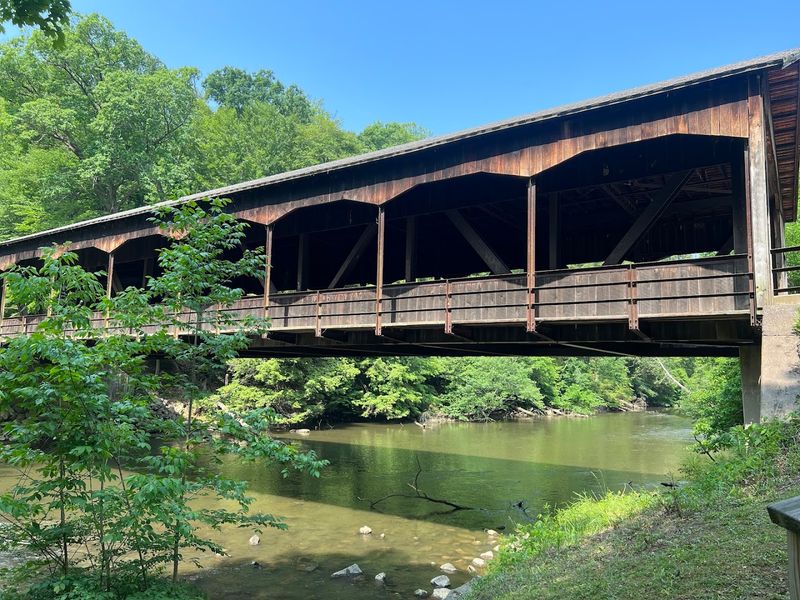
Rushing water and tall pines create that fresh pine-cedar smell you notice the minute you step out. Late March usually brings bank-full flow on the Clear Fork, with rapids singing below the overlook.
Cooler microclimates along the Gorge Overlook Trail hold early ephemerals tucked under leaf fall.
Start at the covered bridge, then climb to the overlook for sweeping views and hawks surfing thermals. On rainy days, the Lyons Falls loop delivers moody photo ops, slick roots, and steady cascades.
Watch for trout lily leaves mottled like brook trout, plus spring beauty along sunny shoulders. If you hear tapping, look up for sapsuckers working birch and maple.
Trails can be muddy, so gaiters help, and trekking poles save knees on descents. I like to stash hot cocoa in the car and finish with a leisurely walk along the river.
Campground loops are quieter now, offering peaceful evening bird songs and good stargazing on clear nights. Wrap up in layers and listen to owls trade calls across the valley.
Shawnee State Park
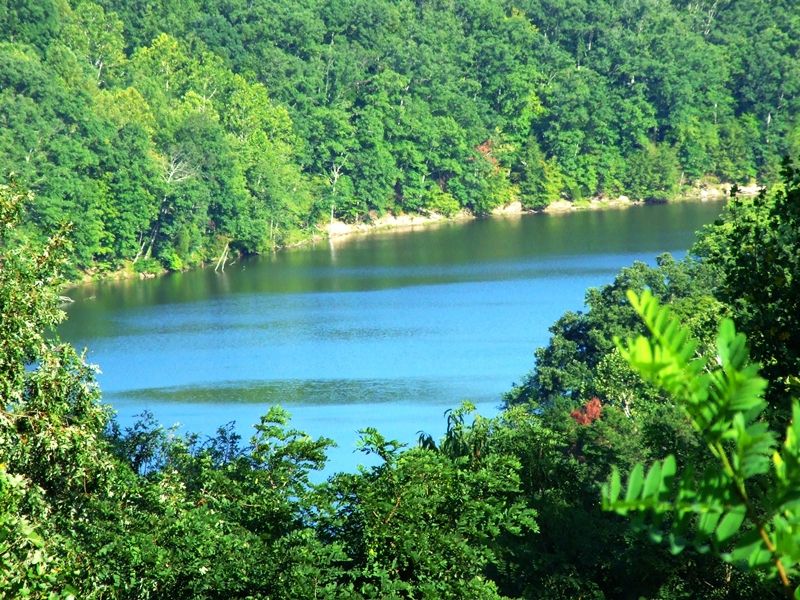
Down in Ohio’s Little Smokies, hills hold onto cool air and morning fog well into spring. By late March, forest roads and ridge trails reveal hints of green while vernal pools awaken.
You get broad vistas without leaf cover, plus quiet trails where turkeys gobble from shadowed hollows.
Scan south-facing slopes for bloodroot and toothwort, and check damp flats for salamander egg masses. The Lookout Trail networks neatly into longer loops if you want to stack miles without repeating views.
Keep an ear out for barred owls daylight-calling, and watch for early butterflies puddling along sunny bends. A paper map helps since spur trails can tempt detours.
Expect variable weather here, from warm afternoons to surprise flurries at dawn. I pack gloves, a wind layer, and extra socks, then build the day around water and ridgelines.
Forest roads make good bailout options if storms roll in faster than expected. End with a slow drive at dusk, when deer step out and ridge light turns copper.
Lake Hope State Park
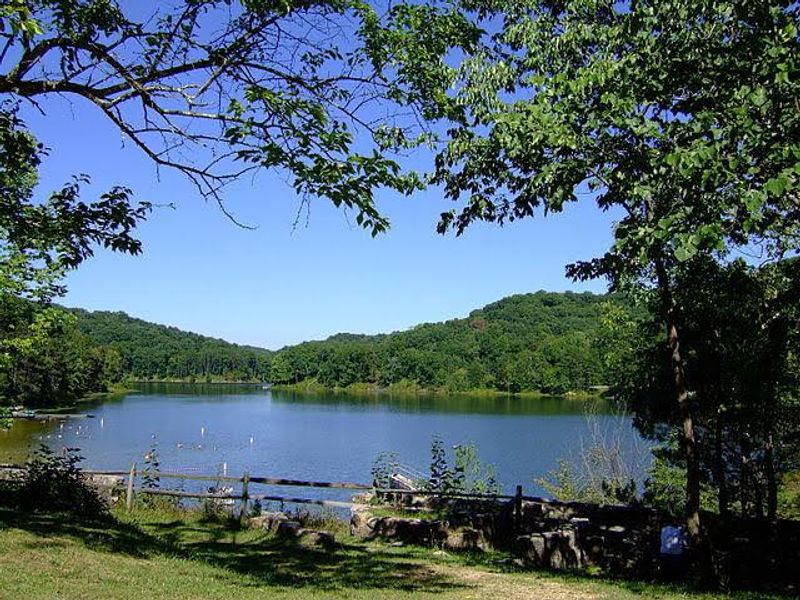
Morning fog on the lake feels cinematic, especially when loons or mergansers cut ripples across the surface. Trails slip from hemlock shade into oak ridges, giving fast variety for a shoulder-season day.
Late March adds strong creek flow and the first wildflower sparks in damp ravines.
Link Zaleski State Forest paths for a bigger loop if you want mileage and solitude. Keep an eye out for blue cohosh and twinleaf along rich slopes, plus ramps leafing up near seeps.
The iron furnace ruins add a history stop that pairs nicely with a thermos break. Listen for wood frogs clucking in vernal pools after warm rains.
Trail tread mixes clay and roots, so traction matters once thaw sets in. I like an early lake loop, a midmorning ridge section for sun, then a creekside finish.
Picnic tables by the water make easy staging areas for changing layers and drying socks. Stay late if skies clear, because reflections turn glassy and owls start up.
Caesar Creek State Park
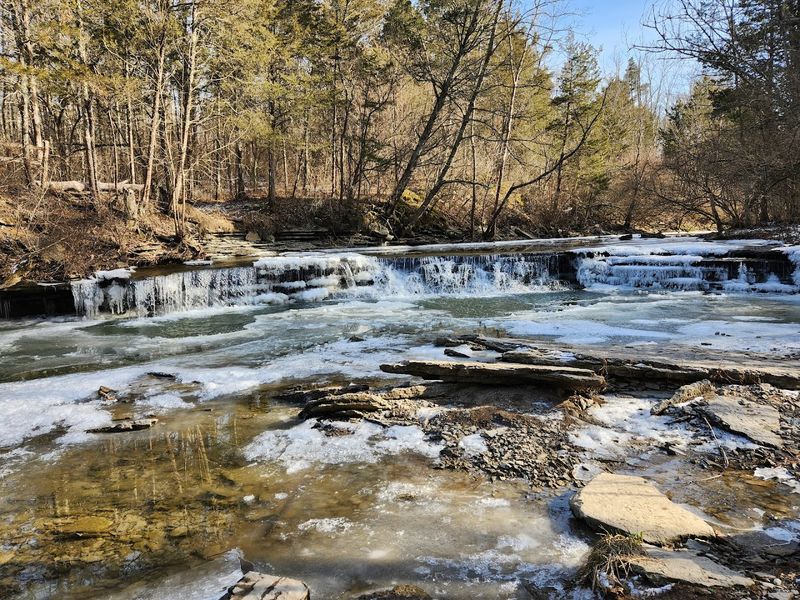
High water at the spillway makes the gorge rumble, and that sound sets the tone for the day. Fossil hunting on the shale flats gets interesting when flows recede a bit after rains.
Late March usually means variable levels, so you can plan a loop that samples both noise and quiet.
Cross the suspension bridge for panoramic views, then climb into hardwoods where spring beauty and cutleaf toothwort brighten the brown. Keep scanning riverside snags for kingfishers and early ospreys patrolling the lake.
The perimeter bridle trails add mileage and solitude if the main lots get busy. Stash a dry layer in the car for the breezy return to the dam.
Shoreline wind can bite, so a beanie helps even on sunny afternoons. I like to hike the gorge first while light is soft, then shift to uplands for warmth.
Trails dry faster there, and the footing is kinder once shoes pick up clay. End the day skimming stones near the boat ramp as gulls argue overhead.
Clifton Gorge State Nature Preserve
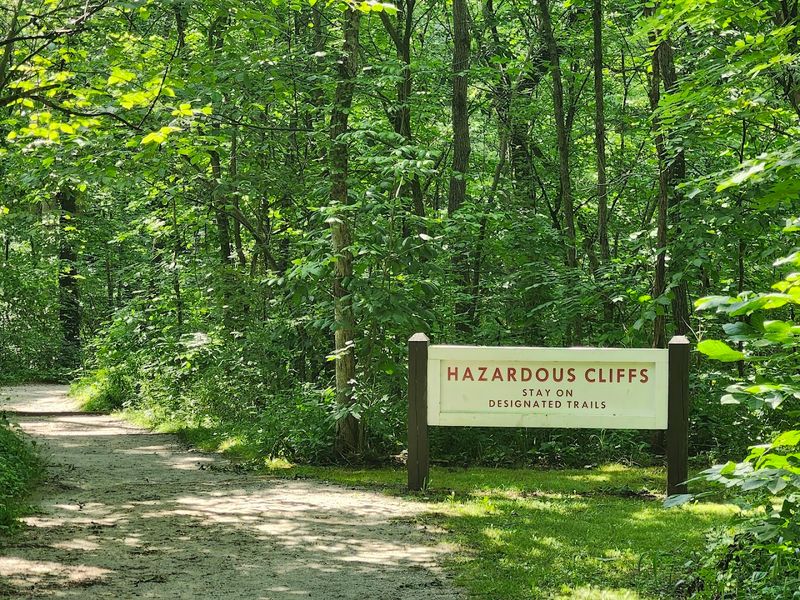
A narrow canyon funnels wind and amplifies the river’s constant conversation. Late March brings punchy flow that paints limestone ledges, and spray nourishes emerald moss on shaded corners.
You will feel the temperature dip, which keeps ephemerals fresh longer along the trail banks.
Search for Dutchman’s breeches, toothwort, and bloodroot tucked into leaf litter beside beech roots. The Narrows offers lookouts that hover over the water, perfect for careful photography and a snack.
Connect to John Bryan State Park for extra distance and varied terrain without moving the car. Bring a lens cloth because mist and drizzle visit often this time of year.
Footing can be slick, so take measured steps and use rails where provided. I like looping counterclockwise to save the most dramatic views for the return leg.
If clouds break late, the canyon glows as soft light bounces between pale rock faces. Warm drinks back at the lot taste especially good after that cool, damp air.