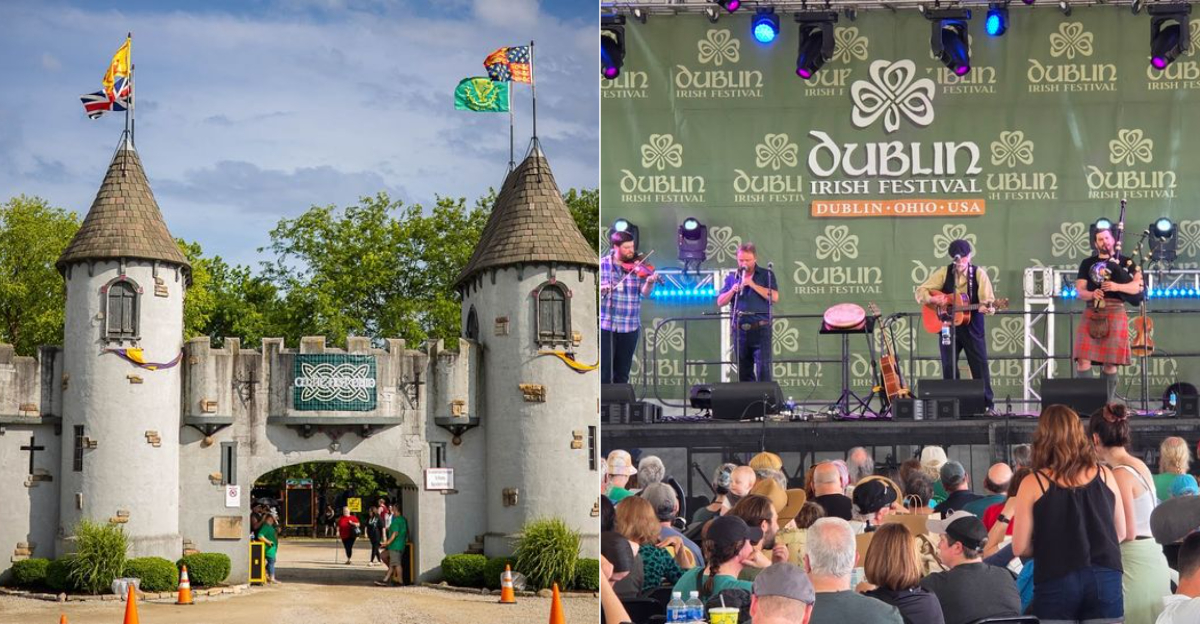
The essence of summer in Ohio has long been tied to large community gatherings where agricultural heritage, sports history, and the ethnic traditions of successive immigrant groups are celebrated through shared public events.
From busy Lake Erie ports in the north to river towns and reconstructed historic villages, these festivals serve as important centers of social life across the Midwest.
Their programs reflect the authentic character of everyday life in the American heartland, transforming town squares, fairgrounds, and stadiums into temporary cultural hubs.
Through a blend of local traditions, regional cuisine, and public celebrations, these gatherings offer a direct look at the state’s living identity beyond the usual tourist routes.
The following thirteen festivals represent the very heart of what makes Ohio’s summer season distinctive and memorable.
Ohio State Fair – Columbus
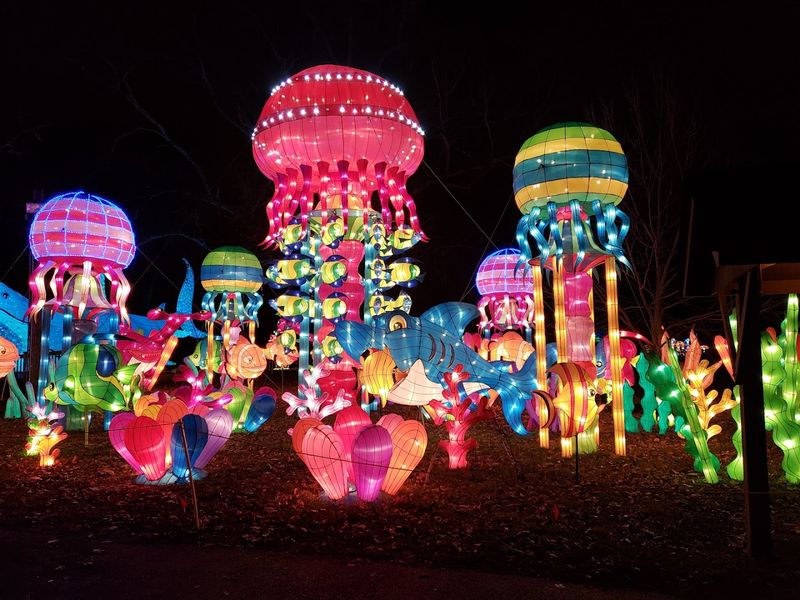
Arriving at the fairgrounds, visitors meet one of the state’s clearest displays of agricultural life and urban curiosity sharing the same space.
Livestock barns draw school clubs, longtime breeders, and families who want to see judging up close. Nearby exhibit halls present produce competitions, home arts, machinery, and practical demonstrations that explain how rural skills still shape daily life across Ohio.
Beyond those buildings, the midway and grandstand add the scale expected from a major statewide gathering.
Concerts, harness racing, competitions, and special events pull different audiences together without hiding the event’s farming foundation.
Signature foods also matter here, not simply as treats, but as a catalog of regional habits, county pride, and fairground nostalgia.
Underneath the rides and noise, the deeper role is cultural rather than purely entertaining.
Generations return because the grounds offer a yearly checkpoint where traditions, products, and local institutions appear in one place.
That mix makes the event an efficient introduction to Ohio itself, showing how commerce, youth programs, and community identity continue through summer.
Pro Football Hall of Fame Induction Festival – Canton
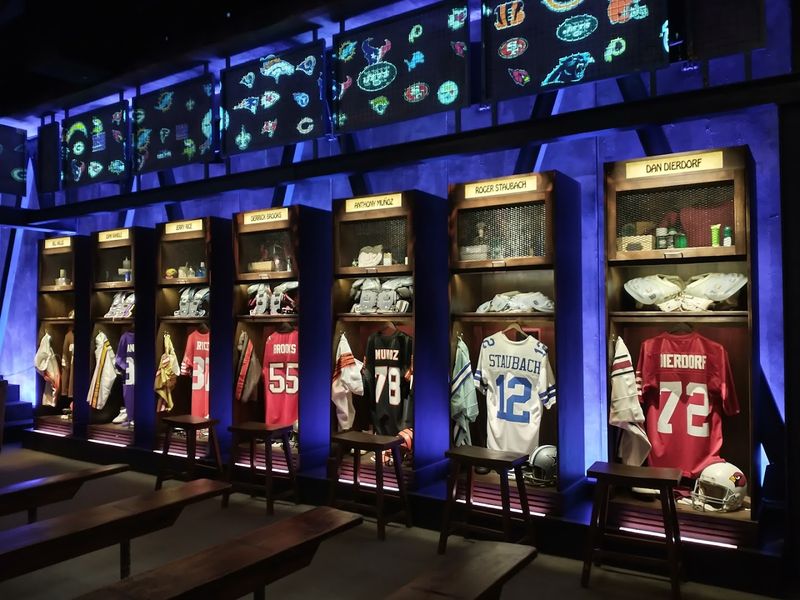
Centered on football history, this summer tradition turns a northeastern Ohio city into a meeting place for memory, spectacle, and civic pride.
Fans line streets for parades, gather for enshrinement events, and revisit famous seasons through stories told across generations.
Ceremonies carry unusual weight because the sport’s legends are not abstract here; their careers are publicly folded into a national record.
During induction weekend, the atmosphere extends well beyond museum walls and official speeches. Marching bands, community gatherings, fan events, and themed celebrations make the city feel built around one game and its lasting influence.
Older supporters remember specific hits, championships, and broadcasts, while younger attendees encounter the rituals that shaped professional football’s mythology.
What distinguishes the festival is its ability to link entertainment with institutional history.
Bronze busts, formal recognitions, and public processions create a civic language that resembles a national holiday for the sport.
Through that structure, Ohio’s long relationship with football becomes visible, showing how athletic tradition can define local identity, tourism, and summer ritual at the same time.
Cincinnati Music Festival – Cincinnati
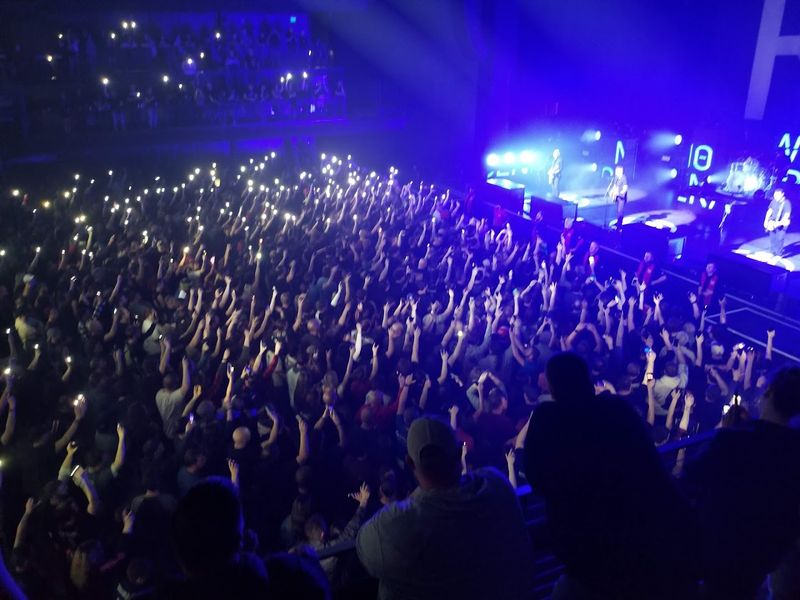
Rooted in R&B and soul traditions, this major summer event brings nationally known performers into one of Ohio’s strongest music markets.
Crowds arrive expecting polished production, reunion energy, and a lineup shaped by artists with deep influence across Black popular music.
Stadium scale gives the weekend a sense of occasion, yet the appeal comes from the continuity between headliners, local listeners, and the city’s long concert history.
Throughout the schedule, live performance becomes a marker of cultural memory as much as entertainment.
Vocals, bands, and stagecraft connect older eras of radio and touring circuits with present audiences who still value musicianship and shared recognition.
Restaurants, hotels, and nightlife districts fill quickly, showing how a concert weekend can reshape downtown rhythms.
Another reason the festival matters is its consistency within Ohio’s broader summer season.
It draws travelers from across the Midwest, but it also reinforces a local reputation for hosting major Black cultural events with seriousness and scale.
By joining commerce, performance, and civic visibility, the gathering demonstrates how music remains central to urban identity and regional tourism.
Dublin Irish Festival – Dublin
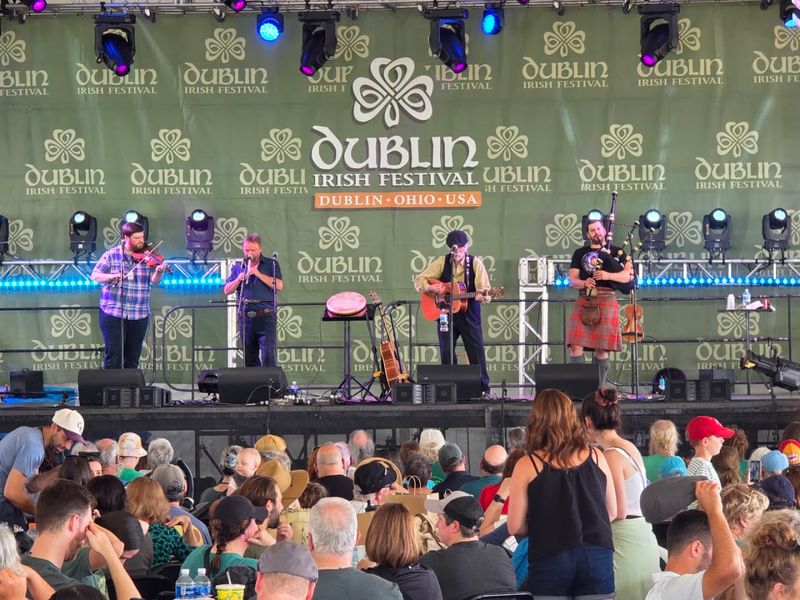
Built around Irish heritage, this large suburban gathering balances celebration with education in a way few festivals manage so clearly.
Traditional music and dance are central, but the event also gives space to language, literature, genealogy, and historical interpretation.
Families move between stages and cultural tents, encountering a heritage presented as lived practice rather than costume alone.
Instead of relying only on performance, organizers highlight how migration and identity continue through clubs, workshops, and community groups.
Musicians demonstrate regional styles, dancers teach steps, and ancestry resources help attendees trace family lines with practical guidance.
Children’s activities and crafts keep the setting approachable while preserving the event’s serious cultural framework.
Because of that range, the festival functions as more than a themed weekend in a park.
It shows how one ethnic tradition has become part of central Ohio’s public life without losing detail or specificity.
Visitors leave with a clearer sense of how heritage festivals can strengthen community ties, encourage learning, and create a summer gathering rooted in history instead of novelty.
Ohio Renaissance Festival – Waynesville
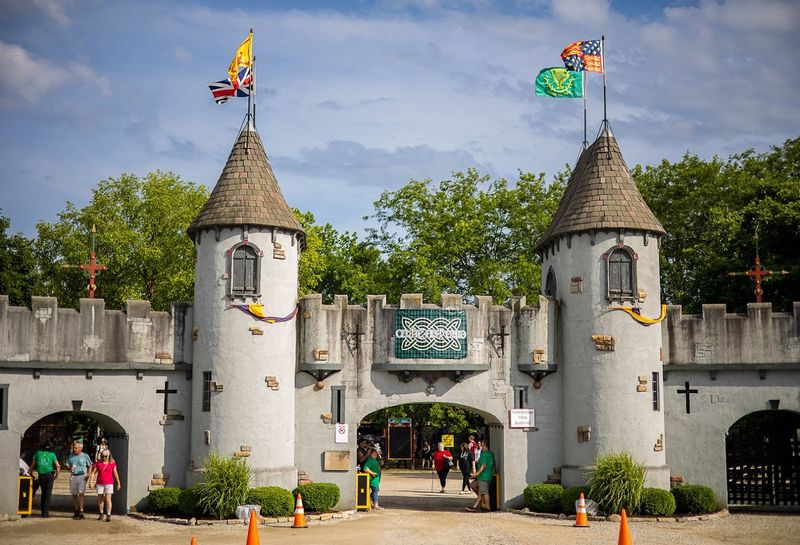
Set in a permanent village-like environment, this event uses historical fantasy and staged performance to create one of Ohio’s most immersive outdoor entertainments.
Costumed actors maintain character across streets, shops, and tavern spaces, making casual movement part of the show.
Craftspeople, armored fighters, and comic performers fill the grounds with activity that feels organized around participation rather than passive viewing.
Jousting tournaments and scripted encounters provide the loudest attractions, yet quieter details give the place its staying power.
Artisans demonstrate metalwork, leathercraft, glass, and other trades that connect spectacle to handmade skill.
Food stalls, games, and themed weekends broaden the audience while keeping attention on reenactment and theatrical world-building.
Unlike many summer festivals, the appeal here depends on sustained illusion and social play.
Guests often arrive in costume, children engage with history through performance, and adults treat the grounds as a shared improvisation.
That unusual format matters within Ohio’s festival season because it shows how historical material, craft culture, and outdoor recreation can merge into a durable community tradition.
Fish Festival – Vermilion
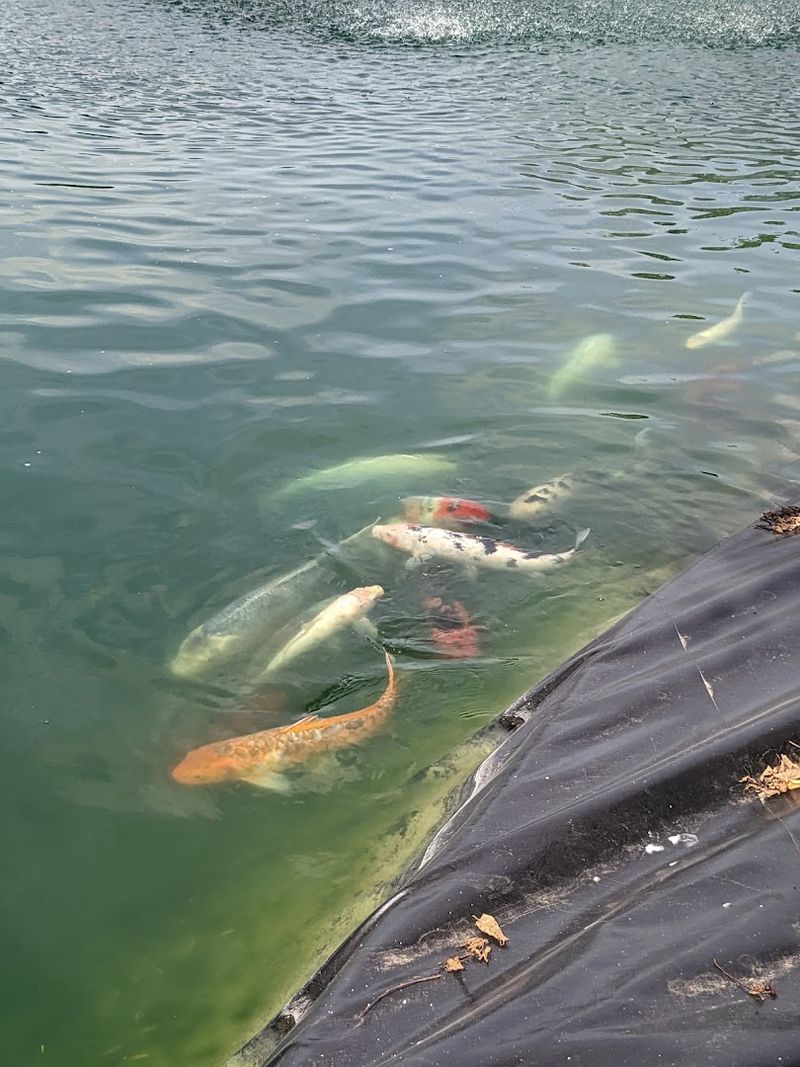
Along the Lake Erie shore, this longtime celebration reflects the working and recreational life of a port community shaped by water.
Fishing traditions remain central, not as decoration, but as evidence of how the lake has supported livelihoods, meals, and local routines.
Harbor views, boat traffic, and shoreline gatherings give the weekend a setting that feels inseparable from its purpose.
Cooking competitions, community meals, and waterfront activities connect residents with visitors who may know the coast mainly as a summer destination.
Maritime details matter here, including docks, charter culture, weather awareness, and the practical knowledge carried by anglers and boaters.
Parades and family events keep the atmosphere broad, while the lake remains the real subject in the background.
That connection helps explain why the festival stands out within Ohio’s inland-heavy image.
It reminds travelers that the state includes a Great Lakes shoreline with its own habits, economies, and recreational traditions.
Seen that way, the event becomes a local portrait of port-town identity, showing how community life has long been organized around fishing, water access, and seasonal tourism.
Twin Days Festival – Twinsburg
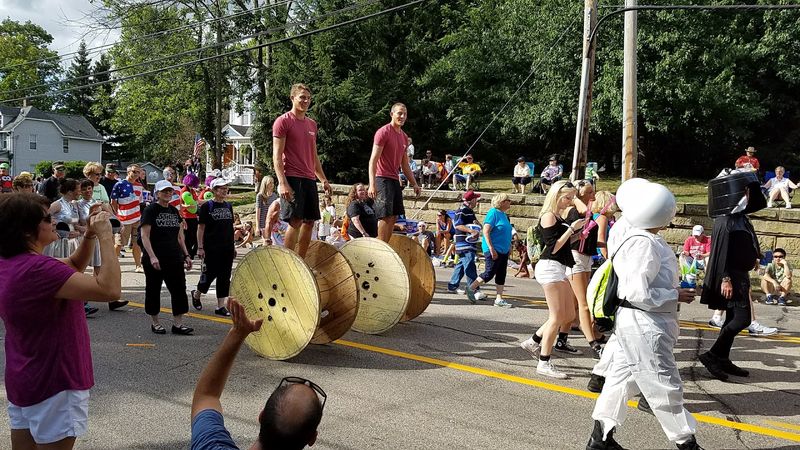
Known for gathering more twins than any similar event, this festival turns a simple biological fact into a striking form of public community.
Matching outfits, family reunions, and group photos give the grounds an instantly recognizable look, yet the meaning runs deeper than visual novelty.
Identity, kinship, and lifelong companionship shape the atmosphere in ways that feel unusually personal for a large summer gathering.
Medical researchers and educational programs have sometimes intersected with the event, adding another layer to the weekend’s significance.
Genetics, development, and shared experience become conversation topics without overwhelming the family-oriented tone.
Games, contests, and social activities help participants celebrate resemblance while still recognizing individual personality.
For Ohio’s festival landscape, the importance lies in how the gathering transforms a town into a place of recognition and belonging.
Many attendees return annually because the event validates experiences that are uncommon in everyday life.
As a result, the festival is not merely quirky; it reveals how community can form around family structure, scientific interest, and public ritual during the state’s busiest travel season.
Country Music Festival – Fort Loramie
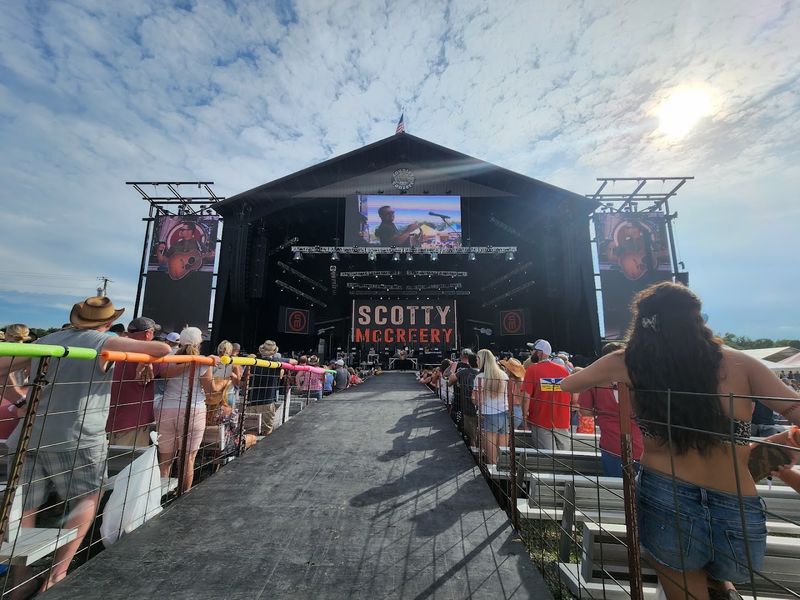
Spread across several days, this rural music gathering combines large outdoor concerts with the social habits of camping culture.
Fans often treat the weekend as a temporary village built around tailgates, lawn chairs, and repeat attendance.
Major acts draw attention, but the event’s character comes from how country music fits into the pace of western Ohio summer life.
Campgrounds create a different rhythm than a single-night show, encouraging early arrivals, extended stays, and informal routines between performances.
Neighbors cook, trade stories, and navigate weather changes together, which makes the audience part of the experience.
Evening sets then gather everyone into one space where radio hits, singalongs, and stage production carry across open fields.
Within the state’s festival season, the weekend represents a strong example of music tied to place rather than only celebrity.
Rural setting, local infrastructure, and repeat tradition give it a durable identity that survives changing lineups.
That continuity helps explain its draw, showing how concerts can become summer ritual through camping habits, regional loyalty, and the practical pleasures of being outdoors for days.
Ohio Swiss Festival – Sugarcreek
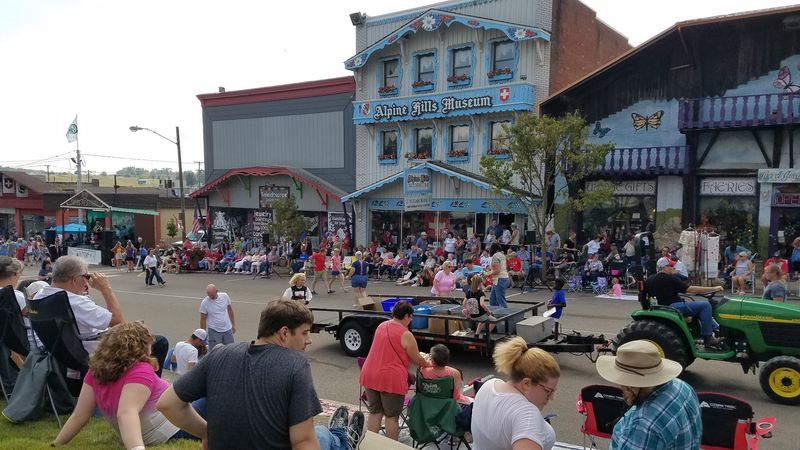
Framed by a village known for visible European influence, this festival presents Swiss heritage through public tradition rather than museum distance.
Parades, folk music, costumes, and customary foods show how an immigrant identity has been maintained in everyday community life.
Streets become stages for preservation, with local institutions helping translate old-world customs into present-day Ohio practice.
Demonstrations and performances give the celebration structure, but the event also relies on the town’s built environment and civic memory.
Architecture, local businesses, and volunteer groups reinforce the sense that culture here is embedded rather than imported for a weekend.
Visitors notice how heritage can remain practical through recipes, family stories, church ties, and recurring community roles.
That continuity matters because the festival offers a clear example of ethnic preservation in a small-town setting.
It avoids reducing identity to decoration by linking celebration with place, history, and intergenerational effort.
In the broader summer calendar, the gathering shows how Ohio’s diversity includes villages where immigrant traditions still shape public life, seasonal tourism, and local self-understanding in visible ways.
Italian American Summer Festival – Berea
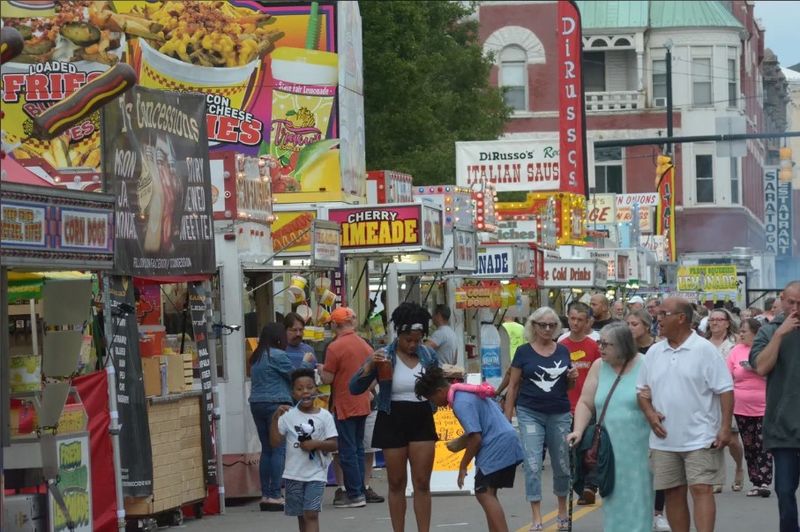
Focused on Italian-American community life, this festival highlights how family, faith, and food traditions remain visible in suburban Ohio.
Multi-generational attendance gives the weekend a reunion quality, with grandparents, parents, and children sharing familiar dishes and customs.
Music supports the atmosphere, but heritage is carried just as strongly through conversation, volunteer work, and long-established local ties.
Recipes and communal meals have a central role because they link memory to public gathering in tangible ways.
Sausage, pasta, pastries, and regional specialties are not simply menu items; they express migration histories and family routines adapted over decades.
Entertainment, raffles, and social clubs widen the appeal while keeping the emphasis on shared background and neighborhood connection.
Elsewhere in Ohio, many summer festivals celebrate ancestry, yet this one feels grounded in domestic tradition and community continuity.
It shows how ethnic identity can persist through parish culture, informal networks, and recurring seasonal events.
That makes the gathering important beyond its immediate audience, offering a clear view of how immigrant heritage becomes part of a city’s broader civic fabric over time.
Blooming Moon Festival – Chillicothe
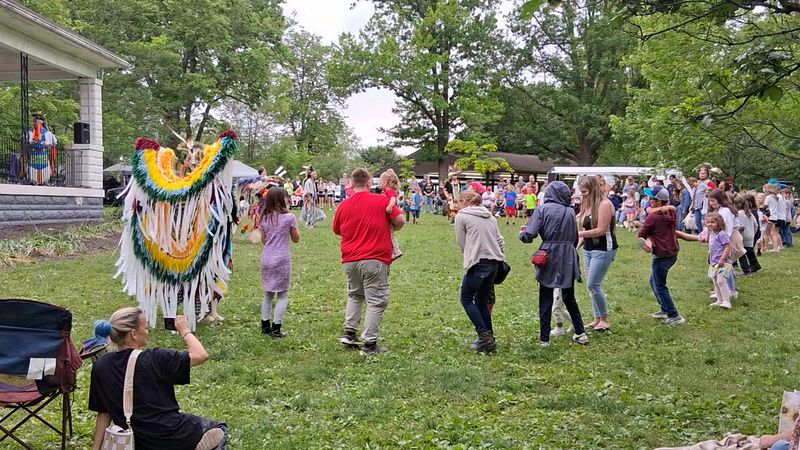
Dedicated to interpretation rather than spectacle alone, this festival examines the layered histories of the Scioto Valley through educational programming.
Indigenous cultures, early settlement patterns, and regional change are presented with attention to context and public understanding.
Living history setups, demonstrations, and exhibits help visitors see how different communities shaped the landscape long before modern tourism arrived.
Interpreters and historical organizations provide much of the event’s value by grounding activities in documented experience.
Craft displays, talks, encampments, and historical scenarios encourage observation and discussion instead of quick consumption.
That slower pace suits the subject matter, especially where Native history and frontier narratives require careful explanation.
Among Ohio’s summer festivals, this one stands apart for treating history as something to study in the open air.
It gives families and travelers a chance to connect place with chronology, conflict, and cultural survival across centuries.
By combining outdoor attendance with interpretation, the gathering demonstrates how public festivals can support historical literacy while still functioning as a seasonal community tradition.
Columbus Arts Festival – Columbus
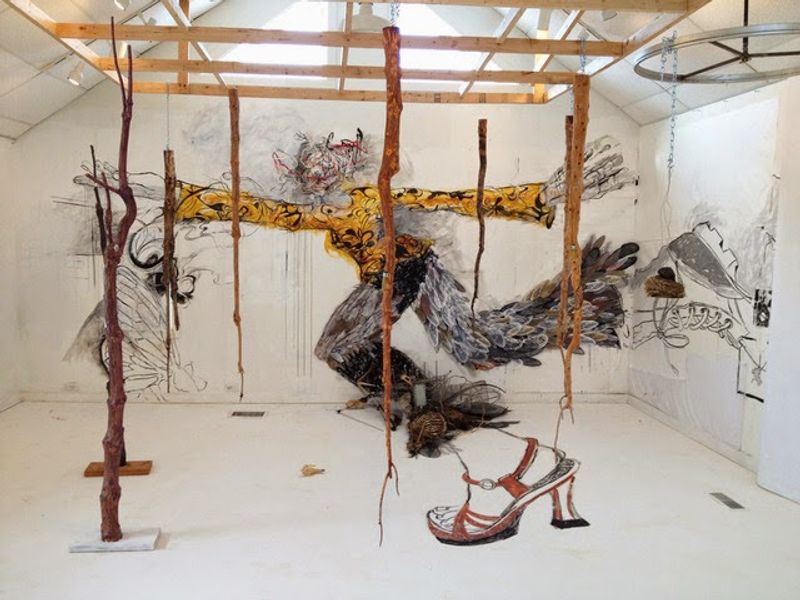
Occupying downtown streets and riverfront areas, this event turns the capital’s urban core into a public gallery with strong civic energy.
Artists present work directly to passing crowds, making conversations about process, materials, and price part of the experience.
Demonstrations and installations keep the focus on making art, not simply displaying finished pieces for sale.
Unlike festivals defined by one heritage or entertainment genre, this gathering reflects the city’s broader creative ecosystem.
Painters, ceramicists, jewelers, photographers, and mixed-media artists appear alongside performers and community arts groups.
Food and music support the atmosphere, yet visual culture remains the center, reinforced by workshops and hands-on activities.
Downtown setting adds another layer because office corridors and traffic routes temporarily become places for lingering and observation.
Residents see familiar blocks differently, while visitors encounter the city through creativity rather than government or sports alone.
In Ohio’s summer calendar, that transformation matters because it demonstrates how public art can animate urban life, strengthen local identity, and encourage direct exchange between artists and audiences.
Riverfest – Marietta
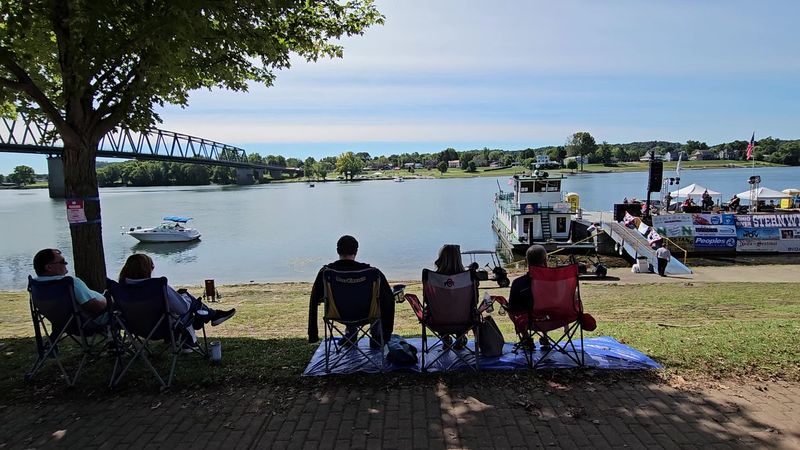
At the confluence of major waterways, this festival reflects a town whose history has always been tied to river transport.
Waterfront activities, boat culture, and historical interpretation remind visitors that commerce once depended on currents, docks, and steam-powered travel.
Public space along the shore becomes a lens for understanding how settlement, trade, and mobility developed in southeastern Ohio.
Heritage elements often point back to sternwheel eras and the industries that moved through these channels.
Boats on the water provide living context, while exhibits and local storytelling connect machinery with labor and regional growth.
Fireworks and community events bring broader appeal, yet the river remains the organizing fact behind everything happening on land.
Compared with inland county festivals, this gathering has a distinct sense of geography and historical function.
It shows how transportation routes shaped towns long before highways redirected movement across the state.
Closing the summer with a focus on waterfront culture, the event underscores why river heritage still matters in Ohio, linking recreation, memory, and civic identity to the working history of navigable water.