
North Carolina is packed with adventures that pull kids away from screens and straight into the kind of memories they’ll talk about for years.
From steam trains chugging through mountain forests to real gold panning at a historic mine, the state offers hands-on fun rooted in genuine history and nature.
These experiences don’t need Wi-Fi, notifications, or charging cables — just curiosity and a sense of wonder.
Whether your family loves the mountains, the coast, or everything in between, NC has something that will make every kid look up and pay attention.
Ride the Tweetsie Railroad (Blowing Rock)
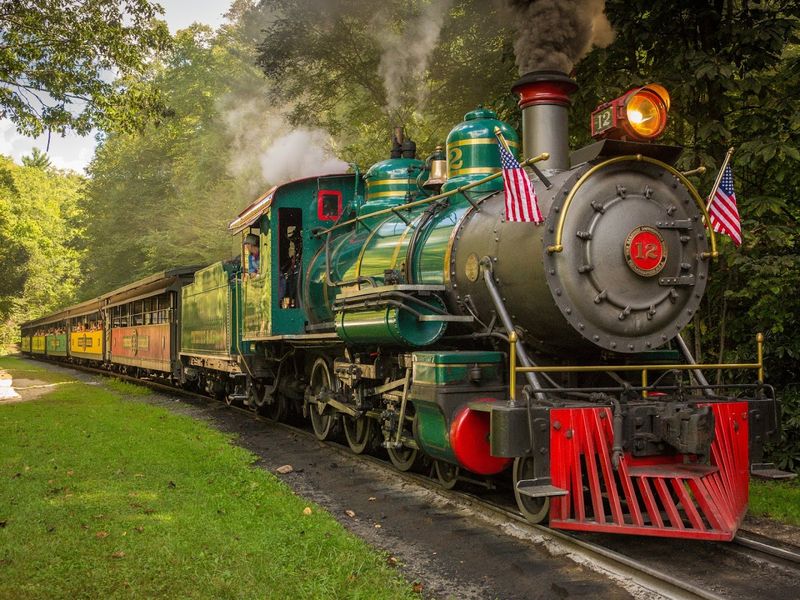
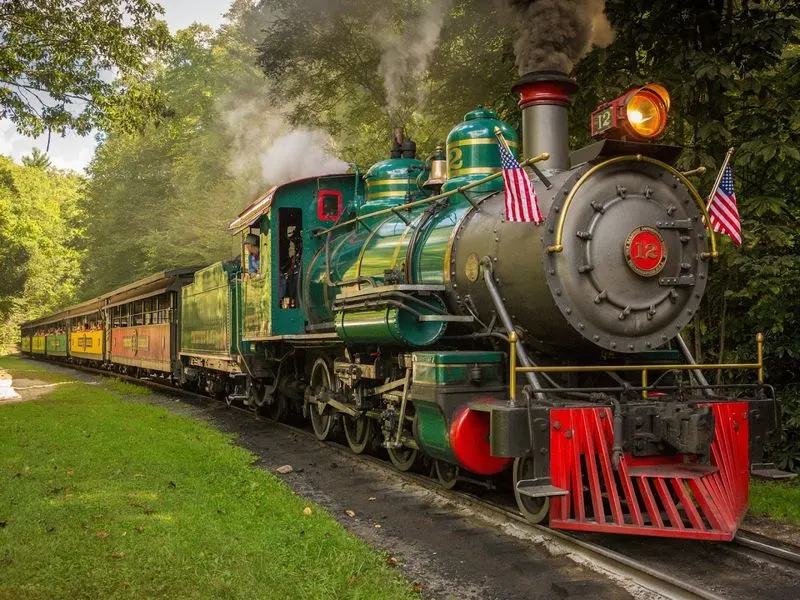
There’s something magical about the sound of a real steam whistle echoing through the Blue Ridge Mountains. Tweetsie Railroad, tucked in the hills near Blowing Rock, is one of those rare places where history feels alive and thrilling at the same time.
Kids board a classic narrow-gauge steam train and chug through forested scenery on a journey that feels straight out of a western movie.
Along the way, expect dramatic cowboy and Native American shows that pop up right beside the tracks — no screen required for this kind of entertainment. After the ride, a full amusement park, petting zoo, and carnival games keep the fun rolling for hours.
The petting zoo alone is worth the trip for younger children who light up when feeding goats and sheep.
Tweetsie has been running since 1957, making it one of the oldest theme parks in the Southeast. The old-fashioned atmosphere is intentional and charming — everything here celebrates a slower, more adventurous era.
Families often find themselves forgetting about time entirely, which is exactly the point. Plan to spend a full day, wear comfortable shoes, and bring a light jacket since mountain air can surprise you.
Explore Old Salem Museums & Gardens (Winston-Salem)
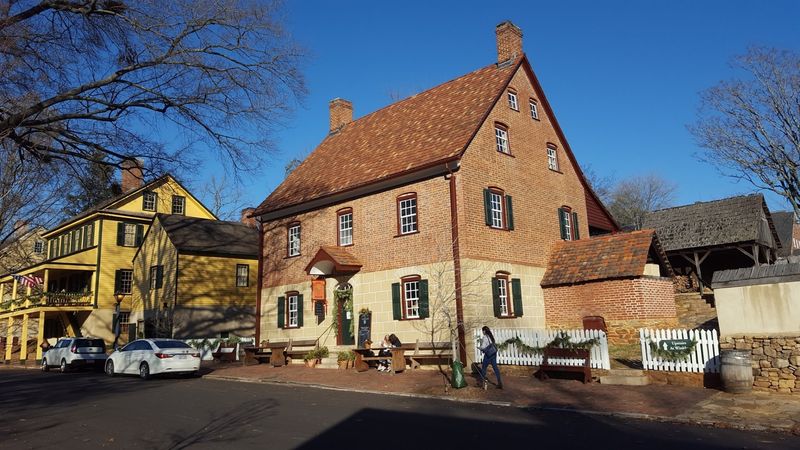
Walking into Old Salem feels like stepping through a time machine — one that drops you squarely into the 1700s. This remarkably preserved Moravian settlement in Winston-Salem lets kids watch real artisans practice trades that most people have only read about in history books.
Blacksmiths hammer glowing metal, bakers pull fresh loaves from wood-fired ovens, and candle makers dip wicks by hand.
What makes Old Salem stand out is that it’s not just a museum you stare at — it’s one you experience. Children can ask craftspeople questions, try hands-on activities, and wander cobblestone streets lined with original 18th-century buildings.
The smell of fresh bread alone is enough to make the past feel surprisingly real and welcoming.
Old Salem also has a children’s museum section called the Visitor Center and Frank L. Horton Museum Center, which offers interactive exhibits designed specifically for younger visitors.
The gardens are beautifully maintained and reflect what Moravian settlers would have grown for food and medicine. History teachers often say that seeing something beats reading about it every time, and Old Salem proves that point brilliantly.
Budget a half day at minimum — curious kids will want to linger at every stop along the way.
Climb Cape Hatteras or Bodie Island Lighthouses (Outer Banks)
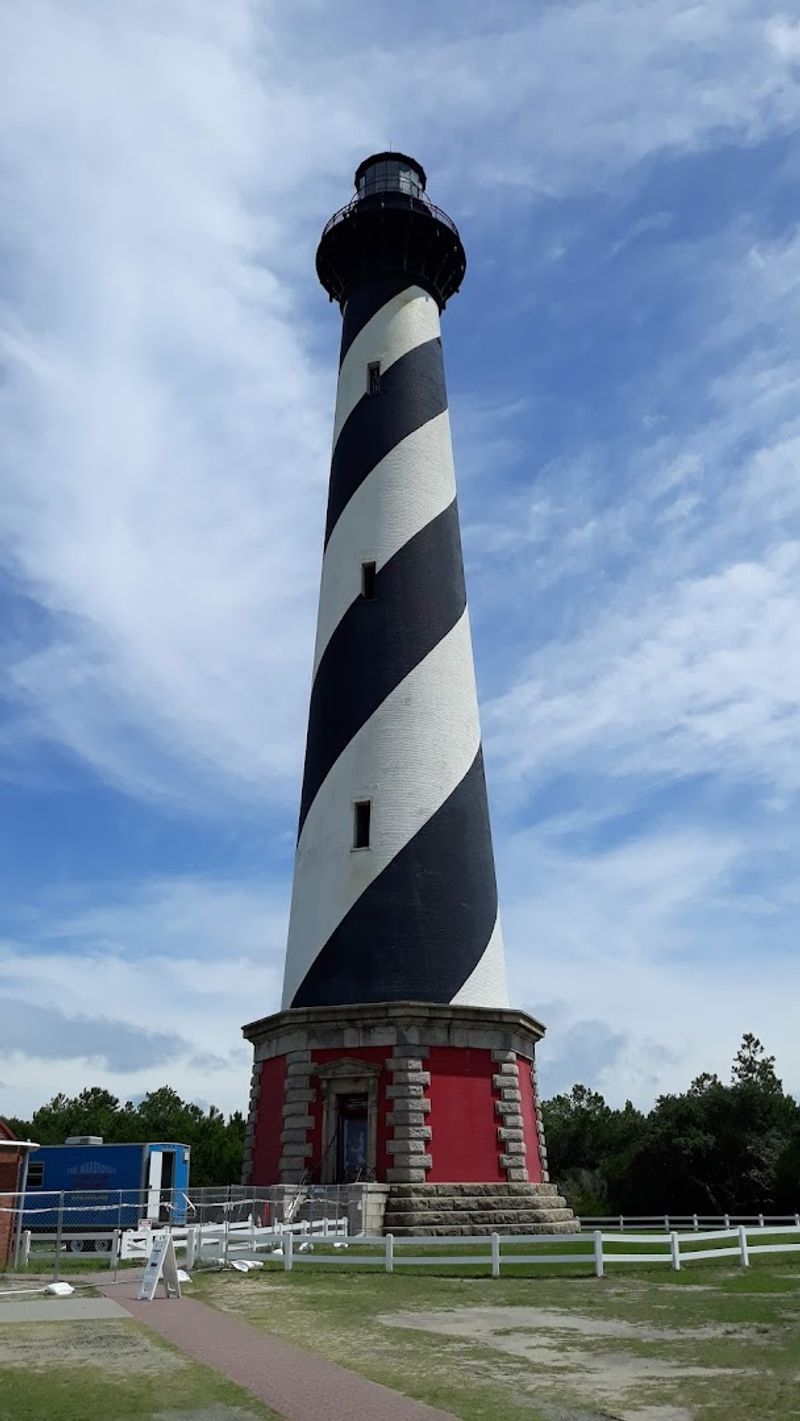
Cape Hatteras Lighthouse stands 198 feet tall, making it the tallest brick lighthouse in the United States — and yes, you can climb every single step to the top. The view from the lantern room is the kind that stops kids mid-sentence and makes them forget whatever they were scrolling through five minutes ago.
Standing above the Atlantic Ocean with wind in your hair is a feeling no app can replicate.
Bodie Island Lighthouse, a few miles north, offers a different but equally rewarding climb with striking black-and-white horizontal stripes and sweeping views over Pea Island. Both lighthouses connect kids to the real history of shipwrecks, rescue missions, and the brave keepers who once lived in isolation to guide sailors safely home.
Rangers often share stories that are more gripping than any adventure novel.
The physical challenge of the climb itself is part of the fun — counting steps, catching your breath, and pushing through to reach the top builds a small but satisfying sense of accomplishment. Pair the lighthouse visit with a walk on the beach below to look for shells and watch pelicans glide over the waves.
The Outer Banks has a raw, unhurried beauty that reminds families why nature beats a screen every time.
Pan for Gold at Reed Gold Mine (Midland)
In 1799, a 12-year-old boy named Conrad Reed found a 17-pound gold nugget in a creek on his family’s farm — and North Carolina’s gold rush quietly began. That farm is now Reed Gold Mine State Historic Site in Midland, and it’s one of the most genuinely exciting history stops in the entire state.
Kids who visit get to pan for real gold flecks in a wooden trough, which sounds simple but delivers an almost electric sense of possibility.
The moment a child spots a tiny gold glimmer in their pan, every distraction in the world disappears. It’s one of those pure, focused experiences that reconnects kids to patience and reward in a completely natural way.
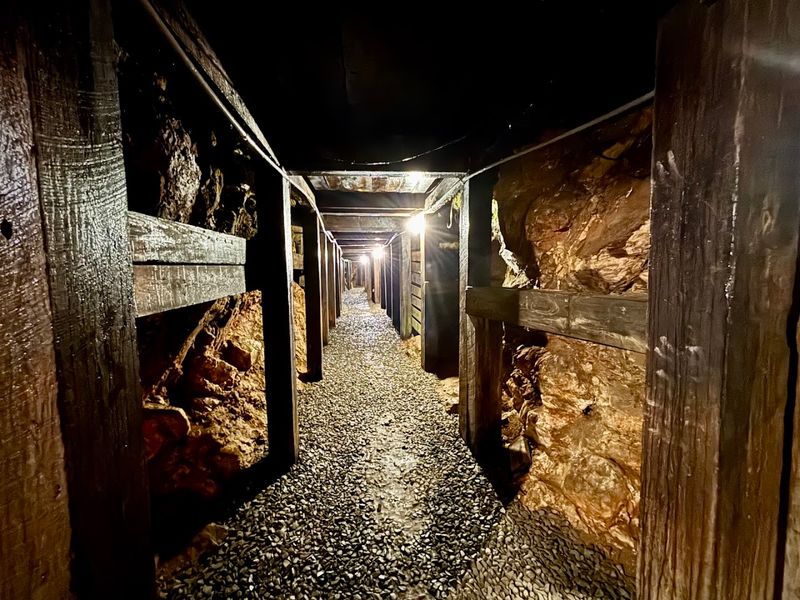
Beyond panning, the site includes underground mine tours where visitors walk through actual tunnels and learn how miners worked in cramped, lantern-lit conditions.
The museum section explains how this small Piedmont farm launched the first gold rush in American history — predating California’s famous 1849 rush by half a century. Guides are knowledgeable and enthusiastic, making the history feel relevant rather than dusty.
Gold panning is seasonal, so check the site’s schedule before visiting. Bring a small container — kids can keep whatever gold they find, which makes the whole adventure feel wonderfully real and rewarding.
Hike and Camp in Pisgah National Forest
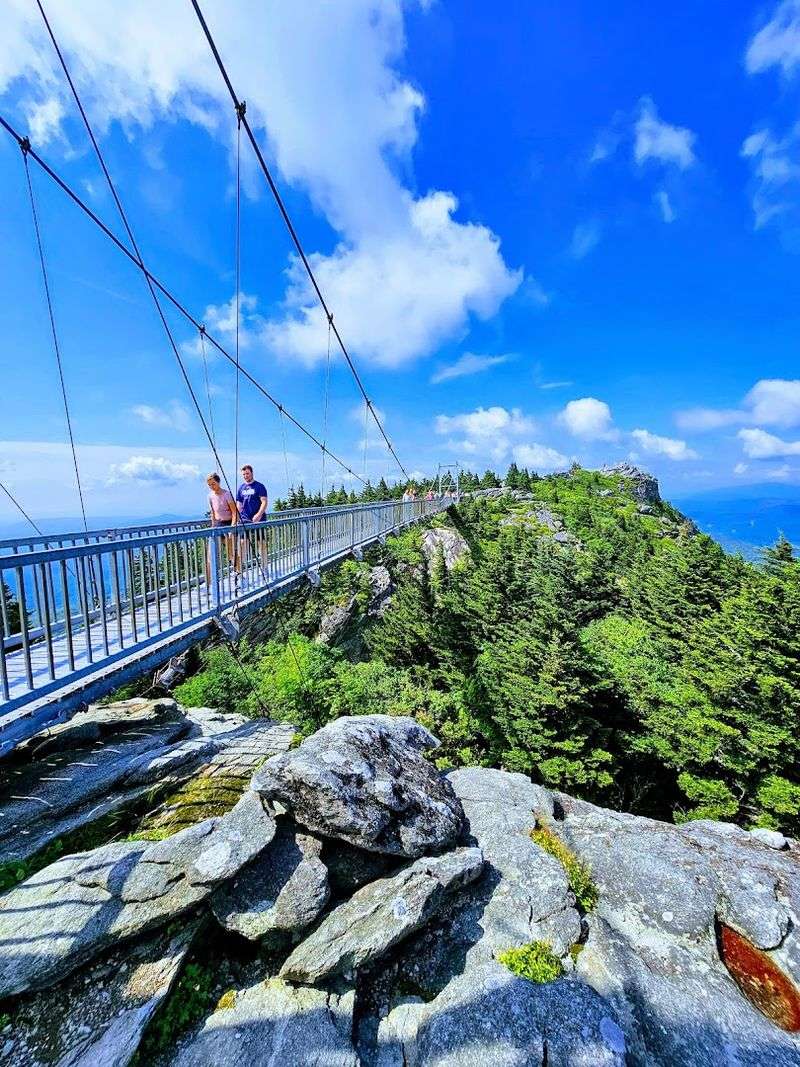
Pisgah National Forest covers nearly 500,000 acres of ancient Appalachian wilderness, and it rewards every family willing to lace up their boots and explore. Waterfalls tumble around nearly every bend — Looking Glass Falls is one of the most photographed in the state, and you can walk right up to the base and feel the mist on your face.
Sliding Rock, a natural 60-foot water slide carved by the creek, is pure summer joy for kids of all ages.
Camping under Pisgah’s towering hemlocks and tulip poplars is the kind of experience that resets a child’s sense of wonder. Campfire smoke, the sound of owls, and the absence of Wi-Fi combine to create an environment where kids actually talk to each other and explore their surroundings with real curiosity.
Roasting marshmallows over an open fire beats any digital reward system ever invented.
Trails range from easy riverside walks to more challenging ridge hikes, so families can choose their own adventure level. The Blue Ridge Parkway cuts through the region, offering scenic overlooks that are genuinely jaw-dropping on clear days.
Wildlife sightings — deer, wild turkeys, and the occasional black bear — are common enough to keep young hikers alert and engaged. Pisgah is a place that earns its place on every NC family bucket list.
Fish or Canoe at Uwharrie National Forest
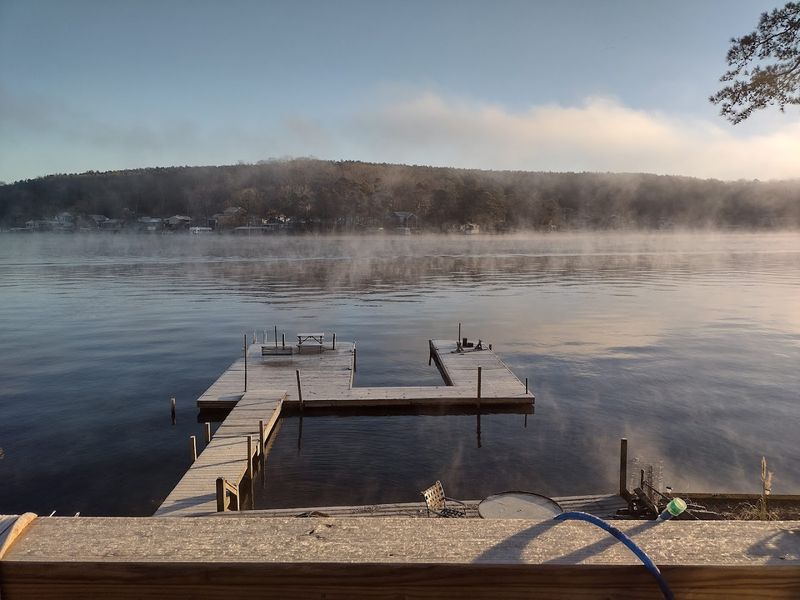
Uwharrie National Forest sits quietly in the rolling Piedmont hills of central North Carolina, and it’s the kind of place that rewards kids who slow down long enough to notice what’s around them. The Uwharrie River winds through the forest in long, peaceful stretches perfect for beginner canoeing — calm enough for young paddlers but interesting enough to keep attention locked in.
Renting canoes or kayaks from nearby outfitters makes getting on the water surprisingly easy for families.
Fishing here teaches something screens simply cannot — patience. Watching a bobber drift on still water, waiting for that sudden dip, builds a quiet focus that most kids rarely get to practice.
Bluegill, bass, and catfish are common catches, and the thrill of landing even a small fish is genuinely unforgettable for a first-time angler. A North Carolina fishing license is required for adults, but kids under 16 fish free.
Beyond the water, Uwharrie’s trail network offers rugged hiking through some of the oldest mountains in North America — geologists estimate these hills are over 500 million years old. The Uwharrie Trail runs 21 miles through the forest, but shorter sections make for great family day hikes.
Wildflowers, songbirds, and trickling streams make every walk feel like a quiet discovery. Pack a picnic and plan to stay longer than you expect.
Visit the North Carolina Zoo (Asheboro)
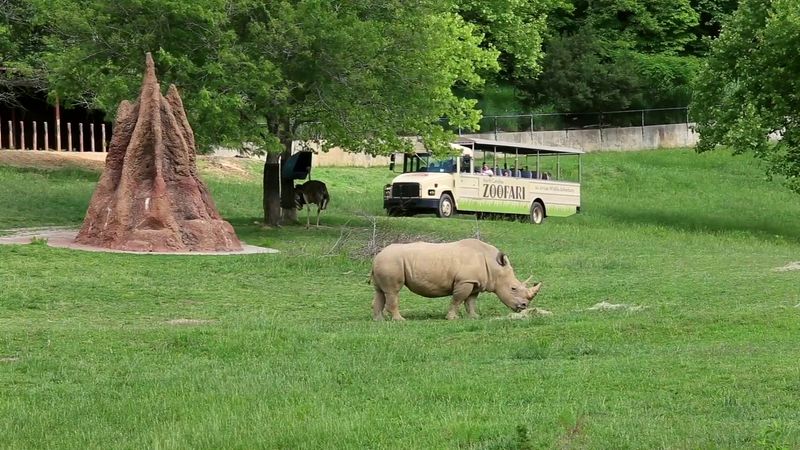
The North Carolina Zoo in Asheboro is one of the largest natural habitat zoos in the entire world, covering over 2,600 acres of Piedmont forest. That size alone sets it apart — animals here aren’t crammed into small enclosures but roam through environments designed to feel as close to wild as possible.
Watching a herd of African elephants move freely across a wide savanna exhibit has a way of stopping kids completely in their tracks.
The zoo is divided into North America and Africa sections, each packed with native species living in thoughtfully designed habitats. From polar bears and alligators to gorillas and meerkats, every turn brings a new encounter.
The gorilla habitat, in particular, is one of the most impressive in the country — watching these intelligent primates interact is quietly humbling for visitors of any age.
Because the zoo covers so much ground, plan for a full day and wear very comfortable shoes. Trams are available for families who need a break from walking.
The zoo also runs educational programs and seasonal events that make visits even more engaging for curious minds. Admission is reasonably priced compared to many major zoos, and the experience consistently earns rave reviews from families across the region.
It’s an unplugged adventure that delivers genuine awe.
Discover Barn Quilt Trails (Rural NC)
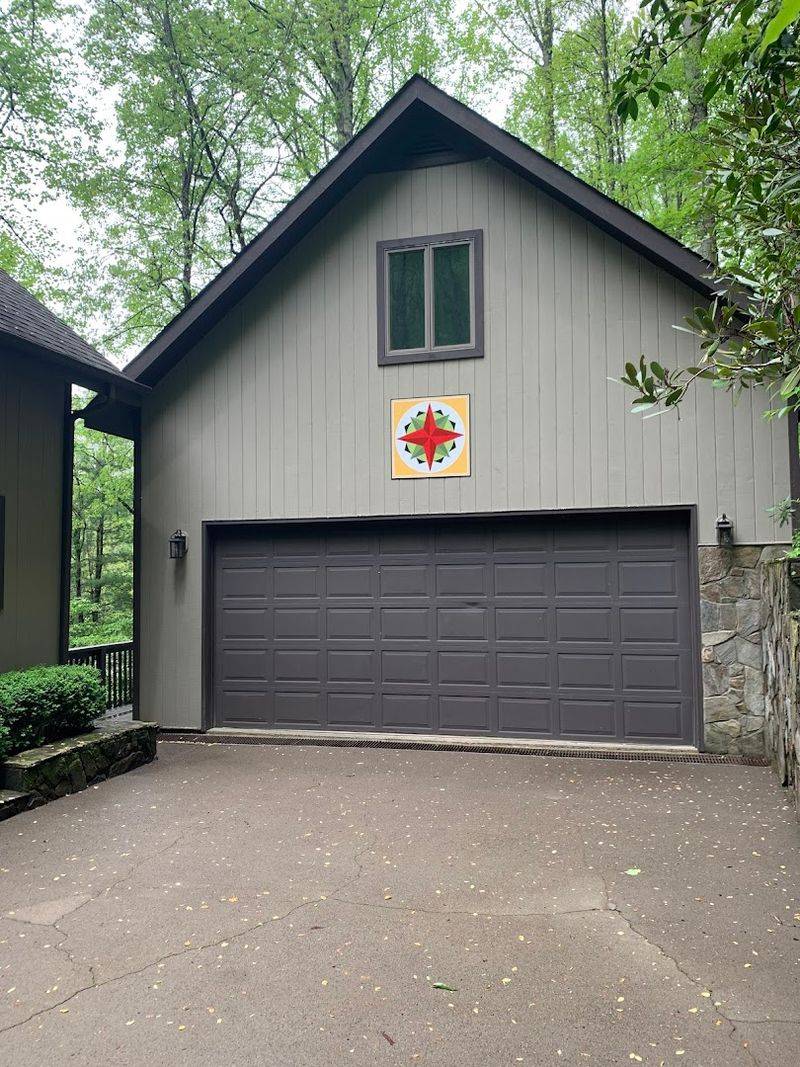
Scattered across the back roads of rural North Carolina, hundreds of barns display giant, hand-painted quilt squares in bold geometric patterns and vivid colors. These barn quilts started as a way to honor the tradition of fabric quilting while celebrating the farming heritage of the region.
Driving a barn quilt trail turns an ordinary afternoon into a backroad treasure hunt that kids actually get excited about.
Counties like Ashe, Surry, and Yadkin have well-established barn quilt trails with printed or digital maps you can follow at your own pace. Each quilt square tells a story — some represent family names, local history, or traditional Appalachian patterns passed down through generations.
Spotting them requires actually looking out the window, which is a refreshingly old-fashioned act for screen-focused kids.
The drives themselves are half the reward. Rolling farmland, mountain views, roadside produce stands, and small-town diners line these rural routes and offer a window into a North Carolina that most visitors never see.
Turn it into a game by having kids photograph each quilt they spot and count the total at the end of the drive. Many local arts councils also sell small barn quilt souvenirs, making for a meaningful and inexpensive keepsake.
It’s slow travel at its most charming.
Attend the Carolina Renaissance Festival (Huntersville)

Every fall weekend, a 25-acre medieval village springs to life just outside Charlotte in Huntersville, and it’s one of the most joyfully chaotic history lessons a kid will ever experience. The Carolina Renaissance Festival brings the 16th century roaring back with jousting knights on horseback, acrobatic jesters, fire performers, and falconry demonstrations that make history feel like the greatest show on earth.
It’s loud, colorful, and wonderfully analog.
Kids can try axe throwing, archery, and candle dipping, or simply wander the market lanes eating giant turkey legs and watching street performers do things that seem physically impossible. Costumed characters roam freely and interact with visitors, creating spontaneous moments of silliness and wonder that no scripted experience could replicate.
The festival runs weekends from mid-October through mid-November.
What’s clever about the Renaissance Festival is how much history sneaks in through the fun. Without realizing it, kids absorb details about medieval crafts, social structure, armor, and daily life just by wandering around and asking questions.
Many families return year after year, often dressing in costume themselves, which adds another layer of creative investment. Arrive early to catch the opening gate ceremony and claim a good spot for the joust.
Parking is free, and the experience is worth every minute of the drive.
Experience a Local Farm Visit (U-Pick or Winchester Creek)
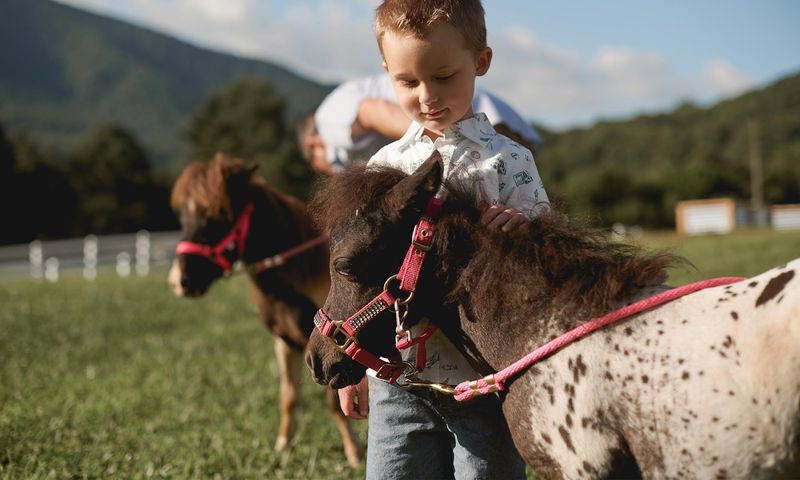
There’s a specific kind of joy that comes from pulling a strawberry off the plant yourself and eating it still warm from the sun — no grocery store can replicate that. North Carolina’s U-Pick farms open their fields to families throughout the growing season, offering strawberries in spring, blueberries in summer, and apples and pumpkins in fall.
Places like Winchester Creek Farm give kids direct, hands-on contact with where food actually comes from.
Farm visits also mean farm animals, which have a near-universal ability to make children drop whatever they’re thinking about and just be present. Feeding goats through a fence, watching chickens scratch the ground, or helping collect eggs are experiences that feel both timeless and genuinely educational.
Many farms pair animal encounters with hayrides, corn mazes, and small petting areas that keep families busy for hours.
Beyond the fun, there’s real learning embedded in every farm visit. Kids begin to understand seasons, soil, and the effort behind every meal they eat — lessons that stick far longer than any worksheet.
Local farm visits also support small agricultural businesses that are central to North Carolina’s economy and cultural identity. Bring cash for most U-Pick operations, dress for dirt, and let kids lead the way through the rows.
The messier the afternoon, the better the memory.
Go Fossil Hunting at the Aurora Fossil Museum (Aurora)
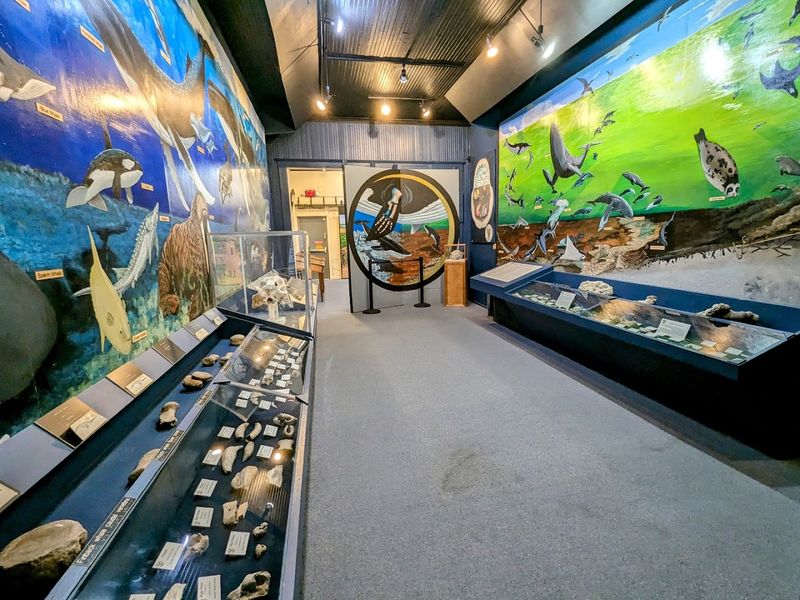
About 15 million years ago, the area around Aurora, North Carolina, sat at the bottom of a shallow sea — and the fossils left behind are absolutely remarkable. The Aurora Fossil Museum is one of those hidden gems that makes a serious impression on kids who love science, dinosaurs, or anything that involves digging in dirt.
Out back, there’s a free fossil pit where visitors can sift through real sediment and keep whatever they find.
Shark teeth are the most common find, and they come in all sizes — from tiny serrated slivers to impressive inch-long specimens from ancient species that no longer exist. Whale bones, ray teeth, and shell fragments also turn up regularly, making every session feel like a genuine paleontological expedition.
The focus and determination kids bring to fossil hunting is something their parents rarely see during screen time.
Inside the museum, well-organized displays explain the geological history of the region and showcase extraordinary specimens including giant megalodon teeth that dwarf anything found in the pit. Staff members are enthusiastic and knowledgeable, happy to help young visitors identify their finds.
The museum is free to enter, and the fossil pit charges only a small fee per bucket of material. It’s an extraordinary value for the quality of experience.
Aurora is a bit off the beaten path, but that’s exactly what makes it feel like a real discovery.
Explore Great Smoky Mountains National Park
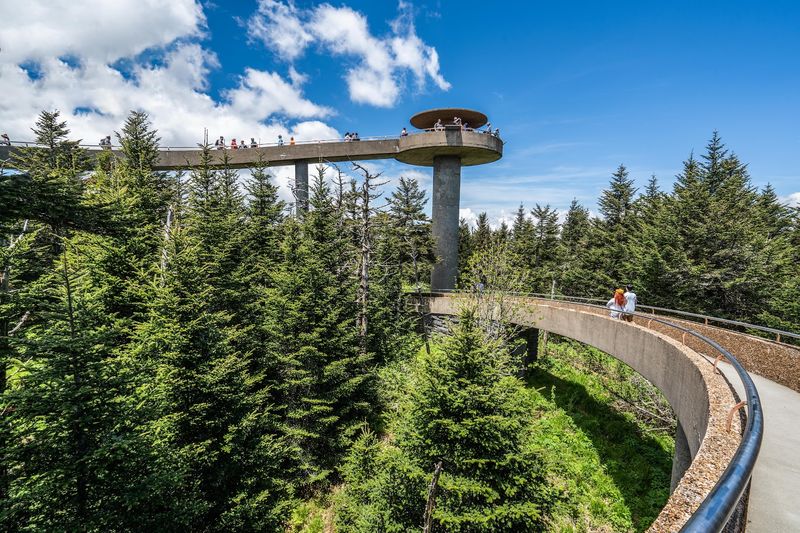
Great Smoky Mountains National Park is the most visited national park in the country, and it earns that title honestly. The mountains here roll in ancient, mist-covered ridges that have been standing for hundreds of millions of years, and hiking through old-growth forest feels genuinely humbling.
For kids, the Junior Ranger program is one of the best entry points — completing the activity booklet earns an official badge and a sworn-in ceremony that kids take surprisingly seriously.
Wildlife encounters are common and thrilling. White-tailed deer graze near roadsides without much concern for passing cars, black bears are spotted regularly in season, and wild turkeys strut through campgrounds with remarkable confidence.
Seeing a bear in the wild — from a safe distance — is the kind of moment that becomes a family story retold for decades.
The park straddles the North Carolina-Tennessee border, with the NC side offering some of the most stunning and less crowded experiences. Cataloochee Valley, accessible by a winding gravel road, is home to a reintroduced elk herd that grazes in open meadows at dawn and dusk.
Waterfall hikes like Grotto Falls and Ramsey Cascades reward effort with spectacular scenery. Best of all, the park is completely free to enter.
Bring layers, start early, and let the mountains do the rest.
Step Aboard Battleship North Carolina (Wilmington)

Docked on the Cape Fear River in Wilmington, the USS North Carolina is one of the most decorated American battleships of World War II — and you can walk every inch of it. This floating museum lets families climb through nine decks of real warship, exploring crew quarters, the engine room, the galley, gun turrets, and the combat information center.
For kids who love history, military vehicles, or simply massive machines, this is the real deal.
What makes the battleship so effective as an educational experience is the scale of everything. The 16-inch guns are enormous in a way that photos simply cannot convey.
Sleeping quarters where hundreds of sailors bunked in tight rows make abstract history feel personal and immediate. Kids naturally start imagining what daily life at sea during wartime actually felt like — and those questions lead to real conversations.
The self-guided tour is easy to follow, and audio stations throughout the ship provide context and firsthand accounts from veterans who served aboard her. A special nighttime ghost tour runs seasonally for older kids and adults who enjoy a spookier take on naval history.
The battleship is open year-round, and admission is very reasonable for the depth of experience it offers. Wear closed-toe shoes — the ship has steep ladders and narrow passageways that are part of the adventure.
Discover Appalachian Rivers Aquarium (Bryson City)
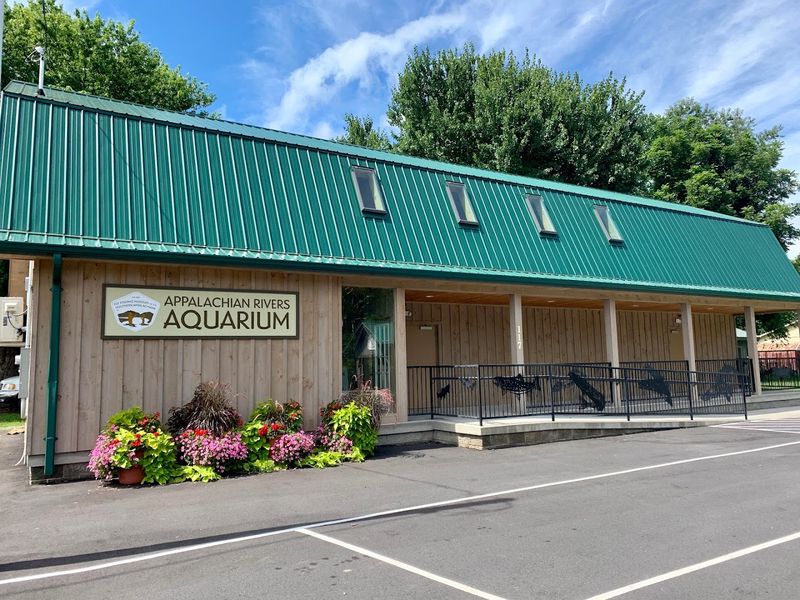
Tucked in the mountain town of Bryson City near the entrance to the Smokies, the Appalachian Rivers Aquarium focuses on something most aquariums overlook entirely — the rich and surprising world of freshwater river ecosystems. Rather than exotic ocean creatures, this aquarium celebrates the native fish, turtles, and aquatic life found right here in the rivers and streams of the Southern Appalachians.
That local focus makes it feel genuinely personal and relevant.
Kids are often surprised to discover how diverse and visually striking freshwater species can be. Darters dart in flashes of orange and blue, hellbenders — the giant salamanders of Appalachian rivers — lurk in rocky crevices, and native trout glide through crystal-clear tank water.
Touch tanks give younger visitors a hands-on connection to aquatic life that builds empathy and curiosity at the same time.
The aquarium is small enough to feel intimate and unhurried, which is a refreshing change from larger, more overwhelming attractions. Staff members are passionate about river conservation and love talking with curious kids about what lives in local waterways.
The location in Bryson City makes it an easy addition to a Great Smoky Mountains trip. Pair it with a walk along the Tuckasegee River just outside, where kids can spot real herons and river otters in the wild.
Small aquarium, big impression.
Join a Festival Like the Black Bear or Azalea Festival
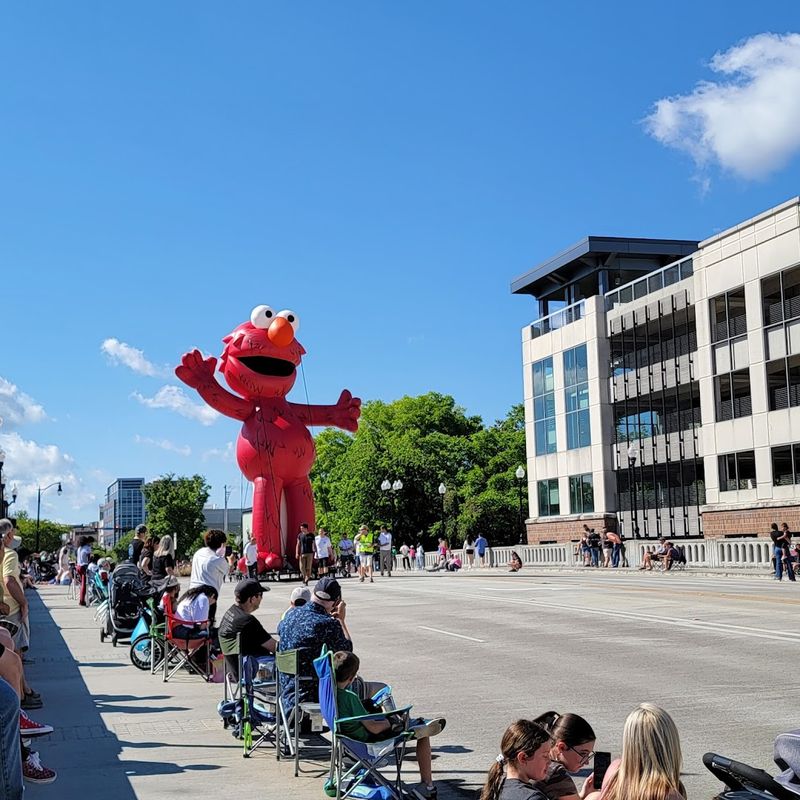
North Carolina knows how to throw a festival, and the state’s seasonal celebrations are some of the most authentic community experiences a family can find anywhere in the South. The North Carolina Azalea Festival in Wilmington erupts every April with blooming flowers, live music, a grand parade, and a street fair that transforms the historic downtown into something genuinely beautiful.
The Black Bear Festival in Plymouth celebrates the wildlife and wetlands of eastern NC with animal demonstrations, local crafts, and outdoor education activities.
What separates these festivals from generic theme park entertainment is the community spirit behind them. Local vendors, hometown musicians, and regional artisans fill every corner, giving kids a window into the real culture and pride of North Carolina communities.
Parade floats, marching bands, and costumed characters create a festive energy that’s impossible to manufacture — it has to be lived.
Seasonal festivals also teach kids that celebration doesn’t require a screen or a purchase. The best moments often happen spontaneously — a street performer pulling a child into an act, a local chef offering a taste of something unexpected, or a wildlife biologist showing off a live snake to a crowd of wide-eyed kids.
Check NC’s festival calendar to match a visit with whatever’s happening nearby. These events are often free or very low cost and deliver memories that outlast any souvenir.