Florida’s history stretches back much further than many visitors realize, and some of the state’s most fascinating places are the streets that have quietly witnessed generations of change.
Lined with historic buildings, mature oak trees, colorful storefronts, waterfront views, and architectural treasures, these roads offer a glimpse into the Florida that existed long before modern resorts and theme parks arrived.
Some reflect the state’s Spanish colonial roots, while others showcase Gilded Age elegance, maritime history, or the charm of old coastal communities.
The blend of preserved character and active local life makes them especially rewarding to explore.
Whether located in small towns or larger cities, these destinations reveal a side of Florida that feels authentic and enduring.
1. Duval Street – Key West, Monroe County
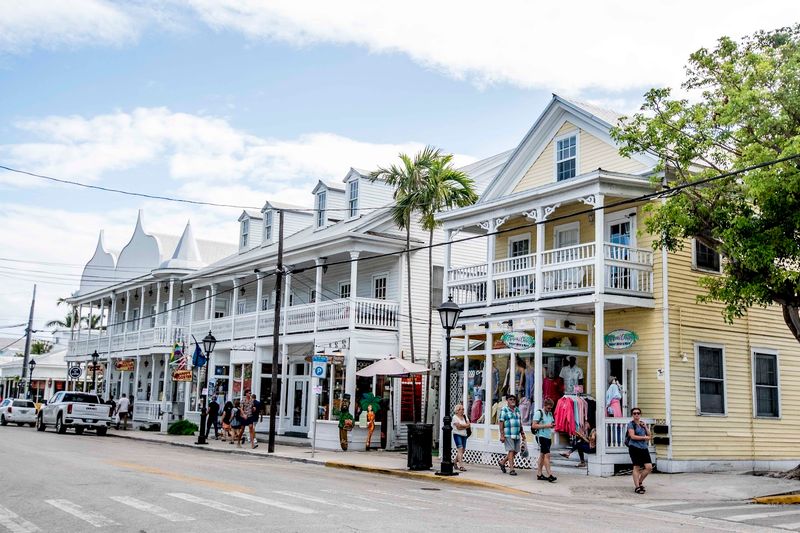
Warm trade winds, pastel facades, and the low hum of nightlife give this famous strip a personality unlike anywhere else in Florida.
It feels tropical, irreverent, and proudly theatrical, with chickens wandering near galleries and bars that have hosted generations of storytellers.
That unmistakable energy belongs to Duval Street in Key West, the island’s best-known artery and one of old Florida’s most memorable walks.
Running from the Gulf of Mexico to the Atlantic side, the street links historic hotels, cigar-era buildings, Victorian houses, and long-running watering holes.
Key West grew through maritime trade, wrecking, cigars, and tourism, and Duval somehow carries traces of all those chapters at once.
You can still feel the scale of an older town here, despite the crowds and commercial polish.
What keeps it fascinating is the mix of spectacle and authenticity layered into a compact, very walkable setting.
Literary lore, drag shows, porches, hidden gardens, and sunset-bound wanderers all share the same few blocks without seeming forced.
Even when it is busy, the street retains a slightly weathered island confidence that resists becoming generic.
2. Spanish Street – New Smyrna Beach, Volusia County
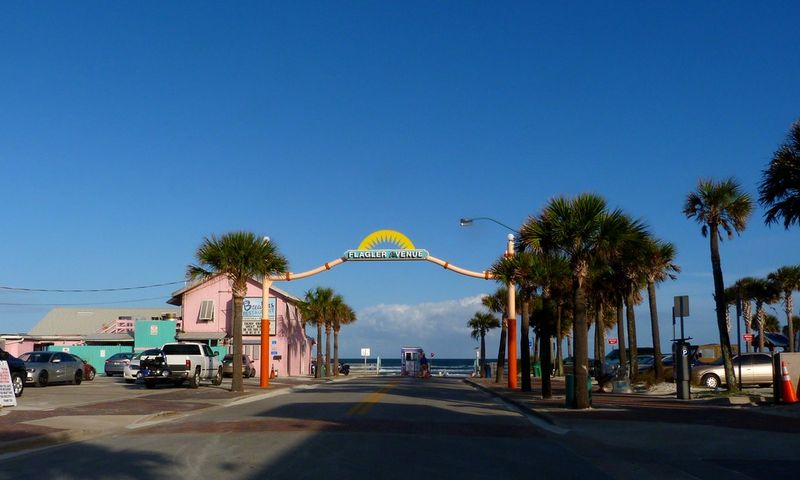
Quiet shade, modest storefronts, and a slower coastal rhythm make this place feel intimate in a way many famous Florida streets no longer do.
Instead of overwhelming you with spectacle, it draws you in through texture, scale, and the sense that locals still claim it as their own.
That understated charm defines Spanish Street in New Smyrna Beach, a historic corridor near the heart of one of Florida’s oldest coastal communities.
The city traces its roots to an eighteenth-century British colony, later reshaped by commerce, tourism, and the ebb and flow of waterfront life.
Spanish Street reflects that long evolution through older buildings, walkable blocks, and a downtown pattern that still invites strolling over rushing.
You notice restaurants, galleries, and small businesses, but the human scale is what leaves the strongest impression.
There is something especially appealing about how this street balances heritage and everyday usefulness.
It does not feel frozen for visitors, and that gives its historic setting more credibility than many polished destinations can claim.
When you wander nearby avenues and side streets, Spanish Street works like an anchor that keeps downtown connected to its past.
3. Worth Avenue – Palm Beach, Palm Beach County
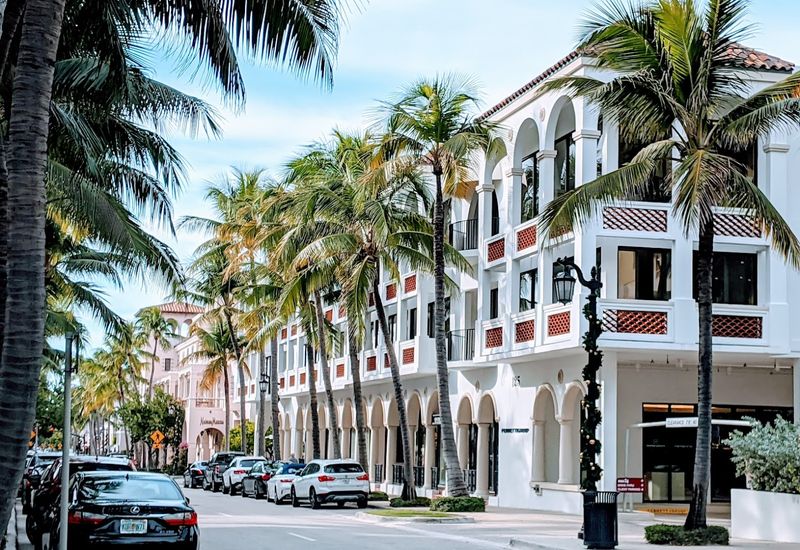
Sunlight on stucco, hidden courtyards, and a polished hush give this street the feel of a Mediterranean stage set transplanted to coastal Florida.
Everything looks curated, yet the beauty runs deeper than luxury storefronts because the setting reflects an older vision of resort-town elegance.
That distinctive world is Worth Avenue in Palm Beach, one of the state’s most iconic historic shopping streets.
Developed during Palm Beach’s rise as a winter enclave for wealthy visitors, the avenue helped define the town’s architectural and social identity.
Mediterranean Revival details, intimate vias, and carefully framed views turn an ordinary shopping outing into an architectural walk.
What makes it fascinating is how completely the avenue conveys old Florida glamour without losing its sense of place.
You move between ocean proximity, garden courtyards, and landmark buildings that still suggest the ambition of the early twentieth century boom years.
The street feels ceremonial, but not lifeless, especially when you slow down enough to notice carved doors, fountains, and shaded passageways.
Few streets in the state express glamour, continuity, and architectural control with such lasting confidence and visual allure.
4. Clematis Street – West Palm Beach, Palm Beach County
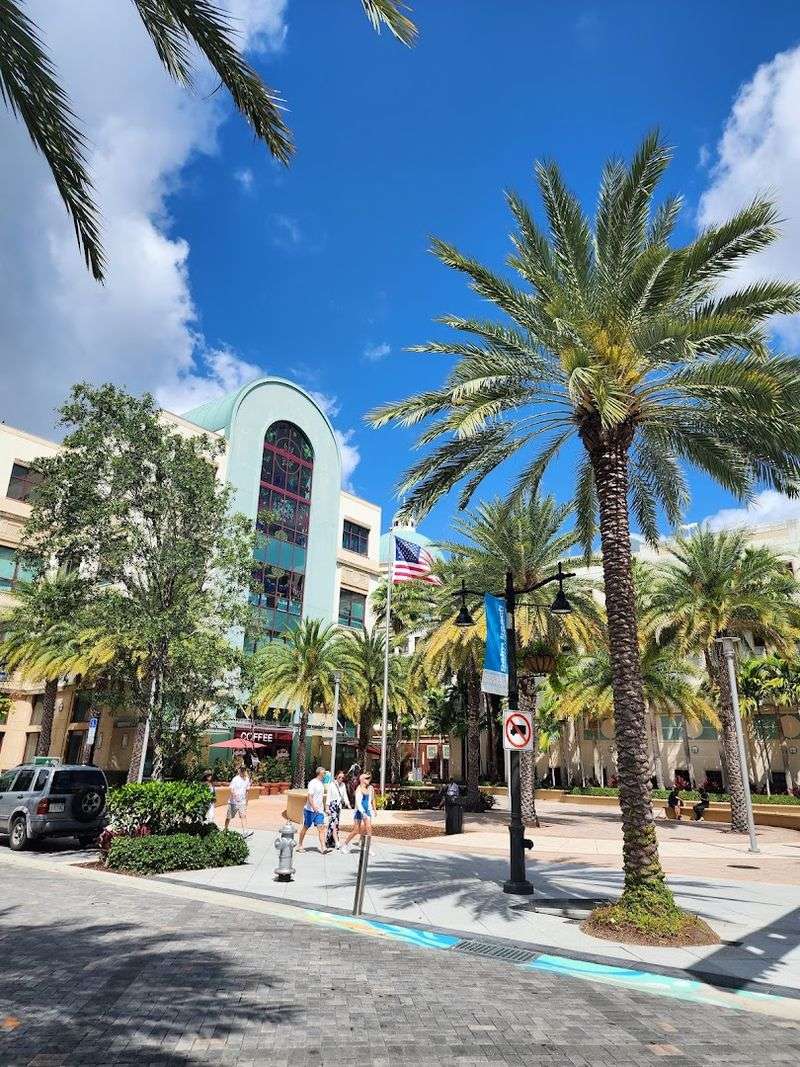
Music drifting from open doors, early twentieth-century facades, and a strong downtown pulse give this street a character that feels both historic and fully alive.
It is the kind of place where civic memory and nightlife overlap, revealing a city that still gathers along its traditional main corridor.
That blend of energy and heritage defines Clematis Street in West Palm Beach, one of South Florida’s most enduring downtown streets.
The avenue developed during the city’s formative boom years and became a commercial spine tied to rail access, tourism, and regional growth.
Today, surviving historic buildings and adaptive reuse projects help preserve that older urban framework even as restaurants and entertainment venues change over time.
You can sense the original purpose of the street simply by looking at the block pattern and storefront rhythm.
Festivals, markets, murals, and everyday foot traffic keep it relevant, while nearby waterfront connections broaden its appeal beyond a single nightlife district.
That constant use gives the history more weight because it remains part of how the city actually works.
For anyone exploring old Florida through urban history rather than quiet villages alone, this street is an essential stop.
5. Centre Street – Fernandina Beach, Nassau County
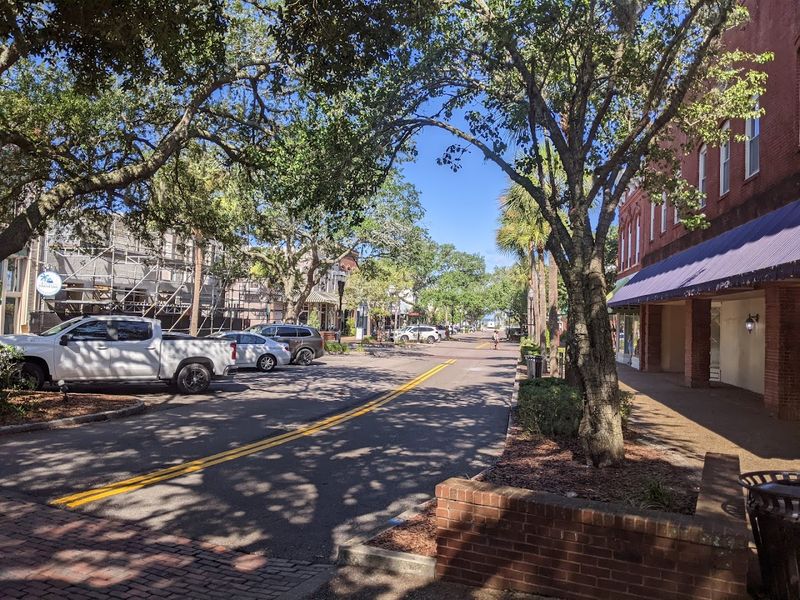
Brick storefronts, a gentle rise toward the harbor, and the feeling of a seaport town watching the tides define this memorable downtown corridor.
There is a slightly cinematic quality here, but it never feels artificial because the historic fabric is rooted in real commerce and maritime life.
That enduring scene belongs to Centre Street in Fernandina Beach, the heart of Amelia Island’s wonderfully preserved historic district.
Fernandina Beach has a famously layered past involving shifting flags, shipping, shrimping, and railroad connections, and Centre Street reflects those influences with unusual clarity.
Nineteenth-century commercial buildings line the route, giving you one of the strongest Victorian-era streetscapes in Florida.
The setting feels compact and walkable, with enough elevation and waterfront context to make every block visually interesting.
What keeps Centre Street so fascinating is its ability to balance heritage tourism with small-town authenticity.
Yes, you will find boutiques, restaurants, and visitors, but the street still reads as a working downtown tied to local identity.
Seasonal festivals and everyday routines both fit naturally here, which is often the mark of a truly successful historic district.
6. First Street North Historic District – Jacksonville Beach, Duval County
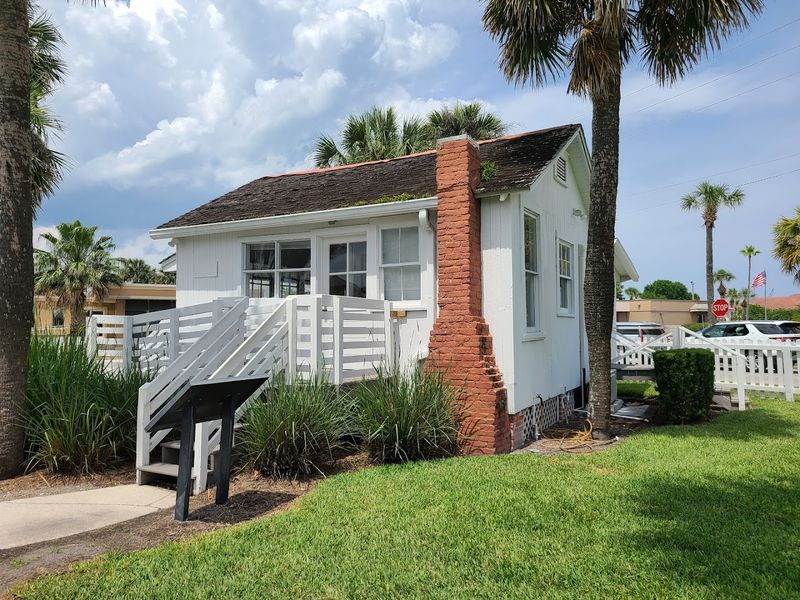
Sea breezes, modest cottages, and the sound of surf nearby create a quieter kind of historic experience than most famous Florida streets deliver.
Instead of showy monuments, you get residential texture, beach-town memory, and a sense of how coastal life once unfolded at a smaller scale.
That appeal defines the First Street North Historic District in Jacksonville Beach, where surviving homes preserve an older chapter of Atlantic shore development.
Much of Florida’s coastline has been remade by towers and heavy redevelopment, which makes this district especially meaningful.
The neighborhood includes early twentieth-century dwellings associated with the community’s rise as a seaside destination linked to streetcar travel and leisure culture.
Walking here lets you imagine an era when beach architecture leaned practical, breezy, and intimate rather than oversized.
You notice porches, setbacks, rooflines, and small-scale details that speak to climate adaptation and social habits before modern resort building took over.
Even though the ocean is the larger attraction, the district adds historical depth to Jacksonville Beach’s identity.
I find this area compelling because it captures old Florida through domestic landscape rather than commercial spectacle.
7. St. George Street – St. Augustine, St. Johns County
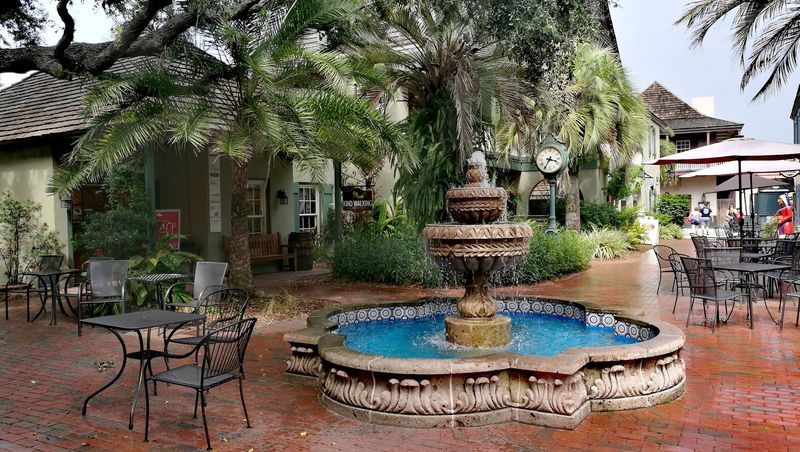
Brick walkways, weathered shutters, and the scent of salt in the air make this corridor feel instantly older than modern Florida.
You hear carriage sounds, church bells, and snippets of history before you even notice how carefully preserved everything looks.
That atmosphere defines St. George Street in St. Augustine, where the pedestrian-only route cuts through one of the nation’s oldest continuously occupied European-founded cities.
Its story reaches back to the Spanish colonial era, and the street still threads past landmarks tied to those centuries of shifting rule and culture.
Coquina walls, courtyards, museums, inns, and tucked-away shops give you a sense of how layered daily life once was here.
Even the commercial storefronts feel grounded in place, because architecture and materials keep echoing the city’s distinctive past.
Walking this stretch is less about checking off sights and more about absorbing the texture of old Florida at human speed.
What fascinates me most is how accessible the past feels here without being flattened into a theme.
St. George Street still works as a social spine, a tourist draw, and a visual lesson in Florida’s earliest urban life.
8. East Las Olas Boulevard – Fort Lauderdale, Broward County
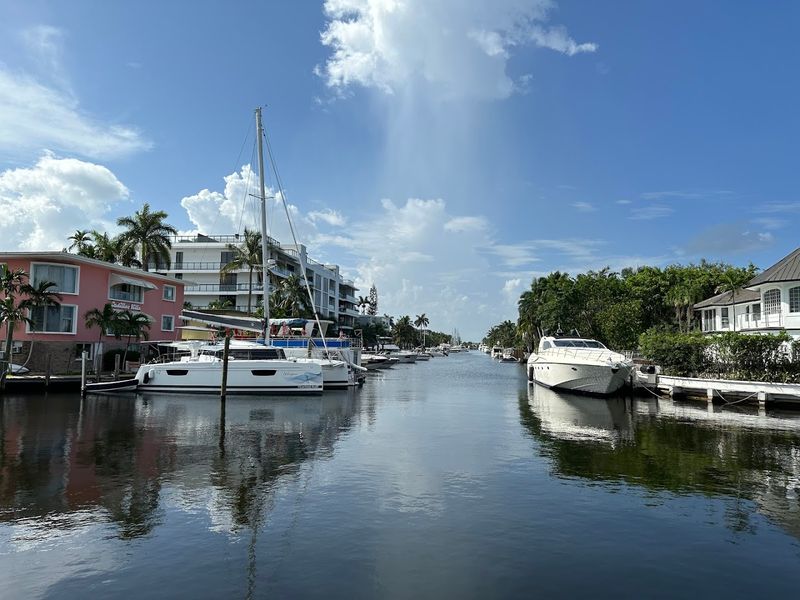
Palms, sidewalk cafes, and a polished boulevard atmosphere make this stretch feel stylish, but its roots go well beyond contemporary dining and shopping.
There is a lingering sense of South Florida ambition here, shaped by planners and dreamers who imagined a subtropical city with grandeur and ease.
That vision lives on along East Las Olas Boulevard in Fort Lauderdale, one of the region’s most recognizable historic corridors.
The boulevard gained importance during the early twentieth century, particularly as the city expanded during Florida’s land boom years.
Its alignment, landscaping, and architecture helped frame a civic and commercial identity distinct from the beach and the inland waterways.
Historic structures and later layers now mix together, but the street still reads as an older planned statement.
What makes it fascinating is the way it bridges eras without losing its essential character.
You can admire Mediterranean Revival influences, gallery culture, and mature streetscape design while also sensing how the boulevard connected neighborhoods, commerce, and civic aspiration.
The result feels more urban and composed than many Florida destinations built around pure leisure.
9. Canal Street – New Smyrna Beach, Volusia County
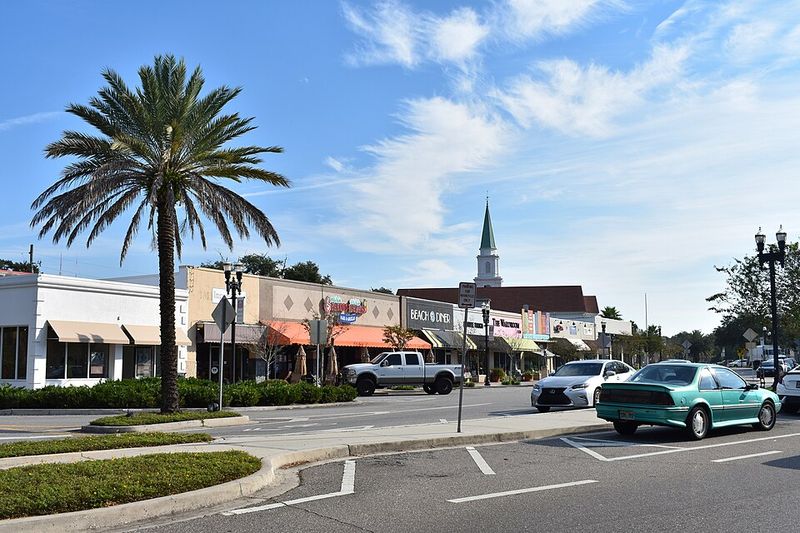
Murals, mature trees, and a friendly downtown scale make this street feel like the kind of place where history still lives in ordinary errands.
There is movement and commerce here, but also a reassuring calm that invites you to notice details instead of racing through them.
That atmosphere belongs to Canal Street in New Smyrna Beach, a long-established corridor central to the city’s historic downtown life.
Over time, the street evolved with local business, transportation shifts, and the changing fortunes of a coastal community balancing river, beach, and inland connections.
Older commercial buildings and civic landmarks preserve enough of that story to keep the setting visually grounded in its past.
You can see why Canal Street has remained a community anchor rather than just a visitor backdrop.
Shops, galleries, restaurants, and events bring people downtown, yet the street still feels shaped by residents as much as tourists.
That balance gives Canal Street a credibility many revitalized districts struggle to achieve, because everyday life still seems welcome here.
It also helps that the avenue works beautifully as a starting point for understanding New Smyrna Beach beyond the shoreline.
10. Magnolia Avenue – Ocala, Marion County
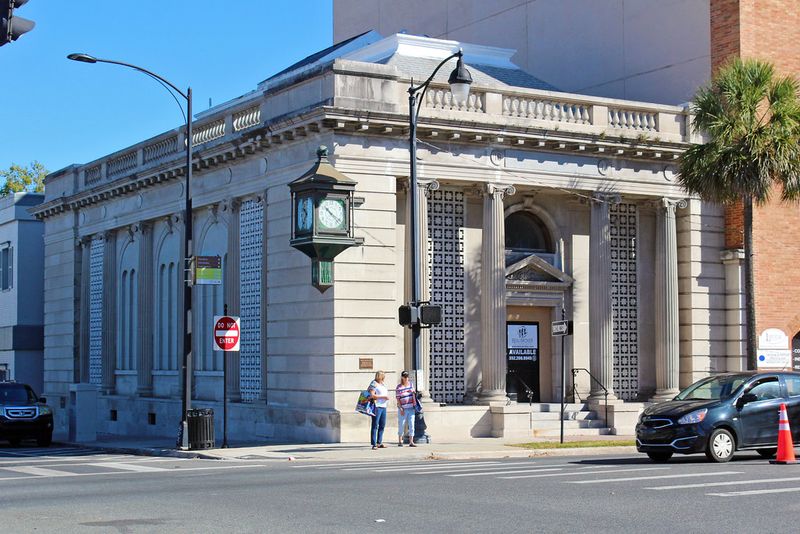
Dappled light under mature oaks and a downtown backdrop of historic buildings give this avenue a classic inland Florida beauty that feels increasingly rare.
It does not rely on coastal scenery or resort glamour, yet it leaves a powerful impression through shade, proportion, and quiet dignity.
That enduring appeal defines Magnolia Avenue in Ocala, one of the city’s most beloved historic streets.
Ocala developed as a commercial center for central Florida and later became closely associated with horse country, agriculture, and regional trade.
Magnolia Avenue reflects that civic importance through its placement in the downtown historic district, where older architecture still frames the pedestrian experience.
The famous oak canopy adds a memorable visual identity, turning a city street into something almost ceremonial.
What makes this place fascinating is how beautifully natural and built elements work together.
The avenue feels formal enough to suggest civic pride, yet relaxed enough to encourage lingering at storefronts, restaurants, and nearby squares.
I admire Magnolia Avenue because it represents old Florida away from the coast, where memory survives through courthouse towns and shaded main streets.
It reminds you that the state’s heritage includes inland centers with strong architectural character and local continuity.
11. Tarpon Avenue – Tarpon Springs, Pinellas County
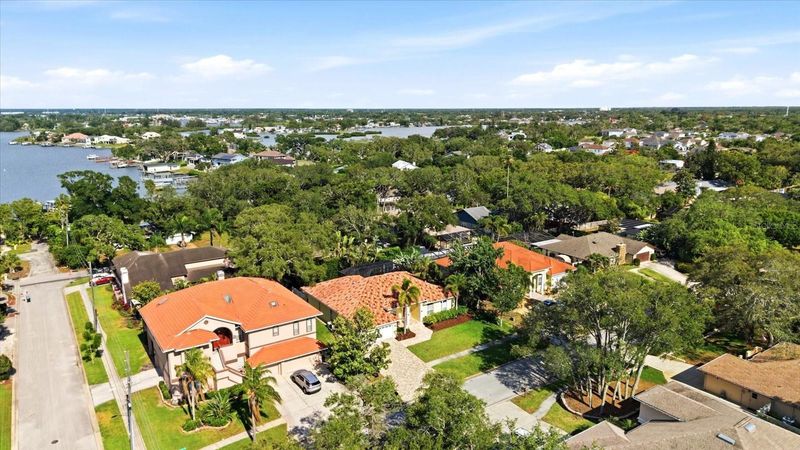
Warm light on old facades, glimpses of Greek heritage, and a downtown scale made for walking give this street a personality all its own.
It feels both Floridian and distinctly Mediterranean, shaped by maritime history and immigrant influence in a way few other places can match.
That special character belongs to Tarpon Avenue in Tarpon Springs, a key route through one of the state’s most culturally distinctive historic towns.
Tarpon Springs became famous for its sponge industry, and Greek divers and entrepreneurs helped define the community’s economy, architecture, and traditions.
Tarpon Avenue channels that story through older commercial blocks, civic buildings, and connections to the nearby sponge docks and downtown core.
What fascinates me here is the way cultural memory remains visible in everyday surroundings.
Restaurants, bakeries, shops, and public events reinforce the town’s heritage, while the street itself preserves the scale of an older commercial district.
That combination keeps Tarpon Avenue from feeling generic, even as visitors arrive looking for a famous destination.
For anyone exploring old Florida through communities with strong ethnic identity, this avenue is among the state’s most rewarding walks.
12. Palmetto Avenue – Sanford, Seminole County
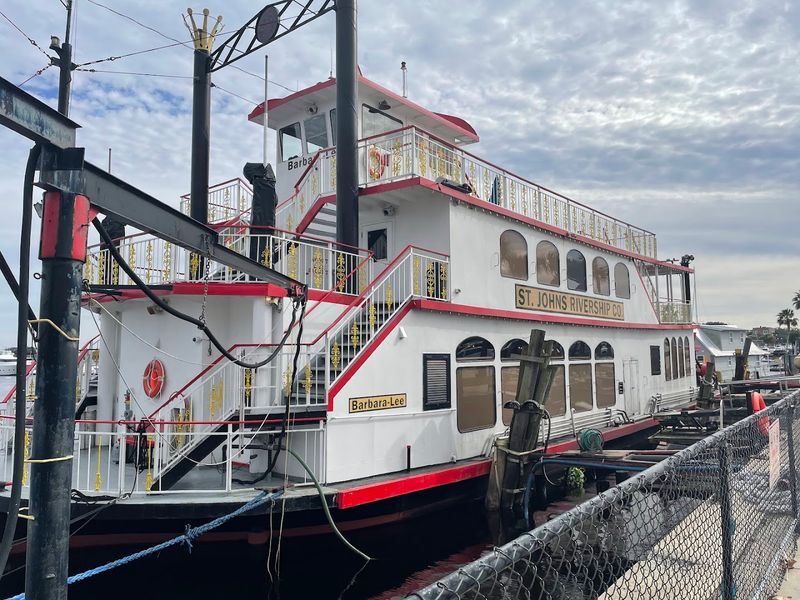
Brick paving, stately trees, and handsome old homes create the kind of streetscape that makes you instinctively slow your pace.
There is a residential grace here that feels inseparable from the town’s river and lake history, even when no water is in sight.
That mood defines Palmetto Avenue in Sanford, one of central Florida’s most appealing historic streets.
Sanford rose as a transportation and agricultural hub, with the St. Johns River helping connect it to wider trade networks during the nineteenth century.
Palmetto Avenue preserves that era’s prosperity through substantial houses, historic materials, and a layout that still conveys neighborhood pride.
Its brick surface, in particular, gives the street a tactile sense of age that newer developments can never fake.
What makes this avenue fascinating is the way it reveals urban history through domestic architecture instead of grand monuments.
You can read changing tastes, social status, and climate-minded design in porches, rooflines, windows, and setbacks along the route.
That kind of street-level storytelling rewards attentive walking and makes Sanford feel more layered than many casual visitors expect.
13. Delaney Avenue – Orlando, Orange County
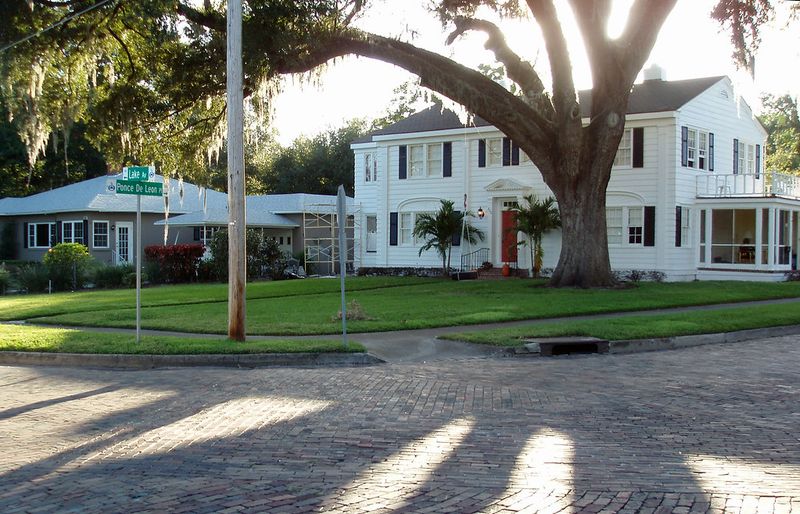
Curving gently past lakes and under old trees, this avenue offers a side of Orlando that many visitors never imagine exists.
Instead of theme parks and highways, you find brick, porches, and an established neighborhood atmosphere shaped by early twentieth-century growth.
That quieter history is embodied by Delaney Avenue, one of the signature streets in Orlando’s older residential core.
The avenue developed as the city expanded south of downtown, attracting substantial homes in a setting that balanced prestige, beauty, and proximity to civic life.
Its route near Lake Cherokee and other historic blocks helps explain why the area remains one of Orlando’s most evocative heritage landscapes.
Architectural variety, mature canopy, and surviving street character combine to preserve a strong sense of continuity.
What fascinates me about Delaney Avenue is how effectively it counters the common stereotype of Orlando as entirely modern and transient.
Walking here reveals a city with older layers, neighborhood traditions, and residential planning that mattered long before mass tourism defined the region.
The avenue feels calm and dignified, yet never detached from the city’s broader historical story.
14. McGregor Boulevard – Fort Myers, Lee County
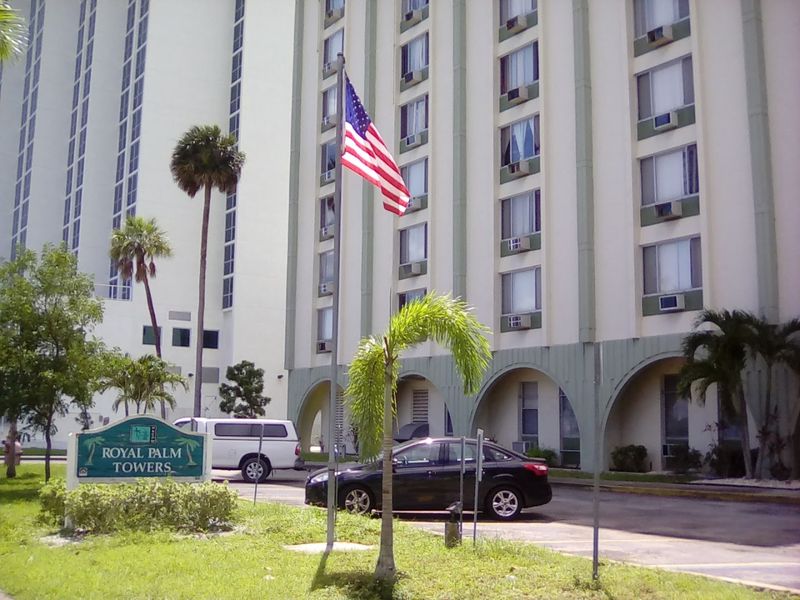
Long rows of royal palms and the sense of entering another era make this boulevard one of Florida’s most dramatic historic approaches.
Even before you know its backstory, the landscape announces civic ambition, tropical beauty, and the confidence of an earlier resort age.
That unforgettable experience belongs to McGregor Boulevard in Fort Myers, a storied route closely tied to the city’s historic identity.
The boulevard is famous for its palm-lined sections and for its association with prominent winter residents such as Thomas Edison and Henry Ford.
As Fort Myers developed along the Caloosahatchee River, McGregor became both a scenic statement and a connection between neighborhoods, estates, and commercial areas.
Its broad alignment and mature plantings still communicate the grandeur planners intended.
What makes it fascinating is the scale of the visual effect.
Many old Florida streets charm you through intimacy, but McGregor Boulevard works through procession, rhythm, and the powerful repetition of its tree canopy.
You feel history not only in buildings nearby, but in the boulevard’s design itself as a civic landscape.
I admire this street because it captures a subtropical ideal that remains deeply associated with Florida’s image.