Somewhere in central Massachusetts, kids can watch a blacksmith shape iron, ride behind a team of horses, and chat with a farmer who acts like the year is 1830.
No screens, no smartphones, and no fast-forward button. Just a working town with mills, shops, homes, and farm animals spread across a huge stretch of countryside.
Families come for a few hours and often end up staying all day, because every door seems to open onto a new story. The people in costume know their stuff, and they love questions from curious young minds.
This guide walks through the best parts of this living history spot, from the covered bridge to the sawmill to the holiday events that bring crowds back year after year.
Keep reading to plan a day that feels like a real trip back in time.
Across the Bridge to the Busy Mills
Some bridges just get you across water. This one carries you into a whole other part of the 1830s economy.
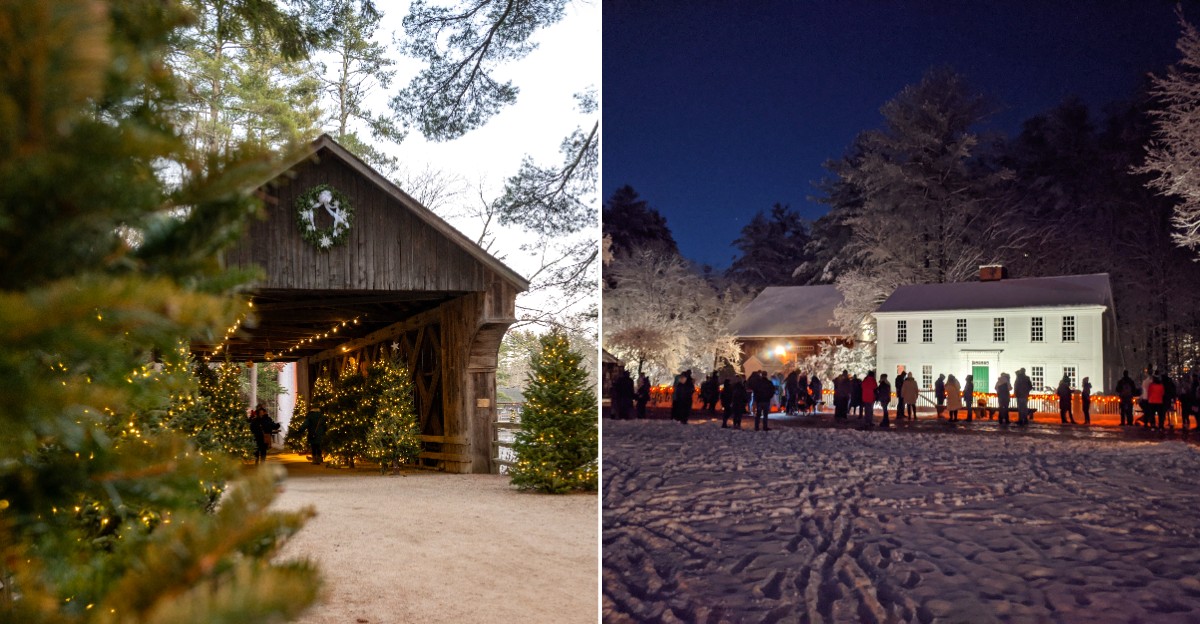
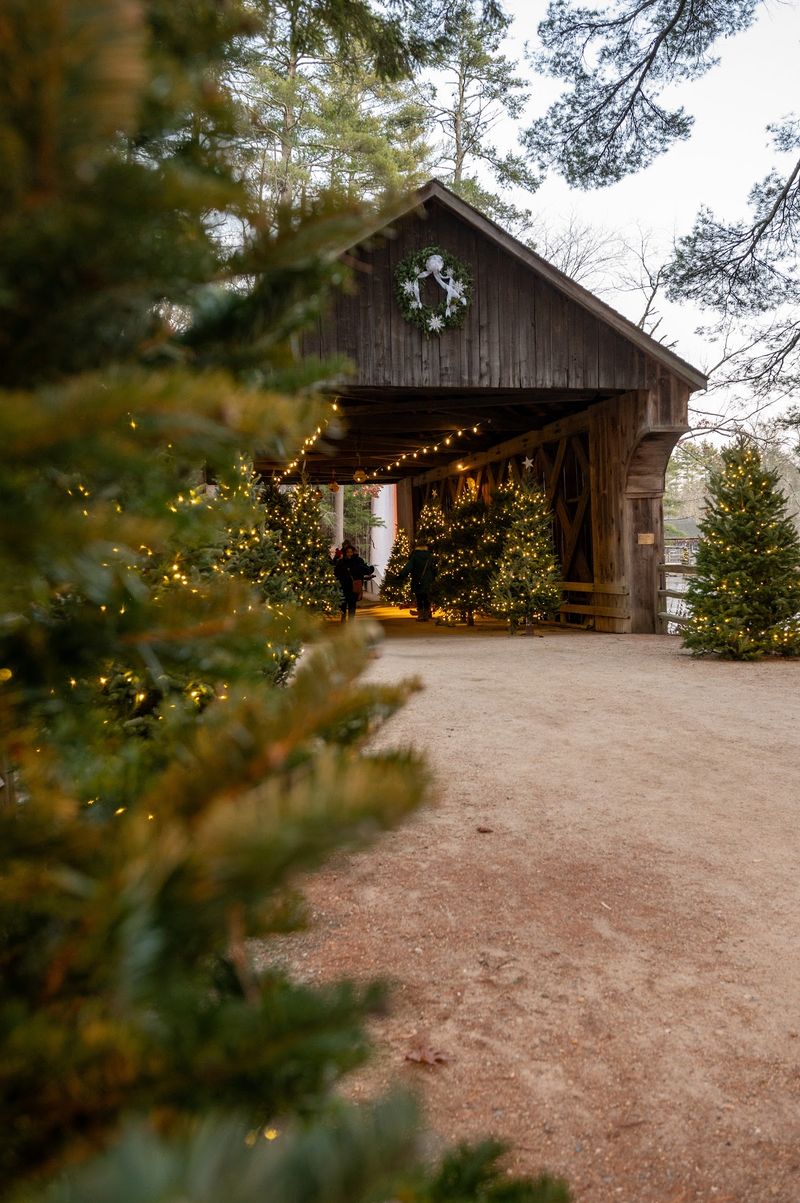
The village includes a historic covered bridge that was moved here from Vermont. Walking through it is a favorite moment, and it makes a great spot for family photos.
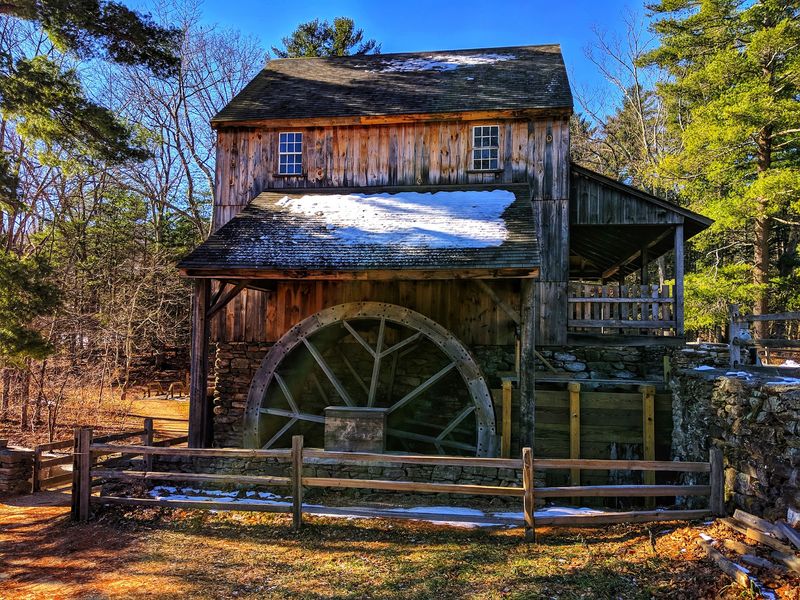
On the other side stands the sawmill, which shows how water power helped turn logs into boards. For kids raised on electric everything, seeing a mill powered by moving water can be a real eye-opener.
Nearby, a carding mill shows another step in turning wool into cloth. Together, these buildings explain how small towns made the materials they needed every day.
Time your walk with patience, since the mill area sits a good distance from the main common. Little legs may need a rest break along the way.
That stretch also offers pleasant nature views, so the walk feels more like a ramble than a chore. Few field trips mix science, history, and fresh air quite so neatly.
A Whole Town Hiding Off the Highway
Plenty of families find this place by accident, spotting a small exit sign and deciding to take a chance. That little detour can turn into a full day of exploring.
Old Sturbridge Village sits at 1 Old Sturbridge Village Rd, Sturbridge, MA 01566, in the central part of Massachusetts. It is a living history museum that recreates a rural New England town from the 1830s.
The grounds cover more than 200 acres. That space holds farms, homes, stores, meetinghouses, mills, and craft shops, all arranged to show how people lived and worked nearly two centuries ago.
Costumed historians fill the buildings and act out daily life. They answer questions, show off old skills, and explain why things were done a certain way back then.
Parking is free and roomy, which makes arrival easy for families with strollers and wagons. Bring good walking shoes, since the paths stretch far and wide.
Hours and seasons change through the year, so checking the official website before heading out is a smart first step. A little planning goes a long way here.
Hammers, Sparks, and Old-School Skills
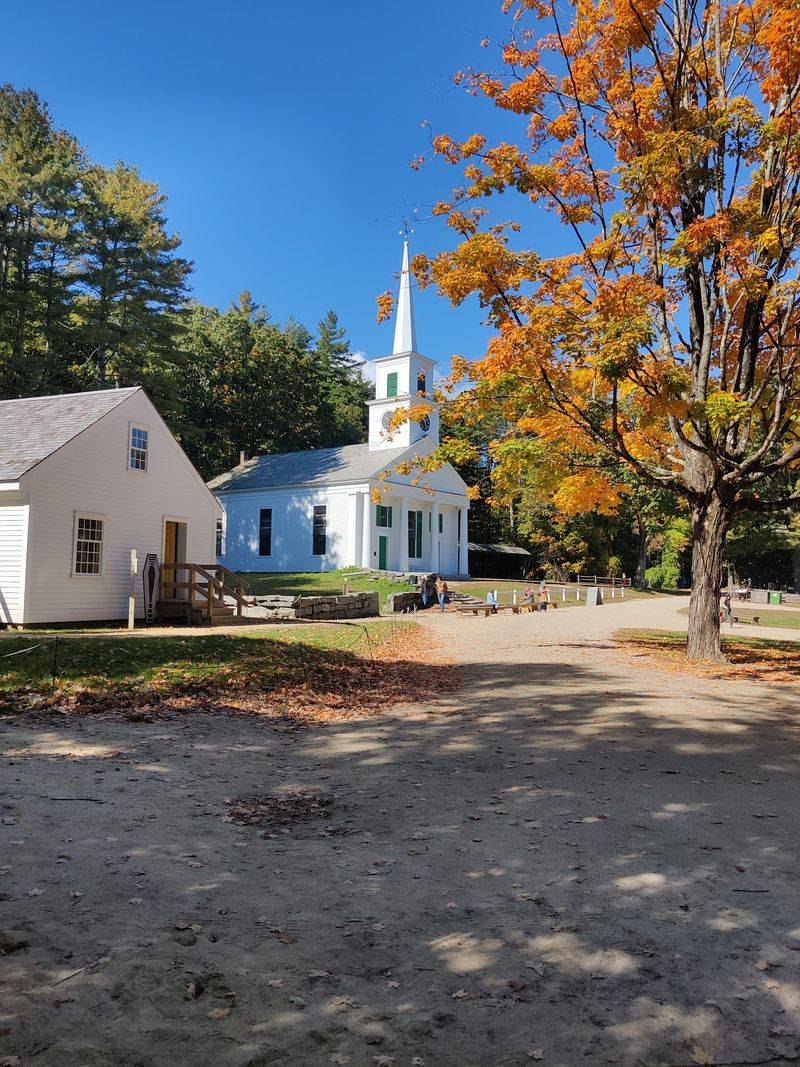
Kids who think a hammer is boring have never watched a blacksmith at work. Of all the trade shops in the village, the blacksmith shop is one of the most talked-about stops.
Inside, a costumed worker heats metal in a forge and shapes it into useful tools and hardware. Young watchers get to see how farmers in the 1830s got nails, hinges, and horseshoes without any big store nearby.
The craft lineup does not end there. A tinsmith shapes cups and lanterns from thin sheets of metal, and a joinery shop shows how wooden furniture and parts were built by hand.
There is also a shoemaker’s shop and a ceramics barn where pottery comes to life.
Each building gives kids a peek at a real job from long ago. Encourage them to ask how long a task takes or what tools cost back then.
The answers often surprise everyone, grown-ups included. Turns out, a whole town once ran on muscle, patience, and a lot of practice.
Horsepower of the Original Kind
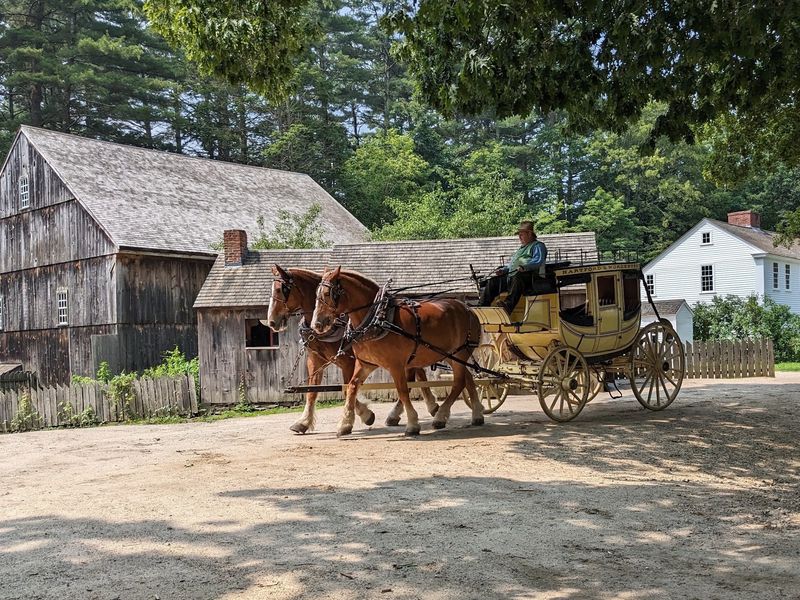
Forget minivans for a moment. In 1830s New England, getting around meant hitching up a horse.
The village offers rides in a horse-drawn carryall, and many families call it a must-do. The driver keeps a steady stream of stories and facts going during the loop, so the ride doubles as a moving history class.
Toddlers and grandparents both tend to enjoy this one. It also gives tired feet a break after a long morning of exploring homes and shops.
Animals show up all over the grounds, too. Sheep are available to pet, and the pig pens draw plenty of giggles from small kids watching the hogs move around.
Farm areas help children understand where food and wool came from before grocery stores existed. A quick chat with farm staff can explain how much work one family needed to keep animals healthy.
Catch the wagon when it pulls up, because it runs on a circuit. Patience pays off here, and the reward is a ride worth neighing about.
Fuel Stops for Little Time Travelers
Exploring two centuries of history burns plenty of energy. Luckily, the village makes it simple to keep everyone fed and happy.
Guests are allowed to bring a bag, a backpack, a drink, or even an umbrella for shade. Many families pack a lunch and settle in at one of the many picnic tables spread across the grounds.
On-site options exist too, including a tavern spot and a village shop for a treat. Keep an eye on the clock, though, because some counters close in the afternoon.
Summer days can get hot, and most historic buildings do not have modern cooling. A smart trick is to freeze water bottles the night before so they stay cool as they thaw.
Restrooms are available on the grounds. A playground near the exhibition area also gives younger kids a spot to burn off extra steam.
Plan a mid-day break before energy runs low. A well-fed kid asks better questions, and a rested parent answers them with a smile.
When the Village Puts on a Show
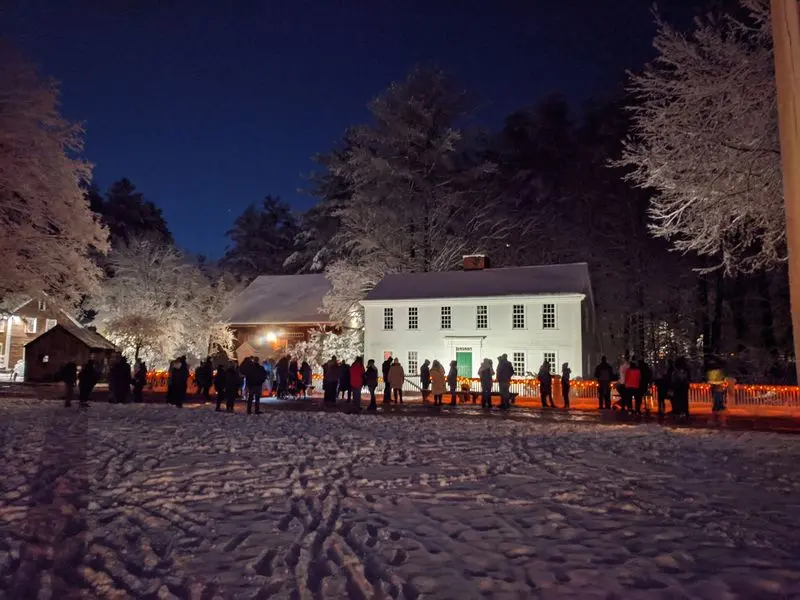
Ordinary days here are already special, but the seasonal events take things up a notch. Two of the biggest crowd favorites are Phantoms by Firelight and Christmas by Candlelight.
Phantoms by Firelight runs in the fall evenings and has featured a theme based on the Frankenstein story. Short skits pop up around the village, and kids can collect paper pieces at each stop to build a cardstock creature.
Arriving right at opening helps families catch every performance. Reading the event map closely before starting is another wise move, and warm hats and gloves are a good idea.
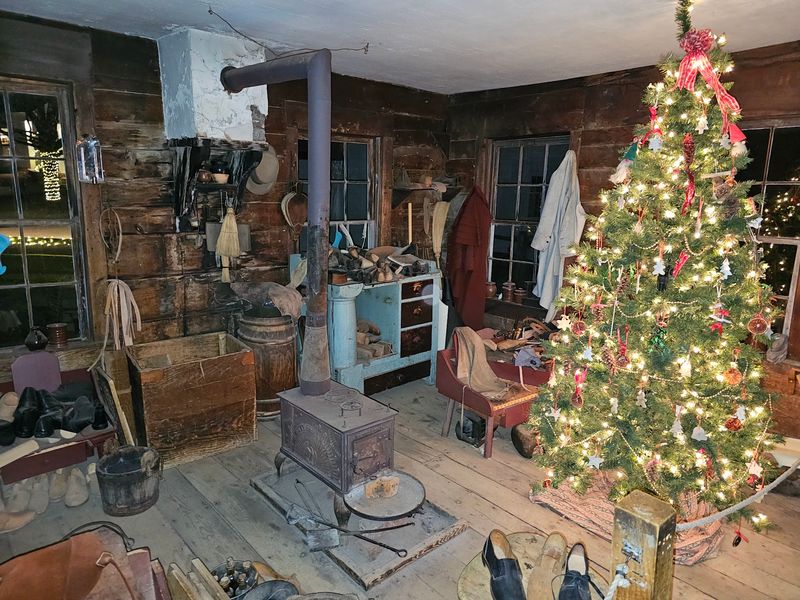
Christmas by Candlelight brings holiday decorations across the whole town. Members and longtime fans often call this season their favorite time to come.
Event tickets are best bought online ahead of time, since evenings can get busy. Lines tend to move along, and the large grounds keep things from feeling packed.
Check the calendar early in the year. These nights fill up fast, and missing them would be a seasonal shame.
Smart Moves for a Smoother Day
A little know-how can stretch both the fun and the budget. Several special deals have helped families save over the past seasons.
Military members and veterans have received free admission, along with up to five family members. Kids have entered free during August, and seniors have enjoyed half-price tickets during September, so check current offers before buying.
Weekdays tend to be calmer, which makes each building feel more personal. On the flip side, some buildings may be closed or lightly staffed on quieter days.
Weekends bring more activity and demonstrations. Pick the style that fits your crew best.
Remind kids before arrival that many objects are about 200 years old and should not be touched. A quick talk in the car prevents awkward moments later.
On the way out, peek into the welcome center for the clock exhibit filled with grandfather clocks. It is easy to miss, yet worth a few minutes.
Leave room for a return trip, because one day rarely covers everything this town has to offer.