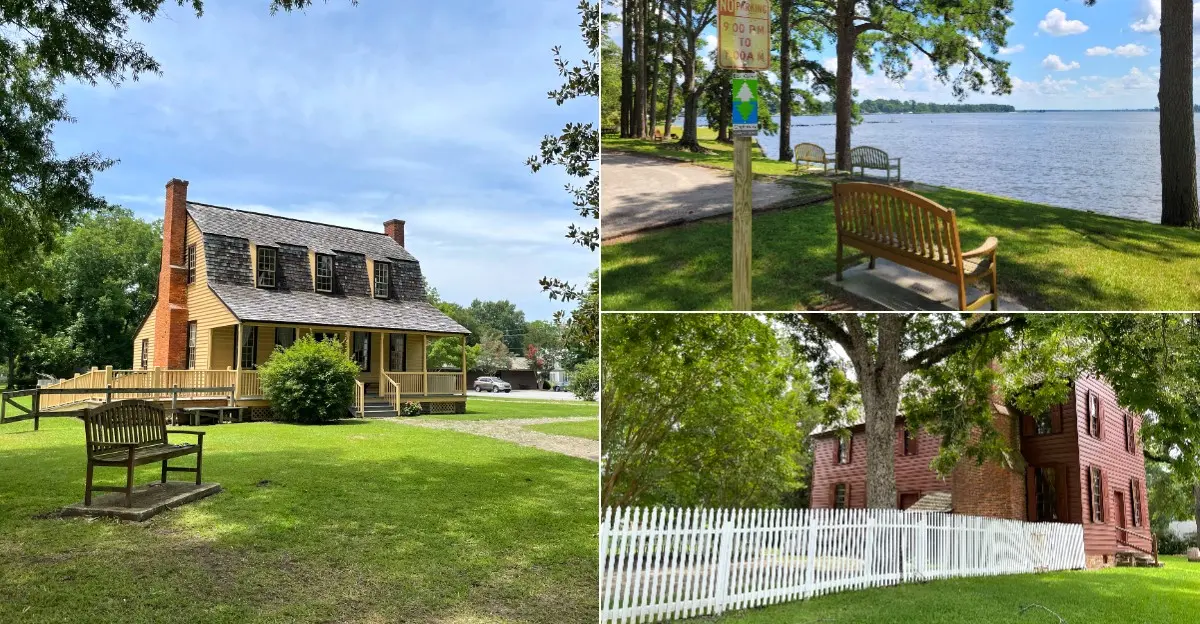
Quiet water, tall trees, and a handful of old buildings give this little riverside village a hush that invites you to slow down.
Historic Bath, on Harding Street in Bath, is the oldest town in North Carolina, incorporated back in 1705.
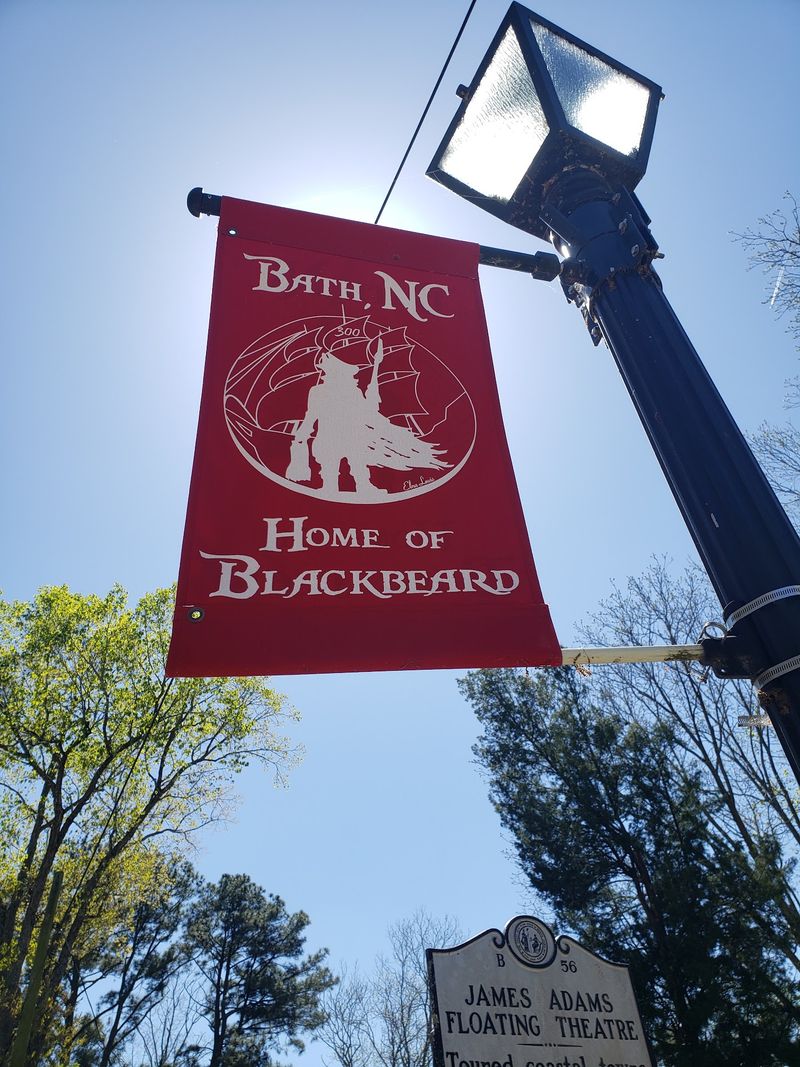
Its peaceful setting on Bath Creek once drew the notorious pirate Blackbeard, who lived here for a time around 1718.
Local legends about hidden treasure and pirate hideouts still spark the imagination of young visitors today.
Families can tour historic homes and step inside St. Thomas Church, the oldest standing church in the state.
Pack a picnic, stroll down to the waterfront, and see how many secrets you can uncover in this tiny harbor village.
Start With the Story Behind the Streets
A small doorway can open onto centuries of stories. Begin at North Carolina Historic Bath, 100 Harding St, Bath, NC 27808, where the visitor center helps turn a quiet walk into a trip through the past. The exhibits introduce the town before you head outside, so old buildings mean more than dates on signs.
Look for displays about the harbor, trade, and the people who worked here. Visitors have praised the center for packing useful information into a modest space, and staff can help you decide what to see first. Ask which buildings are open that day and whether guided house tours are available.
Give the exhibits enough time to surprise you. A sea chest or other everyday object can tell a stronger story than a long list of names. Children can choose one object, guess how someone used it, and then read the label to check their answer.
The posted schedule lists Tuesday through Saturday, 9 AM to 5 PM, with Sunday and Monday closed. Hours and tour access can change, so check the official site or call 252-923-0525 before leaving home. Parking and restrooms are available at the visitor center, making it a practical first stop before exploring the streets on foot.
Follow Blackbeard’s Faint Trail
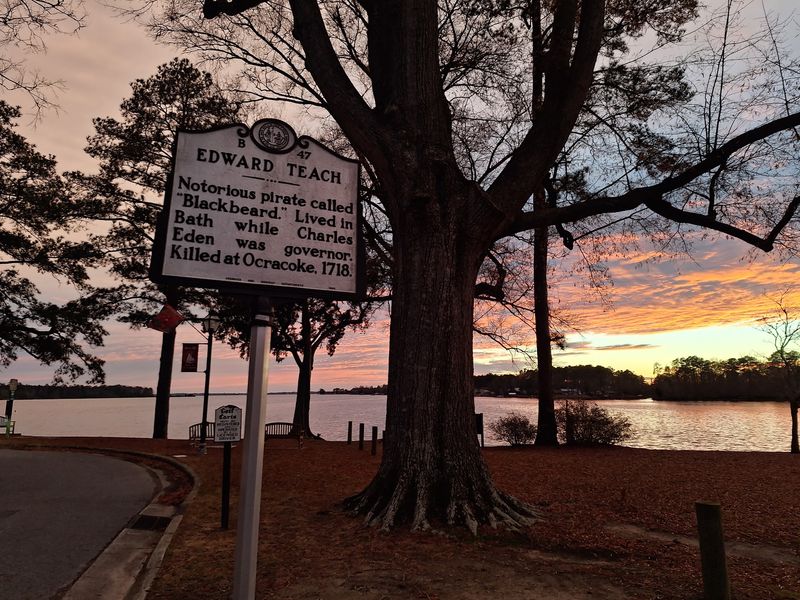
Blackbeard makes a good opening to a history trip, but he should not be the whole story. The pirate, whose name was Edward Teach, had ties to this early port community. His connection gives visitors a reason to ask how ships, officials, and waterfront trade shaped life here.
At the visitor center, read the pirate material alongside exhibits about other residents. That wider view keeps the tale from turning into a treasure hunt for places no one can prove he used. A claim that a particular house hid Blackbeard is much more exciting than evidence may allow.
Try a simple history challenge with your group: separate facts from legends. What do signs or guides say they know, and what do they describe as local tradition? Write down one question to ask a staff member, especially if two accounts seem to disagree.
Outside, imagine a working port rather than a movie set. Boats carried goods and news, and a small harbor could connect residents to a much larger world. The pirate link is memorable, yet the deeper secret is how ordinary trade made the town important long before visitors came looking for Blackbeard. Leave room for both the thrilling story and the less famous people who kept this place running.
Picture the Port Before the Pavement
Before cars brought visitors, water did much of the traveling. Standing near the shore makes the old port easier to understand: boats could move people and goods when land routes were slow or muddy. The calm view today can hide just how busy a useful landing once felt.
The town became North Carolina’s first incorporated town in 1705. That date matters because it shows that people were building rules and public life here early in the colony’s history. As you explore, look for clues about what a port needed, including places to store goods and homes near the water.
Pause where you can safely see the shoreline without stepping onto private property. Ask yourself what a sailor approaching by boat would notice first. Then turn around and consider how a shopkeeper, worker, or child might have seen the same stretch of water differently.
This simple change in viewpoint can make a quiet scene feel full of movement. Bring a paper map from the visitor center if one is available, and match the streets to the shore. A short walk is enough to show why the harbor was not just scenery. For early residents, it was a road, a workplace, and a link to the world beyond home.
Step Closer to the Old Houses
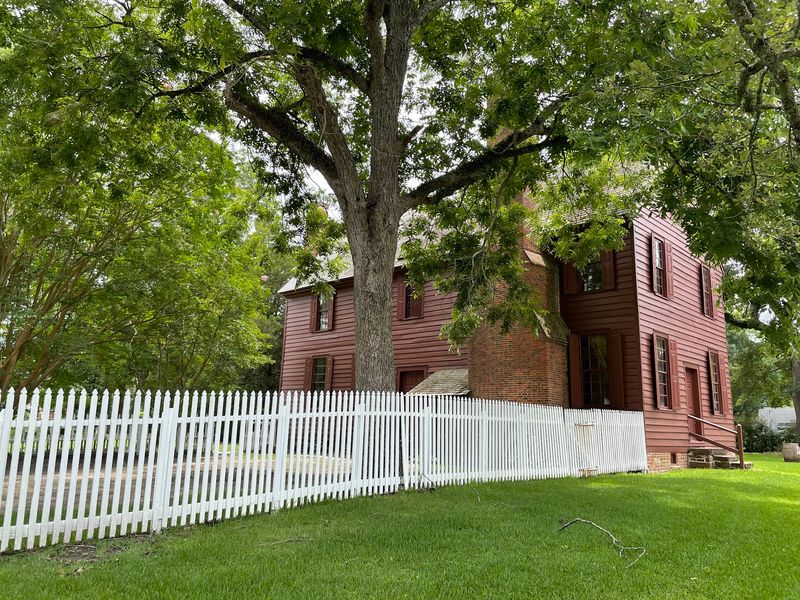
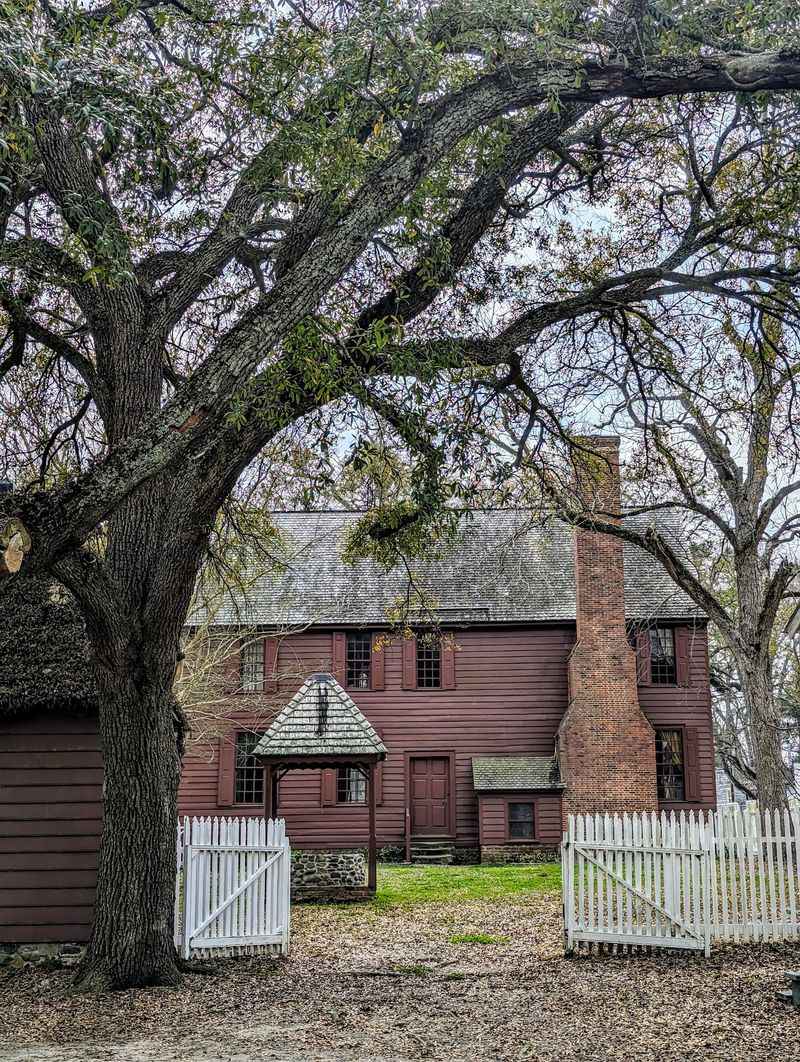
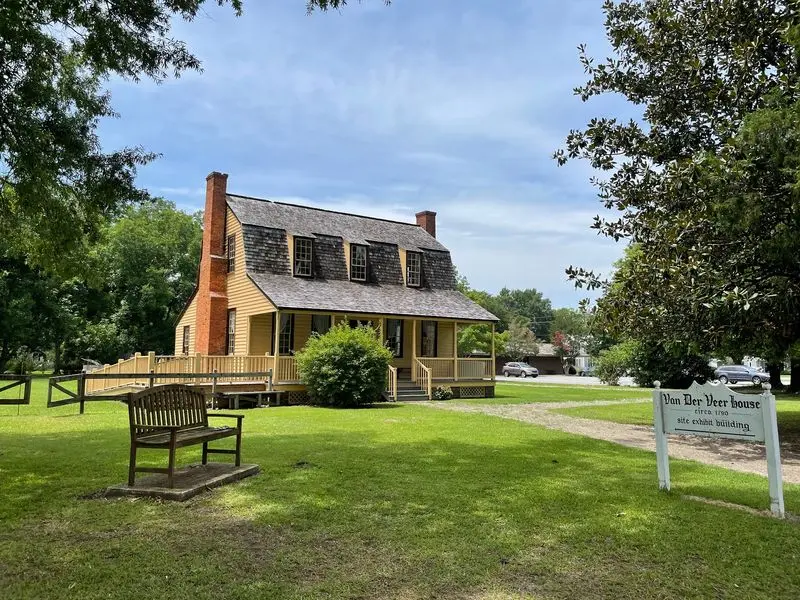
An old house can answer questions a textbook never asks. How did people heat a room, welcome guests, or make space for daily work? The preserved homes connected with the historic site give visitors a closer look at choices that once shaped family life.
Guided tours are especially useful because a knowledgeable person can explain details that are easy to miss. Listen for stories about building materials, room uses, and changes made across the years. A house is rarely frozen in one perfect moment; people repair, reuse, and reshape it as their needs change.
If you visit with children, let each person pick a feature they would keep and one they would find difficult. Maybe a bright window feels welcoming, while hauling water sounds exhausting. That small game turns unfamiliar rooms into places people can understand.
Check tour times and access at the visitor center rather than assuming every building will be open. Follow staff directions, and avoid touching old surfaces or furniture unless invited. Even if a tour is unavailable, viewing permitted exteriors can still reveal clues in doors, windows, and building size. Take your time between stops instead of rushing for photographs. The best discovery may be how much ordinary life changed, and how familiar its basic needs still seem.
Notice the Church That Outlasted Centuries
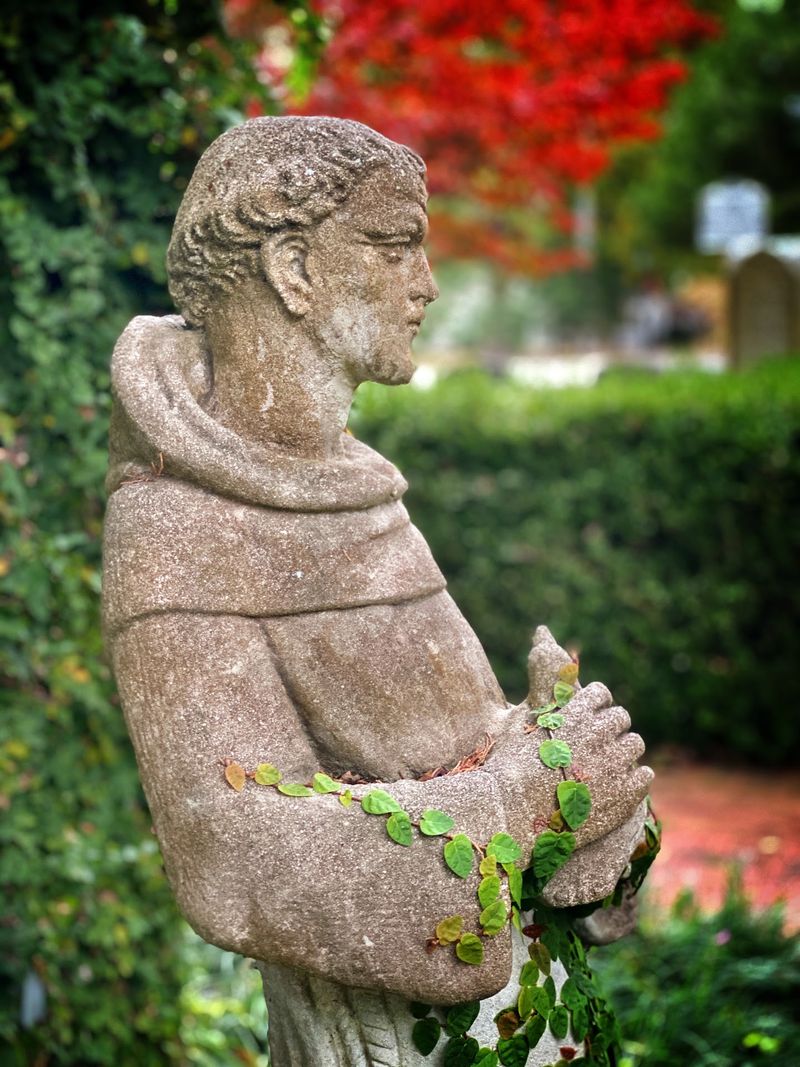
Brick walls can make the past feel surprisingly close. St. Thomas Episcopal Church is one of the area’s best-known historic sights, and its long history adds another layer to a walk through the town. Even from outside, the building invites a slower look at how a community gathered and marked important events.
Notice the shape of the building before reading every sign. What looks different from a modern church near your home? Details such as windows, walls, and the surrounding grounds can lead to questions about worship, construction, and care over many generations.
Remember that a historic church is more than a photo stop. It remains meaningful to people today, so respect posted access rules, services, and any areas that are closed. If the interior is open, use a quiet voice and ask before taking photographs.
Some visitors describe the church as a favorite part of their trip, which makes sense even if you do not usually seek out old buildings. It offers a clear example of how a town’s past can remain part of its present. Pair this stop with the visitor center’s background material, and avoid assuming that every detail you hear in a casual story is confirmed. Careful looking is often more rewarding than chasing a grand claim.
Read the Stories Beyond the Pirate Legend
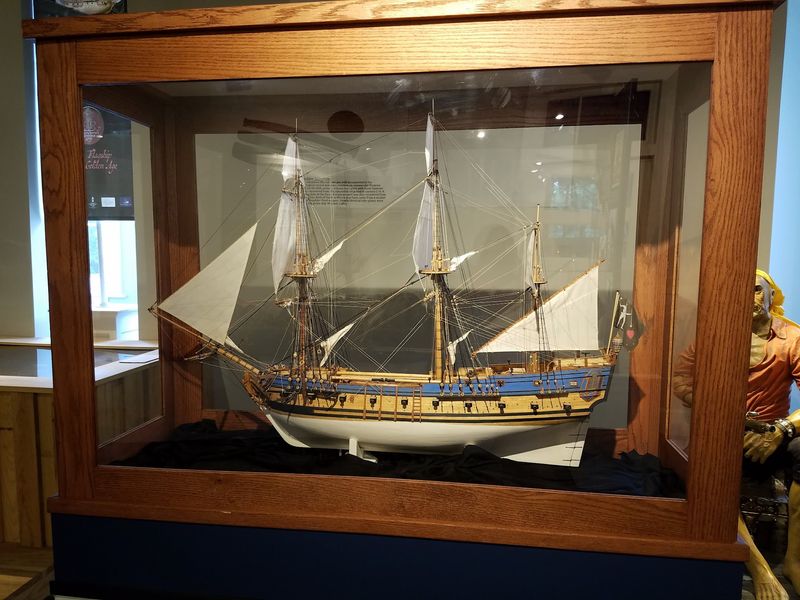
The loudest name in a town is not always its most important story. Pirates draw attention, yet exhibits about work, fishing, households, and community life can show what most residents actually experienced. Give those quieter accounts the same curiosity you bring to Blackbeard.
As you read, ask whose voice appears in each display and whose might be harder to find. Early communities included people with very different levels of freedom and power. A fair visit makes room for those differences instead of treating every resident’s life as the same.
The museum’s objects and labels can help you build that wider picture. Choose one everyday item and think about who made it, who used it, and who may have done the work behind it. Those questions can turn a simple exhibit into a conversation about real people.
Families can try sharing one new fact at the end of the visit that has nothing to do with pirates. It is a small challenge, but it helps the less famous stories stick. If a label leaves you wondering, ask staff whether they can suggest another display or a reliable place to read more. History feels richer when no single character gets to speak for an entire town.
Let a Short Walk Reveal Small Clues
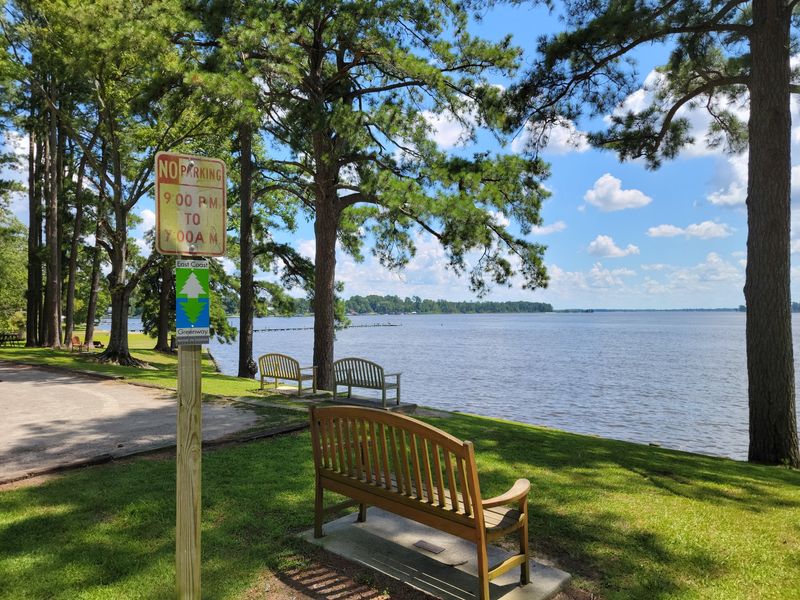
A place this small rewards people who walk slowly. Between the main stops, look at the distance from homes to the water and the way streets fit around the old settlement. Small details can explain daily life more clearly than a rushed drive past the buildings.
Start with any walking guidance offered at the visitor center, then choose a route that suits your group. Visitors often find many historic structures close enough to explore on foot, but summer heat and humidity can make a short distance feel longer. Carry water, wear comfortable shoes, and take breaks when needed.
Turn the walk into a clue hunt without disturbing anything. Find a building material that appears more than once, a sign that answers a question, and a view that shows why the shoreline mattered. You do not need to enter a building to learn from its setting.
Stay on public routes and respect homes that are not part of the tour. If a site is closed, read the outdoor information that is available rather than trying to get closer. Leave time to sit and watch the water as well. A quiet pause can help you picture the movement of boats and neighbors that once filled these same streets.
Plan a Visit That Leaves Room for Surprises
The best way to explore a quiet historic site is to leave breathing room in your plans. A quick stop can cover the exhibits, while a longer visit gives you time for a tour, the streets, and a water view. Decide what matters most before you arrive, then stay flexible.
Check the official site for current hours, tour details, and any temporary closures. The listed schedule has the visitor center open Tuesday through Saturday, from 9 AM to 5 PM, but a fresh check is wise. Calling ahead is especially helpful if a guided house tour is the main reason for your trip.
Visitors report parking and restrooms at the center, making it a handy base. Bring water and sun protection for the outdoor portions, and expect a calmer experience than a busy theme attraction. There may be more reading and walking than hands-on activities.
Before leaving, ask everyone in your group which story changed their picture of the town. One person may remember a pirate, while another remembers an object, a house, or a view across the harbor. That variety is part of the appeal. The site’s secrets are not hidden behind locked doors; many are waiting in plain sight for someone willing to slow down and notice.