

Some vacation spots once filled postcards, travel ads, and family photo albums across the world. Over time, travel habits changed, new destinations took the spotlight, and these places slowly faded from most itineraries.
That doesn’t mean they lost their character or the stories that made them famous in the first place. This list looks at international destinations that once drew crowds but now see far fewer visitors.
Their rise and quiet decline say a lot about how travel trends come and go.
Acapulco, Mexico
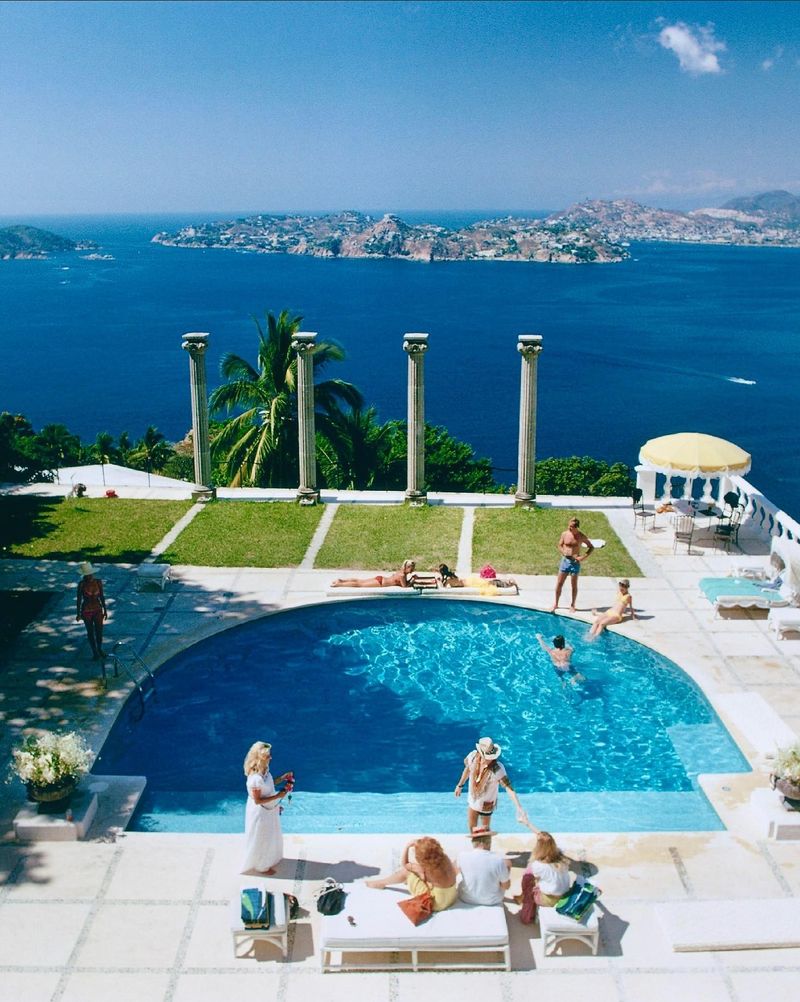
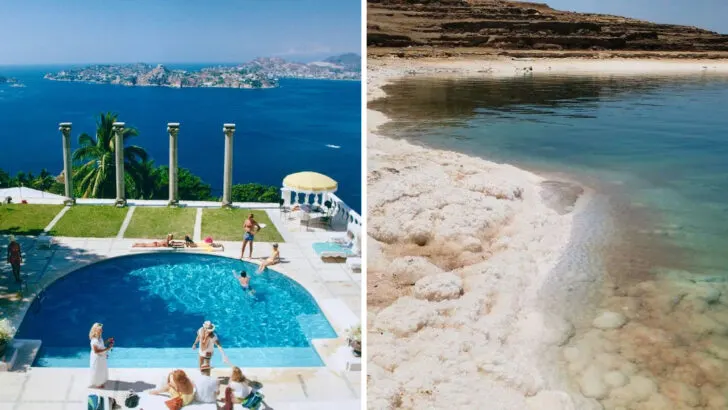
Once a glamorous hideaway for Hollywood stars, Acapulco’s allure has faded. Rising crime rates and the emergence of safer, more modern Mexican resort cities have dimmed its sparkle.
Once known for its vibrant nightlife and luxurious hotels, travelers now often bypass Acapulco for newer destinations.
While its natural beauty remains, challenges in safety and infrastructure need addressing to revive its former glory.
Bali, Indonesia (Certain Overcrowded Areas)
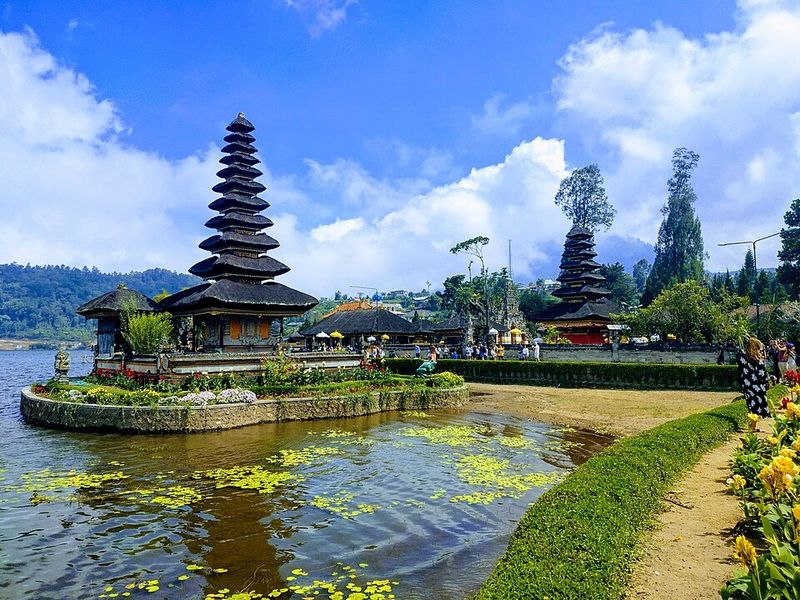
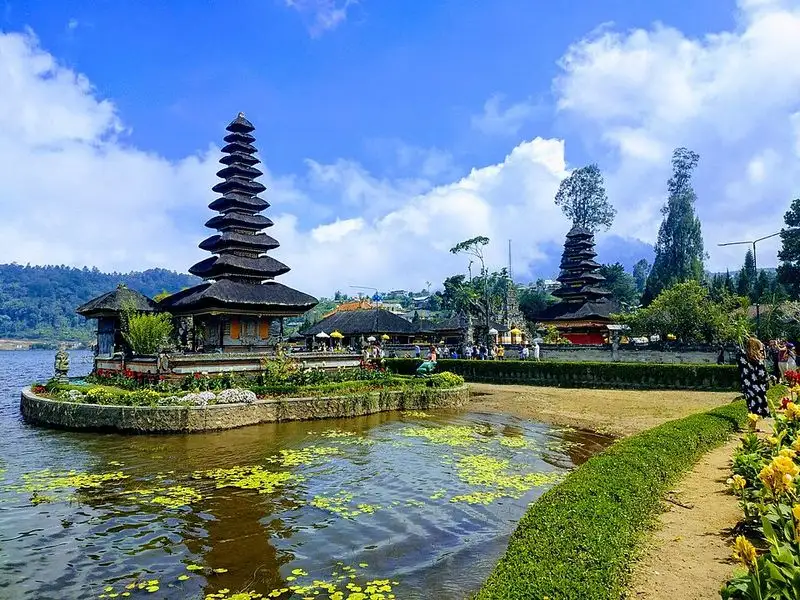
Bali’s once-pristine beaches, especially in Kuta, suffer from overcrowding. These areas have seen a decline as eco-conscious travelers seek quieter, cleaner alternatives.
While Bali still attracts millions, the shifting focus towards sustainable tourism has drawn visitors to less-explored regions.
Efforts to balance tourism with environmental conservation are crucial to maintaining Bali’s appeal.
The Dead Sea, Jordan/Israel


Environmental changes have dramatically transformed the Dead Sea’s landscape. Receding water levels and limited access have reduced its appeal.
Once a unique spot for relaxation and rejuvenation, visitors now prefer newer Middle Eastern luxury destinations.
Restoration efforts and ecological concerns are vital to preserving this natural wonder.
Pattaya, Thailand
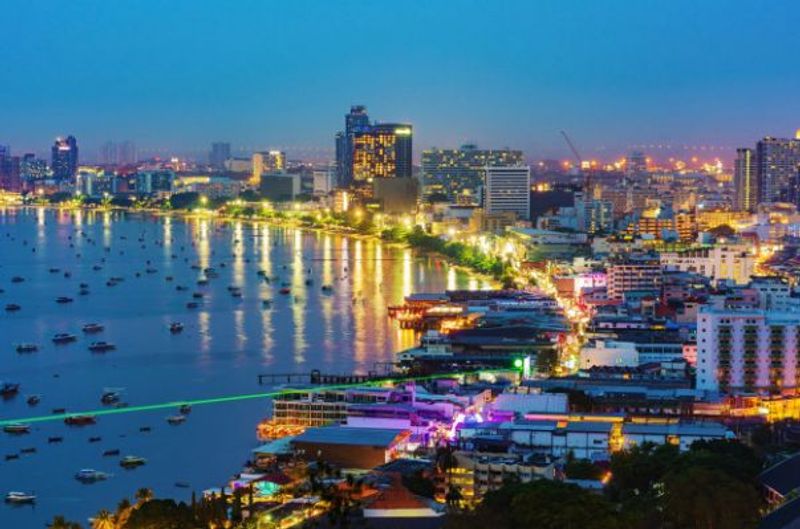
Pattaya’s reputation as a bustling beach escape has waned. Overdevelopment and a notorious nightlife scene have pushed visitors towards tranquil Thai islands.
Once Thailand’s prime beach destination, Pattaya now competes with locations offering quiet relaxation.
Efforts to balance entertainment with a more family-friendly environment could attract more diverse visitors.
Mallorca, Spain (Party Zones)
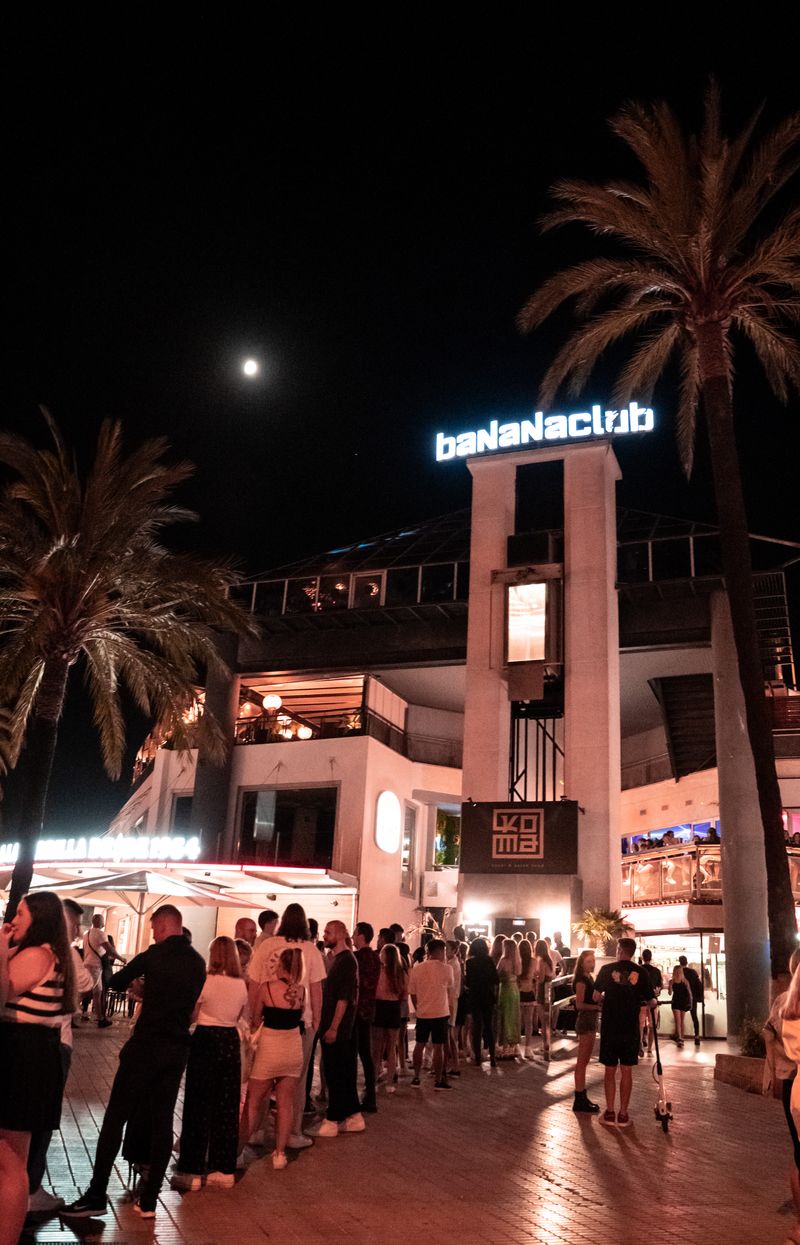
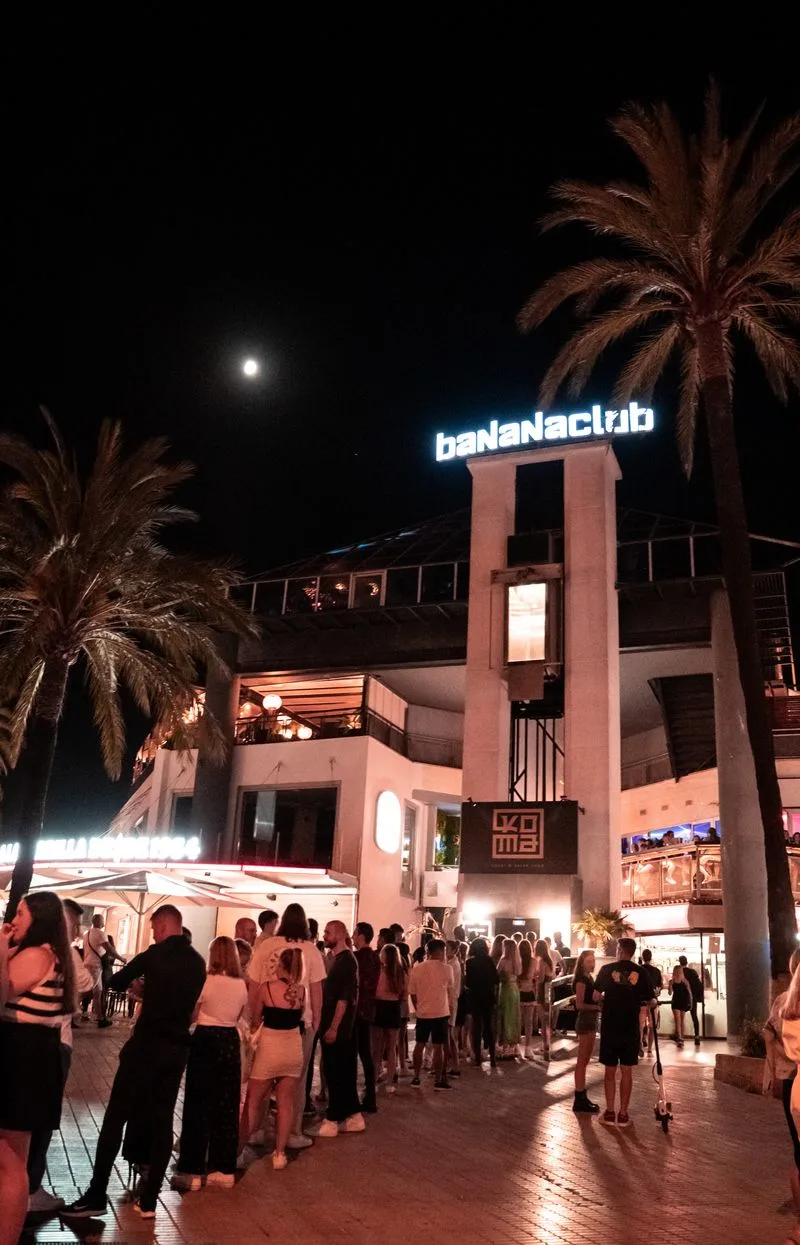
Mallorca’s vibrant party zones now face tourism fatigue. Visitors grow weary of the crowds, opting for calmer Mediterranean islands.
Saturation and anti-overtourism sentiment have cooled interest in its rowdiest areas.
Efforts to promote cultural tourism and sustainability could rejuvenate its appeal.
Venice, Italy
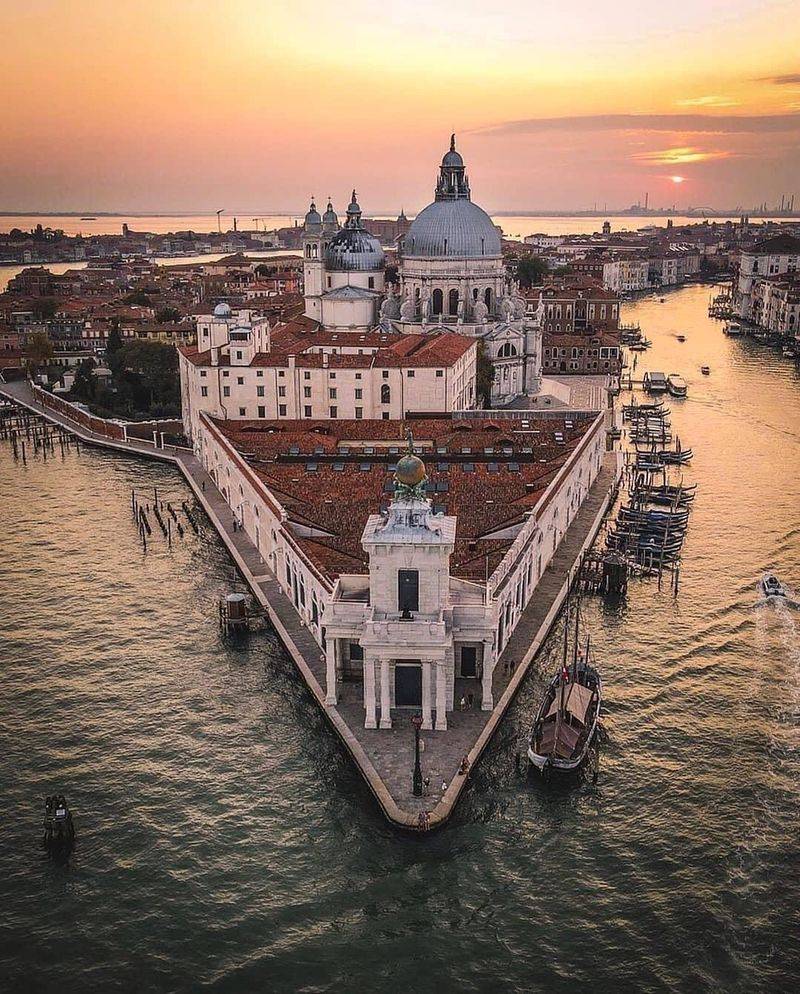
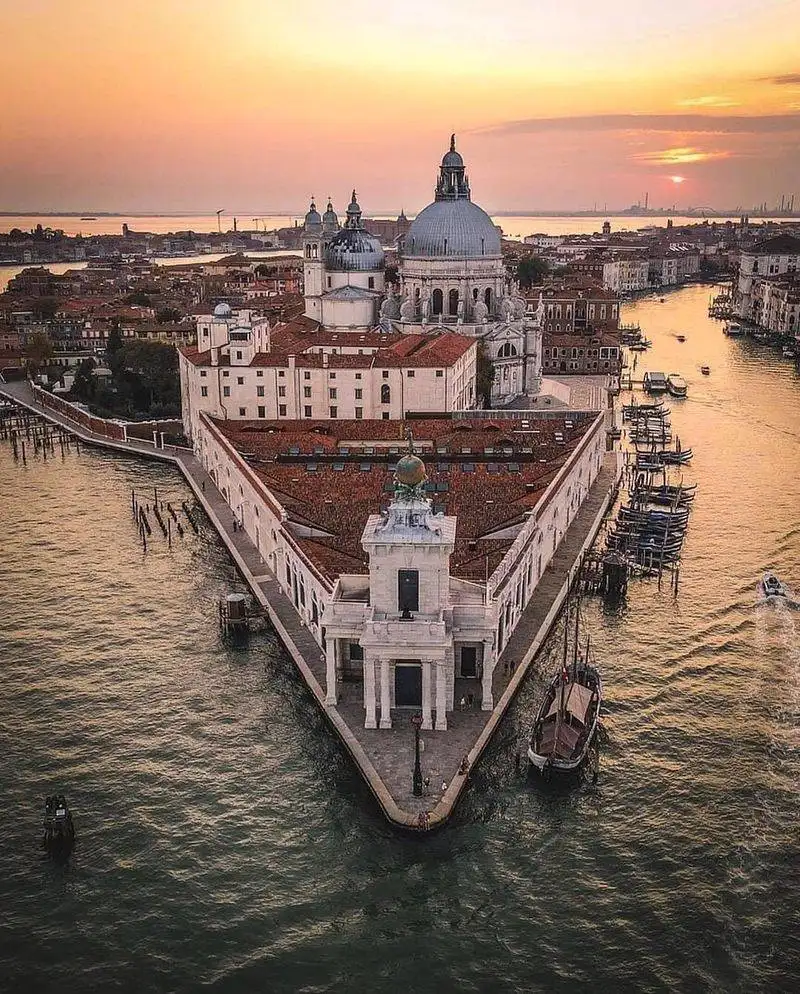
Venice’s charm struggles under mass tourism and environmental pressures. Increasing restrictions push travelers towards other Italian cities.
Once a must-visit, concerns about sustainability have dampened its allure.
Efforts to protect Venice’s unique heritage and waterways are essential for its future.
Cairo, Egypt
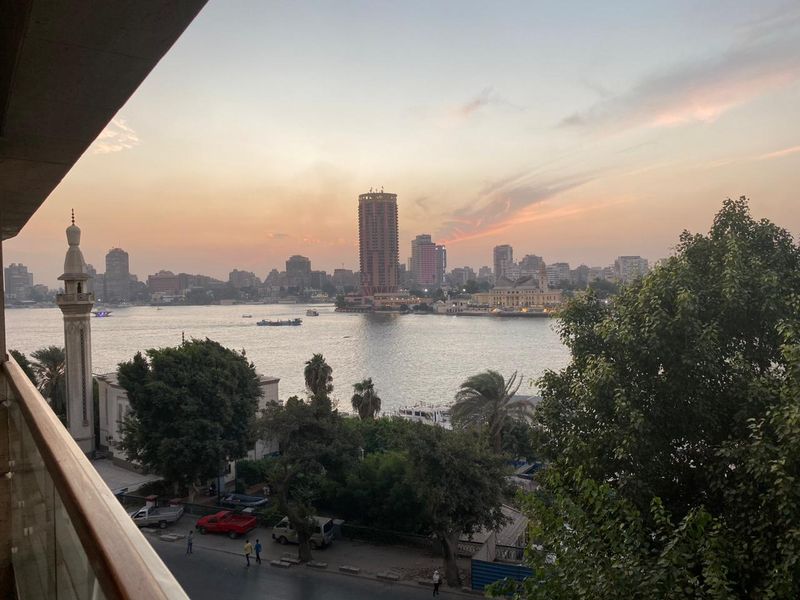
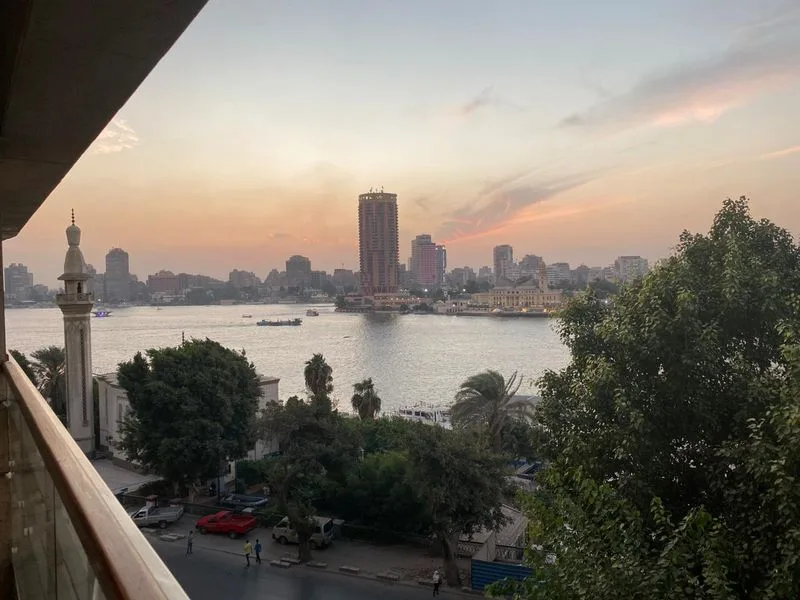
Cairo, with its unparalleled archaeological treasures, has faced visitation challenges due to political instability.
Safety concerns overshadow its rich cultural history, leading travelers to reconsider their plans.
Promoting security and cultural engagement could rekindle interest in this historic city.
Rio de Janeiro, Brazil (Traditional Beach Districts)
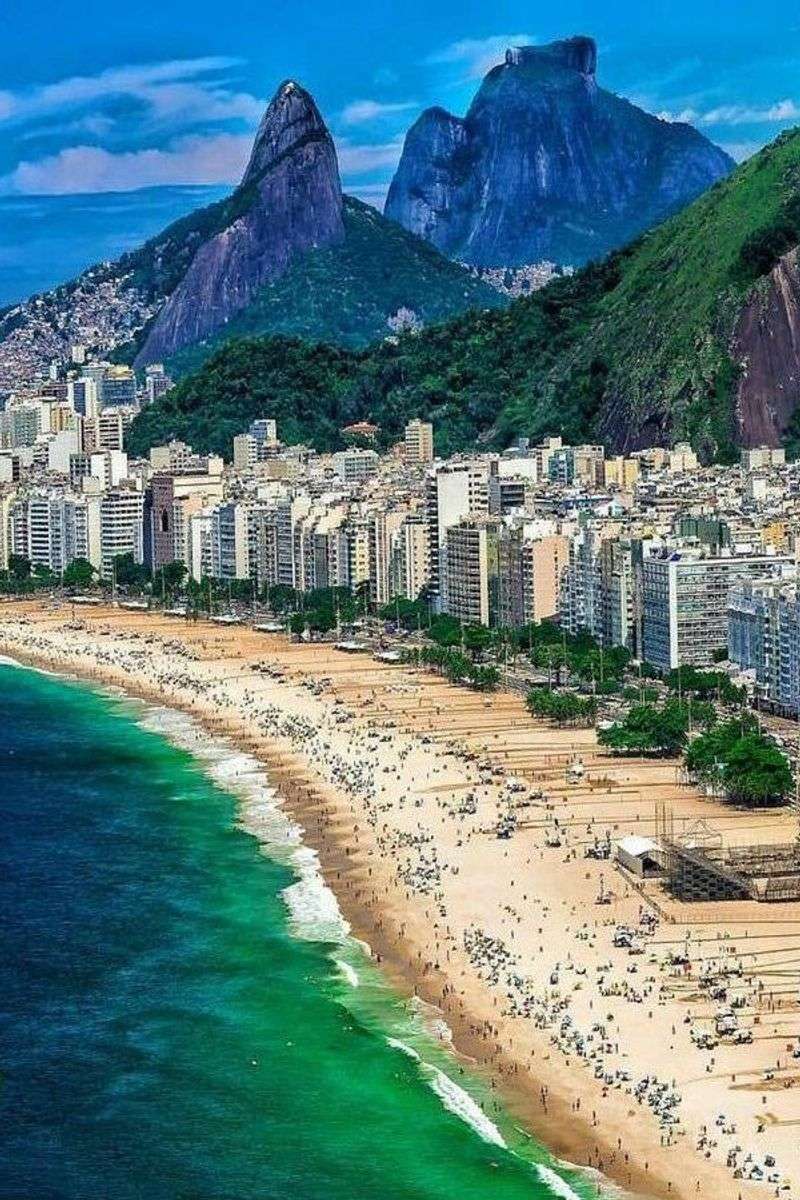
Rio’s iconic beaches now compete with emerging South American destinations. Safety issues have dimmed its status as a global beach capital.
The vibrant spirit remains, but travelers seek reassurance and diverse experiences.
Investment in safety and community engagement could revitalize Rio’s tourism sector.
Dubrovnik, Croatia
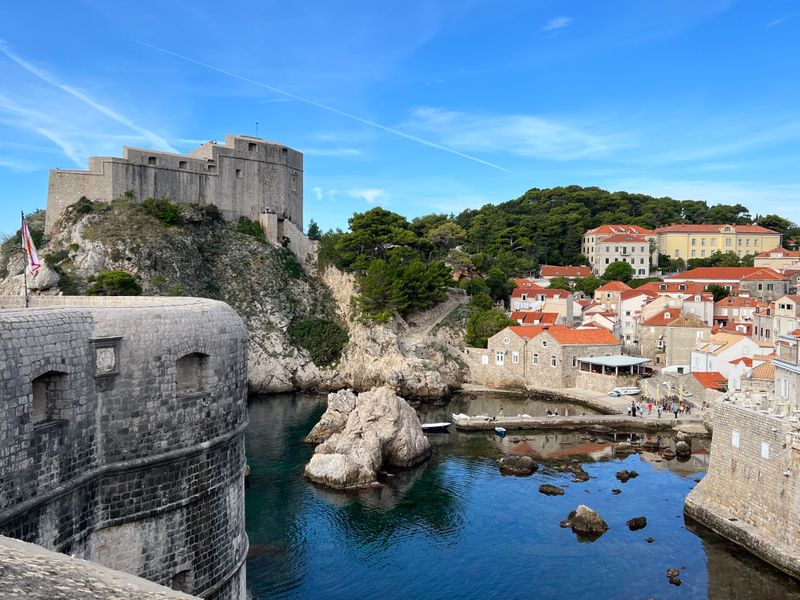
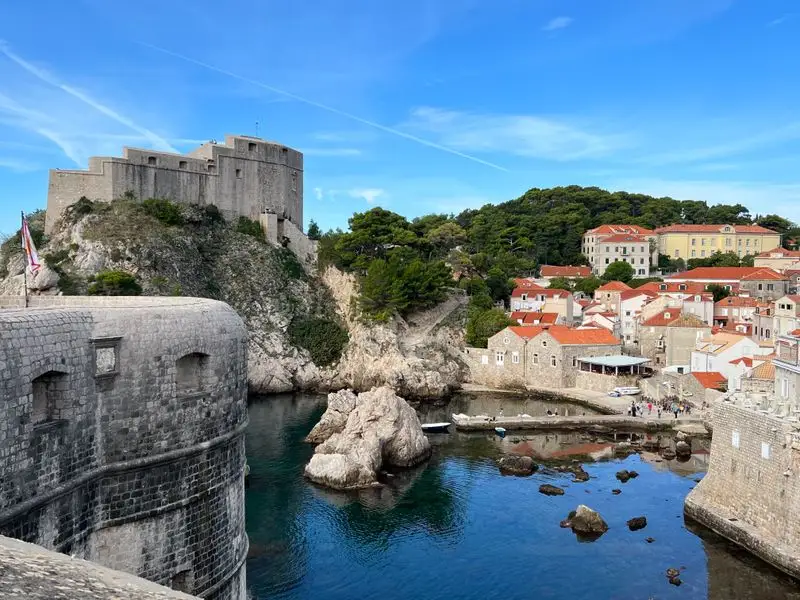
Dubrovnik’s Game of Thrones fame brought overwhelming crowds. Visitors now seek authentic Adriatic experiences elsewhere.
While its medieval charm remains, saturation has turned some away.
Diversifying tourism offerings beyond pop culture could help restore its unique appeal.
Phuket, Thailand
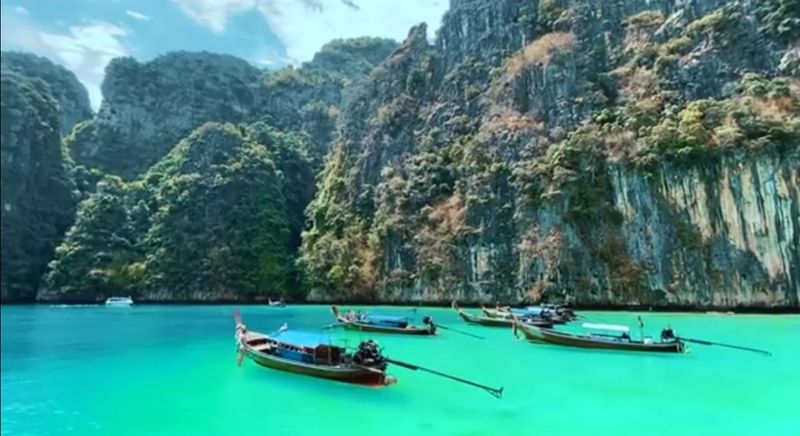
Phuket’s transformation from paradise to cautionary tale is marked by overdevelopment and pollution challenges.
As travelers shift towards hidden islands, Phuket must address environmental concerns.
Sustainable tourism initiatives could help reclaim its reputation as a tropical haven.
Santorini, Greece
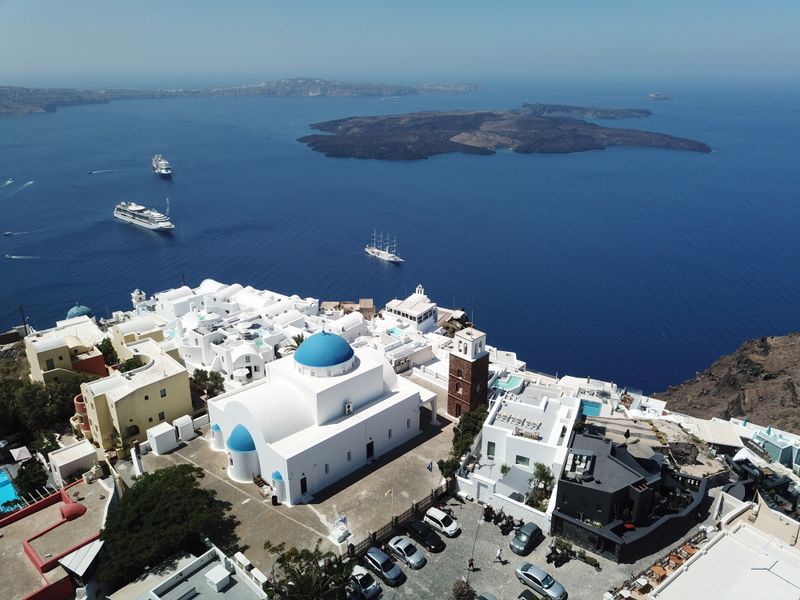
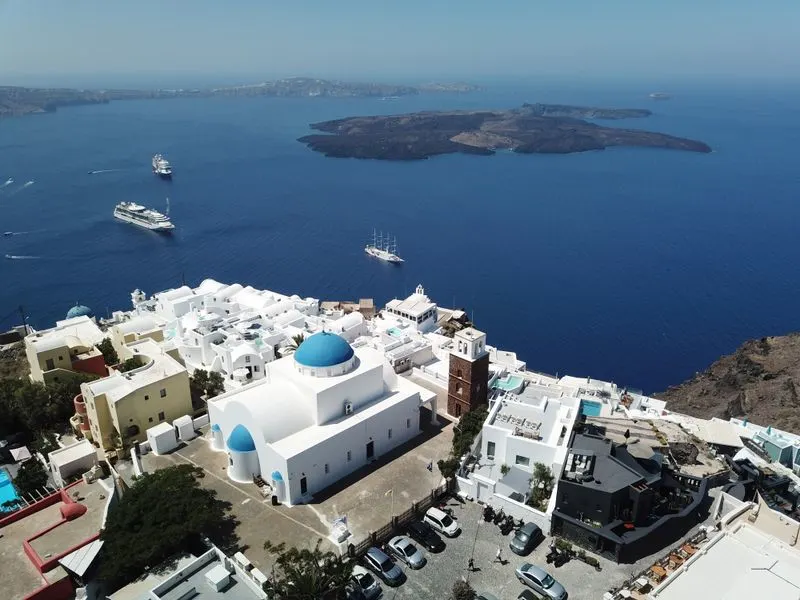
Santorini’s beauty is overshadowed by peak season crowds. Spiraling costs and limited infrastructure deter visitors.
While still stunning, travelers now consider alternative Greek islands.
Efforts to manage tourism and preserve its charm are crucial to retaining its iconic status.
Goa, India
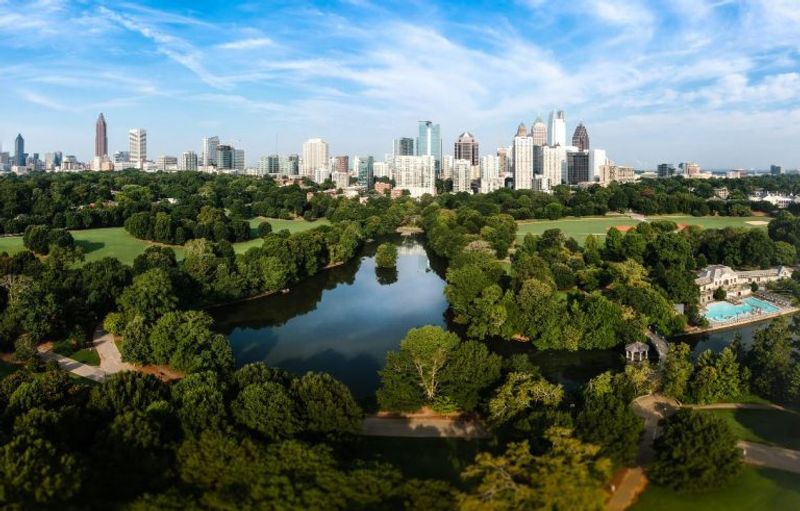
Goa’s evolution from hippie haven to party hotspot has altered its attraction. Congestion drives travelers to serene coastal alternatives.
While lively, the shift in atmosphere prompts some to seek tranquility elsewhere.
Balancing vibrant nightlife with peaceful retreats could broaden its appeal.
Honolulu, Hawaii (Waikiki Beach Area)
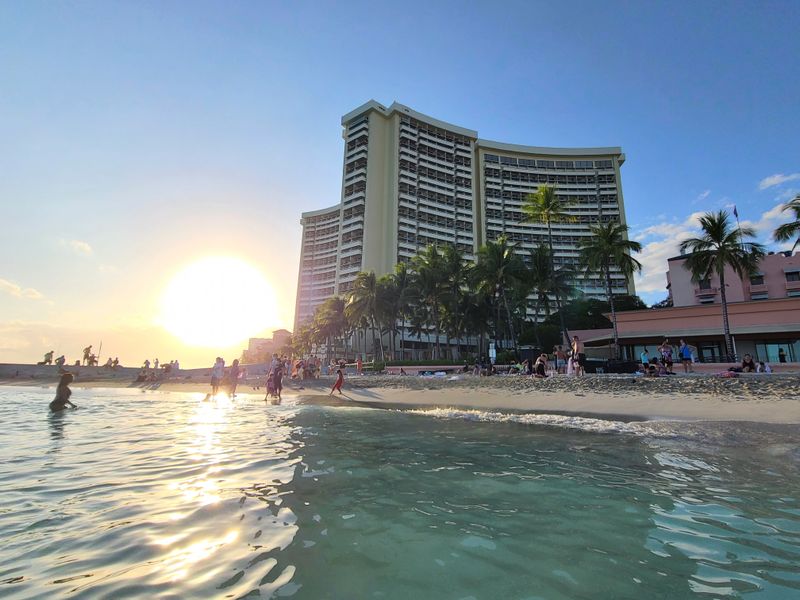
Waikiki Beach’s allure wanes as rising costs and commercialization take their toll. Environmental stress further impacts its reputation.
Once a dream escape, travelers now seek exclusive, relaxing alternatives.
Efforts to preserve Hawaii’s natural beauty and cultural heritage are vital for future tourism.
Tunisia (Coastal Resorts)

Tunisia’s coastal resorts, once top European holiday destinations, struggle with regional instability.
Changing travel preferences and security concerns have impacted tourism recovery.
Fostering stability and promoting unique cultural experiences could reinvigorate interest.