These North Carolina mountain towns didn’t just get discovered—they got overwhelmed.
Quiet roads turned into slow-moving lines of out-of-state plates.
Trailheads that once echoed with birds now start filling up before sunrise.
For years, these places lived in their own rhythm. A few locals, a few weekend wanderers, and plenty of space to breathe between the mountains.
Then came the travel reels, remote workers chasing scenery, and weekend road trips that never really stopped. What used to feel tucked away now feels like everyone got the same idea at once.
Today, these towns are still beautiful, still worth the drive—but the quiet has become harder to find, and the secret is definitely out.
Brevard
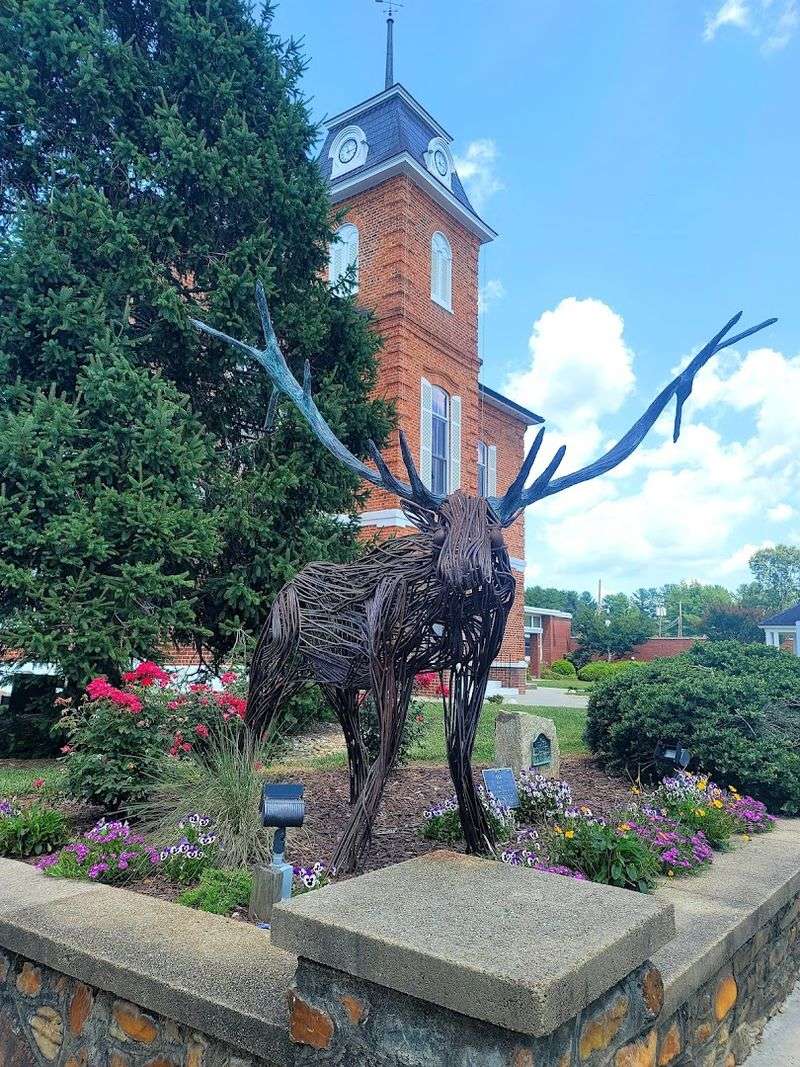
Waterfall hunters used to guard Brevard like a secret they whispered only to trusted friends. Mountain bikers knew it as the place where trails wound through Pisgah National Forest without the fanfare of bigger outdoor destinations.
Local shops stayed open for the seasonal rush, then settled into quiet mountain rhythms the rest of the year.
Everything changed when outdoor recreation exploded nationwide and remote workers started seeking mountain relocations. Brevard’s combination of natural beauty, bike culture, and small-town walkability made it irresistible.
Travel websites began featuring it in articles about hidden gems and best places to move, pulling back the curtain on what locals had treasured for generations.
Now the town grapples with parking shortages during peak seasons and housing prices that make it tough for service workers to afford living here. Breweries and bike shops thrive, but longtime residents sometimes barely recognize the town they grew up in.
The waterfalls still cascade down mountainsides, but finding solitude there requires weekday mornings and insider knowledge about lesser-known trails far from the popular spots that fill Instagram feeds.
Bryson City
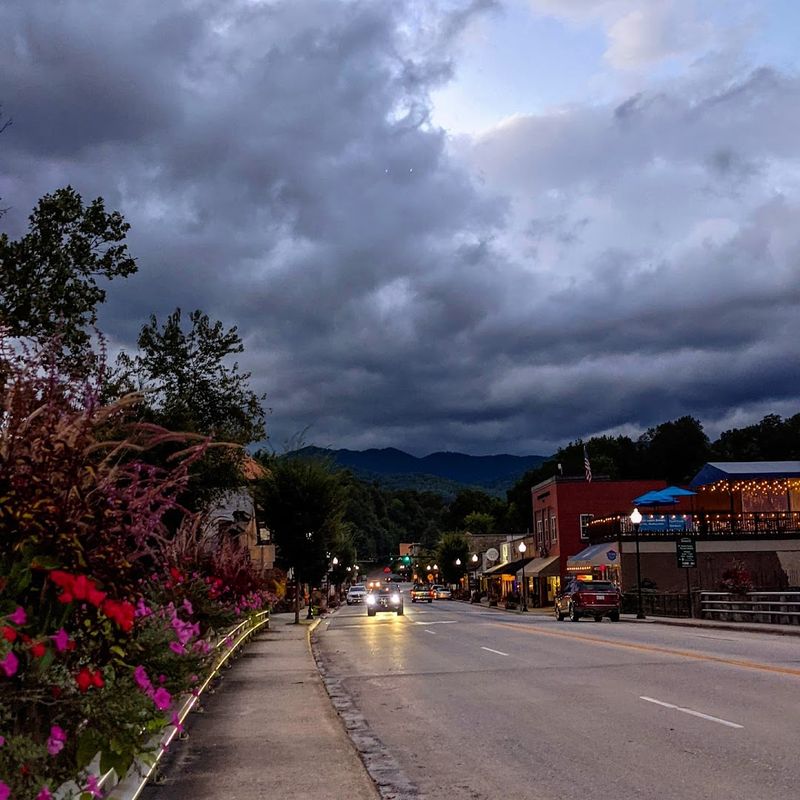
For years, travelers racing toward Gatlinburg would blow right past Bryson City without a second glance. Those who stopped discovered a gateway to the Smokies that felt authentic rather than touristy.
Locals could grab breakfast without waiting in line, and finding parking near the Tuckasegee River never required strategy or luck.
The shift happened gradually as vacation planners started searching for Smoky Mountain experiences minus the traffic jams and neon lights. Bryson City offered exactly that peaceful mountain experience families were craving.
The Great Smoky Mountains Railroad became a bigger draw, and rental cabins sprouted up in surrounding hills to accommodate the growing visitor numbers.
Weekend afternoons now bring bumper-to-bumper traffic through the small downtown area, especially during fall foliage season. Restaurant wait times stretch to an hour or more during peak periods.
Housing costs have climbed as investors buy properties for short-term rentals, squeezing out year-round residents. The town maintains its quieter character compared to Gatlinburg, but that gap narrows with each passing season as more people discover this formerly overlooked mountain community.
Black Mountain
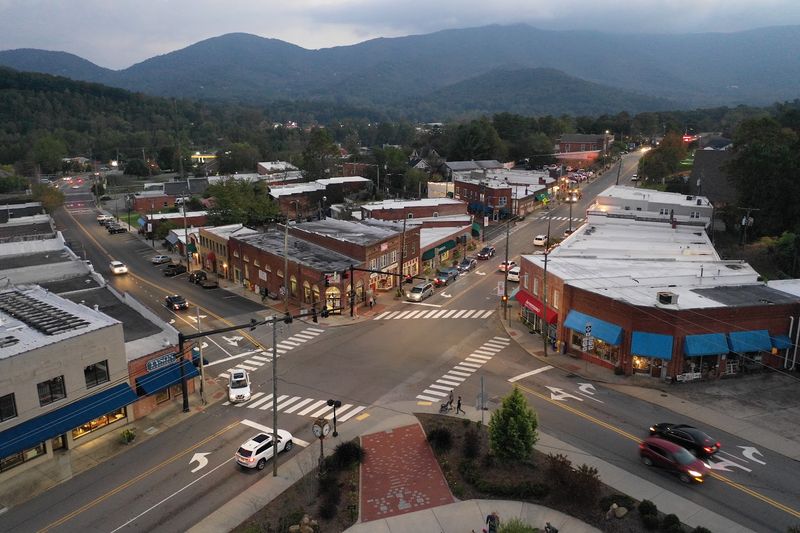
Asheville’s little neighbor used to live comfortably in the shadows, content to let the bigger city handle the tourist crowds. Black Mountain had its own loyal following of artists and retirees who appreciated the slower pace and lower prices.
People would pop over from Asheville for a quiet afternoon, then head back to the city buzz.
That dynamic flipped when Asheville’s explosive growth sent housing prices skyrocketing and traffic grinding to a crawl. Suddenly Black Mountain looked incredibly appealing with its walkable downtown, genuine community feel, and mountain views minus the chaos.
Food lovers discovered restaurants worth driving for, and boutique shops drew shoppers tired of chain stores.
The town’s charming main street now sees steady foot traffic throughout the year rather than just summer weekends. New breweries and cafes keep opening to meet demand from both visitors and newcomers who relocated here.
Parking has become challenging during events and peak times. Real estate values have jumped significantly, making it harder for working families to afford homes.
Black Mountain earned its status as a destination, but residents sometimes miss when their town felt like their own private discovery.
Banner Elk
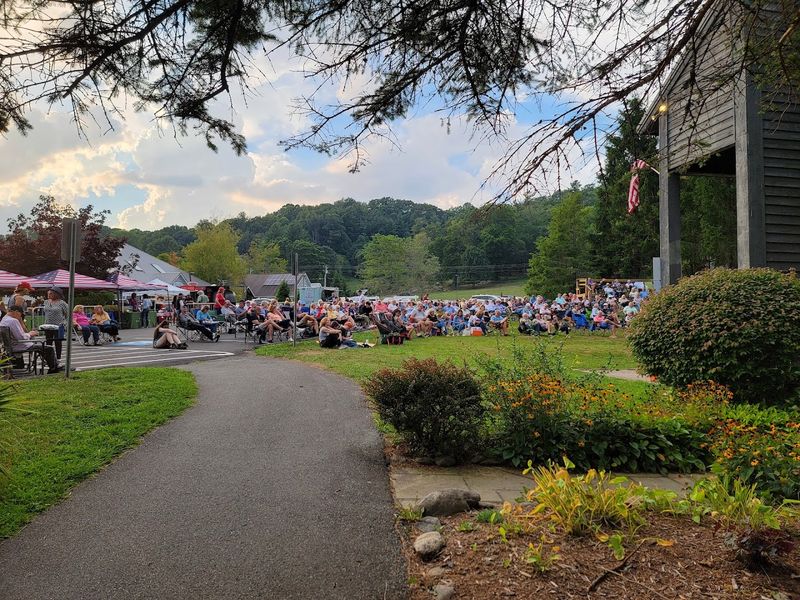
Ski season used to define Banner Elk’s calendar completely. High Country regulars would arrive when snow fell, enjoy uncrowded slopes at Beech and Sugar mountains, then vanish when spring arrived.
Local businesses survived on those winter months and maybe a small summer trickle of hiking enthusiasts.
Year-round tourism transformed everything once food culture and outdoor recreation trends collided. Restaurants elevated their menus beyond basic ski lodge fare, earning recognition that drew foodies regardless of season.
Summer activities like hiking, biking, and festivals filled the calendar gaps. Remote workers and retirees started buying second homes, keeping the town bustling twelve months a year instead of just during powder days.
Housing development has accelerated to meet demand from both vacationers and new residents seeking mountain living. Traffic increases noticeably during holidays and weekends, testing the small town’s infrastructure.
Longtime locals who remember quiet summers now navigate crowded restaurants and compete for hiking trail parking. The economic boost helps businesses thrive, but the tradeoff involves losing that intimate mountain village atmosphere where everyone knew each other and tourists were temporary winter guests rather than constant companions throughout every season.
Waynesville
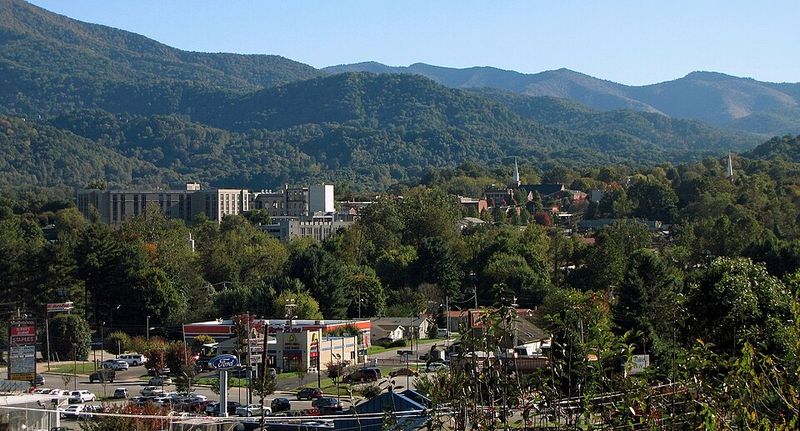
Waynesville perfected the art of flying under the radar while being surprisingly close to major attractions. The town offered authentic mountain culture without demanding much attention or trying to compete with flashier neighbors.
Visitors who found it usually stumbled upon it by accident or received a tip from someone sworn to secrecy.
Proximity to Asheville became both blessing and curse as that city’s popularity exploded beyond capacity. Travelers seeking similar mountain charm with fewer crowds started exploring outward, landing in Waynesville with relief and delight.
The historic downtown delivered exactly what people wanted—local shops, good restaurants, and genuine character minus the overwhelming tourist infrastructure.
Success brings its own complications, though, as Waynesville quickly learned. Main Street parking fills up faster than before, especially during leaf season and summer weekends.
Housing prices have risen sharply as people relocate from cities or buy vacation properties. New development spreads into surrounding hillsides to accommodate growth.
Local businesses appreciate the economic boost, but residents worry about losing the relaxed, slower-paced mountain lifestyle that made Waynesville special. The town walks a tightrope between welcoming visitors and preserving what drew people here in the first place.
Cashiers
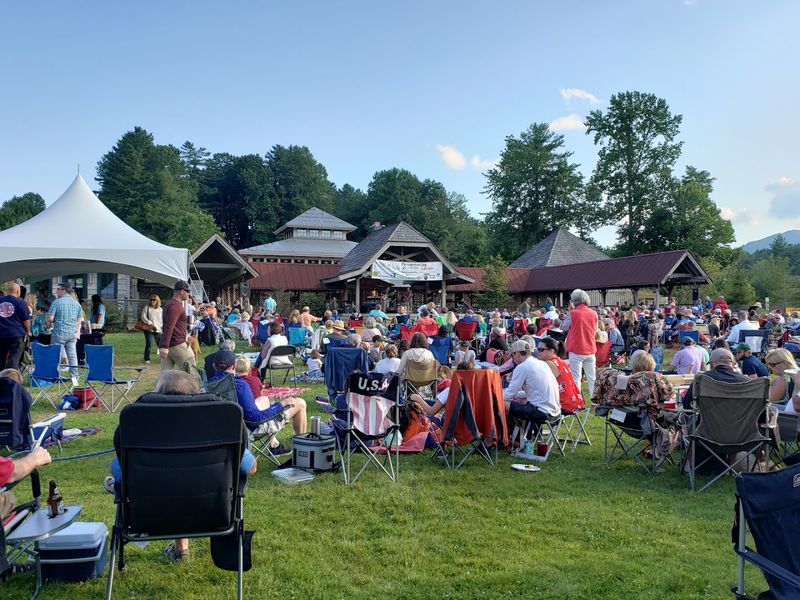
High on a mountain plateau, Cashiers existed as a seasonal retreat where wealthy families from Georgia and South Carolina had quietly summered for generations. Local knowledge stayed within those circles, shared at country clubs rather than broadcast online.
The community maintained its exclusive, understated character through decades of careful privacy.
Social media and luxury travel marketing cracked that protective shell wide open. Stunning waterfall photos from nearby Whiteside Mountain went viral repeatedly.
High-end real estate listings showcased million-dollar mountain estates to audiences far beyond traditional Southern circles. Cashiers suddenly appeared on luxury travel itineraries alongside Aspen and Jackson Hole, attracting attention the old guard never wanted.
Development accelerated rapidly to meet this newfound demand for upscale mountain experiences. Construction crews work year-round building custom homes and high-end developments.
Traffic through the small village center has increased substantially, particularly during summer months. Local service workers struggle to afford housing as property values soar beyond reach.
The community debates how to manage growth while preserving natural beauty and maintaining some semblance of the quiet character that made Cashiers desirable. Luxury comes with complications nobody anticipated twenty years ago.
Highlands
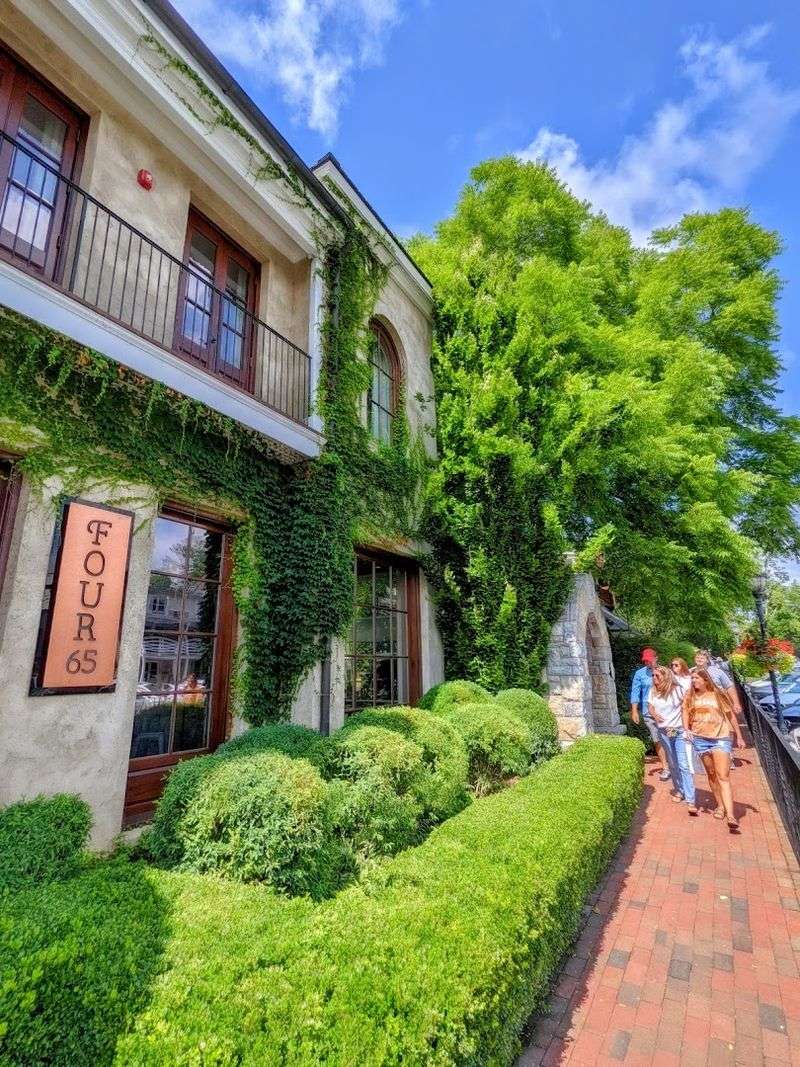
Tucked into southern Appalachian peaks, Highlands maintained its reputation as a refined mountain escape for those in the know. Generations of families returned summer after summer, staying in cottages passed down through decades.
The town valued tradition and privacy over publicity and growth.
Then Instagram discovered the waterfalls. Sunset Rock and Whiteside Mountain started appearing in thousands of travel photos tagged with location data.
Affluent millennials seeking mountain experiences found Highlands through online searches and influencer posts. What was once a quiet secret shared among certain circles became a trending destination recommendation appearing in major travel publications.
High-end boutiques and restaurants multiplied to serve the expanding visitor base and new wealthy residents. Real estate transactions broke records as buyers competed for limited property in this desirable mountain setting.
Summer traffic now requires patience and planning rather than breezy drives through empty mountain roads. The town maintains its upscale character but struggles with infrastructure designed for a much smaller population.
Year-round residents find themselves priced out as property values skyrocket. Highlands faces the challenge of balancing its heritage as an exclusive retreat with the reality of widespread discovery and the inevitable changes that follow when seclusion becomes impossible to maintain.
Sylva
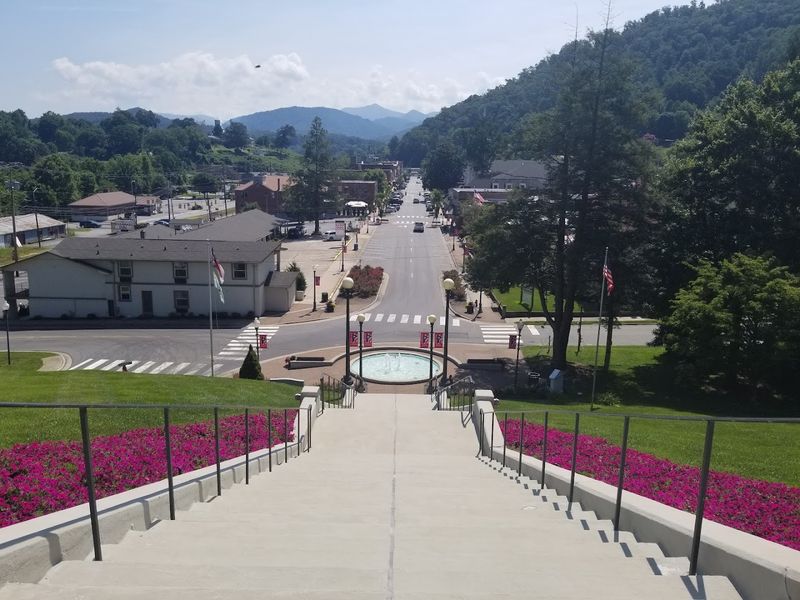
Sitting in the shadow of larger mountain destinations, Sylva quietly went about its business for decades. The historic courthouse perched on its hill watched over a downtown that served locals first and tourists occasionally.
Western Carolina University brought students but not overwhelming crowds of travelers seeking mountain experiences.
Recognition arrived as visitors explored beyond the typical Smokies hotspots searching for authentic mountain towns. Sylva’s combination of historic architecture, proximity to national forest hiking, and emerging food scene caught people’s attention.
Travel bloggers featured it in articles about underrated North Carolina destinations, and weekend getaway searches started returning Sylva in results alongside better-known names.
Downtown businesses have expanded and improved to meet increased visitor interest and spending. New restaurants and breweries opened, upgrading the dining options significantly.
However, growth brings growing pains as parking becomes scarce during peak times and housing costs rise faster than local wages. Students, longtime residents, and newcomers now compete for limited rental properties.
The town benefits economically from its higher profile, but residents wonder if Sylva can maintain its genuine character while handling attention it never courted. Being discovered means never going back to quiet obscurity.
West Jefferson
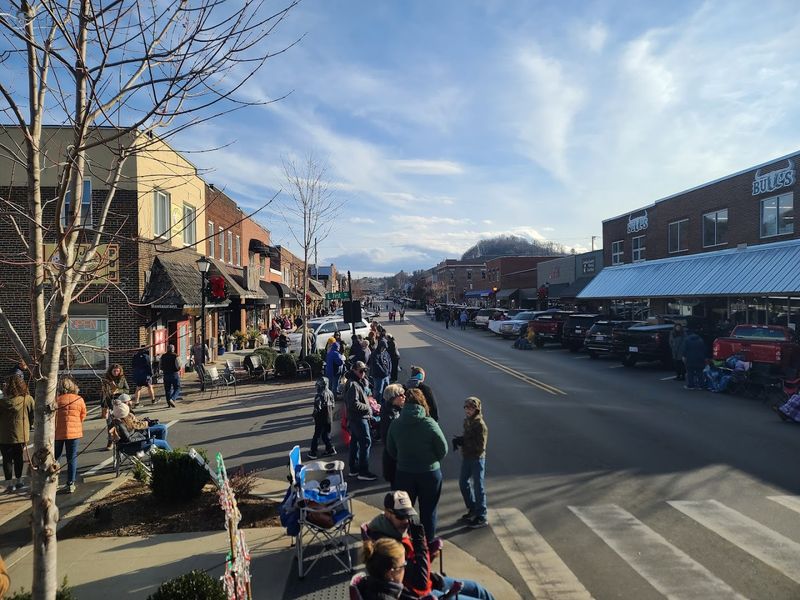
Mountain murals painted on downtown buildings gave West Jefferson a unique identity that appealed to art lovers and road trippers exploring back roads. The town enjoyed steady but manageable tourism, mostly from Blue Ridge Parkway travelers and regional visitors.
Locals appreciated having something special without dealing with overwhelming crowds or commercial development.
Best small town lists changed everything almost overnight. Travel websites, magazines, and social media influencers kept featuring West Jefferson in roundups of charming places worth visiting.
Each mention brought more curious travelers eager to see the murals and explore surrounding mountains. What started as trickles became steady streams of weekend visitors discovering this artistic mountain community.
Downtown businesses benefit from increased foot traffic and sales, but infrastructure strains under pressure it was never designed to handle. Parking challenges frustrate both visitors and residents during busy weekends.
Housing costs have climbed as people relocate seeking small-town mountain living. The murals that put West Jefferson on the map now attract selfie-seeking tourists who may not fully appreciate the community spirit behind the artwork.
The town faces decisions about managing growth while preserving the authentic character that made it list-worthy. Fame proves complicated when your population barely exceeds two thousand people.
Burnsville
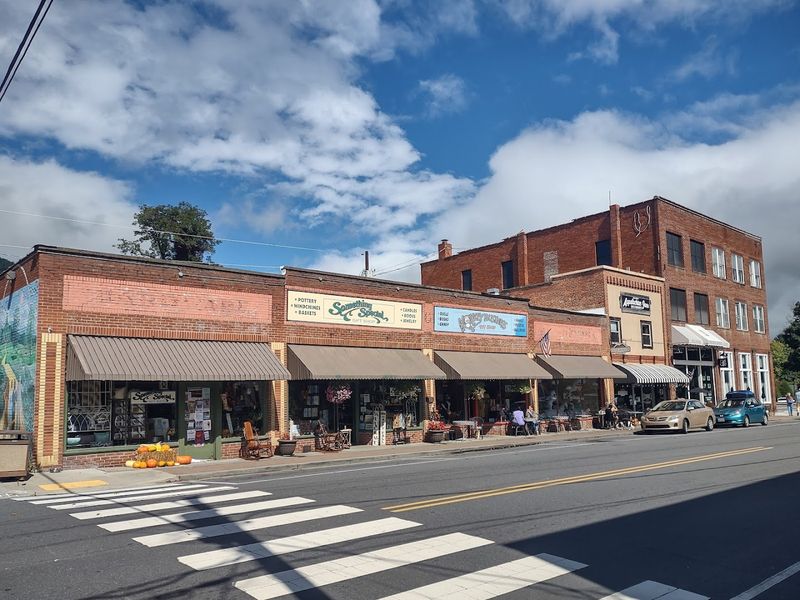
Even among mountain town enthusiasts, Burnsville remained relatively unknown for years. Tucked away in Yancey County, it felt removed from major tourist corridors and content with that isolation.
The town square hosted local events for residents while visitors passed through on their way to better-known destinations nearby.
Interest in quieter Blue Ridge communities finally caught up with Burnsville as travelers tired of crowded hotspots sought alternatives. Articles highlighting off-the-beaten-path mountain towns started including Burnsville alongside its more famous neighbors.
The town’s genuine small-town atmosphere and surrounding natural beauty began drawing people specifically seeking what larger destinations had lost to overdevelopment and crowds.
Visitor numbers have grown noticeably, especially during fall color season and summer weekends. New shops and restaurants opened to serve both tourists and an influx of people relocating for mountain living.
Real estate activity increased dramatically compared to previous decades of relative stagnancy. Infrastructure designed for a small town population now handles increased traffic and demands.
Longtime residents experience mixed feelings about the attention—economic opportunities improve, but the intimate community feel that defined Burnsville for generations slowly shifts. Being discovered means adapting to changes nobody anticipated just a few years ago.