
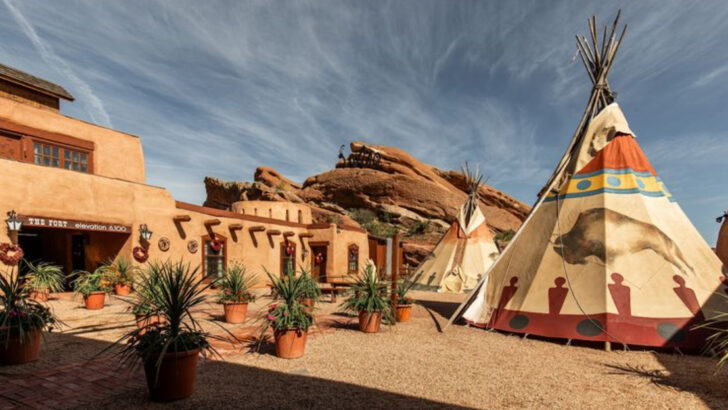
Tucked into the rocky foothills just outside Denver, The Fort in Morrison, Colorado is unlike any steakhouse you’ve ever visited.
Built to look like a real 1830s adobe trading post, this remarkable restaurant blends history, wild flavors, and stunning mountain scenery into one unforgettable meal.
From its legendary buffalo filet mignon to its rare cookbook library, The Fort has been winning over diners since 1963.
If you’re looking for a dining experience that feels truly one of a kind, this is the place to go.
A Frontier-Style Restaurant That Feels Like Stepping Back to the 1830s
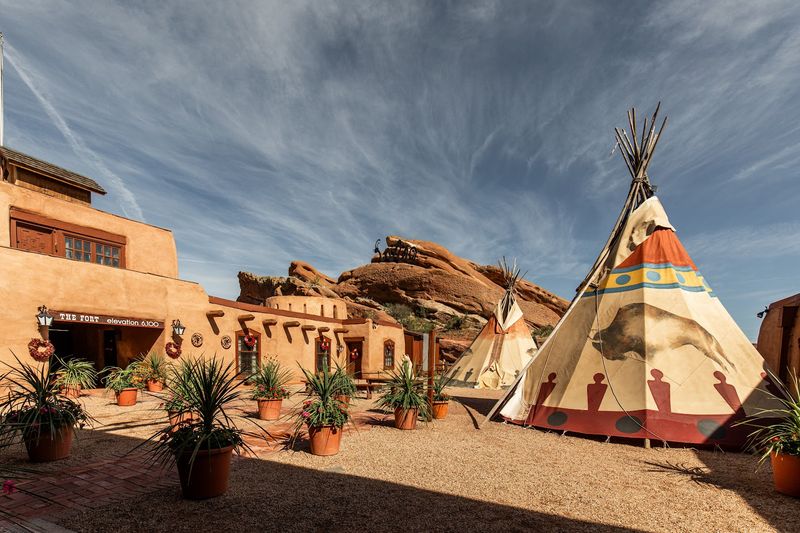
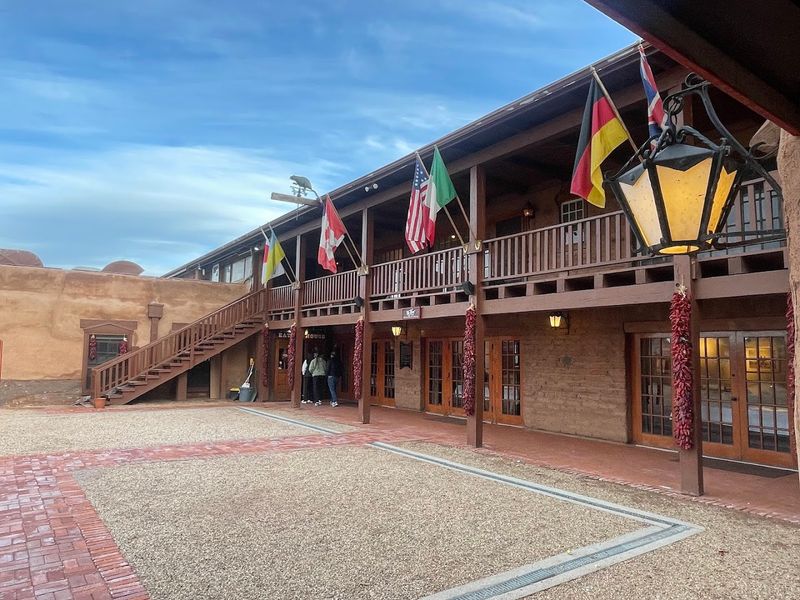
Walking up to The Fort feels less like arriving at a restaurant and more like stumbling onto a movie set from the Old West. The building is a carefully crafted replica of Bent’s Fort, the famous trading post that once stood along the Santa Fe Trail in the early 1800s.
Every detail was designed to make you feel like you’ve traveled back in time.
Construction began in the early 1960s, and builders used more than 80,000 handmade adobe bricks to complete the structure. That’s not a small project — it took serious dedication and craftsmanship to pull off.
The thick earthen walls, wooden vigas jutting from the roofline, and hand-carved details all add to the feeling of authenticity.
Founder Sam Arnold wasn’t just building a restaurant — he was building a tribute to Colorado’s frontier past. His passion for Western history shaped every inch of the design.
Even today, visiting The Fort feels like walking through a living history exhibit, except this one comes with an incredible dinner. Few dining experiences in the entire country can match this level of immersive atmosphere and historical storytelling.
The Legendary Filet Mignon That Keeps Guests Coming Back
Some dishes are good. Some dishes are memorable.
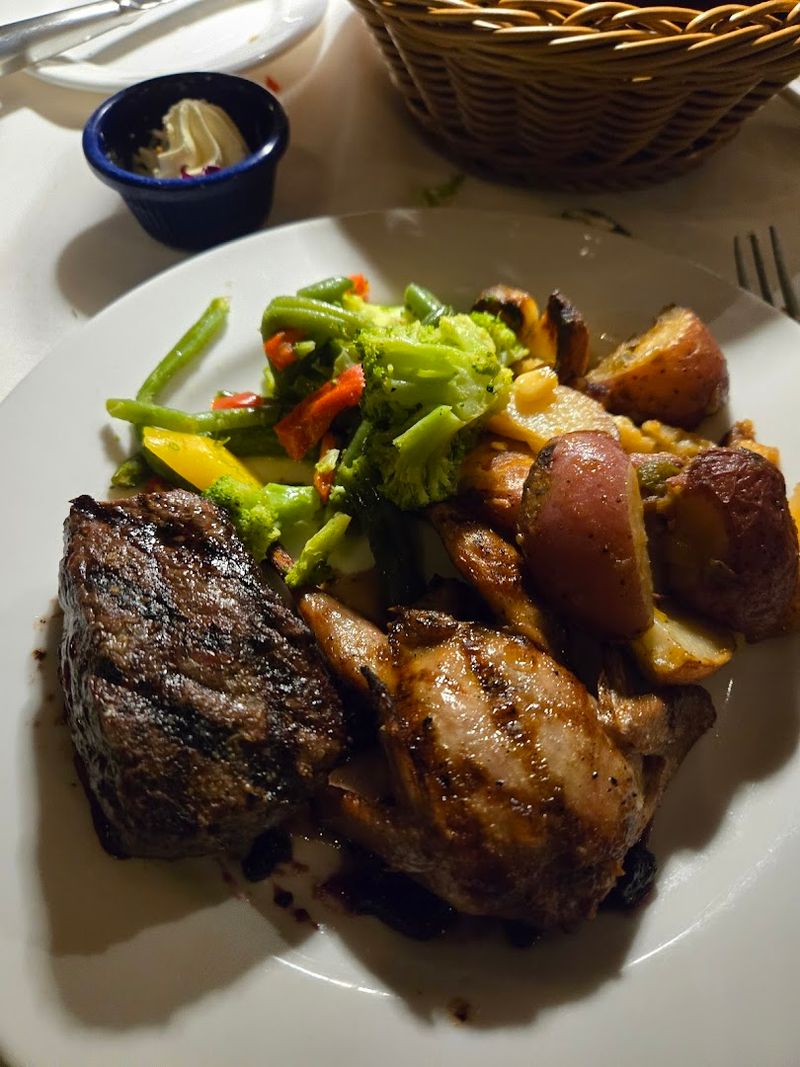
And then there’s the buffalo tenderloin filet mignon at The Fort, which lands firmly in a category all its own. Served sizzling in a cast-iron skillet with rich herb or prairie butter slowly melting across the top, this is the kind of entrée that guests talk about long after the plates are cleared.
Bison meat is naturally leaner than beef, which might make you think it would be tougher — but that’s not the case here. The tenderloin cut is one of the most delicate parts of the animal, and when prepared correctly, it delivers a buttery texture with a flavor that’s slightly sweeter and more complex than a traditional beef filet.
It’s genuinely surprising how tender each bite can be.
What makes this dish stand out beyond its taste is the story behind it. Bison was the cornerstone protein of life on the American frontier, feeding Native American tribes and mountain men alike for centuries.
Eating this filet mignon at The Fort isn’t just a great meal — it’s a small connection to that rich, rugged history. Order it medium-rare for the best results.
A Menu Inspired by the Foods of the Old West
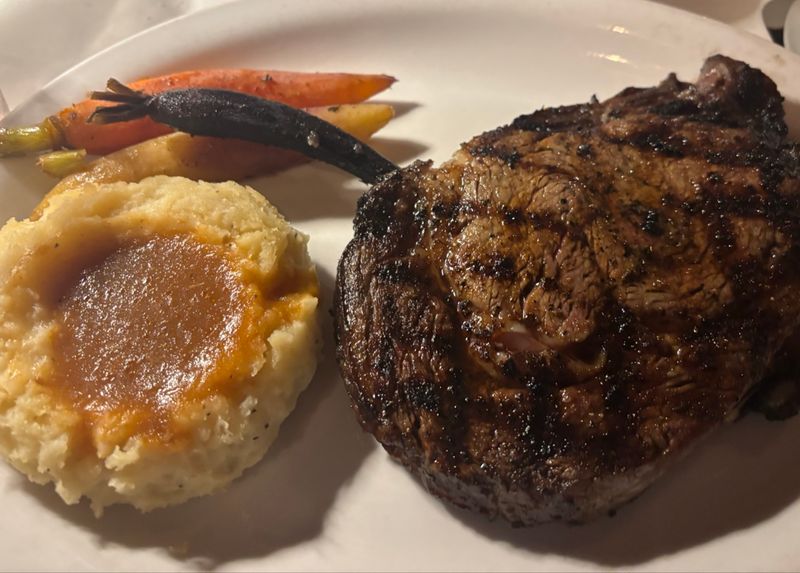
The Fort doesn’t describe its food as simply American or Western — it calls its cuisine the “New Foods of the Old West,” and that phrase really captures what makes the menu so special. Rather than pulling from modern steakhouse trends, the kitchen looks backward to the 1800s for inspiration, drawing on the eating habits of mountain men, Native American tribes, and Spanish and Mexican traders who traveled Colorado’s historic frontier routes.
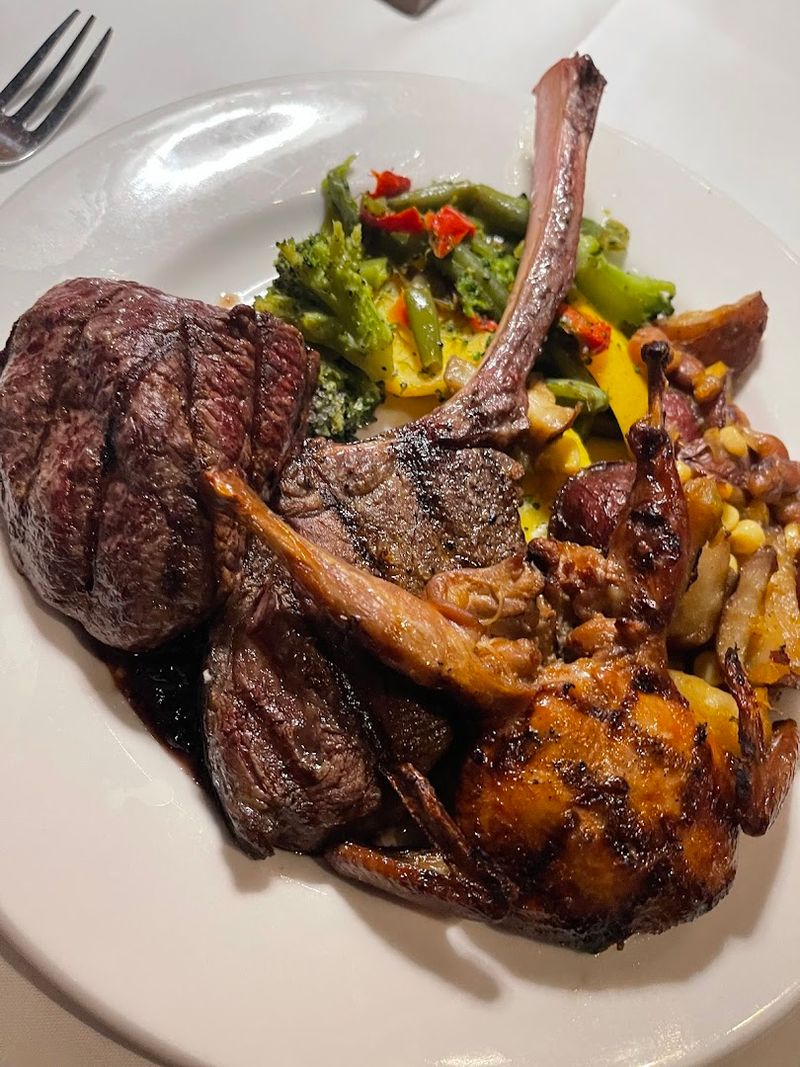
That means you’ll find ingredients and dishes that most restaurants simply don’t offer. Game meats take center stage, with buffalo, elk, and quail appearing throughout the menu in various preparations.
Some dishes are rooted in specific Native American culinary traditions, while others reflect the Spanish colonial influence that shaped much of the Southwest’s food culture during the 19th century.
For diners used to standard steakhouse fare, this menu can feel like a genuine adventure. It’s not trying to be trendy or fusion — it’s trying to be historically honest.
Founder Sam Arnold spent years researching what people actually ate during this era, and that dedication shows in every dish. Expect bold, earthy flavors and preparations that feel both ancient and surprisingly satisfying to a modern palate.
Historic Recipes Backed by an Unusual Cookbook Library
Most restaurant kitchens rely on chef training, modern culinary school techniques, and current food trends. The Fort’s kitchen takes a wildly different approach — its chefs draw inspiration from one of the most unusual culinary resources you’ll find anywhere in the country: a private library of more than 3,000 rare and antique cookbooks.
Many of these volumes document early American cooking traditions, including recipes from the frontier era, Native American food practices, and Spanish colonial kitchens of the 1800s. Some of the books are genuinely hard to find anywhere else, making this collection a remarkable research tool for any chef interested in historical American cuisine.
It’s the kind of resource a food historian would dream about.
This commitment to research shapes the menu in meaningful ways. Rather than guessing what frontier cooking might have tasted like, the chefs at The Fort actually have documented evidence to guide their decisions.
The result is a dining experience grounded in authenticity rather than imagination. Did you know that Sam Arnold, the restaurant’s founder, was himself a passionate food historian and author?
His scholarly approach to cuisine is a big reason The Fort has remained relevant and respected for more than six decades.
Wild Game Dishes You Won’t Find at Most Steakhouses
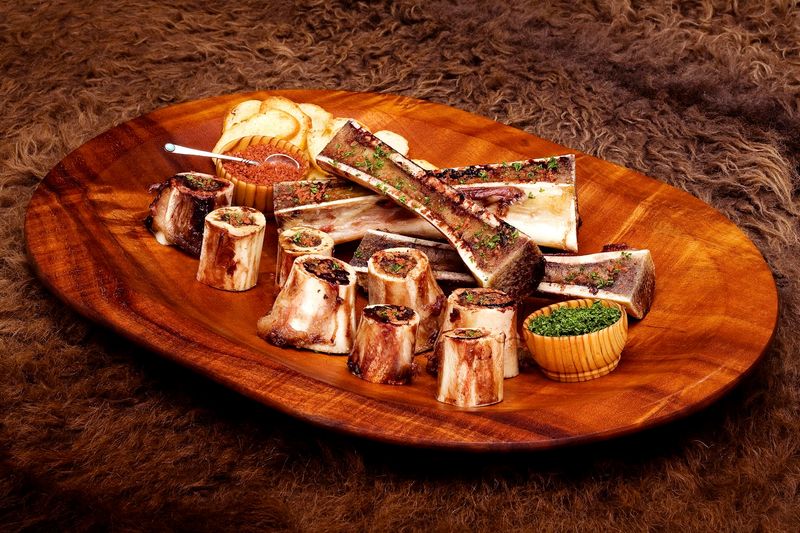
Rocky Mountain oysters. Bison tongue.
Grilled quail. Elk chops.
If those menu items sound unusual, that’s kind of the point. The Fort has built a loyal following not just for its filet mignon, but for its willingness to serve dishes that challenge diners to eat the way the frontier actually demanded — creatively, boldly, and with nothing going to waste.
Rocky Mountain oysters — for the uninitiated, those are bull testicles — are perhaps the restaurant’s most talked-about novelty item. They’ve become something of a rite of passage for first-time visitors who want the full frontier experience.
Surprisingly, many guests who try them end up ordering a second round. The texture is mild and the flavor is subtle when properly prepared.
Beyond the novelty items, the elk chops and grilled quail are legitimately outstanding dishes that deserve more attention. Elk is a beautifully lean and flavorful red meat, while quail offers a delicate, slightly gamey taste that pairs wonderfully with the restaurant’s herb-forward preparations.
These aren’t gimmick dishes — they’re carefully crafted entrées that reflect the honest, resourceful spirit of life on the American frontier. Adventurous eaters will find plenty to love here.
A Historic Landmark Dining Destination
Not many restaurants can say they’re listed on the National Register of Historic Places — but The Fort can. That designation isn’t handed out lightly.
It reflects the building’s architectural significance, its cultural importance to Colorado’s history, and its ongoing role in preserving the story of the American frontier for future generations of visitors.
The adobe structure itself is a big reason for the recognition. Authentic adobe construction of this scale is rare in the modern United States, and the building’s faithful recreation of Bent’s Fort gives it genuine historical value beyond just being a cool-looking restaurant.
Architectural historians and history buffs frequently visit simply to appreciate the craftsmanship involved in its construction.
Being a landmark also adds something intangible to the dining experience. When you sit down for dinner at The Fort, you’re eating inside a building that has been officially recognized as worth preserving.
That’s a different feeling than eating at a chain restaurant or even a trendy new spot downtown. There’s a weight to the place — a sense that the walls around you carry real stories.
For Colorado residents and tourists alike, this recognition makes The Fort a destination worth going out of your way to visit.
Nine Dining Rooms Filled With Western Artifacts
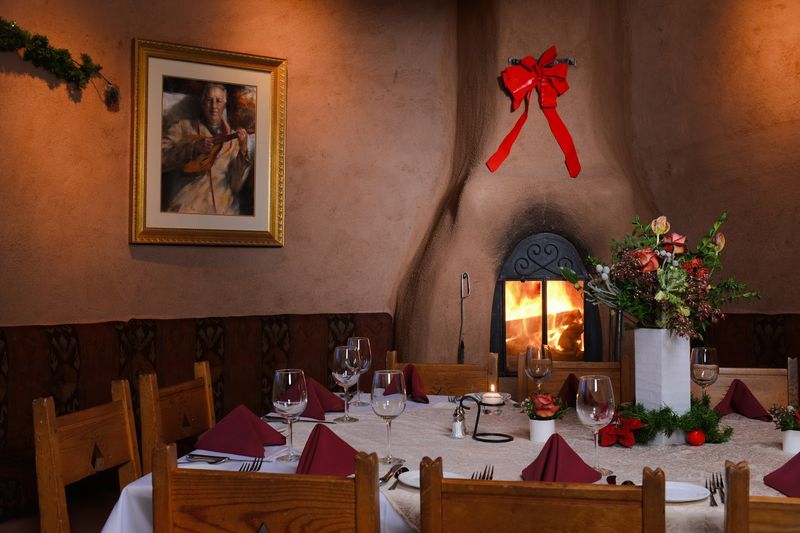
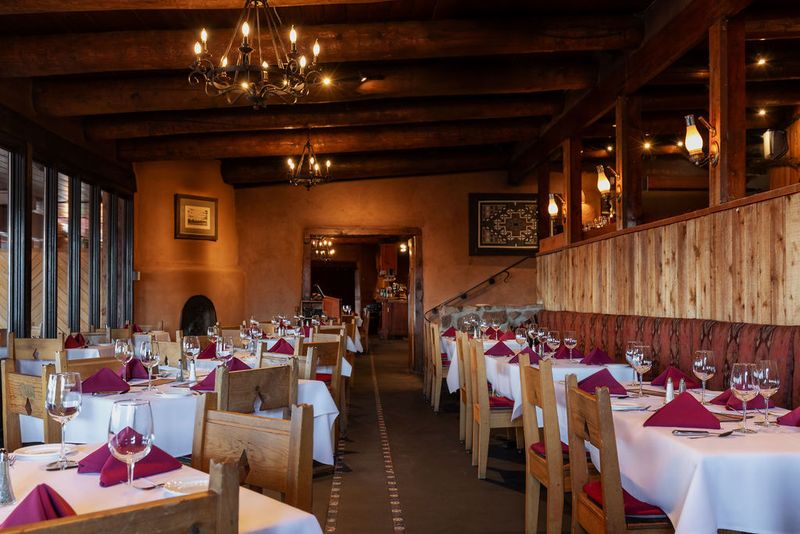
Step inside The Fort and you’ll quickly realize that the history lesson doesn’t stop at the front door. The restaurant’s interior is divided into nine distinct dining rooms, each one decorated with a carefully curated collection of Western artifacts, frontier memorabilia, and period-style furnishings that turn the walls into an informal museum of American history.
Guests can spot Native American pottery, antique frontier tools, historical photographs, and decorative pieces that reflect the cultural diversity of the 19th-century West. The overall effect is warm and immersive rather than sterile or museum-like — these items feel like they belong in the space, not like they were placed there for decoration alone.
Every corner holds something worth noticing.
With seating for around 350 guests spread across all nine rooms, The Fort can accommodate large groups, family celebrations, anniversaries, and corporate events without losing its intimate character. Each dining room has its own personality, so no two visits feel exactly the same depending on where you’re seated.
Many regulars have a favorite room they request by name. Whether you’re celebrating a milestone or simply treating yourself to a remarkable dinner, the atmosphere inside The Fort elevates the entire experience from a meal to a memory.
Stunning Foothill Views Just Outside Denver
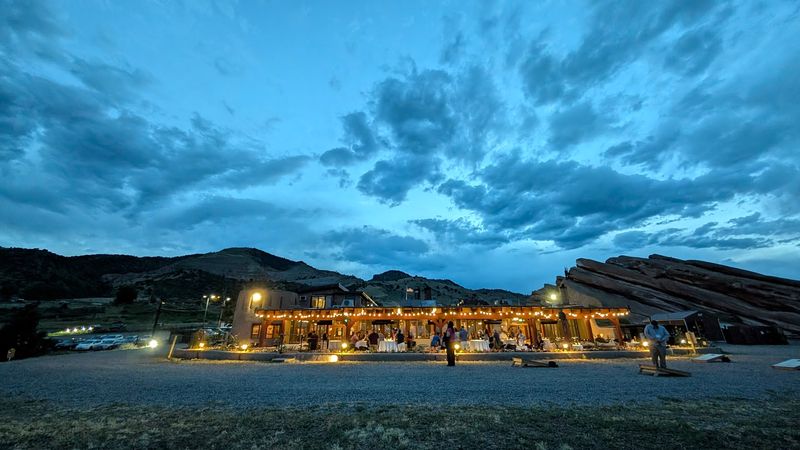
The food alone would be enough reason to make the trip, but The Fort adds something extra that most city restaurants simply can’t offer — a setting that takes your breath away. Perched in the rocky foothills near Morrison, the restaurant sits at an elevation that gives it sweeping views toward the Rocky Mountains to the west and Denver’s glittering skyline to the east.
The outdoor patio is especially magical during the warmer months. As the sun drops behind the mountains and the sky turns shades of orange, pink, and purple, guests sip cocktails and take in one of the most spectacular natural light shows Colorado regularly puts on.
It’s the kind of view that makes you slow down and actually be present in the moment — rare in today’s fast-paced world.
Even from inside the dining rooms, large windows frame the rugged landscape beautifully. The combination of the adobe architecture, the earthy interior decor, and the wild foothills visible just beyond the glass creates a visual harmony that feels completely intentional.
Morrison itself is a charming small town worth exploring before or after dinner, and the short drive from Denver through Red Rocks country makes the journey to The Fort part of the overall experience.
A Restaurant With a Colorful and Celebrity-Filled History
Since swinging open its doors in 1963, The Fort has accumulated the kind of guest list that most restaurants only dream about. Julia Child — one of the most celebrated culinary figures in American history — visited the restaurant and was reportedly charmed by its commitment to historical authenticity and its adventurous approach to game cookery.
That’s a serious endorsement from someone who knew good food.
The restaurant’s reputation reached an international stage in 1997, when Denver hosted the Summit of the Eight — a gathering of the world’s most powerful leaders. The Fort played a role in the events surrounding that summit, introducing global dignitaries to the flavors and history of the American West.
Not bad for a steakhouse built from handmade adobe bricks in the Colorado foothills.
Beyond the famous names, The Fort has simply been a consistent part of Colorado’s cultural fabric for over sixty years. Generations of families have celebrated birthdays, anniversaries, and graduations within its walls.
Local legends and visiting celebrities have sat side by side in its dining rooms, united by great food and a setting unlike anywhere else. That kind of staying power says everything about what The Fort has meant to Colorado’s dining identity over the decades.
Essential Visitor Information
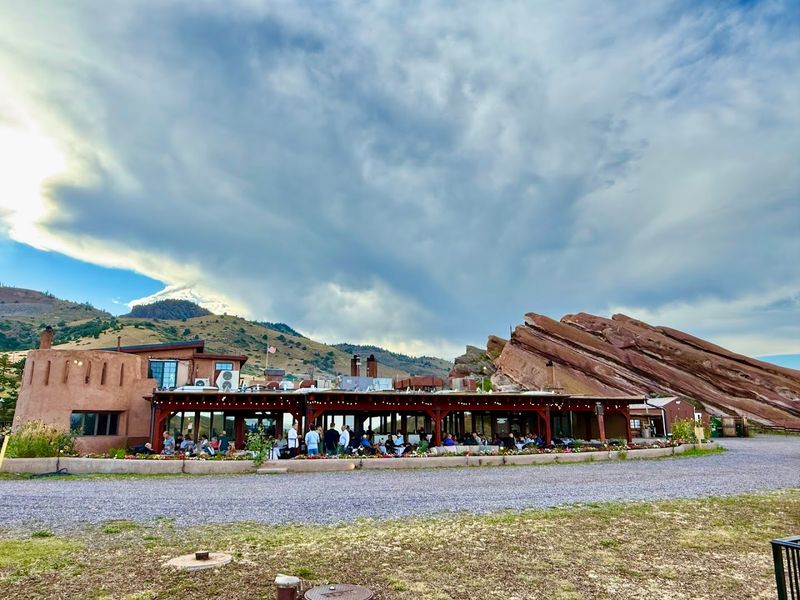
Planning a visit to The Fort is worth doing right, because a little preparation goes a long way toward making the evening seamless. The restaurant is located at 19192 Highway 8 in Morrison, Colorado — roughly a 25-minute drive from downtown Denver.
The route takes you through the scenic foothills near Red Rocks Amphitheatre, making the drive itself a pleasant part of the outing.
Reservations are strongly recommended, especially on Friday and Saturday evenings when the restaurant fills up quickly. Calling ahead or booking online will save you from disappointment.
The Fort primarily serves dinner, so plan accordingly and consider arriving a little early to enjoy a cocktail on the patio before your table is ready — especially if the weather is cooperating.
Pricing reflects the premium quality of the ingredients and the experience. Expect to spend more than you would at a casual steakhouse, but also expect to get more in return.
The combination of historical atmosphere, genuinely unique wild game cuisine, attentive service, and dramatic Rocky Mountain scenery makes The Fort one of the most complete dining experiences available anywhere in Colorado. Whether you’re a first-time visitor or a longtime regular, a meal here always feels like a special occasion worth savoring slowly.