Tucked away in a quiet West Palm Beach neighborhood, Ann Norton Sculpture Gardens is one of Florida’s best-kept secrets.
This remarkable outdoor space blends towering tropical palms, massive handcrafted sculptures, and peaceful walking paths into an experience unlike anything else in the region.
Whether you love art, nature, or simply need a calm escape from the everyday rush, this garden has something truly special to offer.
Step inside, and you will quickly understand why locals and visitors alike call it a hidden treasure worth discovering.
A Hidden Cultural Oasis in West Palm Beach
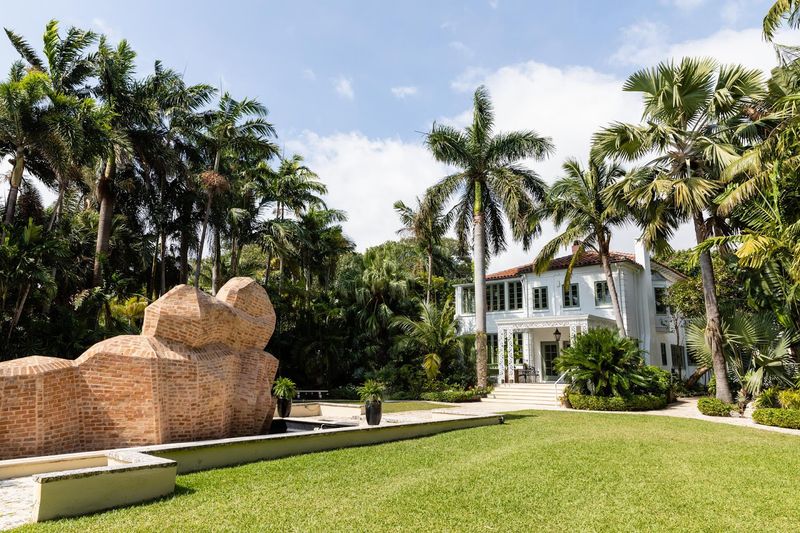
Most people driving through West Palm Beach have no idea that just a few blocks from the busy streets, a world of art and tropical beauty quietly waits. Ann Norton Sculpture Gardens sits in a residential neighborhood, looking modest from the outside but completely transforming once you step through the gate.
It is the kind of place that rewards curious visitors who take the time to look beyond the obvious tourist spots.
The garden covers about two acres and manages to feel both intimate and expansive at the same time. Towering palms create a natural canopy overhead, while sculptures peek out from behind dense plantings at every turn.
The atmosphere is calm, almost reverent, like walking through an outdoor museum that also happens to feel like someone’s beloved backyard.
What makes this place stand out among Florida’s many botanical spaces is its seamless blend of fine art and landscape design. Nothing here feels accidental.
Every plant, path, and sculpture placement was thoughtfully considered, making the entire experience feel like walking through a living artwork. For anyone seeking something genuinely different in South Florida, this garden is a must-visit destination that quietly exceeds expectations every single time.
The Vision of Sculptor Ann Weaver Norton
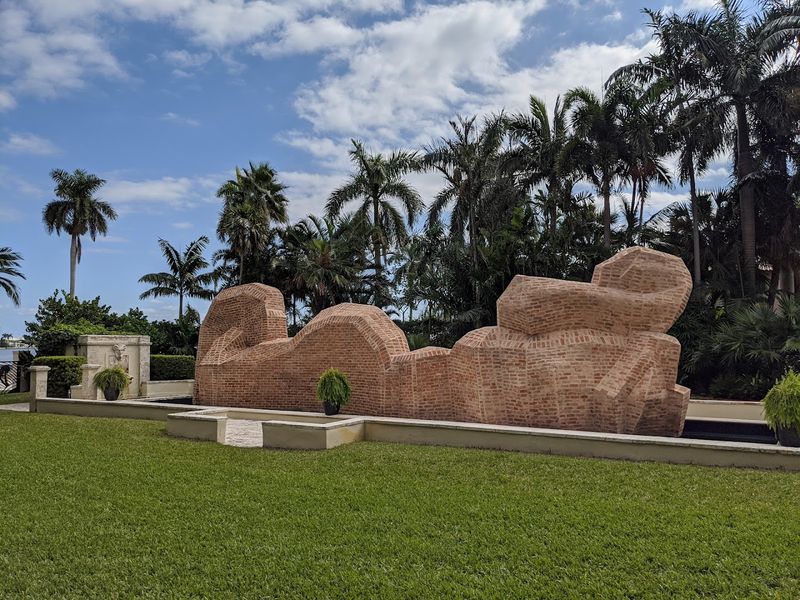
Ann Weaver Norton was not the kind of artist who created small, delicate objects meant for gallery shelves. She thought big, worked with brick and stone, and believed that sculpture should live outdoors, breathing alongside the natural world rather than sitting behind glass.
Her vision was shaped by a deep respect for the relationship between human creativity and the living landscape around it.
Born in Selma, Alabama, Norton studied at the Art Students League in New York before eventually settling in West Palm Beach, where she married industrialist Ralph Norton. Despite her privileged surroundings, she maintained a rigorous studio practice, dedicating herself to creating monumental works that felt grounded, spiritual, and connected to the earth.
She designed her garden as an extension of her artistic philosophy, not just a place to display finished pieces.
Her sculptures were meant to harmonize with nature, not compete with it. She wanted visitors to encounter art the way you might encounter something unexpected in a forest, suddenly and with a sense of wonder.
That intention still shapes every visit to the gardens today, making her legacy feel very much alive. Ann Weaver Norton passed away in 1982, but her creative spirit genuinely fills every corner of this remarkable space.
A Rare Collection of Exotic Palms
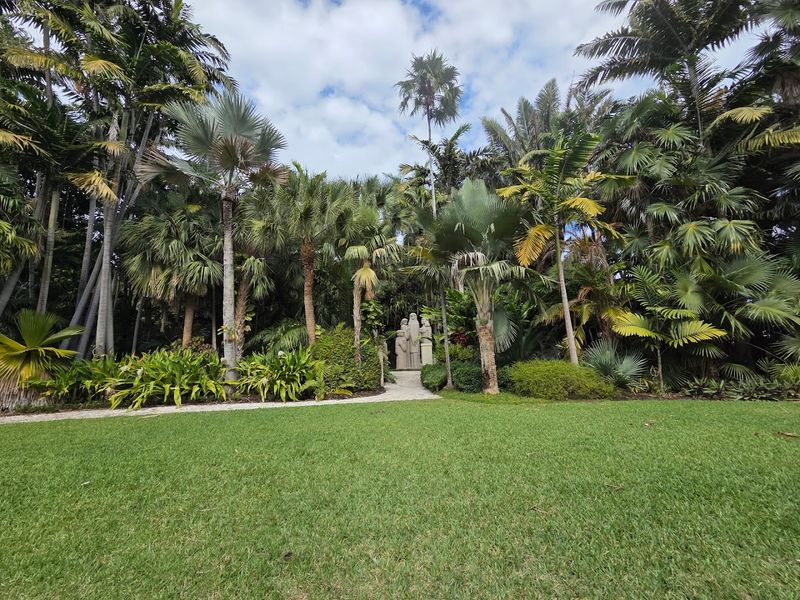
Palm trees might seem ordinary in Florida, but the collection at Ann Norton Sculpture Gardens is anything but typical. The grounds feature one of the most carefully assembled palm collections in all of South Florida, with species sourced from across the globe, including Africa, Asia, the Pacific Islands, and Central America.
Some of these palms are genuinely rare, representing varieties that most people have never seen outside of a specialized botanical collection.
Walking beneath them feels different from strolling through a typical Florida landscape. The variety of heights, trunk textures, and frond shapes creates a layered canopy that shifts with the breeze, casting constantly moving shadows across the paths below.
Some palms stand dramatically tall and solitary, while others cluster together, creating dense pockets of shade that make the garden feel cool even on warm days.
For plant enthusiasts, the palm collection alone is worth the visit. Informational markers help identify each species, giving visitors context about where each palm originates and what makes it botanically significant.
The collection reflects the same careful curation that defines every aspect of the gardens, proving that even the background plantings here were chosen with the same artistic intention as the sculptures themselves. It is genuinely one of the region’s most impressive living collections.
Monumental Sculptures Hidden in Greenery
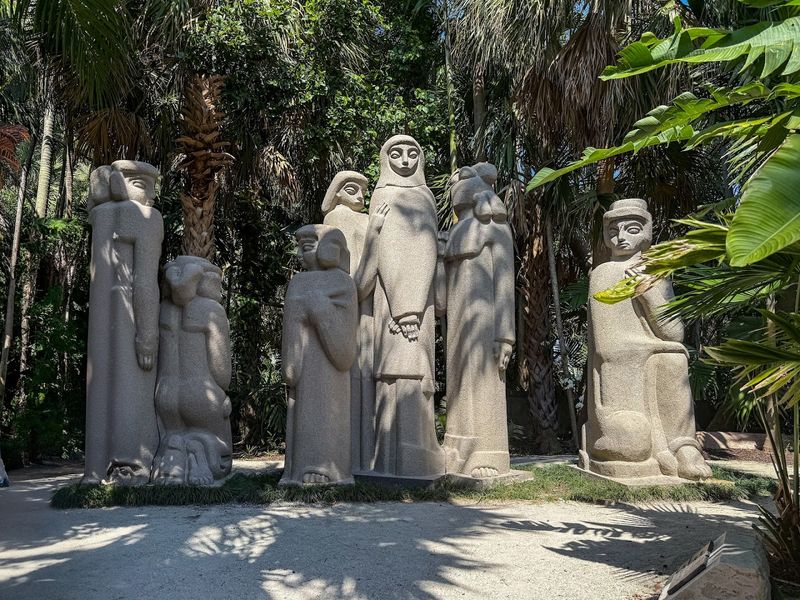
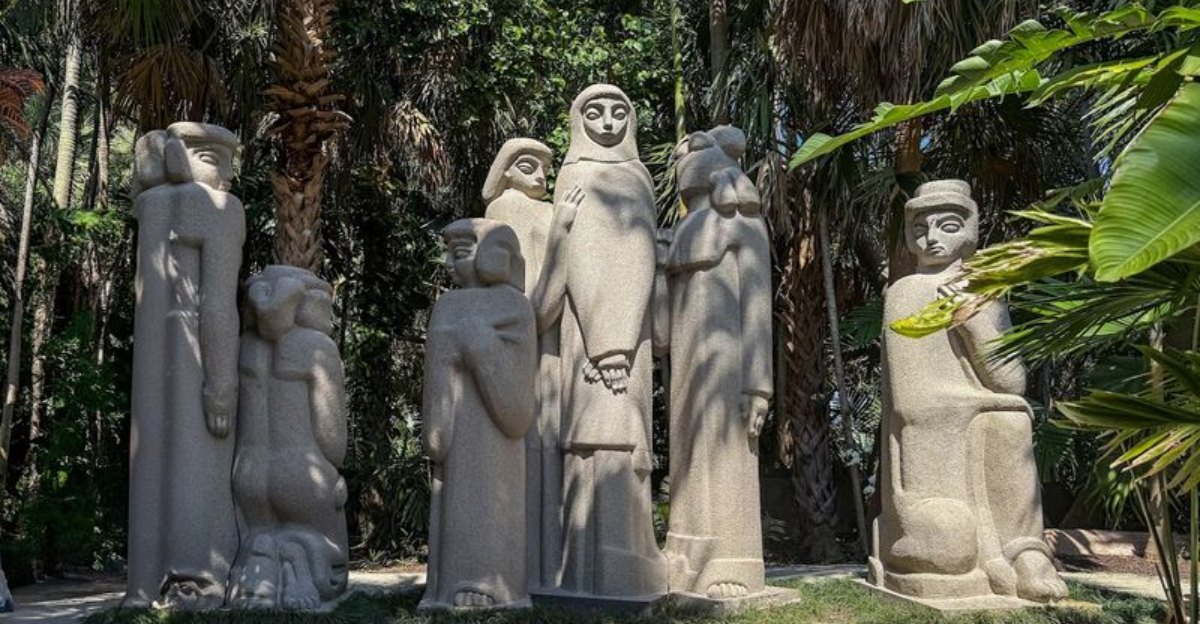
Stumbling upon a massive sculpture half-hidden behind a curtain of tropical leaves is one of the most memorable moments the gardens offer. Ann Norton deliberately placed her large-scale works throughout the landscape so that they would not be immediately obvious.
You have to walk, look carefully, and let your eyes adjust to the layers of green before the art reveals itself. That element of discovery makes the experience feel almost playful, even though the sculptures themselves carry significant weight and presence.
Most of Norton’s outdoor pieces are constructed from brick, a material she chose for its warmth, texture, and connection to the earth. Up close, the craftsmanship is striking.
Each brick is carefully laid to create abstract forms that suggest figures, spiritual symbols, or natural forces without ever becoming literal. They are open to interpretation, which is exactly what Norton intended.
Standing beside one of these works, surrounded by rustling palms and birdsong, creates a feeling that is hard to describe but easy to remember. The scale of the sculptures compared to the human body makes you feel small in the best possible way, connected to something larger than yourself.
First-time visitors often say they were surprised by how emotionally powerful the experience turned out to be, far beyond what they expected from a garden visit.
The Historic Artist Studio and Residence
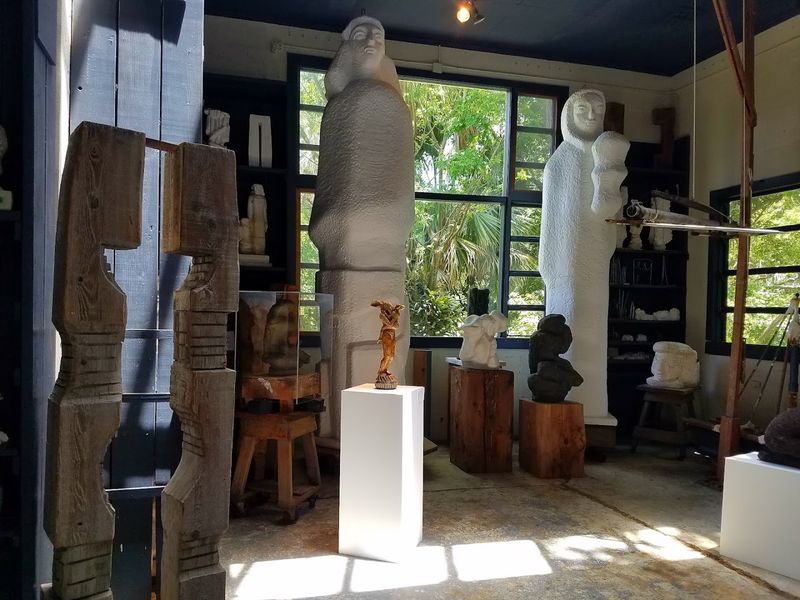
Few gardens in the country offer the chance to step inside the actual home and working studio of the artist who created the space. At Ann Norton Sculpture Gardens, visitors can do exactly that.
The preserved studio and residence give a rare, up-close look at how Norton lived and worked, offering context that transforms the way you see the sculptures outside. Seeing the tools, the sketches, and the intimate scale of the workspace makes the massive outdoor works feel even more impressive.
The studio retains much of its original character, with evidence of a working artist still visible in the details. The space is not overly curated or staged.
It feels honest, like Norton simply stepped out for a moment and might return any time. That authenticity is part of what makes it so compelling for visitors who appreciate creative history and the stories behind finished works of art.
The residence itself reflects the mid-century aesthetic of its era while also showing Norton’s personal taste and her connection to the garden surrounding it. Large windows frame views of the palms and sculptures outside, blurring the boundary between interior and exterior spaces.
Walking through both the home and studio adds a deeply personal layer to the visit, turning what might be a casual garden stroll into a genuine encounter with one artist’s remarkable life and vision.
Serene, Intentionally Designed Walking Paths
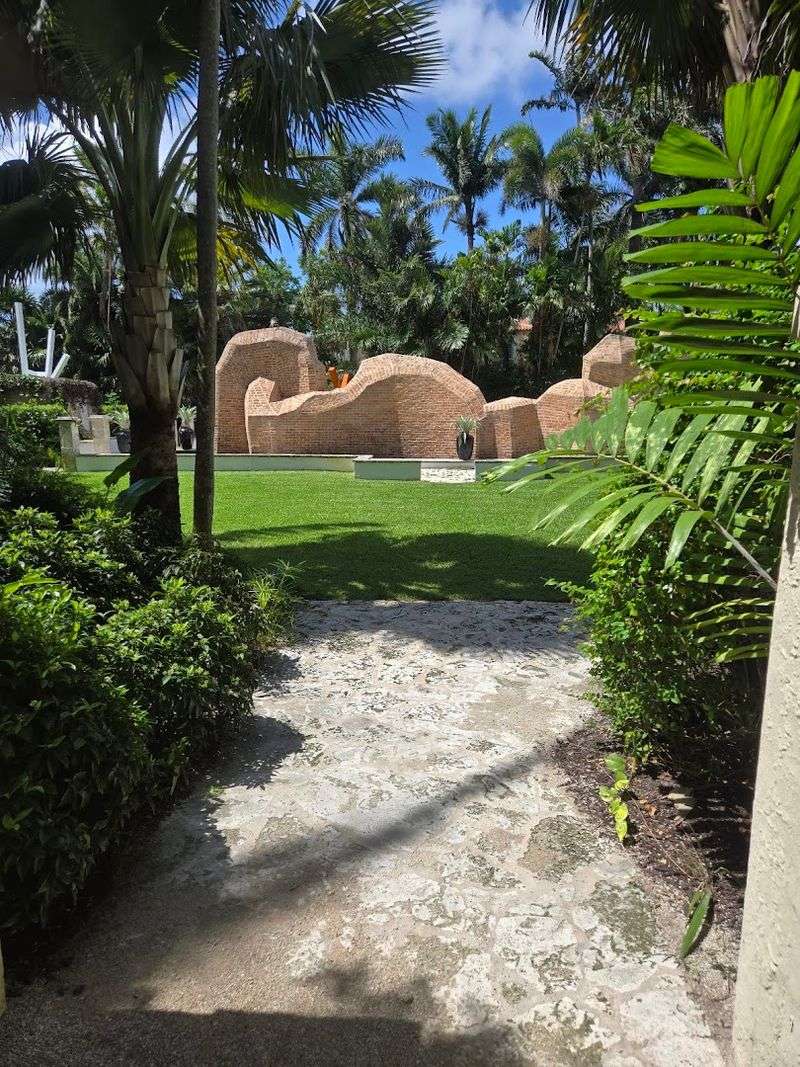
Not every garden path is created equal. The walking paths at Ann Norton Sculpture Gardens were designed with a specific intention: to slow you down.
Narrow, winding, and frequently shaded by overhanging palms, these paths encourage a pace that is closer to a meditative stroll than a sightseeing march. The layout creates a gentle sense of discovery, guiding visitors without ever feeling rushed or overly directed.
There is something almost maze-like about the way the paths move through the property. You might round a corner and find yourself in an open clearing with a towering sculpture, then duck back into a dense tunnel of green before emerging near a quiet seating area.
The rhythm of open and enclosed spaces keeps the experience feeling fresh and engaging throughout the entire visit, even on a second or third trip.
The surface underfoot is generally soft and natural, contributing to the overall sensory experience of the garden. The sound of your own footsteps changes depending on where you are, sometimes crunching on gravel, other times muffled by mulch or grass.
Combined with birdsong, rustling leaves, and the occasional distant sound of the city, the paths create a soundscape that feels genuinely restorative. Visitors who take their time and resist the urge to rush consistently report the most satisfying and memorable experiences here.
Habitat for Birds and Pollinators
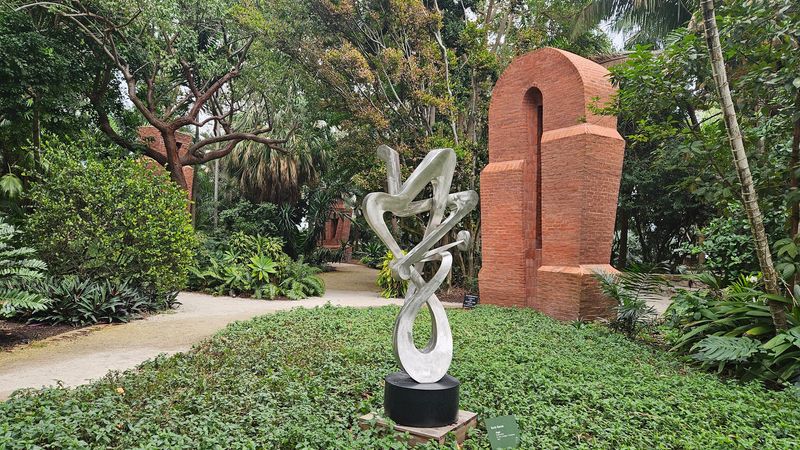
Beyond its artistic and botanical significance, Ann Norton Sculpture Gardens quietly functions as a small but meaningful ecological refuge. The dense plantings, flowering tropical species, and minimal pesticide use create ideal conditions for native wildlife, particularly birds, butterflies, and bees.
On any given morning, the garden hums and flutters with life in a way that feels completely natural and unforced.
Birdwatchers who visit are often pleasantly surprised by the variety of species that pass through or take up residence among the palms. Warblers, hummingbirds, and various migratory species have all been spotted here, drawn by the shelter and food sources the garden provides.
The combination of tall canopy palms and lower flowering shrubs creates multiple habitat layers, which supports a wider range of wildlife than a more manicured garden typically would.
Pollinators are equally well-served by the landscape. Tropical blooms throughout the property attract butterflies and native bees in impressive numbers, especially during warmer months.
Watching a zebra longwing butterfly drift between flowers while a massive brick sculpture looms in the background is one of those unexpected, delightful moments that make this garden feel alive in every sense of the word. The ecological role of the space is rarely the main headline, but it genuinely adds another rewarding dimension to every visit.
Preservation of Outdoor Sculptural Art
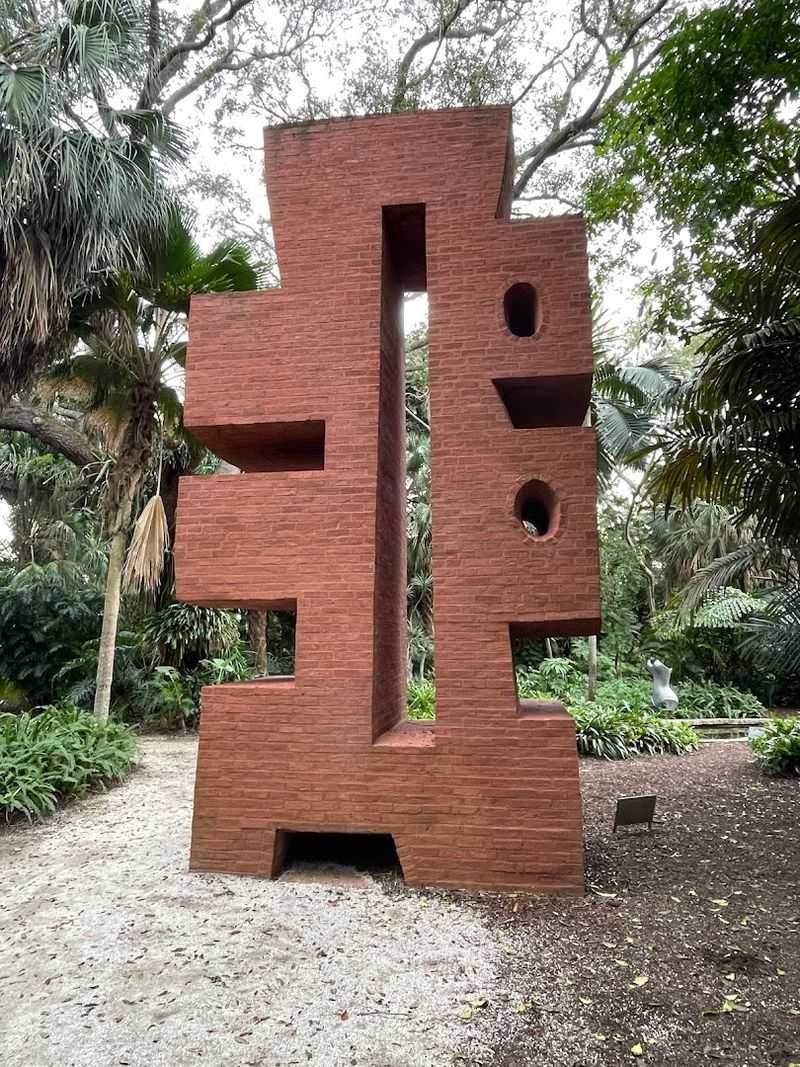
Keeping large outdoor sculptures in good condition anywhere is a challenge. Doing it in Florida, where humidity, intense sun, heavy rain, and the occasional hurricane are all part of the annual routine, is a serious ongoing commitment.
The team at Ann Norton Sculpture Gardens has made conservation a central part of their mission, recognizing that Norton’s brick works are irreplaceable and deserve the same careful attention given to museum-quality pieces indoors.
Brick, despite its durability, is porous and vulnerable to the kind of moisture damage that Florida’s climate delivers relentlessly. Moss, lichen, and biological growth can settle into the surfaces over time, while freeze-thaw cycles, though rare in South Florida, and salt air from the nearby coast add additional stress to the materials.
Conservators work regularly to clean, stabilize, and protect the sculptures without compromising their original character or appearance.
The preservation work happening here matters beyond just one garden. Norton’s outdoor sculptures represent a distinctive chapter in American art history, and maintaining them ensures that future generations can experience her work in the environment she specifically designed for it.
Visitors who look closely at the sculptures can often spot evidence of this careful stewardship, subtle repairs and protective treatments that speak to the dedication required to keep monumental outdoor art alive in a challenging tropical climate.
Visitor Experience and Tips
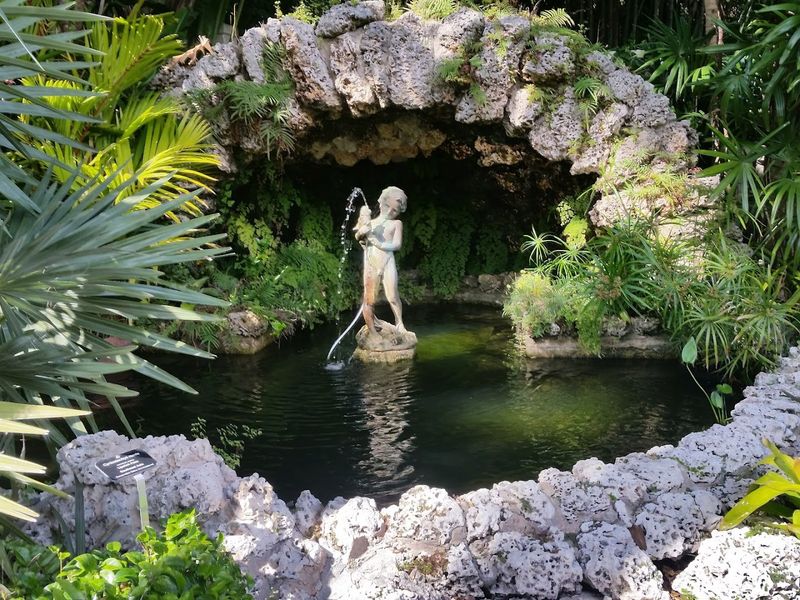
Planning your visit to Ann Norton Sculpture Gardens with a little preparation goes a long way toward making the most of the experience. The gardens are located at 253 Barcelona Road in West Palm Beach, tucked into a quiet residential area that is easy to miss if you are not looking carefully.
Parking is limited but manageable, and the surrounding neighborhood is pleasant for a short walk if needed. Arriving early on a weekday morning almost guarantees a peaceful, uncrowded visit.
Morning and late afternoon are the best times to visit, both for cooler temperatures and for the quality of light. Florida’s midday sun can be intense, and while the palm canopy provides meaningful shade, the garden is still largely an outdoor experience.
Wearing light, breathable clothing and bringing a water bottle will keep you comfortable throughout your stay. Comfortable walking shoes are also a smart choice, given the variety of path surfaces throughout the grounds.
Guided tours are available and genuinely worth considering, especially for first-time visitors. A knowledgeable guide can point out sculptures that are easy to overlook and share stories about Norton’s life and artistic process that add real depth to what you are seeing.
Admission is modestly priced, making it an accessible outing for families, solo visitors, and art enthusiasts alike. Check the official website before visiting for current hours, tour schedules, and any upcoming special events.