Tucked into the heart of historic St. Augustine, Florida, the Lightner Museum is one of those places that feels like stepping into a different century. Originally built in 1888 as the luxurious Hotel Alcazar by railroad tycoon Henry Flagler, this stunning Spanish Renaissance building now houses a treasure trove of Victorian-era antiques, curiosities, and artwork.
Chicago publisher Otto Lightner bought the property in 1947 and transformed it into a museum that still wows visitors today. Whether you are a history lover, an art enthusiast, or simply someone who enjoys a good story, the Lightner Museum is an unforgettable stop in St. Augustine.
The Historic Hotel Alcazar Building Itself
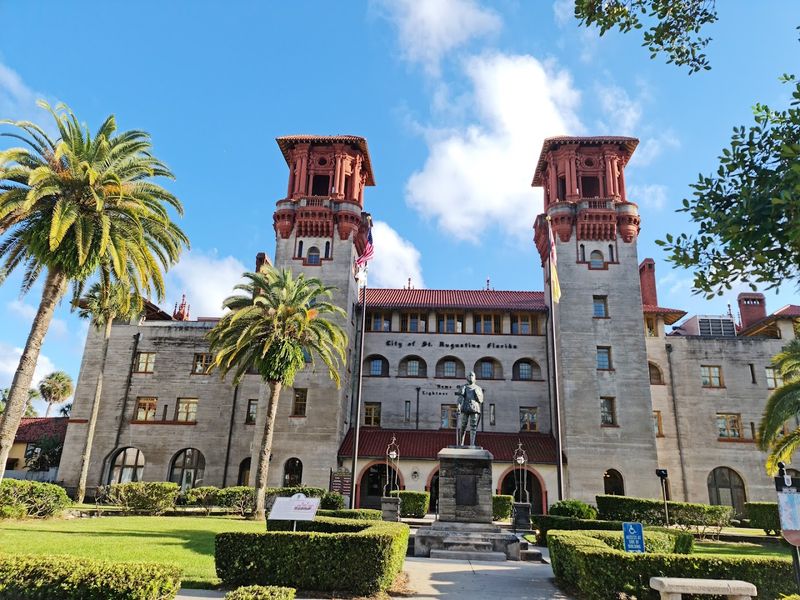
Before you even walk through the front door, the building itself stops you in your tracks. The Lightner Museum is housed in what was once the Hotel Alcazar, commissioned by Henry Flagler in 1888 and designed in the Spanish Renaissance Revival style.
Grand arches, intricate tile floors, and sweeping staircases make every hallway feel like a scene from a period drama.
Flagler built the Alcazar to complement his other legendary property across the street, the Ponce de Leon Hotel, now home to Flagler College. Together, they defined St. Augustine as a premier Gilded Age destination for wealthy travelers.
The Alcazar closed during the Great Depression but found new life when Otto Lightner purchased it in 1947.
Walking through the building today, you can still feel the echo of its glamorous past. Original architectural details have been carefully preserved, giving visitors an authentic sense of what luxury looked like over a century ago.
Many guests say the building alone is worth the price of admission. Whether you are a first-time visitor or a returning fan, the architecture never stops being impressive.
Plan to spend a few extra minutes just soaking in the grandeur before you explore the collections inside.
The World’s Largest Indoor Swimming Pool (Now an Event Space and Café)
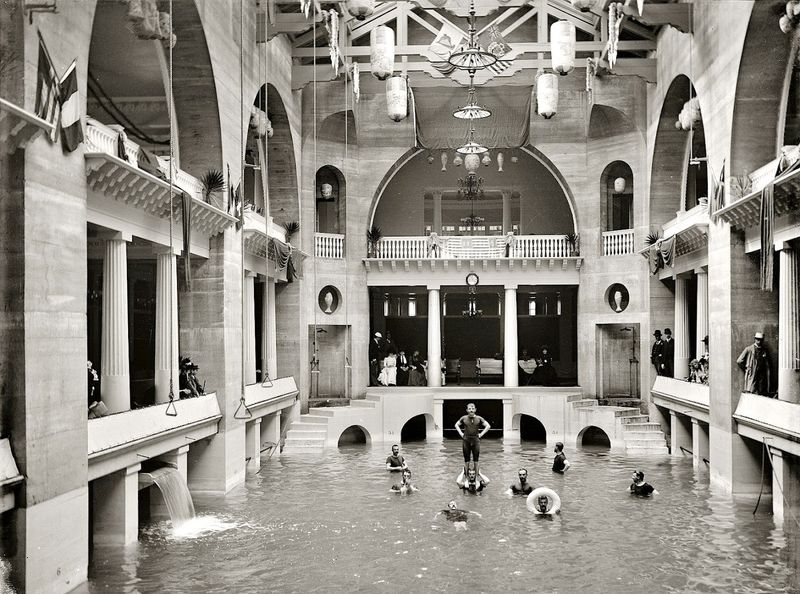
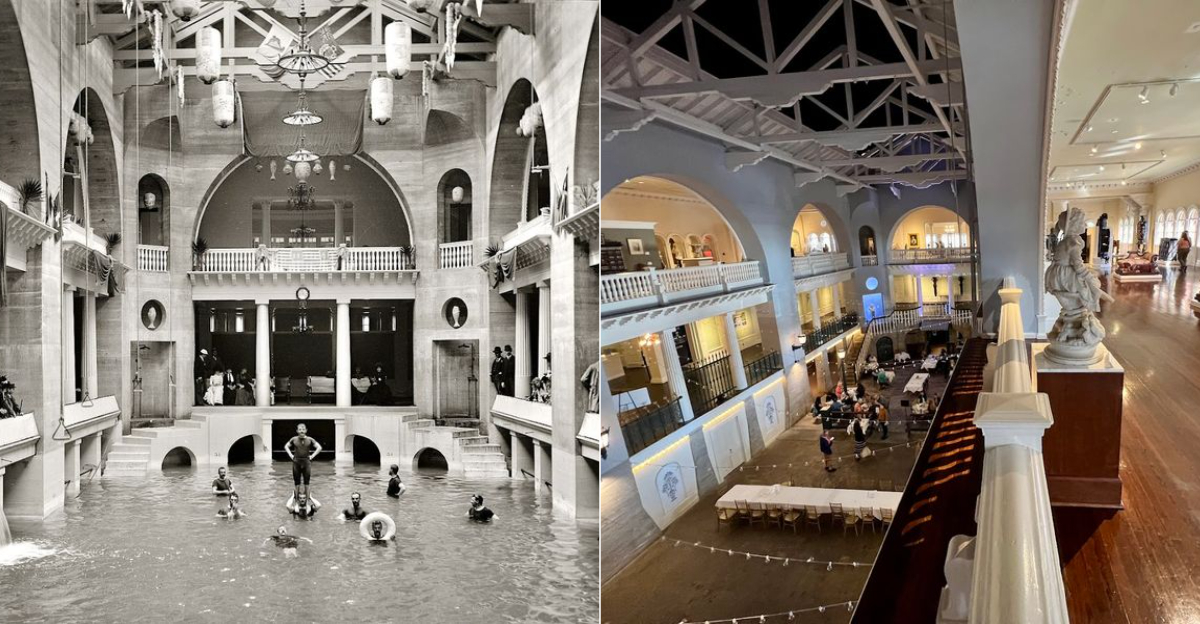
Few facts about the Lightner Museum are as jaw-dropping as this one: the building once contained the largest indoor saltwater swimming pool in the world. Built during the Gilded Age when bigger truly meant better, the pool was a centerpiece of the Hotel Alcazar experience.
Wealthy guests splashed around beneath soaring arched ceilings that still stand today.
That magnificent space has since been repurposed into something equally spectacular. The former pool area now serves as a stunning venue for weddings, private events, and the beloved on-site café.
Imagine having lunch in what was once a world-record-breaking swimming pool — it is exactly as magical as it sounds. Visitors consistently rave about the atmosphere in this space.
If you plan to eat at the café, make a reservation ahead of time. Reviews from real visitors confirm that walk-ins are tough to come by, especially on weekends and during busy tourist seasons.
The lower-level setting, with its dramatic arched ceilings and historical ambiance, makes the dining experience genuinely unique. Even if you only peek in to admire the architecture, you will understand why this space has become one of the most photographed spots in all of St. Augustine.
Otto Lightner’s Eclectic Collection of Victorian-Era Artifacts
Otto Lightner was not your average collector. As the publisher of Hobbies Magazine, he spent decades encouraging everyday people to collect everything from matchbox covers to bottle caps.
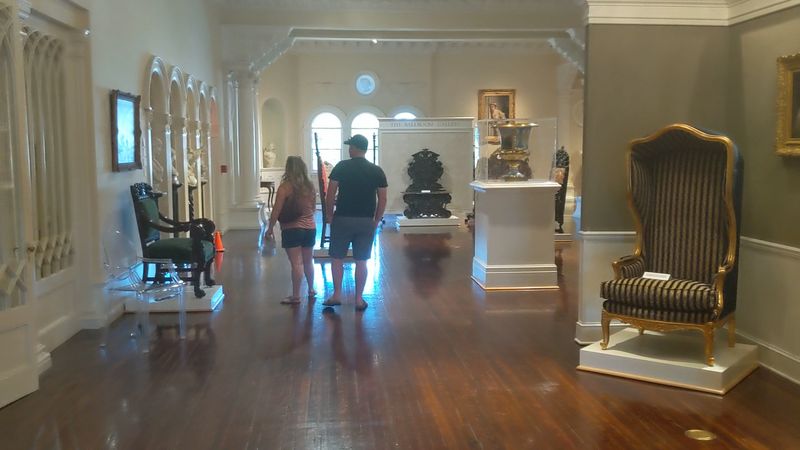
When he bought the old Hotel Alcazar in 1947, he filled it with his own vast collection of Victorian-era treasures and opened it to the public. The result is something truly one-of-a-kind.
The collections span the late 19th and early 20th centuries and include decorative arts, furniture, mechanical musical instruments, stained glass, and oddities that defy easy categorization. Lightner called his approach a celebration of the collecting spirit, and that philosophy shines through every display case and gallery room.
There is a wonderful sense of personality behind the curation that you rarely find in bigger, more polished institutions.
Each item comes with a description card that provides background information, which visitors appreciate greatly. Rather than overwhelming you with academic language, the labels invite curiosity and conversation.
The sheer variety means almost everyone finds something that personally captivates them. Whether you are drawn to fine crystal, antique furniture, or strange historical curiosities, the Lightner collection has a way of surprising you around every corner.
Budget at least two hours to give it the attention it deserves.
The Stunning Cut Glass and Crystal Gallery
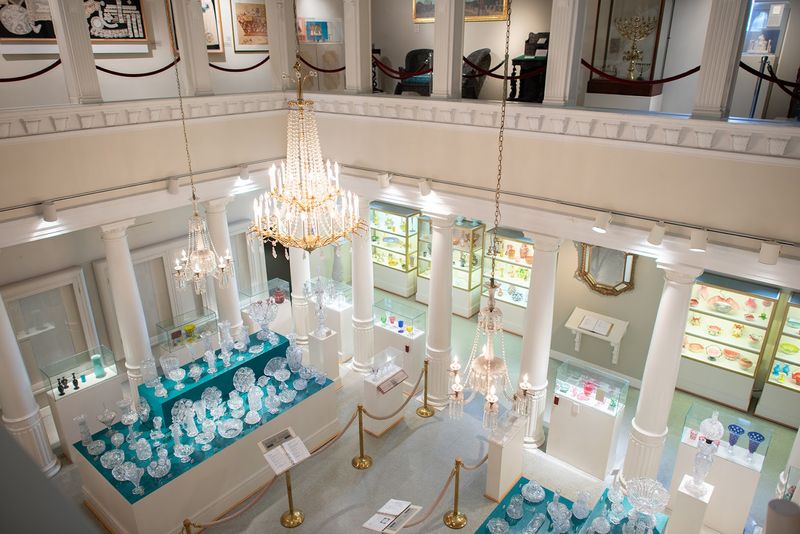
There is something almost magical about walking into the cut glass and crystal gallery at the Lightner Museum. Hundreds of intricately crafted pieces catch the light and throw tiny rainbows across the walls, creating an effect that feels more like art installation than traditional museum display.
It is one of the rooms visitors talk about most after their visit.
The collection showcases the extraordinary craftsmanship of the Gilded Age, a period when hand-cut glass was a true status symbol. Each piece required hours of skilled labor, and the results are breathtaking.
From elaborate punch bowls to delicate vases, the variety of forms and patterns on display tells a rich story about taste, wealth, and artistry in late 19th-century America.
Even if you have no particular interest in glassware going in, this gallery has a way of converting skeptics into admirers. The way the museum has arranged and lit the pieces makes them feel alive and vibrant rather than dusty or stiff.
Photography enthusiasts will want to linger here especially, since the light play creates incredible photo opportunities. It is one of those unexpected highlights that reminds you why browsing a truly eclectic museum beats a predictable, single-theme exhibit every single time.
The Mechanical Musical Instruments Exhibit
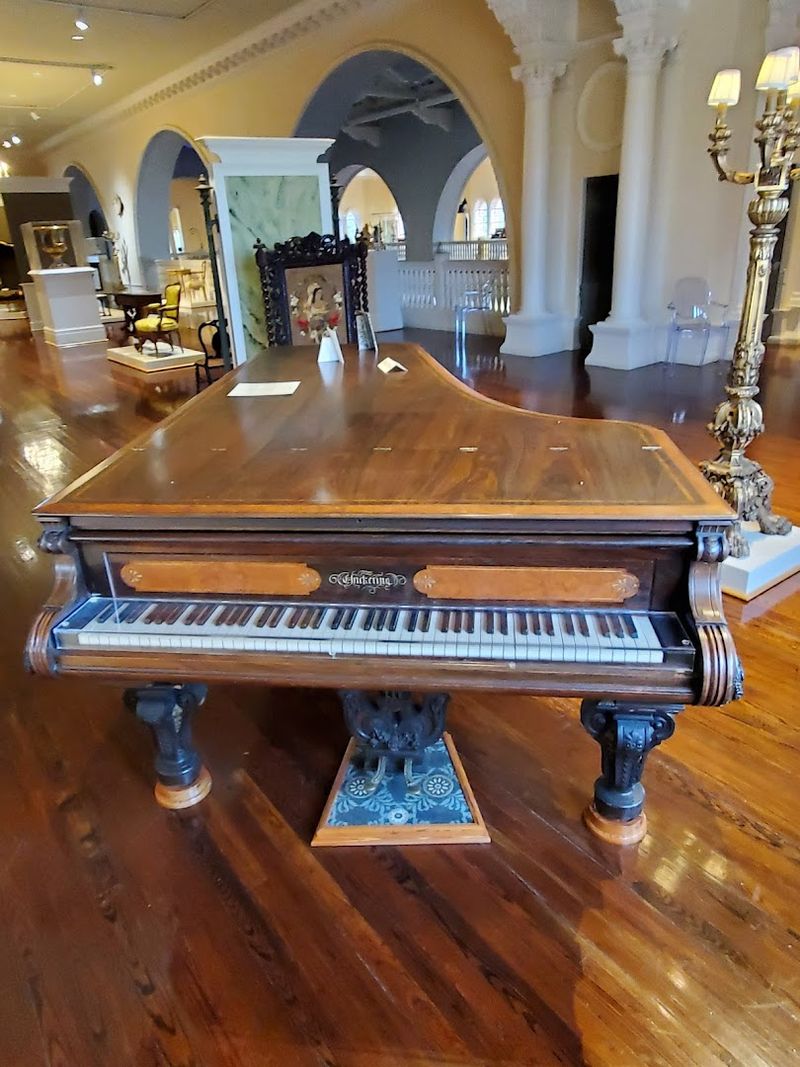
Imagine a music box the size of a refrigerator that plays an entire orchestral arrangement on its own. That is the kind of wonder waiting for you in the mechanical musical instruments exhibit at the Lightner Museum.
This collection highlights an era when inventors were obsessed with automating music, producing machines that could mimic entire orchestras without a single human musician involved.
The exhibit includes music boxes, orchestrions, barrel organs, and other self-playing instruments from the late 1800s and early 1900s. Many visitors say this is one of the most surprising and memorable rooms in the entire museum.
The craftsmanship involved in building these machines is staggering, combining woodworking, metalworking, and engineering into instruments that are as beautiful to look at as they are fascinating to think about.
Several reviewers have mentioned wishing the instruments could be heard in action during their visit, which is a fair point worth noting as you plan your trip. Check the museum schedule, as occasional demonstrations may be available.
Even in silence, though, the sheer variety and scale of the machines on display make this exhibit impossible to rush through. Music lovers, history buffs, and curious kids alike tend to find themselves completely absorbed in this corner of the museum.
The Stained Glass Collection
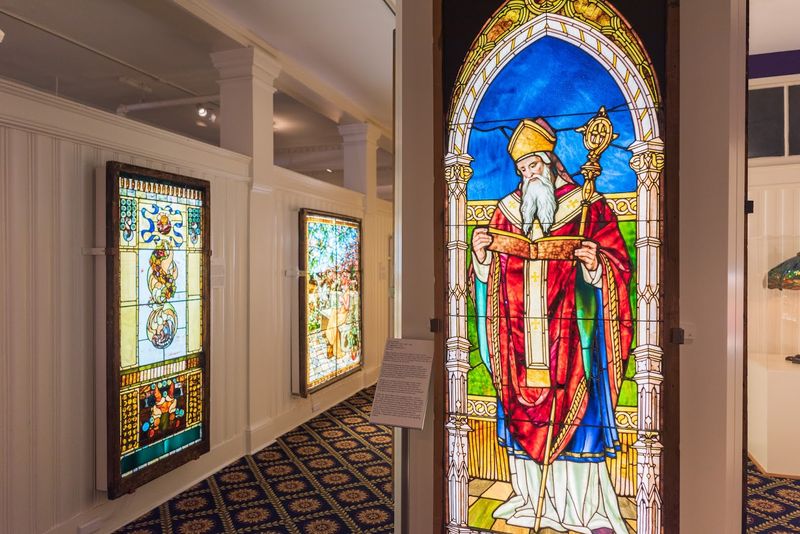
Color, light, and history come together beautifully in the stained glass collection at the Lightner Museum. Visitors who pass through this section often slow their pace almost instinctively, drawn in by the richness of the hues and the craftsmanship of each panel.
Stained glass was a highly valued art form during the Gilded Age, and the examples on display here represent some of the finest work from that period.
The collection includes both ecclesiastical and decorative pieces, showing how stained glass moved beyond church windows and into the homes and public spaces of wealthy Americans. Each panel tells a story through its imagery and color choices, offering a window into the aesthetic values of a society that prized beauty and craftsmanship above almost everything else.
One visitor specifically listed the stained glass room as a personal favorite during a self-guided tour, noting how each room in the museum seemed to have its own distinct story and atmosphere. That observation captures something true about the Lightner experience: the building’s former hotel layout means each gallery feels like its own world.
The stained glass section, with its warm, glowing colors and quiet elegance, stands out as one of the most serene and visually rewarding spaces in the entire museum.
The Early Bicycle Evolution Timeline Exhibit
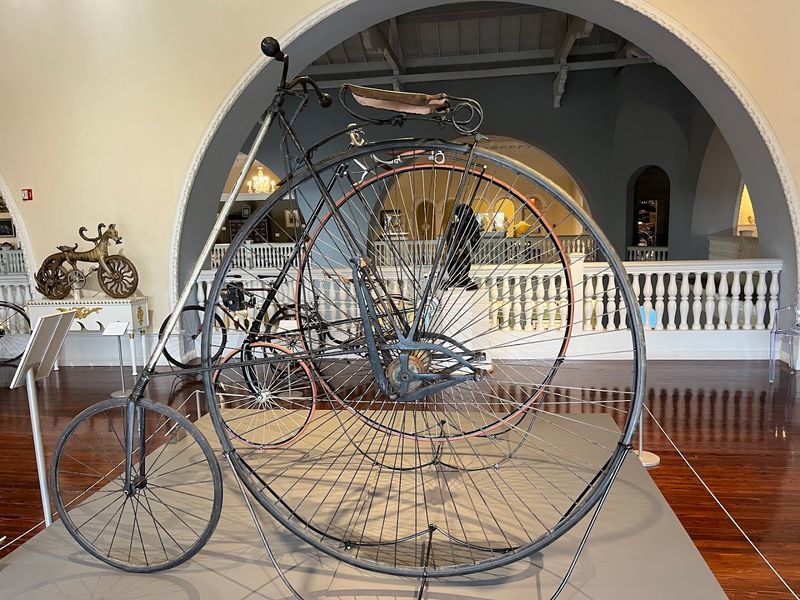
Not many museums can claim a genuinely exciting bicycle exhibit, but the Lightner pulls it off with flair. The early bicycle evolution timeline is one of those unexpected gems that catches visitors completely off guard.
Tracing the development of the bicycle from its awkward, high-wheeled predecessors to the more familiar safety bicycle designs of the late 1800s, this exhibit is both educational and genuinely entertaining.
One lucky group of visitors even got to meet Keith Pariani, a collector whose personal bicycle collection is featured in the museum. Hearing firsthand stories about the bikes from the collector himself turned what could have been a standard exhibit into a memorable personal experience.
That kind of spontaneous, human connection is part of what makes the Lightner feel different from larger, more impersonal institutions.
The exhibit appeals to a surprisingly wide range of visitors, from engineering enthusiasts fascinated by mechanical innovation to casual tourists who simply enjoy the quirky, unexpected nature of finding vintage bikes inside a former luxury hotel. Kids tend to love it too, since the progression of designs is easy to follow and visually engaging.
It is a great reminder that the Lightner Museum is full of surprises, and you never quite know which exhibit will become your personal favorite.
The Florida Landscape Paintings and Fine Art Galleries
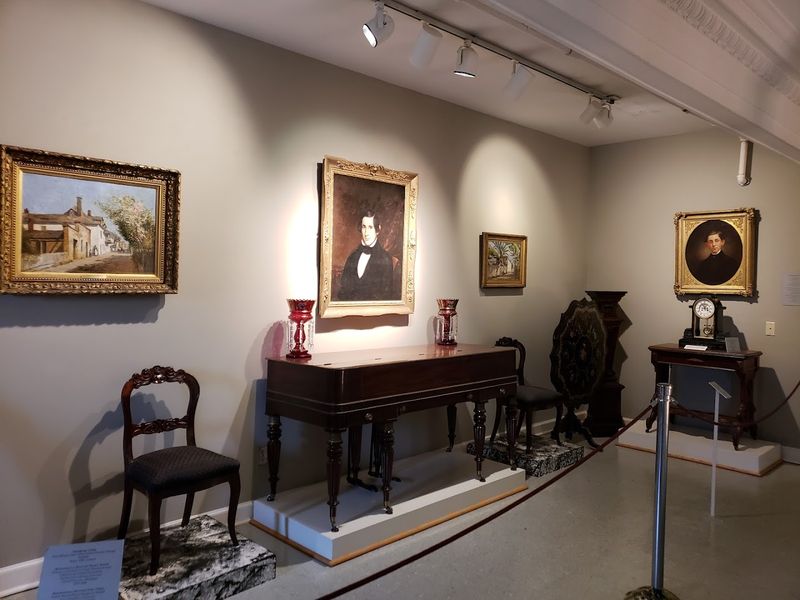
Wandering through the fine art galleries at the Lightner Museum feels like flipping through a visual love letter to Florida and the broader American artistic tradition of the Gilded Age. The collection includes a notable selection of Florida landscape paintings that capture the state’s natural beauty with a warmth and intimacy that modern photography rarely achieves.
These works remind you that artists have been falling in love with Florida’s light and scenery for well over a century.
Beyond the landscapes, the galleries feature portraits, decorative paintings, and other works that reflect the tastes and values of wealthy American society in the late 1800s. The faces in the paintings have a quality that one reviewer described beautifully as feeling almost present, as though time never fully separated the subjects from the town they once occupied.
That sense of connection between past and present is one of the Lightner’s most powerful qualities.
The art galleries are spread across multiple floors, making exploration feel like a genuine adventure rather than a simple stroll through one long hall. Taking your time with each piece rewards you with unexpected details and emotional resonance.
Whether you consider yourself an art lover or not, the combination of beautiful works and their historic surroundings creates an experience that lingers long after you have left the building.
The Turkish Baths and Spa Room Exhibits
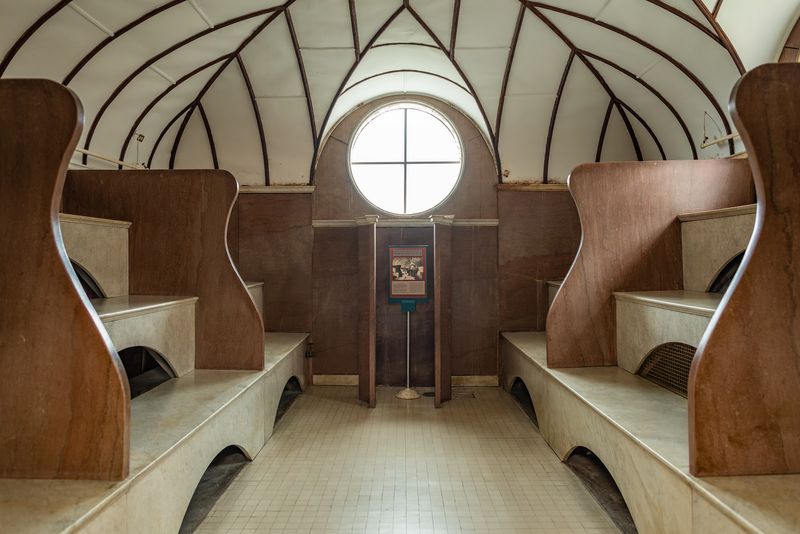
During its heyday as the Hotel Alcazar, the property offered guests an experience of total luxury that included elaborate Turkish baths and spa facilities. These were not simple amenities — they were full therapeutic retreats featuring steam rooms, plunge pools, and attendants trained in European spa traditions.
Wealthy Gilded Age travelers expected nothing less, and Flagler delivered spectacularly.
Today, portions of the original spa rooms have been preserved and incorporated into the museum’s exhibits, giving visitors a rare glimpse into the bathing culture of the late 19th century. The contraptions and equipment on display look almost fantastical by modern standards, which makes them endlessly fascinating.
One reviewer specifically called out the spa room exhibits as a highlight, noting the strange and wonderful devices within.
Seeing these rooms helps paint a fuller picture of what life at the Hotel Alcazar must have been like for its privileged guests. It was a world of indulgence and innovation, where the latest health trends were wrapped in architectural grandeur.
The Turkish bath exhibits also serve as a reminder of how much ideas about wellness and luxury have shifted over the past century. For anyone curious about social history and how the wealthy lived during the Gilded Age, these rooms offer a genuinely eye-opening perspective.
Self-Guided Tours, Friendly Docents, and Practical Visitor Tips
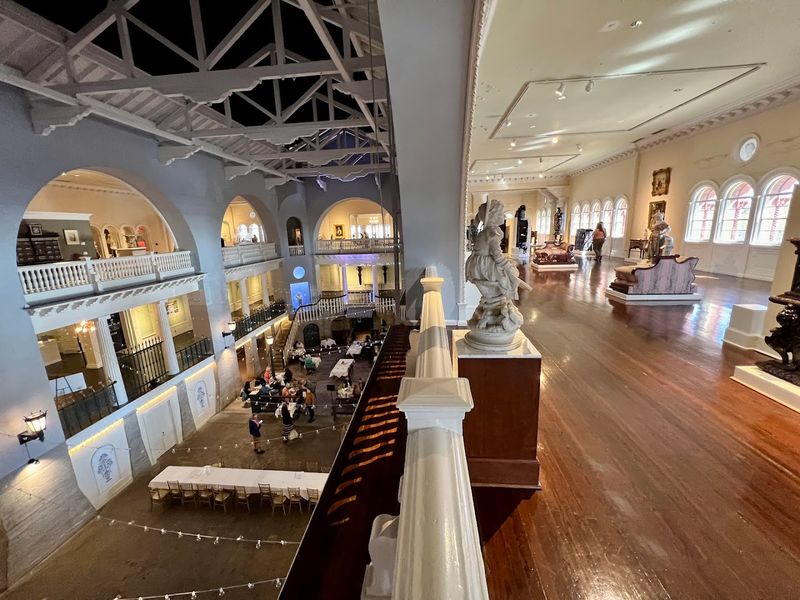
One of the things that makes the Lightner Museum so enjoyable is how relaxed and flexible the visit feels. Every guest receives a map detailing the layout and themes of each floor, making it easy to navigate the multi-level former hotel on your own schedule.
Elevators are available for accessibility, though some reviewers note they can be slow, so factor that into your timing.
The docents and museum volunteers are consistently praised in visitor reviews for being warm, knowledgeable, and genuinely enthusiastic about the collection. Several guests mention receiving not just museum knowledge but also local tourist tips from staff members who clearly love both the building and the city.
That personal touch elevates a good visit into a great one.
Admission is $20 per adult, with various discounts available for students, seniors, and military personnel. The museum is open daily from 9 AM to 5 PM at 75 King Street in St. Augustine.
Most visitors find that a comfortable, unhurried tour takes about two hours, though you could easily stretch it longer if you linger over the exhibits. A small gift shop near the exit is worth a browse on your way out.
If dining at the café is on your agenda, book your reservation well in advance to avoid disappointment.