
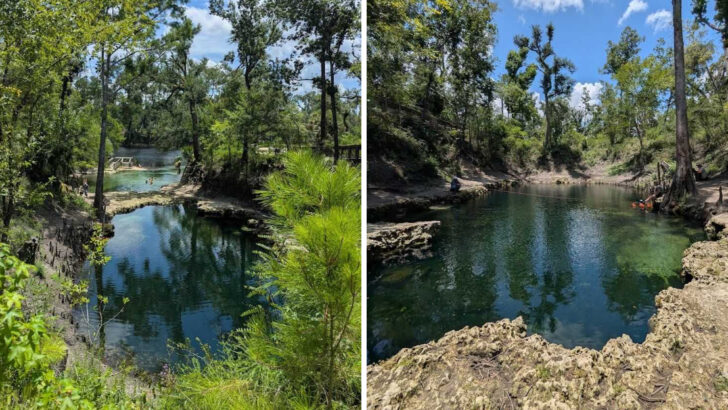
Tucked deep in the heart of North Florida, Lafayette Blue Springs State Park is one of those rare places that feels like a secret most people haven’t discovered yet.
Located in Lafayette County near the small town of Mayo, this tiny park punches well above its weight with crystal-clear 72-degree springs, cozy river cabins, and a natural setting that stays refreshingly uncrowded.
Whether you want to swim, paddle, camp, or simply sit quietly in the woods, this park delivers a genuine Florida nature experience without the chaos of more famous destinations.
If you’ve been searching for a peaceful getaway that feels off the beaten path, Lafayette Blue Springs might be exactly what you’re looking for.
Hidden Gem in North Florida’s Wilderness
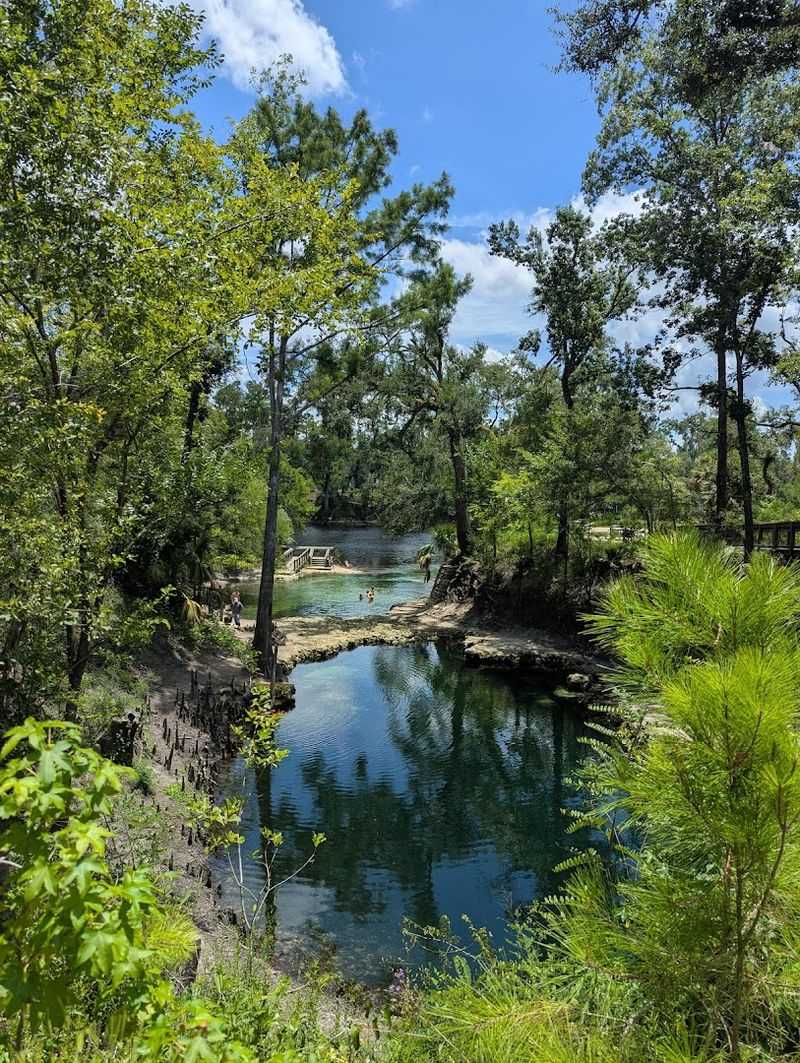
Most people driving through Lafayette County wouldn’t even know this park exists, and honestly, that’s part of its charm. Situated far from Florida’s busy coastlines and theme park corridors, Lafayette Blue Springs State Park sits quietly in one of the state’s least-populated counties, making it feel genuinely removed from the modern world.
Lafayette County itself has a population of fewer than 10,000 people, which means the surrounding area is mostly pine flatwoods, hardwood hammocks, and river floodplains. Wildlife outnumbers tourists here on most days, and that’s not an exaggeration.
The park’s remote location does require a bit of planning since services and amenities nearby are minimal.
Reaching the park involves driving along rural roads lined with farms and forest, which sets the mood perfectly before you even arrive. Travelers who make the effort are rewarded with a natural environment that feels untouched and authentic.
For anyone craving a slower pace and genuine Florida wilderness, this hidden corner of the state is absolutely worth seeking out.
A First-Magnitude Spring with Constant 72°F Water
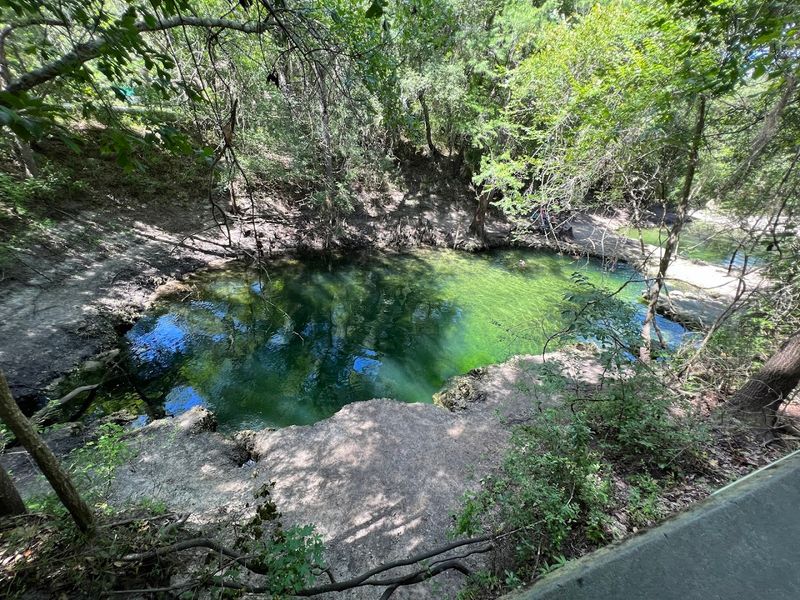
Florida has more freshwater springs than any other state in the country, but first-magnitude springs are a special category all their own. Lafayette Blue Springs is classified as a first-magnitude spring, meaning it discharges at least 100 cubic feet of water per second.
That’s an impressive amount of flow from a single natural source.
What makes this even more appealing is the water temperature, which holds steady at around 72 degrees Fahrenheit throughout the entire year. During Florida’s brutal summer months, stepping into that water feels like nature’s own air conditioning.
During cooler winter months, the spring actually feels warmer than the outside air, making it a year-round destination for swimmers and nature lovers alike.
The consistent temperature is the result of water filtering slowly through the porous limestone aquifer deep underground before emerging at the surface. That same filtration process also contributes to the water’s remarkable clarity.
Visiting on a calm, sunny day transforms the spring into something almost magical, with light dancing through the aquamarine water in ways that genuinely take your breath away.
Crystal-Clear Swimming Hole Surrounded by Limestone
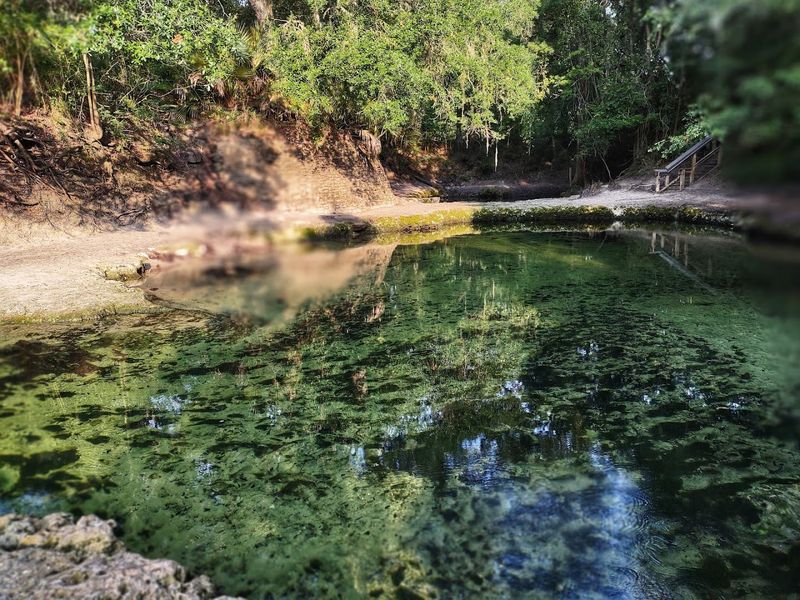
There’s something almost unreal about looking down through 20 feet of water and seeing every rock and fish with perfect clarity. Lafayette Blue Springs delivers exactly that kind of moment, and it never gets old no matter how many times you visit.
The spring basin is formed from natural limestone, which gives the water that iconic aquamarine glow that North Florida springs are famous for.
Swimming here feels different from a pool or even a lake. The water has a slight buoyancy to it, the temperature is consistently refreshing, and the natural surroundings make the whole experience feel like something from a nature documentary.
Kids especially love exploring the edges of the basin where small fish dart around the limestone formations.
One practical tip worth knowing: the rocky limestone bottom means water shoes are genuinely helpful here, not just a suggestion. The edges of the spring can be slippery, and the rocks have texture that bare feet don’t always enjoy.
Bringing a pair of inexpensive water shoes will make your swimming experience much more comfortable and let you focus on enjoying the water rather than watching your step.
Connection to the Suwannee River Ecosystem
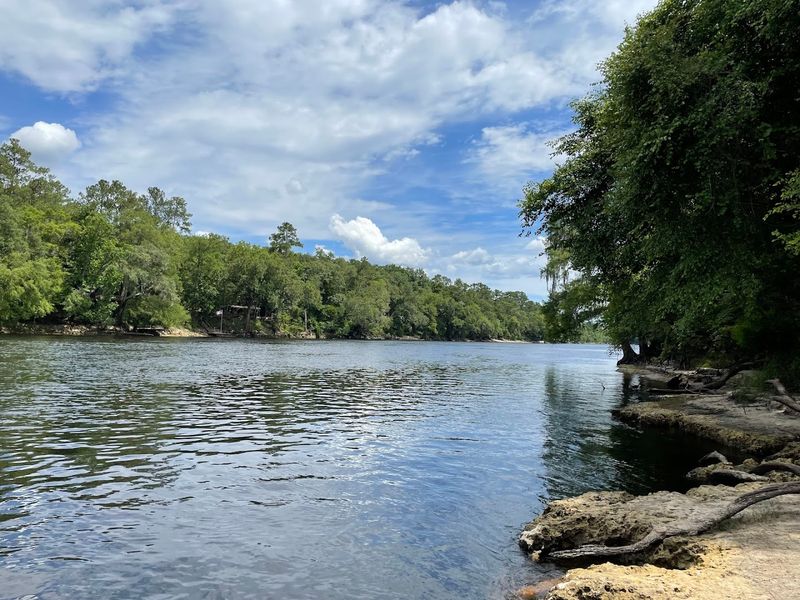
Few rivers in Florida carry as much cultural and ecological weight as the Suwannee. Immortalized in song and celebrated by naturalists for generations, the Suwannee River flows through one of the most biodiverse corridors in the southeastern United States.
Lafayette Blue Springs feeds directly into this remarkable river system, connecting the park to something much larger than its small size might suggest.
The contrast between the spring’s crystal-clear water and the Suwannee’s naturally dark, tannin-stained current is visually striking and scientifically fascinating. The tannins come from decaying plant matter upstream, giving the river its distinctive tea-colored appearance.
Where the two waters meet near the park, you can sometimes see the clear and dark waters swirling together before eventually mixing completely.
This connection also means the park sits within a broader ecosystem that supports an extraordinary range of wildlife. River otters, softshell turtles, largemouth bass, and dozens of bird species all call this corridor home.
Paddlers who venture beyond the spring into the Suwannee itself will find a river that feels genuinely wild, with forested banks, minimal development, and the kind of quiet that reminds you why people fall in love with Florida’s natural side.
Quiet Swimming Without Heavy Tourist Crowds
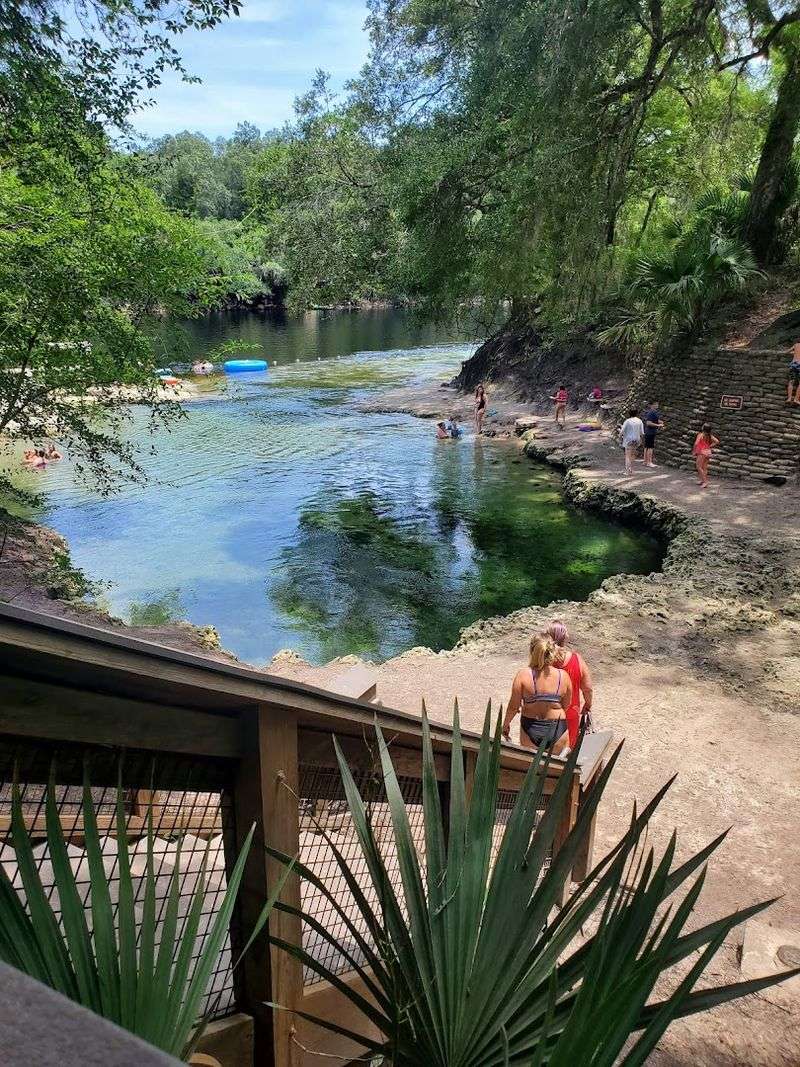
Anyone who has visited Ginnie Springs or Ichetucknee on a summer weekend knows the frustration of sharing a beautiful natural space with what feels like half the state. Coolers everywhere, long lines, loud music, and parking lots overflowing onto the road are common scenes at Florida’s more famous springs.
Lafayette Blue Springs operates in a completely different universe.
Because the park is small, remote, and relatively unknown outside of dedicated Florida nature enthusiasts, visitor numbers stay manageable even during peak season. On many weekdays, you might have the spring almost entirely to yourself.
Even busy summer weekends rarely bring the kind of overwhelming crowds that plague more well-known parks.
That low-key atmosphere changes the entire experience in meaningful ways. You can actually hear the birds.
You can float quietly without worrying about someone bumping into you. Families with young children can relax without constantly monitoring the chaos around them.
The park staff are typically friendly and attentive precisely because they aren’t stretched thin managing thousands of daily visitors. If the idea of a genuine, peaceful Florida spring experience appeals to you, this park’s manageable crowd size alone makes it worth the drive.
Primitive and Family-Friendly Camping Options
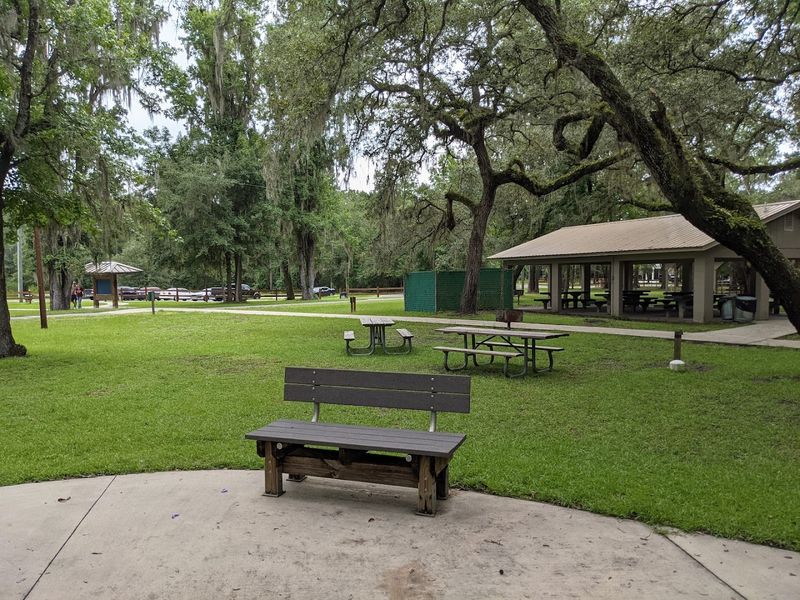
Camping at Lafayette Blue Springs strips things back to basics in the best possible way. The park offers primitive camping options that appeal to visitors who want to sleep under the stars without a lot of infrastructure getting in the way.
Think pine needles underfoot, the sound of crickets at night, and waking up to birdsong rather than an alarm clock.
Families with kids who are new to camping will find this environment approachable rather than intimidating. The campground is small enough that it never feels overwhelming, and having the spring just a short walk away gives everyone a built-in activity for the hottest parts of the day.
Evenings around a campfire here have a particular magic to them that bigger, more developed parks simply can’t replicate.
Packing smart is essential since facilities are limited. Bring more water than you think you’ll need, stock up on food before arriving since the nearest grocery options are miles away in Mayo, and prepare for the possibility of insects especially during warmer months.
A good bug net and quality repellent are worthwhile investments for any trip to this part of Florida. The reward for that preparation is a camping experience that feels authentic and deeply connected to the natural world.
Basic River Cabins for Overnight Stays
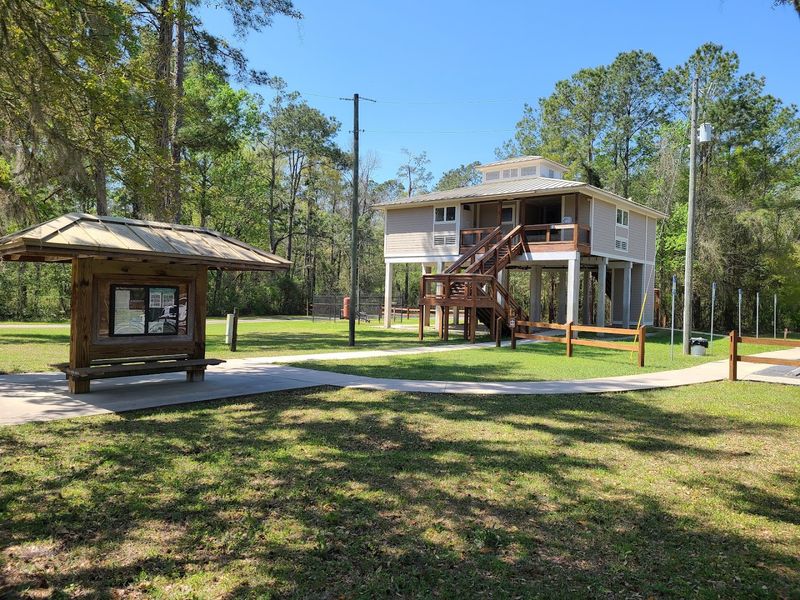
Not everyone wants to sleep on the ground, and that’s perfectly reasonable. Lafayette Blue Springs offers screened cabins that split the difference between roughing it and checking into a hotel.
These aren’t luxury accommodations by any stretch, but they provide a roof, walls, and protection from Florida’s legendary insects, which counts for a lot when you’re deep in the woods.
The cabins sit near the river, which means you fall asleep to the sound of flowing water and wake up to a view that most people only see on screensavers. There’s something genuinely restorative about spending a night that close to moving water in a natural setting.
Guests often describe the experience as the most relaxing sleep they’ve had in years.
Reservations are strongly recommended, especially for spring and summer weekends, since the limited number of cabins means they fill up faster than you might expect for such a small, obscure park. Booking through the Florida State Parks reservation system in advance saves disappointment.
Bring your own bedding, towels, and cooking supplies since the cabins are intentionally basic. That simplicity, though, is genuinely part of the appeal for visitors who want to disconnect from screens and reconnect with something quieter and more real.
Great Spot for Kayaking and Canoeing Nearby Waters
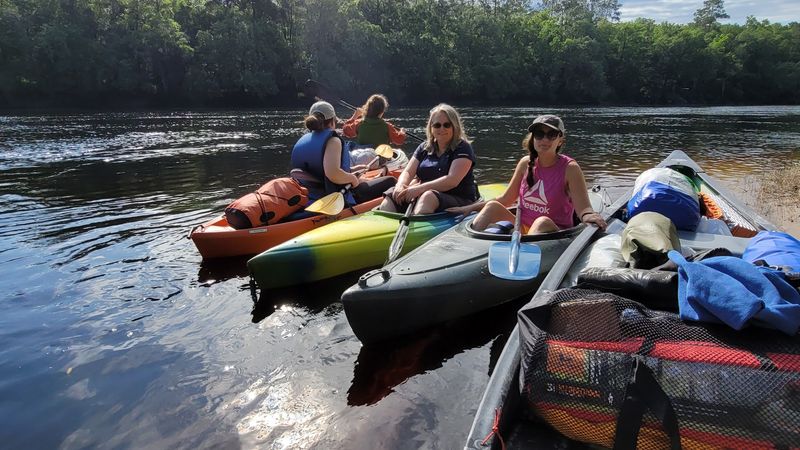
Paddling near Lafayette Blue Springs is the kind of experience that converts casual day-trippers into devoted outdoor enthusiasts. The spring run itself is short, but it connects to the broader Suwannee River system, opening up miles of paddling through some of North Florida’s most scenic and undeveloped waterways.
Bring your own kayak or canoe, or check ahead for any rental options in the region.
The Suwannee River moves at a relaxed pace through this stretch, making it accessible for paddlers of varying skill levels. Beginners will feel comfortable on calmer sections, while more experienced paddlers can plan longer multi-hour trips exploring the river’s bends and backwaters.
The overhanging cypress and live oak trees create a canopy effect that keeps things shaded and cool even on warm afternoons.
Wildlife sightings from the water are genuinely common here. River otters sometimes swim alongside kayaks out of apparent curiosity, great blue herons stand motionless in the shallows, and turtles sun themselves on every available log.
Early morning paddles offer the best wildlife encounters since animals are most active in the cooler hours before midday. Waterproof bags for phones and cameras are a smart addition to your gear list for any paddling trip in this area.
Wildlife Viewing in a Natural Florida Habitat
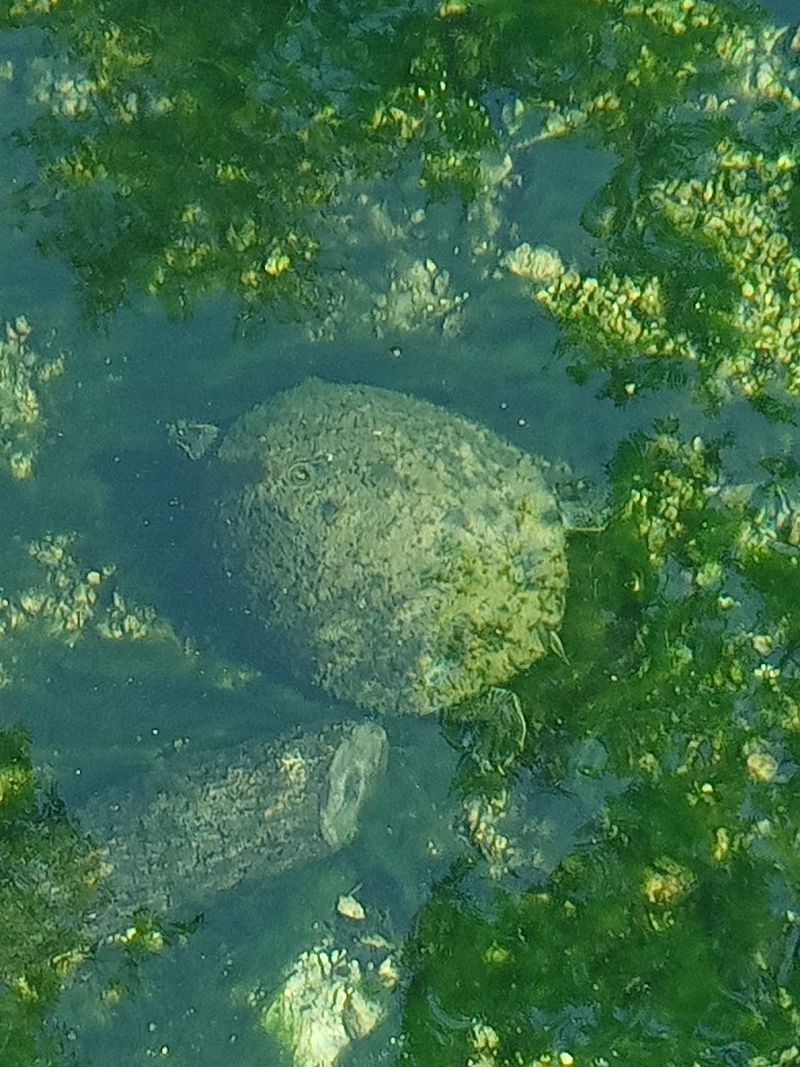
Early risers at Lafayette Blue Springs are often rewarded with wildlife encounters that feel straight out of a nature film. The park’s combination of spring, river, pine flatwoods, and hardwood hammock creates a mosaic of habitats that supports an impressive variety of native species.
Arriving at dawn or staying until dusk dramatically increases your chances of meaningful sightings.
Gopher tortoises are frequently spotted near the campground areas, moving slowly and deliberately through the sandy soil. These ancient-looking reptiles are a keystone species in Florida ecosystems, and sharing space with them is a reminder of how important undisturbed natural areas truly are.
White-tailed deer often appear along the forest edges in the golden hour before sunset, grazing calmly when they don’t sense human activity nearby.
In and around the spring and river, the aquatic life is equally impressive. Snook, bass, and various sunfish species are visible through the clear water, and wading birds like little blue herons and snowy egrets work the shallows with focused precision.
Ospreys and bald eagles occasionally pass overhead, especially near the river. Keeping noise levels low and moving slowly through the park’s natural areas will consistently reward patient visitors with encounters they’ll talk about long after returning home.
Visitor Tips: Best Time to Go and What to Know
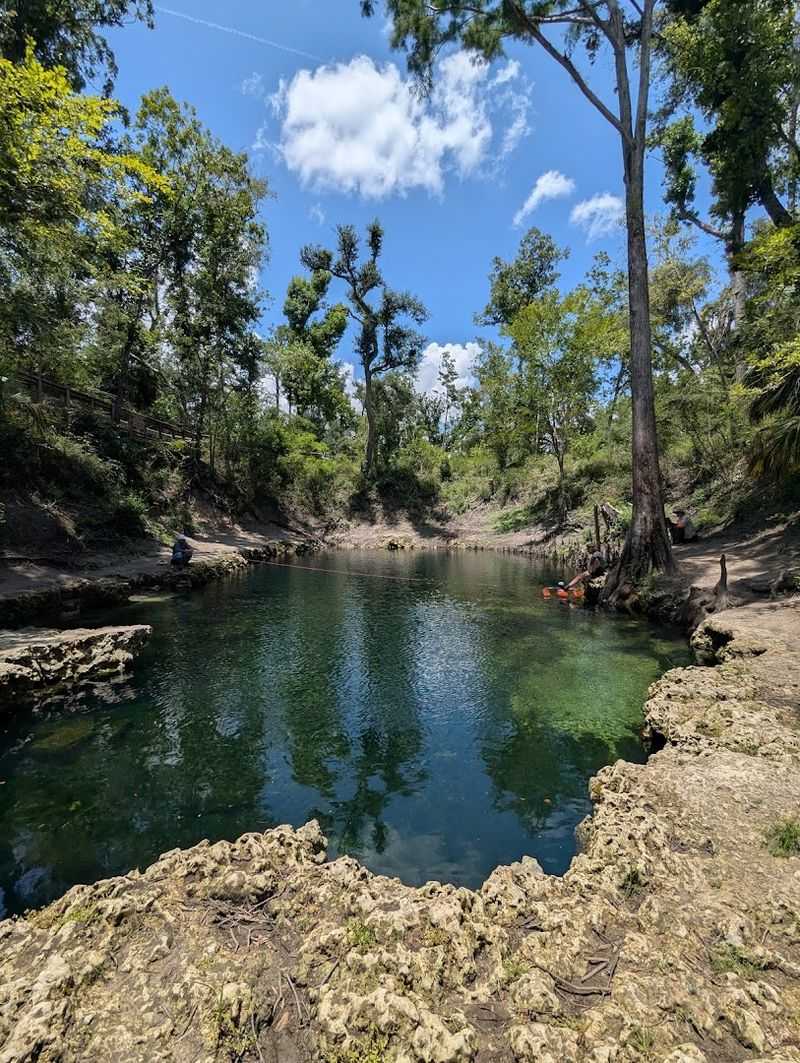
Planning ahead makes a real difference at Lafayette Blue Springs, especially since the park’s remote location means you can’t easily pop out for forgotten supplies. The park address is 799 Blue Springs Rd, Mayo, FL 32066, and it’s worth plugging that directly into your navigation app since rural roads in this area can be confusing without clear directions.
Cell service may be limited once you’re in the area.
Spring and early summer bring the best combination of warm air temperatures and clear water conditions, making those months ideal for swimming. Weekday visits almost guarantee a quieter experience, but arriving early on weekend mornings before 9 a.m. also helps beat whatever crowds do show up.
Florida’s rainy season runs from June through September, so afternoon thunderstorms are common and worth building into your daily plans.
Water shoes are strongly recommended for navigating the rocky limestone areas around the spring. Sunscreen, insect repellent, and plenty of drinking water are non-negotiable essentials.
The park has limited facilities, so don’t count on a camp store or extensive amenities. Check the Florida State Parks website before your trip for current operating hours, reservation availability, and any seasonal closures or water level advisories that might affect swimming or paddling conditions during your visit.