

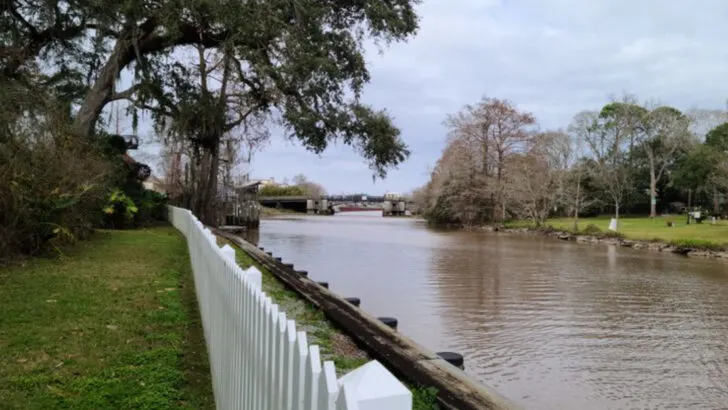
Some road trips are just highways, but the Bayou Teche National Scenic Byway is a living story written in water, music, and spice.
This 183 mile ribbon from Port Barre to Morgan City bends with the bayou, trading speed for soul.
You feel time slow as cypress shadows, fiddle tunes, and the smell of roux drift through open windows.
Come hungry, come curious, and let the bayou set the pace.
A Drive into the Heart of Cajun Louisiana
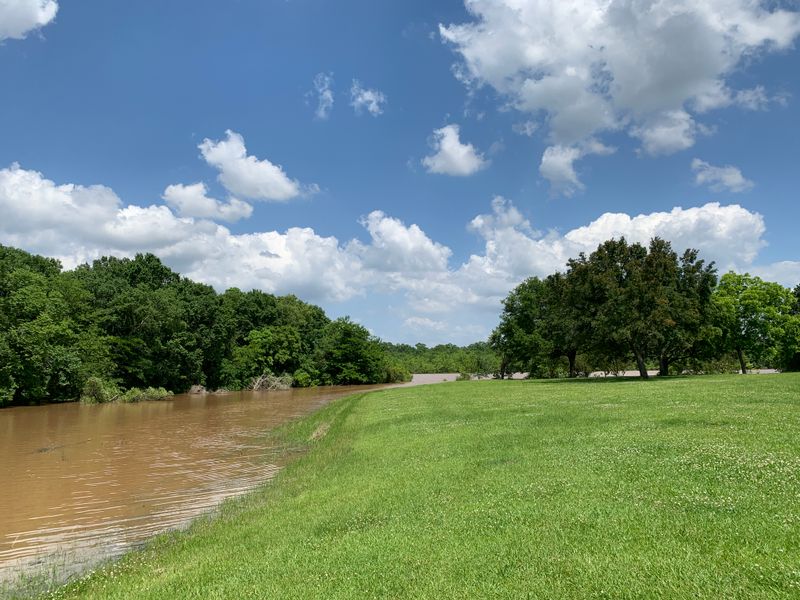
You are not just following a road here, you are tracing a ribbon of water that has shaped lives for centuries. The Bayou Teche National Scenic Byway asks you to slow down, tune your ears to fiddles and accordions, and let the scent of simmering gumbo guide your stops. Every bend reveals a porch with stories, a church bell, or a smokehouse sending up a sweet signal.
From the first mile, you sense this is a cultural corridor rather than a checklist. Small towns trade in hospitality, not hype, and conversations drift easily between English and Cajun French. You will find cooks who measure by memory, boat builders who read tides like calendars, and dancers who step to rhythms older than any map.
The byway’s power lies in how ordinary moments feel extraordinary. A plate lunch tastes like a grandmother’s hug. A dockside breeze carries whispers of marsh birds and shrimp boats heading out. You might arrive chasing sights, but you will leave remembering sounds, flavors, and the gentle cadence of the bayou.
Bring curiosity, patience, and an appetite. Ask questions, listen twice, and let locals steer you to the next boudin stop or trailhead under cypress knees. This drive rewards people who choose detours over deadlines, conversation over convenience, and heritage over gloss.
If you let it, the road will shift your internal clock. Morning becomes a time for coffee on a gallery, afternoon for roadside fruit stands and swamp pull offs, evening for two steps and accordions. It is a pilgrimage to the everyday, and it deserves the respect of your unhurried attention.
By the end, you will carry new phrases, a spice stain on your shirt, and a soft stubborn wish to keep drifting. That is the bayou’s quiet promise. Travel here is not consumed, it is shared. You become part of the story you came to witness.
Where the Byway Begins and Ends
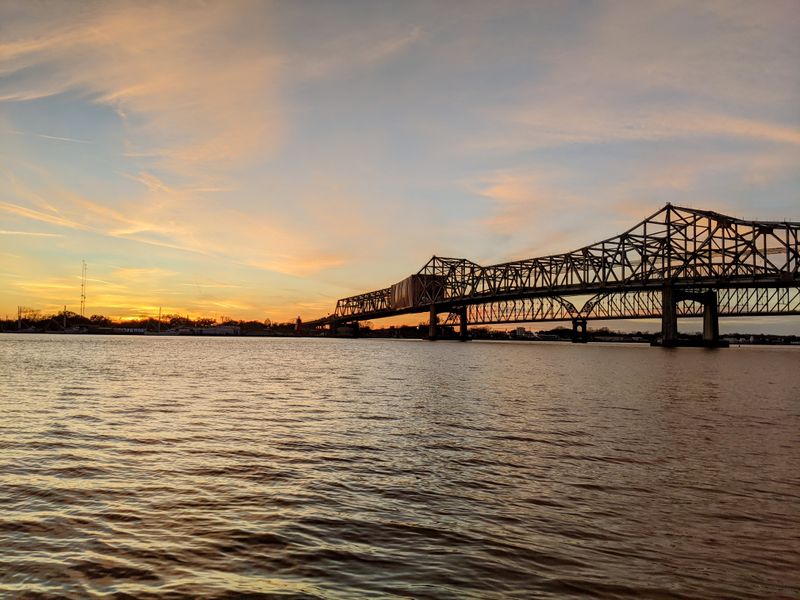
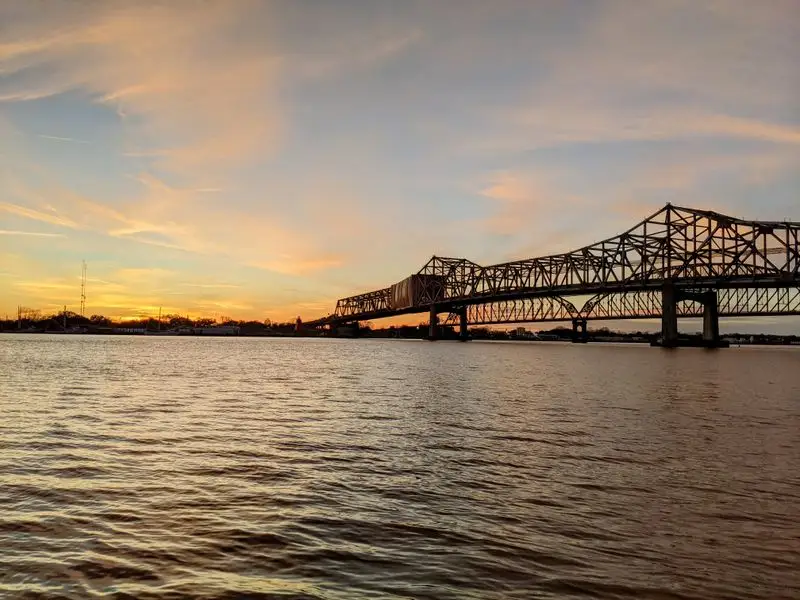
The Bayou Teche National Scenic Byway runs roughly 183 miles, tracing a sinuous path from Port Barre down to Morgan City. Instead of racing on interstates, you follow the natural curve of the bayou, moving through towns that grew up along its banks. It is a geography lesson you can taste, and a timeline you can touch.
Start in Port Barre, where the water gathers like a thought about to become a story. The byway threads through St. Landry, St. Martin, Iberia, St. Mary parishes, linking main streets, boat launches, and historic churches. Every few miles, a pull off offers a photo or a conversation, and both are worth your time.
As you roll south, the scenery shifts from prairie accents to deeper cypress shade and eventually toward Gulf bound waterways. The road is simple to navigate, but it invites detours to side streets, levee tops, and parks. Consider paper maps or an offline app to keep you playful and present.
You do not need to do it all at once. Many travelers split the route into two or three days, anchoring nights in towns like Breaux Bridge, New Iberia, or Franklin. That rhythm leaves space for long lunches, tours, and evening music without rushing the magic.
Markers and visitor centers can help you stitch the story together. Look for scenic byway signs, local museums, and cultural centers that hand you context as well as directions. Think of them as reliable storytellers who also know where to find the best plate lunch.
Finish in Morgan City, where shrimp boats and river traffic hint at the Gulf’s pull. The ending feels earned, like a finale that gathers themes you have been sensing all day. You will have learned the route’s logic: follow the water, trust the curve, and let the byway set your tempo.
The Bayou Teche: Waterway That Shaped Cajun Life
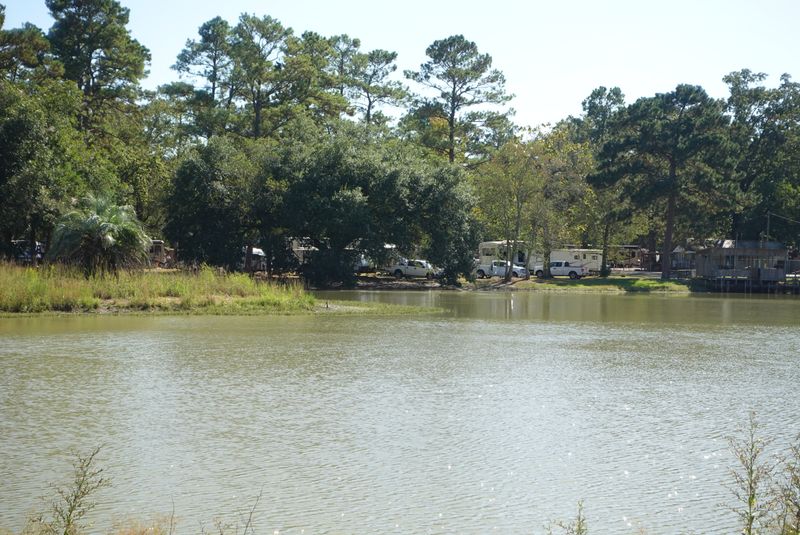
Before there were paved roads, there was the Teche, a water road braided with memory and mud. Indigenous peoples used it as a trade route, reading currents and seasons with intimate knowledge. Later, Acadians arrived and leaned into the bayou’s logic, building farms and faith communities along its banks.
This waterway carried people, produce, and stories. Sugarcane, rice, and pecans moved downstream, while language, music, and recipes flowed the other way into kitchens and dance halls. The bayou taught patience, because high water and low water both have their say.
Traveling along it today, you see how the river shaped settlement patterns. Towns sit close, porches face the breeze, and life orients to the slow procession of boats. Transportation was not just movement, it was culture making in real time.
The Teche also offered protection and challenge. Storms could scatter plans, yet the richness of the floodplain sustained generations. Fishermen, trappers, farmers, and cooks learned to read the signs and share the bounty wisely.
Stand on a dock at dawn and you can feel that lineage in your bones. Egrets step lightly, cypress knees lean, and a pirogue slices through like a whisper. The past does not feel distant here, it feels layered under every ripple.
Seeing the byway as an echo of the bayou changes your trip. You stop measuring distance in miles and start measuring in stories. Let the water set your expectations, and you will understand why communities along the Teche keep their traditions close, and their doors open to curious travelers.
Port Barre: Gateway to Cajun Country
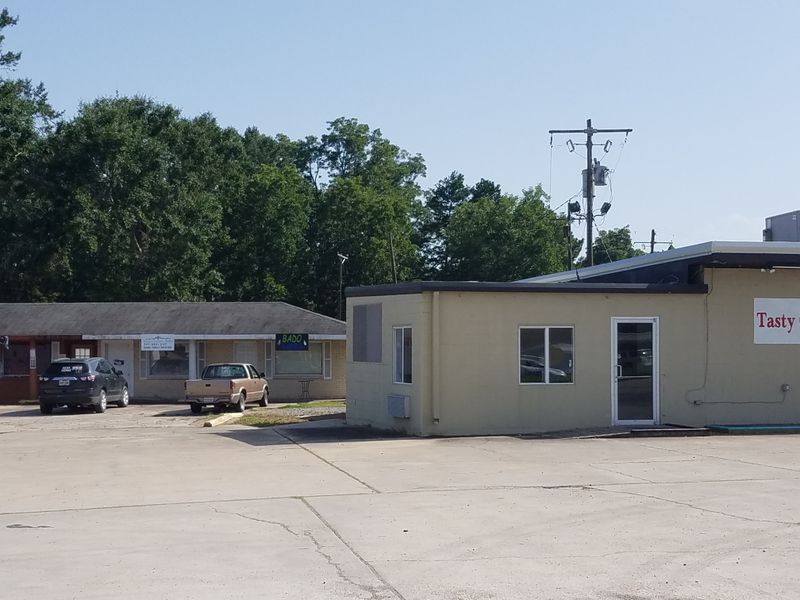
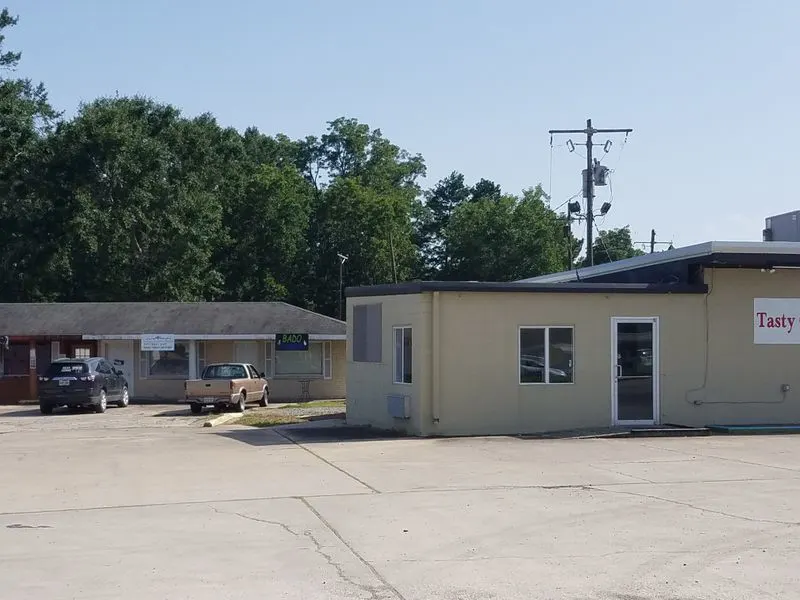
Port Barre greets you with a handshake and a beat you can feel under your feet. This northern gateway blends rural calm with zydeco energy, the kind that turns a quiet morning into a toe tapping promise. You sense right away that music lives close to everyday life here.
The town’s festivals, trail rides, and dance halls keep traditions moving. Accordions and rubboards meet boots and bright shirts, and no one stays a spectator for long. You will find plate lunches heavy with rice and gravy, and cooks who talk you through the spice like patient teachers.
Take time to walk by the water and watch fishermen launch. The boat ramps feel like front doors to the broader bayou neighborhood, where patience and skill matter more than hurry. Ask a local about high water years, and you will get a weather lesson laced with pride.
Stops here are simple and sincere. A small grocery might sell the best boudin you taste all week. A Sunday dance might fold you into a friendly two step before you finish your coffee.
What sets Port Barre apart is how welcoming it feels without trying hard. You are a guest, but you are also an audience member the community is happy to bring onstage. The town does not chase trends, it raises them from roots.
Leaving town, keep your radio dialed to local stations. Let the songs roll as the bayou comes back into view, carrying that hum into the miles ahead. Port Barre teaches you the route’s first lesson: start with rhythm, keep it honest, and let hospitality choose the tempo.
St. Martinville: Birthplace of Acadian Culture
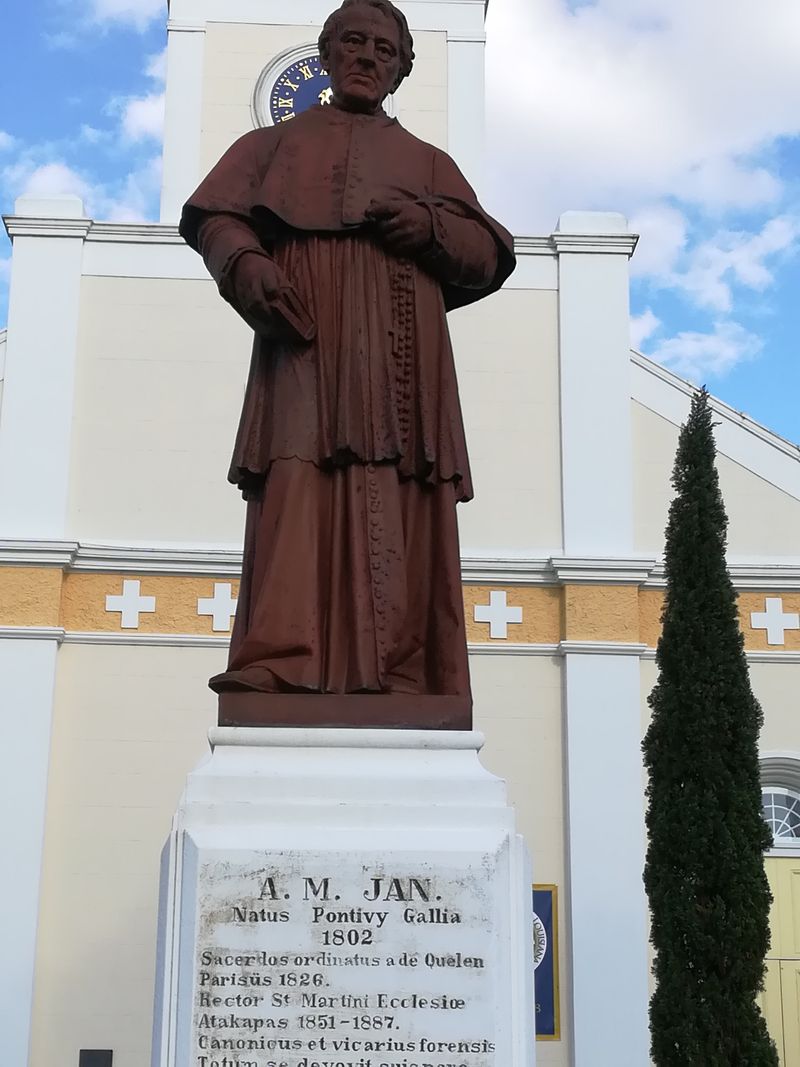
St. Martinville feels like a chapter heading stamped in oak and stone. You come for the Evangeline Oak and the Acadian Memorial, and you stay for quiet streets that hold the weight of exile and endurance. This is a town where heritage is not curated, it is lived.
Walk the bayou edge and read names carved into memory. The story of Acadian arrival, loss, and rebuilding lives here in plaques, pews, and prayers. Architecture mixes Creole galleries with Acadian simplicity, creating a streetscape that whispers in both languages.
The church bells mark time while the oak holds court. Guides and docents add color, but elders on benches add the truth of lived experience. Ask a gentle question, and you will often hear a family story that bridges continents.
Food carries history on a plate. You might taste a jambalaya that keeps the fire low and the patience high, or a sweet dough pie with a recipe older than statehood. Every bite confirms how tradition bends without breaking.
St. Martinville also invites reflection. Sit beneath the oak, watch the water slide by, and feel the gravity of people who stayed when staying was hard. Gratitude comes easy in that shade.
Leaving town, the byway curves on with purpose. You carry a deeper understanding of why this corridor matters, and why language and music endure. St. Martinville is not loud, but it speaks with authority, reminding you that culture is a long work of love.
Breaux Bridge: Crawfish Capital of the World
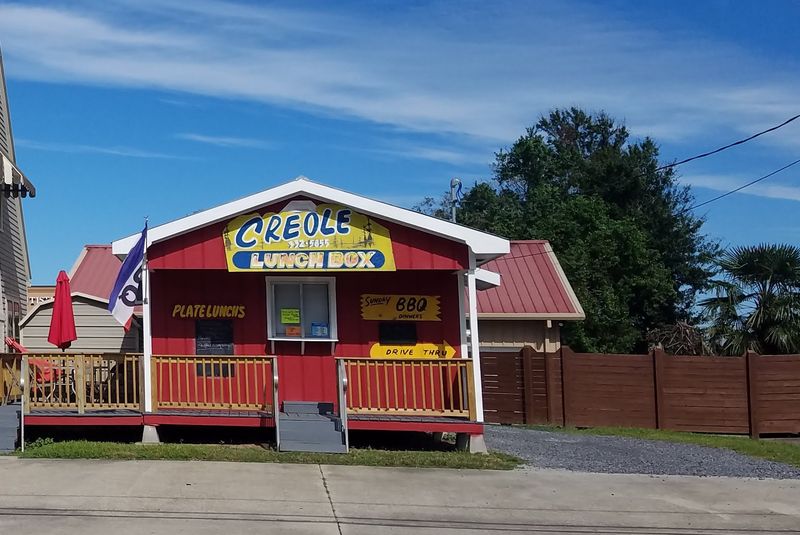
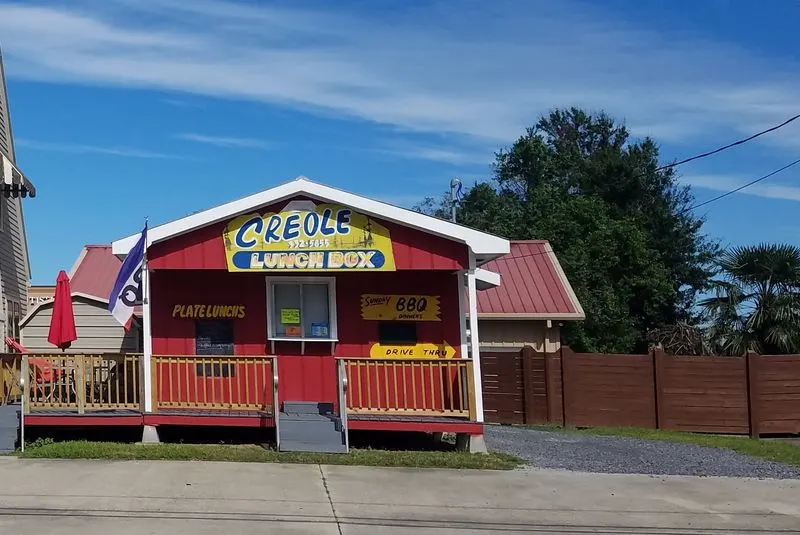
Breaux Bridge wears the title proudly, and you can smell why before you park. Boiled crawfish perfume the air in season, backed by buttered bread and accordion riffs pouring from cafes. Downtown’s ironwork balconies frame a scene that feels festive even on an ordinary afternoon.
If you have never peeled crawfish, do not worry, someone will gladly coach you. Grab a tray, twist and pinch, and let the spice warm your smile. Music is never far, with zydeco breakfasts turning mornings into dance floors.
The annual Crawfish Festival is the headline, but everyday meals make the case year round. You will find étouffée that tastes like Saturday at your aunt’s, and po boys that demand a nap later. Sidewalk conversations stretch into stories about flood years, family bands, and secret roux tricks.
Art galleries and vintage shops fill out the wander. There is a feeling of pride without pretense, and visitors get swept into it naturally. If you time it right, the bridge itself becomes a vantage point for sunset, glowing over the bayou like a stage light.
Breaux Bridge teaches you to eat with your hands and your ears. Flavor and rhythm team up, and you stop checking your watch. That is the point of the byway, to let joy choose the itinerary.
Leave with fingers tingling, a to go bag of boudin, and a plan to return. The road keeps moving, but the benchmark for deliciousness is now set. From here on, every stop will answer to Breaux Bridge, and many will rise to the challenge with a smile.
Parks, Swamps, and Wildlife Along the Byway
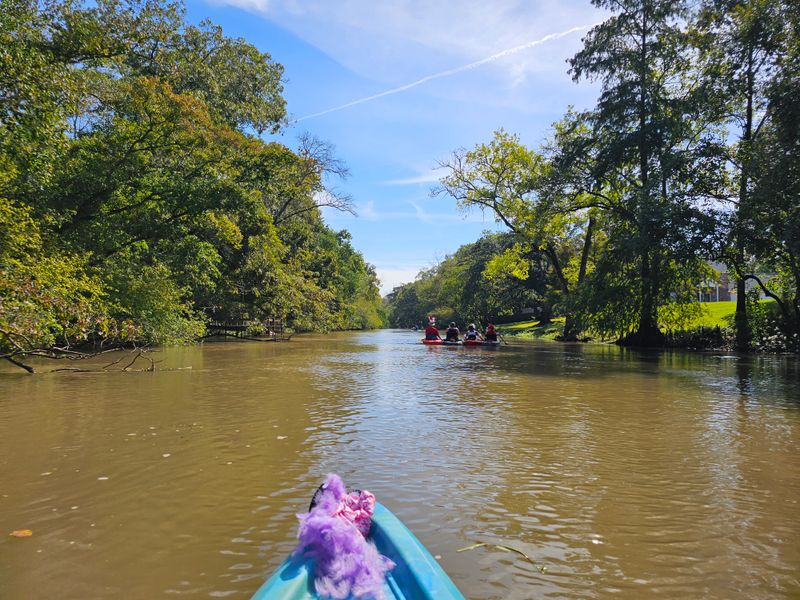
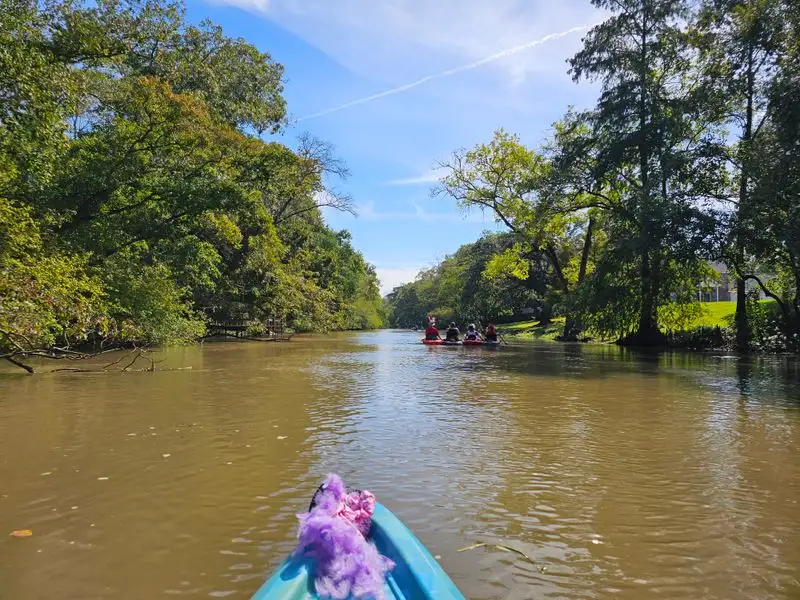
The byway’s green rooms are its swamps and parks, where cypress knees rise like punctuation from dark water. Boardwalks let you step softly into ecosystems that feel ancient and alert. You will hear frogs tuning up, see egrets writing white cursive against the trees, and maybe spot an alligator sliding by with casual grace.
Bring binoculars, because birding can be spectacular during migrations. The edges of sugarcane fields hum with life, and backroads often lead to unexpected boat launches. Kayakers glide near lily pads while turtles claim sunny logs like small emperors.
These landscapes feed more than eyes. They are the pantries, pharmacies, and classrooms that shaped local know how. Trapping, fishing, and foraging practices flow directly into gumbo pots and storytelling circles.
State parks and refuges provide safe access and helpful rangers. Ask about trails, water levels, and best times for sightings. Morning and late afternoon tend to be kind, with soft light and busy wildlife.
You learn quickly that quiet is a superpower here. Moving slowly shows you patterns, from dragonfly patrols to ripples that mean something is watching you back. Respect the distance, and you will be rewarded with unforgettable glimpses.
Pack bug spray, water, and patience. Keep trash out of the equation, because this beauty depends on shared care. When you step back onto the road, you carry the calm with you, like a secret rhythm that keeps the rest of the trip grounded and true.
New Iberia: Literature, Tabasco, and Grandeur
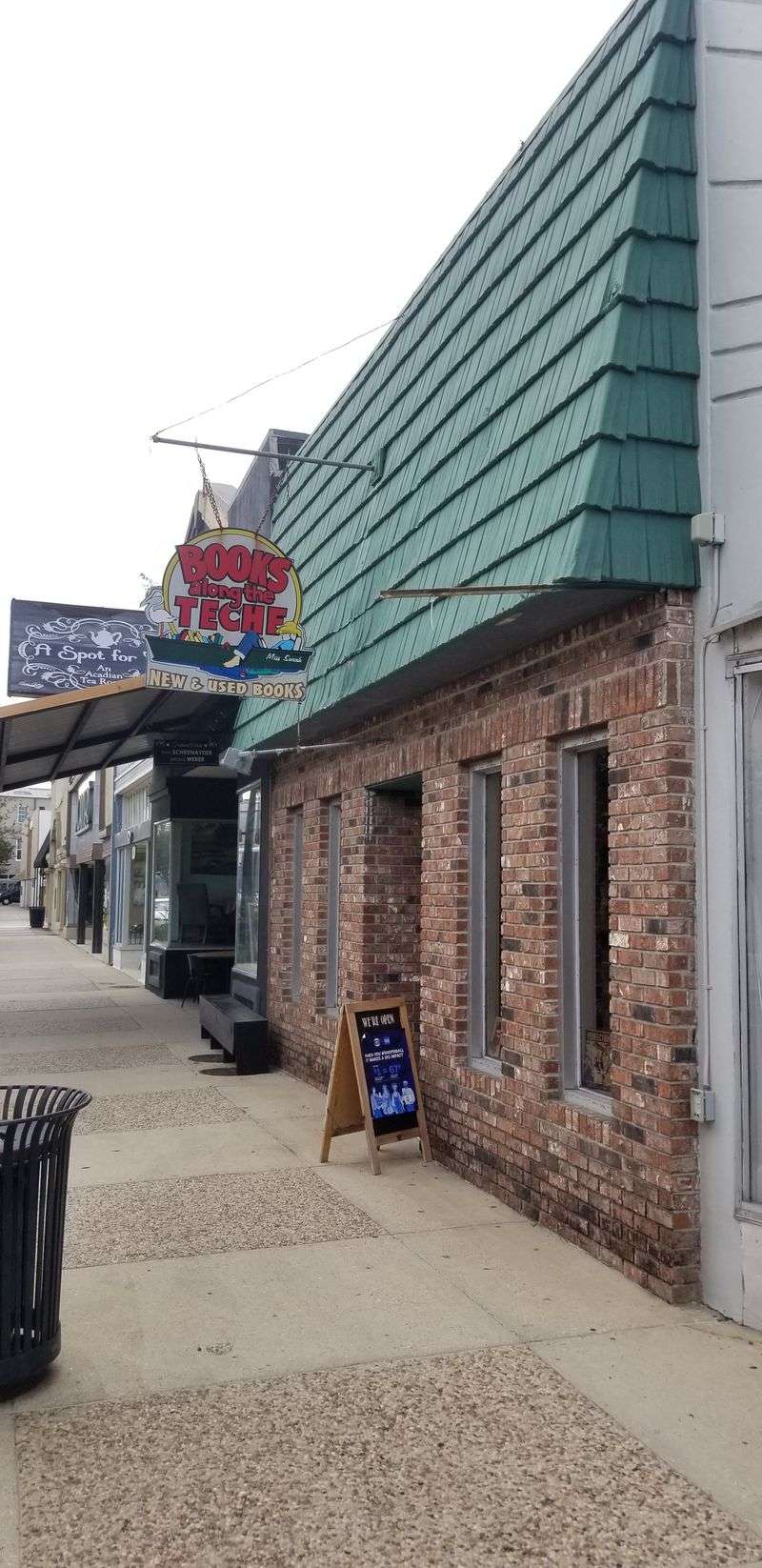

New Iberia greets you with oak alleys and a literary hush that hints at deeper layers. Shadows on the Teche stands like a sentence with perfect cadence, and James Lee Burke’s characters seem to drift through the humidity. The town balances grace with grit, and you feel both as you stroll the bayou.
Downtown shops lean bookish and culinary. You will find pralines that crack just right and cafés where conversations stretch. Museums and walking tours give you backstory without weighing you down.
Avery Island sits nearby like a spice chapel. Tabasco is more than a hot sauce here, it is an origin story of salt domes, marshes, and family craft. Touring the factory and the Jungle Gardens ties the byway’s nature and flavor together neatly.
Architecture fans will be happy, too. Creole cottages mingle with grand homes, and porches make eye contact with passersby. It is the kind of town where you wave, even if you just got there.
Food keeps the narrative moving. From seafood platters to delicate bread pudding, plates arrive with practiced confidence. You will taste restraint and boldness sharing space, like a duet that never steps on itself.
New Iberia wraps you in story and spice. It encourages you to linger, buy a book, and tuck a hot sauce sampler into the trunk. Heading out, the byway feels newly annotated, every mile a footnote connecting landscape, literature, and heat.
Cajun Food Trails and Roadside Eateries
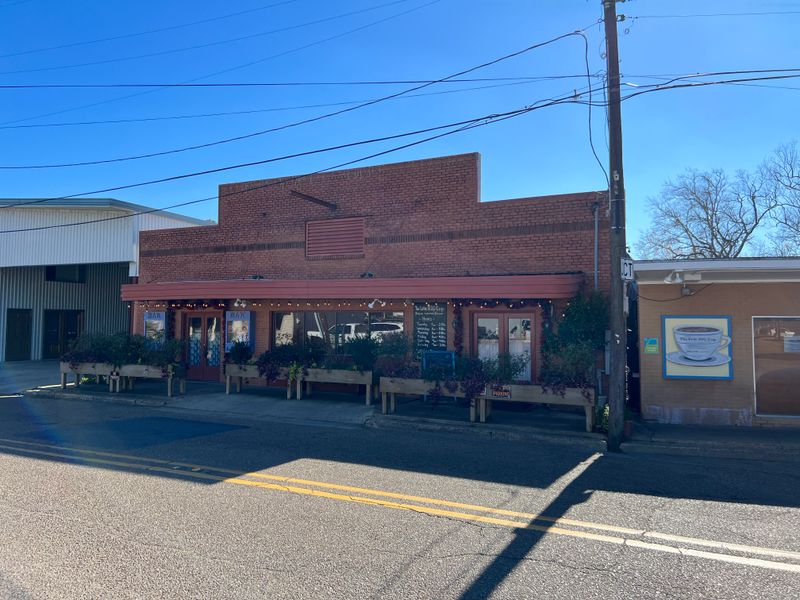
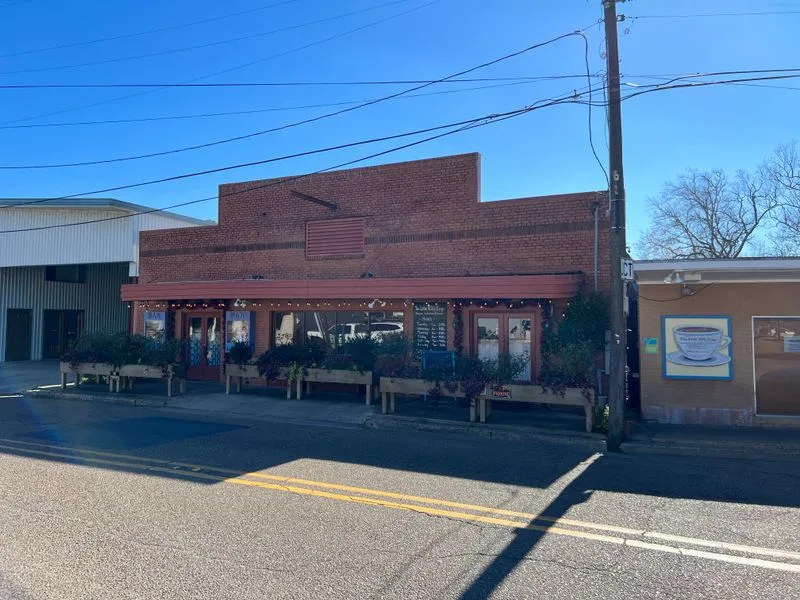
This byway could be driven fork first, and no one would blame you. Boudin shops mark the miles like savory mileposts, each link a different balance of liver, spice, and pride. Plate lunch counters serve rice and gravy that tastes like Sunday without the ceremony.
You will find smokehouses where sausages nap in oak scented air. There are cracklins that crunch like applause, and po boys that demand two napkins before the first bite. Family recipes pass through hands, not textbooks, and that is exactly why they endure.
Ask for recommendations at gas stations and you will start a friendly debate. Locals will map your lunch run faster than any app, with passionate footnotes about roux color and the best time to arrive. Showing up early often means fresh trays and a chat with the cook.
Do not skip the bakeries. Sweet dough pies and king cakes tell a parallel story of celebration and comfort. A coffee and a slice can carry you nicely between towns.
Eating along the byway is also an education in restraint. Heat is used like punctuation, not a dare, and smoke is a supporting actor rather than the whole show. You learn to taste the rice as carefully as the gravy.
Carry a cooler if you can. Leftovers and sausage links travel well, and you will want souvenirs that do not sit on a shelf. By the time you reach the coastward end, you will have built your own flavor atlas, one satisfying stop at a time.
Franklin and the Sugarcane Legacy
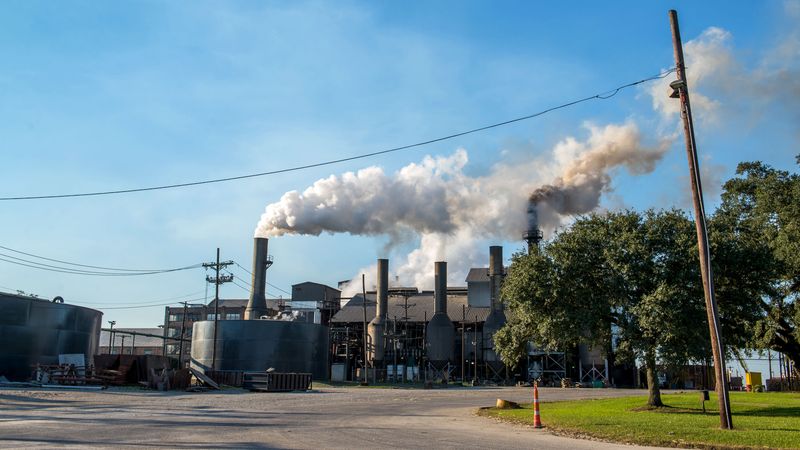
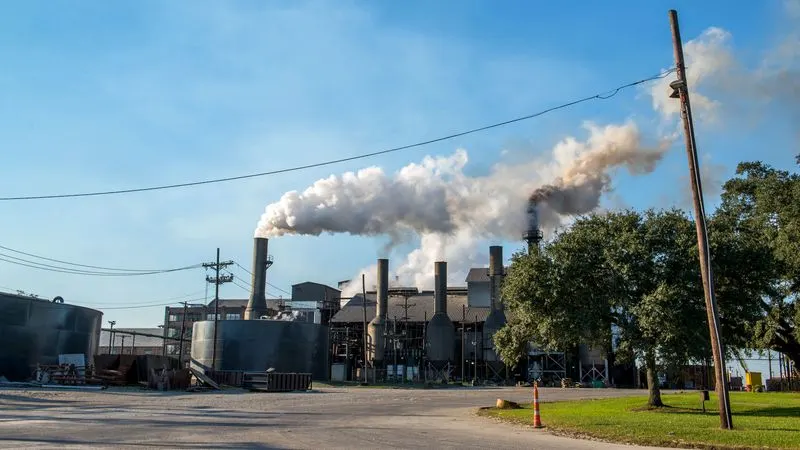
Franklin stands with quiet confidence, its streets lined by stately homes and classic lampposts. Sugarcane built much of what you see, shaping work rhythms and community life. You can feel the industry’s pulse in harvest season, when fields whisper and trucks rumble like metronomes.
Downtown rewards walkers with storefronts that suggest an older pace. Small museums and galleries fill in the history with care, not spectacle. You will find friendly shopkeepers ready to translate the past into plain talk.
The landscape around town tells the rest. Cane rows stripe the horizon, and the smell during grinding season is sweet and earthy at once. This is agriculture as culture, with families measuring years by plantings and cuts.
Food reflects that sturdy comfort. Plate lunches lean hearty, and desserts often nod to sugar’s local significance. Even the coffee feels a little more generous here.
Architecture fans can trace Greek Revival lines and Creole details, sometimes on the same block. Porches invite you to slow your stride and listen to birds exchange notes across hedges. It is easy to imagine long evenings of conversation under those eaves.
Franklin gives you a lens for the southern half of the byway. It shows how industry and intimacy can share a town without losing each other. Roll onward with a deeper respect for the fields, the labor, and the sweetness that threads through everyday life along the Teche.
Morgan City: Where the Bayou Meets the Gulf
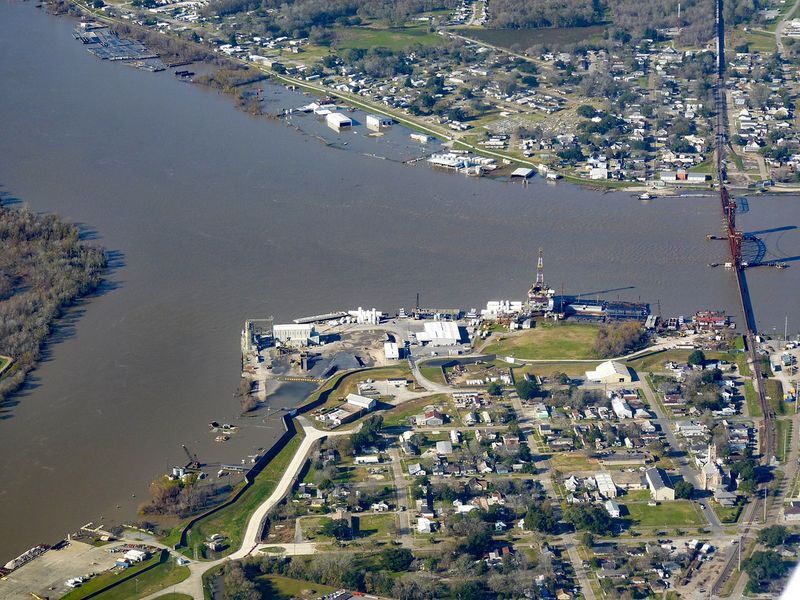
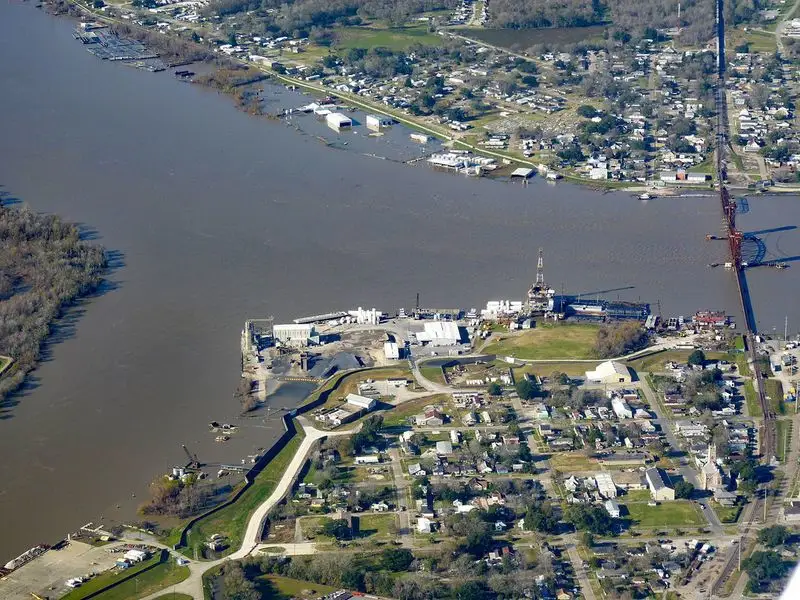
By the time you reach Morgan City, the water feels wider and the air carries a hint of salt. Shrimp boats line the docks like patient storytellers, their rigging sketching patterns against the sky. This is where the byway shakes hands with the Gulf’s working rhythms.
Walk the waterfront and watch crews prep ice, nets, and fuel. The choreography is practical and beautiful, a reminder that seafood begins with skill and weather, not just menus. Pelicans supervise with comic seriousness while gulls edit the scene to their liking.
Seafood shacks make strong closing arguments. Platters arrive crisp and proud, with hushpuppies riding shotgun and tart sauces within easy reach. You will taste tide and toil together, which is exactly how it should be.
The bridge views tie the journey together. Upstream memories of cypress shade merge with downstream dreams of open water. It is a satisfying hinge between inland roots and coastal horizons.
Local museums and festivals add texture. Exhibits on oil, shrimping, and storms show how resilience becomes a habit. Folks here plan, rebuild, and keep humor close at hand.
Morgan City feels like an earned finale. You have followed a story from source to salt, learning the characters as you went. Take one last look at the boats, pocket that lesson in perseverance, and start planning your next return down the Teche.
Best Time to Drive the Byway

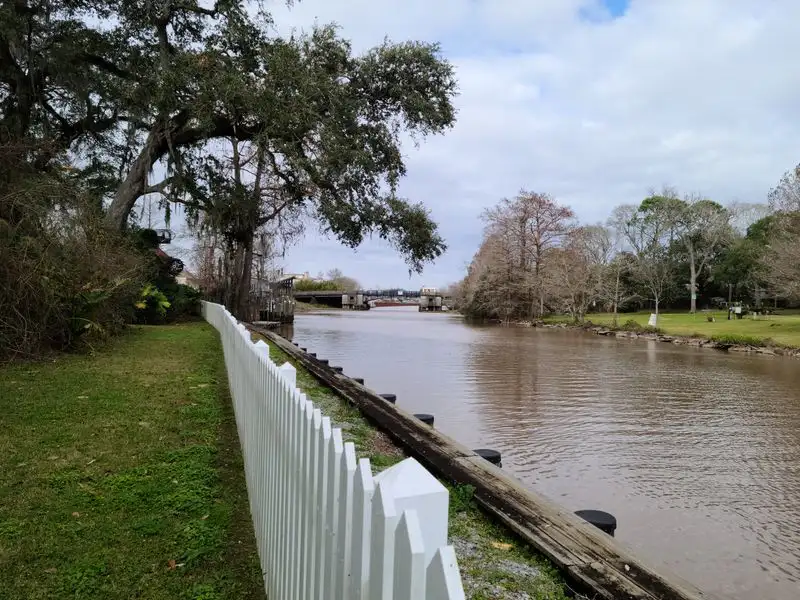
There is no wrong season, but timing can sweeten the deal. Spring brings crawfish in peak form, wildflowers along ditches, and festival calendars that make weekends sparkle. Mornings are gentle and evenings happily busy with music.
Summer turns the greens electric and the air thick with life. Plan early starts, long lunch breaks, and slow evenings near water. Afternoon storms rinse the heat and deliver photogenic skies if you wait a beat.
Fall might be the sleeper favorite. Cooler days, sugarcane tall as gossip, and a steady run of community fairs keep spirits high. It is an easy time for porch sitting and long conversations with strangers.
Winter is mild compared to much of the country. You trade lush leaves for broader views and quieter roads. Seafood remains a reason to celebrate, and holiday lights reflect beautifully on still water.
Whenever you go, check local calendars. A small church fair or trail ride can become the memory that defines your trip. Build space for serendipity, not just reservations.
Pack layers, patience, and an appetite. Weather shifts quickly, and the best moments often arrive unscheduled. Aim for days that let you linger, and the byway will return the favor with generosity and grace.
Why This Road Trip Is Truly Authentic
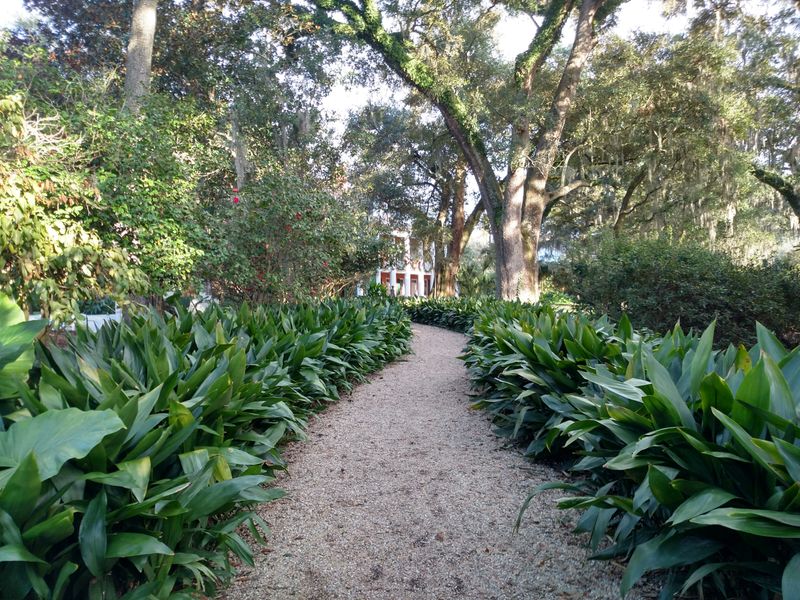
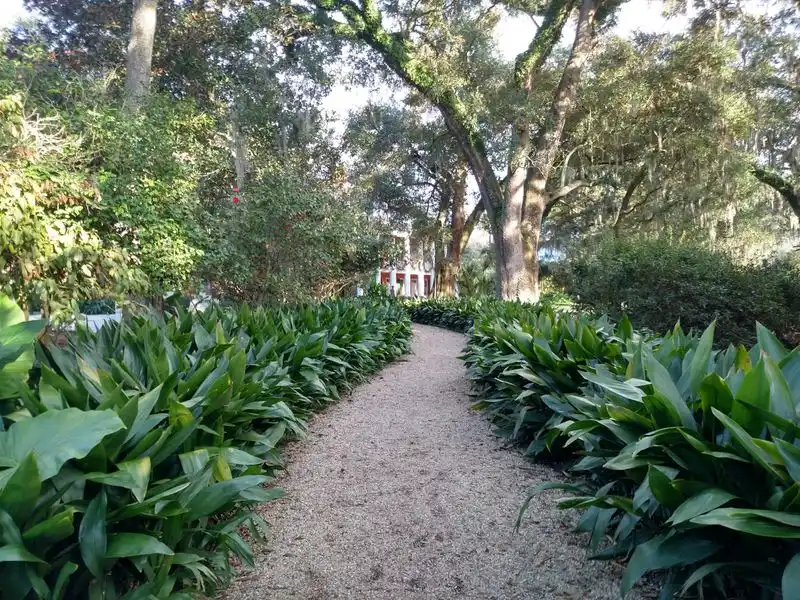
Authenticity is not a theme here, it is the default setting. The Bayou Teche Byway invites you into daily life rather than staging a show. You sit at real tables, hear real laughter, and learn from people who are busy living what they love.
Slow travel is not trendy, it is practical. The road’s curves and the bayou’s tempo nudge you into presence. You start measuring success by conversations and flavors, not by miles or monuments.
This drive touches every pillar of Cajun culture without turning any of it into a museum piece. Language, music, food, and landscape are functioning parts of a shared life. Your role is to listen, participate respectfully, and say thank you often.
What you take home will not fit in a suitcase. It will be the way a stranger taught you to peel crawfish, or the hush of a cypress swamp at dusk. It will be a radio song that catches in your throat months later.
The byway rewards humility and curiosity. Ask small questions, tip generously, and let locals lead. You will find generosity meeting you at every stop, unvarnished and strong.
Call it a road trip if you like. It feels more like a welcome extended across 183 miles of water and road. You arrive as a visitor and leave as a neighbor, carrying the bayou’s steady heartbeat wherever you go next.