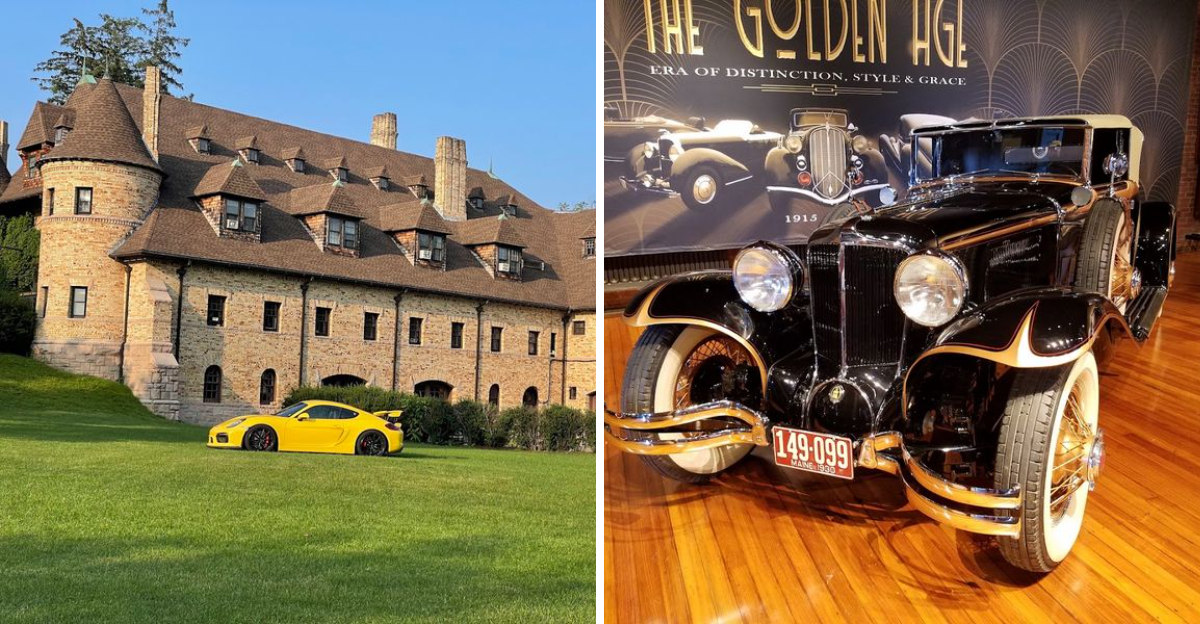
One of Massachusetts’ best hidden attractions has been quietly waiting in plain sight.
Just beyond the bustle of Boston stands a grand estate where history and horsepower share the same stage. The Larz Anderson Auto Museum welcomes visitors into a stunning Carriage House filled with rare automobiles, remarkable stories, and timeless charm.
Step inside, and you’ll find far more than polished vintage cars.
Every gallery reveals pieces of America’s motoring past, while the estate itself adds an unforgettable backdrop that feels frozen in another era.
Whether you’re fascinated by classic automobiles, love exploring historic places, or simply want a memorable day trip, this overlooked destination deserves a spot on your list.
From elegant architecture to priceless vehicles, it’s one of those places that leaves you wondering why more people haven’t discovered it.
A Gilded Age Estate With an Unexpected Legacy
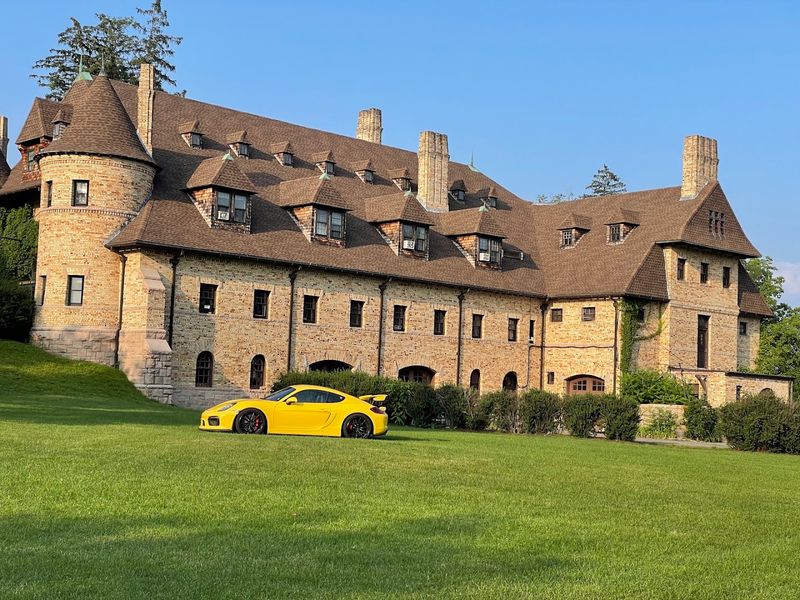
Larz and Isabel Anderson were among the wealthiest couples of their era, and their Brookline estate reflected that status perfectly. Built during America’s Gilded Age, the property featured everything you’d expect from a high-society mansion of the late 1800s.
Sweeping lawns, elegant architecture, and luxurious details made it one of Massachusetts’ most impressive homes.
What makes this estate truly remarkable is what happened after the Andersons passed away. Instead of being demolished or turned into office space like many historic estates, the property transformed into something entirely different.
The couple’s impressive automobile collection found a permanent home here, creating an unexpected legacy that continues today.
Walking through the grounds now, you can still sense the grandeur of that bygone era. The estate’s transformation from private residence to public museum means everyone can experience this piece of history.
It’s a rare chance to step back in time while exploring cutting-edge transportation technology from over a century ago.
Home to America’s Oldest Car Collection
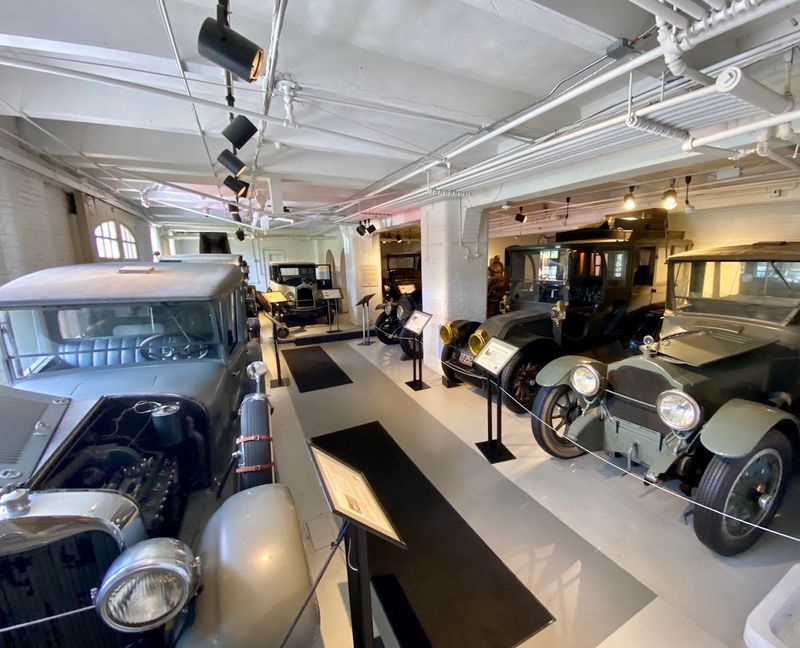
Picture this: a family starts collecting cars in 1899, when automobiles were still a brand-new invention. The Anderson family did exactly that, and amazingly, their collection survived intact for over 125 years.
That’s not just old—it’s officially the oldest motorcar collection in America that’s stayed together continuously.
Most early car collections got broken up and sold off decades ago. Families moved, changed interests, or needed money, scattering rare vehicles across the country.
The Anderson collection bucked that trend completely. These aren’t cars purchased recently to create a museum.
They’re the actual vehicles the family owned, drove, and cherished.
Seeing these automobiles feels different from visiting other car museums. You’re not just looking at old cars someone bought at auction.
You’re viewing pieces that one family carefully selected and preserved through wars, economic downturns, and changing fashions. Each vehicle tells part of the Anderson family story and America’s early love affair with motor vehicles.
Inside the Historic Carriage House
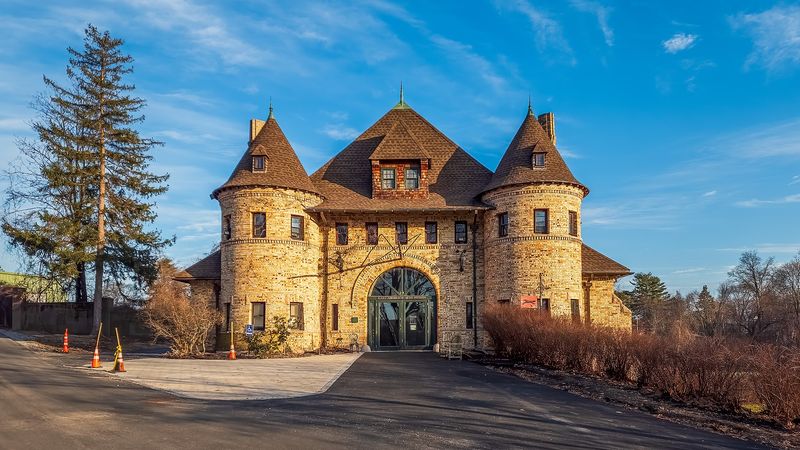
Before cars existed, wealthy families needed somewhere to keep their horse-drawn carriages. The Andersons built an absolutely stunning carriage house in 1888—a structure so beautiful it could easily be mistaken for the main mansion.
Massive wooden beams, stone walls, and careful craftsmanship make this building an architectural treasure.
When automobiles replaced horses, the building found its second life. The same spaces that once sheltered elegant carriages now showcase vintage cars, creating an incredibly fitting atmosphere.
Walking through feels like traveling through time, with historic architecture framing historic vehicles perfectly.
Many museums stick old cars in modern warehouse spaces, which works fine but lacks character. Here, the building itself enhances every automobile on display.
Sunlight streams through tall windows onto polished chrome and brass. Your footsteps echo on original floors.
The carriage house doesn’t just hold the collection—it completes it, providing context that helps visitors imagine what owning these early motorcars really meant to families like the Andersons.
Rare Automobiles You Won’t See Anywhere Else
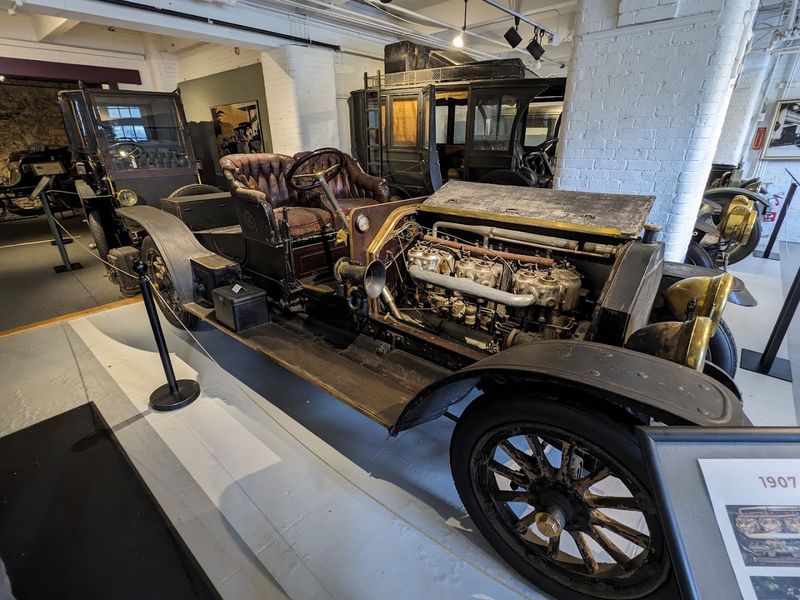
Some museums have one or two rare cars. This place is packed with vehicles you simply cannot find elsewhere.
The collection includes early Winton automobiles—remember, this company built some of America’s first successful motorcars. Finding even one Winton today is exceptional; seeing multiple examples together is mind-blowing.
Electric cars aren’t modern inventions. Way back in the early 1900s, battery-powered vehicles competed with gasoline engines.
The museum displays several of these forgotten electric automobiles, showing technology that almost became mainstream over a century ago. They’re fascinating time capsules of an alternate automotive history.
European luxury models round out the collection, featuring coachwork and engineering rarely seen on American shores. These weren’t mass-produced vehicles.
They were custom-built motorcars designed specifically for wealthy clients who demanded the absolute best. Seeing them up close reveals incredible attention to detail—hand-stitched leather, ornate metal work, engineering solutions that solved problems most people didn’t know existed.
Each vehicle represents countless hours of skilled craftsmanship.
Rotating Exhibits Keep Every Visit Different
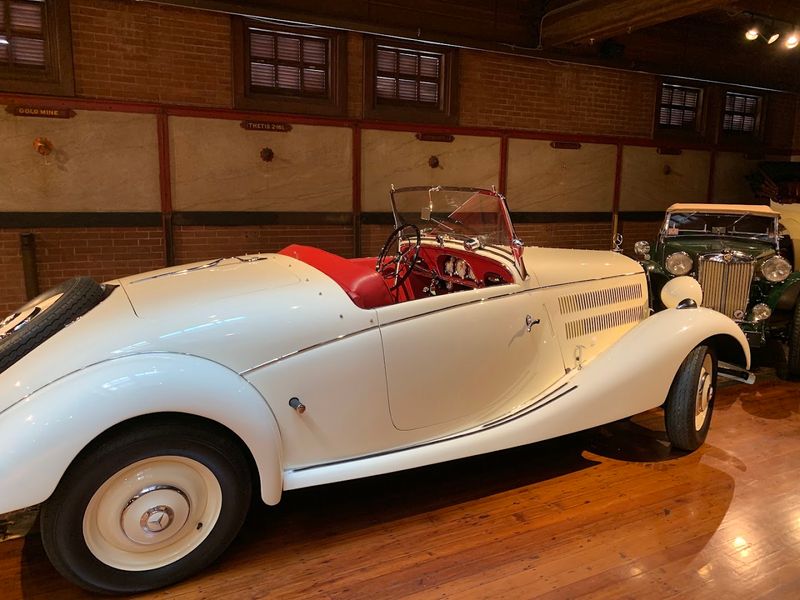
The Anderson collection forms the museum’s foundation, but it’s far from the only thing you’ll see. Throughout the year, the museum creates special exhibits exploring different corners of automotive history.
One month might focus on racing legends, while the next celebrates automotive design evolution or cars from popular movies.
This approach keeps the museum fresh and interesting for repeat visitors. You could visit in spring and return in fall to find completely different displays.
Engineering enthusiasts might catch an exhibit examining how engines evolved. Pop culture fans could discover shows featuring famous television and movie vehicles.
Even people who think they’re not car enthusiasts often find something captivating in these rotating exhibits. Maybe you don’t care about engines, but you loved watching certain TV shows as a kid.
Perhaps racing history doesn’t interest you, but automotive fashion and design does. The museum’s variety means there’s genuinely something for everyone, not just hardcore motorheads.
Check their website before visiting to see what special exhibits are currently running—you might discover something unexpectedly fascinating.
Classic Car Shows on the Museum Lawn
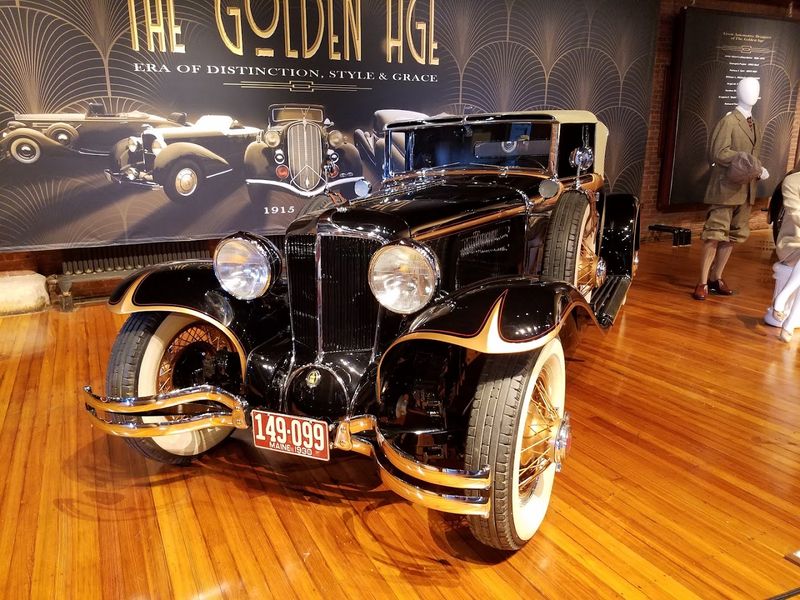
During warmer months, the museum lawn transforms into New England’s premier gathering spot for car enthusiasts. These aren’t small events—hundreds of vehicles show up, from pristine antiques to modified hot rods, European sports cars to American muscle machines.
Owners polish their prized possessions and display them proudly while visitors wander between rows, admiring everything.
What makes these lawn events special is their variety and accessibility. Some car shows charge hefty admission or cater only to specific vehicle types.
Here, the atmosphere stays welcoming and inclusive. Families bring picnics, kids run around safely, and car owners happily answer questions about their vehicles.
You might see a rare Ferrari parked next to someone’s carefully restored family sedan.
Even if you know nothing about automobiles, these events offer great people-watching and beautiful machinery. The museum grounds provide a gorgeous backdrop, and the friendly atmosphere makes everyone feel welcome.
Many attendees return year after year, making it as much about community as cars. Bring a camera—the photo opportunities are endless.
More Than Just a Museum
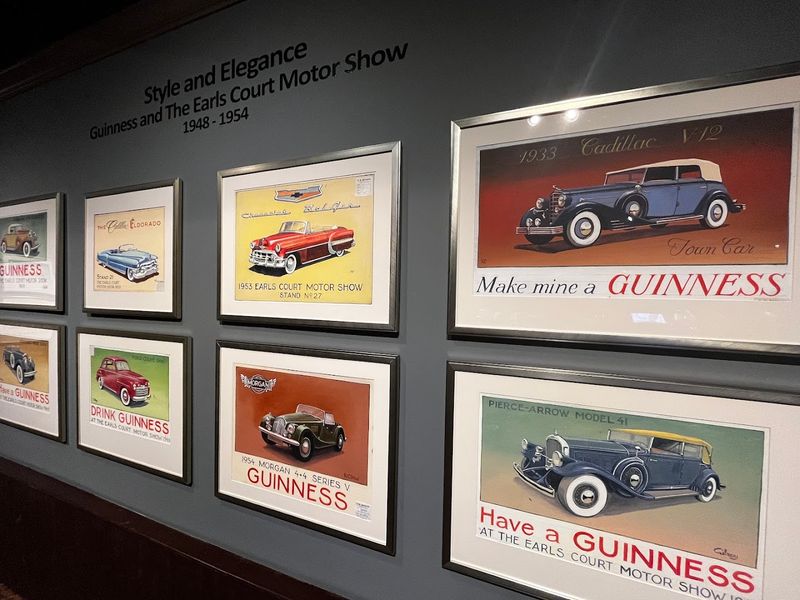
Staring at old cars is fun, but the museum offers way more than static displays. Guided tours led by knowledgeable staff reveal stories you’d never discover on your own.
They explain not just what you’re seeing, but why it matters—how specific innovations changed transportation forever, what daily life was like for early motorists, and fascinating tales about the Anderson family themselves.
Educational programs target different age groups and interest levels. Kids can participate in hands-on activities that make automotive history come alive.
Adults attend lectures from automotive experts, historians, and restoration specialists. Workshops teach practical skills or explore specific topics in depth.
These programs transform the museum from a place you visit once into somewhere you return repeatedly.
Community events ensure the museum serves everyone, not just dedicated car fans. Seasonal celebrations, themed parties, and special gatherings create reasons to visit beyond just seeing automobiles.
This approach helps the museum stay relevant and welcoming, proving that historical institutions can be fun, accessible, and engaging for modern audiences of all backgrounds and interests.
Explore the Beautiful Grounds of Larz Anderson Park
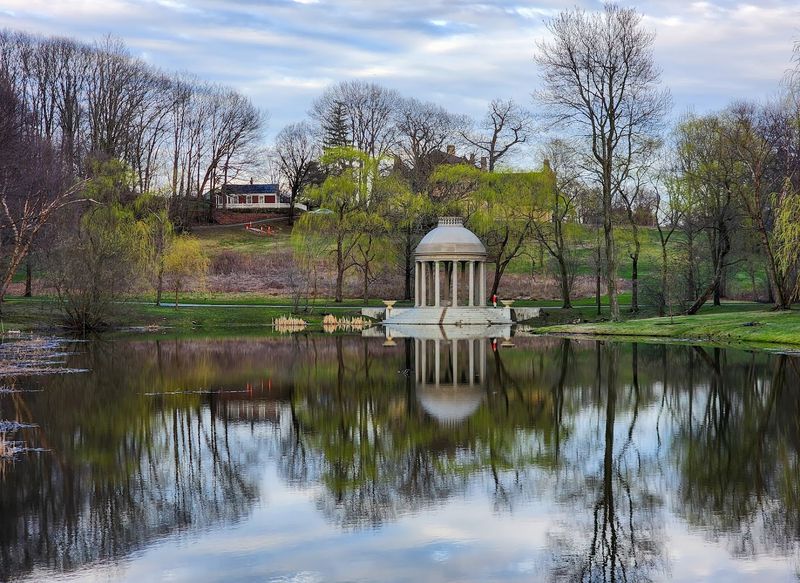
The museum sits within Larz Anderson Park, and honestly, the surrounding grounds deserve a visit themselves. Sixty-four acres of rolling lawns, mature trees, and carefully maintained landscapes create one of Brookline’s most beautiful outdoor spaces.
After exploring the museum, you can easily spend another hour or two enjoying the park.
Walking paths wind through the property, offering peaceful strolls with surprising views. From certain spots, you can see Boston’s skyline rising in the distance—a perfect photo opportunity.
Families spread blankets for picnics on sunny days. Kids burn energy at the playground while parents relax on nearby benches.
The park’s elevation provides cool breezes even on hot summer days. Many visitors arrive planning to spend thirty minutes at the museum, then discover they’ve stayed for an entire afternoon once they experience the grounds.
Bring comfortable shoes for walking, maybe pack some snacks, and give yourself time to wander. The combination of cultural enrichment inside the museum and natural beauty outside creates a surprisingly complete day trip experience close to Boston.
Why This Hidden Museum Deserves More Attention
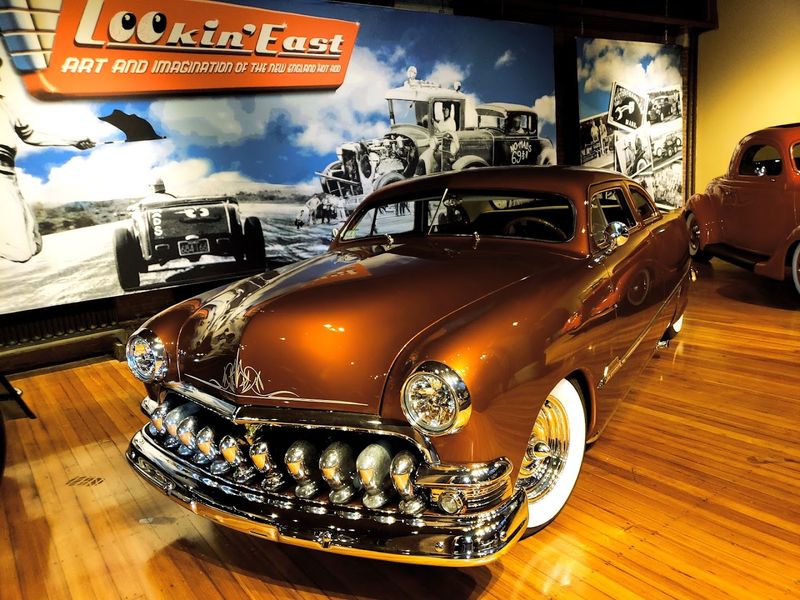
Boston attracts millions of tourists annually, yet most never hear about this museum. That’s honestly puzzling because it offers everything people claim they want: unique history, beautiful architecture, rare collections, educational value, and gorgeous settings.
Perhaps it suffers from being just outside the city, or maybe automotive museums seem too specialized for general audiences.
Here’s the truth—you don’t need to love cars to appreciate this place. The Gilded Age history alone justifies a visit.
The park’s natural beauty attracts people who’ve never changed their own oil. The rotating exhibits frequently feature pop culture topics with broad appeal.
Somehow, though, it stays off most tourist radars.
This underdog status actually creates benefits for visitors. You won’t fight huge crowds like at Boston’s more famous attractions.
Parking, while limited during big events, remains manageable most days. Staff members have time to answer questions thoroughly.
The quieter atmosphere lets you truly absorb what you’re seeing. Sometimes being a hidden gem means staying genuinely special without becoming overcrowded or commercialized.
Visitor Information and Helpful Tips
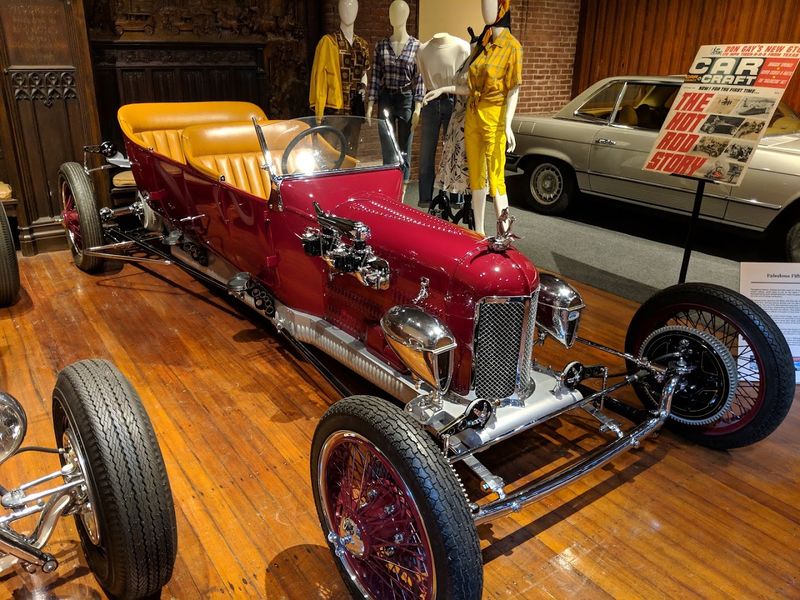
Planning your visit takes minimal effort but ensures maximum enjoyment. The museum sits at 15 Newton Street in Brookline, easily reachable from Boston via car or public transportation.
Operating hours vary seasonally, so check their website before heading out. Admission prices remain reasonable, especially considering the quality of what you’ll experience.
Timing matters significantly if you want to attend lawn events. These popular gatherings attract serious crowds, meaning parking becomes challenging and the museum gets busier than usual.
For quieter visits, weekday mornings work perfectly. Budget roughly one to two hours for the museum itself, plus extra time if you plan exploring the park grounds.
The facility offers wheelchair accessibility, though the historic carriage house presents some limitations due to its age. Photography is generally welcomed—those vintage cars photograph beautifully.
Nearby Brookline and Boston provide additional attractions if you’re making a longer day trip. Consider combining your museum visit with lunch in Brookline Village or exploring other historical sites nearby.
This flexibility makes the Larz Anderson Auto Museum perfect for spontaneous outings or carefully planned excursions alike.