While traditional restaurants often shape evening social rituals, authentic artisan bakeries have the power to define a community’s daily food culture and set the rhythm of the morning.
The true value of this distinctive format lies in early hours, disciplined work with dough, and baking techniques passed down through family memory rather than short-lived culinary trends.
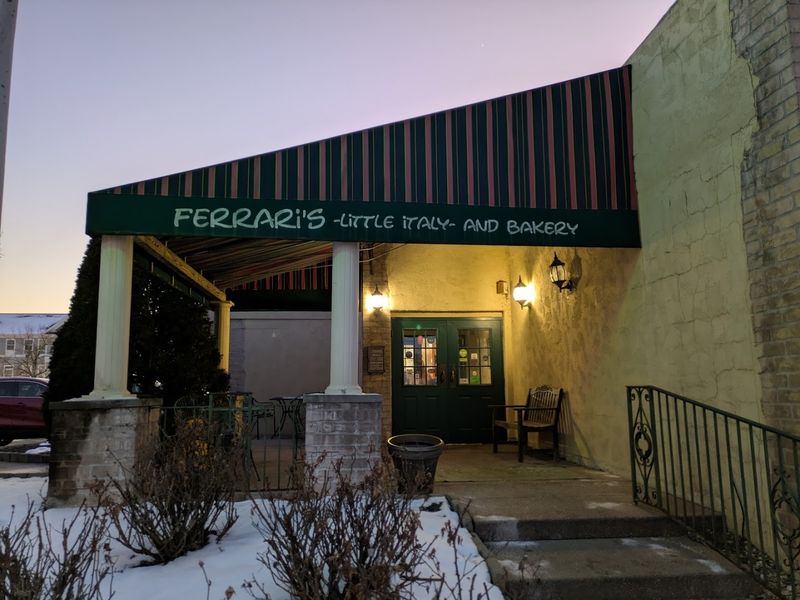
A strong example of that dedication to craftsmanship is Ferrari’s Little Italy & Bakery, located at 6922 Miami Avenue, Madeira, Ohio 45243.
Combining the aroma of freshly baked bread with the traditions of the Old World, this establishment offers visitors a glimpse into methods and flavors that continue to resist the pressures of modern food industrialization.
Discover which iconic pastries and traditional baked goods still follow time-honored recipes and why this address has become an essential destination for food lovers across Ohio.
Where the day begins with fresh dough
Before lunch service ever matters, the serious work starts with dough.
Bread defines the rhythm of an Italian bakery because mixing, resting, shaping, and baking must happen in a strict sequence.
Timing affects texture at every stage, from fermentation strength to the thin crackle that forms when crust meets steam.
Inside this Madeira operation, customers repeatedly mention the bread first, which says a great deal about priorities.
Fresh loaves served with meals, bread used for sandwiches, and even sought after salted rye for the workweek all suggest a house where baking remains foundational.
That kind of demand rarely develops unless consistency is built into the daily schedule.
Good bread carries more than flour and water.
Careful crust development, a tender but structured crumb, and the right amount of salt determine whether a loaf supports a meal or simply fills space.
In Italian food culture, bread is the baseline craft, and every pastry case seems more trustworthy when the bakery gets that part right.
The craft behind every display case
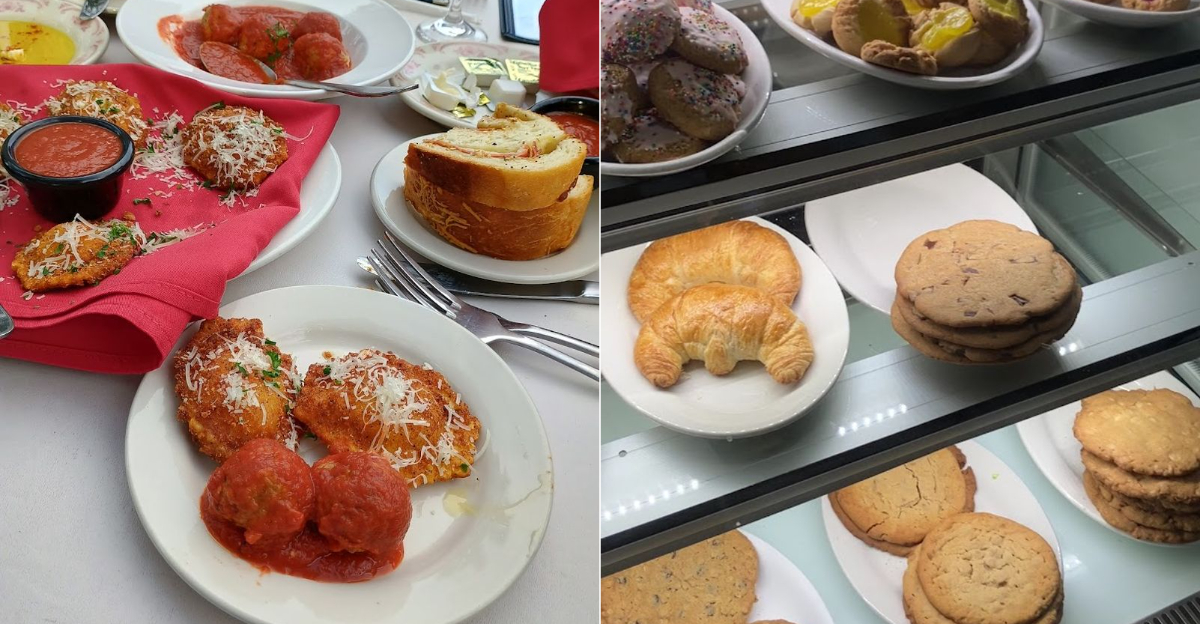
Glass display cases do more than tempt customers.
They reveal how a bakery organizes labor, balances variety, and presents fragile items that depend on freshness.
Cannoli shells must stay crisp, cream fillings need cold control, and cakes require clean slicing if the case is going to communicate skill instead of clutter.
Reviews from Madeira point to mini cannoli, cheesecake, limoncello cake, blueberry lemon cake, tiramisu, and cookies as memorable purchases.
Such range matters because Italian pastry culture is built on assortment rather than one signature sweet.
A strong bakery basket gives people reasons to return for birthdays, dinner desserts, and quick carryout after lunch.
Visual order matters as much as flavor.
Height, spacing, garnish, and packaging shape expectations before a single bite is taken.
When the front of a business leads with desserts and bakery aromas, the display case becomes a statement of trade knowledge.
It shows that pastry production is not an afterthought but one of the operation’s defining skills.
Why Italian bakeries feel different from other food businesses
An Italian bakery operates by a different logic than a standard restaurant.
Restaurants are built around ordered meals and timed table service, while bakeries also depend on stock cycles, morning production, display maintenance, and carryout habits that continue all day.
That mixed structure creates a business shaped by routine purchases as much as seated dining.
Madeira’s example stands out because it functions as restaurant, deli, and bakery at once.
Customers encounter desserts near the entrance, smell fresh bread, then move into a menu that includes soups, sandwiches, and larger Italian dishes.
Prepared foods and bakery goods therefore share the same identity instead of competing for attention.
Much of the cultural significance comes from that overlap.
Italian food businesses often preserve heritage through ordinary transactions, such as picking up bread for the week, adding pastries to a family meal, or grabbing dessert after lunch.
Those habits create loyalty because the shop becomes part of domestic life, not just a destination for occasional reservations.
Generations of tradition behind the counter
Family tradition in baking is not only a matter of surname or nostalgia.
It shows up in repeated formulas, practiced hand movements, and a clear sense of what each product should look like every day.
Skilled pastry work depends on standards that are taught, corrected, and preserved over years rather than improvised on demand.
Longtime employees mentioned in customer accounts suggest another important layer of continuity.
When a server has spent decades in one place, institutional memory expands beyond the dining room and into the bakery’s habits, holiday patterns, and customer expectations.
That kind of knowledge helps protect consistency because regulars notice quickly when a familiar cake, cookie, or loaf changes.
Italian bakeries often hold community memory in edible form.
Recipes for rum cake, tiramisu, holiday trays, and classic cookies carry regional influence and family preference at the same time.
Preservation happens through repetition, and repetition only works when the people behind the counter understand that each pastry is part of a larger trade tradition, not simply a sales item.
The quiet importance of everyday pastries
Not every pastry is reserved for celebrations.
Everyday sweets matter because they create the repeated habits that keep bakery culture alive between holidays and major family events.
A small cannoli, a cookie assortment, or a slice of cake picked up after lunch can establish a routine more powerful than any special occasion order.
Frequent praise for dessert purchases in Madeira shows how ordinary bakery traffic supports the whole operation.
People finish a meal and leave with tiramisu, cheesecake, or cookies, turning one visit into two forms of commerce at once.
That pattern reflects a classic Italian approach, where pastry is woven into the day rather than isolated as a rare indulgence.
Subtle balance is what separates these products from mass market sweets.
Good Italian pastries are often less sugary than expected, with coffee, citrus, nuts, cocoa, or cream doing much of the work.
Those restrained flavors encourage repeat buying because the desserts feel companionable, suitable for sharing with espresso, bringing home after dinner, or placing on the table without ceremony.
How specialty desserts preserve culinary memory
Specialty desserts often preserve cultural memory more clearly than main courses.
Bread and cookies may sustain everyday rhythm, but cakes and layered sweets carry the tastes people associate with holidays, birthdays, baptisms, and large family tables.
Because of that, dessert production becomes an archive of memory expressed through texture, aroma, and careful finishing.
Several standout sweets tied to this Madeira bakery illustrate the point.
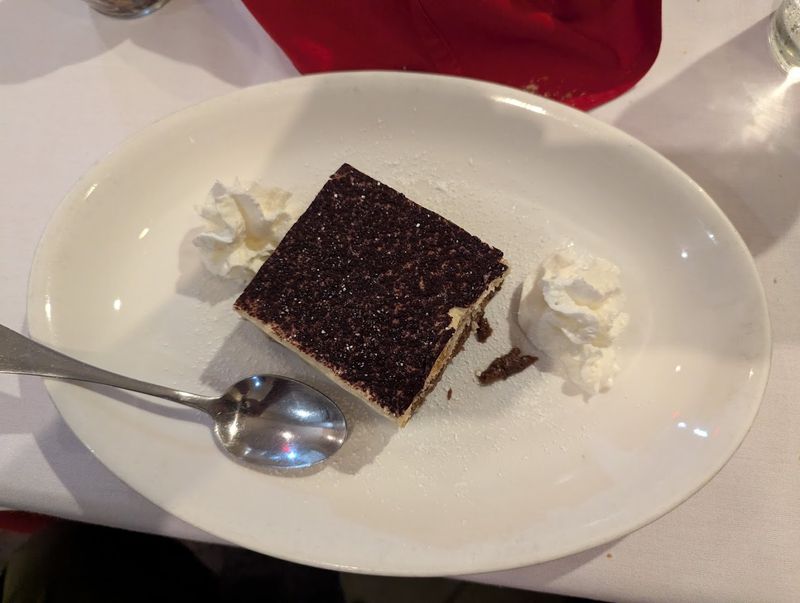
Tiramisu appears repeatedly in customer comments, while rum cake and limoncello cake show how Italian and Italian American dessert traditions continue through celebration orders and casual slices alike.
Each item depends on restraint, since too much sweetness or heavy handling would flatten the distinct character of coffee, citrus, or liqueur.
Memory survives when recipes remain recognizable yet dependable.
A dessert that tastes the way a family expects can bridge generations more effectively than a menu description ever could.
That is why classic cakes matter so much in Italian bakery culture: they are not decorative extras, but edible documents that keep older preferences present in contemporary neighborhood life.
The difference between handcrafted and mass production
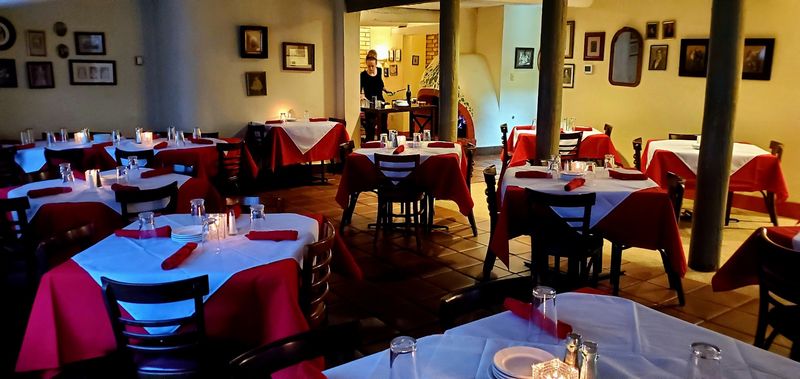
Handcrafted bakery work leaves visible evidence.
Slight variation in piping, carefully browned crusts, neatly filled pastry shells, and cleanly layered cakes all show that products were made through attentive handling instead of industrial uniformity.
Those details affect flavor and texture, but they also communicate seriousness about the trade.
Mass production usually aims for shelf life and speed above all else.
Italian bakery traditions tend to value freshness windows, product turnover, and finishing touches that happen closer to the point of sale.
Cannoli are a simple example, since crisp shells and properly timed filling make the difference between contrast and sogginess.
Customer reactions to freshness from scratch are significant because people recognize those distinctions quickly.
Bread aroma in the front of house, desserts that feel balanced rather than engineered, and portions that still maintain structure all point to a shop that understands quality control in practical terms.
Craftsmanship is not romantic language here.
It is a system of disciplined choices repeated daily so that every loaf, cookie, and cake reflects deliberate human judgment.
A business built around daily rituals
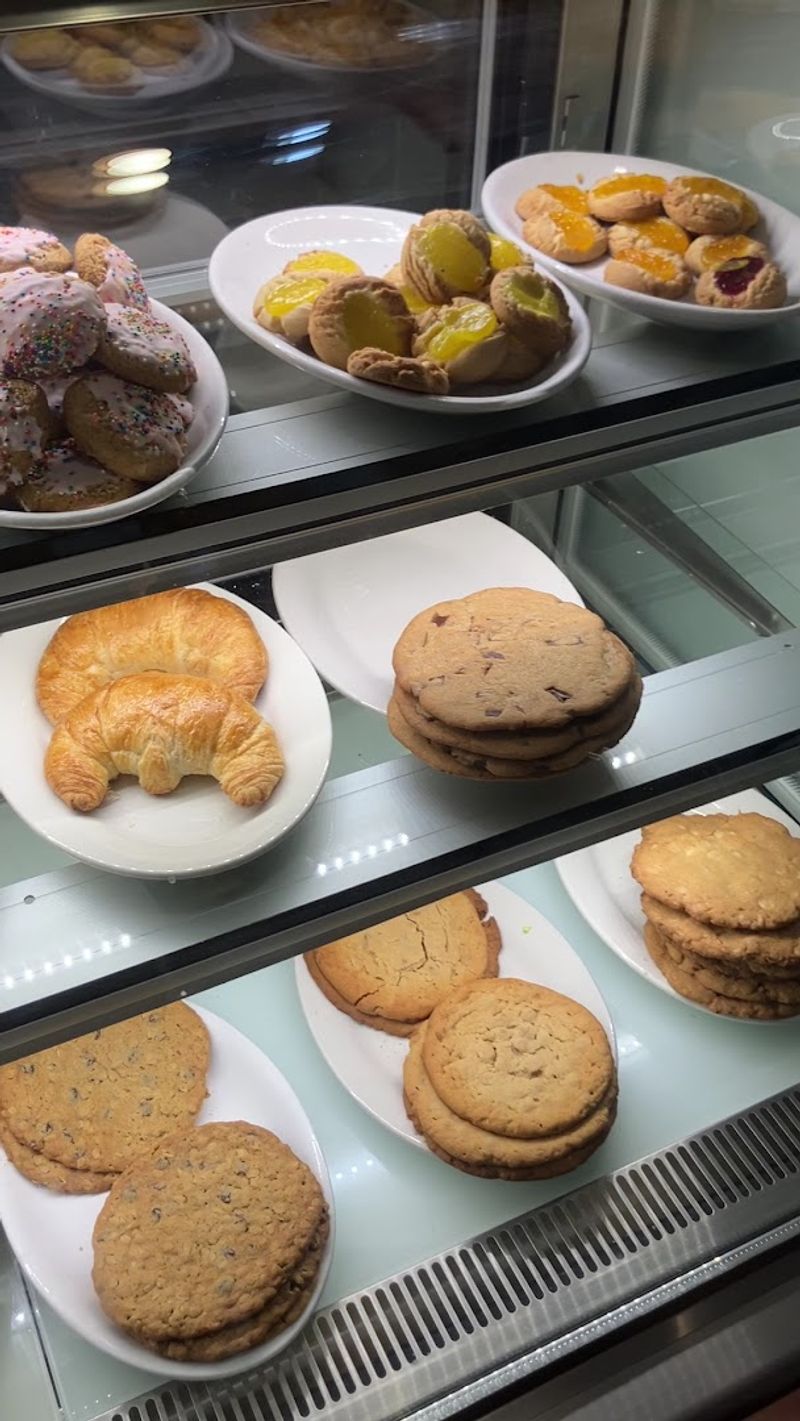
Daily ritual is what turns a food business into part of a neighborhood’s structure.
Bakeries are especially strong at this because they meet people at multiple points in the day, from bread pickup and coffee pairings to lunch sandwiches and last minute dessert stops.
Repetition builds attachment more effectively than occasional spectacle ever can.
This Madeira shop appears to thrive on those recurring patterns.
Lunch traffic, takeout habits, dessert purchases on the way out, and regular trips for salted rye bread all show a business woven into household schedules.
The combination of deli service, prepared foods, and bakery goods broadens its usefulness without diluting its identity.
Regular visits also help preserve culinary heritage in quiet ways.
A person who buys bread weekly or orders holiday desserts annually becomes part of a chain that keeps traditional products economically viable.
That matters because heritage survives through ordinary transactions, not only through festivals or nostalgic storytelling.
When routine demand supports fresh loaves, pastry trays, and classic cakes, the bakery continues acting as a living institution rather than a relic of an earlier food era.