
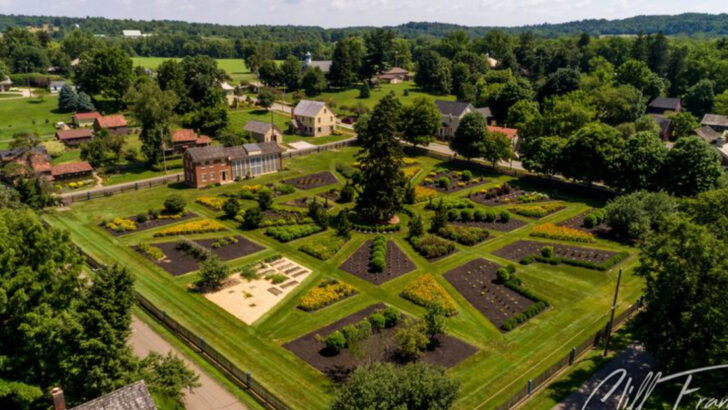
Tucked away in the rolling hills of Tuscarawas County, Ohio, Historic Zoar Village is one of the state’s most charming and overlooked destinations.
Founded in 1817 by German religious separatists, this small village tells a fascinating story of community, faith, and self-reliance.
Walking through Zoar feels like stepping back into the 19th century, with original buildings, quiet streets, and a beautifully restored garden waiting around every corner.
Whether you are a history lover, a casual explorer, or simply someone craving a peaceful escape, Zoar offers a truly memorable day trip experience.
A Separatist Community Founded in 1817
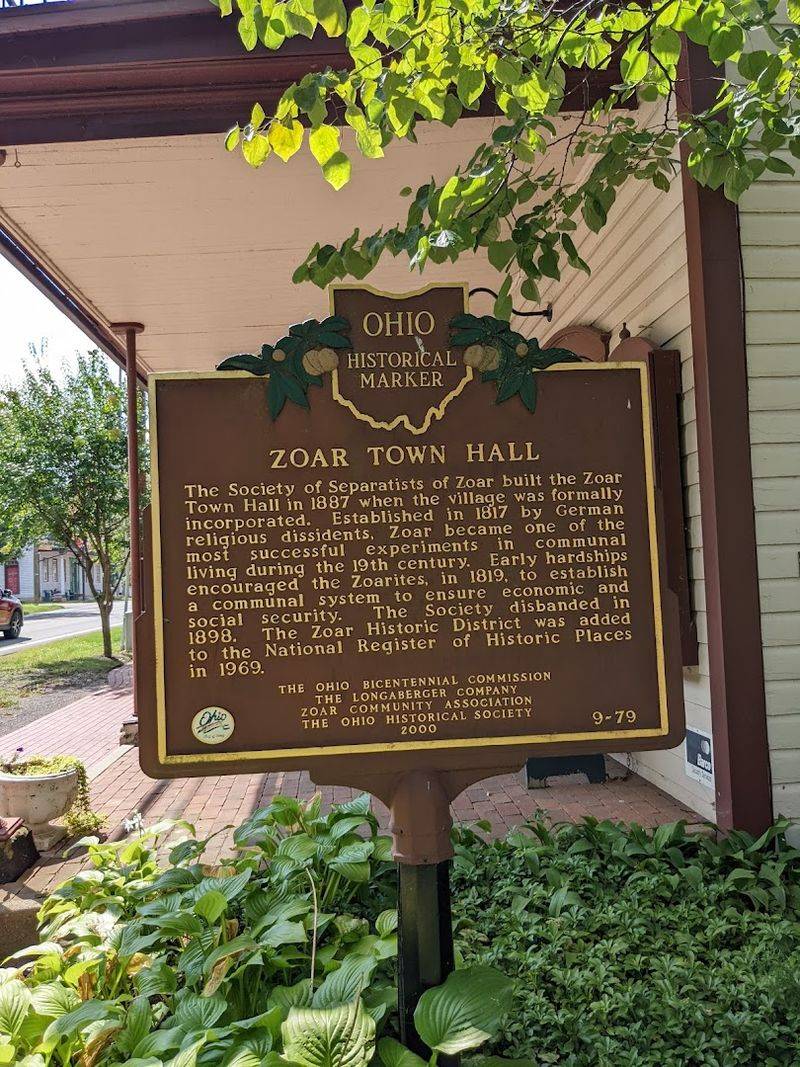
Long before Ohio became a busy industrial state, a group of determined German immigrants carved out something remarkable in the wilderness. In 1817, members of a religious separatist movement fled persecution in Germany and settled along the Tuscarawas River, naming their new home Zoar after the biblical city of refuge.
Their goal was simple: live freely, worship honestly, and support one another through shared labor.
The community operated as a self-sufficient society where members pooled resources, divided responsibilities, and lived by deeply held spiritual values. They built homes, workshops, a bakery, a brewery, and even a hotel, all with their own hands.
For nearly 80 years, this system worked remarkably well, making Zoar one of the longest-lasting communal experiments in American history.
Understanding this founding story makes every building and garden path feel more meaningful when you visit. You are not just looking at old structures; you are witnessing the physical legacy of people who chose faith and community over comfort and convention.
That spirit of quiet determination still lingers in the air at Zoar, giving the village an atmosphere unlike any other historic site in Ohio.
One of America’s Best-Preserved Communal Settlements
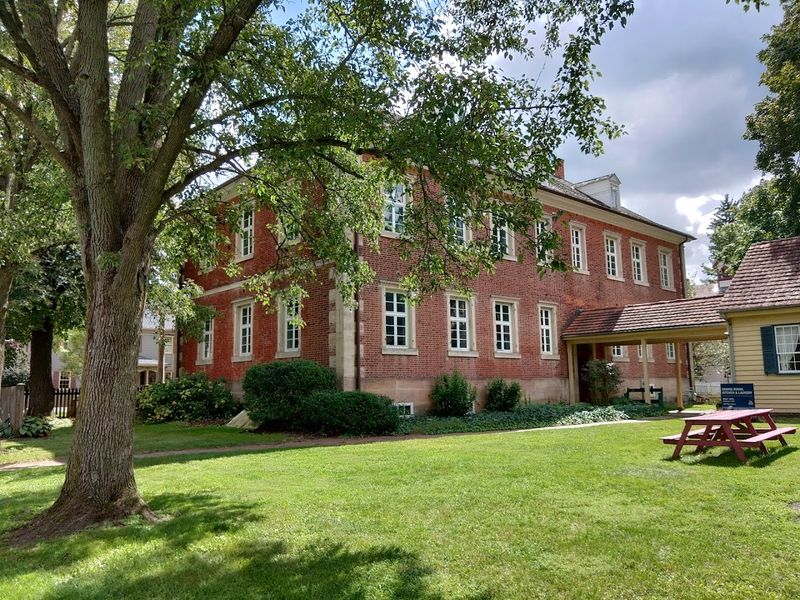
Most communal societies from the 1800s have vanished entirely, leaving behind only written records and faded photographs. Zoar is a striking exception.
Today, the village stands as one of the most intact examples of a 19th-century communal settlement anywhere in the United States, and that level of preservation is genuinely rare.
Ohio History Connection, which oversees the site, has worked carefully to maintain original structures and layouts that reflect daily life as it actually was. Visitors can see how the buildings were arranged for efficiency, how communal spaces connected to private quarters, and how the physical design of the village reinforced the group’s cooperative values.
Walking through it feels less like visiting a museum and more like wandering into a living photograph.
Historians and architecture enthusiasts especially appreciate Zoar because so little has been altered or reconstructed from scratch. Much of what you see is genuinely original, which gives the site an authenticity that carefully rebuilt attractions simply cannot replicate.
For anyone curious about how Americans once organized their lives around shared purpose rather than individual ambition, Zoar offers a rare and thought-provoking window into a fascinating chapter of the nation’s past.
More Than a Dozen Original Structures to Explore
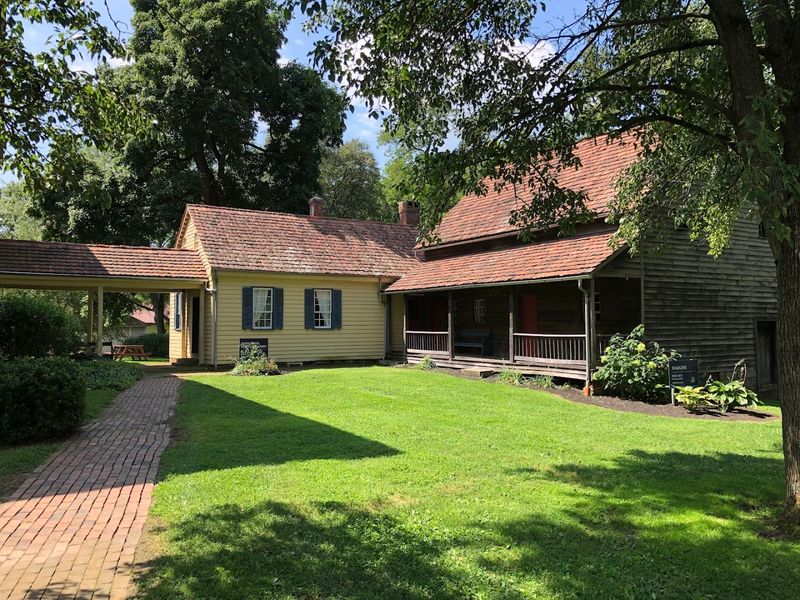
Few historic sites let you walk through so many original buildings in a single afternoon. At Zoar, more than a dozen structures have survived the centuries, each one telling its own piece of the community’s story.
The Society House, where the leader Johann Georg Rapp’s successor Joseph Bimeler once lived, is among the most impressive stops on any visit.
The Zoar Hotel, which once welcomed outside travelers and generated income for the society, still stands as a charming reminder of how the community balanced isolation with practical commerce. The Number One House, the largest residence in the village, gives visitors a vivid sense of how communal leadership and domestic life overlapped in this tightly knit settlement.
Other structures include a tin shop, a wagon shop, a garden house, and a dairy barn, each offering a different lens through which to understand how the Zoarites organized their working lives. Strolling from building to building at a relaxed pace is genuinely enjoyable, especially because the village is compact enough that nothing feels rushed.
Every doorway you step through connects you a little more closely to the people who once called this extraordinary place home.
The Zoar Garden and Its Symbolism
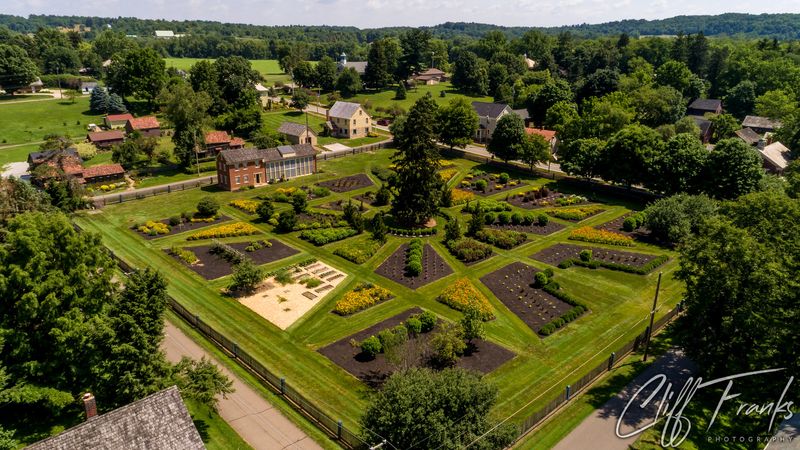
Right at the heart of the village sits one of its most visually stunning features: the Zoar Garden. Laid out in a precise geometric pattern, this carefully restored space is far more than just a pretty place to stroll.
Every element was designed with spiritual meaning in mind, reflecting the Separatists’ deeply held religious beliefs and their vision of an ordered, purposeful life.
The garden’s circular design radiates outward from a central Norway spruce tree, symbolizing Christ at the center of the community’s faith. Surrounding beds are planted with flowers, herbs, and ornamental plants that would have been familiar to 19th-century German gardeners.
The result is a space that feels both historically accurate and genuinely beautiful, especially in late spring and summer when everything is in full bloom.
Even visitors with no particular interest in history tend to pause here and simply breathe. There is something genuinely calming about the garden’s symmetry and quiet.
Bring a camera, because the geometry of the paths and the color of the flowers create natural compositions that photograph beautifully. Whether you sit on a bench and reflect or walk slowly through the beds, the Zoar Garden rewards those who take their time.
Guided Tours That Bring History to Life
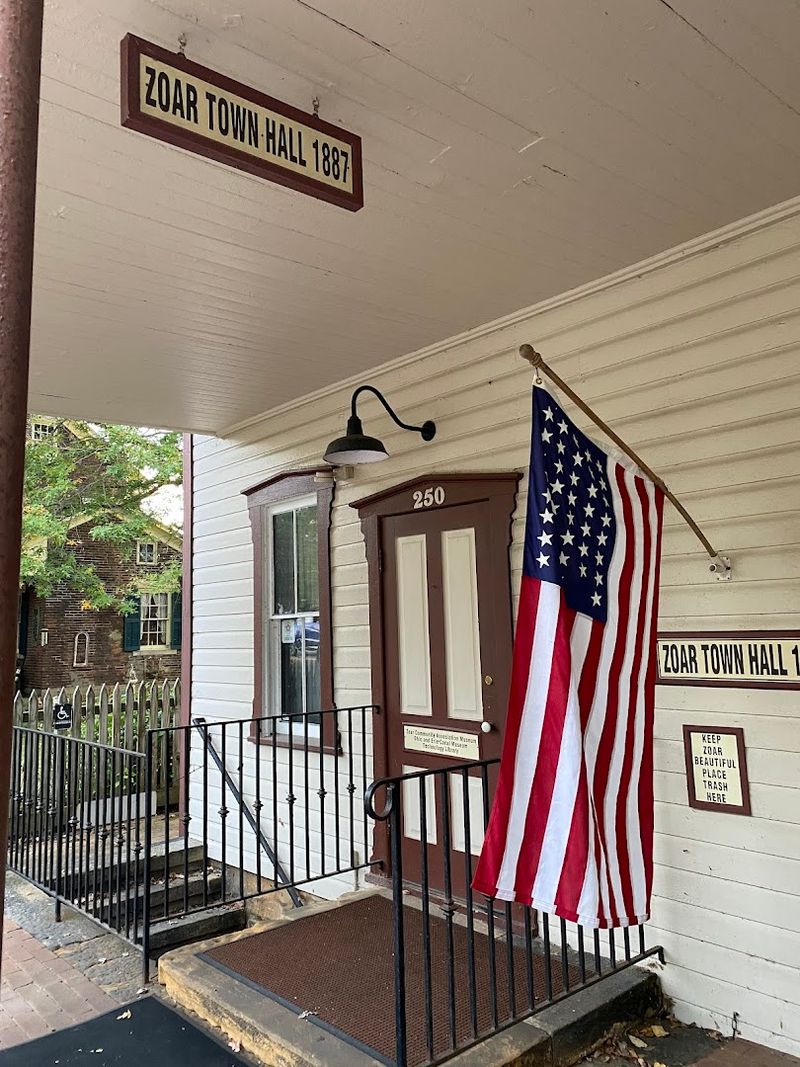
Reading a historical marker is one thing, but hearing a passionate guide explain what it felt like to live inside a 19th-century communal society is something else entirely. The guided tours at Historic Zoar Village are genuinely engaging, led by knowledgeable interpreters who know how to make the past feel immediate and relevant.
Guides walk visitors through the key buildings while sharing stories about daily routines, religious practices, community conflicts, and the eventual dissolution of the Zoarite society in 1898. Learning why a community that had thrived for generations ultimately voted to dissolve itself adds a layer of complexity and humanity to the experience that you would miss on a self-guided walk.
Tours are typically offered on weekends during the operating season, and group sizes tend to stay small enough that you can ask questions and have real conversations with your guide. If you are visiting with kids, the guided format helps keep younger travelers engaged and curious rather than restless.
Adults often leave with a new appreciation for how much courage and creativity it took to build and sustain a community like Zoar. Checking the Ohio History Connection website before your visit will help you plan around available tour times.
A Walkable, Quiet Village Atmosphere
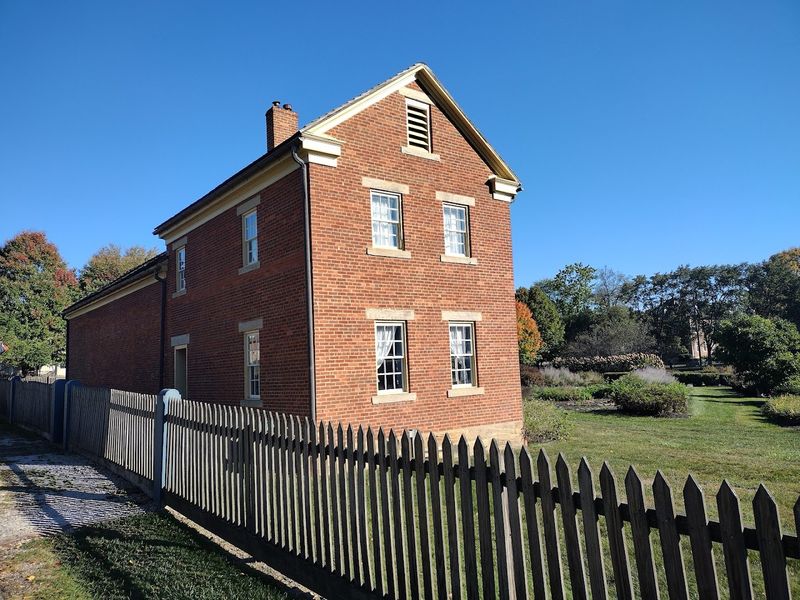
Some destinations feel exhausting before you even arrive, packed with crowds, noise, and constant stimulation. Zoar is the opposite.
The entire village is compact and pedestrian-friendly, designed in the 19th century for people moving on foot, and that original scale makes modern exploration feel effortless and unhurried.
Streets are quiet, shaded by mature trees, and lined with buildings that have stood for well over a century. There are no parking garages to navigate or long shuttle rides to endure.
You simply park, step out, and start walking at whatever pace suits your mood. For families, couples, or solo travelers who want a genuinely relaxing outing, that simplicity is a real luxury.
The unhurried atmosphere also encourages the kind of spontaneous discovery that makes day trips memorable. Maybe you linger longer than expected at the garden, or you find yourself sitting on a bench watching the afternoon light shift across an old stone wall.
Zoar does not rush you, and that is one of its greatest charms. Visitors consistently describe leaving the village feeling refreshed rather than tired, which is a rare and welcome outcome for any travel experience worth recommending to friends.
Seasonal Events and Living History Demonstrations
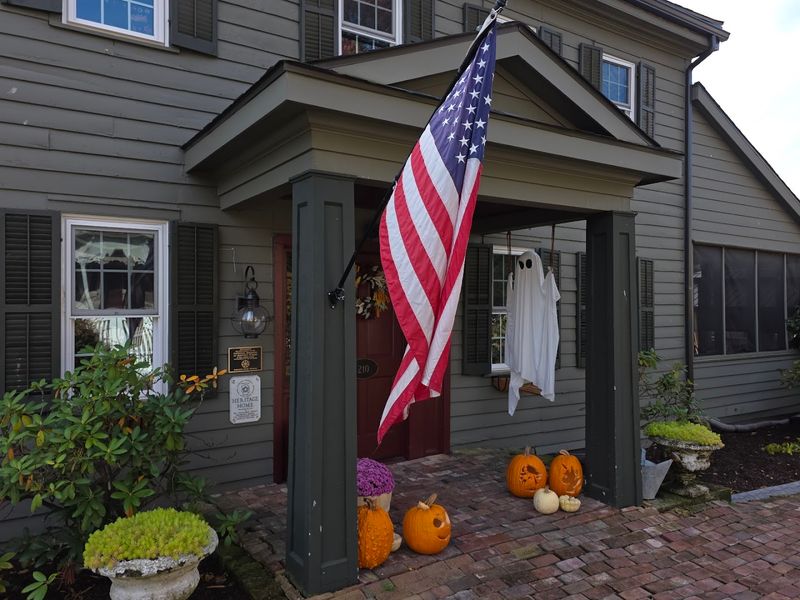
Zoar does not just preserve the past; it actively recreates it throughout the year. Seasonal events and living history demonstrations bring the rhythms of 19th-century communal life back to vivid reality, giving visitors a chance to see, hear, and sometimes even participate in traditional crafts and customs.
Heritage festivals celebrate the German roots of the Zoarite community with food, music, and craft demonstrations that reflect the settlers’ European traditions. Holiday events transform the village into something magical, with period-appropriate decorations and activities that feel genuinely festive rather than commercialized.
Craft demonstrations might include blacksmithing, weaving, candle making, or cooking over an open hearth, each one a fascinating window into how labor-intensive daily life once was.
Families with children especially enjoy these event days because kids can engage with history in a hands-on, interactive way rather than simply reading about it. Adults often find that watching a skilled demonstrator work with traditional tools sparks a new appreciation for the ingenuity and patience of earlier generations.
Checking the Ohio History Connection calendar before planning your trip is highly recommended, since event days offer a noticeably richer experience than standard visiting hours and are worth scheduling your day trip around.
The Zoar Store and Local Artisan Goods
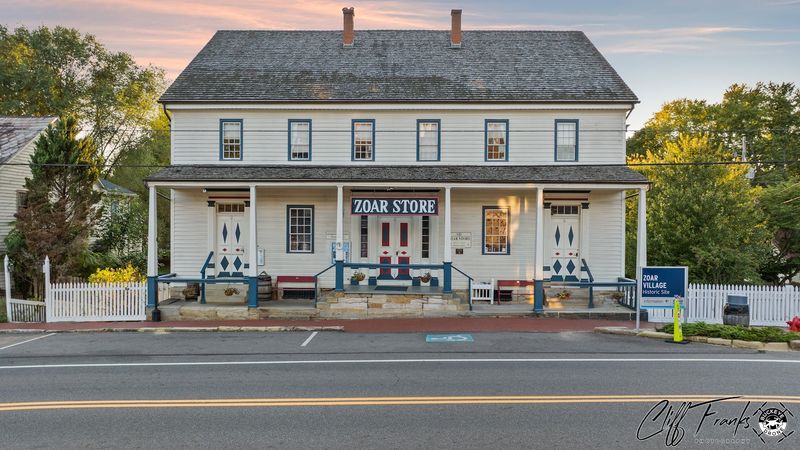
Not every souvenir shop is worth your time, but the Zoar Store is genuinely worth a browse. Stocked with handcrafted items, locally made products, and goods that reflect the self-sufficient spirit of the original Zoarite settlers, it offers a refreshing alternative to the mass-produced trinkets found at most tourist destinations.
You might find handmade pottery, traditional preserves, locally sourced honey, heritage seed packets, or artisan textiles that connect back to the kinds of goods the community once produced entirely on their own. Shopping here feels purposeful rather than impulsive, because each item carries a story or a connection to the village’s history and values.
Picking up something from the store is also a meaningful way to support the ongoing preservation efforts at the site. Revenue generated through the store and admission fees helps fund the maintenance and restoration of the historic buildings and gardens that make Zoar so special.
Even if you are not typically a gift shop person, taking a few minutes to look around is worthwhile. You may walk out with a small, carefully made item that reminds you of your visit long after you have returned home from this quietly remarkable corner of Ohio.
Scenic Surroundings Along the Tuscarawas River
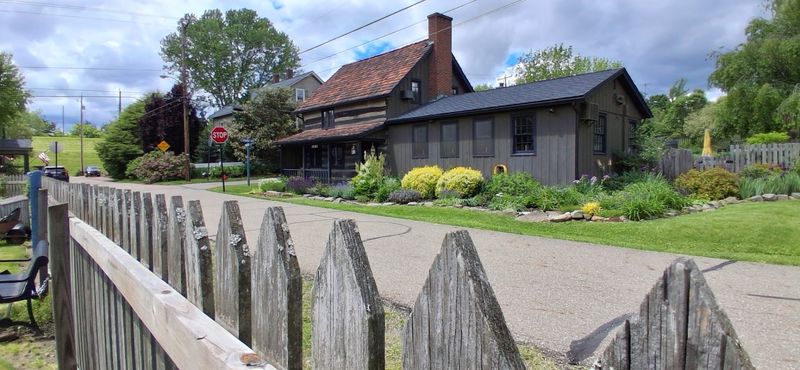
History aside, the natural setting around Zoar is simply beautiful. The village sits near the Tuscarawas River, and the surrounding landscape of gently rolling hills, open meadows, and riverside paths gives the entire area a tranquil, almost storybook quality that photographs love and visitors remember long after they leave.
A leisurely walk along the river offers a completely different kind of enjoyment than exploring the historic buildings. The water moves quietly, birds are plentiful, and the pace of the natural world feels like a perfect complement to the unhurried atmosphere of the village itself.
Photographers will find no shortage of compelling compositions, from reflections on the water’s surface to the way afternoon light filters through riverside trees.
The area also connects to the Towpath Trail, part of the larger Ohio and Erie Canalway, which adds an additional layer of historical interest for visitors curious about the canal era that once defined this region’s economy. Bringing a picnic and spending part of your afternoon outside near the river is one of the most enjoyable ways to round out a Zoar day trip.
Nature and history blend seamlessly here in a way that makes the whole experience feel complete and deeply satisfying.
Visitor Information and Tips for Planning Your Trip
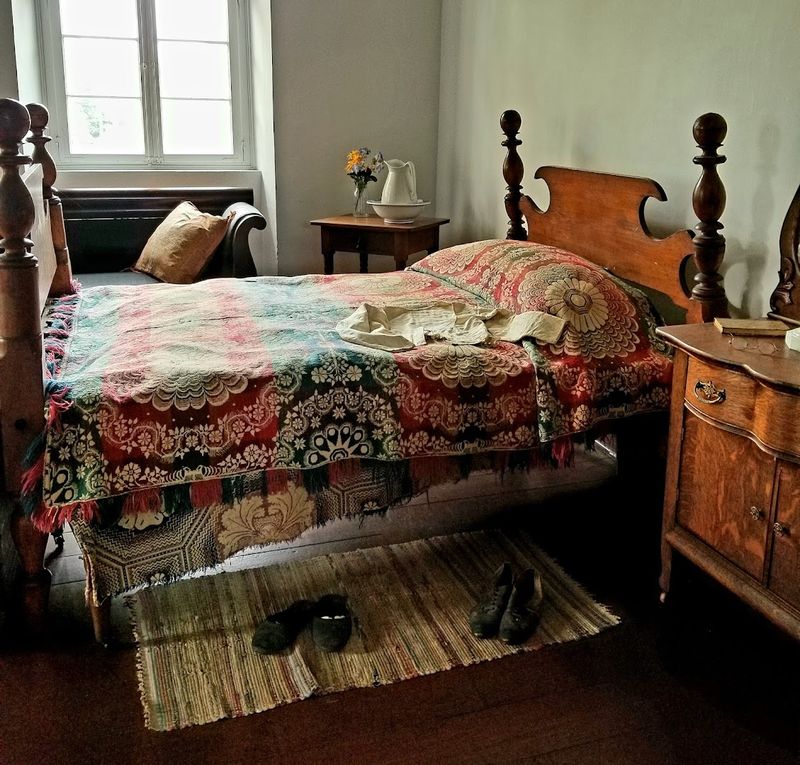
Planning ahead makes any day trip smoother, and a visit to Historic Zoar Village is no exception. The site operates seasonally, generally from spring through fall, with the busiest and most event-filled months running from May through October.
Spring and early fall tend to offer the most comfortable walking weather and the best access to both buildings and outdoor spaces.
Admission fees are reasonable, especially considering the number of buildings and programs included. Purchasing tickets through the Ohio History Connection website in advance can save time and help you catch guided tour slots before they fill up on popular weekends.
Wear comfortable, flat-soled shoes since the village paths include brick and gravel surfaces that can be uneven in spots.
Plan to spend at least one to two hours exploring, though many visitors happily linger longer once they settle into the village’s relaxed pace. Bringing a water bottle, a light snack, and a camera will keep your group comfortable and ready to enjoy everything the site offers.
Cell service can be spotty in the area, so downloading any maps or event schedules before you arrive is a smart move. Zoar rewards those who arrive curious and leave unhurried, so give yourself the gift of a full afternoon.