
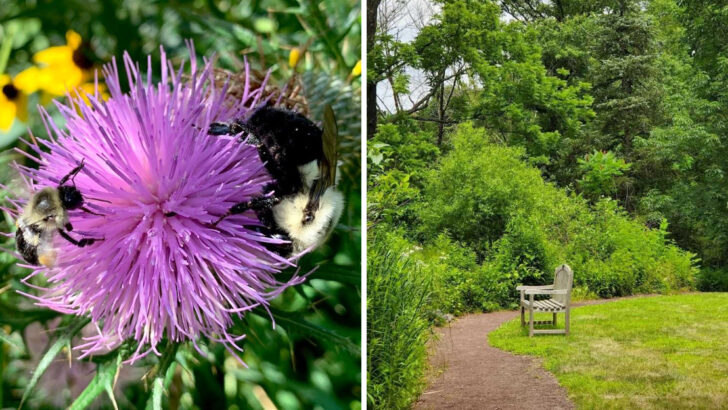
Tucked along the Delaware River in Bucks County, Pennsylvania, Bowman’s Hill Wildflower Preserve is one of the state’s most breathtaking natural escapes.
Spanning 134 acres, this stunning preserve is home to over 700 native plant species and miles of peaceful trails.
Whether you love wildflowers, birdwatching, or simply walking through beautiful scenery, this place has something truly special to offer.
Read on to discover what makes Bowman’s Hill a must-visit destination for nature lovers of all ages.
A Hidden Natural Gem in Bucks County
Some places feel like they were made just for you the moment you step inside. Bowman’s Hill Wildflower Preserve is exactly that kind of place.
Nestled along the banks of the Delaware River in Bucks County, Pennsylvania, this 134-acre botanical treasure offers a peaceful escape from the noise of everyday life.
Surrounded by native forests, meandering creek paths, and seasonal blooms, the preserve feels worlds away from the busy streets of nearby Philadelphia and New York City. Yet it remains easy to reach, making it a surprisingly accessible retreat for families, couples, and solo explorers alike.
What sets this preserve apart is its commitment to authenticity. Nothing here feels manicured or artificial.
Plants grow as they would in the wild, creating an immersive environment that feels genuinely alive. The air smells earthy and fresh, birds call from the treetops, and sunlight filters through the forest canopy in golden streams.
Visiting Bowman’s Hill is less like touring a garden and more like stepping into Pennsylvania’s natural past, untouched and beautifully preserved for generations to enjoy.
A Living Museum of Native Plants
Most people think of museums as buildings filled with artifacts behind glass. Bowman’s Hill Wildflower Preserve flips that idea completely on its head.
Accredited as an actual museum, the preserve dedicates its entire mission to living, breathing native plants rooted right in the Pennsylvania soil.
Over 700 species of native Pennsylvania plants call this preserve home. That number is staggering when you think about how many of those species have been lost elsewhere due to development and habitat destruction.
Walking the trails here, you are literally surrounded by living history, plants that have grown in this region for thousands of years.
The preserve carefully maintains natural habitats so each plant can thrive in the conditions it evolved to love. Woodland species grow under shady canopies, while sun-loving meadow plants stretch toward open skies.
Wetland plants cluster near ponds and streams. Every section of the preserve feels curated yet completely natural at the same time.
For plant lovers, botany students, or anyone curious about the natural world, this living museum offers an education you simply cannot get from a textbook or a traditional exhibit hall.
Miles of Scenic Trails Through Diverse Habitats
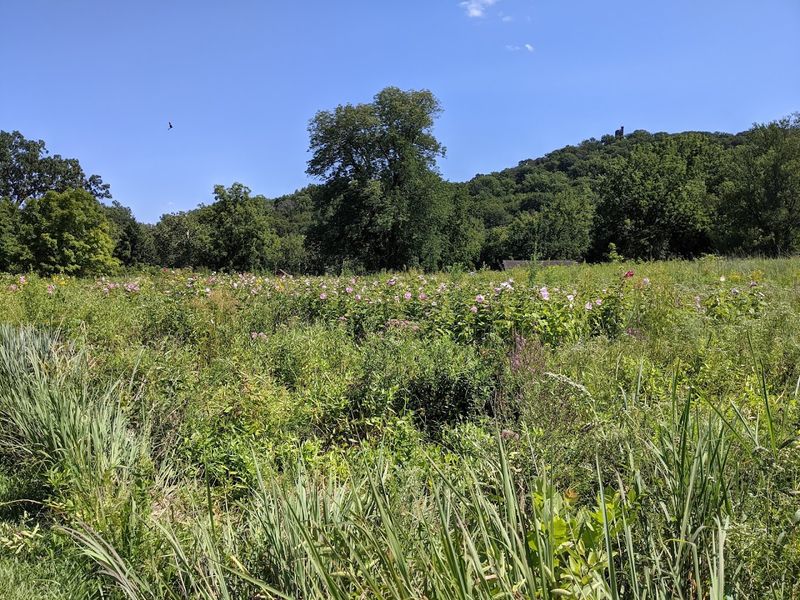
Roughly 4.5 to 5 miles of trails weave through Bowman’s Hill Wildflower Preserve, and no two stretches feel quite the same. One moment you might be walking through a dense woodland cathedral of towering oaks and tulip trees.
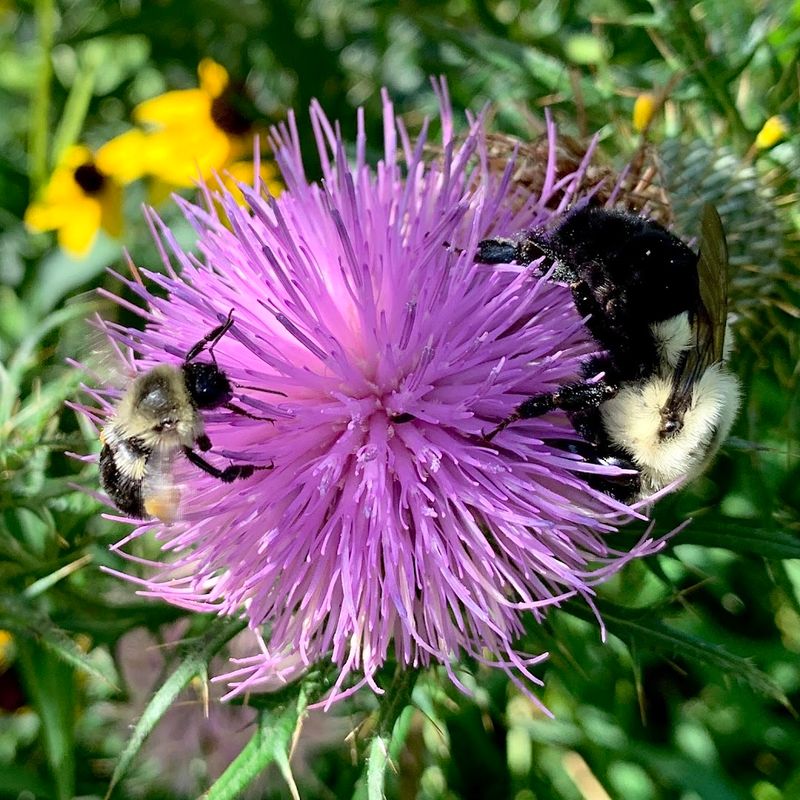
The next, you emerge into a sun-drenched meadow buzzing with pollinators.
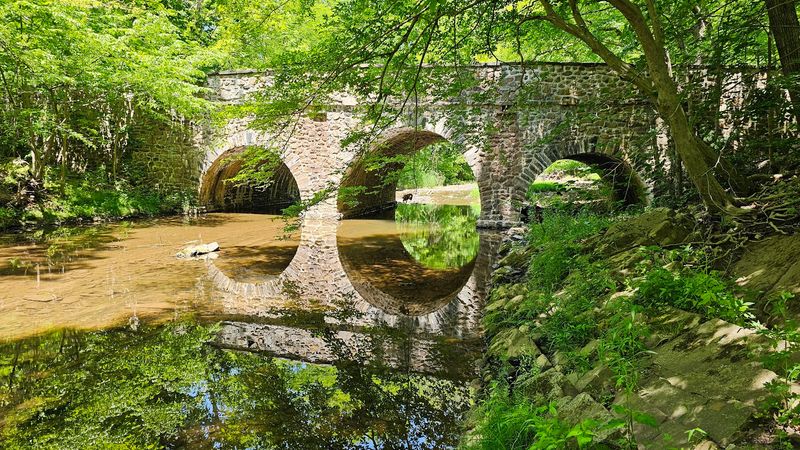
Pidcock Creek runs through part of the preserve, and the trails along its banks are especially lovely. The sound of moving water, the dappled light through streamside trees, and the abundance of moisture-loving plants make this section feel almost magical.
It is the kind of trail that makes you slow your pace without even realizing it.
Trail maps are available at the visitor center, which is a good idea to grab before heading out. The paths are well-marked but varied enough that having a guide helps you make the most of your visit.
Some trails connect seamlessly, allowing you to design a longer loop hike, while others are short and sweet for visitors with limited time. No matter your pace or energy level, the trail system at Bowman’s Hill delivers a genuinely rewarding outdoor experience every single time.
Wildflowers That Change with the Seasons
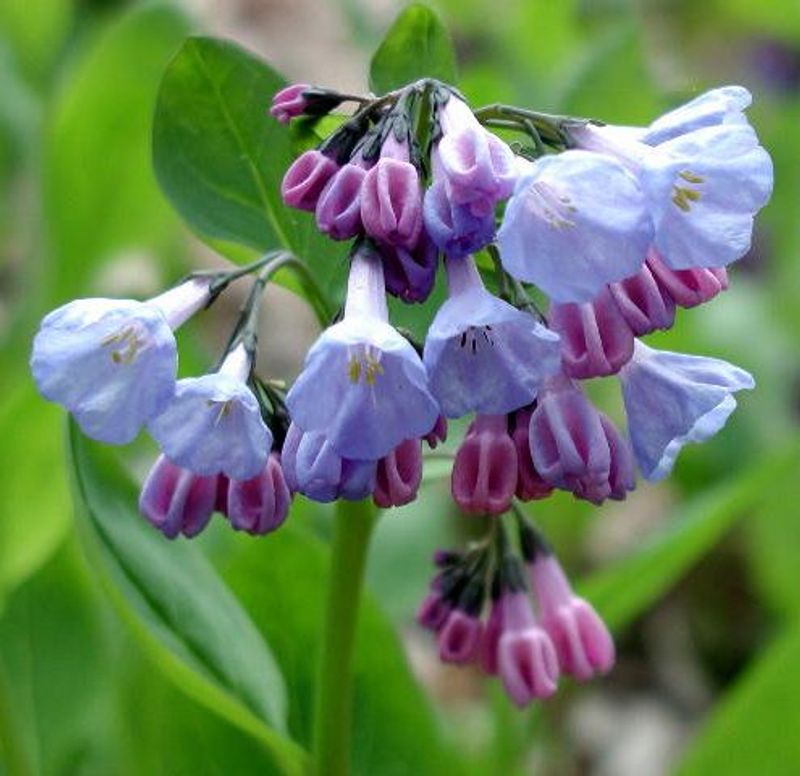
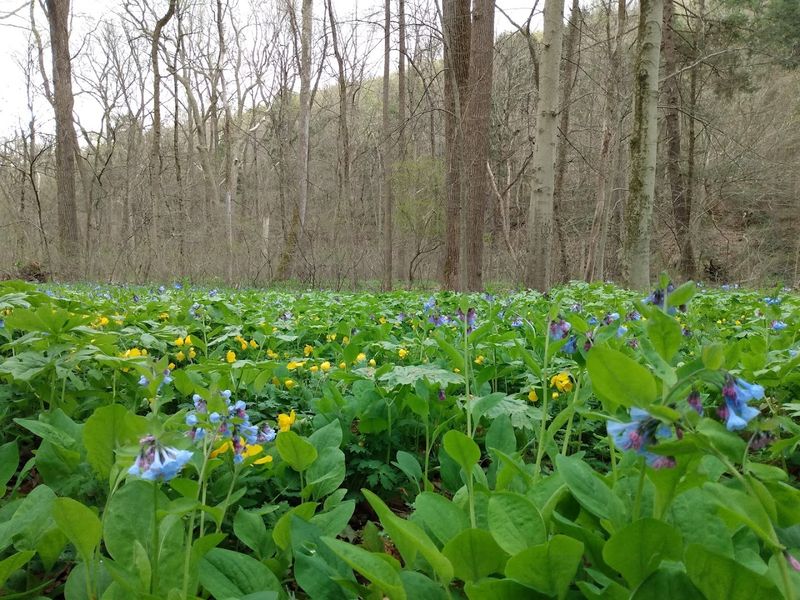
Spring gets all the glory at Bowman’s Hill, and honestly, it deserves it. From late March through May, the forest floor erupts in color.
Virginia bluebells create sweeping carpets of soft purple-blue, while white and red trillium pop up between mossy rocks and tree roots. It feels less like hiking and more like walking through a painting.
But here is the secret that regular visitors already know: every season brings something worth seeing. Summer fills the meadows with black-eyed Susans, coneflowers, and native grasses swaying in the breeze.
Fall transforms the entire preserve into a tapestry of amber, crimson, and gold. Even winter has its quiet charm, with interesting seed heads, frozen creek edges, and the occasional bird sighting.
Repeat visits throughout the year reveal an entirely different preserve each time. Many dedicated fans of Bowman’s Hill visit monthly, tracking which species are blooming and how the landscape shifts.
The preserve even offers bloom calendars and seasonal guides to help visitors plan their trips around peak flowering periods. If you can only visit once, choose spring.
But honestly, once is rarely enough once you experience what this place has to offer.
Designed for Both Casual Walkers and Nature Enthusiasts
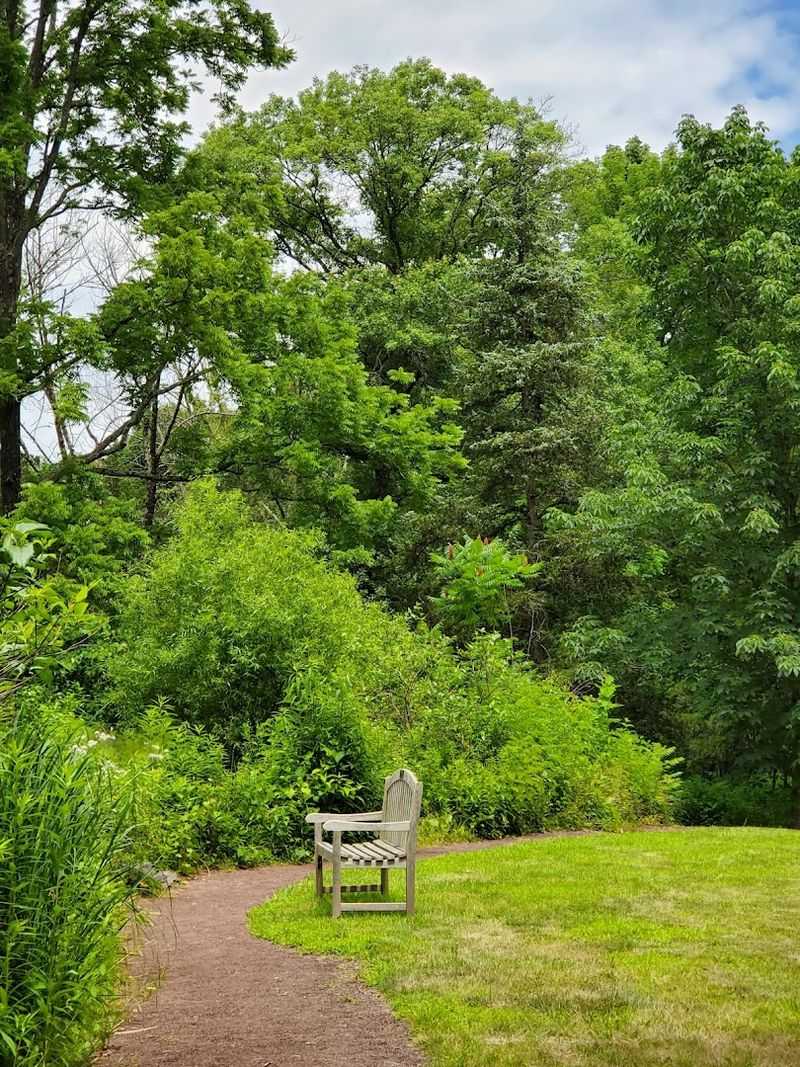
Not every nature preserve feels welcoming to everyone, but Bowman’s Hill genuinely does. The trail system was thoughtfully designed to accommodate a wide range of visitors, from grandparents on leisurely afternoon strolls to dedicated hikers looking for a more immersive outdoor workout.
Several of the paths are flat and easy to navigate, making them suitable for families with young children or visitors who prefer a relaxed pace. These gentle routes still pass through beautiful scenery and offer plenty of opportunities to stop and observe plants and wildlife up close.
You do not have to push yourself hard to have a meaningful experience here.
For those who want more of a physical challenge, some trails include uneven terrain, gentle inclines, and narrow woodland paths that require a bit more attention and sturdy footwear. Wearing comfortable walking shoes or light hiking boots is always a smart call, regardless of which trails you choose.
The preserve also has benches and rest spots scattered throughout, so you can pause, breathe in the fresh air, and simply appreciate where you are. Bowman’s Hill manages to be both accessible and adventurous, which is a balance that is surprisingly hard to find in nature destinations.
Rich History Rooted in Conservation
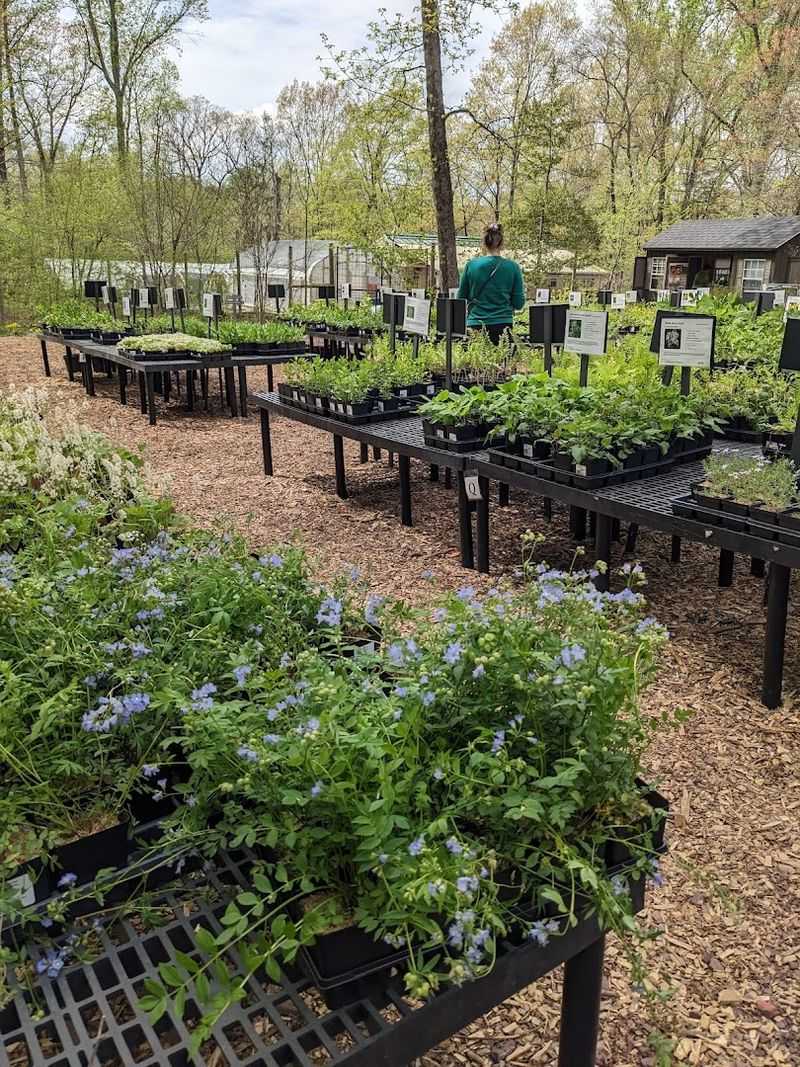
Founded in 1934, Bowman’s Hill Wildflower Preserve has nearly a century of conservation history behind it. That kind of longevity speaks to how deeply this place is valued, not just by visitors, but by the entire region.
It was established during a time when awareness of native plant loss was just beginning to grow, making it a true pioneer in the conservation movement.
The preserve sits within Washington Crossing Historic Park, which adds a remarkable layer of historical significance to every visit. This is the same land where General George Washington and his troops crossed the Delaware River on Christmas night in 1776, a turning point in the American Revolutionary War.
Standing in these woods, you are walking ground that carries centuries of American history.
That connection between natural history and human history makes Bowman’s Hill feel especially meaningful. Conservation was not always a popular cause, and the people who fought to protect this land in the 1930s were ahead of their time.
Today, the preserve honors that legacy by continuing to protect native species, educate the public, and demonstrate that wild places are worth saving. History and nature, it turns out, make extraordinary companions on the same trail.
Unique Ecosystems in One Place
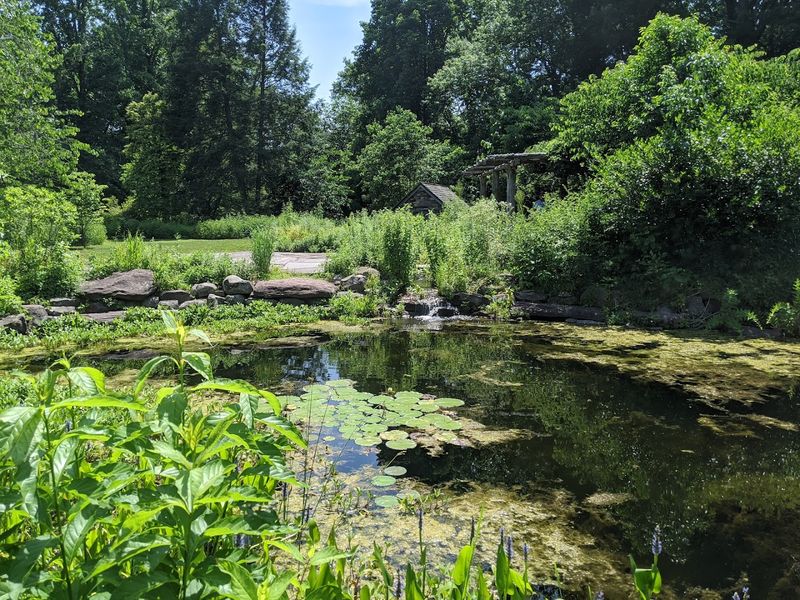
134 acres might not sound enormous, but Bowman’s Hill packs an incredible variety of ecosystems into that relatively compact space. Woodlands, open meadows, freshwater ponds, wetlands, and streamside habitats all exist within the preserve’s boundaries, each supporting its own distinct community of plants and animals.
This ecological diversity is part of what makes the preserve so endlessly interesting. A short walk can take you from a shady forest floor carpeted in ferns and wildflowers to a sunlit pond ringed with cattails and water-loving plants.
The transitions between habitats are gradual and natural, which is exactly how healthy ecosystems should look and function.
Each microhabitat also supports different wildlife. The ponds attract frogs, turtles, and dragonflies.
The meadows buzz with native bees and butterflies. The woodlands shelter songbirds, deer, and woodland salamanders.
Wetland areas filter water and provide breeding grounds for amphibians. Seeing all of these different environments coexisting in one walkable location gives visitors a genuinely broad picture of what Pennsylvania’s natural landscape looked like before so much of it was developed.
It is a rare and quietly powerful experience that sticks with you long after you leave.
A Haven for Wildlife and Birdwatching
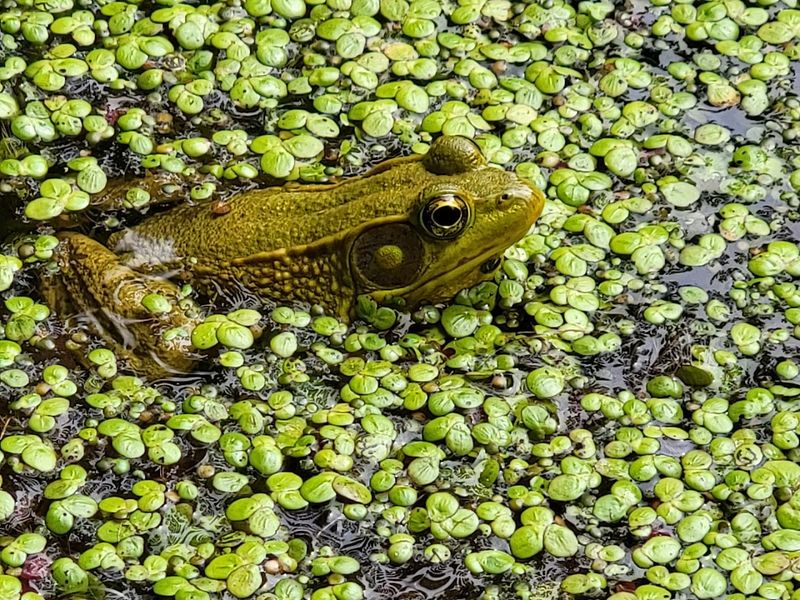
There is a simple truth about native plants: where they thrive, wildlife follows. Bowman’s Hill Wildflower Preserve has built its entire identity around native species, and the result is a naturally abundant wildlife habitat that feels almost effortlessly alive.
Birds, butterflies, bees, and small mammals are constant companions on the trails.
Birdwatchers especially love this place. The combination of diverse habitats, native berry-producing shrubs, and insect-rich meadows creates ideal conditions for a wide variety of bird species throughout the year.
Spring and fall migration seasons bring exciting visitors passing through, while resident species like woodpeckers, warblers, and thrushes can be spotted year-round. Bringing binoculars is always a rewarding choice.
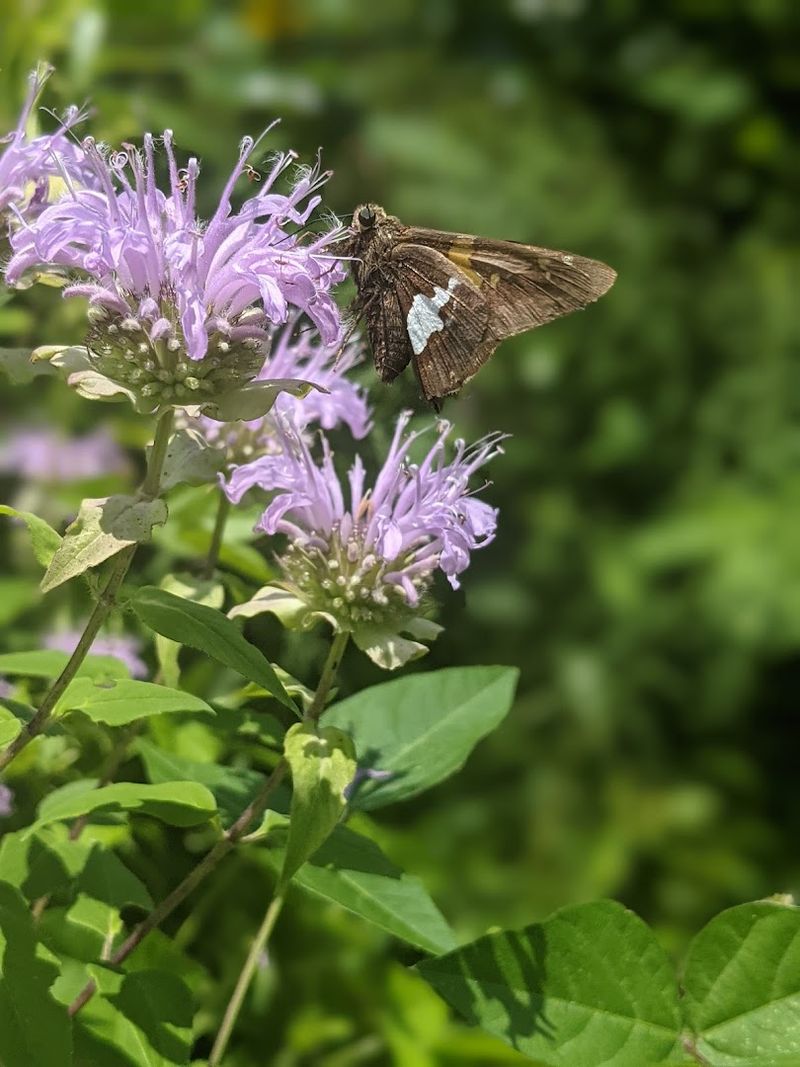
Pollinators are another highlight. Native bees, monarch butterflies, swallowtails, and hummingbird moths float through the meadows during warmer months, drawn by the abundance of native flowering plants.
Watching a monarch butterfly drift between coneflowers on a warm summer afternoon is one of those simple, unhurried joys that reminds you why protecting natural spaces matters so much. For anyone who appreciates wildlife observation, Bowman’s Hill delivers quiet, genuine encounters that feel far more rewarding than anything you might see in a zoo or botanical garden.
Educational Programs and Conservation Mission
Bowman’s Hill is not just a pretty place to walk. It is a working conservation and education hub that takes its mission seriously.
The preserve regularly hosts programs for school groups, families, and adult learners, covering topics from native plant identification to the ecological importance of pollinators and watershed health.
Guided walks led by knowledgeable naturalists are a fantastic way to deepen your understanding of what you are seeing. Instead of just admiring a flower, you learn its name, its role in the ecosystem, which insects depend on it, and why it matters.
That kind of context transforms a casual stroll into something genuinely eye-opening and memorable.
The preserve also offers workshops, seasonal events, and hands-on conservation activities that encourage visitors to take what they learn home with them. Many people leave inspired to plant native species in their own yards, creating small habitat patches that collectively make a real difference for local wildlife.
The ripple effect of that kind of education is enormous. By sharing knowledge freely and enthusiastically, Bowman’s Hill is building a community of people who care deeply about the natural world and are motivated to protect it, one backyard garden at a time.
Visitor Info and Tips for Planning Your Trip
Planning a visit to Bowman’s Hill Wildflower Preserve is straightforward, and knowing a few key details ahead of time makes the experience even better. The preserve is located at 1635 River Rd, New Hope, PA 18938, and can be reached by phone at +1 215-862-2924.
Hours are generally 9 AM to 5 PM, though the preserve closes on Tuesdays during the off-season, so checking ahead is smart.
Admission involves a small fee for non-members, but occasional free days are offered throughout the year. Membership is also available and pays off quickly if you plan to visit more than once.
Spring is widely considered the best time to visit for peak wildflower displays, but every season genuinely offers something different and worth seeing.
A few practical tips will help you get the most from your trip. Always pick up a trail map at the visitor center before heading out.
Wear comfortable walking shoes since some terrain is uneven. Bring water, a camera, and maybe a light jacket since the shaded forest trails can feel cooler than expected.
Combining your visit with a stop in nearby New Hope makes for a wonderfully full day out. There is great food, charming shops, and the Delaware River just minutes away.