This park feels like it slipped through the cracks of Tennessee and never bothered to be found again.
Pickett CCC Memorial State Park sits deep in the Upper Cumberland hills, far enough off the main roads that most travelers pass it without a second thought. No noise, no rush, just forest, stone, and silence that feels almost too complete.
Step inside and everything shifts. Sandstone arches lift out of the trees like old ruins.
Caves open in dark pockets along the trails. The air feels cooler, the world slower, like time loosened its grip for a while.
Then night falls and the sky takes over. Stars scatter so thick it feels unreal, like someone turned the brightness all the way up.
You leave thinking you’ve found a quiet little park. What you actually found sticks with you far longer than expected.
A Hidden Gem in Tennessee’s Upper Cumberland
Most travelers racing toward the Great Smoky Mountains never realize they’re passing one of Tennessee’s most remarkable natural treasures. Pickett CCC Memorial State Park sits quietly along the Kentucky border, far from interstate highways and tourist crowds.
Its remote location keeps visitor numbers low, which means you’ll often have entire trails to yourself.
The rugged terrain feels untouched compared to more developed state parks. Dense forests blanket the landscape, while sandstone formations create dramatic backdrops throughout the property.
Cell service gets spotty, and towns feel miles away—because they are.
But that isolation makes Pickett special. Without distractions, you can focus on nature’s details: bird calls echoing through canyons, creek water trickling over ancient rock, sunlight filtering through thick canopy.
The park rewards those willing to venture off the beaten path.
Getting here requires intention, not accident. Yet once you arrive, you understand why people return year after year to this quiet corner of Tennessee wilderness.
Built by the Civilian Conservation Corps
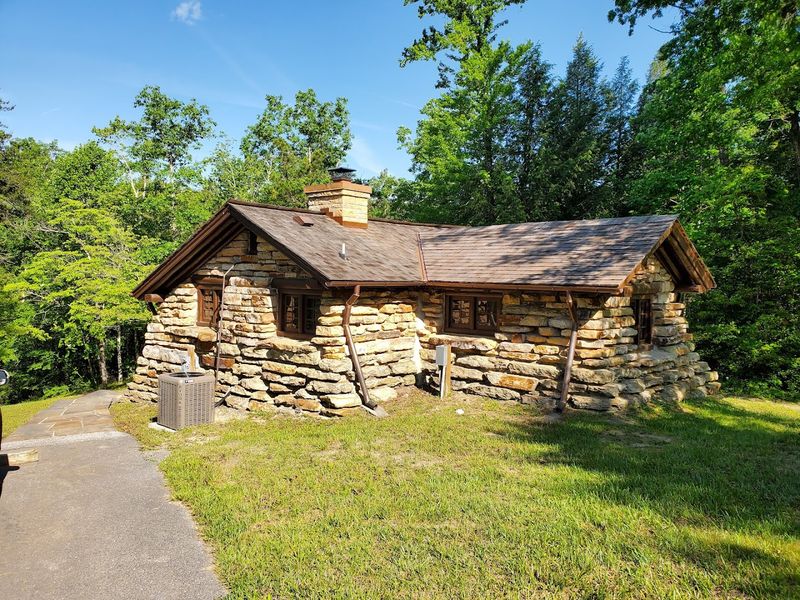
During the Great Depression, young men from the Civilian Conservation Corps transformed this wilderness into a functioning state park. Between 1933 and 1942, CCC workers hand-built cabins, carved roads through mountains, and constructed Arch Lake using basic tools and muscle power.
Their fingerprints remain visible everywhere you look.
The original log cabins still stand today, showcasing mortise-and-tenon joinery and stone chimneys crafted without modern machinery. Walking trails follow routes these workers cleared nearly a century ago.
Even the park’s stone bridges and picnic shelters demonstrate their attention to detail and durability.
Pickett serves as a living memorial to the CCC program, which employed over three million Americans during tough economic times. The young men who worked here gained valuable skills while preserving natural spaces for future generations.
Their legacy isn’t just historical—it’s functional.
Every rustic structure and well-maintained trail tells their story. The park honors their contribution by maintaining these features with the same care they originally received.
The Sandstone Wonders That Define the Landscape
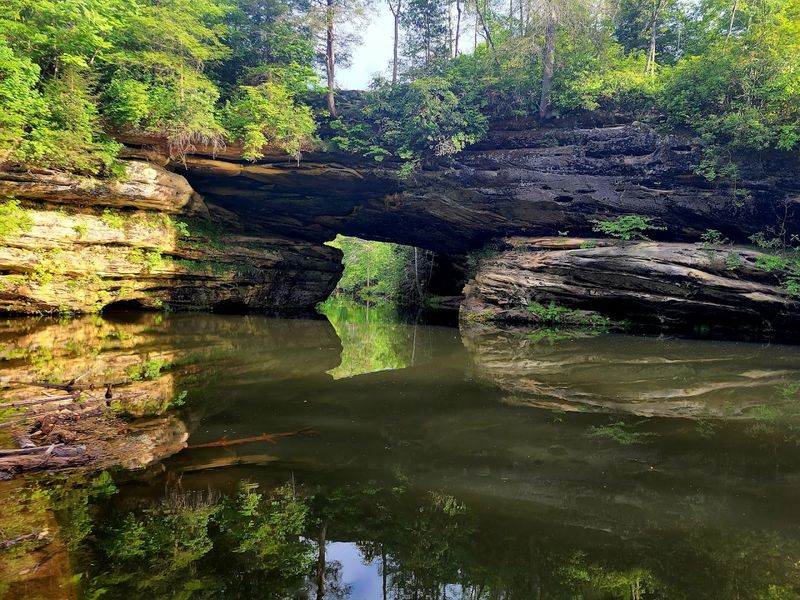
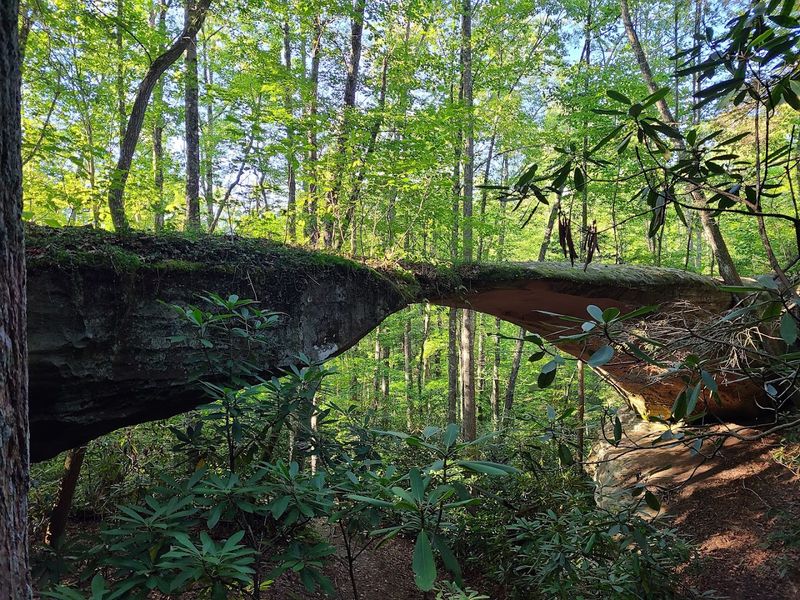
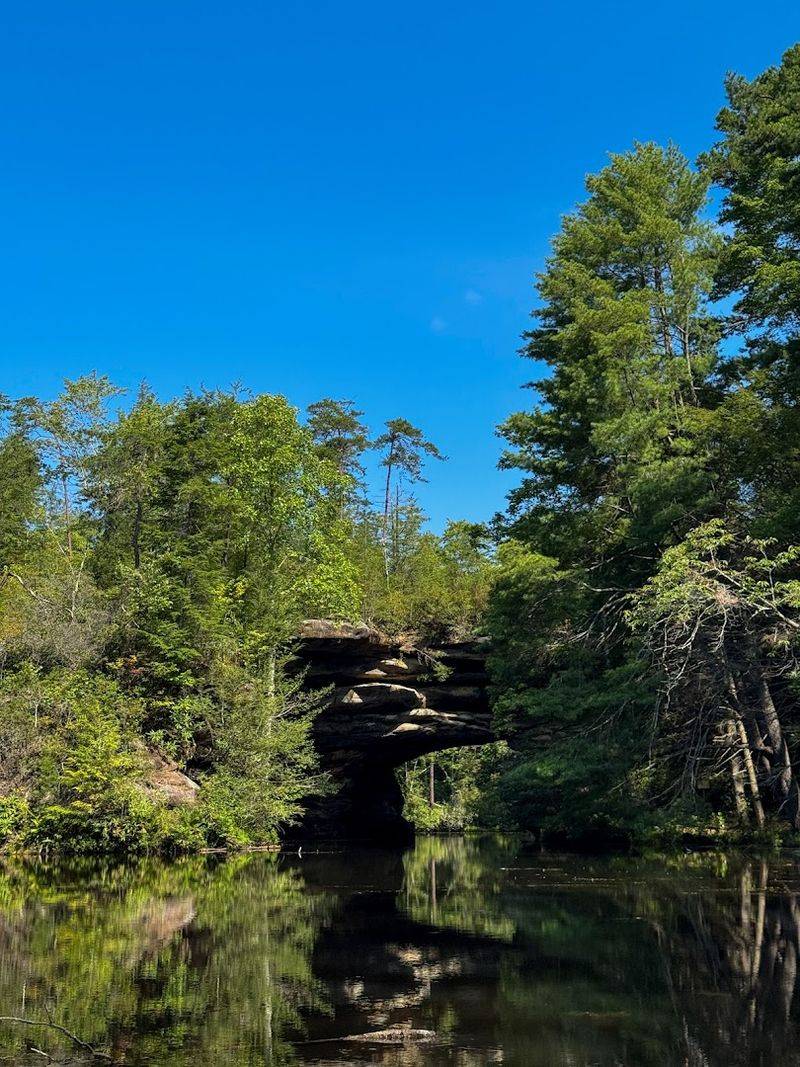
Millions of years of water and wind carved Pickett’s sandstone into something resembling a natural sculpture garden. Arches span forest floors like ancient doorways, while caves tunnel deep into cliffsides.
Rock shelters create overhangs large enough to host entire hiking groups during rainstorms.
The geology here belongs to the Cumberland Plateau, where erosion works slowly but dramatically. Softer rock layers wear away faster than harder ones, creating the dramatic arches and bridges that make this park famous.
Some formations tower three stories high, their surfaces rippled with patterns from prehistoric seas.
Walking among these structures feels like stepping back in time. Moss clings to shaded crevices, while ferns sprout from cracks in boulder-sized chunks.
The landscape constantly evolves, with tiny changes happening over centuries.
Photography enthusiasts find endless compositions here. Morning light filters through natural arches, creating perfect frames for forest scenes.
The prehistoric atmosphere makes every photo look like it belongs in a documentary about Earth’s ancient past.
Hiking Trails That Lead to Natural Bridges and Hidden Caves
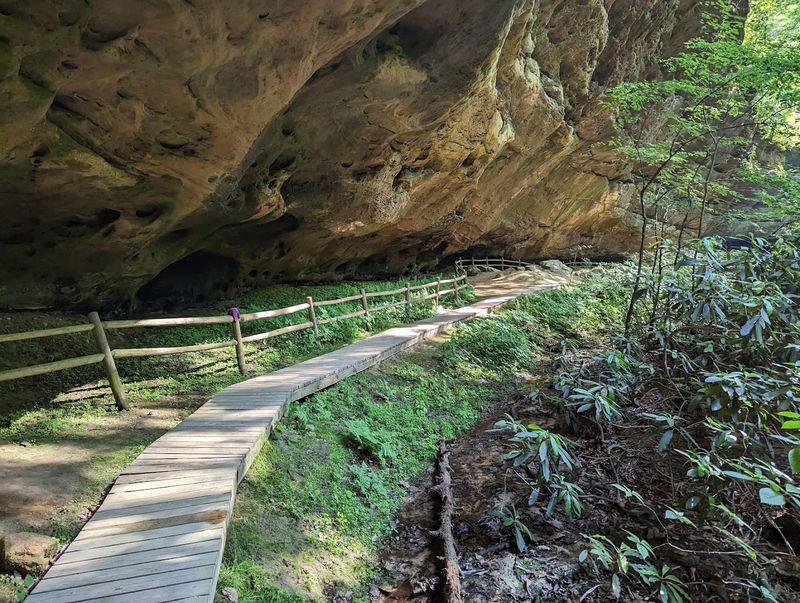
Hazard Cave Trail ranks among Tennessee’s most rewarding short hikes, packing dramatic scenery into just two miles. The path winds through hardwood forest before revealing a massive rock shelter where Native Americans once sought refuge.
Natural Bridge Trail delivers exactly what its name promises—a stunning stone arch spanning forty feet.
Each trail here combines forest beauty with geological payoffs. You’ll climb moderate grades through rhododendron thickets, then suddenly emerge at cliff edges offering panoramic views.
Trail markers are clear, but the terrain stays challenging enough to feel adventurous.
Indian Rockhouse Loop takes hikers past multiple shelters and overhangs in a single three-mile journey. Spring wildflowers carpet the forest floor, while fall transforms the canopy into brilliant gold and crimson.
Winter hiking reveals rock formations obscured by summer foliage.
Serious hikers can link multiple trails together for longer adventures. Casual walkers find plenty of shorter options that still showcase the park’s best features without demanding extreme fitness levels.
One of the Best Stargazing Spots in the Southeast
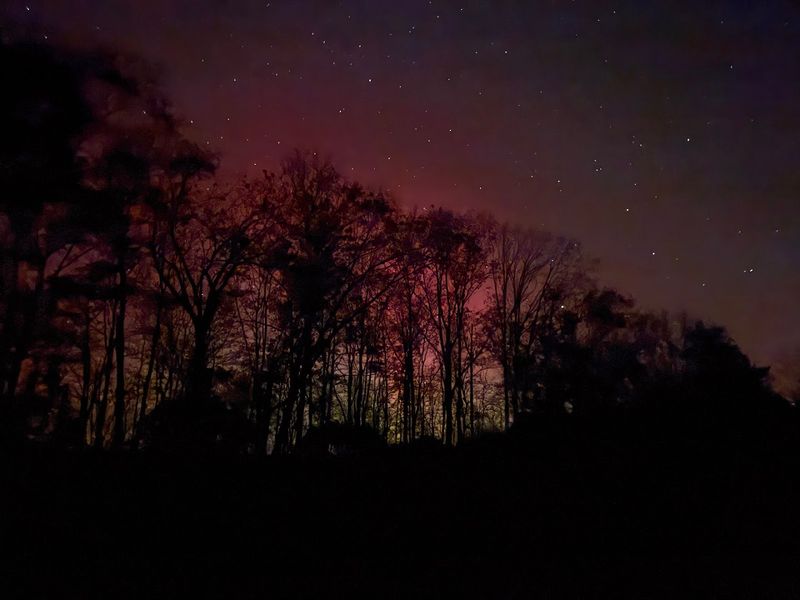
When darkness falls at Pickett, the sky transforms into something most Americans never see anymore. In 2018, the park earned Silver-tier designation from the International Dark Sky Association—Tennessee’s first park to receive this honor.
Light pollution from nearby towns barely registers here, allowing thousands of stars to shine clearly.
The Milky Way stretches overhead like a glowing river during summer months. Meteor showers become spectacular events, with shooting stars visible every few minutes during peak activity.
Planets appear bright enough to cast faint shadows.
Park rangers host astronomy programs during warmer months, setting up telescopes and teaching visitors to identify constellations. Even without expert guidance, the views astound anyone who looks up.
Your eyes need twenty minutes to fully adjust to darkness, but the wait proves worthwhile.
Photographers capture stunning astrophotography here without traveling to remote deserts. Bring a red flashlight to preserve night vision while moving between viewing spots.
Cold nights produce the clearest skies, so pack warm layers for extended stargazing sessions.
Arch Lake and Classic Outdoor Recreation
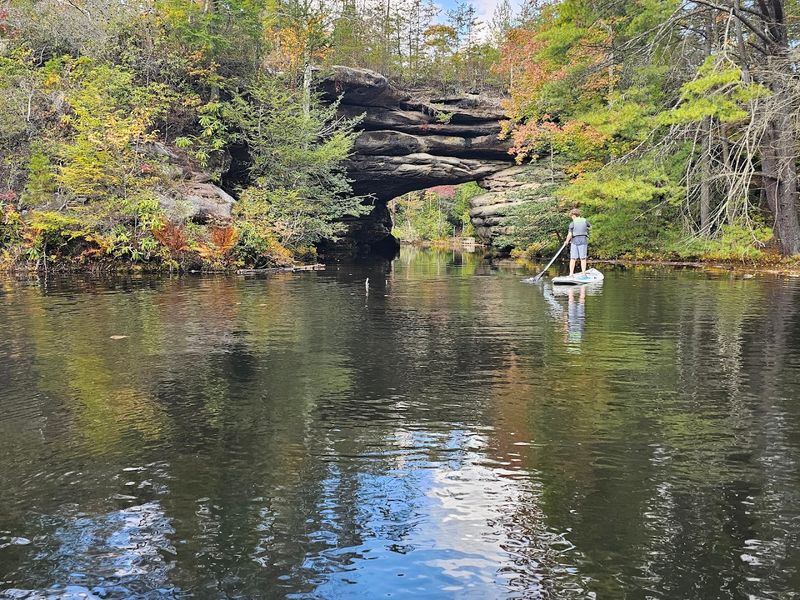
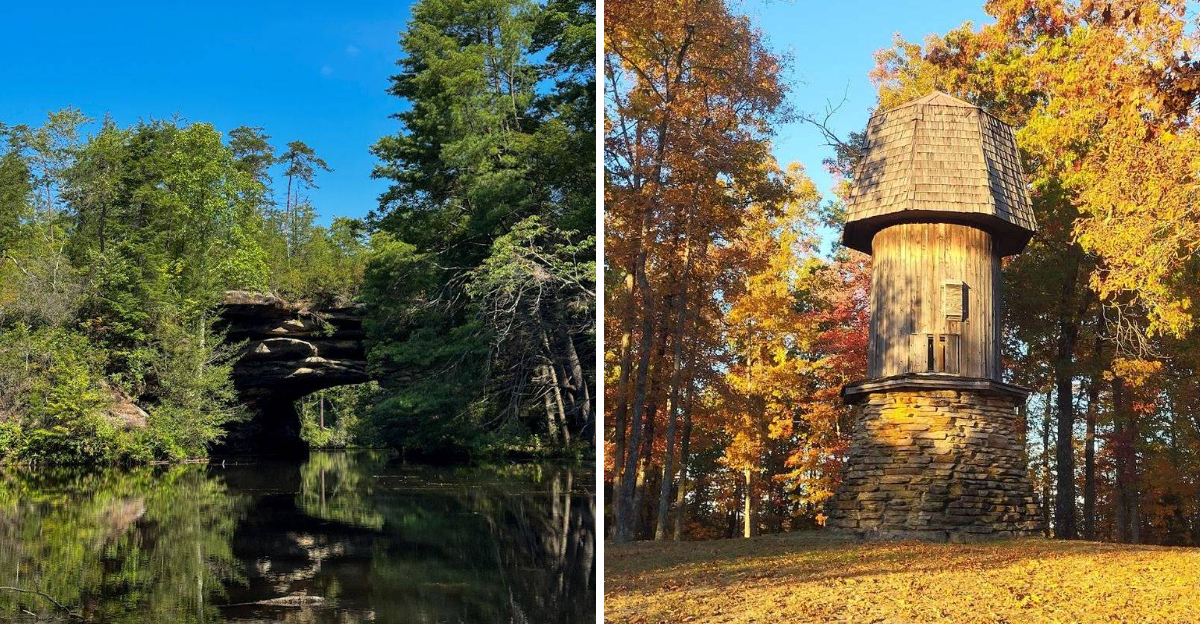
Arch Lake provides a peaceful contrast to the park’s rugged hiking terrain. This twelve-acre body of water was hand-dug by CCC workers in the 1930s, creating a serene spot perfect for low-key recreation.
The Tennessee Wildlife Resources Agency stocks it regularly with rainbow trout, making it popular among anglers year-round.
Canoes and paddle boats are available for rent during peak season, letting families explore the lake at a relaxed pace. The water stays calm most days, ideal for beginners or young children learning to paddle.
A sandy swimming beach operates during summer months, though the water stays cool even in July.
Fishing regulations are posted clearly at the lake, with catch limits designed to maintain healthy populations. Early morning anglers often have the best luck, when mist still hovers above the water’s surface.
Small bass and bluegill supplement the trout population.
The lake area includes picnic tables and grills scattered along the shoreline, making it easy to spend an entire afternoon here without venturing onto trails.
Rustic Cabins and Camping Under the Trees
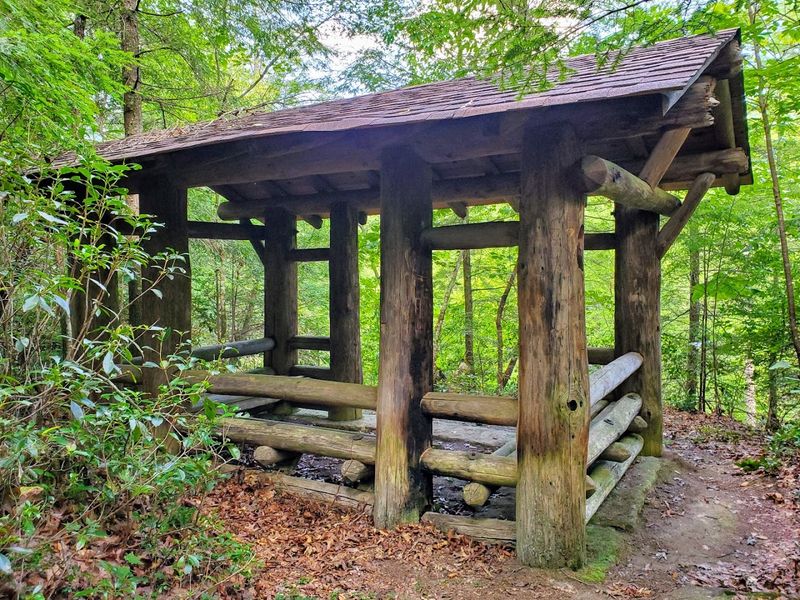
Staying overnight at Pickett changes the entire experience. The park offers original CCC-era cabins that balance historic charm with basic modern conveniences like electricity and indoor plumbing.
Stone fireplaces, wood-paneled walls, and handcrafted furniture transport guests back to the 1930s. These cabins book months in advance, especially during fall color season.
For campers preferring life under canvas, developed campsites nestle throughout the forest. Electric hookups accommodate RVs, while tent sites offer more primitive experiences.
Campground bathhouses provide hot showers, and each site includes a picnic table and fire ring.
Backcountry camping is allowed in designated areas for those seeking solitude. Watching sunrise from your campsite, hearing owls hunt at night, or seeing deer wander past at dawn—these moments only happen when you sleep here.
Morning mist creates ethereal scenes through the forest.
Cabin reservations open six months ahead and fill quickly for weekends. Campsites offer more flexibility but still warrant advance booking during peak seasons.
Winter stays provide rare opportunities for solitude.
Why It’s So Easy to Miss—but Impossible to Forget
No billboards advertise Pickett along major highways. GPS sometimes struggles with directions once you leave main roads.
The park doesn’t have grand entrance gates or visitor centers packed with interactive exhibits. Everything about its presentation whispers rather than shouts.
But that understated quality creates memorable experiences. You’ll hike trails without encountering crowds fighting for selfie spots.
Overlooks let you sit peacefully without someone rushing you along. The dark skies reveal stars most people only see in photographs.
Contrast this with Tennessee’s busier destinations where parking lots overflow and trails feel like congested sidewalks. Pickett offers something increasingly rare: genuine wilderness solitude within a developed park system.
You can actually hear yourself think here.
The park sticks in memory precisely because it resists modern tourism trends. No commercialization dulls its edges.
No crowds dilute its atmosphere. Visitors leave feeling like they discovered something special, not just visited another attraction.
That sense of personal discovery makes the experience deeply satisfying.
What to Know Before You Go
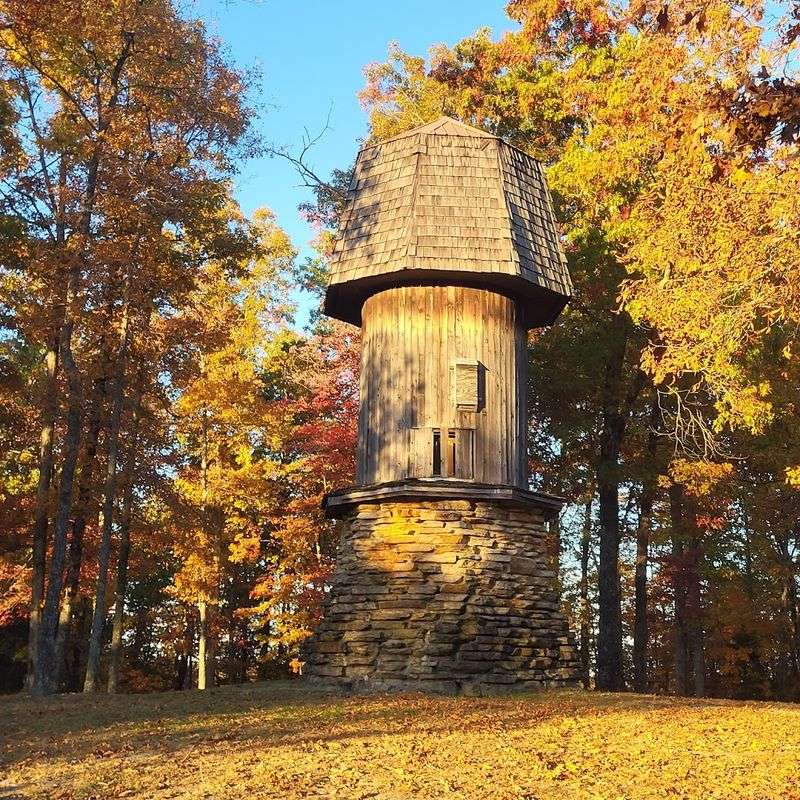
Timing matters at Pickett. Spring through fall offers the best weather, with wildflowers peaking in April and leaf colors stunning in October.
Summer brings heat and humidity but also longer days for hiking. Winter stays quiet, though ice can close trails temporarily.
Check trail conditions before visiting, especially after storms. Heavy rain sometimes makes paths muddy or closes them entirely for safety reasons.
The park’s Facebook page or phone line provides current updates. Cell service is unreliable inside the park, so download maps beforehand.
Pack more water than seems necessary—Tennessee humidity drains you quickly. Flashlights become essential for nighttime star programs or glow worm viewing.
Bug spray helps during warm months when mosquitoes emerge at dusk. Sturdy hiking boots with ankle support prevent injuries on rocky trails.
Reserve cabins well ahead if staying overnight. Campsites require less planning but still book up on holiday weekends.
Gas stations and grocery stores are scarce nearby, so fill up and stock up before arriving.
The nearest town offers limited services.