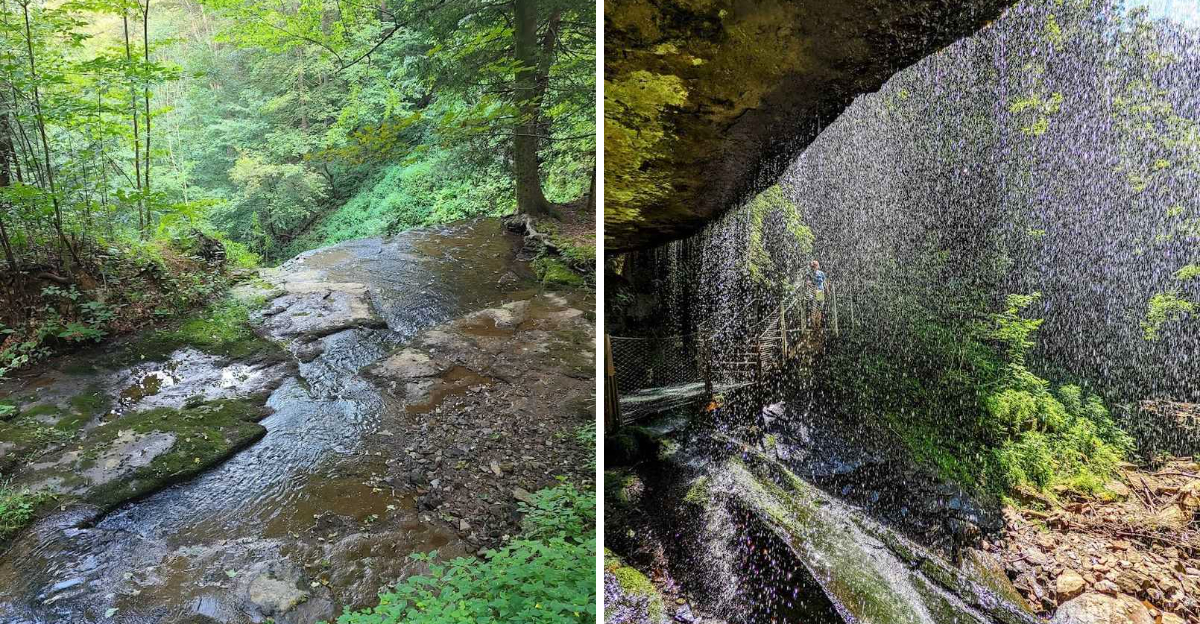
Some places feel bigger than their size, and Buttermilk Falls is one of those rare little escapes.
Hidden inside a 48-acre natural area in Western Pennsylvania, this waterfall rewards you almost immediately with forest quiet, layered rock, and the sound of rushing water.
You do not need a long hike or elaborate plan to enjoy it, which makes the experience feel even more surprising.
If you love scenic spots that blend easy access, natural beauty, and a touch of history, this tucked-away cascade belongs on your list.
A Hidden Gem in Western Pennsylvania
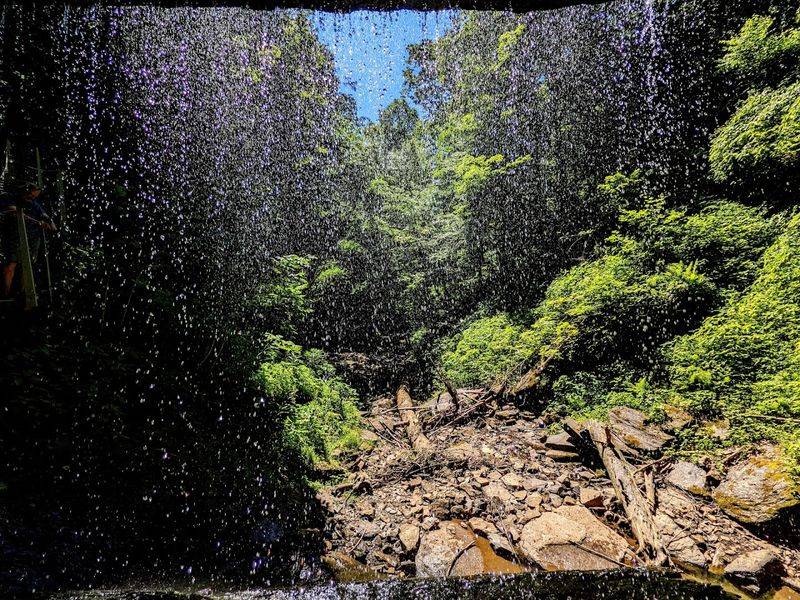
Buttermilk Falls has the kind of quiet presence that makes you feel like you have stumbled onto a local secret. It sits inside a 48-acre natural area in Western Pennsylvania, yet the setting feels much larger once you step beneath the trees.
The preserve quickly softens the outside world, replacing road noise with birdsong, rustling leaves, and the steady pull of falling water.
What makes this place especially appealing is how unassuming it feels at first. You are not driving into a sprawling park with big signs, crowds, and a long list of attractions.
Instead, you find a compact natural space that focuses your attention on one beautiful reward, a waterfall tucked into a leafy ravine.
That sense of discovery is part of the charm. The area feels personal, approachable, and refreshingly simple, which makes it ideal when you want nature without an all-day commitment.
If you enjoy places that offer beauty without demanding much from you, this small preserve delivers a surprisingly memorable experience.
The 40-Foot Waterfall as the Main Attraction
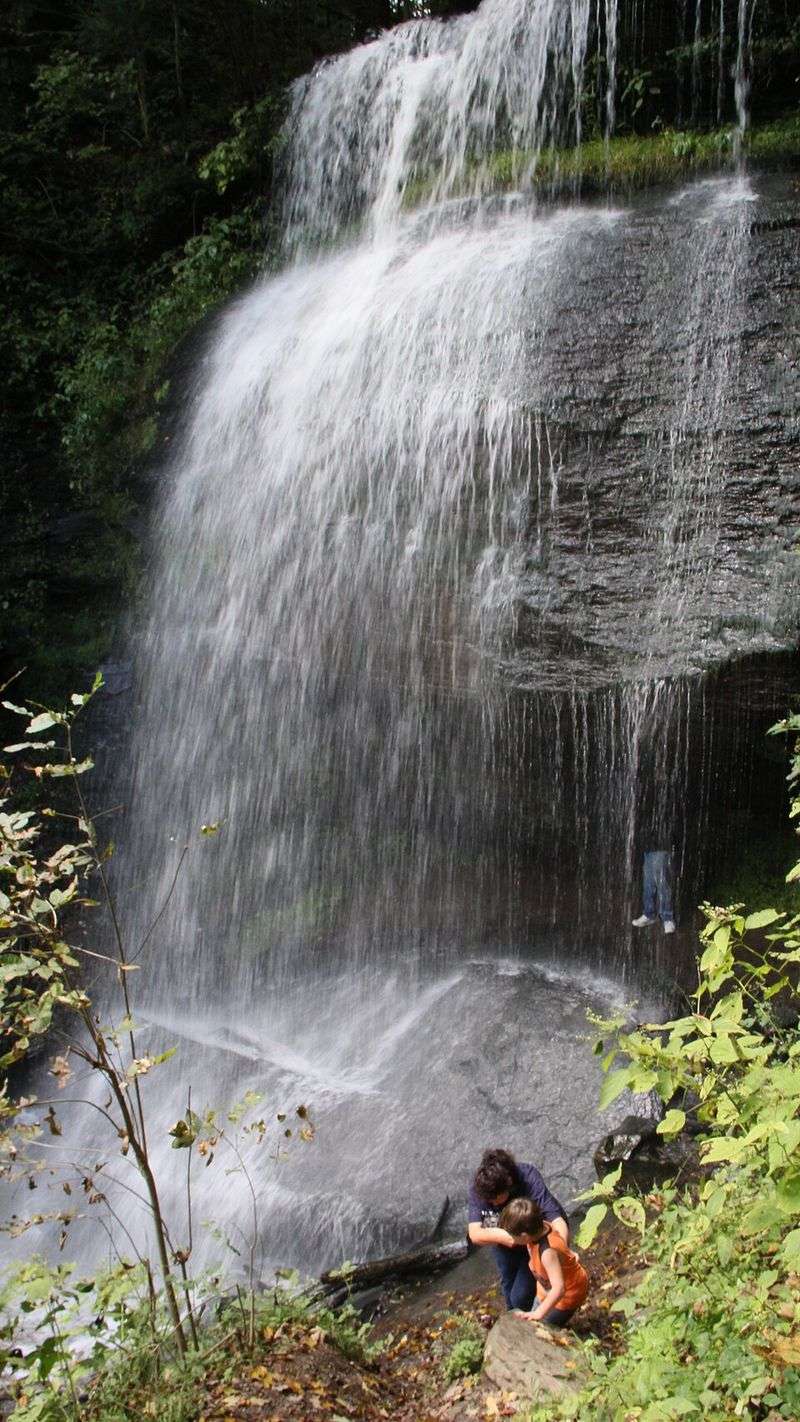
The main reason to visit Buttermilk Falls is, of course, the waterfall itself. Dropping roughly 40 feet over layered rock ledges, the cascade spreads into a broad, curtain-like flow that looks graceful from nearly every angle.
It is not the tallest waterfall in Pennsylvania, but its shape, setting, and easy viewing access make it feel wonderfully complete.
After rainfall, the falls can become especially dramatic. Water fans across the rock face, splashes into the stream below, and fills the little hollow with cool mist and constant motion.
During drier stretches, the flow may be gentler, but the ledges, textures, and surrounding greenery still create a photogenic scene.
You can pause nearby and take in the details slowly. The rocks show the patient work of water over time, while the forest frames the cascade like a natural amphitheater.
For such a short walk, the visual payoff feels generous, and that is why many visitors remember this waterfall long after leaving.
A Natural Area Managed for Preservation
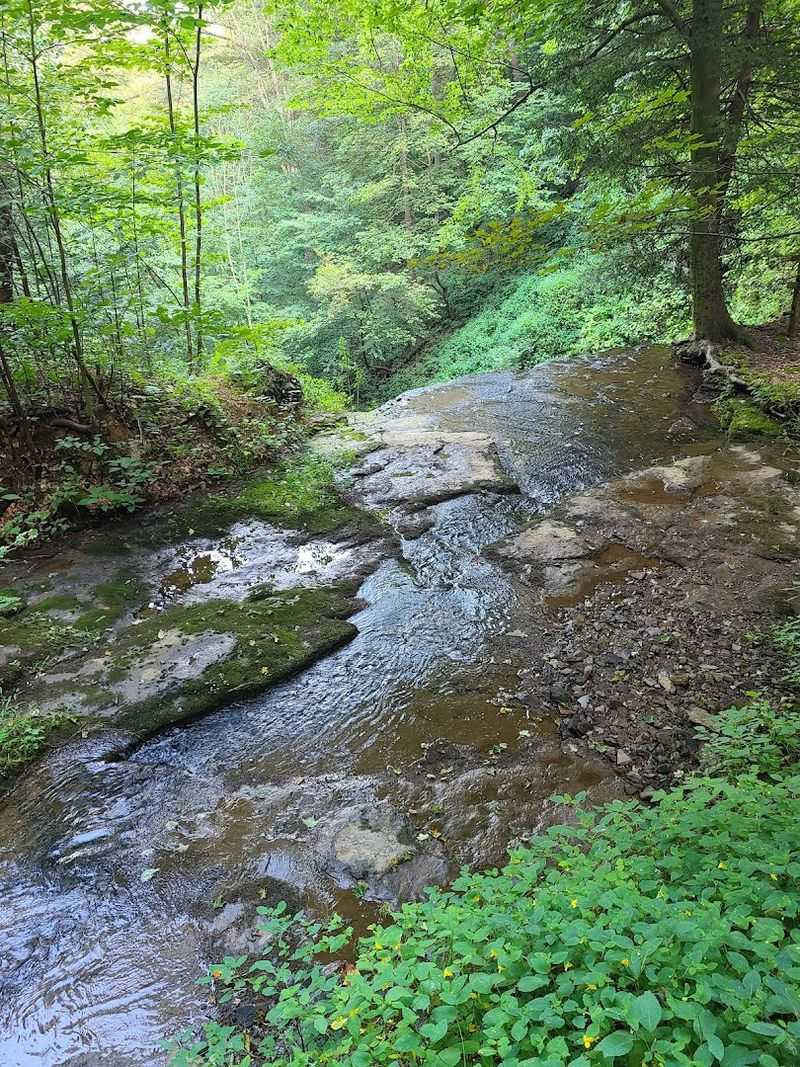
One of the reasons Buttermilk Falls remains so appealing is that it is managed with preservation in mind. The Western Pennsylvania Conservancy protects the natural area, helping maintain its native plants, woodland character, and ecological health.
That stewardship matters, especially in a small preserve where heavy use could quickly change the feel of the place.
As you explore, you can sense that the site is meant to be enjoyed gently. The trail is simple, the surroundings are natural, and the focus stays on the forest, stream, waterfall, and historic traces nearby.
There is not a lot of development competing for attention, which keeps the experience grounded and peaceful.
Visiting a protected place also comes with a bit of responsibility. Staying on marked paths, packing out trash, and avoiding damage to plants or rocks helps keep the falls beautiful for the next person.
When you treat the area with care, you become part of the quiet work that lets places like this endure.
Short Trails With Big Scenic Payoff
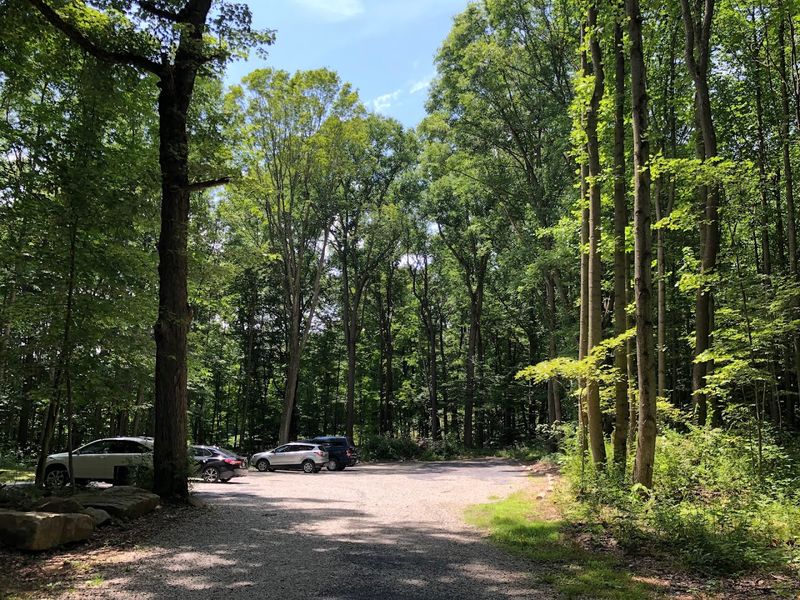
You do not need to be an experienced hiker to enjoy Buttermilk Falls. One of its best features is the short trail from the parking area to the waterfall, which makes the destination approachable for many visitors.
In just a brief walk, you move from the edge of the preserve into a shaded pocket of forest that feels surprisingly immersive.
The trail proves that a hike does not have to be long to be satisfying. Every step adds to the anticipation, with trees overhead, textured rocks along the way, and the sound of water growing stronger as you approach.
Before long, the waterfall appears, and the payoff feels much bigger than the effort required.
This makes the area perfect when you want a nature break without planning a full-day outing. Families, casual walkers, photographers, and road trippers can all appreciate the quick access.
Just take your time, watch your footing, and let the short walk become part of the experience rather than simply a route to the falls.
The Historic Gristmill Ruins
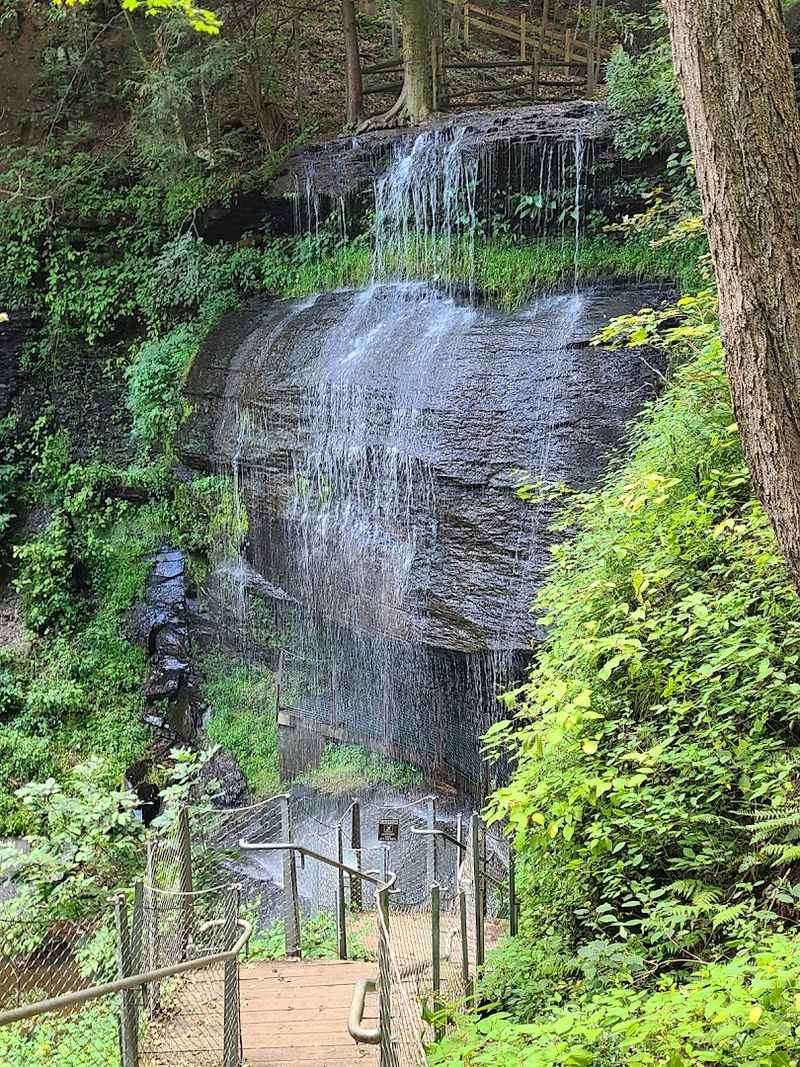
Buttermilk Falls is not only a pretty natural stop, because the area also carries traces of local history. Near the waterfall, you can spot remnants of an old gristmill that once used the power of moving water.
These ruins give the visit an added layer, reminding you that this peaceful forest setting was once tied to daily work and industry.
In the 19th century, small mills like this were essential to rural communities. Waterways powered machinery, grain was processed nearby, and the landscape served practical needs long before it became a quiet destination for walkers and photographers.
Seeing those remnants beside the cascade creates an interesting contrast between past labor and present-day calm.
The ruins are worth noticing, but they should be treated carefully. Old stone, foundations, and historic remains can be fragile, especially in a damp forest environment.
If you pause to imagine the mill in operation while keeping a respectful distance, you will leave with a richer sense of how nature and history overlap here.
A Peaceful Forest Setting
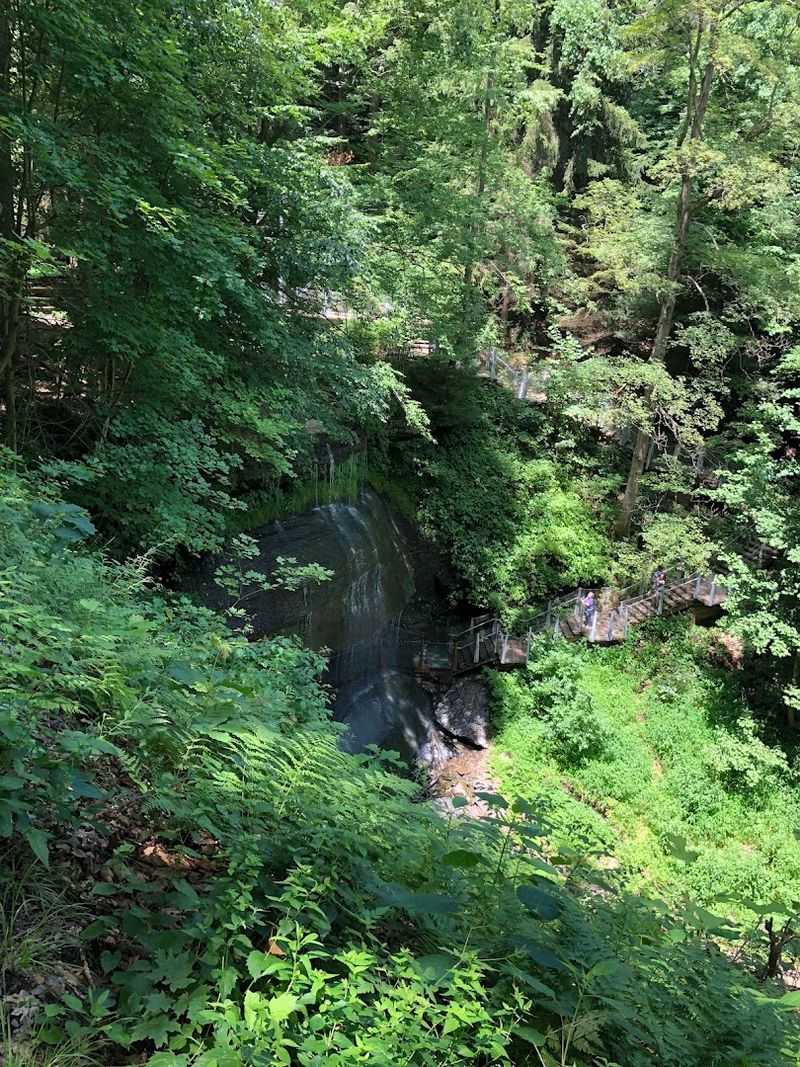
The waterfall may be the centerpiece, but the forest around Buttermilk Falls is what makes the whole place feel restorative. Towering hardwoods shade the trail, moss clings to rocks, and the stream slips through the hollow with an easy rhythm.
You get the feeling of stepping into a small sanctuary where the pace naturally slows.
This peaceful setting is especially noticeable if you arrive during a quieter part of the day. The leaves filter sunlight across the path, the air feels cooler near the water, and the sound of the falls fills in every silence.
Even a short visit can feel like a reset when you let yourself stop and listen.
The forest also changes the way you experience the cascade. Instead of standing before an isolated roadside attraction, you encounter the falls as part of a living woodland scene.
The rocks, trees, stream, and wildlife all contribute to the mood, making Buttermilk Falls feel intimate, balanced, and beautifully removed from everyday distraction.
Seasonal Beauty Throughout the Year
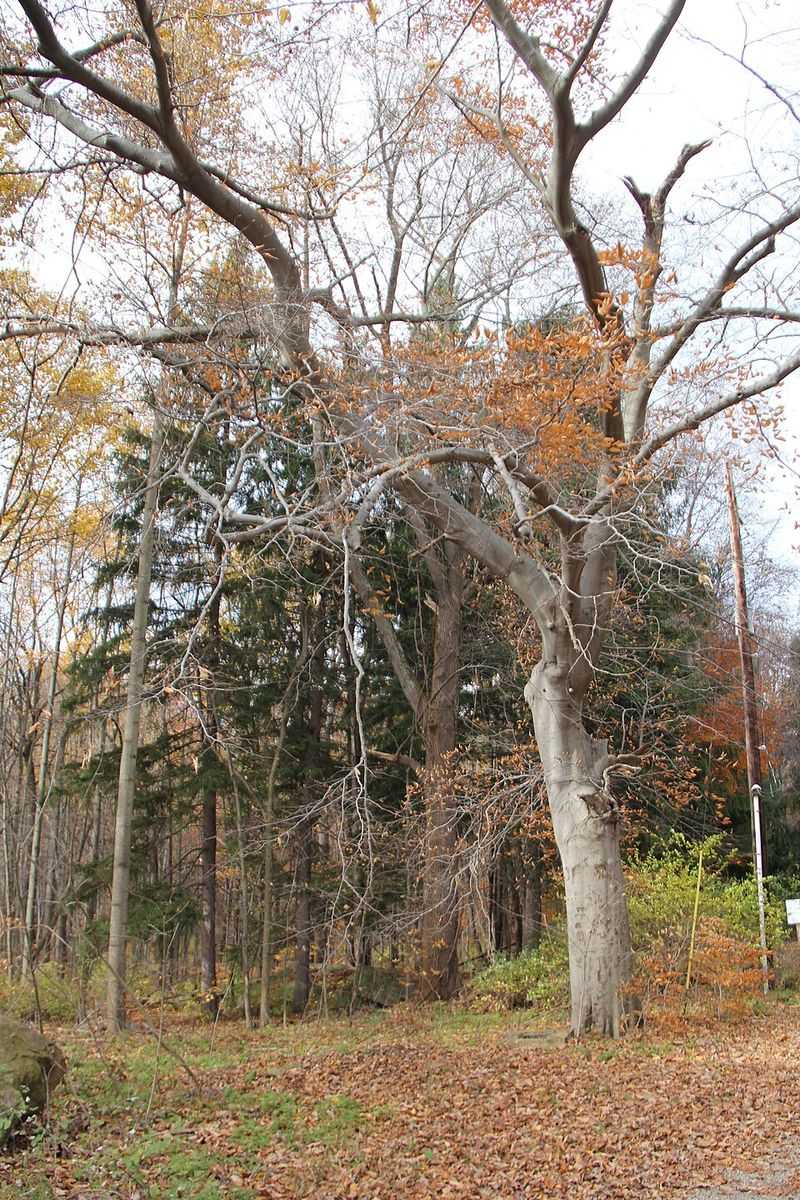
Buttermilk Falls is the kind of place that rewards repeat visits because each season changes its personality. In spring, melting snow and steady rain can bring strong water flow, while wildflowers and fresh leaves brighten the forest floor.
The whole preserve feels awake, cool, and full of movement.
Summer brings deep shade and rich greenery, making the short trail especially inviting on warm days. The forest canopy softens the heat, and the waterfall adds a refreshing sound and presence even when the flow is calmer.
In fall, the surrounding hardwoods turn gold, orange, and red, framing the cascade with classic Western Pennsylvania color.
Winter can be quieter and more dramatic, especially when cold weather forms ice along the rock ledges. The falls may appear partly frozen, with water slipping behind glassy edges and snow softening the trail.
Conditions can be slippery, so caution matters, but the seasonal transformation is beautiful enough to make careful cold-weather visits feel worthwhile.
A Favorite Spot for Photography
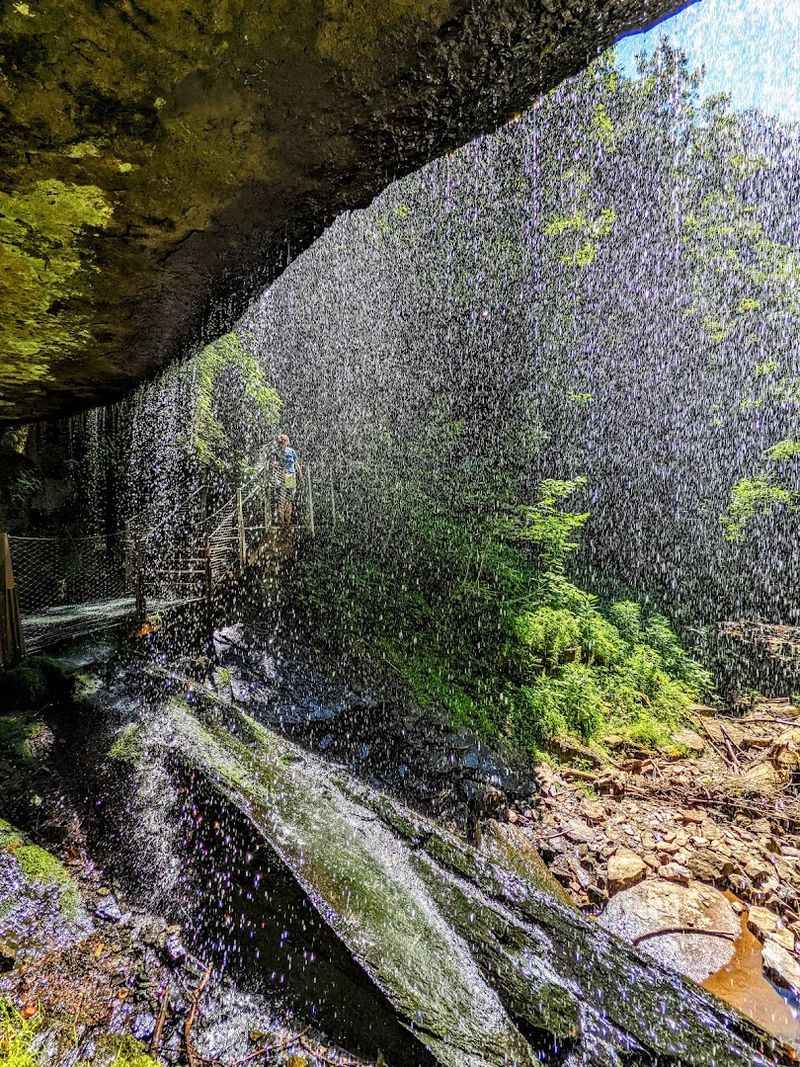
If you enjoy taking photos, Buttermilk Falls gives you a lot to work with in a very compact area. The waterfall has a naturally pleasing shape, with water spreading over rock ledges in a wide, textured curtain.
Add the surrounding forest, stream, and historic details, and you have several compositions without wandering far.
Golden hour can be especially rewarding, when soft light filters through the trees and warms the rock face. After a good rain, the stronger flow adds drama, volume, and motion, making long-exposure shots particularly appealing.
Even with a phone, you can capture satisfying images by experimenting with angles, reflections, and foreground rocks.
Because the area is small, patience and courtesy matter when others are visiting. Give people room to enjoy the view, avoid blocking the trail for too long, and stay on durable surfaces whenever possible.
The best photos often come when you slow down, observe the light, and let the waterfall reveal its quieter details.
A Quick Stop or a Relaxed Nature Break
One of the nicest things about Buttermilk Falls is that it fits easily into different kinds of days. If you are passing through the area, it can be a quick scenic stop that takes little planning.
Park, follow the short trail, enjoy the waterfall, and you have added a memorable natural moment to your route.
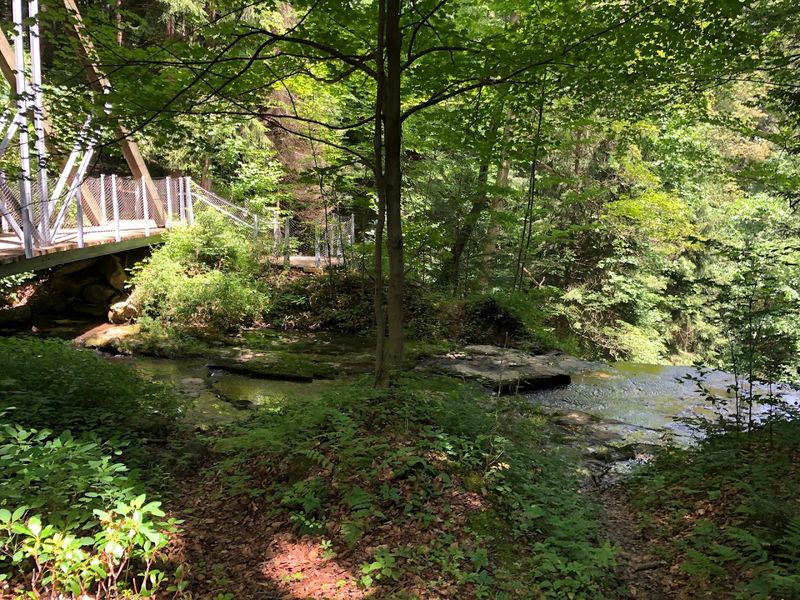
It also works well when you want to linger. You can sit quietly near the stream, listen to the water, look for small details in the rocks and trees, or enjoy a simple picnic if conditions allow.
The preserve is compact, but it does not feel rushed unless you treat it that way.
That flexibility makes the site appealing for locals and travelers alike. Sometimes you need a destination that does not require gear, reservations, or a full afternoon, yet still helps you feel refreshed.
Buttermilk Falls offers exactly that, giving you the choice between a brief visit and a slower pause in the woods.
Visitor Tips and What to Know Before You Go
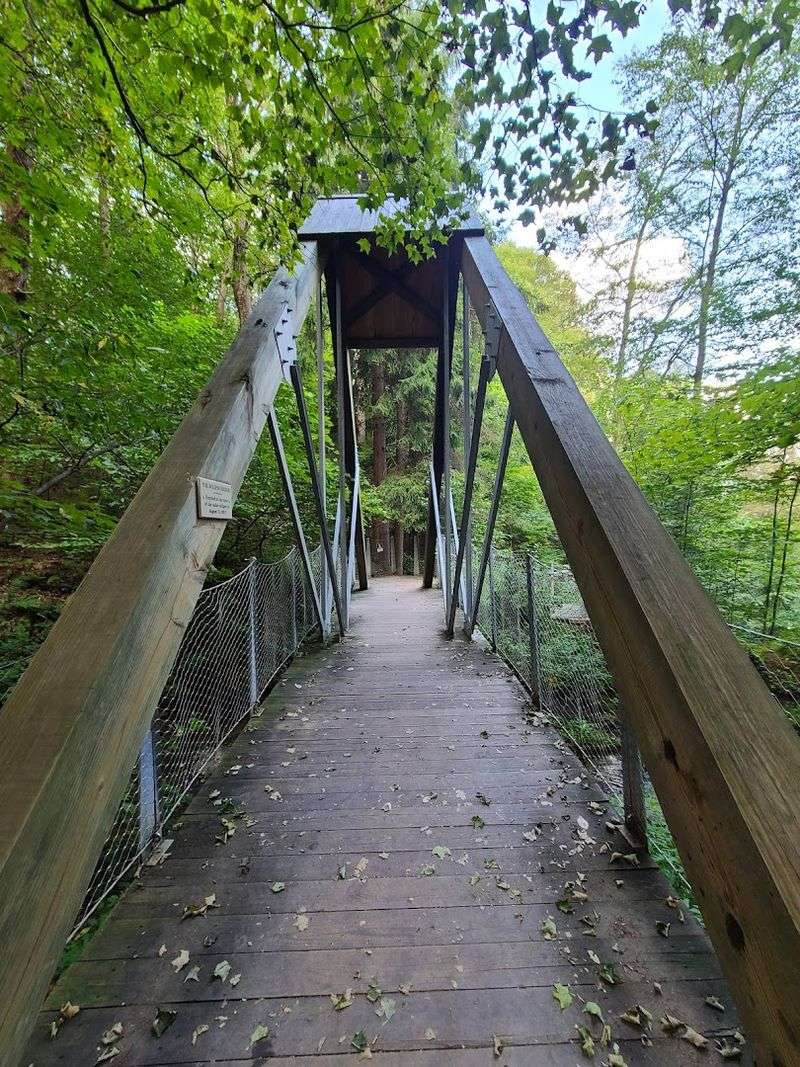
Before you head to Buttermilk Falls, it helps to know that the experience is simple and fairly rustic. Parking is limited but typically free, and the walk to the falls is short.
Because the site is small, arriving earlier or visiting during quieter times can make the stop feel more relaxed.
Wear sturdy shoes, especially after rain, when the trail and rocks can become muddy or slick. The waterfall is often most impressive after wet weather, but that same moisture can make footing tricky.
There are no major facilities, so bring what you need, including water, weather-appropriate layers, and a small bag for any trash.
Most importantly, treat the preserve with care. Stay on established paths, avoid climbing fragile areas, respect historic remnants, and follow Leave No Trace principles from start to finish.
If you come prepared and move thoughtfully, you can enjoy one of Western Pennsylvania’s prettiest small waterfalls while helping protect it for future visitors.