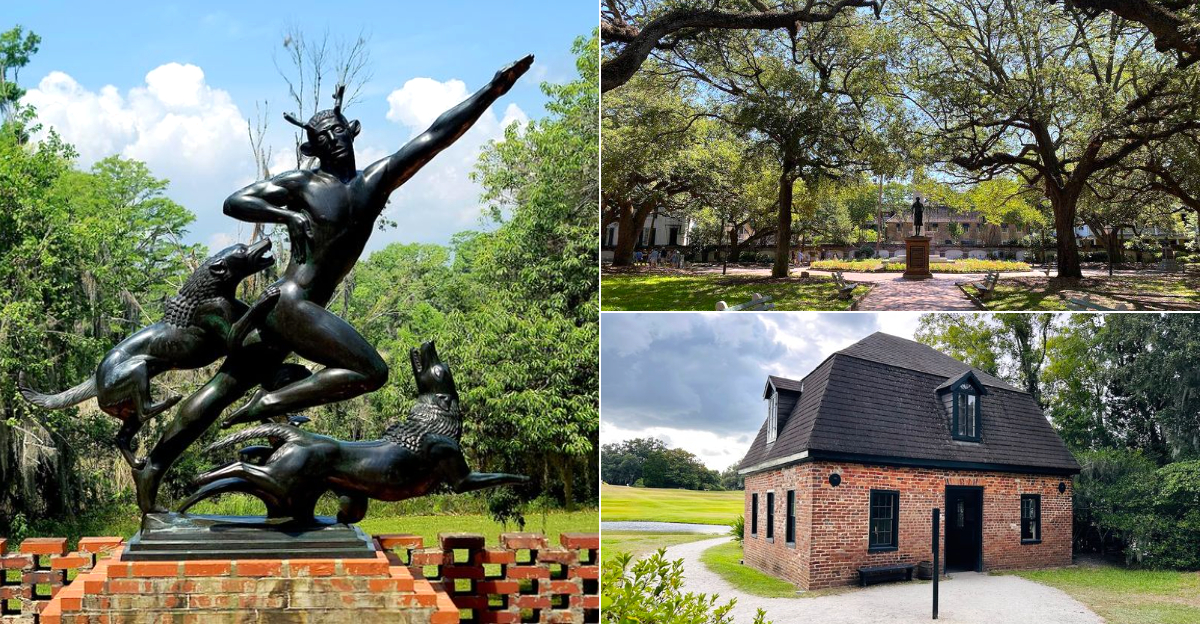
South Carolina is one of those states where the range of things to do can feel almost overwhelming once you start looking past the beach towns.
You have a national park protecting one of the largest old-growth bottomland hardwood forests on the East Coast, and just a few exits away, a plantation with gardens that have been drawing visitors since the 1670s.
From the harbor where the Civil War began to a boardwalk lining the Grand Strand, the state packs genuinely varied experiences into a relatively small footprint.
South Carolina has a way of giving you exactly what you came for, then casually offering three other things you didn’t know you needed.
Any one of these twelve would be reason enough to make the drive.
1. Congaree National Park, Hopkins, Richland County
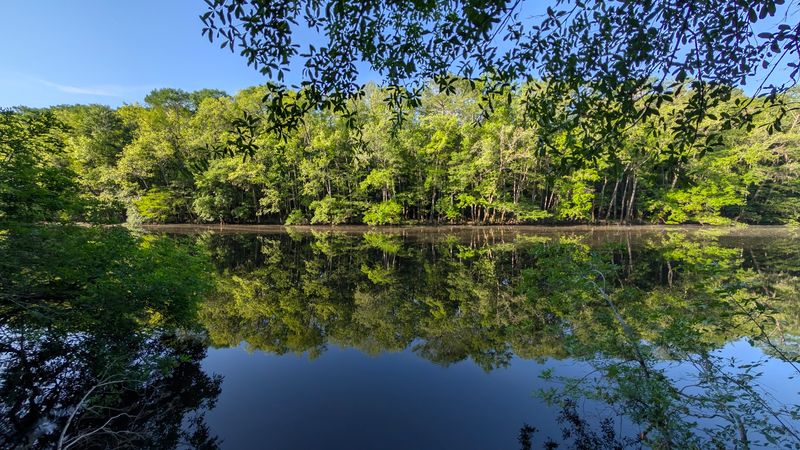
Mornings here feel hushed and primeval, with still water reflecting giant trunks and the kind of silence that makes every birdsong sound amplified.
When you finally step into Congaree National Park, the scale of the old-growth floodplain forest feels almost unreal for the Southeast.
It is the tallest deciduous forest canopy in the eastern United States, and that vertical drama gives even an easy walk a sense of discovery.
The elevated Boardwalk Loop is the best introduction, especially if you want sweeping views without committing to a muddy backcountry trek.
Kayaking Cedar Creek adds another layer, letting you glide past cypress knees, water tupelo, and shadowy channels that feel wonderfully removed from city life.
Because the park floods naturally, every visit looks slightly different, which gives repeat travelers a reason to return in another season.
I would not come expecting mountain vistas or polished gardens, because the magic here is subtler and far more immersive.
Fireflies in late spring, champion trees, and astonishing biodiversity make this landscape feel alive in ways photos only partly capture.
If you want one South Carolina stop that resets your pace and pulls you completely into nature, this one absolutely delivers.
2. Magnolia Plantation and Gardens, Charleston, Charleston County
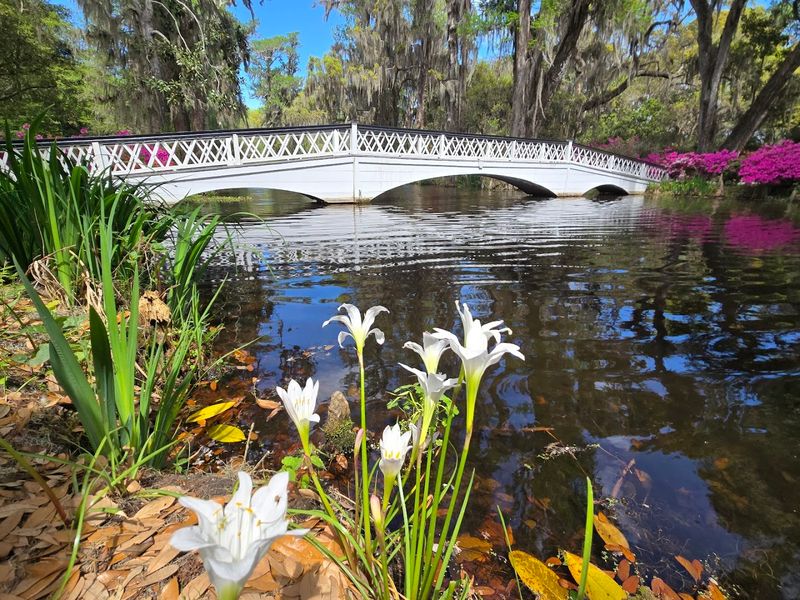
Few places feel as cinematic from the first step, where moss-draped oaks, winding paths, and still ponds create a setting that seems carefully staged.
That atmosphere belongs to Magnolia Plantation and Gardens, a Lowcountry landmark where the cultivated beauty is matched by deep historical complexity.
It is one of the Souths oldest public garden sites, and the layers of landscape design make every turn feel intentional yet softly wild.
Spring is famous for camellias and azaleas, but the gardens remain rewarding beyond bloom season because the water, trees, and marsh views carry the experience.
The Audubon Swamp Garden adds a different mood, with boardwalks through blackwater habitat where herons, turtles, and alligators remind you this is not just ornament.
House tours and historical interpretation also matter here, because they place the beauty within a fuller story of plantation life, labor, and preservation.
I think this stop works best when you give yourself time to wander rather than rush toward a checklist of photo spots.
The plantation is close enough to Charleston for convenience, yet immersive enough to feel like its own destination for a whole afternoon.
3. Fort Sumter National Monument, Charleston Harbor, Charleston County
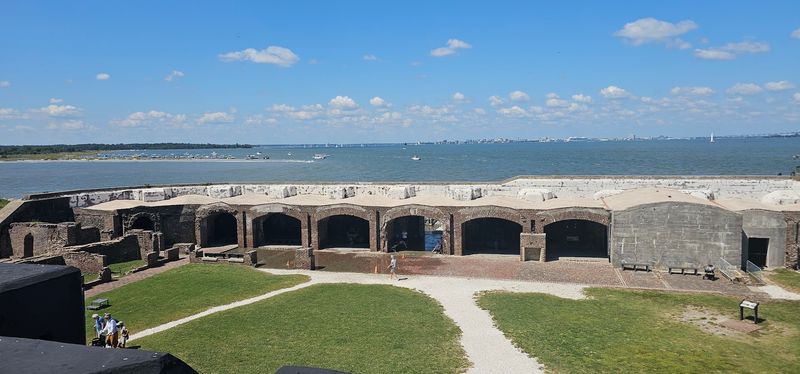
There is something powerful about approaching history by boat, with the skyline behind you and open harbor water stretching toward a fortress ahead.
That buildup is part of what makes Fort Sumter National Monument so memorable, long before you step onto the island itself.
As the site where the first shots of the Civil War were fired, it carries a weight that is impossible to separate from the visit.
The ferry ride from Charleston adds context, giving you views of the harbor that help explain why this fort mattered strategically.
Once there, ranger talks, preserved brickwork, and museum displays make the events of April 1861 feel less abstract and much more immediate.
You are not walking through a giant attraction packed with diversions, but through a compact place where every angle feels tied to a national turning point.
I think that focus is exactly why the experience lands so well, especially for travelers who appreciate places with a strong sense of significance.
The wind, water, and open horizon create a stark setting that keeps the monument from feeling static or sealed inside the past.
4. South Carolina Aquarium, Charleston, Charleston County
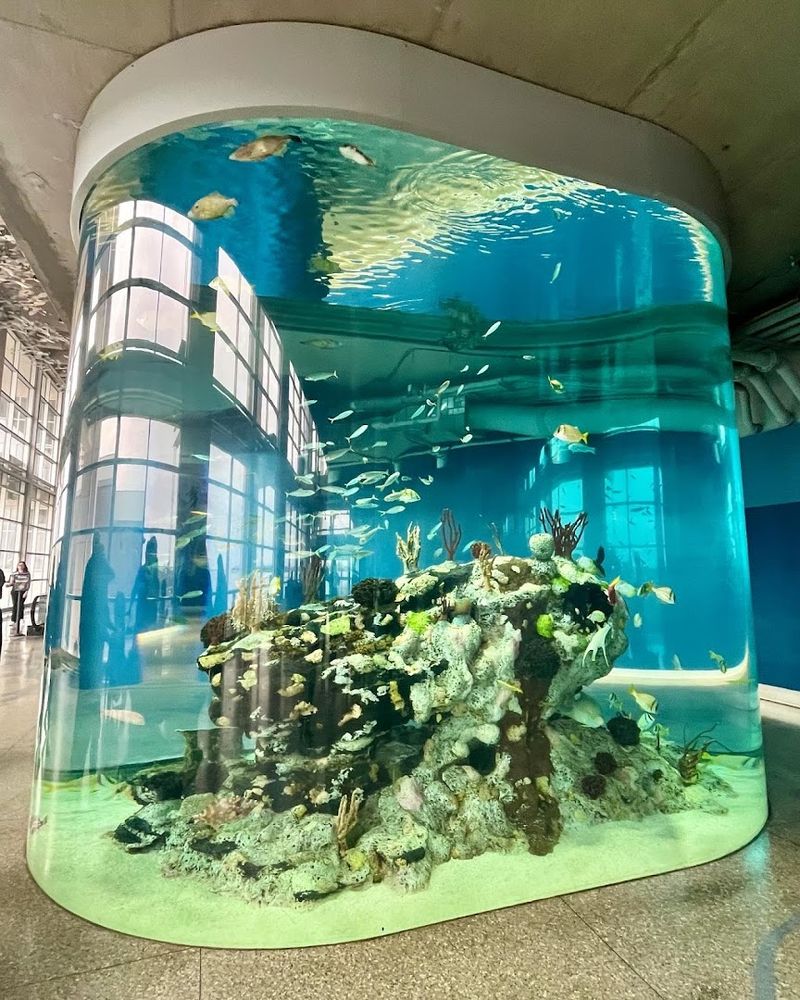
Rainy days, hot afternoons, and family trips all benefit from a place that is lively, polished, and genuinely connected to its setting.
The South Carolina Aquarium does that especially well, using the states rivers, coast, and marine life to build a visit that feels local rather than generic.
Instead of relying only on spectacle, it creates a clear sense of how water shapes South Carolinas environments from mountains to sea.
The Great Ocean Tank is the visual centerpiece, with sea turtles, sharks, and schooling fish drawing long looks from kids and adults alike.
I also think the Sea Turtle Care Center adds emotional weight, because rehabilitation work turns the visit from entertainment into something more meaningful.
Interactive exhibits, touch experiences, and smart interpretation keep the pacing strong, so the aquarium works whether you are there for ninety minutes or half a day.
Its Charleston Harbor location helps too, since stepping outside after the visit keeps the coastal mood going instead of ending it abruptly.
The building is easy to pair with nearby sightseeing, but it is satisfying enough to stand as the main event on its own.
5. Brookgreen Gardens, Murrells Inlet, Georgetown County

Art and landscape rarely feel this perfectly balanced, where sculpture appears through the trees almost like a discovery instead of a display.
That is the pull of Brookgreen Gardens, a sprawling cultural landmark where botanical beauty and American figurative sculpture share the spotlight beautifully.
From the first pathways lined with live oaks and seasonal blooms, the property feels expansive, polished, and surprisingly peaceful.
The sculpture collection is one of the finest in the country, but it never overwhelms the experience because the garden setting keeps everything approachable.
You can move from formal garden rooms to broad lawn vistas, then into exhibits that interpret the regions ecology and Gullah Geechee history.
The Lowcountry Zoo adds another dimension, focusing on native wildlife in a way that feels educational without turning the place into a standard family attraction.
I like that Brookgreen rewards different travel styles, whether you want a reflective stroll, a photography stop, or several hours of deeper exploration.
During Nights of a Thousand Candles, the atmosphere shifts completely, becoming one of the most enchanting holiday experiences anywhere in the state.
6. Riverbanks Zoo, Columbia, Richland County

Some attractions win you over with sheer energy, where every path seems to lead to another crowd-pleasing exhibit or beautifully planted corner.
That is exactly how Riverbanks Zoo feels, combining a large animal collection with gardens that make the whole property more inviting than many city zoos.
Set near the river in Columbia, it manages to be easygoing for families while still offering enough variety to fill an entire day.
The major habitats are well known for a reason, especially if you want close looks at giraffes, gorillas, lions, elephants, and koalas.
What lifts the experience above a basic zoo outing is the pace, because the layout keeps moving and the botanical garden offers a calmer counterbalance.
You can shift from active animal viewing to shaded walking paths, flowers, and river overlooks without feeling like you have changed destinations completely.
I also appreciate that Riverbanks works for different ages, from toddlers who want trains and snacks to adults who notice landscaping and exhibit design.
Special events and seasonal programming keep it from feeling one-note, which matters if you are planning around weather or school breaks.
7. Middleton Place, Charleston, Dorchester County
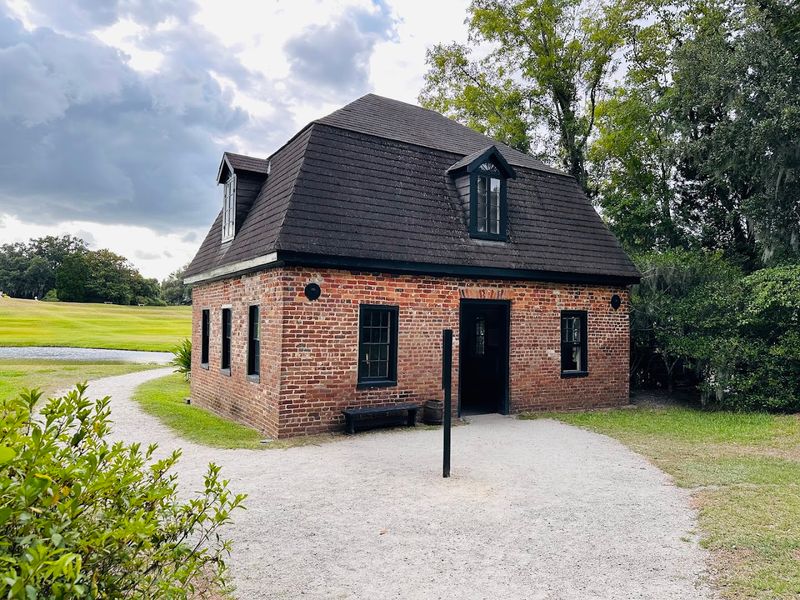
Order and tranquility define the first impression here, where terraces, reflections, and carefully framed views create a landscape of unusual calm.
That setting is Middleton Place, home to the oldest landscaped gardens in America and one of the states most visually refined historic sites.
The geometry of the formal garden rooms is striking, but the property never feels stiff because water, live oaks, and open space soften everything.
Walking the grounds is the main event, especially if you enjoy places where design reveals itself slowly rather than all at once.
Butterflies, camellias, and mirror-like ponds add seasonal interest, while house museum tours and exhibits deepen the understanding of the family and the enslaved people who lived here.
Those interpretive elements matter, because they help the beauty exist alongside a more complete and honest historical narrative.
I find Middleton Place especially rewarding for travelers who prefer atmosphere over crowds and want a setting that encourages a slower pace.
There is enough to photograph, study, and simply absorb that a short stop often turns into a much longer visit.
8. Myrtle Beach Boardwalk, Myrtle Beach, Horry County
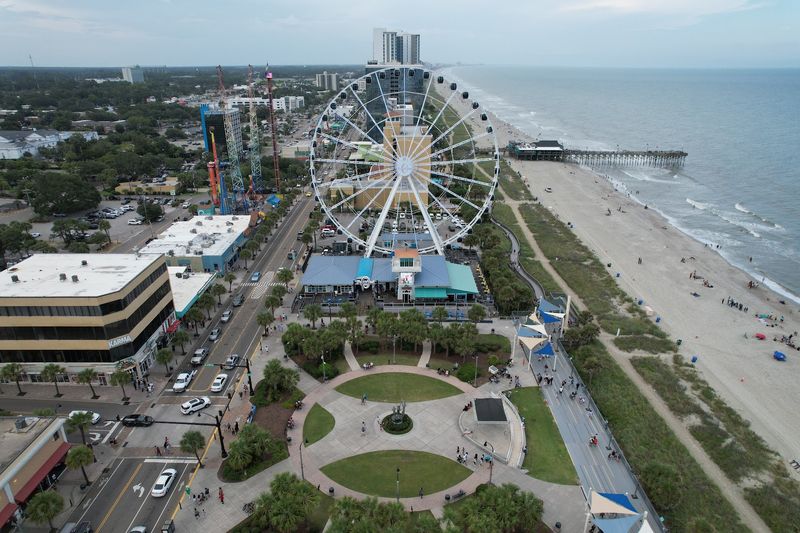
Salt air, music, neon, and ocean views come together here in a way that feels unapologetically like summer vacation at full volume.
The Myrtle Beach Boardwalk turns a simple shoreline stroll into an experience packed with people-watching, snacks, entertainment, and bright coastal energy.
Even if you usually avoid tourist strips, there is something undeniably fun about how fully this place leans into its beach-town identity.
The ocean remains the real anchor, of course, and the boardwalk gives you easy access to wide sandy views the whole time.
Stops for ice cream, arcades, souvenir shops, and casual seafood keep the mood light, while the SkyWheel adds a classic skyline moment.
At night, everything becomes more animated, and that shift from sunny family destination to glowing evening promenade is part of its appeal.
I would not call it subtle, but that is exactly why it works when you want a trip built around energy and easy fun.
It is also highly walkable, which means you can dip in for an hour or stay much longer without complicated planning.
9. Caesars Head State Park, Cleveland, Greenville County
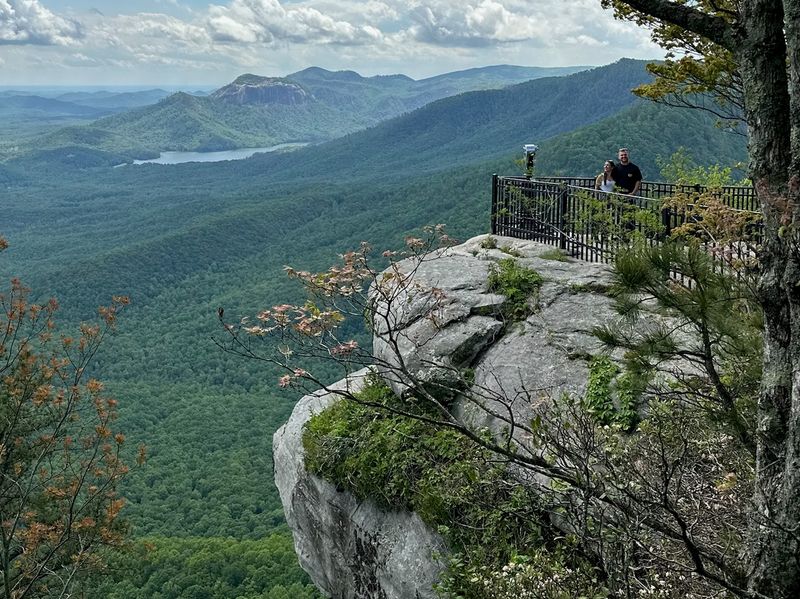
The air changes first, becoming cooler and cleaner as the road climbs toward a series of overlooks that feel genuinely expansive.
At Caesars Head State Park, the dramatic Blue Ridge escarpment delivers one of the most satisfying mountain panoramas anywhere in South Carolina.
This is the kind of place that makes you pull over repeatedly, because every opening in the trees seems to frame another memorable view.
The main overlook is famous for a reason, but the parks hiking trails are what turn a scenic stop into a fuller experience.
Raven Cliff Falls is the signature trek, leading to a suspension bridge with a striking view of the waterfall dropping through the mountain gorge.
Birdwatchers also know the park for autumn hawk migration, when thousands of raptors can pass overhead in a single season.
I like that Caesars Head can work as either a quick scenic payoff or a more active day outdoors depending on your schedule.
The altitude, weather shifts, and rugged terrain make it feel distinct from the states coastal and Lowcountry attractions in the best way.
10. Angel Oak Tree, Johns Island, Charleston County

Some places impress because they are large, busy, or heavily programmed, but this one stuns through age, stillness, and sheer physical presence.
The Angel Oak Tree on Johns Island is a Southern live oak estimated to be several centuries old, and it feels almost impossible at first glance.
Its massive limbs stretch outward in every direction, creating a canopy so broad that people beneath it look small in the most humbling way.
You do not need a long itinerary here, which is part of the appeal, because the experience is really about standing close and taking it in.
The shape of the tree, the filtered light, and the quiet of the site give the visit a near contemplative mood that photographs cannot fully translate.
For many travelers, it becomes less about checking off a landmark and more about witnessing something living that has outlasted generations.
I think that simplicity is exactly why the stop lingers in memory long after flashier attractions fade together.
It also pairs beautifully with a Johns Island or Charleston day, adding a slower and more grounded moment to a busy trip.
11. Patriots Point Naval and Maritime Museum, Mount Pleasant, Charleston County

Climbing onto a massive warship has a way of making history feel immediate, physical, and much larger than any museum label can convey.
That is the effect of Patriots Point Naval and Maritime Museum, where the USS Yorktown dominates the harbor with unmistakable presence.
From a distance it is impressive, but once you start exploring the decks, compartments, and aircraft displays, the scale becomes much more personal.
The museum experience is broad enough to satisfy casual visitors and military history fans alike, with ships, exhibits, and immersive spaces throughout.
Walking through sleeping quarters, command areas, and operational sections helps you imagine the routines and pressures of life at sea.
The harbor setting strengthens everything, because water, wind, and views of Charleston keep the experience grounded in a real maritime landscape.
I especially like how this attraction balances artifact display with the simple impact of being aboard the vessel itself.
It is interactive without feeling gimmicky, and there is enough variety that different generations usually find something that clicks for them.
12. BMW Zentrum Museum, Greer, Spartanburg County
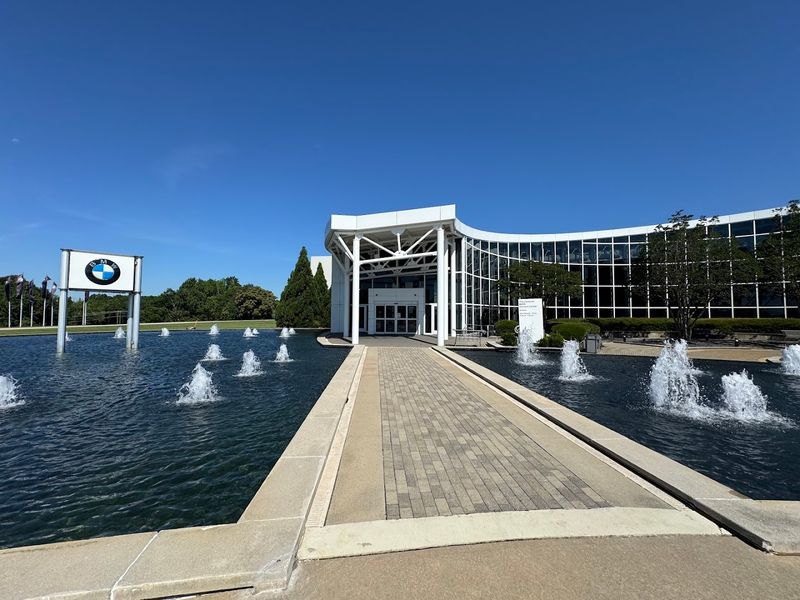
Precision, polish, and a strong sense of motion define the mood here, even before you look closely at the first vehicle.
The BMW Zentrum Museum in Greer offers a different side of South Carolina travel, one rooted in engineering, design, and the global reach of manufacturing.
For car fans it is an obvious stop, but even casual visitors often end up surprised by how engaging the storytelling becomes.
Concept cars, production models, racing history, and brand evolution are presented in a way that feels sleek without becoming inaccessible.
The museum also connects naturally to the nearby BMW manufacturing plant, which helps explain why this attraction matters locally as well as internationally.
You are not just looking at beautiful machines, but at a major economic and cultural presence that has shaped the Upstate in visible ways.
I appreciate that the experience is compact enough to fit easily into a travel day while still feeling substantial once you are inside.
The architecture and display style mirror the subject perfectly, which gives the museum a clean, modern identity from start to finish.