
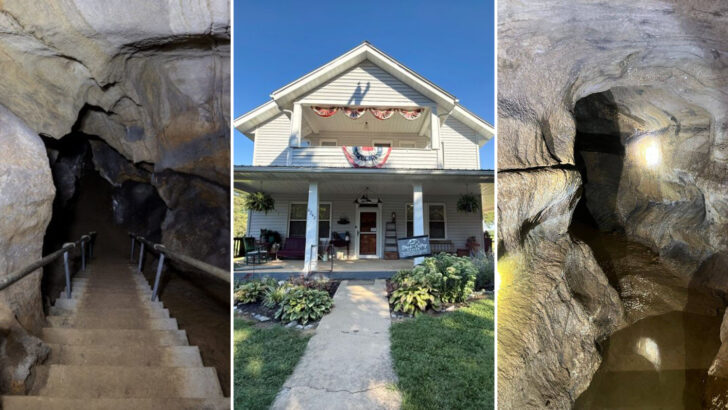
Step beneath Pennsylvania’s surface and walk straight into prehistory.
Black-Coffey Caverns isn’t just a cave—it’s a stone time capsule carved from ancient limestone that began forming millions of years ago. Every step echoes through chambers shaped by dripping water, shifting earth, and patient geological magic.
Cool air brushes your skin as shadows stretch across textured walls. Stalactites hang like frozen rain, while rugged passageways twist deeper into the underground hush.
It feels wild, a little mysterious, and completely unforgettable.
This isn’t a quick roadside stop. It’s a descent into deep time, where layers of rock tell stories older than forests, older than rivers, older than memory itself.
Black-Coffey Caverns invites you to slow down, look closer, and feel the quiet thrill of standing inside something ancient and alive with history.
Planning Your Visit: Reservations, Timing, and What to Expect


Before you go, make an online reservation and confirm your time. Tours are donation based, run by passionate volunteers, and often fill up on weekends and holidays.
Arrive a little early to park, check in, and get oriented before descending the steep, sometimes wet stairs.
Expect an intimate, unhurried experience that prioritizes curiosity and safety. The guide will set the pace, pausing for photos, questions, and to make room for kids or nervous first timers.
Unlike commercial caves, you will use flashlights rather than fixed lighting, which makes every chamber feel like a fresh discovery.
The tour typically lasts around an hour, though groups sometimes stretch longer when the guide answers questions. You will see signatures from the 1800s, mineral textures under black light, and old passageways with stories attached.
It feels deeply personal because the people here care about sharing the cavern’s history.
Bring cash for donations, as your contribution supports upkeep, safety gear, and free snacks offered after the tour. Wear sturdy shoes and a light layer for cool underground temps.
If plans change, be considerate and cancel promptly so another group can take your spot.
Getting There: Location, Parking, and First Impressions


Black-Coffey Caverns sits at 6242 Warm Spring Rd in Greencastle, tucked quietly off the road. When you arrive, you will likely double take at how unassuming the property looks.
That surprise is part of the charm, because the entrance sits under a home, leading to a genuine underground world.
Parking is straightforward but limited, so carpool if possible during busy times. Volunteers greet visitors with warmth, confirm reservations, and offer a run through of safety tips before you step inside.
You will notice a donation box and, often, simple souvenirs or snacks set out with care.
The transition from daylight to the cool cavern is immediate. Stairs are steep and can be slick, so use the handrail and watch your footing.
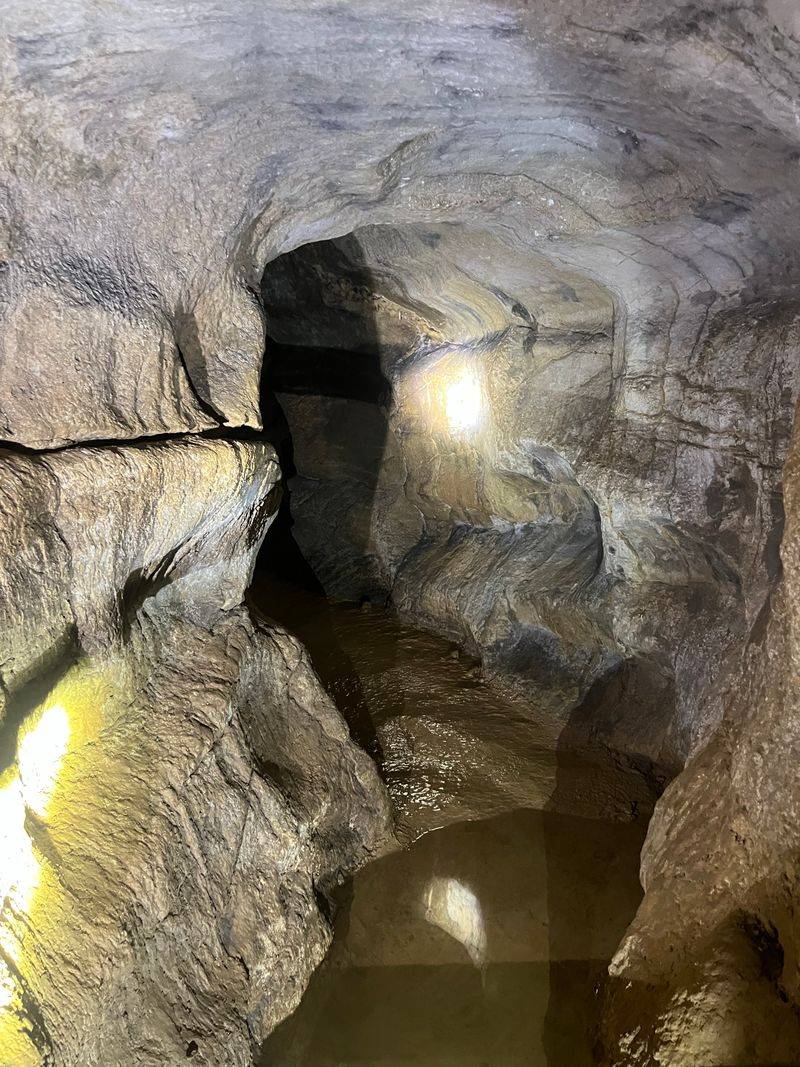
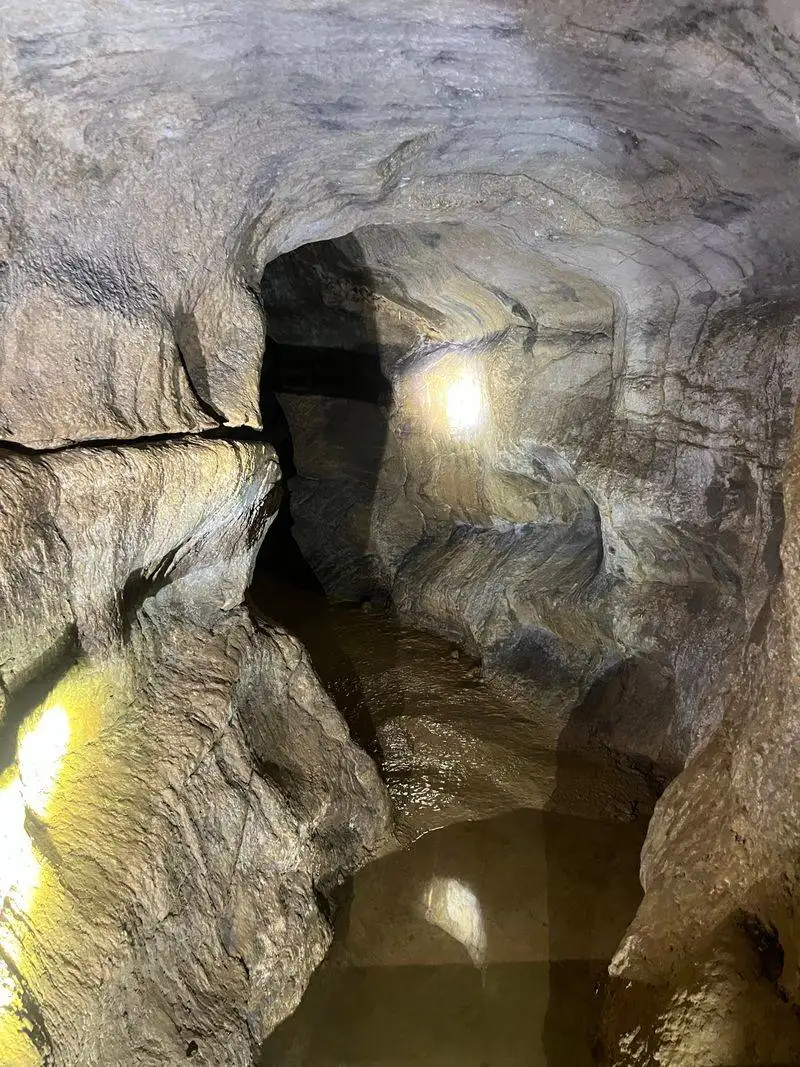
The air feels still and mineral scented, and headlamps gradually reveal rock textures, water stains, and the first formations.
First impressions are about intimacy rather than spectacle. There is no ticket line buzz or echoing PA system, just your guide’s voice and the soft beam of flashlights.
It feels like a local secret shared with respect. That quiet authenticity sets the tone for everything that follows underground.
The Ancient Geology: Limestone, Water, and Time
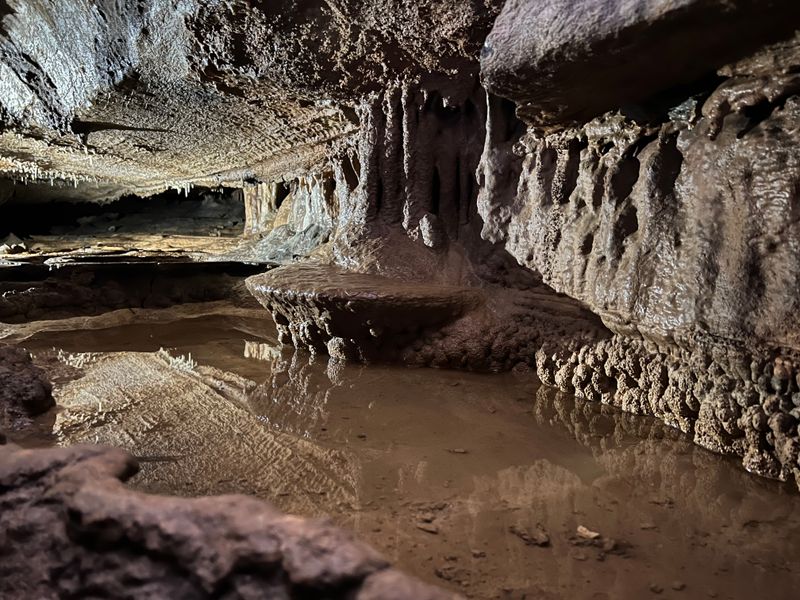
This cavern is a masterclass in what water can sculpt over millions of years. You will see bedding planes in limestone, dissolution pockets, and smooth channels where carbonic acid once quietly carved pathways.
Flowstone drapes and small stalactites testify to mineral rich drips that deposit calcite grain by grain.
Guides explain how slightly acidic rainwater seeps through soil, eats at limestone, and leaves behind voids that grow into rooms and corridors. Look for scalloped rock, which records past water movement.
Under your lamp, rock that once seemed dull suddenly gleams with subtle crystals and pale veining.
Expect moments when the guide has you turn lights off to feel the ancient stillness. Then a black light flips on and otherwise invisible mineral films bloom into otherworldly color.
Those hues come from trace elements and organic residues caught in calcite’s layers, a geologic scrapbook you will never forget.
Every drip you hear is present tense geology, building formations at a timescale beyond a human lifetime. Respect boundaries your guide sets, since even a touch can alter delicate growth.
When you leave, you carry a better sense of how slow, purposeful water writes the story of the earth.
The Guided Experience: Storytelling, Safety, and Pace
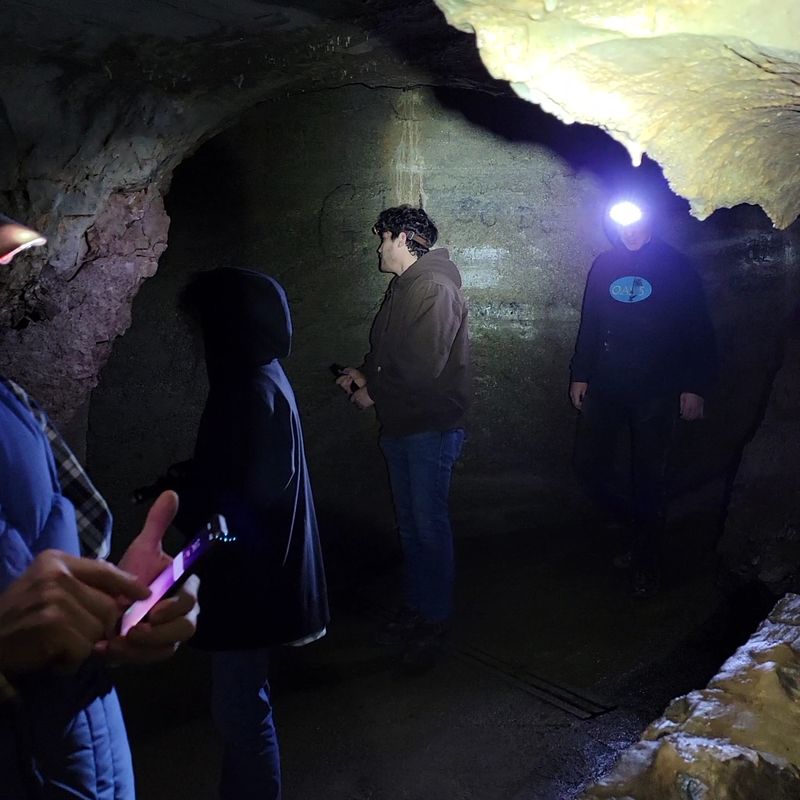
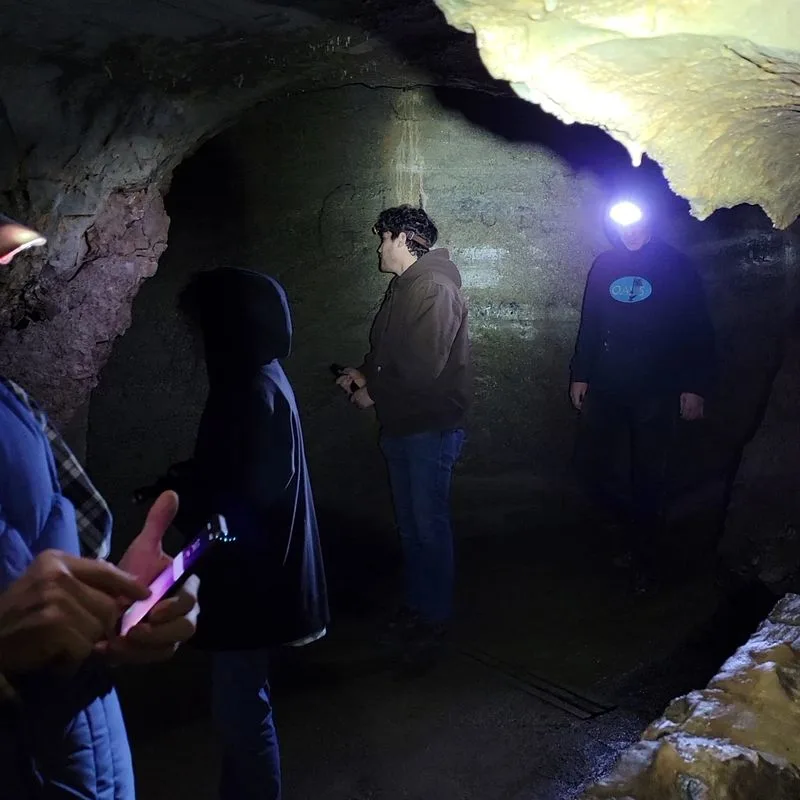
From the first step underground, the guide sets a calm, friendly rhythm. You will pause at key spots for stories about discovery, past visitors, and how volunteers reclaimed and maintain the cave.
They will offer to take group photos, help anyone uneasy with tight spaces, and make sure kids feel included.
Safety is constant but unobtrusive. Expect reminders about footing, handrails, and staying together in darker corridors.
If claustrophobia creeps in, the guide knows quiet pull offs and strategies to reset, from breathing cues to shifting the route a little.
The best part is the unhurried vibe. No one rushes you past a formation, and there is time to try different angles with your flashlight to reveal textures.
Questions are encouraged, and the guide’s patience makes every chamber feel like a shared discovery.
You will likely experience moments of full darkness, black light reveals, and storytelling that ties signatures on the walls to local history. That blend of science and human detail keeps you engaged from start to finish.
It feels like a friend hosting you in a remarkable place, rather than a scripted attraction.
Family Friendly Adventure: Kids, Teens, and Hands On Moments
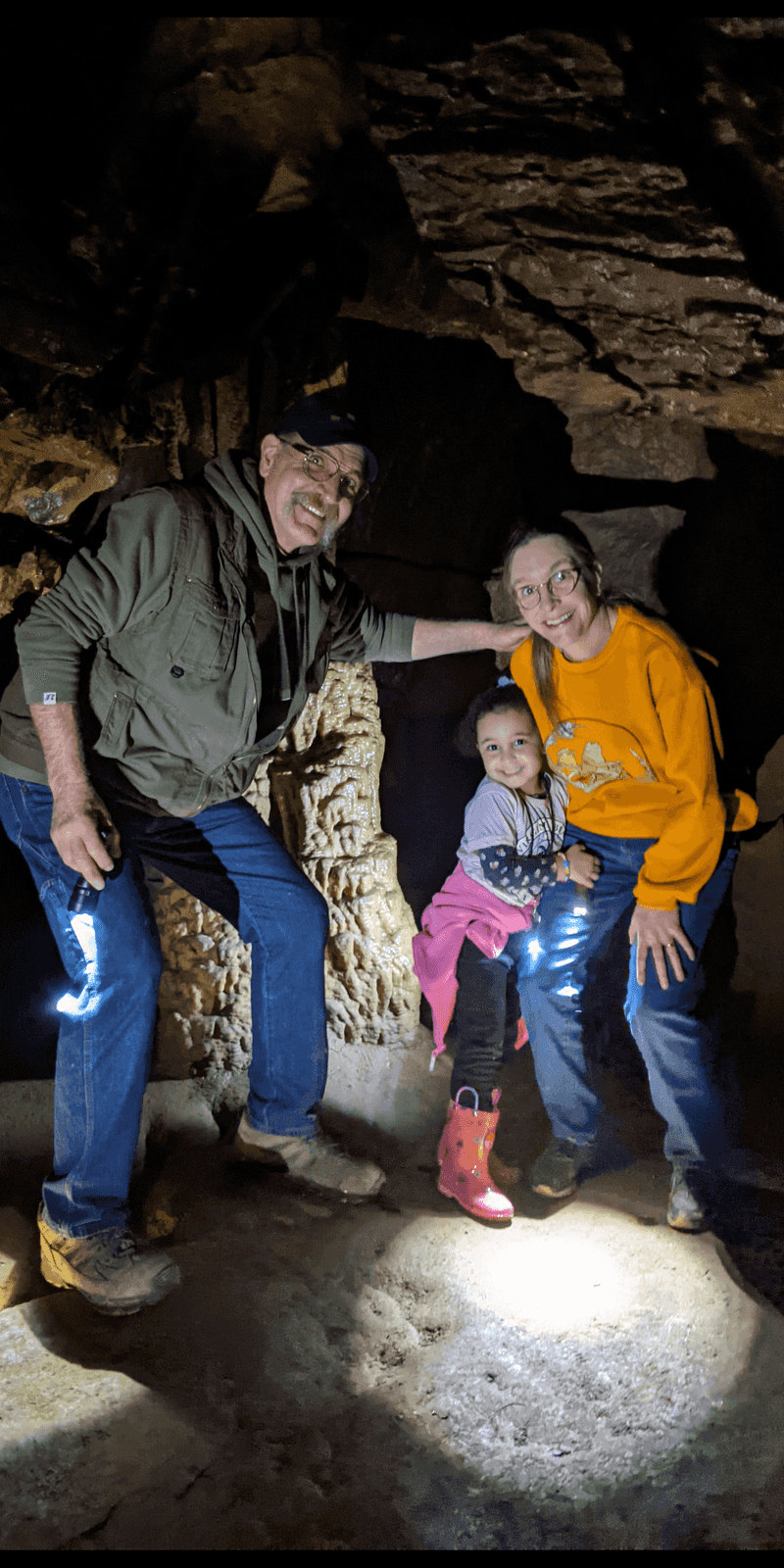
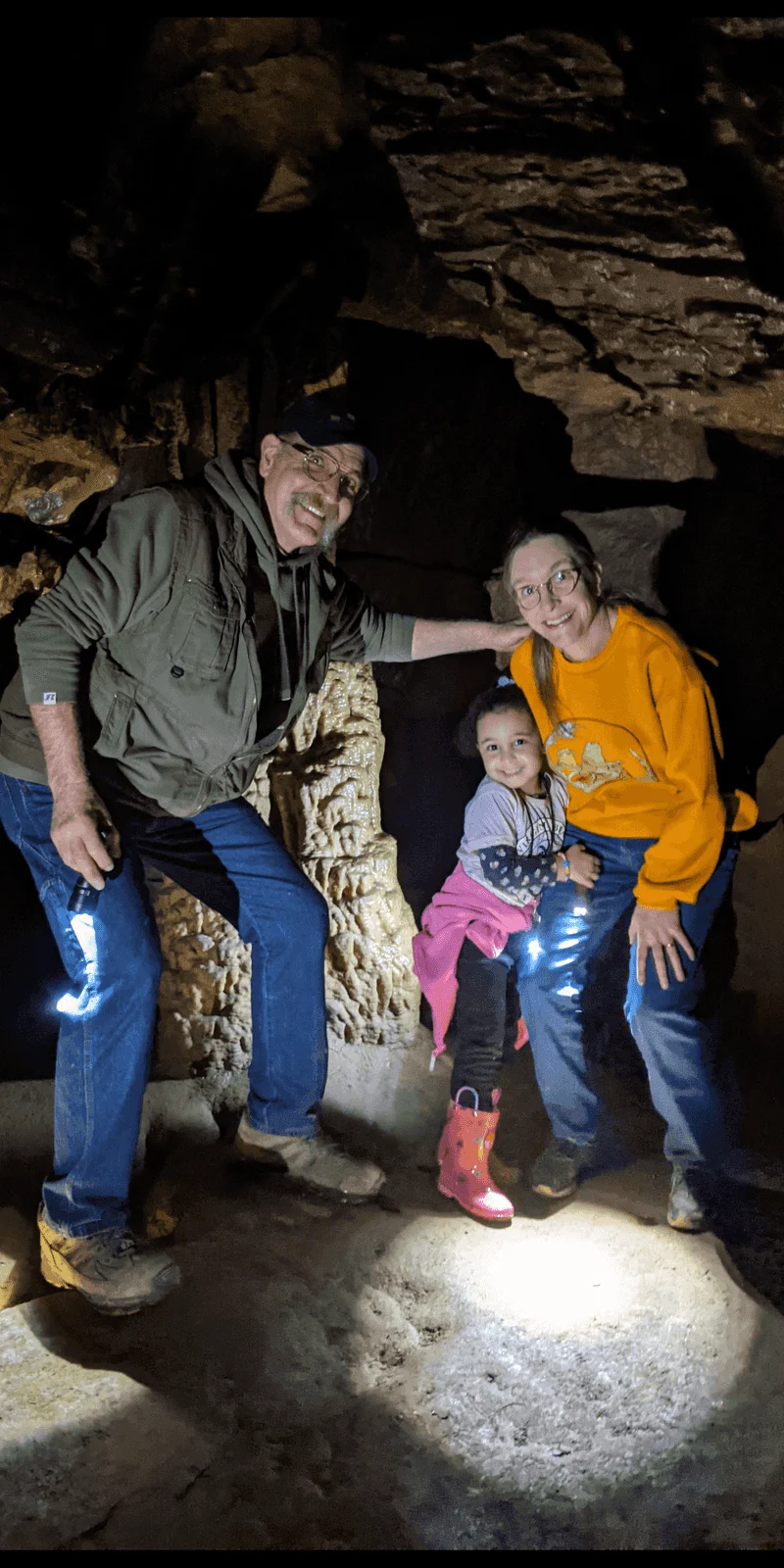
Bring kids and teens, because this cave invites curiosity. The scale is manageable, the pace is flexible, and touching select features is allowed where the guide permits.
Those hands on moments transform geology from a textbook idea into something real beneath small fingertips and bright eyes.
Guides are patient with energetic groups, offering gentle structure without dampening excitement. Expect time for photos, pointing out hidden nooks, and the show stopping black light section that feels like magic.
Snacks afterward make a solid reward and reset energy before the drive home.
Footing matters, so sneakers with tread are a must, and remind kids to use handrails on steep steps. If someone hesitates, the group adapts.
You will never feel hurried through a spot that deserves a closer look or a confidence boost.
Parents appreciate that the tour is donation based, which keeps the experience accessible. Teens love the authenticity compared to commercial caves with strict barricades.
You leave with shared stories, maybe a new rock vocabulary, and photos that capture brave smiles in headlamp light.
What to Bring: Flashlights, Footwear, and Layers
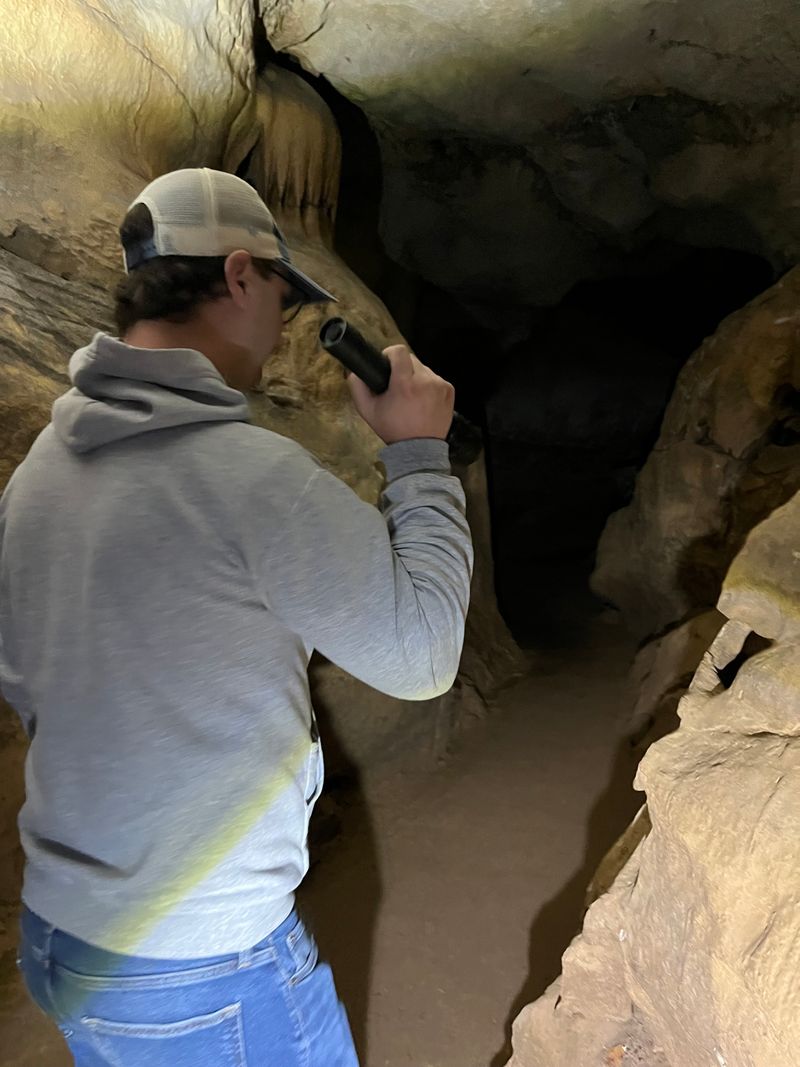
Pack like you are stepping into natural darkness. A reliable headlamp keeps hands free on the stairs, while a backup flashlight helps share light with kids or friends.
Bring spare batteries, because beams dim faster than expected on long tours or photo heavy stops.
Wear sturdy, closed toe shoes with tread. Limestone steps can be slick, and confident footing lets you focus on the formations, not every step.
A light jacket helps with cool underground temperatures, especially if you run cold or plan to linger for photos.
Slip cash in your pocket for donations and a small souvenir. A water bottle and quick snack wait best in the car for after the tour, so your hands stay free underground.
Keep your phone on a wrist strap or lanyard if you plan to shoot in tight spaces.
Do not overpack. Minimal gear moves more safely and lets you navigate narrow passages comfortably.
If you forget a light, ask, because they often have flashlights to borrow. With simple preparation, your attention can stay on the glittering calcite and layered history around you.
Black Light Magic: Fluorescence and Mineral Sparkle
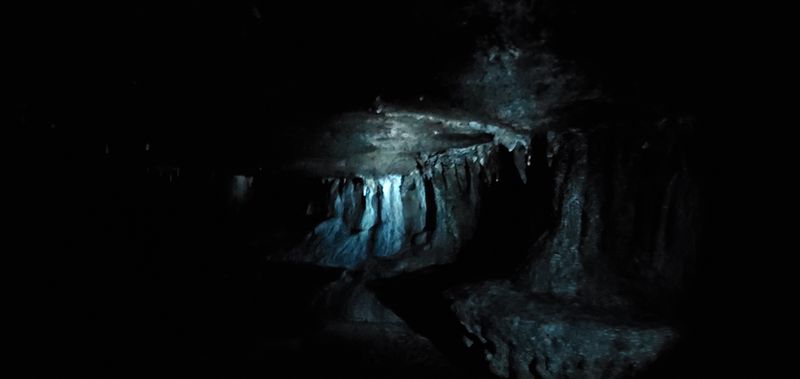
When the guide asks you to switch off your lights, the darkness is complete. Then a black light floods the wall, and mineral films erupt into a galaxy of pinpoint color.
Blues, greens, and violets twinkle like a starry sky draped on limestone.
Those colors come from trace elements and organic residues trapped in calcite layers. Under normal light they look plain, but ultraviolet energy excites electrons that briefly release vivid glow.
It is science, sure, but it also feels like a small miracle unfolding ten feet away.
Bring a camera that handles low light well, or just soak it in. Photos rarely capture the full shimmer, and the hush of the group adds to the atmosphere.
Kids will whisper, adults grin, and everyone feels the shared wonder.
This is not a theme park effect. It is the cavern revealing another facet of itself, made possible by careful guidance and respect for the space.
When lights come back on, the quiet lingers, and you carry that sparkling memory through the rest of the tour.
History Beneath the House: Signatures and Local Lore
Part of the magic here is human scale history layered over geologic time. Your guide will point out signatures from the 1860s and other eras, names tied to verified visits.
Seeing that handwriting in lamplight bridges centuries and makes the cave feel like a living archive.
Stories weave through these chambers: local explorers, careful mapping, and volunteers who reopened passages with patience. The property’s setting under a house heightens the sense of discovery.
It is as if a secret doorway opens from daily life into a past preserved by stone and darkness.
You will hear about earlier tourism waves and how commercialization elsewhere shaped expectations. Here, the choice favors intimacy and stewardship over spectacle.
Photographs are welcome, but touch with care, because oils can blur fragile marks and shorten their lifespan.
Ask questions and linger when the guide invites it. They know which corners hold quiet surprises and which routes suit different comfort levels.
You leave with more than facts: a sense that countless footsteps, careful and curious, have shared this path before you.
Accessibility and Comfort: Pace, Stairs, and Claustrophobia Tips
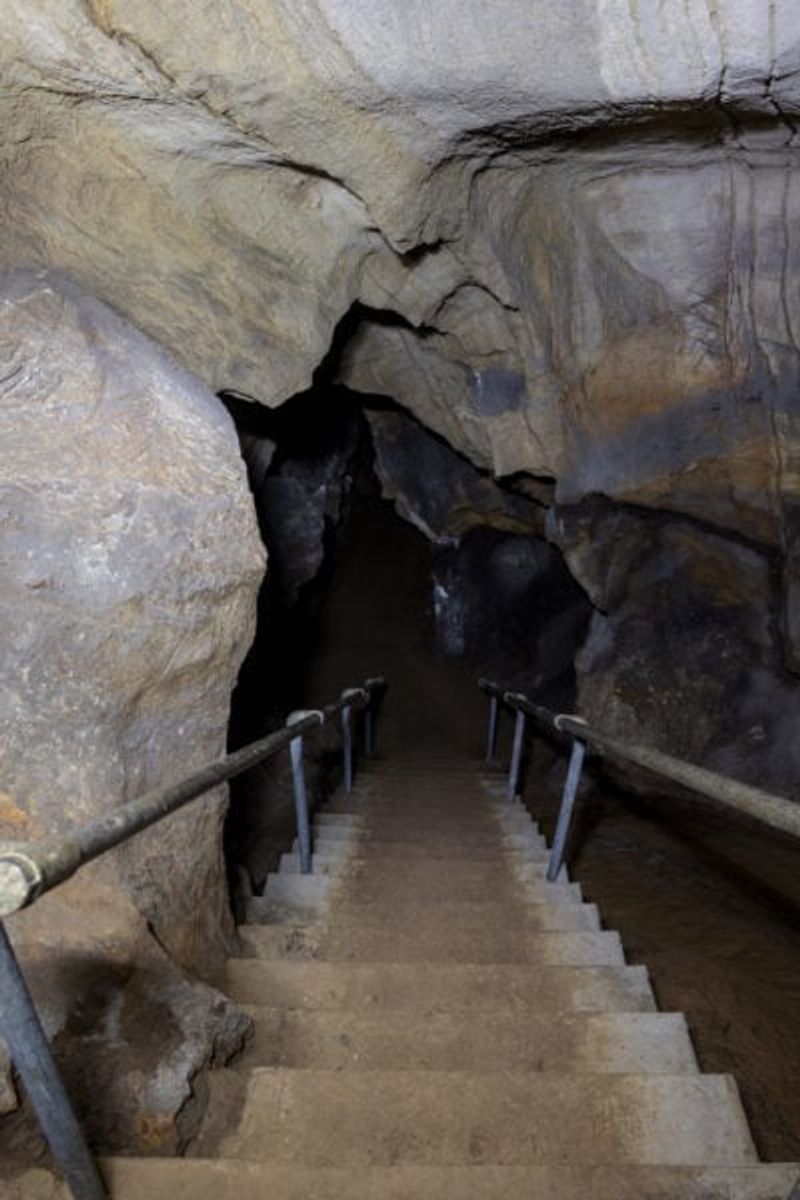
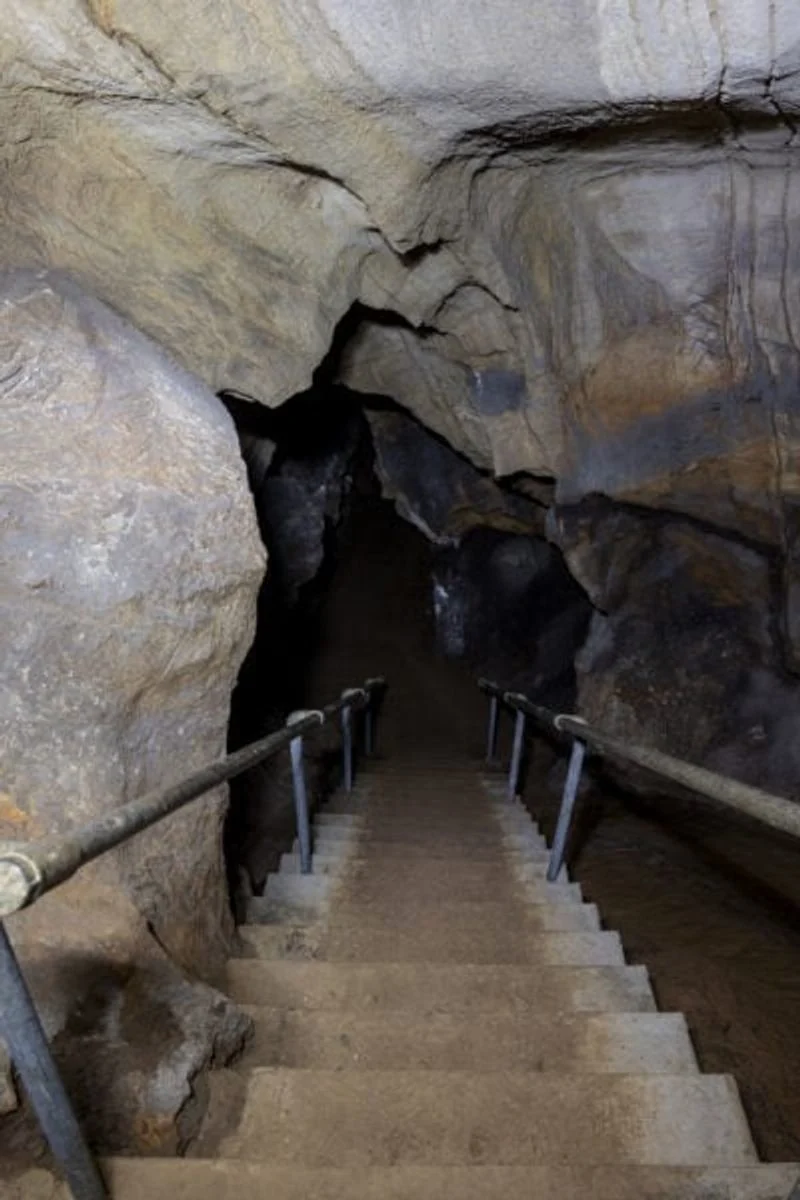
If steep, damp stairs make you nervous, this tour can still work with a little planning. The handrail is your friend, and guides set a patient pace with frequent pauses.
Wear grippy shoes, keep one hand free, and step deliberately when the stone looks shiny.
Claustrophobia gets respect here. Guides are skilled at choosing wider pauses, turning around early if needed, or offering quick breathing cues in darker spots.
You will never be pushed through a squeeze that does not feel right.
If you need a break, say so. The group can pause without losing the flow, and photos often give natural rest moments.
Headlamps help control personal space, and the option to borrow a brighter light can add comfort.
Temperature stays cool but not frigid, so a light layer helps. Plan for about an hour underground, more if questions flow.
With clear communication and supportive guidance, most visitors find the experience empowering, not overwhelming, and step back into daylight smiling.
Photo Tips: Headlamp Angles, Low Light, and Respect
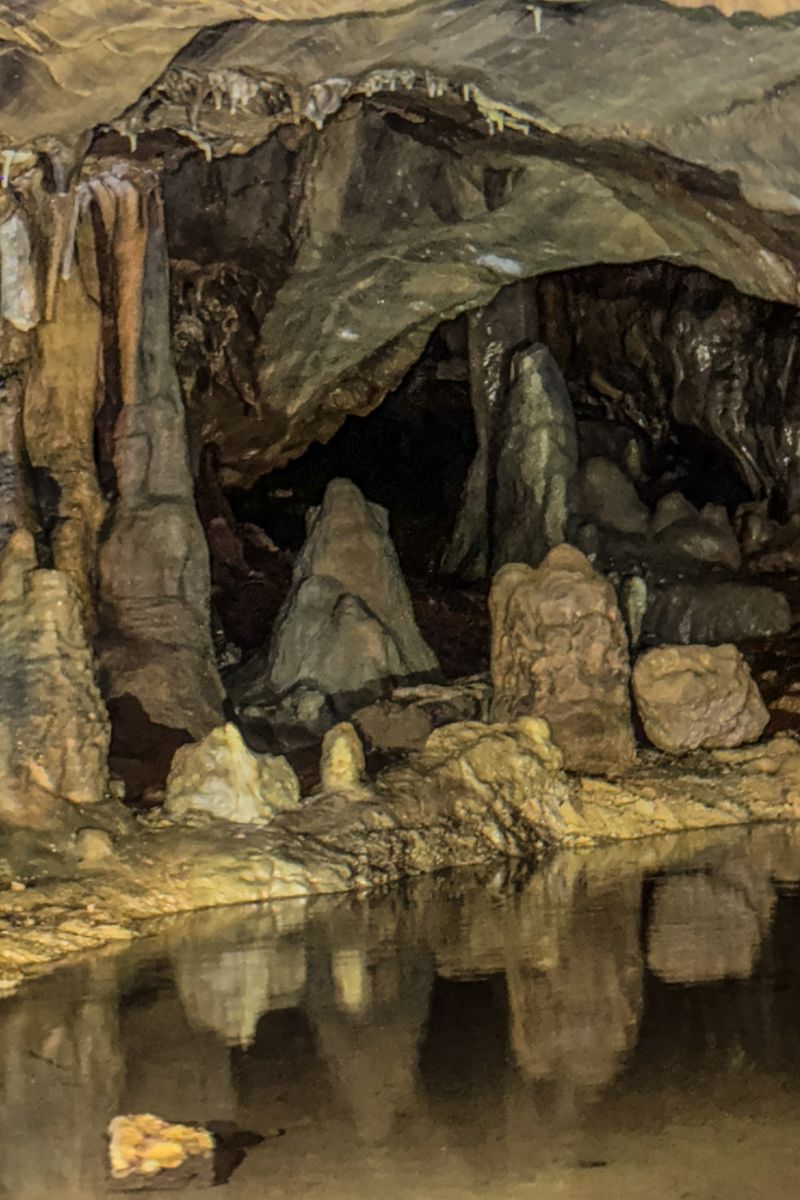
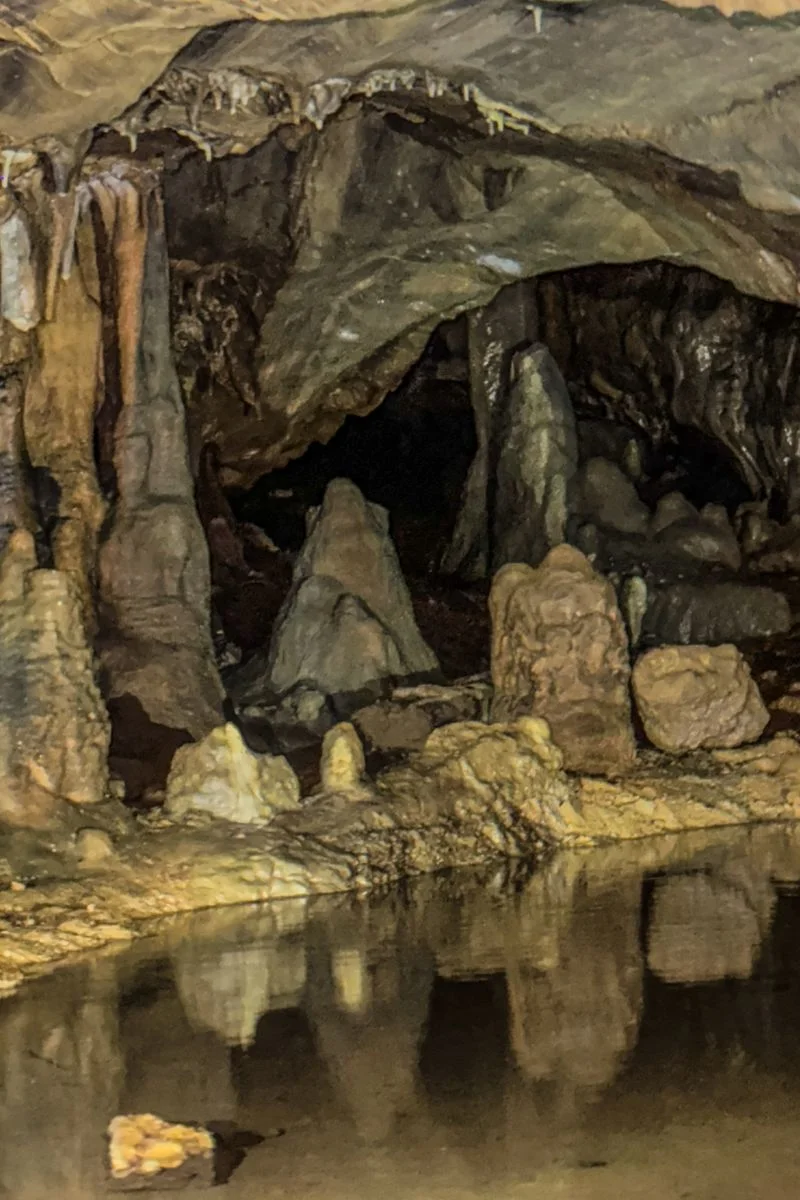
Low light does not have to mean bad photos. Angle your headlamp from the side to rake light across textures, which reveals crystal edges and flowstone ripples.
Turn off harsh flash and embrace steadier, longer exposures by bracing against a wall you are allowed to touch.
Use a phone’s night mode or a camera with high ISO, and keep a wrist strap secure in tighter corridors. Ask the guide to hold a beam for you, or swap lights with a friend to create depth.
Black light moments are best for video, since shimmer rarely holds still.
Photograph people for scale: a silhouette at the base of a drape tells a richer story than a rock alone. Take fewer, better frames and then look with your eyes.
Respect boundaries and never cross into sensitive areas for a shot.
Wipe lenses dry if humidity fogs glass, and store gear in a pocket between stops. When the guide offers to take a group photo, say yes.
You will treasure that lamplit grin long after the last drip echoes into quiet.