
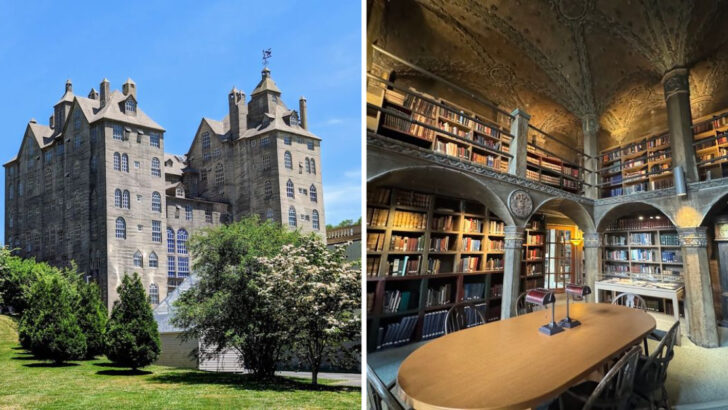
From the outside, it looks like a fortress lost in time, yet the moment you step inside, your idea of a museum gets flipped on its head. The Mercer Museum in Doylestown stacks six stories of American ingenuity into a concrete castle that feels part cathedral, part time capsule.
Boats, wagons, and trade signs hover overhead like a dream of early America suspended in midair. If you enjoy architecture, oddities, and hands-on history, this place will hook you fast.
Tools That Built Everyday Life
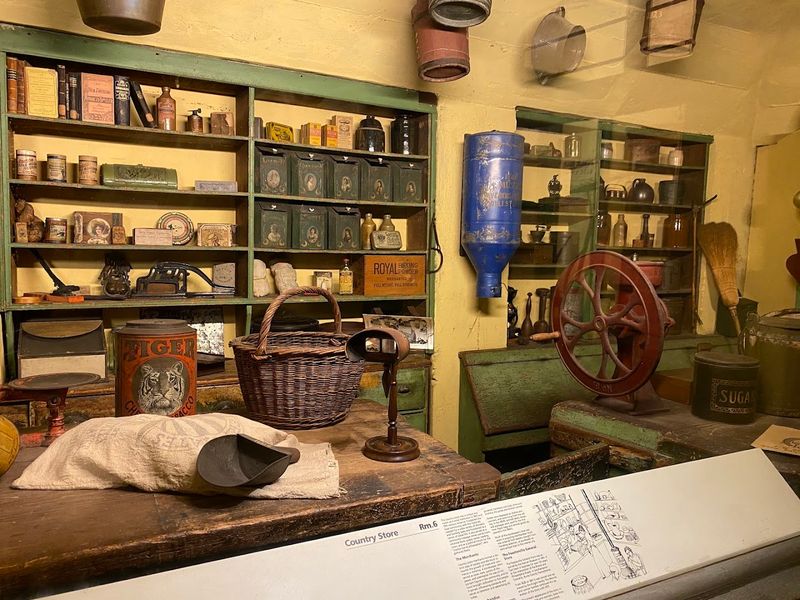
The magic here is not celebrity artifacts but everyday tools that carried families through work and seasons. You will find woodworking planes, cider presses, spinning implements, and iron stoves, each revealing skill honed by repetition.
Stand near a workbench and you can almost hear the rhythm of hands, not machines. That shift brings early America close enough to feel practical, not abstract.
Scan labels for trade names you rarely hear now, then match forms to their function. A fanning mill sorts grain, a drawknife shapes curves, and a cooper’s croze cuts grooves for barrels that never leaked.
Imagine what a day’s labor meant without electricity or power tools. The variety gives kids great guessing games before peeking at the placards.
To make it personal, pick one trade that interests you and trace it across floors. Photograph recurring shapes, like wooden teeth in gears or wrought-iron hinges with proud curls.
By the end, you will have a mini-collection telling one clear story. That method keeps the sprawl manageable and makes memories stick long after the elevator doors close.
The Concrete Castle Exterior
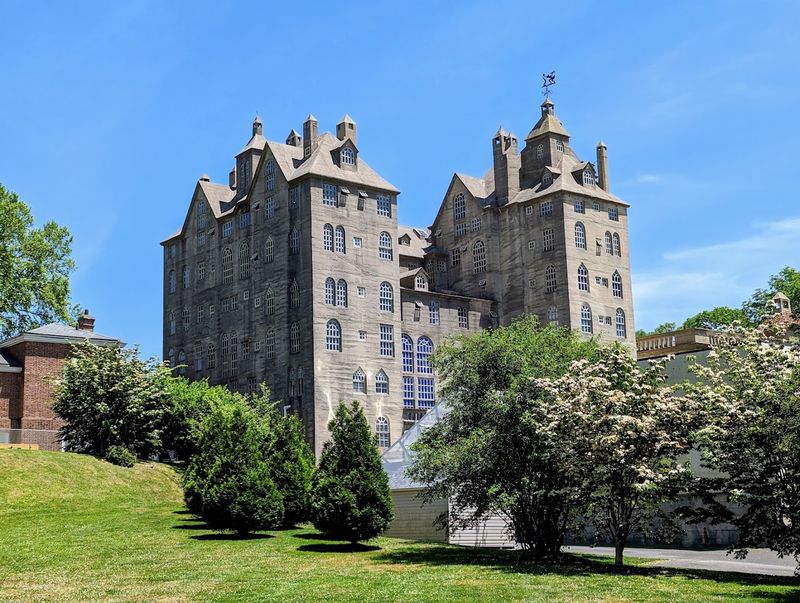
Those battlements and arrow-slit windows trick the eye, but you are looking at reinforced concrete, not carved stone. Henry Mercer designed a fireproof stronghold to safeguard humble tools he believed told America’s real story.
Walk the perimeter slowly and you will notice tile insets, playful asymmetry, and small design jokes that soften the fortress vibe. Morning light hits the facade just right for photos that need no heavy editing.
Before you enter, pull up the hours and note that Monday is closed, with the rest of the week generally open 10 AM to 5 PM. Parking is straightforward, and the neighborhood around South Pine Street adds a charming backdrop.
Give yourself a few beats to adjust expectations, because the inside is arranged vertically, not linearly. That shift sets up a more adventurous visit than a typical gallery stroll.
If you like starting with context, read the on-site panel about Mercer’s mission to preserve pre-industrial life. You will recognize many objects later that once seemed ordinary but now feel rare.
A quick exterior lap also helps families burn energy before stepping into narrower passages. Once ready, head for tickets and grab the map that unlocks the museum’s most surprising vantage points.
The Six-Story Atrium Reveal
Riding the blue elevator to the top and working downward is the move that saves time and reveals the showpiece instantly. From the upper levels, the atrium opens like a canyon of artifacts, with boats, wagons, and wheels suspended among concrete ribs.
Look for the stagecoach, a small boat, and trade figures set like punctuation in midair. It is equal parts engineering, theater, and historical archive.
Lean on the railings and scan for tiny labels that reward patience. The view helps you map shortcuts between alcoves, so you will waste less backtracking later.
Snap a wide shot early, then shift to details like wheel hubs or rope lashings for scale. Hearing the murmur of visitors below keeps the space human, even as the volume of objects feels monumental.
To stay oriented, note the stairheads that spill into small galleries devoted to trades. When a section feels dense, step back into the balcony and reset your eyes.
Families appreciate this rhythm: big reveal, focused corner, then back out for air. You will leave the atrium last with a different lens, noticing stories tucked into beams you missed at first glance.
Finding Your Route Through The Maze
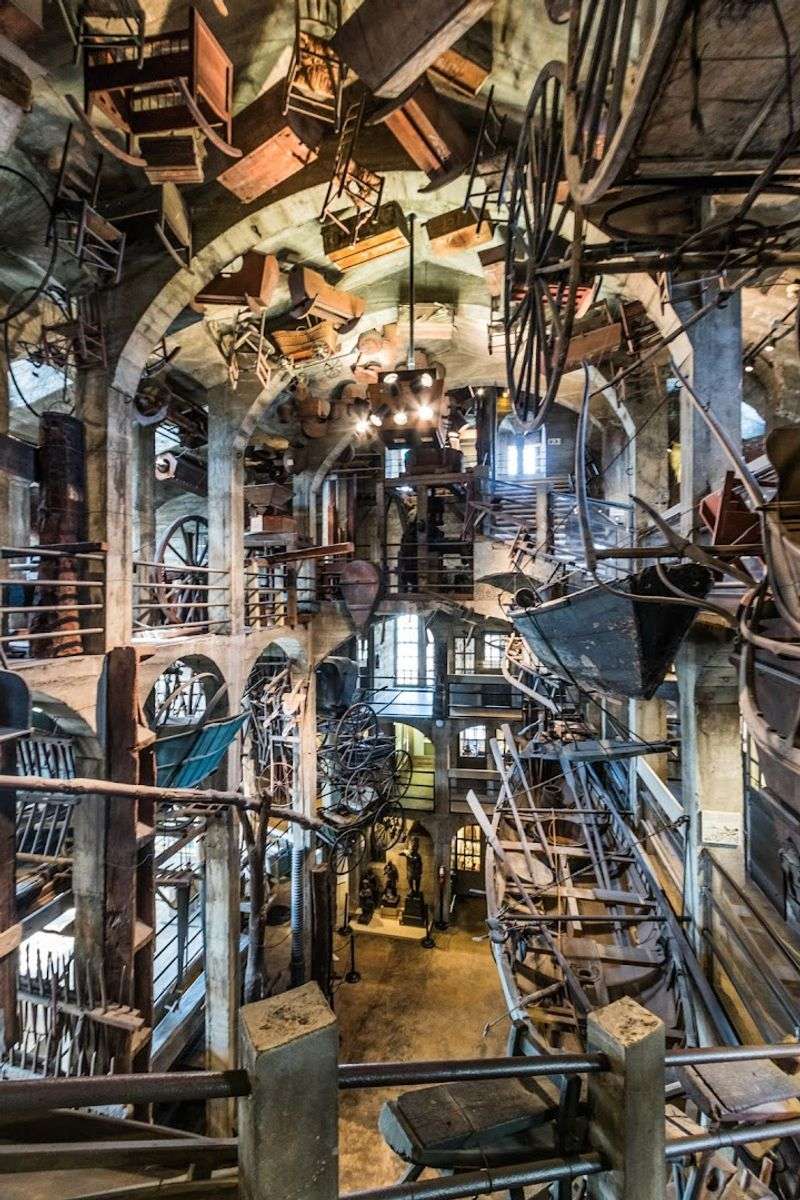
This building rewards a simple plan: start on six, skim the atrium overlook, then descend one level at a time. Use the map like a treasure guide, circling must-sees and checking off side rooms you might otherwise miss.
Narrow halls and sudden stairheads make it feel labyrinthine in a fun way. Comfortable shoes beat stylish ones, hands down.
Accessibility matters, so know that the historic castle side has tight passages that limit full access. The museum offers a virtual tour kiosk on site to bridge those gaps meaningfully.
Elevators connect core levels, and benches appear at smart intervals for catch-your-breath breaks. If you are sensitive to stuffy spaces, hover near fans on upper floors when needed.
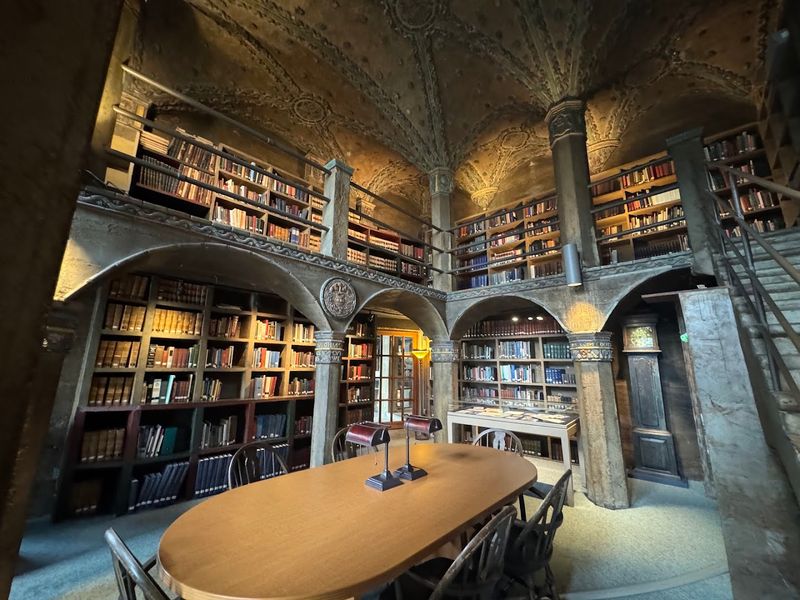
Timebox your visit with milestones: the boat, the stagecoach, the fire engine, the stoves, then the library. That checklist prevents fatigue, because you will always know the next reward coming up.
For families, split into short bursts and regroup at obvious anchors like the atrium railing. A little structure turns surprise-filled corridors into a confident, memorable circuit.
Kids’ Interactive Room and Family Strategies
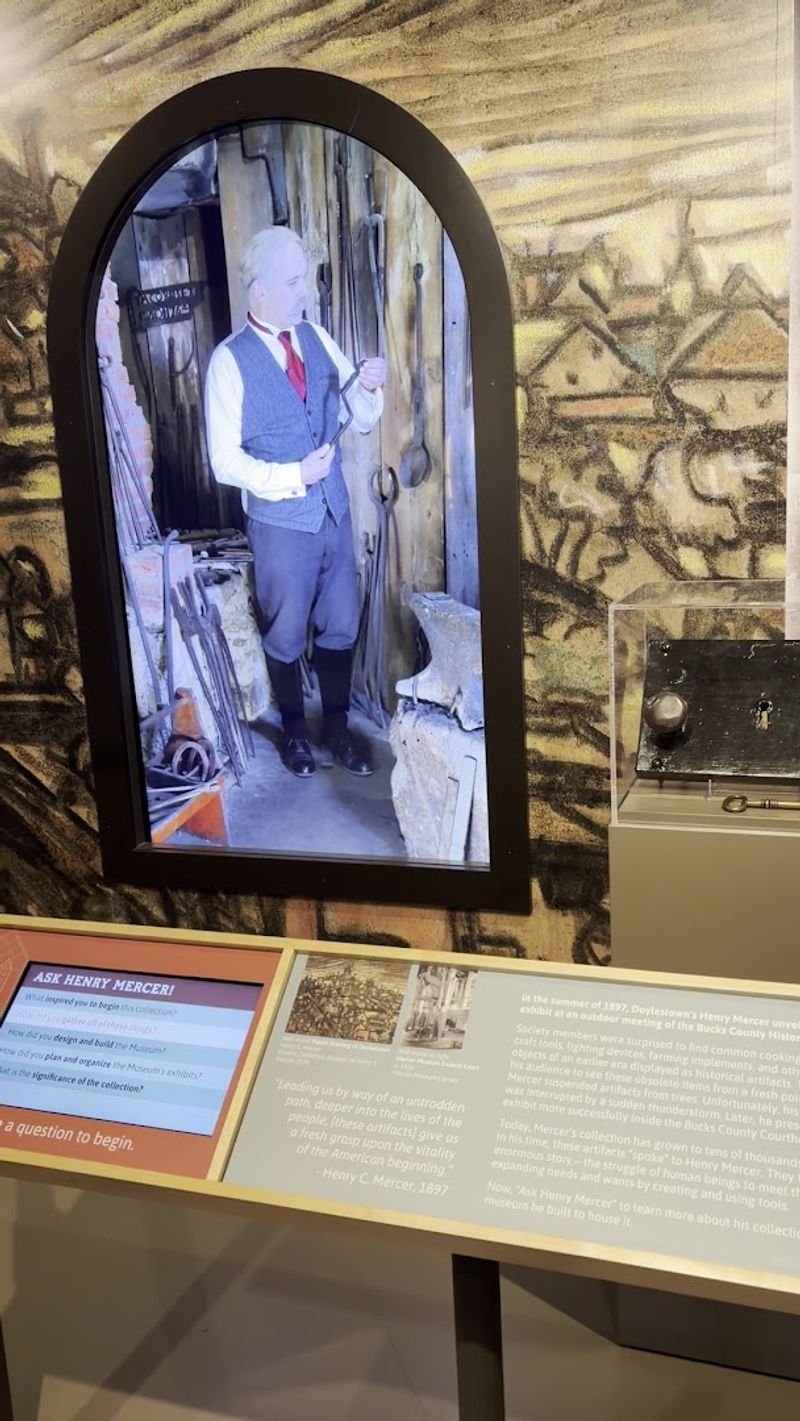
Young visitors light up in the kids’ space, where touch-friendly activities turn curiosity into momentum. You can tinker with safe replicas, build mini structures, and match tools to trades without guesswork.
Plan this stop like a reward after one dense floor. It recharges patience and turns the next gallery into a shared scavenger hunt.
Make a simple count-and-spot game: five wheels, three pulleys, one trade figure with stripes. Snap photos of wins and move on before interest cools.
Keep snacks for outside breaks only, then head back in refreshed. A cozy pace beats a marathon every time.
Ask staff for the best kid-friendly route that still hits the wow moments. They will steer you to the atrium overlook, the boat, and stoves with dramatic shapes.
If a hallway feels tight, circle to a parallel path and reconvene. The goal is connection, not completion, and the museum’s design supports that beautifully.
Must-See Artifacts: Fire Engine, Boat, and Stagecoach
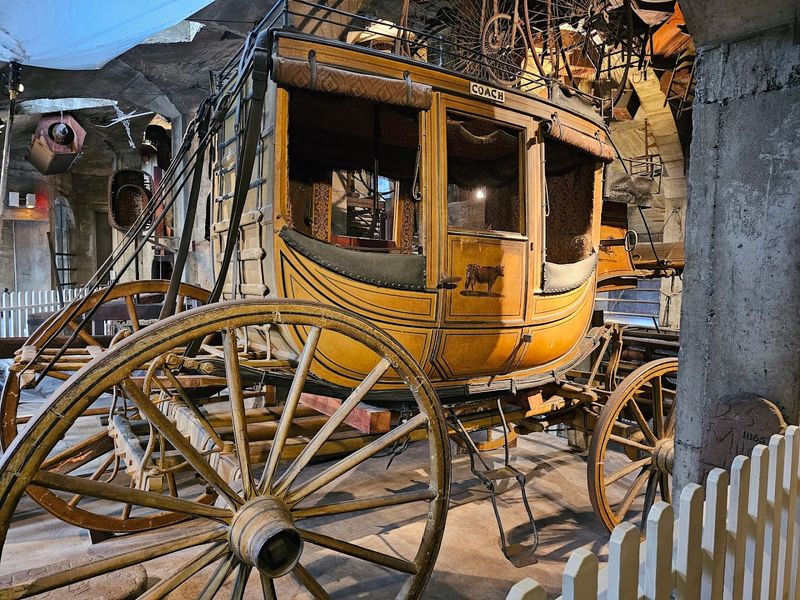
A compact 1840s fire engine gleams with brass and red, marking a shift from bucket brigades to organized response. Nearby, a stagecoach radiates sturdy craftsmanship, its leather and woodwork whispering of long roads and rattling nights.
Overhead, a small boat floats like punctuation in the atrium’s vertical sentence. Each piece anchors a different chapter of civic life.
Do not rush these anchors. Walk around for different sightlines and look for telltale wear on leather, joints, and metal fittings.
Small labels explain how communities pooled resources for firefighting, transport, and river travel before asphalt grids and hydrants. Those details shrink the past from abstract to recognizable.
For a tidy learning moment, ask everyone in your group to name one risk these objects reduced. Fire spread, isolation, and seasonal flooding usually top the list.
Then match that answer to modern equivalents, from sprinklers to snowplows and bridges. It is a quick exercise that turns admiration into understanding you will actually remember.
Trade Figures and Signage Stories
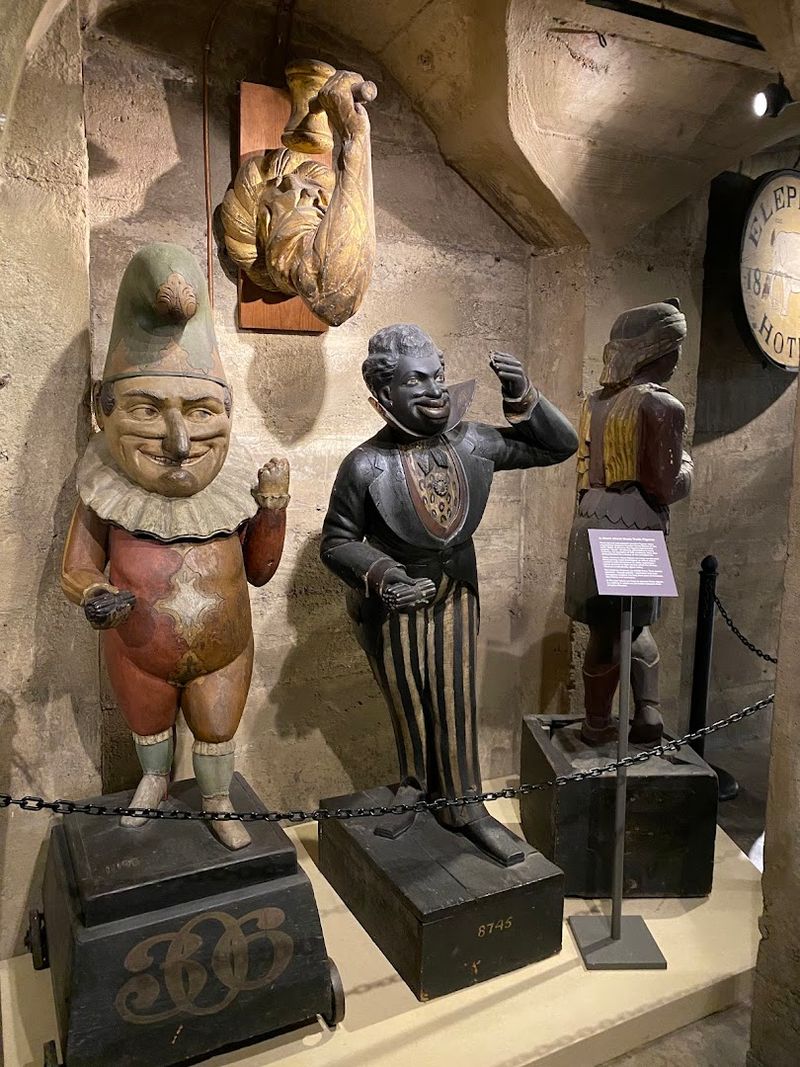
Commercial art once waved people in from the street, and the museum’s trade figures make that world feel near. Carved characters like Mr. Punch held court outside cigar shops, luring customers with humor before they ever read a word.
Shapes spoke first; literacy came second. That hierarchy flips the way you think about marketing.
Stand close and study tool marks, chipped paint, and exaggerated poses that read from a distance. Then picture the bustle of a nineteenth-century corner where such figures competed with bells and hawkers.
It is easy to see how a bold silhouette could outshout a paragraph. The simplicity feels oddly modern in an age of scrolling feeds.
Turn the idea into a family challenge: describe a trade figure in five words, then guess the shop. Compare answers with the actual label and award bragging rights.
This quick game sharpens observation without slowing the visit. By the next floor, you will notice signage everywhere, and the castle turns into a conversation with old storefronts.
The Tilework Clues and Symbols
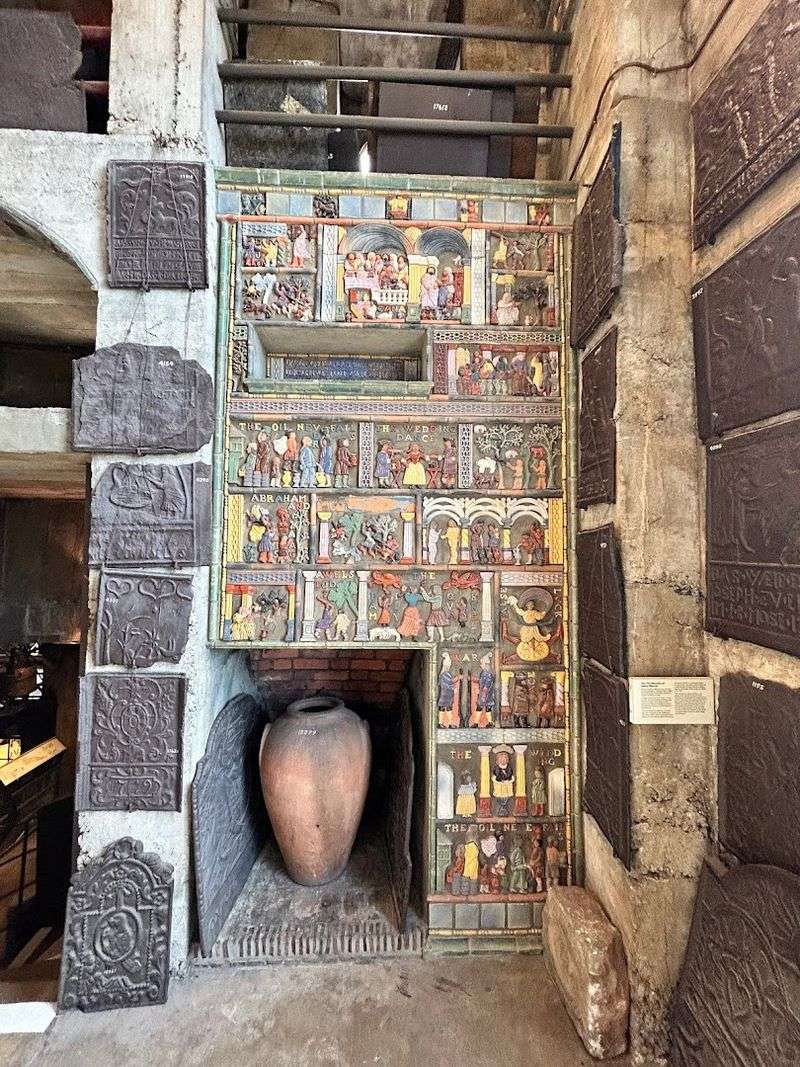
Look close at the walls and you will find Mercer’s tiles winking from gray concrete, clues to his restless imagination. Animals, zodiac signs, ships, and tiny initials appear where you least expect them, embedded like breadcrumbs for curious eyes.
Trace their edges with your gaze, then spot the kiln sheen from the Moravian Tile Works.
Inside, tiles climb stairwells and archways, turning thresholds into stories you can read without labels. Hunt for repeating motifs and link them to nearby tools until the building becomes a working index.
Pause on a landing and let those small terracotta voices guide your next turn.