
When most people think of Southern California, they picture crowded beaches, traffic jams, and blazing summer heat.
But tucked away in San Diego County, Palomar Mountain State Park offers something totally different — cool mountain air, towering trees, and stunning views that stretch for miles.
Sitting at around 5,000 feet above sea level, this hidden gem feels more like a national forest than a typical SoCal destination.
If you’re ready to trade sand and sunscreen for pine needles and panoramic skies, Palomar Mountain is calling your name.
High-Elevation Escape Above the Coastal Heat
Imagine leaving behind the sticky, sweltering heat of the Southern California coast and arriving somewhere that actually feels refreshing. That’s exactly what happens when you drive up to Palomar Mountain State Park.
At roughly 5,000 feet above sea level, the temperature can be 20 degrees cooler than the cities below — no exaggeration.
During summer months, while coastal areas bake in the high 90s, the mountain often hovers in the pleasant 70s. That difference makes a huge impact on how much energy you have to hike, explore, and enjoy the outdoors.
Families who visit often say it feels like stepping into a completely different climate zone without traveling far.
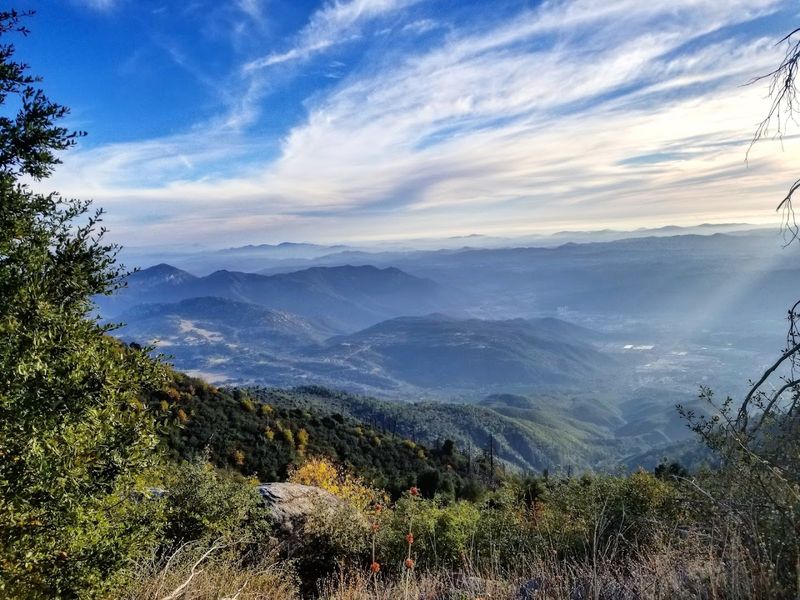
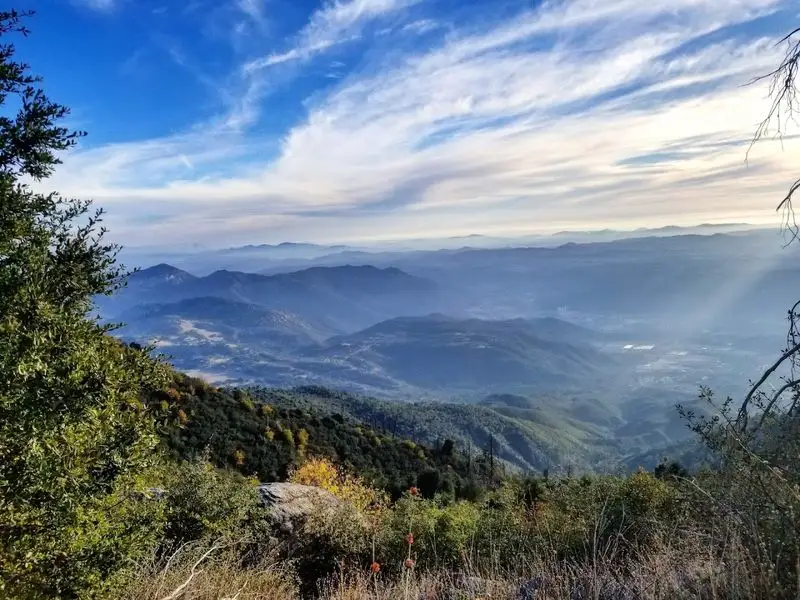
The sweeping views from the upper ridgelines look out over valleys, distant mountain ranges, and on clear days, even a shimmer of the Pacific Ocean on the horizon. There’s something almost magical about standing in a cool pine forest while knowing the beach is only an hour away.
Palomar Mountain gives Southern California visitors a refreshing mountain retreat without the long drive north, making it one of the region’s most underrated escapes from seasonal heat.
Sierra Nevada-Style Forests in an Unexpected Setting
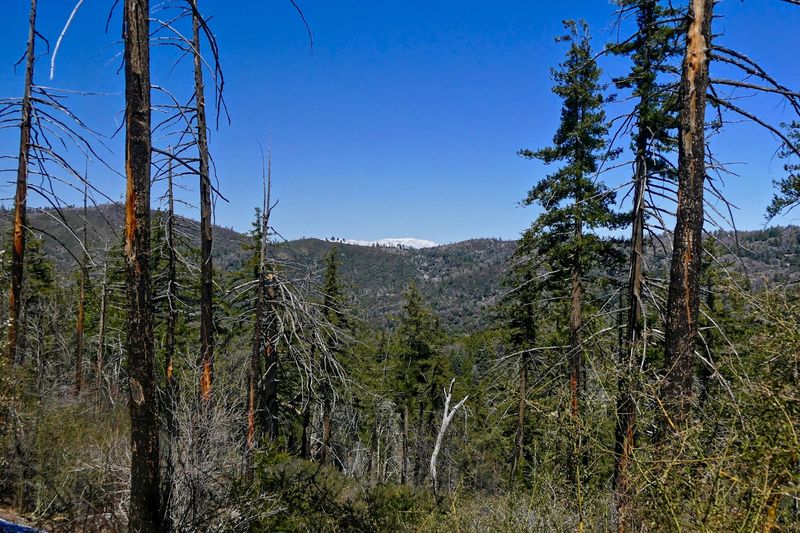
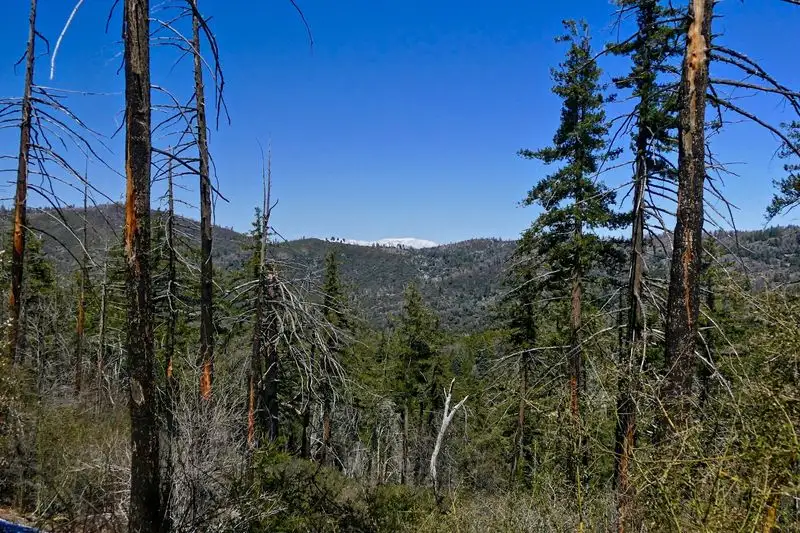
Most people are shocked the first time they drive through Palomar Mountain’s forest. Towering ponderosa pines, white firs, and incense cedars line the roads and trails, creating a shaded canopy that feels more like Yosemite than San Diego County.
It’s genuinely hard to believe this landscape exists just an hour from the beach.
Southern California’s coastal terrain is mostly dry chaparral, scrubby hills, and sun-scorched slopes. Palomar Mountain breaks that mold completely.
The higher elevation captures more moisture from passing storms and marine layer fog, which allows these tall, lush conifers to thrive in a region better known for succulents and palm trees.
Hiking through this unexpected forest, you’ll notice the soft crunch of pine needles underfoot and the fresh, earthy scent of the trees around you. Birds you’d normally find much farther north — like Steller’s jays and mountain chickadees — call out from the branches overhead.
The forest floor is carpeted with ferns and wildflowers during spring, adding bursts of color to the green landscape. For anyone who loves classic mountain scenery, Palomar delivers a genuine Sierra Nevada experience without the six-hour drive.
Panoramic Views from Boucher Hill Lookout
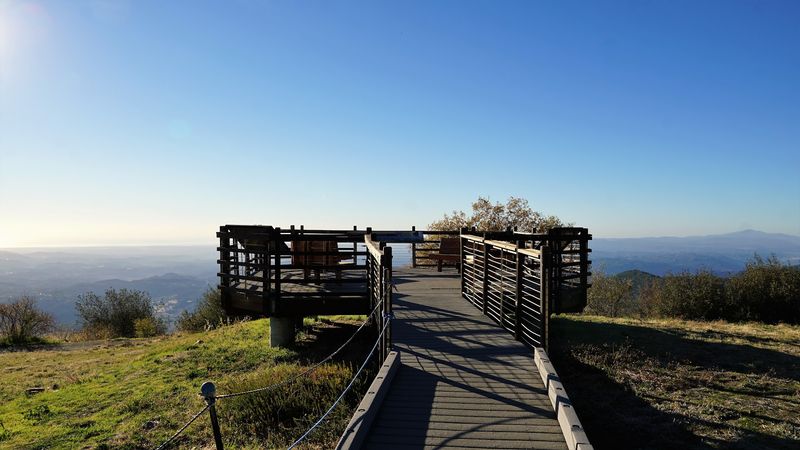
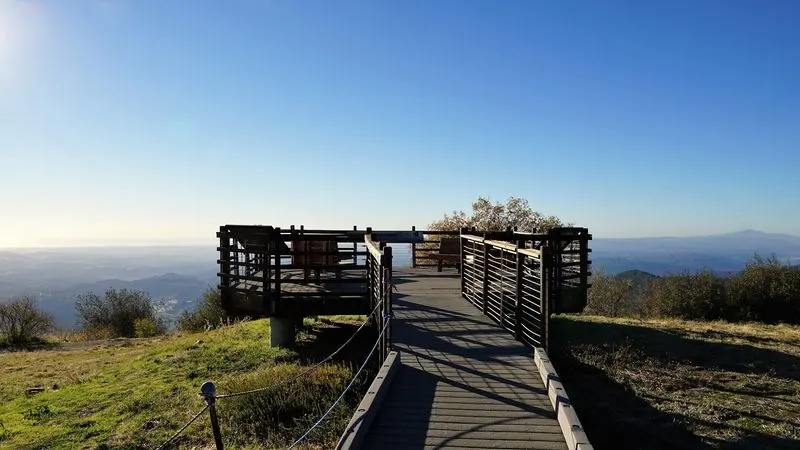
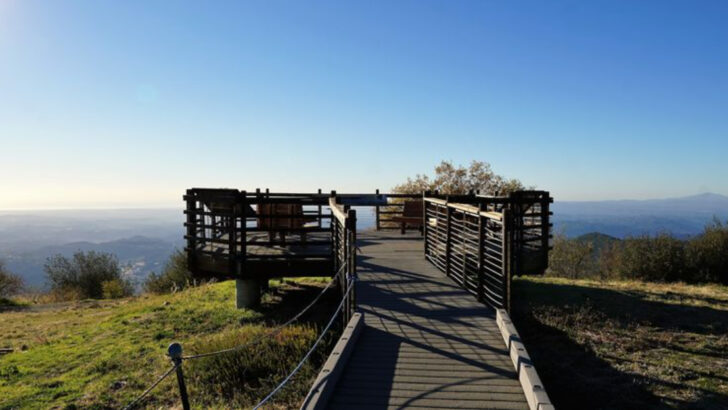
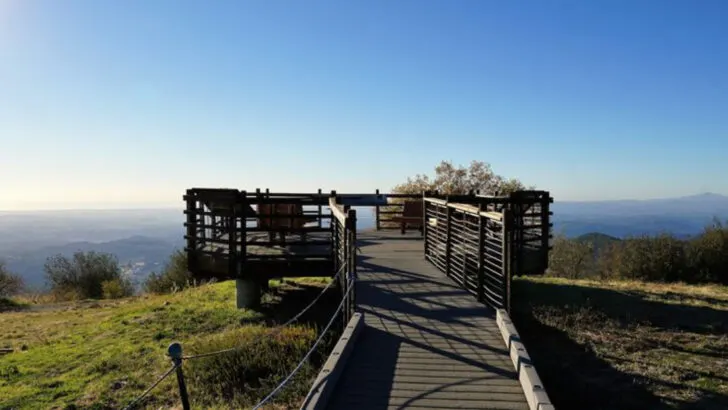
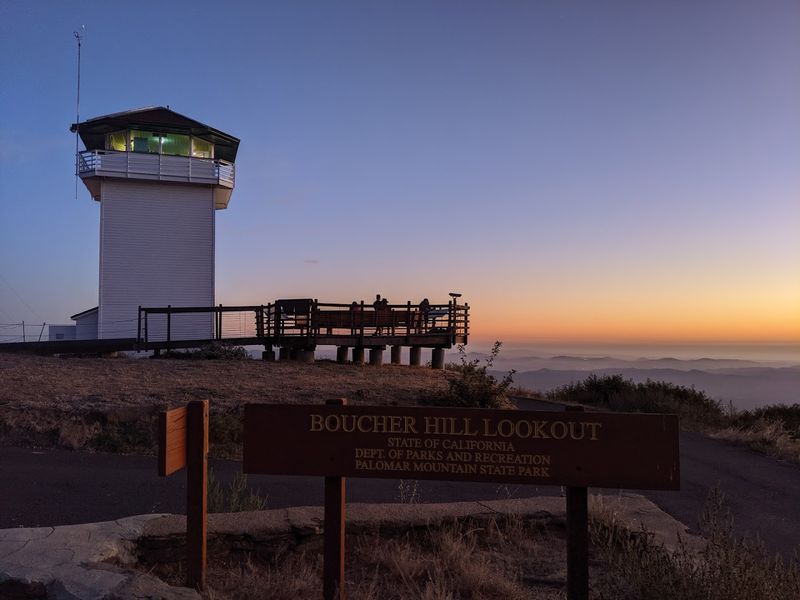
Built in the 1930s, the Boucher Hill Fire Lookout has stood watch over Palomar Mountain for nearly a century. Perched at 5,438 feet, it’s one of the highest points in the park and rewards every visitor who makes the short hike up with a jaw-dropping, 360-degree view of the surrounding landscape.
On a clear day — especially after a rain when the air is scrubbed clean — you can see the Pacific Ocean glittering to the west, the Salton Sea shimmering to the east, and mountain ranges rolling off in every direction. The lookout itself is a charming, rustic structure listed on the National Register of Historic Places, adding a layer of history to the already stunning scenery.
The trail to Boucher Hill is relatively short and manageable, making it accessible for most visitors, including families with older kids. Rangers occasionally staff the lookout during fire season and are happy to share the tower’s fascinating history.
Bring binoculars if you have them — the detail you can pick out on a clear afternoon is remarkable. Few viewpoints in all of Southern California match the combination of history, accessibility, and raw visual impact that Boucher Hill delivers.
Miles of Scenic Hiking Trails
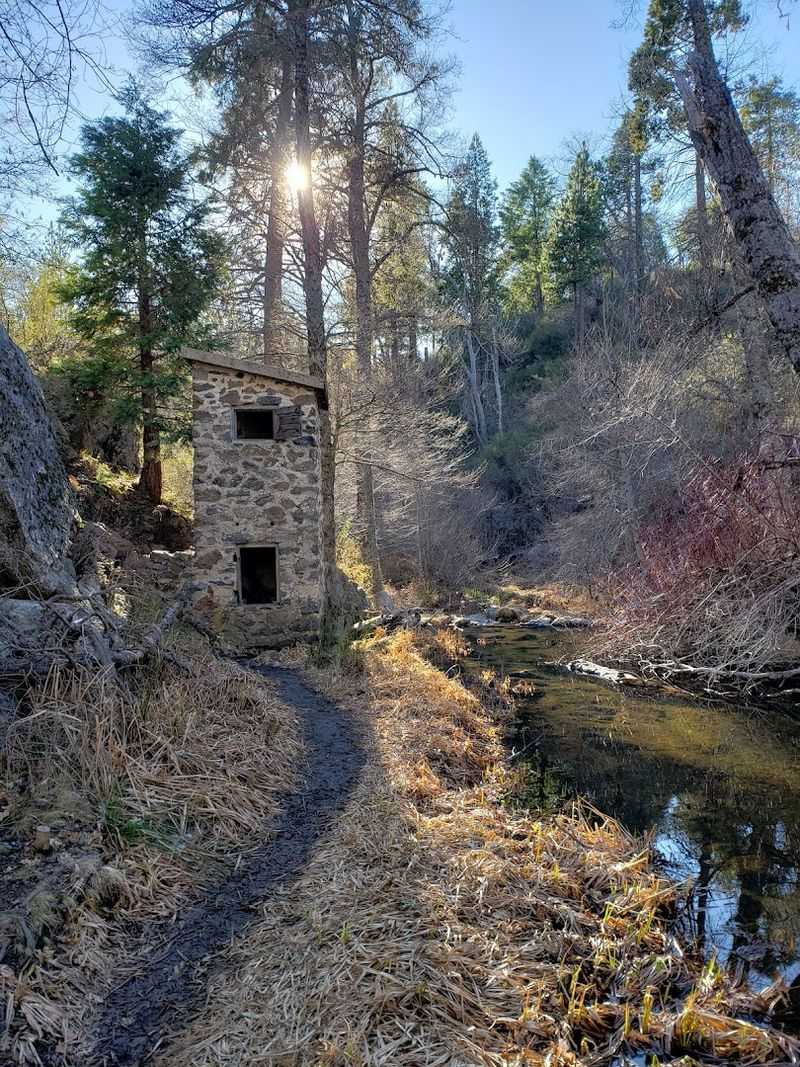
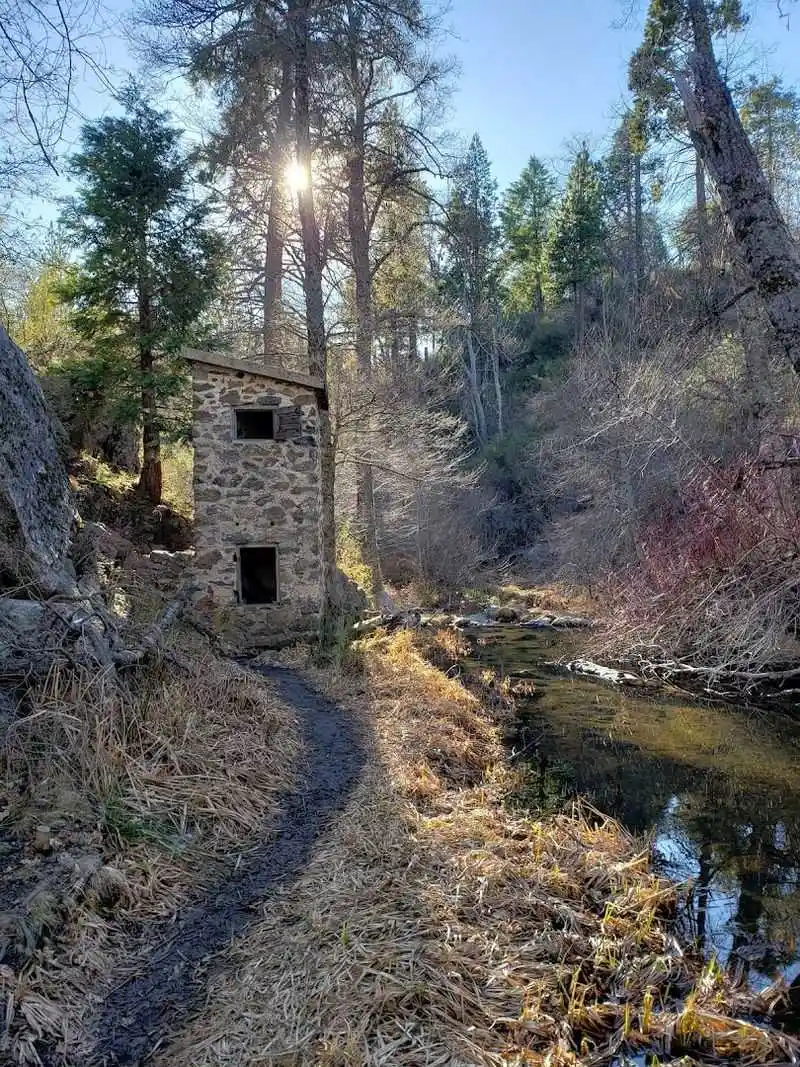
Whether you’re the type who prefers a leisurely stroll or someone who loves a challenging ridge-line scramble, Palomar Mountain State Park has a trail waiting for you. The park’s interconnected network of paths winds through meadows, dense forest, shaded ridgelines, and past seasonal streams that trickle through the landscape after winter rains.
Shorter, flatter loops are perfect for families with young children or visitors who just want to breathe fresh mountain air without breaking a sweat. Longer trails push deeper into the wilderness, where the only sounds are wind through the pines and the occasional call of a hawk circling overhead.
Trail signage throughout the park is clear and well-maintained, so getting lost is unlikely even for first-time visitors.
Spring is arguably the best time to hike here, when wildflowers dot the meadows and the forest feels alive with color and sound. Fall brings crisp, golden light filtering through the trees, creating some of the most photogenic hiking conditions imaginable.
Sturdy walking shoes and a water bottle are the only real requirements. The trails at Palomar Mountain don’t demand expert gear or elite fitness — just a willingness to slow down and enjoy what the mountain generously offers around every bend.
Peaceful Lakeside Moments at Doane Pond
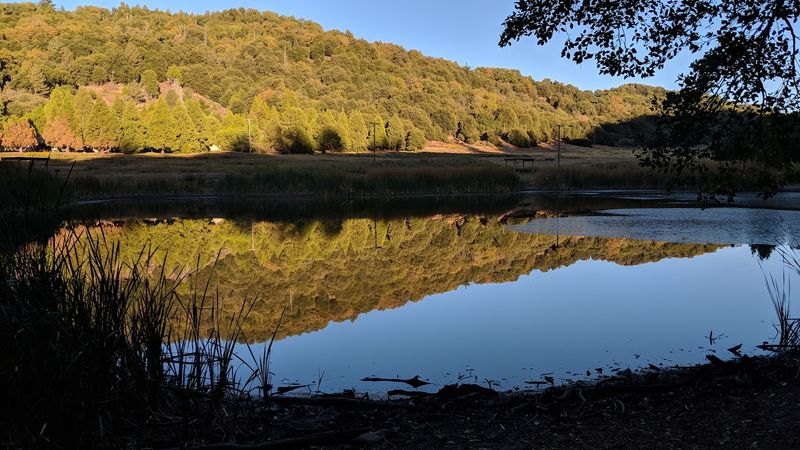
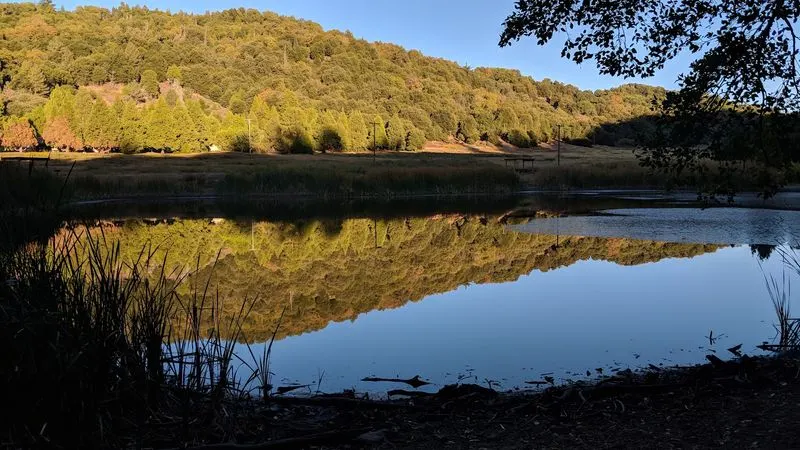
Tucked inside a forested bowl near the heart of the park, Doane Pond is the kind of place that makes you exhale and slow down the moment you arrive. The pond is small but perfectly serene, ringed by pine and oak trees that reflect beautifully on the still water’s surface during calm mornings.
Fishing is a popular activity here, and the pond is stocked with trout during cooler months, making it a favorite spot for families introducing kids to the joys of angling. You don’t need fancy gear — a basic rod and a little patience are all it takes to spend a satisfying afternoon by the water.
Picnic tables nearby make it easy to turn a fishing trip into a full-day outing with food, laughter, and fresh mountain air.
Even if fishing isn’t your thing, simply sitting near Doane Pond and watching the light shift through the trees is deeply relaxing. Dragonflies hover over the surface in summer, and deer sometimes wander to the water’s edge at dawn.
Wildlife photographers find the pond especially rewarding in early morning light. Doane Pond proves that Southern California’s mountains offer the kind of quiet, restorative beauty that no crowded beach can replicate.
Wildlife in a True Mountain Habitat


Palomar Mountain State Park isn’t just scenic — it’s alive in a way that surprises most visitors. The park’s mix of dense forest, open meadows, and freshwater pond creates a layered habitat that supports an impressive variety of wildlife.
Step quietly along any trail and the chances of a memorable animal encounter go way up.
Mule deer are probably the most commonly spotted residents, often grazing calmly in meadow clearings during early morning and evening hours. Bobcats and gray foxes roam the forest edges, and patient hikers occasionally catch a glimpse of these elusive creatures near dawn or dusk.
The park also sits within range of mountain lions, though sightings are rare and the big cats generally keep their distance.
Bird enthusiasts will find the park particularly rewarding. Species like acorn woodpeckers, white-headed woodpeckers, band-tailed pigeons, and western tanagers all make their homes in the park’s varied forest zones.
Migratory songbirds pass through during spring and fall, adding seasonal variety to the already rich birdwatching scene. Bringing a pair of binoculars and a field guide transforms any hike into a wildlife discovery adventure.
Palomar Mountain’s biodiversity reminds visitors that California’s mountains hold far more wild life than the crowded coast ever could.
Campgrounds Built for Cool Mountain Nights
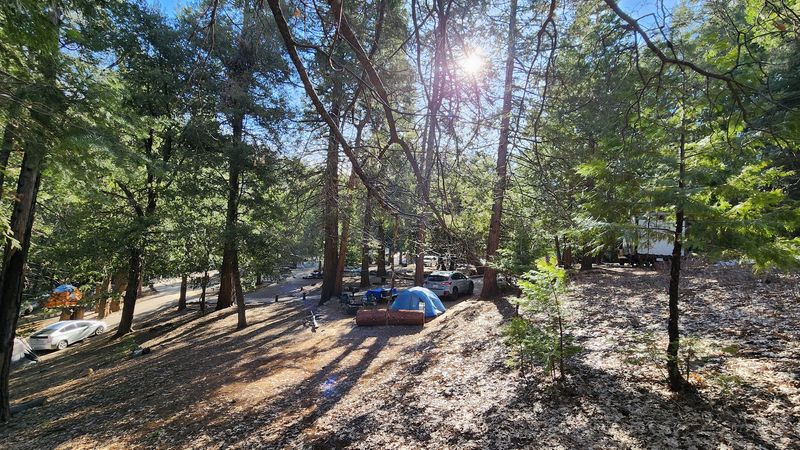
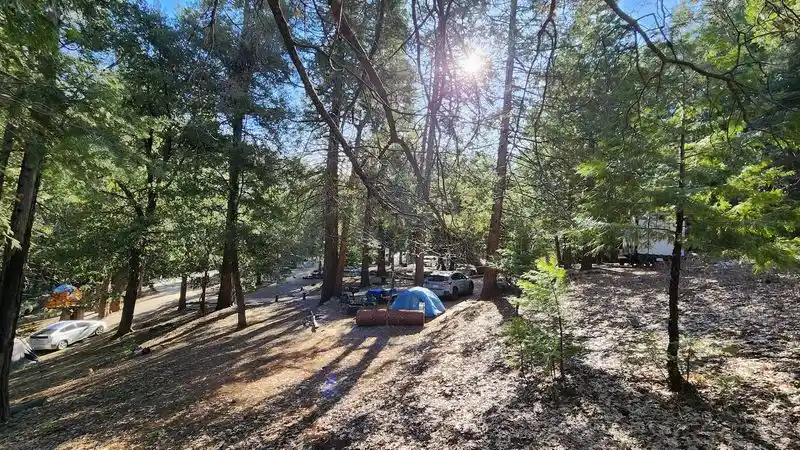
Camping at Palomar Mountain State Park is a genuinely different experience from the scorching, shadeless campgrounds found in Southern California’s desert or inland valleys. The park’s Doane Valley Campground sits under a canopy of towering pines and oaks, keeping sites comfortably shaded throughout the day and blissfully cool after sunset.
Evening temperatures regularly drop into the 50s, even during midsummer — a welcome change for anyone who’s tried to sleep through a sweltering desert night. Campers often describe waking up to the sound of birds and the smell of pine-scented air as one of the most refreshing outdoor experiences they’ve had in the region.
Campfire rings at each site make evenings around the flames a natural ritual after a day on the trails.
The campground is conveniently located near Doane Pond and several trailheads, so you can roll out of your sleeping bag and be on a hike within minutes. Reservations are recommended, especially on summer weekends, when the park’s reputation for cool temperatures draws visitors from as far as Los Angeles and the Inland Empire.
For families looking to introduce kids to camping without battling extreme heat, Palomar Mountain offers the most comfortable basecamp in all of Southern California.
Dark Skies Perfect for Stargazing
Spending a night under Palomar Mountain’s sky is something that genuinely changes people. Far from the glow of San Diego and Los Angeles, the mountain’s higher elevation and limited surrounding development create conditions for stargazing that feel almost impossible to find in Southern California.
On a clear, moonless night, the Milky Way stretches across the sky in full, breathtaking detail.
The same mountain that hosts the famous Palomar Observatory — home to the legendary 200-inch Hale Telescope — benefits from some of the darkest skies in the region. Astronomers chose this location for a reason, and casual stargazers reap the same rewards simply by stepping outside their tent after dark.
Constellations that are nearly invisible from city parks blaze brightly here, and shooting stars are a regular treat on clear evenings.
No telescope is required to enjoy the show, though binoculars can reveal incredible detail in star clusters and even the faint smudge of distant galaxies. Bring a warm jacket — temperatures drop quickly after sunset, and you’ll want to stay outside long enough to let your eyes fully adjust to the darkness.
The combination of cool mountain air and an ink-black sky overhead makes Palomar Mountain one of the best free stargazing destinations in all of California.
Deep Cultural and Indigenous Roots
Long before state park boundaries were drawn or fire lookout towers were built, Palomar Mountain held deep meaning for the Luiseno people — also known as the Payomkawichum — who have called this region home for thousands of years. The mountain, which they called Paauw, was a sacred and significant place woven into their cultural identity, spiritual practices, and connection to the natural world.
The Luiseno gathered acorns, hunted deer, and harvested plants across these slopes for generations. Their knowledge of the land’s seasonal rhythms and natural resources reflects an intimate, long-standing relationship with the mountain ecosystem that modern visitors are only beginning to appreciate.
Several interpretive signs and educational resources within the park touch on this cultural heritage, offering context that deepens the experience of walking these trails.
Recognizing indigenous history adds a meaningful layer to any visit. The oak trees you walk past, the meadows you photograph, and the springs that feed Doane Pond are all part of a landscape that carried cultural, ceremonial, and practical significance long before recreational hiking was ever a concept.
Approaching Palomar Mountain with awareness of its indigenous roots transforms a simple day trip into something more thoughtful — a reminder that this land has always been worth cherishing.
A Quiet Alternative to Southern California’s Busy Coast
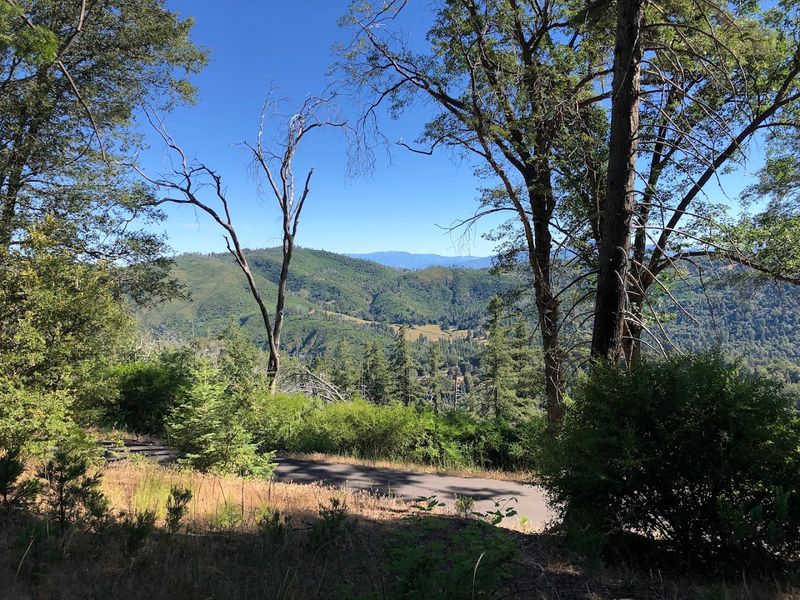
On a busy summer weekend, Southern California’s beaches can feel more like theme parks than natural spaces — packed parking lots, wall-to-wall blankets, and the constant roar of crowds. Palomar Mountain State Park offers the opposite experience: open meadows, forested paths, and a quietness that actually lets you hear your own thoughts again.
The park draws far fewer visitors than coastal hot spots, meaning trails rarely feel congested and you can almost always find a peaceful picnic spot without circling for twenty minutes. That low-key atmosphere makes it especially appealing for people who want to recharge rather than compete for space.
Solo travelers, couples, and families who crave genuine tranquility find Palomar Mountain to be one of the most restorative spots in the entire region.
Beyond the solitude, the scenery does all the heavy lifting. Rolling meadows catch the afternoon light beautifully, pine-scented breezes carry away the stress of the week, and the absence of cell service in many areas becomes a feature rather than a flaw.
Visiting Palomar Mountain isn’t just a trip to a park — it’s a deliberate choice to step away from the noise and find something slower, quieter, and genuinely beautiful. Southern California has always had this mountain retreat; not enough people know it yet.