
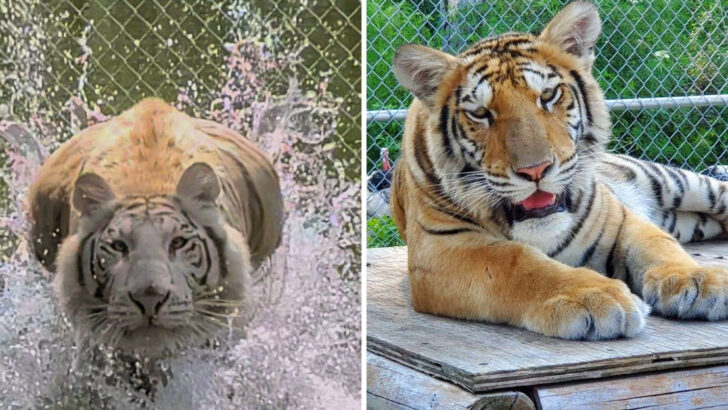
What if you could stand just feet from a tiger as it chuffs, without the elbow-to-elbow crowds of a typical zoo. At St. Augustine Wild Reserve, the focus is intimate, ethical encounters that leave you a little breathless and a lot more informed.
Volunteers feed during tours, stories unfold at each enclosure, and the no-photo rule makes room for real presence. Come curious and you will leave with a conservation mindset and a few goosebumps.
Getting Closer Than Any Zoo

Fences are not the story here. What makes your heart race is how near you feel to the animals while still standing in clear, designated safety zones.
Trained guides feed during tours, so lions, tigers, and wolves step right up, and you are suddenly measuring whiskers with your eyes.
That proximity works because every detail is managed with intention. Barriers are double, aisles are marked, and volunteers flank the group so kids and cameras never creep forward.
You will hear reminders that calm voices help the animals relax, and you will notice how quickly a keeper can reposition a crowd.
Your job is simple. Wear closed-toe shoes, hold questions until the guide pauses, and keep fingers far from mesh.
Do that, and you get the rare reward of eye contact so close you will feel the rumble of a lion in your ribs.
If you like measurable tips, arrive a few minutes early to claim the front rail during feeding segments. Stand with feet angled sideways to the enclosure so you can pivot easily as the animal tracks the keeper.
Keep your eyes up, not on your phone, and you will catch subtleties like ear flicks, tail swishes, and soft chuffs.
Lavender Bubble Baths For Tigers
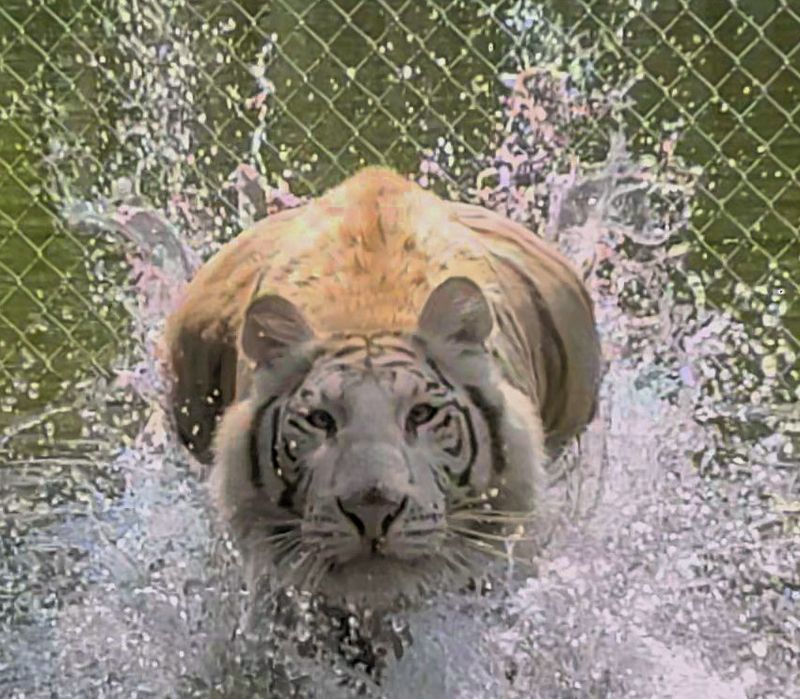
Enrichment here gets delightfully unexpected, and yes, lavender bubble baths are part of a tiger spa day. The scent calms big cats the way a favorite playlist calms you on I-95, and the suds add novelty that engages paws, whiskers, and curiosity.
Guides explain that relaxed animals learn and interact more safely.
Before you arrive, staff prep diluted, animal-safe shampoo and warm water in heavy tubs anchored near the enclosure. A tiger chooses to participate, stepping in to splash, rub along the bubbles, or lean for a gentle all-safe rinse using long-handled tools.
You can smell the aromatherapy while standing comfortably behind the barrier.
Kids perk up at paw prints stamped in foam, adults ask about the science, and everyone leaves with a story that is equal parts adorable and educational. You will hear how scent training helps with medical checks, reduces stress, and keeps minds busy on quiet days.
It is spa, school, and safety check combined.
Craving a front-row feel. Choose a Friday or Saturday slot when volunteer coverage is strongest, since enrichment often pairs with feedings.
Stand upwind to catch the lavender, and ask your guide how rotations prevent any cat from relying on one activity.
How To Book Your Tour
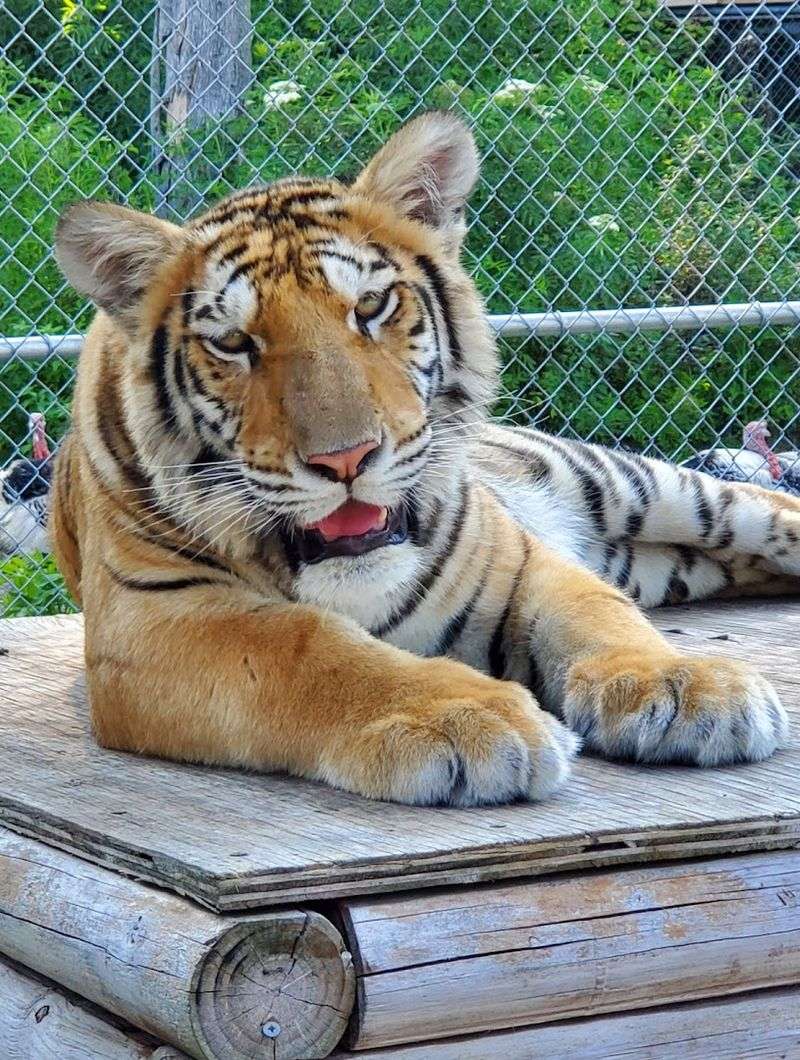
Getting in is easy if you plan ahead. Tours are reservation-only, so call +1 904-940-0664 or visit sawildreserve.org to grab a spot on Monday afternoons, Friday mornings, or Saturday late mornings.
Time windows are short, and capacity is limited to keep groups intimate and animals comfortable truly memorable.
Arrive 15 minutes early to sign waivers, use the restrooms, and stock water. Closed-toe shoes handle the sandy, occasionally bumpy paths best, and bug spray saves the day in summer.
If mobility is a concern, ask about the golf cart option so everyone can enjoy the full 90-minute route.
Photography is not allowed, which keeps attention on the animals and prevents stressful crowding at fences. Instead of juggling lenses, you will focus on behaviors while volunteers feed, enrich, and discuss each resident’s rescue story.
If you want keepsakes, the gift area sells prints, magnets, and a flash drive with staff-taken images.
One more tip saves hassle. Bring cash or a card for merchandise and donations, and budget extra minutes after the tour to ask questions.
Staff love sharing care details, from diets to veterinary schedules, and that conversation often becomes the favorite part of the visit.
Meet The Residents Up Close
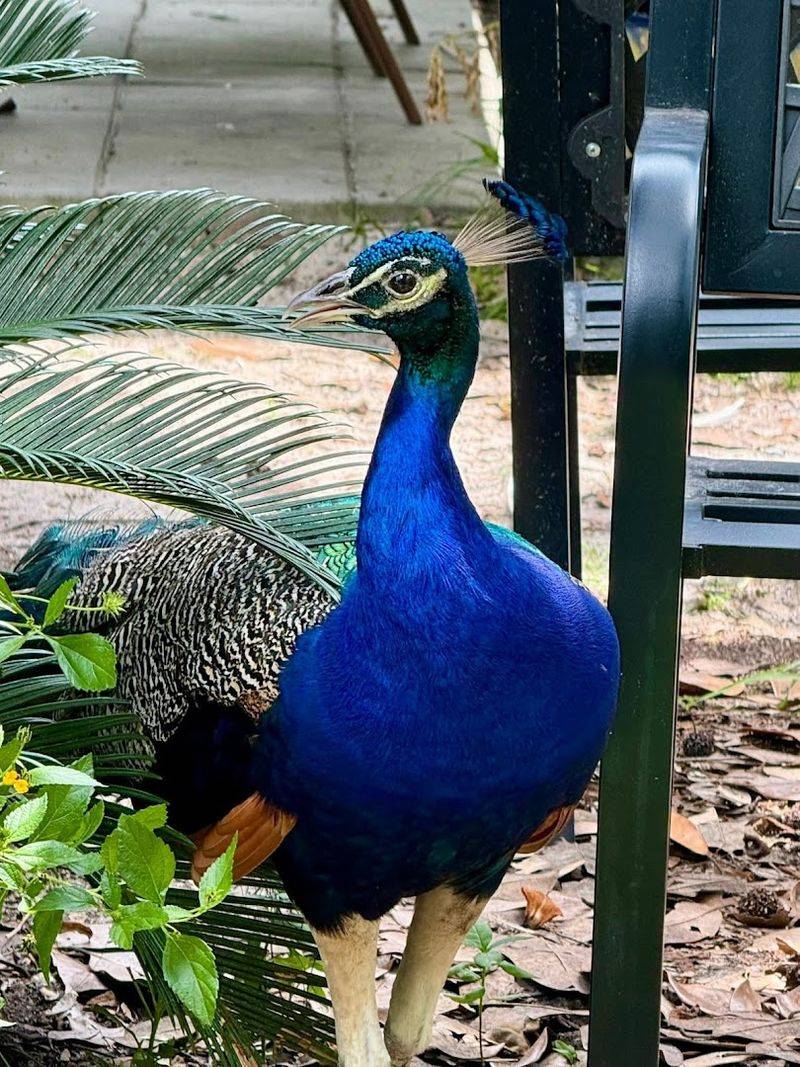
Names stick with you because every resident has a backstory. A wolf rescued from a backyard cage, a lion retired from a roadside exhibit, a tiger surrendered after private ownership went wrong.
Hearing how they arrived reframes the close-up as compassion, not spectacle. Some arrive underweight, others anxious, all deserving steadier ground.
Guides feed as you pass, describing diets in vivid detail. You might watch a leopard crunch bone for dental health or see a tiger target-touch to shift calmly between areas.
The running commentary turns each bite into a lesson about metabolism, enrichment, and why quality protein beats cheap fillers.
Look for personalities. Indigo the tiger may splash the moat, a lion might lope to the fence on command, and the wolves will likely howl a spine-tingling chorus at goodbye.
Ask how staff tailor enrichment so shy animals gain confidence without pressuring them into the spotlight.
A quick etiquette note rounds it out. Stay behind the paint line, keep voices low near anxious residents, and avoid strong perfumes that could mask scent cues.
Respect builds trust, and trust brings those unforgettable, safe moments when a big cat settles inches away and just breathes with you.
Best Times To Visit And What To Bring
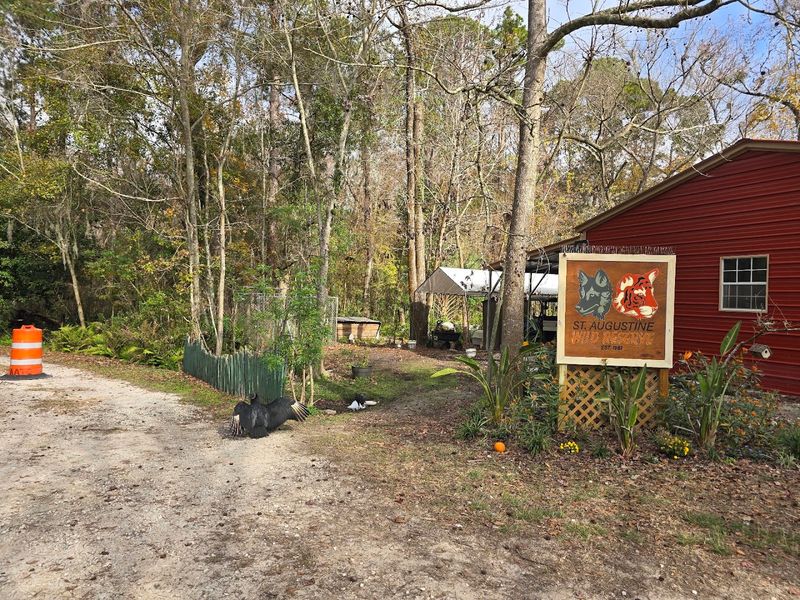
Timing shapes what you see. Fridays at 10:30 AM often feel cooler, so animals move more, while Monday and Wednesday afternoons offer moody light and dramatic roars.
Check the posted hours ahead because many days are closed, and slots run just 90 minutes. Fridays sometimes include extra enrichment moments.
Summer brings humidity and mosquitos, so pack water, a hat, and repellent, plus a light poncho for pop-up showers. After storms, paths can be soft, which makes closed-toe shoes essential.
If thunder rolls, staff may pause near shelters, so patience pays with extra time near a favorite enclosure.
For crowd comfort, aim for the front third of the group at check-in without sprinting the aisle. That position gives you clearer sightlines when feeding trays appear and keeps you away from the accordion effect at corners.
Families with strollers do well mid-pack, where volunteers offer quick assists.
One last pro move. Eat a snack before the tour so meat scents do not catch you on an empty stomach, and skip heavy cologne that can distract animals.
Pocket a small towel to wipe rails after rain, then relax and listen for that goosebump-inducing wolf chorus at the end.
Families, Accessibility, And Comfort
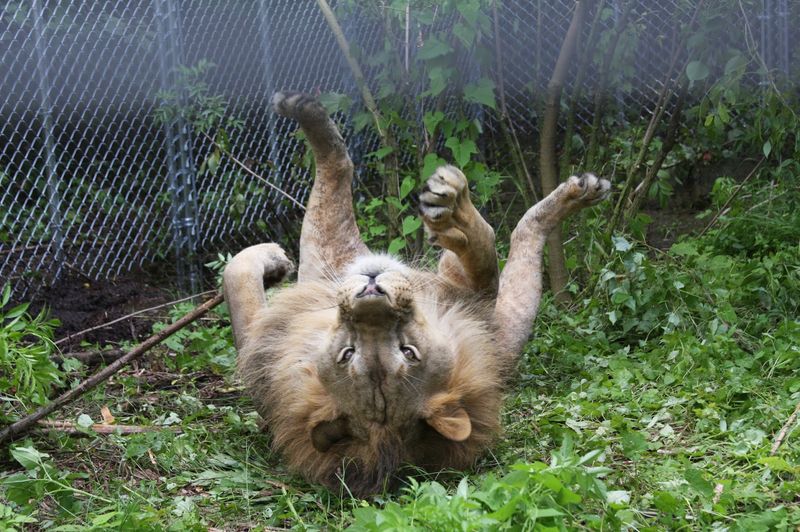
Parents breathe easier here because structure is crystal clear. Volunteers bracket the group, paint lines mark where to stand, and safety reminders sound friendly, not scolding.
Kids still get agency by asking questions, guessing weights, and comparing paw sizes to their shoes. Mention the no-photo rule to set expectations before you arrive.
It helps.
Strollers manage, though the ground is sandy, and the golf cart seats help grandparents or pregnant visitors. Shade tents appear at pauses, and guides carry water coolers in summer for quick refills.
You can pause for a breather at wider pullouts while still seeing feeding sessions up close.
For sensitive ears, pack kid-safe muffs, because lion roars vibrate your ribs in the best way. If your child gets nervous near wolves, a volunteer can shift you slightly back while still keeping sightlines.
Afterward, the small gift area rewards good listening with stickers and magnets that actually last.
One courtesy goes a long way. Teach kids to keep fingers off the mesh and voices below classroom volume, then let curiosity run.
When your family models calm, skittish residents edge closer, and you walk out sharing a story none of you will forget.
Ways You Can Support The Reserve
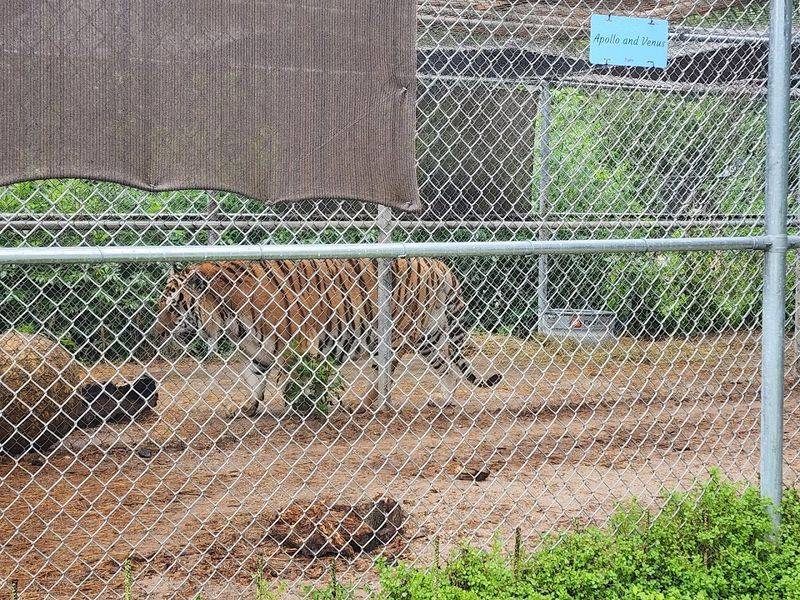
Support begins with tickets, and grows into adoption certificates, donations, and wish-list supplies. You can symbolically adopt a tiger for a child’s birthday, sponsor a veterinary exam, or fund enclosure upgrades that add climbing beams and shade.
The website outlines needs clearly so every dollar finds a purpose. Bring bleach-free paper towels, heavy-duty trash bags, and fragrance-free detergent.
Please ask first.
Local readers can volunteer after orientation, helping with grounds, tours, and enrichment prep. Not in town.
Share the Reserve’s mission with a skeptical friend, purchase the photo flash drive instead of snapping, and leave a five-star review that explains why welfare-minded rules improve the experience.
Seasonal events pop up, like the Halloween party that drew neighbors despite rain. If logistics wobble, offer grace and ask how to help next time, because community turnout funds feed, medicine, and fencing.
The animals feel that ripple when a broken lock gets replaced the same week.
Transparency is the culture. Ask about budgets, feed costs, or how the no-photo policy reduces stress, and you will get straight answers from people who know every name on the grounds.
Walk out lighter, knowing your visit was kindness put to work.
Behind The Behavioral Training
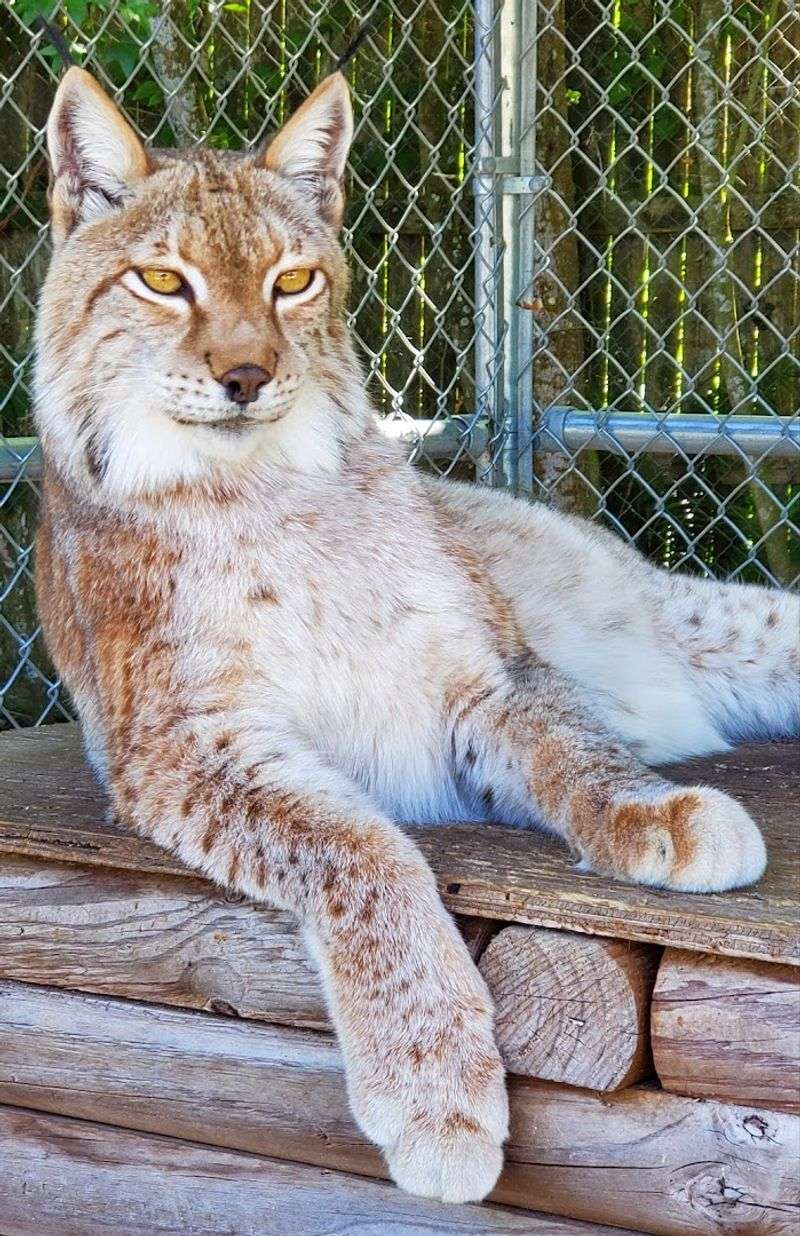
Training here is not circus tricks. It is quiet, cooperative care that lets vets check paws, teeth, and tails without stress, and you watch from a marked spot while a tiger leans into a touch.
Guides explain hand signals and rewards, so you see how consent looks when a 400 pound cat nods.
You will practice a safe version with an empty target pole, just to feel the rhythm. The keeper reminds you that patience beats volume, and the whole group relaxes when a wolf chooses to sit.
It feels like a class and a privilege at once, and somehow you breathe slower.
Feeding Time On The Path
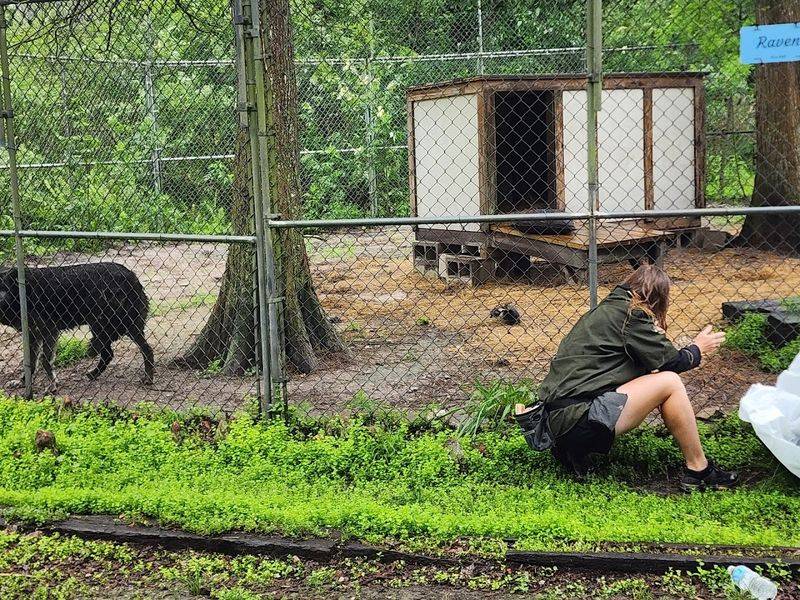
Feeding demos are scheduled, but they never feel staged. You round a bend and there is a steel-safe window, a slice of meat, and the thunder of a chuff that you feel in your ribs.
The guide talks through portions, supplements, and why bones matter, while you trace whisker marks on the glass.
A handler points out how each cat eats differently, and you start noticing personalities. One tiger lingers, as if savoring, while a leopard is quick and tidy.
You leave the station smelling like hay and lavender from baths, stomach fluttering, mind humming with new respect for teeth, tongues, and patience required.
Conservation Stories You Remember
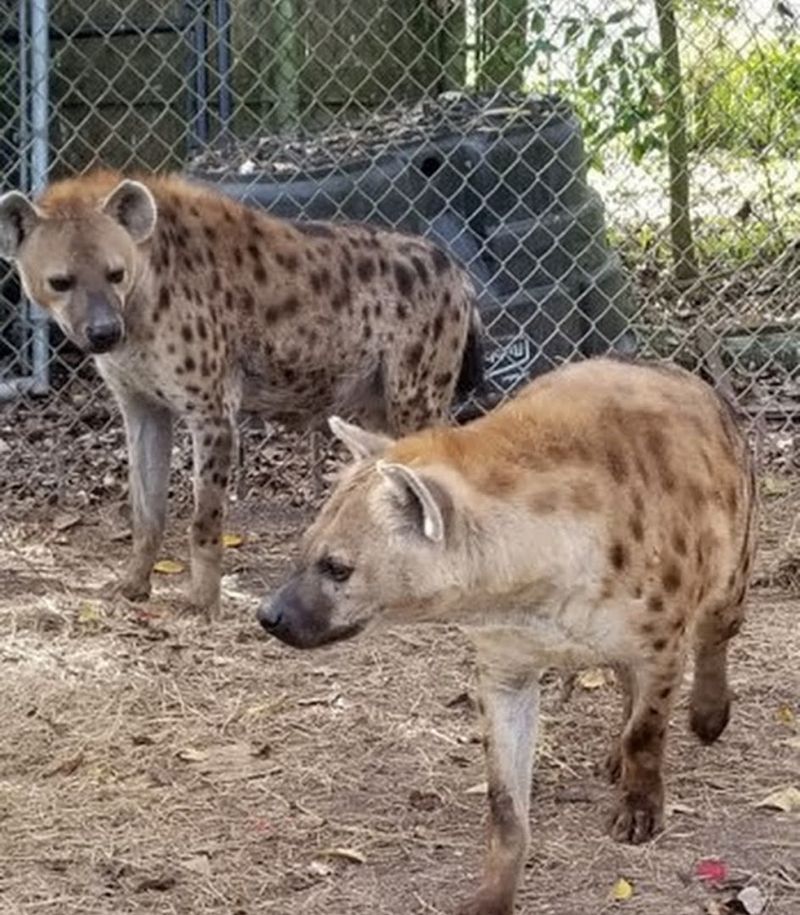
Between enclosures, the guides tell origin stories you cannot shake. A confiscated cub that outgrew a selfie shed.
A retiree from a roadside show who arrived with worn teeth and a confusion that took months to ease. Hearing it while a breeze lifts leaves makes the mission feel immediate and personal.
You are invited to ask hard questions about laws, breeding, and false rescues, and the answers are plain. The sanctuary keeps promises in writing, and they show you exactly how donations become ramps, shade, and meat.
You leave with a list of resources and a steadier compass, not just a heart full of awe.