Deep in the Mount Hood National Forest, a tiny pool of water stays near freezing all year long. Its color looks almost fake, and the water is so clear you can see straight to the bottom, about 45 feet down.
Swimming is off the table, but the short and flat trail makes it one of the easiest nature payoffs in Oregon.
Keep reading to learn where it is, why it stays so cold, when to go, and how to plan a smart trip that might include a bigger lake right next door.
A Blue Secret Tucked Inside a Campground
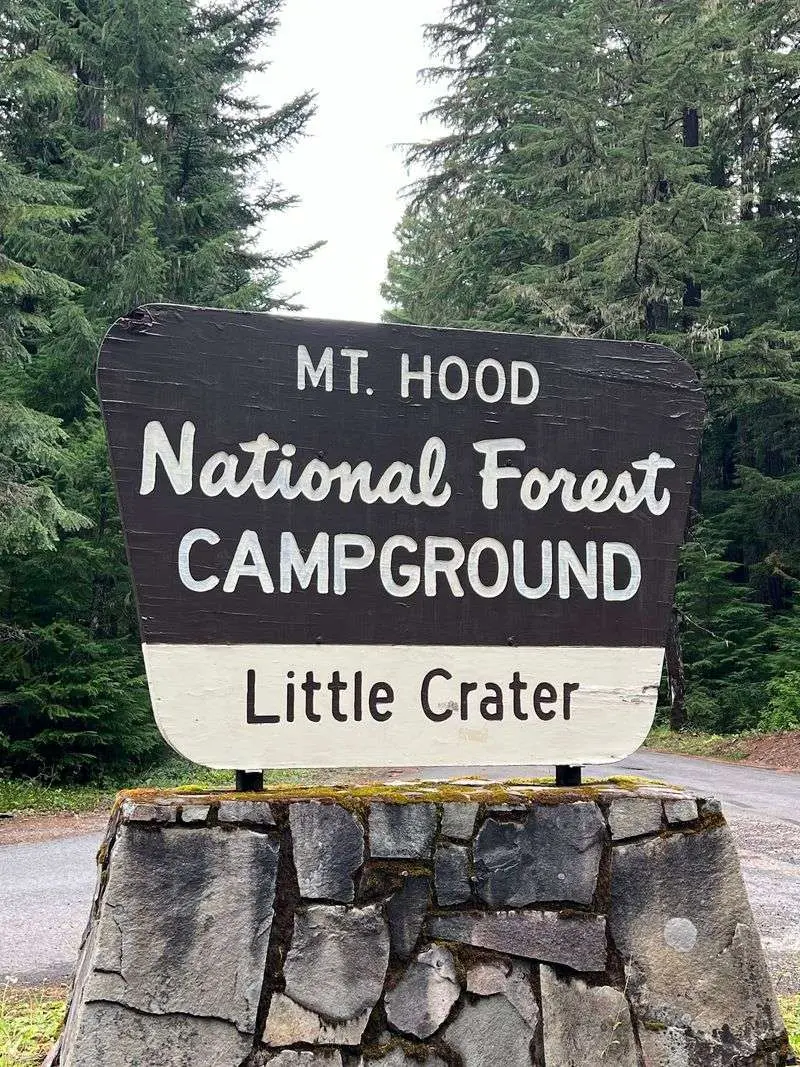
Hidden pools rarely come with a parking lot, but this one sits at the back of a small campground. Little Crater Lake is in Oregon, USA, inside the Mount Hood National Forest near Timothy Lake.
The lake lies within Little Crater Campground. Drive to the far end of the campground, and you will find a day use parking area that fits roughly 6 to 10 cars.
The trailhead starts right there, which makes finding it pretty easy. No complicated map reading is needed once you reach the campground.
Cell signal is a different story. Service is spotty or missing in this area, so download an offline map before you leave town.
The drive from Government Camp takes around 30 minutes. That makes it a handy side trip for anyone already exploring the Mount Hood area.
Plan ahead, pack your directions, and the hardest part of the trip will be the road, not the trail. Small spot, big surprise, and the search pays off quickly.
Why the Water Refuses to Warm Up
Thirty-four degrees. That is the steady temperature of this pool, summer or winter, sunny or cloudy.
The reason is underground. Little Crater Lake is fed by a spring, so cold groundwater keeps flowing up from below and replacing what is already there.
Because fresh water keeps arriving, the sun never gets much of a chance to heat things up. The result is a pool that stays close to freezing even on a warm August afternoon.
The edges can be a little less icy than the middle. Some people dip a hand near the shore, but that is about as far as anyone should go.
The pool is roughly 45 feet deep, which is a lot of water for such a small surface. Tiny fish live in it, too, which seems pretty tough of them.
Think of it as nature’s own refrigerator, minus the light that turns on. Cold science never looked so good.
Seeing 45 Feet to the Bottom
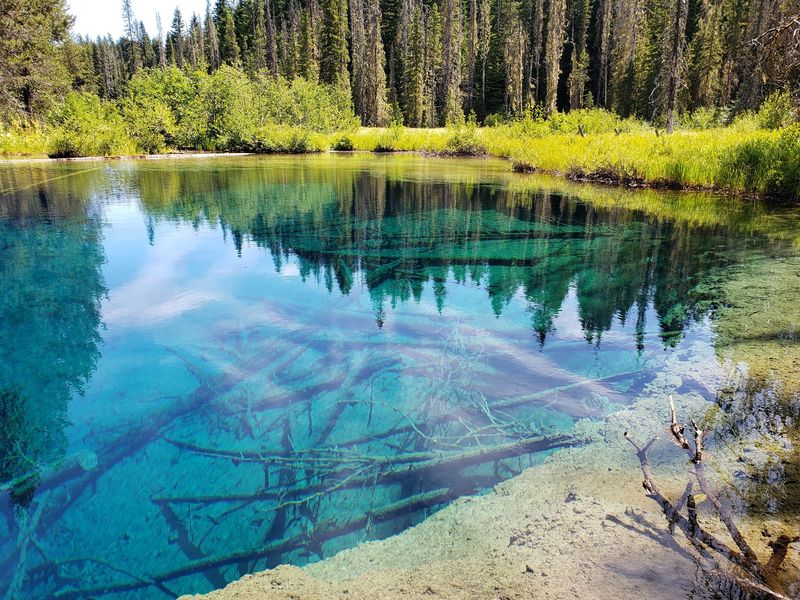
Most lakes keep their secrets. This one shows you everything.
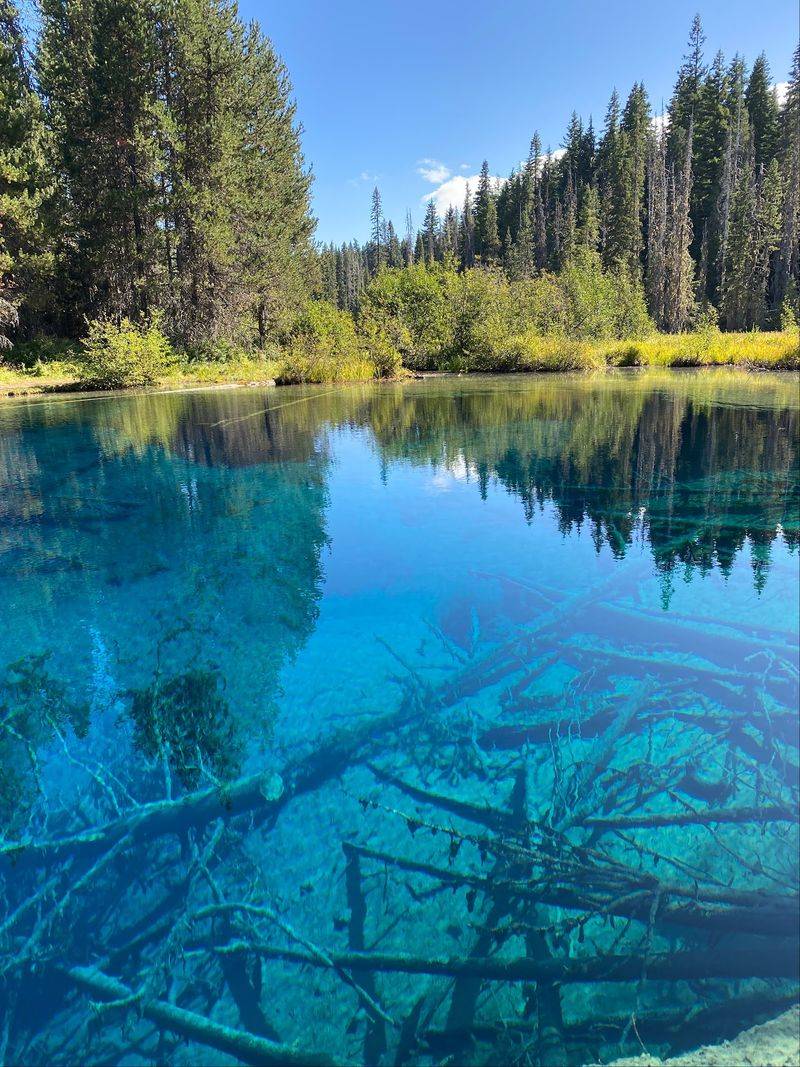
The water is clear enough that you can see all the way to the bottom, around 45 feet below the surface. Fallen logs and the shape of the lake floor stay visible from the shore.
Colors shift from deep blue in the center to aquamarine and turquoise near the edges. Sunny days make those shades stand out the most.
Morning trips can be tricky. Tall trees block the early sun, so the pool may look darker before light reaches the water.
Midday is often the best time for bright color. Even then, many people find that photos never fully capture what is in front of them.
Bring your camera anyway, but also put it down for a minute. Some views are better saved in memory than squeezed onto a phone screen.
The clarity can change a bit, and the surface sometimes collects debris. Still, the deep blue middle rarely disappoints.
A Walk Short Enough for Everyone
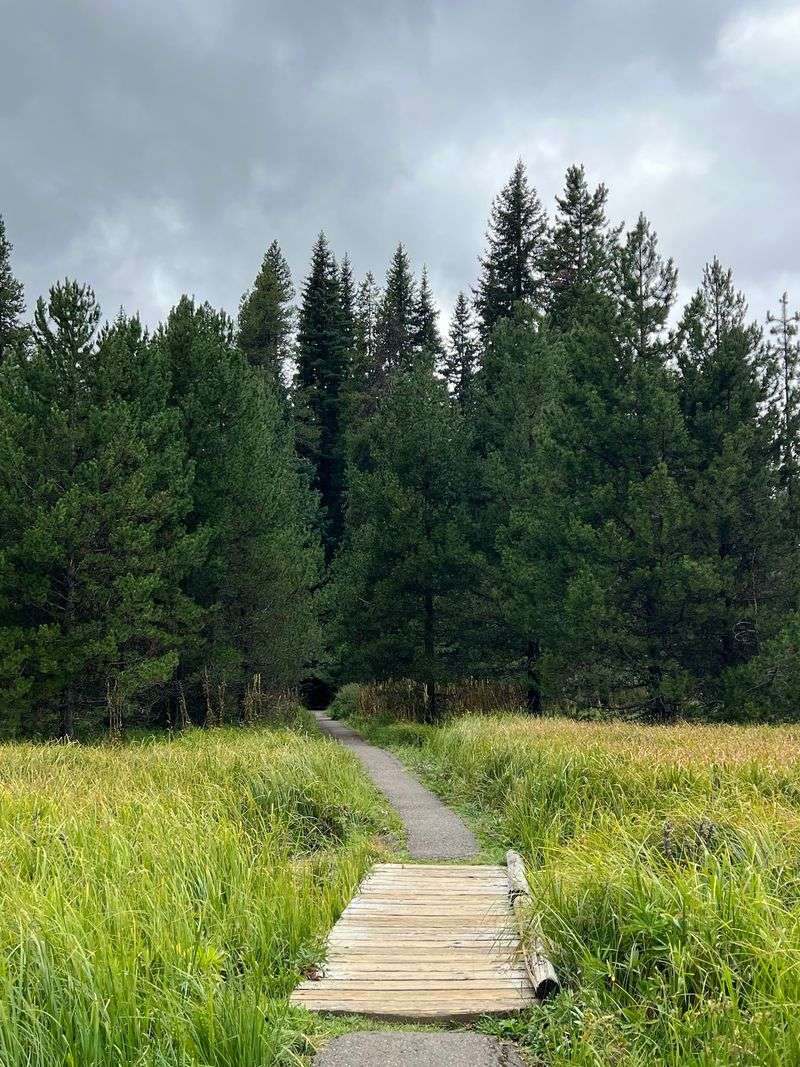
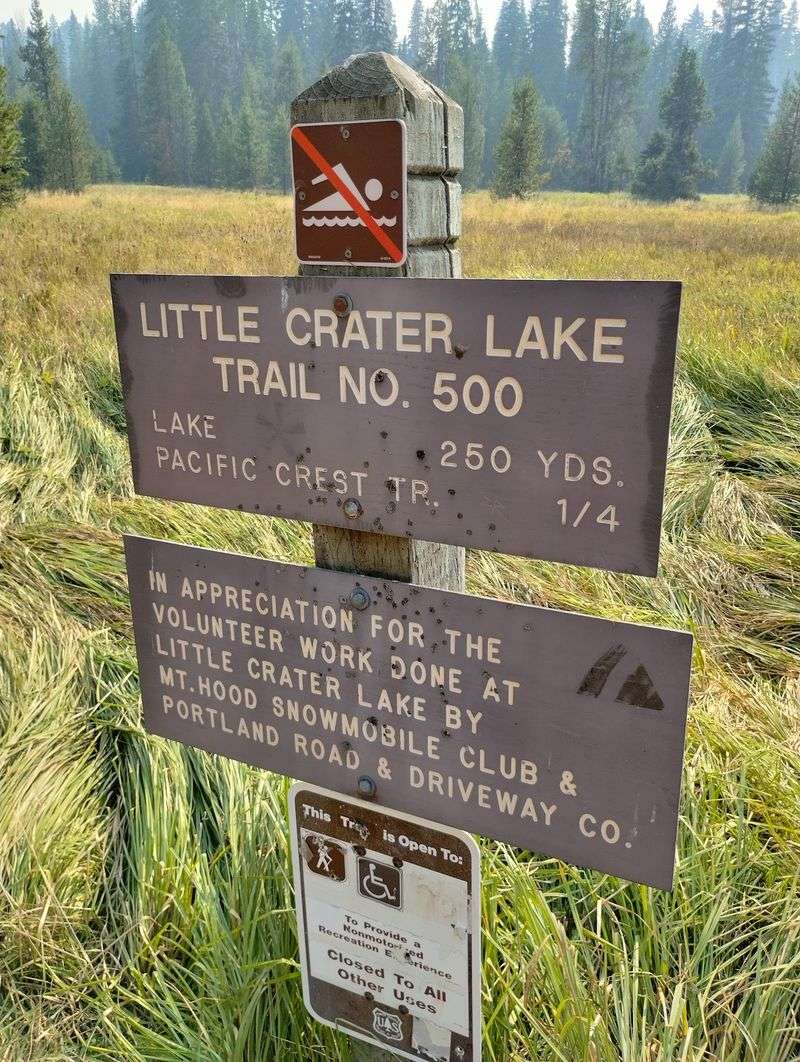
Good news for tired legs. The walk from the parking area to the lake is only about 250 yards.
Calling it a hike is generous. The path is flat, easy, and takes just a few minutes to finish.
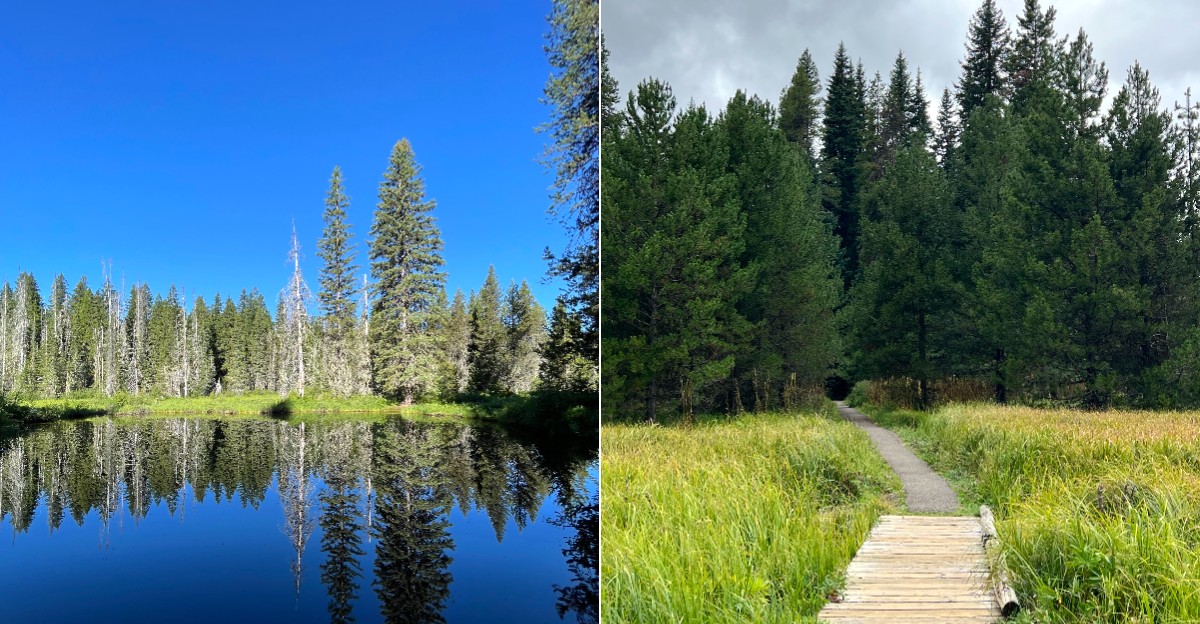
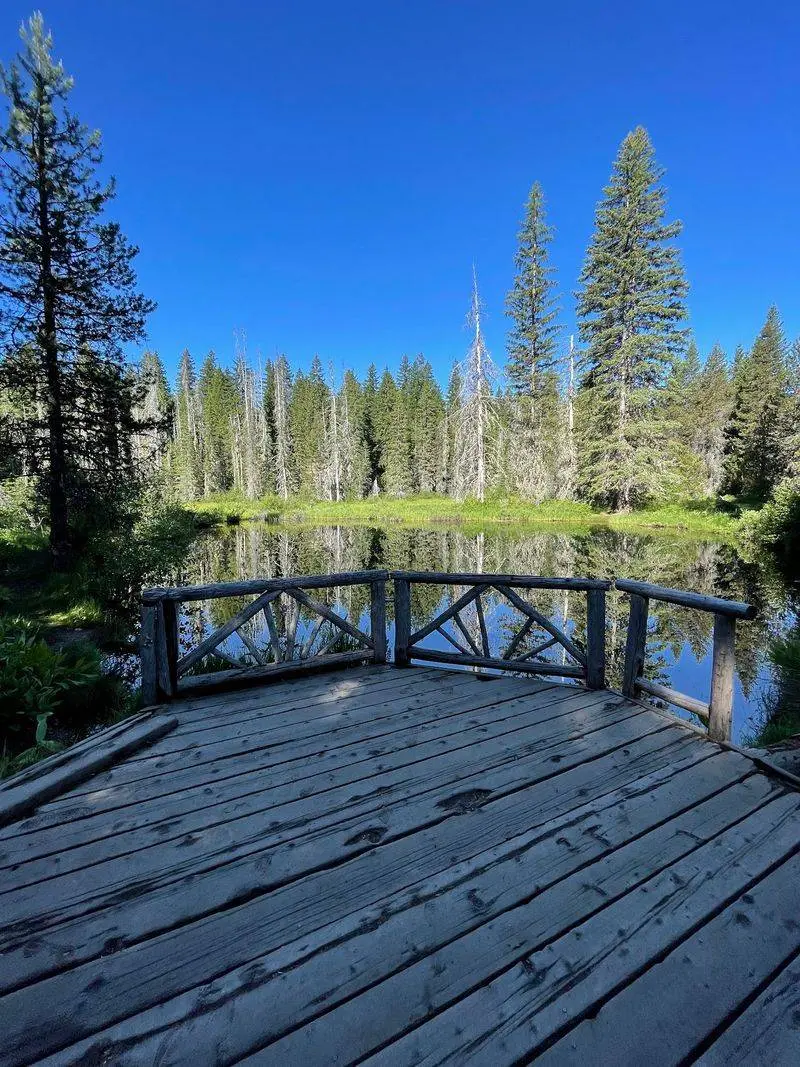
Along the way, the trail passes through a meadow before reaching the trees and the pool. Corn lilies grow around the area, adding green to the scene.
Families with young kids can handle this route without much trouble. Dogs are welcome too, so the whole crew can come along.
Parts of the trail and boardwalk have been under maintenance at times. Older wooden features near the water have also shown wear, so step carefully and watch where you sit.
A short walk does not mean you should skip the basics. Wear sturdy shoes, bring water, and keep an eye on little ones near the edge.
In under ten minutes, you go from car seat to one of Oregon’s most unusual views. That is a pretty sweet trade.
Look, Don’t Leap
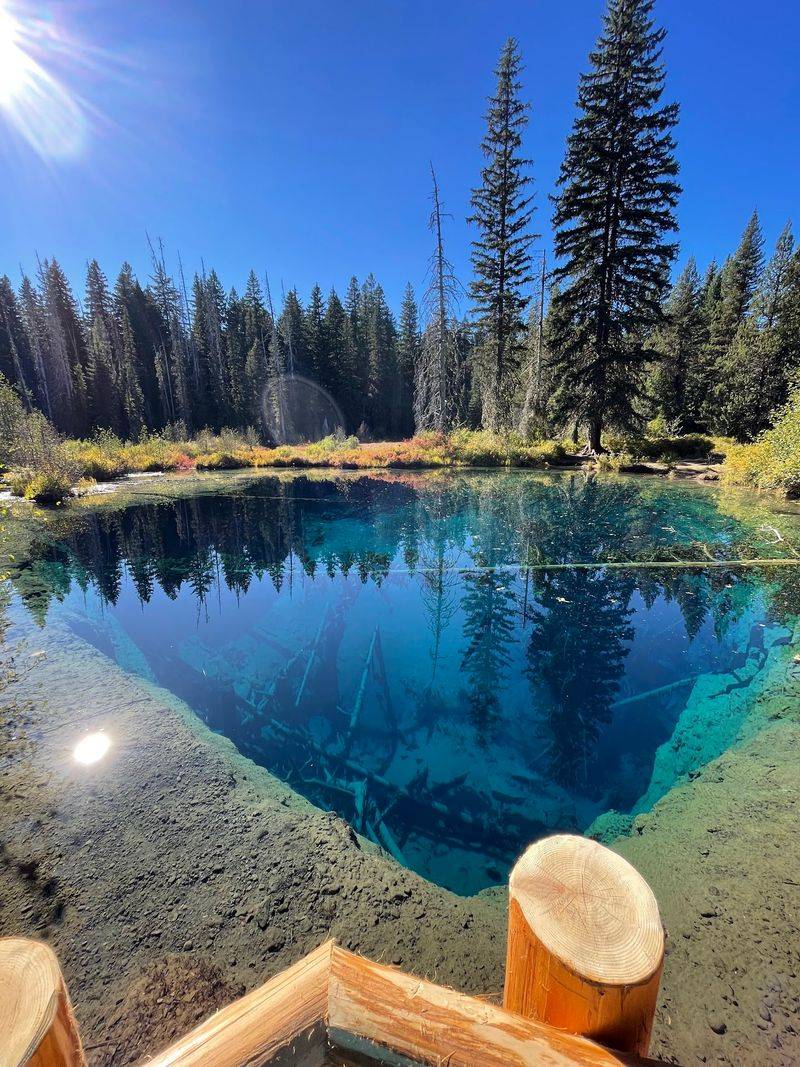
Yes, it looks inviting. No, you cannot swim in it.
Swimming and entering the water are not allowed at Little Crater Lake. Kids often feel a little let down, especially on hot days when that blue water seems to be calling their name.
The rule makes sense. Water near freezing is dangerous to jump into, and the steep, deep sides of the pool give no shallow area to stand.
The rule also protects the pool itself. Keeping people out helps the water stay clear and the shoreline stay healthy.
You can still enjoy the lake from the trail on either side. The left path is very short and does not loop the whole pool, while the right path continues along a boardwalk.
Pack out everything you bring in. Leaving no trace is the simplest way to keep this place looking the way it does today.
Admire the view, snap a photo, and keep your toes dry.
Trails That Keep Going
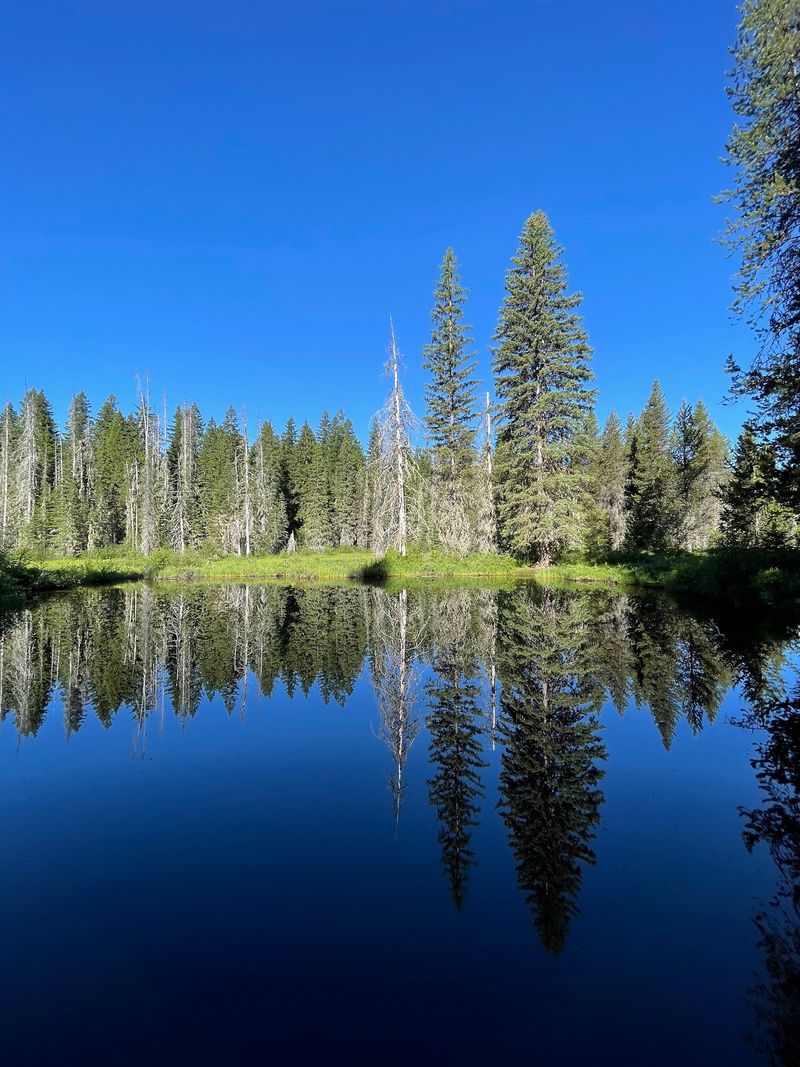
Some people turn around at the pool. Others keep walking and find a much bigger adventure.
Head right from the lake, and the path continues along a boardwalk through marshy ground. From there, it connects with the famous Pacific Crest Trail.
The trail system also links to Timothy Lake. Longer loops in the area can stretch roughly 5 to 6 miles or even 11 to 12 miles, depending on your route.
That flexibility is a big plus. A family can enjoy a quick stroll, while stronger hikers can turn the trip into a full day outdoors.
Bring a paper map or downloaded trail map if you plan to go far. With weak signal, your phone may not help much once you leave the parking lot.
Pack snacks, water, and layers for changing weather in the forest. Mount Hood conditions can shift fast.
The pool is the starting line here, not just the finish. Where you go next is up to your legs.
Fees, Parking, and Camping Smarts
A little planning saves a big headache. Parking rules here are worth learning before you arrive.
Little Crater Campground has charged a day use fee, around 10 dollars, and the camp host does check vehicles. Pay it and enjoy your visit without a ticket tucked under your wiper.
Another option is parking outside the campground and walking in. A few pullouts along the road can work when they are open.
Space in the day use lot is limited. Arriving earlier in the day gives you a better chance at a spot, especially on summer weekends.
Want more time near the pool? The campground offers sites for overnight stays, and the bathrooms and grounds have been kept clean and tidy.
Camp hosts have been friendly and helpful, so ask them questions if you are unsure about rules. They know the area well.
Fees and policies can change, so check with the Mount Hood National Forest before your trip. A quick call or website check keeps the plan smooth.
Best Seasons for the Brightest Blue
Timing matters more than most people expect. The same pool can look very different depending on the season and the hour.
Fall is a favorite. Changing plants around the shore add yellow and orange shades that make the blue water pop even more.
Summer brings easy road access and long days. It also brings more people, so weekdays can be calmer than weekends.
Sunshine is your best friend for color. Late morning through early afternoon, when light reaches the water, usually shows off the turquoise best.
A picnic makes a short visit feel complete. Bring your own lunch and enjoy it near the trail, then pack every scrap back out.
Winter and early spring can bring snow to the Mount Hood area. Check road conditions before heading out during colder months.
Pair this stop with Timothy Lake for a fuller day. Together, they turn a quick detour into a memory worth repeating, one icy blue glance at a time.