Some of the oldest known shoes on Earth were found near a giant stone ring in the desert. They’re woven sandals, dated to roughly 9,350 to 10,500 years old.
That alone made me want to see the place.
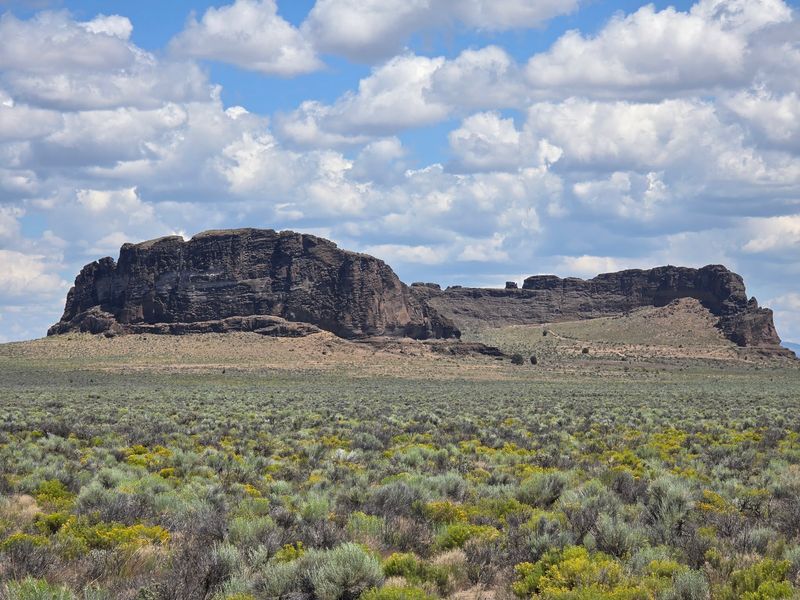
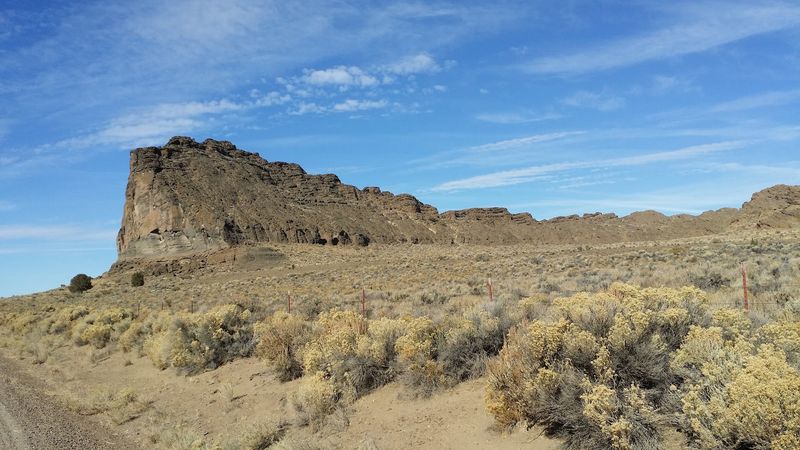
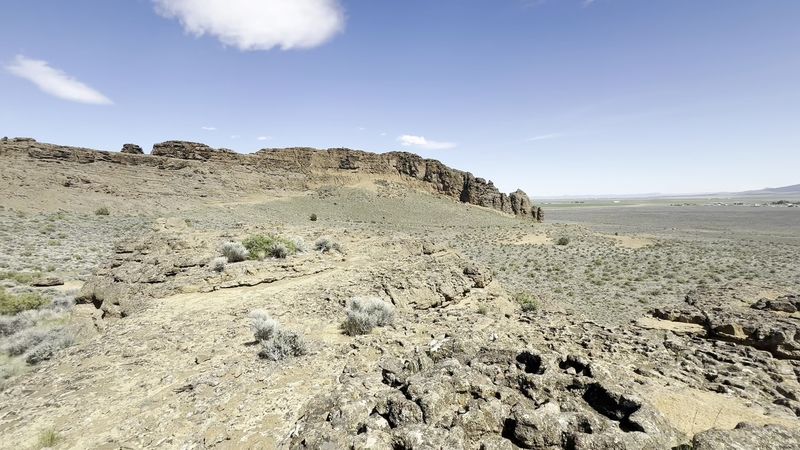
The ring itself looks like a fortress. Jagged rock walls rise straight out of flat, dry land, with one wide gap that works like a front gate.
It was once an island in a prehistoric lake.
This giant sits in Oregon’s high desert, far from any crowd. Entry is free, there are picnic tables, and the trails start right at the parking lot.
I like how it rewards families who simply show up and wander.
So how does a volcano end up looking like a castle? And why do people come back after dark?
The answers get better the closer you look.
A Desert Fortress You Can Spot From Miles Away
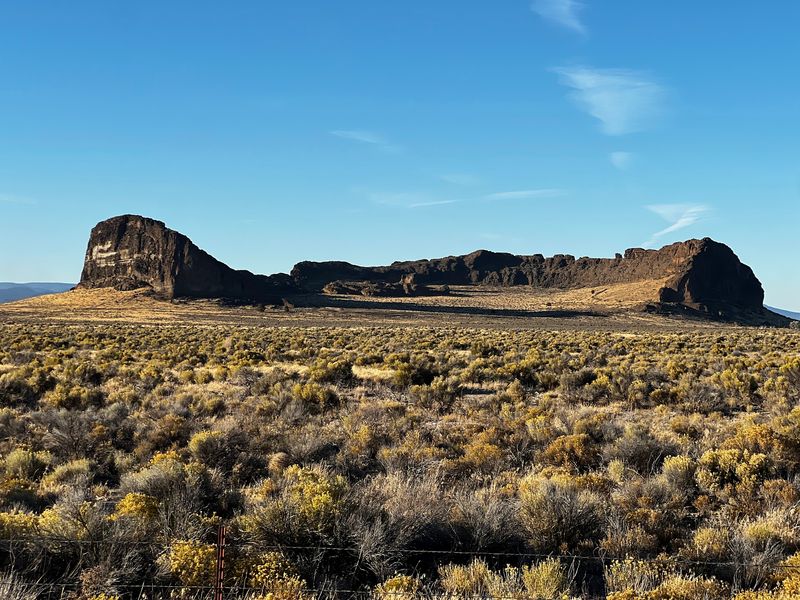
Flat land stretches in every direction, and then a stone wall shoots up from the sagebrush. That wall belongs to Fort Rock State Natural Area, one of the strangest sights in central Oregon.
The formation is a near-circle of towering, jagged rock. One side is open, which gives it the look of a fort with a massive gate.
The name practically wrote itself.
It’s also a National Natural Landmark. That puts it in respected company among natural sites around the country.
Yet it remains wonderfully low-key and easy to enjoy.
The park is run by Oregon State Parks and sits beside the small community of Fort Rock. You won’t find gift shop sprawl or long ticket lines here.
Just rock, sky, and a lot of quiet.
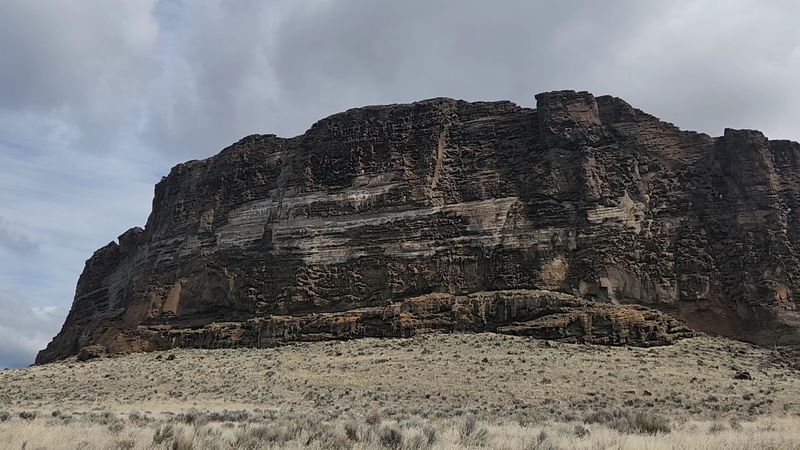
The scale is hard to grasp from a photo. Visitors often describe it as bigger than it looks, even when standing right in front of it.
Your brain keeps trying to shrink it, and the walls keep refusing.
Families love how quickly the fun begins. You park, take a few steps, and the castle opens up around you.
That’s a rare deal in a state full of long trailheads.
Born From Fire Meeting Water
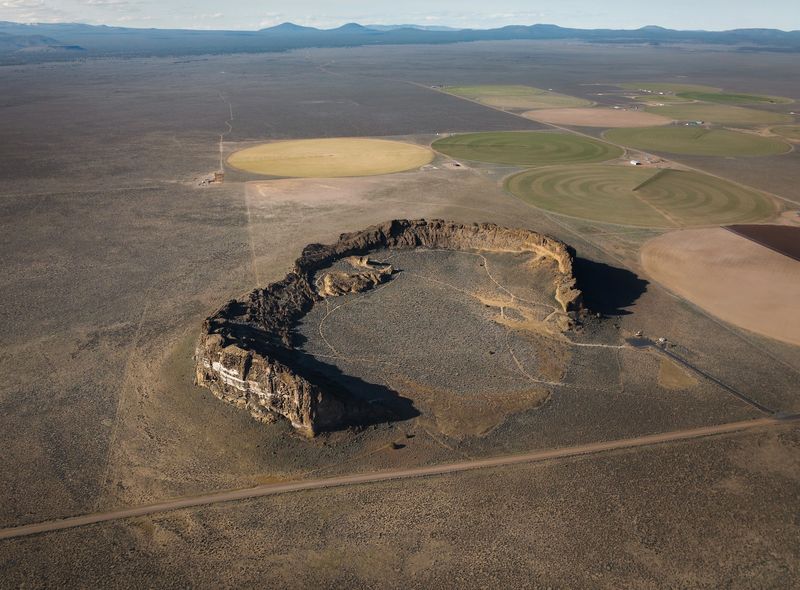
Volcanoes usually get all the drama, but this one needed a lake to finish the job. Fort Rock is a tuff ring, formed when rising magma hit water and exploded.
That blast threw out ash and rock that piled into a ring. Over time, it hardened into the cliffs you see today.
The process sounds violent, and it was.
Back then, a large shallow lake covered this basin. Waves pounded the outer walls for ages.
That steady pressure carved the flat bands and ledges still visible on the rock.
Part of the rim eventually collapsed. That broken section is the open gate you’ll walk through.
Without it, the inside would be far harder to reach.
Look closely and the stone still seems scorched. Some visitors comment that it appears to have survived extreme heat, which makes sense given its fiery start.
The colors and textures tell the story better than any textbook.
Interpretive signs on site explain the geology in plain language. Kids can connect the dots between volcano, lake, and island.
It’s a science lesson that happens to come with great views and plenty of room to roam.
The Island That Lost Its Lake
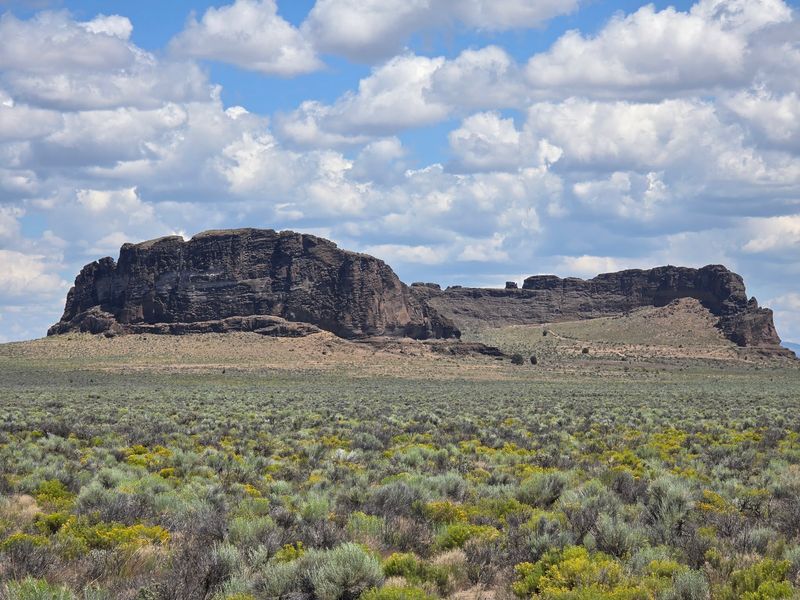
Here’s a fun one for the car ride: you’re about to visit an island with no water. Fort Rock once rose from a prehistoric lake, poking above the surface like a stony boat.
Today, that lake is long gone. What’s left is a dry basin stretching out around the rock.
The flat ground makes the walls look even taller.
Some visitors say it reminds them of the book Holes. The dusty lake bed really does give off that vibe.
Bring the book along and see if your kids agree.
Small clues of the watery past remain. One visitor mentions finding seashell traces on the side walls.
It’s a reminder that this desert once had beaches.
Early people likely paddled canoes to and from the island. That image stays with you while you walk the inner trails.
You’re crossing ground that was once a destination by boat.
Standing inside, you can almost picture waves lapping where sagebrush now grows. That shift in perspective is half the magic.
The rock feels less like scenery and more like a time machine parked in the high desert.
Ten Thousand Years Of Footprints, Sort Of
Ancient sandals woven from plant fiber turned this corner of Oregon into an archaeology headline. They were found in a cave near Fort Rock and are among the oldest known footwear anywhere.
Estimates place them at roughly 9,350 to 10,500 years old. That’s older than the pyramids by thousands of years.
Your sneakers suddenly feel very temporary.
The find shows people lived in this basin when the lake still shimmered. They wove their footwear by hand from local plants.
Clever work for a world without stores.
The cave itself isn’t part of the casual park hike. Still, knowing it’s nearby adds weight to every step.
You’re walking through some of the earliest dated human history in the region.
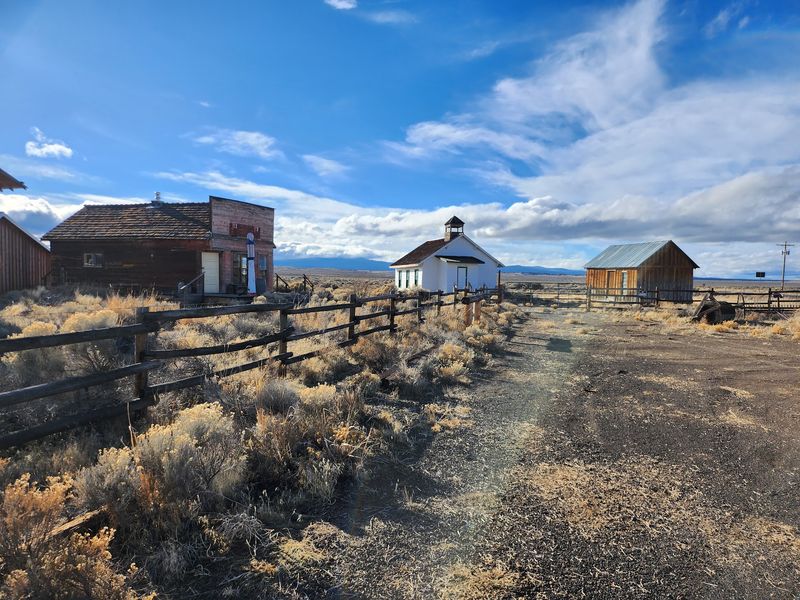
A small museum in the town of Fort Rock displays artifacts from the surrounding area. It pairs nicely with the park visit.
Kids who roll their eyes at history often perk up around real objects.
Shoes make history relatable. Everyone wears them, after all.
Telling children that someone here wore sandals ten thousand years ago tends to spark questions all the way home.
Easy Trails That Feel Like A Big Adventure
Good news for short legs: the trails start right off the parking lot. Within minutes, you’re inside the ring with rock walls rising all around.
Hiking is easily the top activity here. The main paths are short and friendly, so even younger kids can handle them.
Some visitors admit the start looks intimidating, then turns into a pleasant walk.
Several paths branch through the interior. You can wander toward interesting formations or head deep into the back of the ring.
Every turn frames the walls a little differently.
The ground can be uneven and rocky in spots. Sturdy shoes beat flip-flops by a mile.
Leave the fancy sandals to the ancient folks.
The inside works like a natural amphitheater. Sounds carry, and the space feels enclosed yet wide open.
It’s a cool sensation for both adults and kids.
Plan your pace around your crew. A quick loop can fit into a road-trip break, while curious explorers may linger much longer.
Either way, the payoff comes early, which keeps grumbles to a minimum and cameras busy.
Climb High For Views That Reach Forever
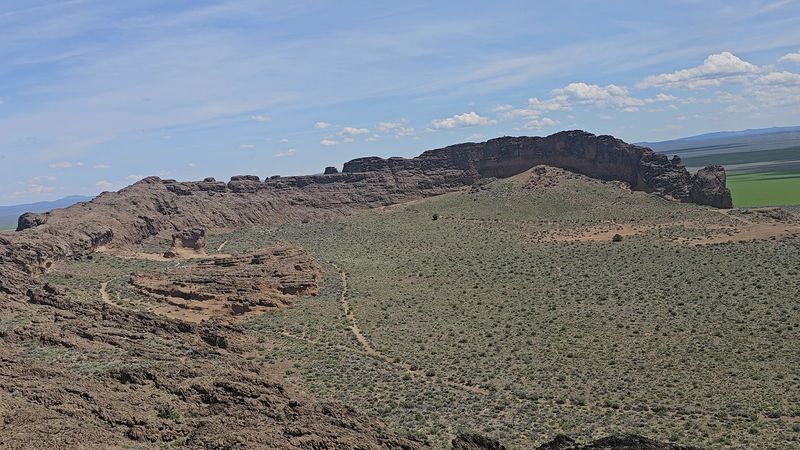
Want the best seat in the castle? Head for the high point on the southwest side of the ring.
That climb gets a little steep at times. Still, it’s manageable for most active hikers.
Some visitors call it the one path to pick if you only choose one.
The reward is a sweeping panorama. You can see across the park and out over the desert valley.
Mountains line the far horizon on clear days.
The rim trail runs about a mile in each direction on rough, rocky ground. Parts get trickier, especially for anyone with health concerns.
Take your time and know your limits.
You can also scramble up the rear side for a peek over the natural wall. Looking out from the top feels a bit like guarding the fort.
Kids tend to love that idea.
Wind can pick up on the higher stretches. Conditions may feel cool even when it’s sunny below.
A light layer tucked in a backpack makes the summit far more comfortable, and you’ll want to stay up there a while.
Birds Of Prey Patrolling The Walls
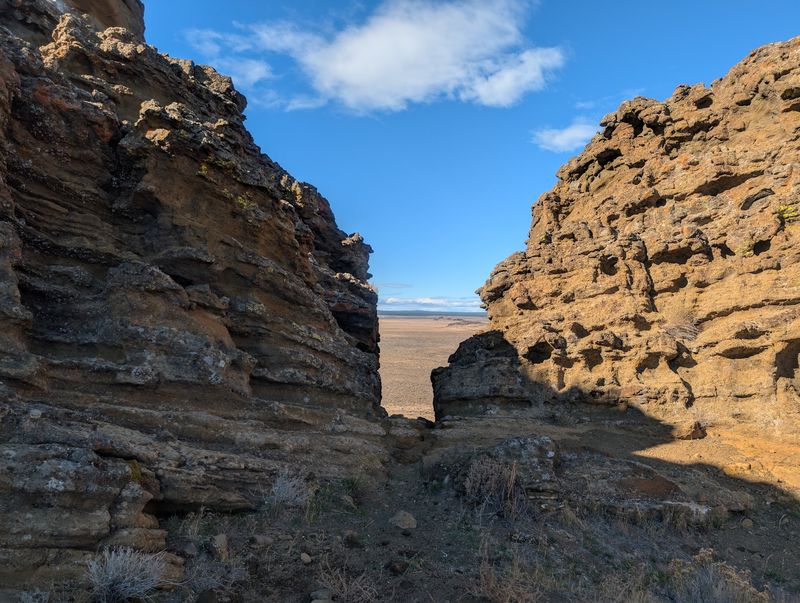
Castles need guards, and Fort Rock has feathered ones. Birds nest in the craggy rock walls that tower over the trails.
Birds of prey are a highlight for many visitors. Watching a raptor circle above the cliffs adds real excitement to a simple walk.
Binoculars are a smart addition to the day bag.
The ledges and cracks in the tuff make ideal homes. Those same wave-carved shelves from the ancient lake now serve as bird apartments.
Nature recycles well.
Bird activity can change with the seasons and time of day. Quiet hikers usually notice more.
That’s a good excuse to keep the volume down on the trail.
Kids can turn the walk into a spotting game. Count the birds, guess their size, or watch for nests in the walls.
It keeps eyes up and feet moving.
Photographers get plenty to work with too. A bird against those jagged walls makes for a striking shot.
Patience pays off here, so find a comfortable rock, wait a few minutes, and let the sky put on its show.
Night Skies That Steal The Show
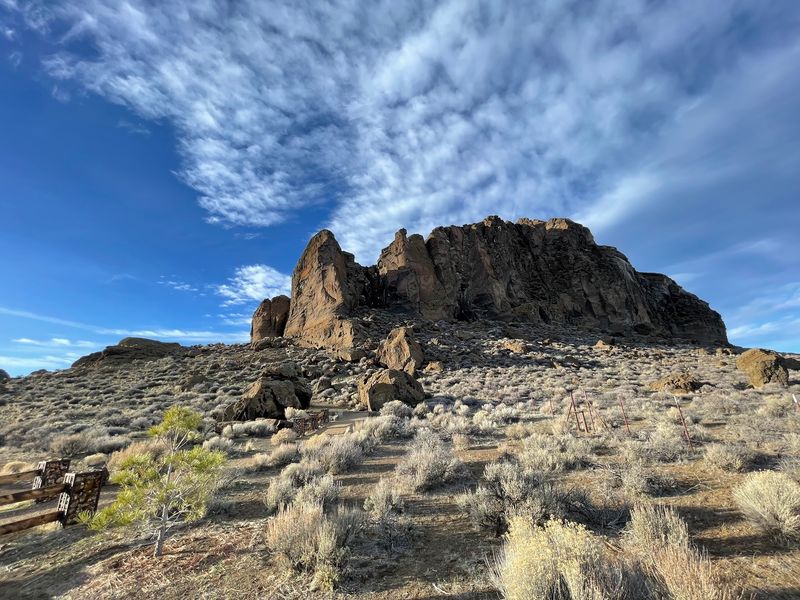
The sun goes down, and the real fireworks start overhead. Fort Rock sits far from city lights, so the night sky can get impressively dark.
One visitor returned on a new moon after a daytime hike. They captured great shots of the Milky Way rising over the desert.
That’s a pretty strong argument for staying late.
The rock walls make a dramatic silhouette against the stars. Few backdrops in Oregon feel this otherworldly.
It’s a dream setup for anyone learning astrophotography.
Check park hours before planning any after-dark visit. Rules can change, and you’ll want to respect them.
Nearby public viewing spots may also work if the park is closed.
Bring warm layers, even in summer. High desert nights can cool off quickly once the heat fades.
A thermos of hot cocoa never hurts either.
Kids who think stars are just a few dots will get a surprise. On a clear night, the sky can look crowded with light.
Pointing out constellations from beside an ancient volcano makes an ordinary evening feel like a family legend in the making.
Silence, Space, And Very Few Crowds
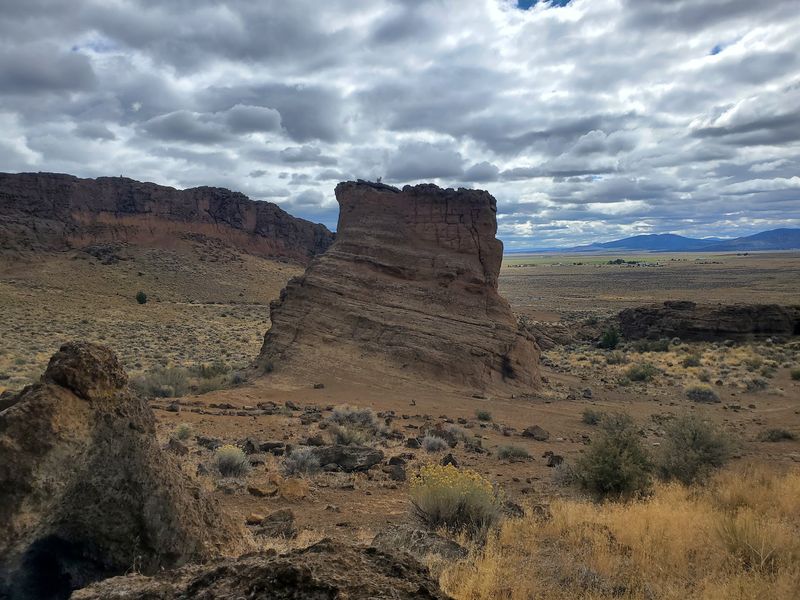
Quiet is the soundtrack here. Some visitors describe the park as almost totally silent, especially on calm mornings without wind.
Crowds tend to stay light too. Visitors often mention seeing very few other people.
In a busy travel season, that feels like a gift.
The open space lets kids roam without bumping elbows. Parents can actually hear themselves think.
Nobody’s fighting for the perfect photo spot.
Many people say the place feels grounding. The wide landscape slows you down without asking permission.
Even restless teens might put the phone away for a minute.
Artists find plenty of inspiration. The setting invites sketching, painting, or careful photography.
Pack a small sketchbook and see who in the family gets hooked.
One perk worth noting: no bugs, according to some visitors. That’s rare praise for any outdoor spot.
The tradeoff is heat on summer days, but dry air beats swatting mosquitoes all afternoon.
It’s the kind of calm that’s hard to buy. And here, you don’t pay for it at all.
An Old Cemetery Worth A Respectful Stop
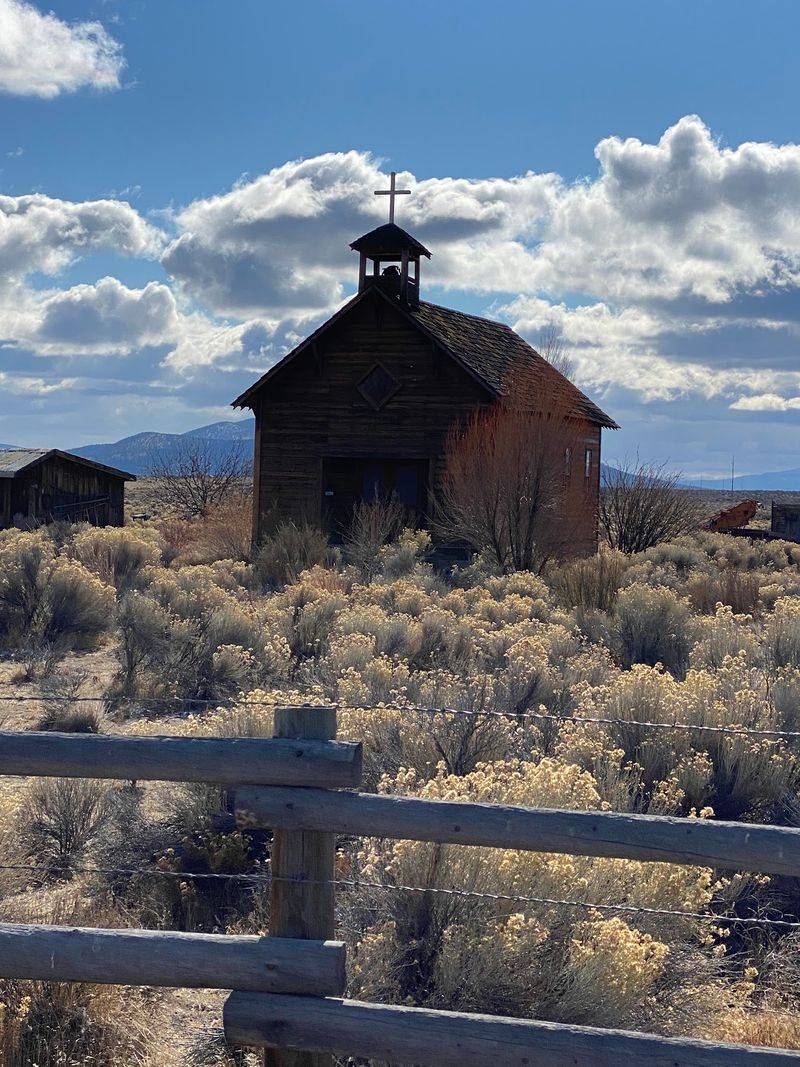
Right next to the giant rock sits a small piece of more recent history. An old cemetery rests near the park, and many visitors make a point to see it.
The gravestones are noticeably old. Their weathered faces hint at the hardy settlers who tried to make a life out here.
Farming this dry basin took real grit.
Visitors describe decorative touches that feel moving. It’s a quiet, thoughtful contrast to the wild geology nearby.
The two together show how many layers of history share this land.
Treat the space gently. Walk carefully, keep voices low, and leave everything as you found it.
Kids can learn a lot about respect in places like this.
It also makes a nice teaching moment. You can talk about pioneer life, homesteading, and what this region demanded of families.
Those stories hit harder after seeing the empty landscape.
The stop doesn’t take long. Still, it rounds out the visit beautifully.
Between ancient sandals, a vanished lake, and settler graves, the area tells a very long human story in a very small corner of Oregon.
Free Admission And Shady Picnic Tables
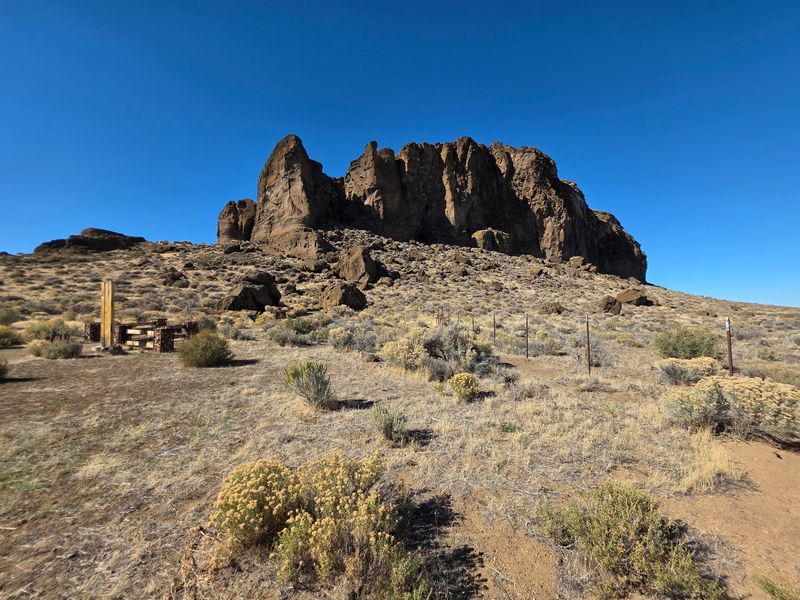
Budget-minded families, rejoice. Visitors consistently point out that Fort Rock State Natural Area is free to enter.
The day-use area covers the basics nicely. There are picnic tables, including covered ones that offer welcome shade.
In summer heat, that roof matters.
Restrooms and running water are on site. Conditions have varied over the years, with some visitors praising them and others less impressed.
Packing your own tissue and hand sanitizer is simply smart.
Parking is plentiful. You won’t circle the lot hunting for a space.
That makes quick stops easy during a longer road trip.
A park host often stays on site in a trailer. Some visitors mention hosts sharing friendly information about the geology and history.
It’s a nice bonus for curious kids.
Bring a picnic lunch and plenty of snacks. Services nearby are limited, so pack what you need.
A cooler of sandwiches turns this into a full outing for very little money.
Free entry plus a natural castle? That’s a trade most families will happily take.
Heat, Wind, And Packing Like A Pro
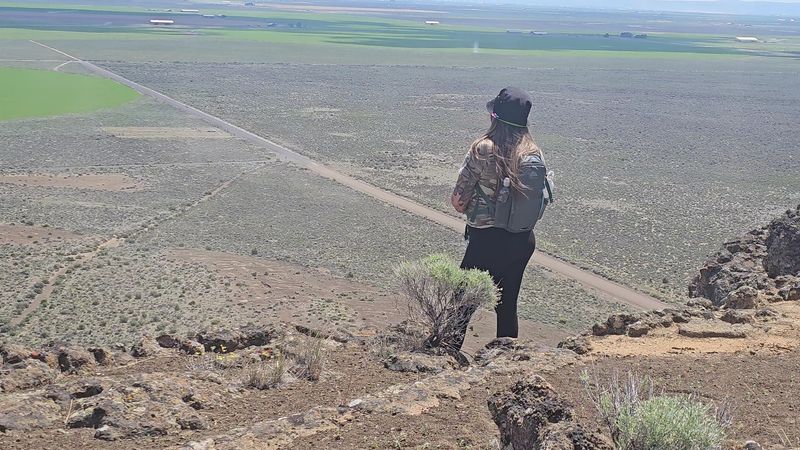
The high desert plays by its own rules. Summer days can get blazing hot, according to many visitors.
Water is your best friend here. Fill bottles before hitting the trail, and bring more than you think you’ll need.
Shade is limited once you leave the picnic area.
Sun hats and sunscreen belong in every bag. The rock reflects light and heat.
Early mornings or later afternoons often feel more comfortable.
Wind can sweep across the rim without warning. It may feel cool up top even when it’s warm below.
A light jacket packs small and saves the day.
Winter brings a different mood. One visitor calls it most beautiful in the cold months, though very chilly.
Dress in layers if you go then.
Cell service is spotty. Some visitors report T-Mobile signal only when the town is in view.
Download maps ahead of time and let someone know your plans.
Good shoes round out the list. Rocky, uneven paths deserve real traction.
With the right gear, the desert becomes a playground instead of a test.
Getting There On The Back Roads
Part of the fun is the drive itself. The park’s address is Fort Rock Rd, Fort Rock, OR 97735, deep in central Oregon’s high desert.
Most travelers reach it from OR-31. The park sits a few miles off the highway on quiet country roads.
One visitor puts it at about six miles from the main route.
From La Pine, it’s roughly 36 miles. Some visitors coming from Bend describe about an hour’s drive.
That makes it an easy half-day or full-day trip.
The rock announces itself well before you arrive. Watching it grow on the horizon builds excitement in the back seat.
Expect a few gasps.
Hours can change by season, so check with Oregon State Parks before you go. It’s also wise to fuel up beforehand.
Services out here are sparse.
Want to stack adventures? Hole in the Ground, a huge crater, sits nearby to the east.
The access road is dirt, so a higher-clearance vehicle helps. Pairing both sights makes one memorable volcano-themed road trip.
Why This Stone Castle Belongs On Your Calendar
Few outings offer this much story for zero dollars. Fort Rock State Natural Area mixes volcanoes, a lost lake, ancient sandals, and starry skies into one easy stop.
Its 4.7-star rating across hundreds of reviews says plenty. People clearly leave impressed.
Many talk about wanting to return.
Kids get room to explore and climb. Parents get calm, views, and a picnic table.
Grandparents get history worth talking about.
It works as a quick break or an all-day adventure. Short trails suit beginners, while the rim satisfies hikers who want more.
Nobody feels left out.
Plan around the weather and pack well. Water, layers, and snacks make all the difference.
Then let the rock do the rest.
Oregon has no shortage of famous scenery, yet this spot still feels like a secret. It rises from the desert like something out of a storybook.
Bring the family, wander through that giant gate, and see if the castle feels as huge to you as it does to everyone else who stands inside it.