

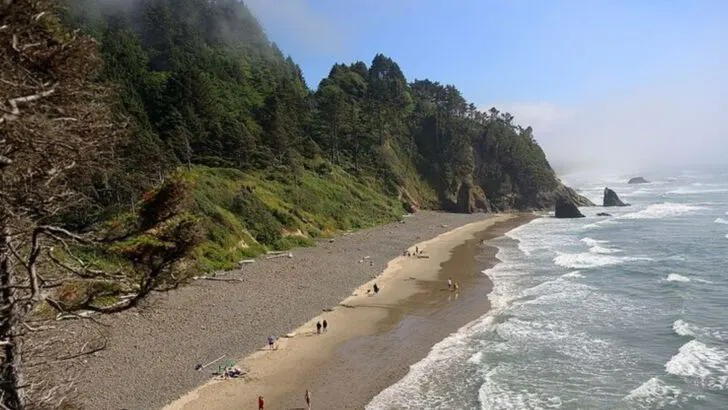
Winter along Oregon’s coast trades summer bustle for a softer hush, the kind that carries you from forest shade to open headlands with only gulls and surf for company. Fewer people, clearer air, and low sun make familiar views feel newly crisp and intimate. You can wander tidepools, watch migrating whales, and listen to wind comb through cedar while sea stacks sharpen on the horizon. If you crave space, these parks offer it in wide beaches, quiet coves, and cliff paths that feel made for winter walking.
Ecola State Park
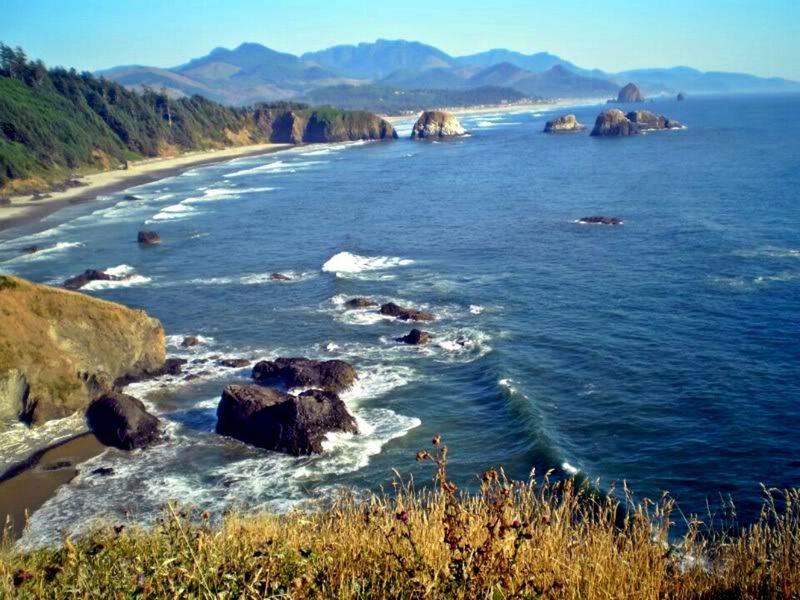
Trail signs pull you onto Tillamook Head where forested ridges trade whispers with the ocean. In minutes you move from mossy cedar shade to a wind edged overlook, the horizon cut clean by winter light. On haze free days, sea stacks and long shorelines read sharper, like someone turned the focus ring.
Drop toward Indian Beach and the route unfurls to rock gardens, tide wash, and driftwood perches. You hear surf first, then catch gulls kiting over foam lines. Winter crowds thin, so your steps and the wave rhythm become the conversation.
Short loops make spontaneous detours easy, and viewpoints repeat like chapters. Watch for whales sliding south and for elk browsing the edges of Sitka spruce. The mix is simple and generous, a walk that keeps revealing itself with every bend.
Oswald West State Park
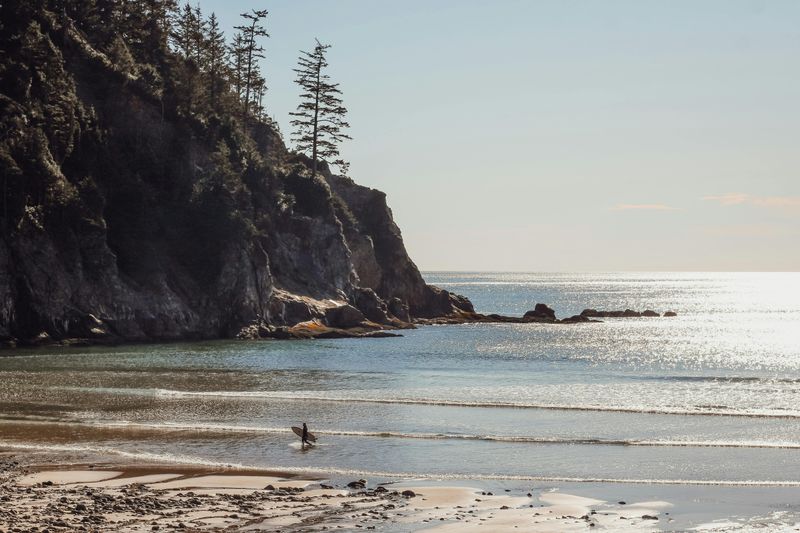
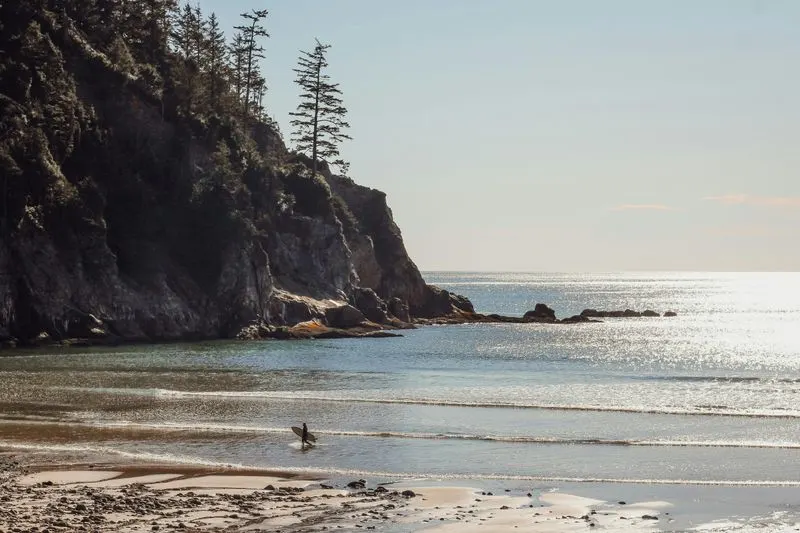
The path drops under cedar and hemlock, damp needles softening every footfall. In a few minutes the forest breaks and Short Sand Beach appears, a pocket of sand tucked between cliffs. Winter trades chatter for surf hiss and bird calls, and the cove holds the sound close.
Surfers paddle out in dark wetsuits while you scan tidepools for anemones and scuttling crabs. The shift from deep shade to sheltered bay feels immediate and repeatable, like stepping through a curtain. Even on storm days, this cove sits calmer than the open coast.
Trails lace toward Cape Falcon if you want a longer look at wave sets marching in. Bring warm layers and curiosity, because low tides rewrite the details. It is a favorite spot for quick surf checks, quiet beach watches, and that first hot thermos sip.
Samuel H. Boardman State Scenic Corridor
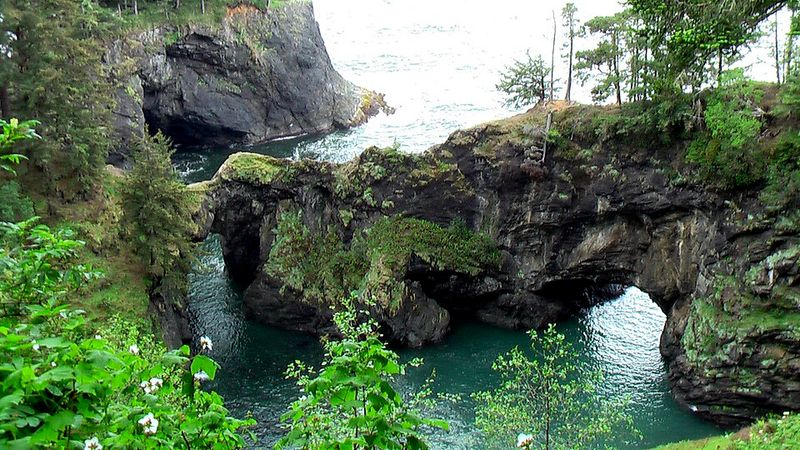
This corridor strings viewpoints like beads, each one framing a new rock shape. Bare winter vegetation opens sightlines so arches and stacks stand crisp against teal water. Short paths pull you to Natural Bridges, Arch Rock, and pocket beaches where foam scribbles the sand.
You can stop often without committing to a long hike between features. That rhythm suits winter weather, letting you dodge showers and chase light. Every turnout becomes a small stage for waves performing through rock windows.
Look for cormorants arrowing past cliffs and for whales tracing the edge of the shelf. The palette goes deep green and slate, then suddenly silver when sun slices open the cloud deck. It is concise, photogenic, and endlessly repeatable, especially when the air runs clear.
Shore Acres State Park
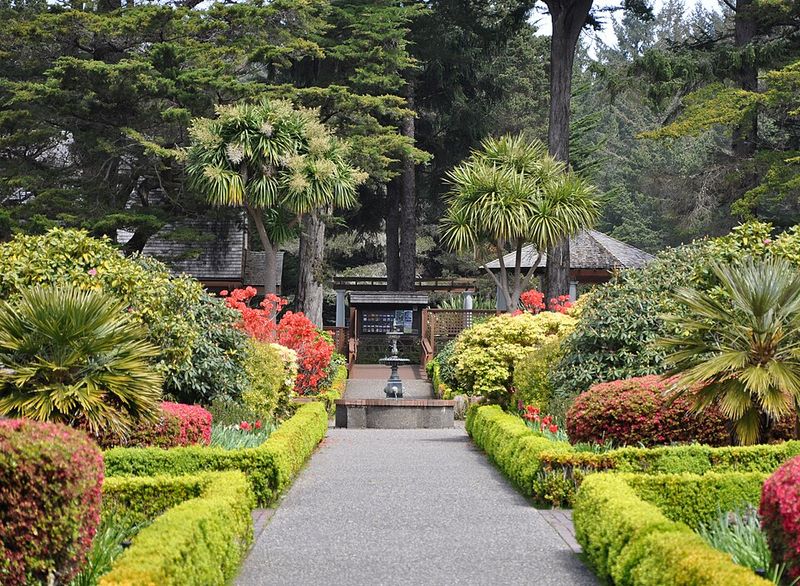

Stroll manicured paths through a garden for all seasons, then step to cliff edges where winter surf detonates below. The contrast is immediate and delightful, roses and evergreens framing a horizon stitched with white water. From the overlook you can scan for gray whales threading south.
In winter the garden lights glow after dark, turning the coastal chill into theater. Tidepools sparkle on calmer days, but storms write bigger gestures on the rocks. You choose how close to stand to the engine room.
Paths connect viewpoints, each a clean angle on the same relentless sea. Bring layers and let the wind decide your pace. It is a place where cultivated calm meets raw coastline, and both feel sharper when crowds thin.
Cape Lookout State Park
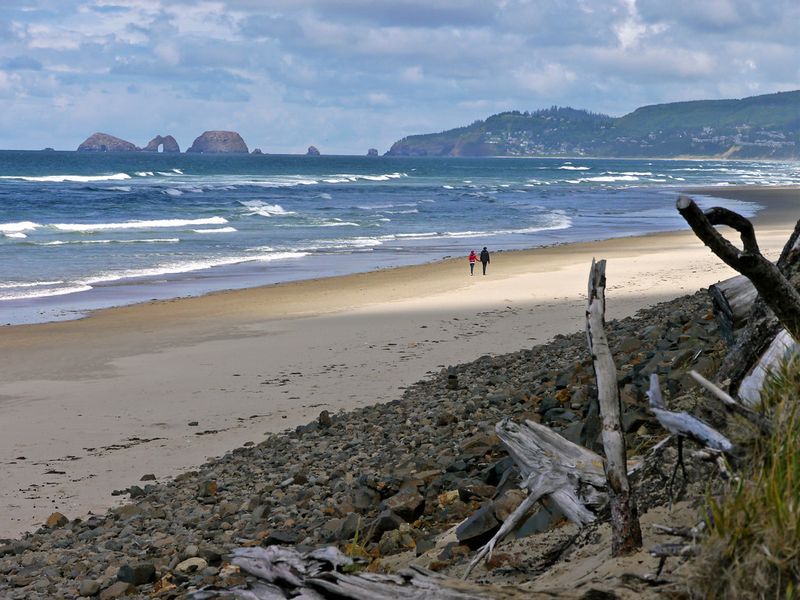
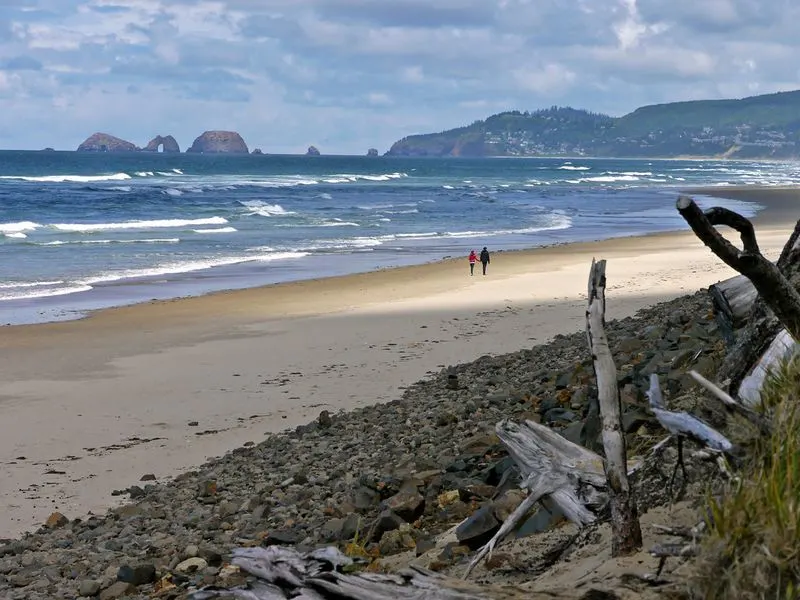
The Cape Trail runs the spine of Cape Lookout, mostly gentle as it threads spruce and hemlock. Winter air drops the haze so horizons click into clarity, far headlands stacking like folded paper. Even a short outing delivers a clean edge of ocean and sky.
At the tip, sightlines go long in every direction, gulls scissoring the wind below your feet. The payoff is simple and satisfying, a wide page you can read without rushing. Mud can linger, so boots matter and roots deserve respect.
Listen for ravens and the deep hush that comes when surf is far below. On lucky days, whales lift spouts in the distance, easy to spot against the cool light. It is straightforward hiking with a big window at the end.
Hug Point State Recreation Site
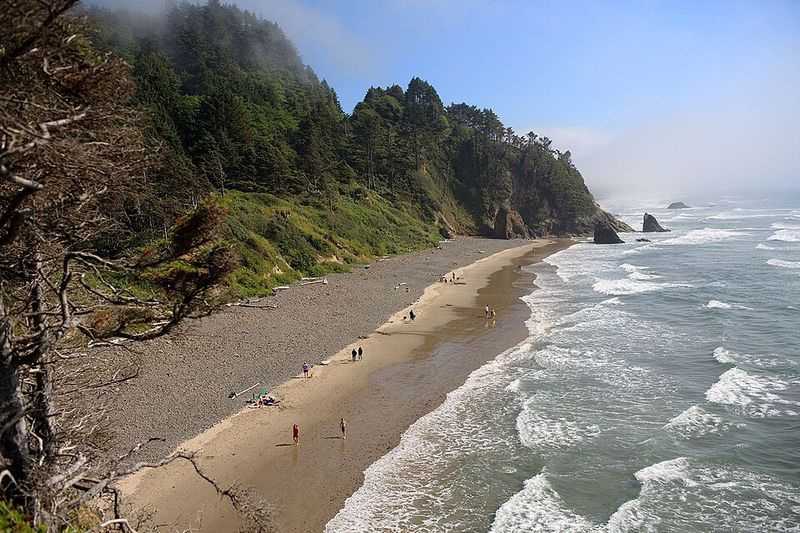
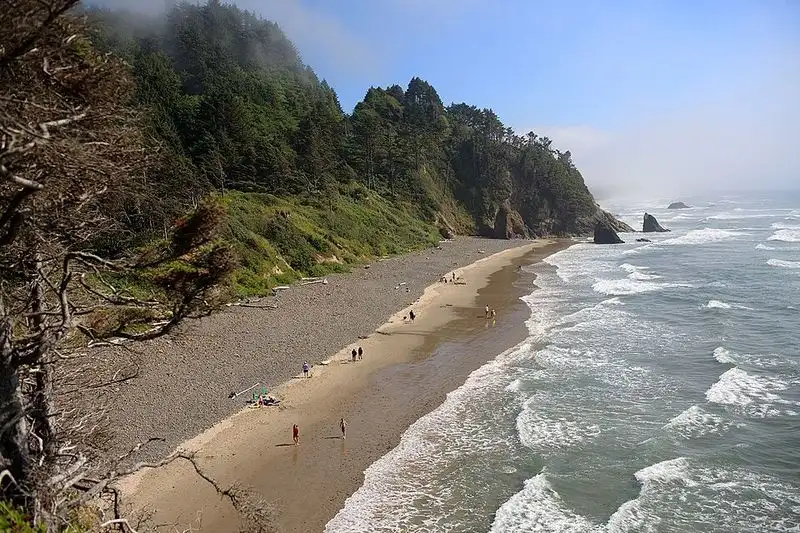
Walk the beach past a small waterfall and tuck into sea caves carved low into the cliff. The old stagecoach road wraps around the point when tides behave, its rock surface pocked by years of wheels. Winter can sharpen the view north to Haystack Rock on clear days.
Storms and erosion rewrite access, so tides and advisories matter more than usual. Sand levels shift, parking fills differently, and a calm morning can flip by afternoon. Check closures and aim for low tide to keep options open.
The sequence many visitors recall repeats easily: cave, waterfall, then that distant skyline. When swells boom, spray drifts like mist through the arches. It feels playful and provisional, a small adventure that depends on timing.
Fort Stevens State Park
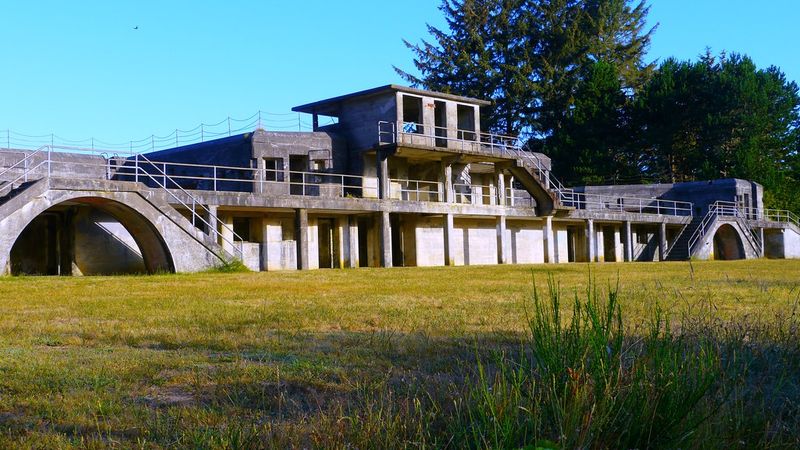
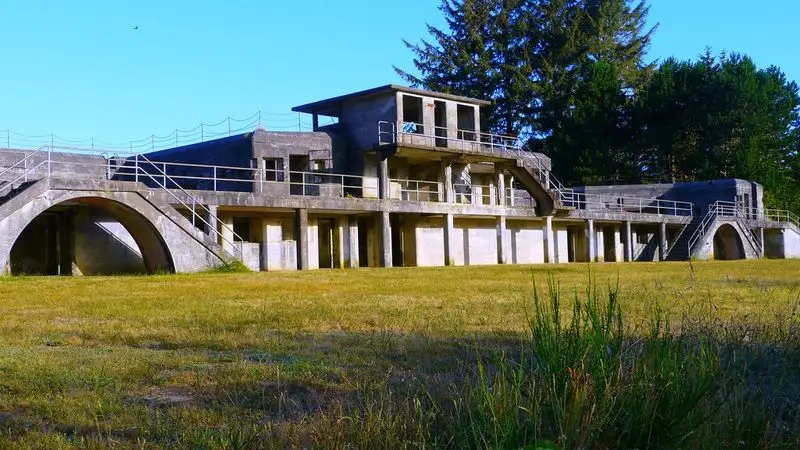
Here the beach runs big, dunes shouldering the wind while breakers plane across the bar. With winter visitors spread thin, the feeling of space expands in every direction. You walk toward the Peter Iredale, ribs of iron rising from sand like a remembered story.
Low tide makes the wreck easy to reach, a repeatable ritual many trips start with. Photographers love the rusty geometry against slate sky and pale foam. Inland trails add moss and silence if gusts get loud.
Birds work the edge, and the Columbia’s presence hums at the horizon. Maritime history feels near enough to touch, told by tide and metal rather than plaques. It is simple to settle into a long stride and let the miles slip.
Sunset Bay State Park
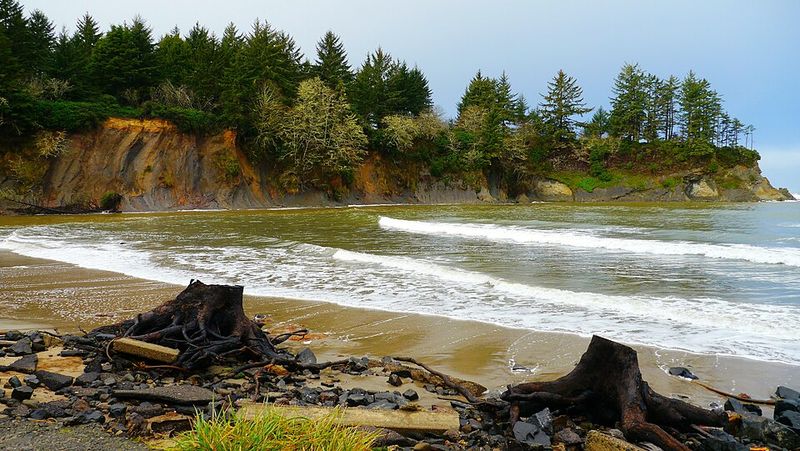
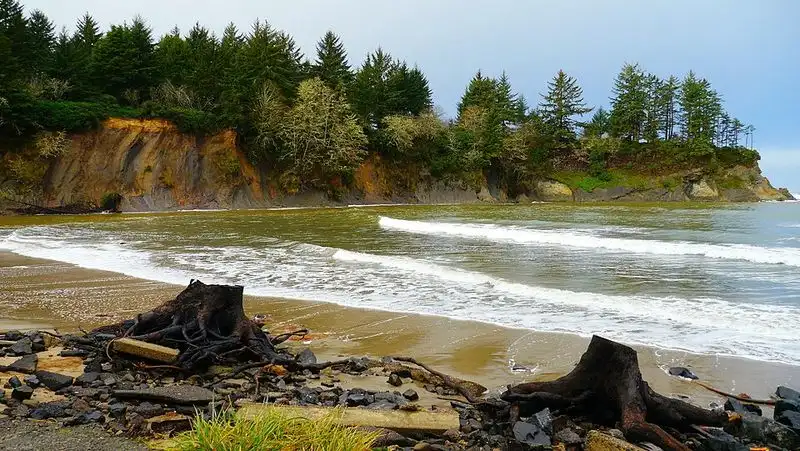
The bay curves into a protected crescent, cliffs cupping small waves that fold quietly ashore. You can choose calm shore walks or step onto nearby headlands for louder surf. Tidepools sit close at hand, generous on low tides when winter light goes glassy.
Short trails link to Shore Acres and Cape Arago, stitching a compact circuit of viewpoints. Birds move through in pulses, rafts of scoters and grebes patterning the water. On storm days the cove still reads gentle compared to open coast.
It is the kind of place where a thermos and a slow loop feel perfect. The options shift with weather, but everything is close. You can keep it quiet or go find the roar, all within a short walk.