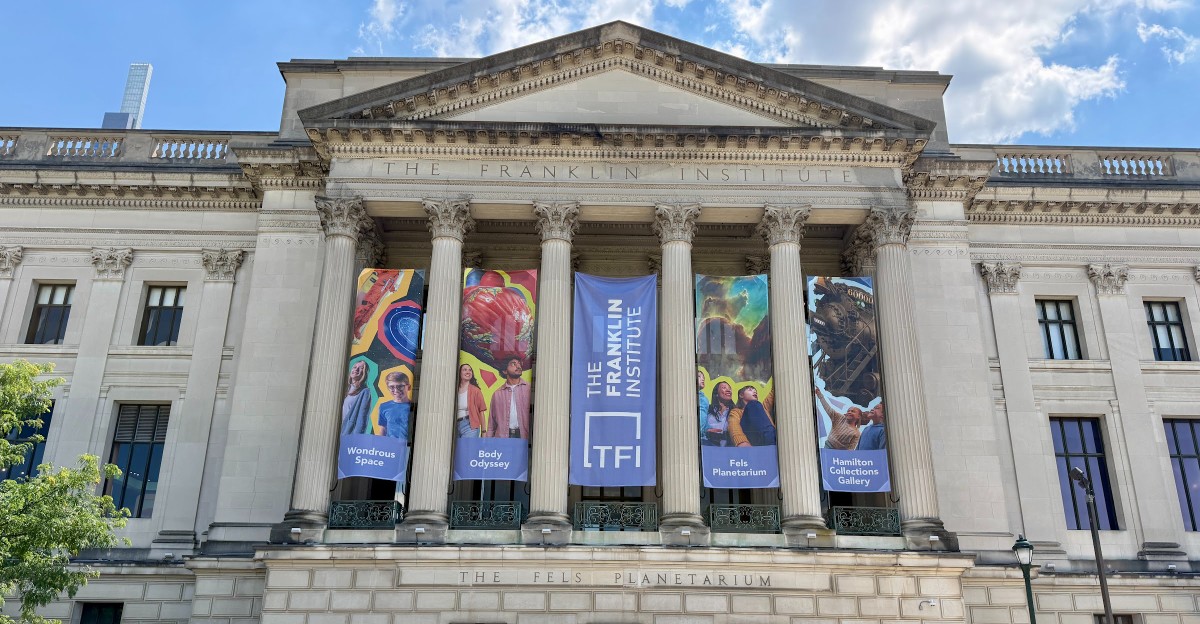
A two-story human heart sits inside this museum, and it can beat in sync with yours. Kids walk right through its chambers.
Grown-ups usually follow, grinning like it’s their first time.
The heart has been a star here since 1954. Now it has sensors that turn your pulse into light and sound.
That’s a pretty big upgrade for a museum icon.
Down the hall, a 350-ton steam locomotive waits for anyone who loves trains. Upstairs, kids can touch a real meteorite and design rockets.
I keep thinking about how one building packs in this much.
This spot in Pennsylvania has been sparking curiosity for about two centuries. It still feels fresh, loud, and hands-on.
Walk Through A Giant Heart That Beats Along With Yours
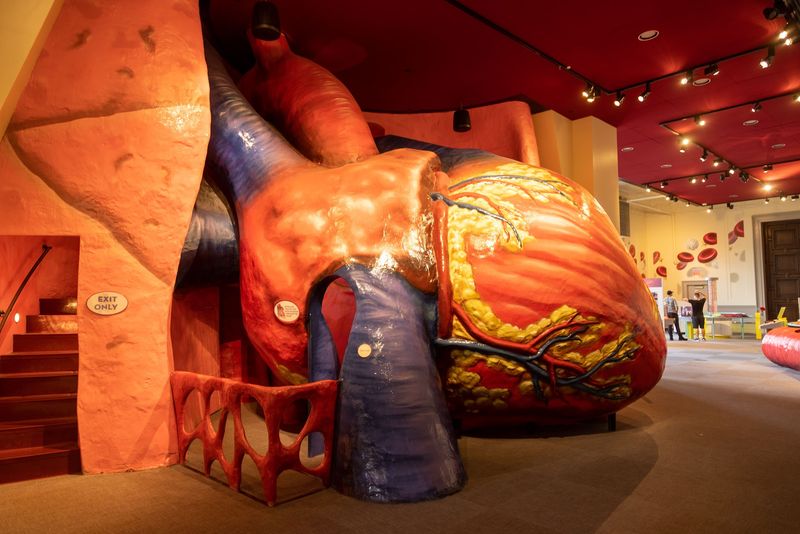
Few museum exhibits have a fan club that spans generations. The Giant Heart at The Franklin Institute has been thrilling visitors since 1954, and grandparents still remember climbing through it.
Today the heart sits at the center of Body Odyssey, which reopened on November 23, 2024. The heart got a modern twist with sensory technology.
Visitors can sync their own heartbeat with the model, and it answers with a pulsing show of light and sound.
Picture your kid realizing the whole room is thumping to their rhythm. That’s a science lesson they won’t forget by dinnertime.
It also makes the heart feel less like a model and more like a living thing.
Body Odyssey goes far beyond one organ, too. It explores body systems, personal health, biotech ideas, and even robotic surgery.
There’s also a dissection space for kids who love getting into the gross details.
Start here early if you can. The heart is the museum’s most famous feature, so it naturally draws a crowd.
Weekday visitors may find things calmer after 2 PM, since school groups tend to fill the morning hours.
Pack Your Space Dreams For The Two-Story Wondrous Space Exhibit
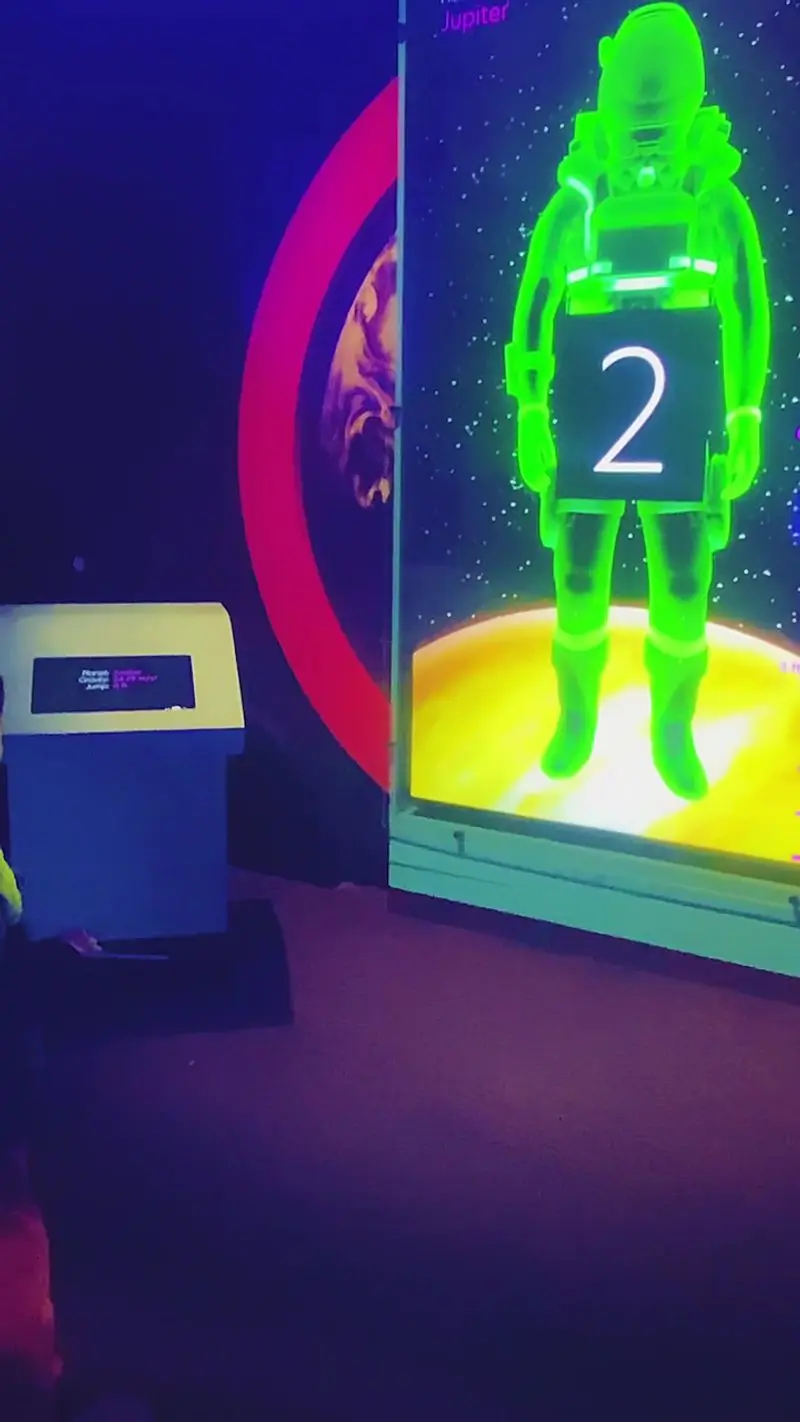
Touching something from outer space usually requires a rocket. At Wondrous Space, all it takes is a hand and a little patience while your sibling finishes their turn.
The exhibit opened on November 4, 2023, as part of a big transformation at The Franklin Institute. It’s immersive, multisensory, and spread across two stories.
It was the first of six new themed exhibits planned for the museum’s bicentennial makeover.
Kids can design and launch rockets here. They can also build custom lunar rovers and test virtual spacesuits.
Each activity turns a big space idea into something they can actually try.
The topics go deep without feeling heavy. Gravity, constellations, and the search for worlds that could support life all get attention.
Expect a lot of questions on the ride home, especially about aliens.
Budget real time for this area. Rocket builders tend to want just one more launch, and then another.
Pairing this exhibit with a planetarium show makes a great space-themed stretch of your day. It might even launch a future astronaut or two.
Prepare To Stare Up At A 350-Ton Steam Locomotive
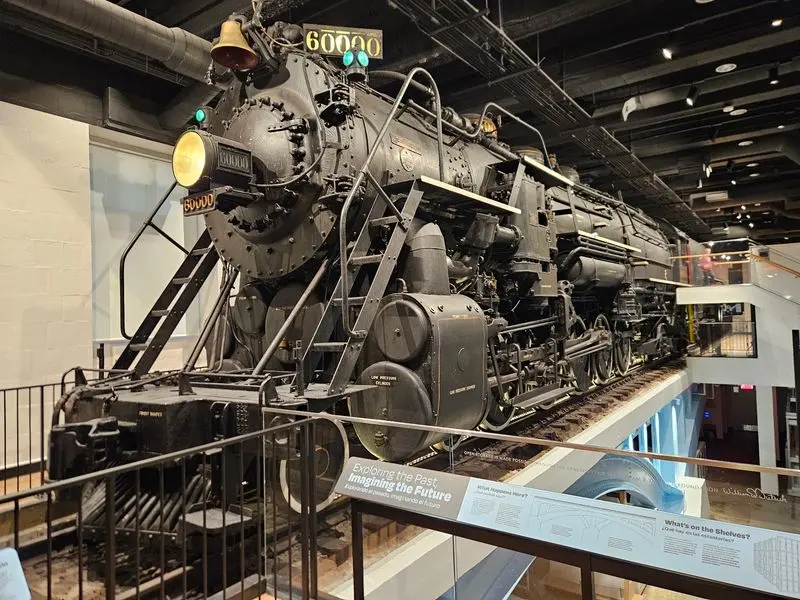
Three hundred fifty tons. That’s the weight of the Baldwin 60000 steam locomotive, and it lives indoors at the Hamilton Collections Gallery.
Train-loving kids will lose their minds a little. Honestly, plenty of adults do too.
The sheer size makes everyone stop and tilt their heads back.
The gallery opened on November 23, 2024, and spans two stories. It shows off more than 500 artifacts from the museum’s historic collections.
Many of them are on public display for the first time ever.
Look for some true treasures beyond the train. Benjamin Franklin’s Glass Armonica and his lightning rod are here.
You’ll also find Thomas Edison inventions and wing models from the Wright Brothers Aeronautic Collection.
Here’s a tip for younger kids. Turn the gallery into a quick scavenger hunt by asking them to find Franklin’s items first.
It keeps little legs moving and little brains engaged.
History buffs could easily spend an hour in this one space. Families with restless toddlers might prefer a faster lap.
Either way, nobody leaves without a photo next to that giant engine.
Let The Athletes Burn Energy In SportsZone
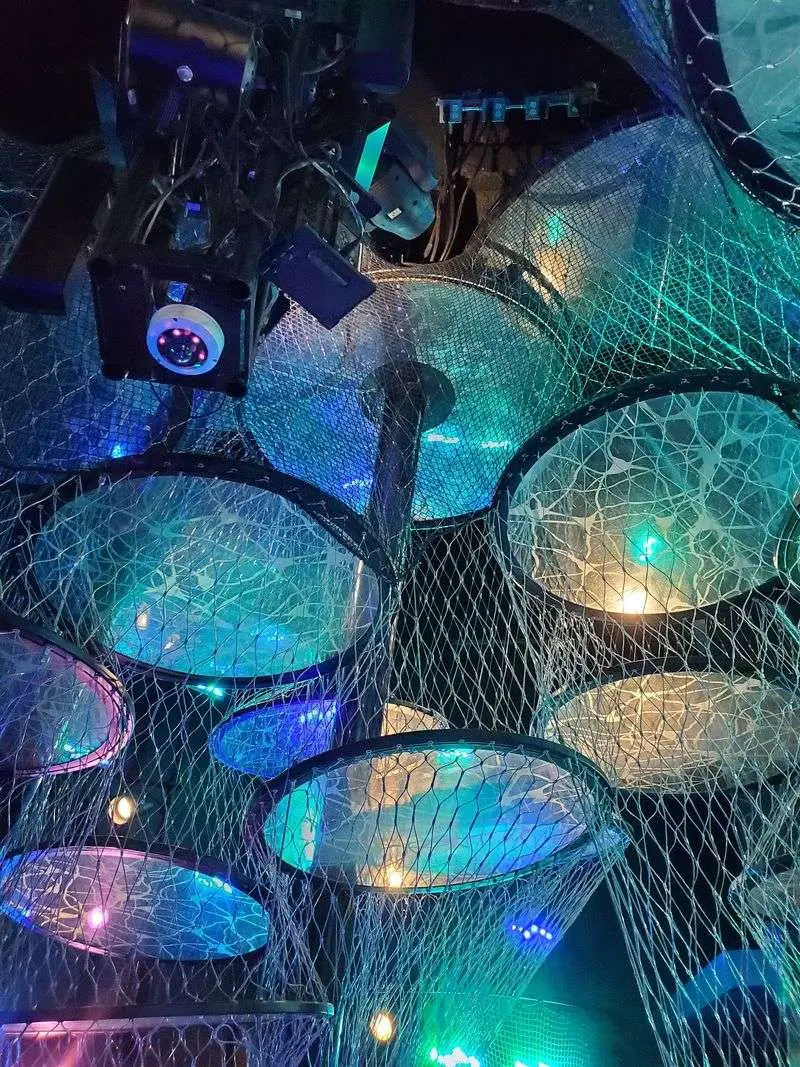
Got a kid who can’t sit still? SportsZone basically says, perfect, come on in.
The exhibit links sports to the science of motion and the human body. Kids can race against friends and jump to reach basketballs hung at different heights.
It’s a gym class where every move teaches something.
Balance boards that move under your feet add a wobbly challenge. Visitors can also measure their reaction time and pitching speed.
Parents may suddenly feel very competitive about that pitching number.
The best part is how sneaky the learning feels. Kids think they’re just playing.
Meanwhile, they’re figuring out speed, force, and how their bodies react.
Because it’s so active, this zone tends to be popular. Heading there earlier in your visit can help you dodge longer waits.
Save the quieter exhibits for when energy levels start to dip.
Think of SportsZone as a reset button during a long day. A few sprints and jumps can recharge wiggly kids.
Then they’re ready to slow down for the planetarium or the history gallery again. That balance is how five hours flies by.
Grab A Seat Under One Of America’s Oldest Planetarium Domes
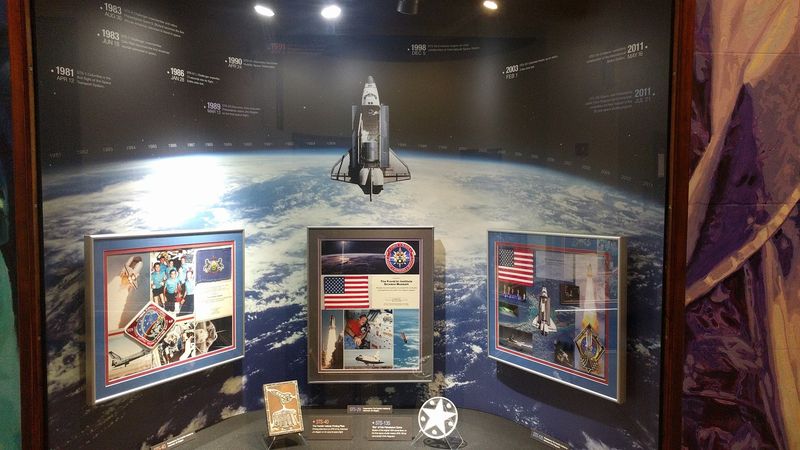
Back in 1933, the Fels Planetarium became the second planetarium in the United States. It’s also the second-oldest in the Western Hemisphere, which is a fun fact to drop on a curious kid.
The space got a full rebuild in 2002. Its dome measures 60 feet across.
Once the lights go down, the night sky fills your whole view.
Shows typically run about 25 minutes. That’s a sweet spot for younger kids with short attention spans.
Live cosmic tours explore constellations, planets, and deep-space wonders.
Planetarium shows are included with admission. That makes this an easy add to your plan without any extra math.
Check the schedule when you arrive and pick a showtime that fits.
Arriving a little early is smart, since seats can fill up. A planetarium show also makes a great rest break.
Tired feet get a seat while minds keep working.
Pair it with Wondrous Space for a full outer-space theme. Kids who just built a rover upstairs will spot planets overhead with new excitement.
It’s a calm, wide-eyed moment in a busy day.
Turn Physics Into A Playground At Sir Isaac’s Loft
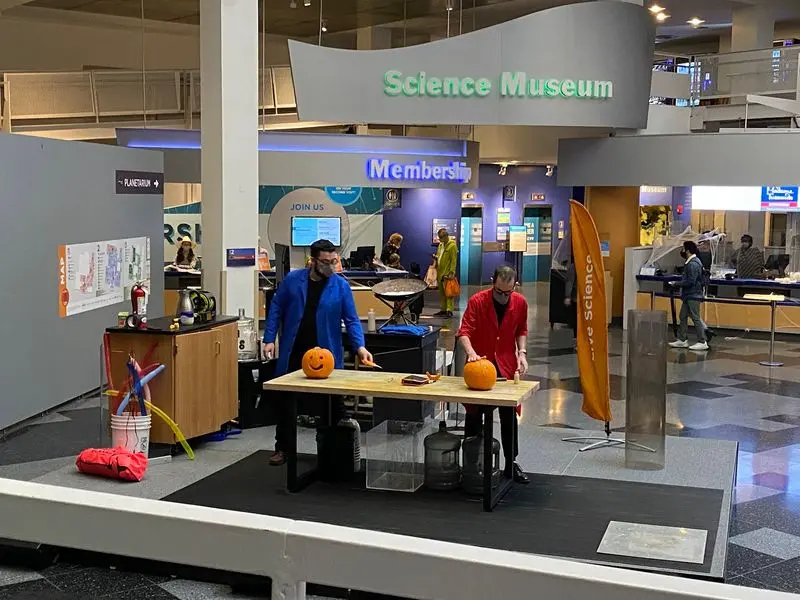
Isaac Newton probably never pictured kids giggling over his laws of motion. Yet that’s exactly what happens in Sir Isaac’s Loft.
The exhibit is all about hands-on physics. Falling objects, chain reactions, and kinetic sculptures keep things moving.
Optical illusions mess with your eyes in the best way.
Kids can test gravity and leverage for themselves. Instead of reading about a lever, they push one.
Instead of hearing about falling objects, they drop things and watch.
That trial-and-error style is the whole point. The Franklin Institute was one of the first museums in the nation to embrace hands-on learning.
This loft carries that idea forward with plenty of energy.
One heads-up for families with sensitive kids. Some displays here use flashing lights, so plan accordingly if that’s a concern.
Everyone else can jump right in.
Ask your kids to guess what will happen before each experiment. Then let them see if they were right.
It turns a fun room into a mini science lab, and nobody needs a lab coat. Bonus points for anyone who explains it back to you afterward.
Build, Shake, And Forecast Your Way Through Changing Earth
Earthquake engineering sounds like a college course. In Changing Earth, it’s a kid stacking blocks and watching them wobble.
Young builders can construct structures and test them against simulated earthquakes. If a tower falls, they rebuild smarter.
That’s real engineering thinking in action.
The exhibit also covers tectonic plates and how our planet shifts. And then there’s the weather corner.
Kids can film their own weather broadcast in front of a green screen.
Budding meteorologists will want several takes. Little siblings might just want to wave at the camera.
Either way, it’s a memorable photo op.
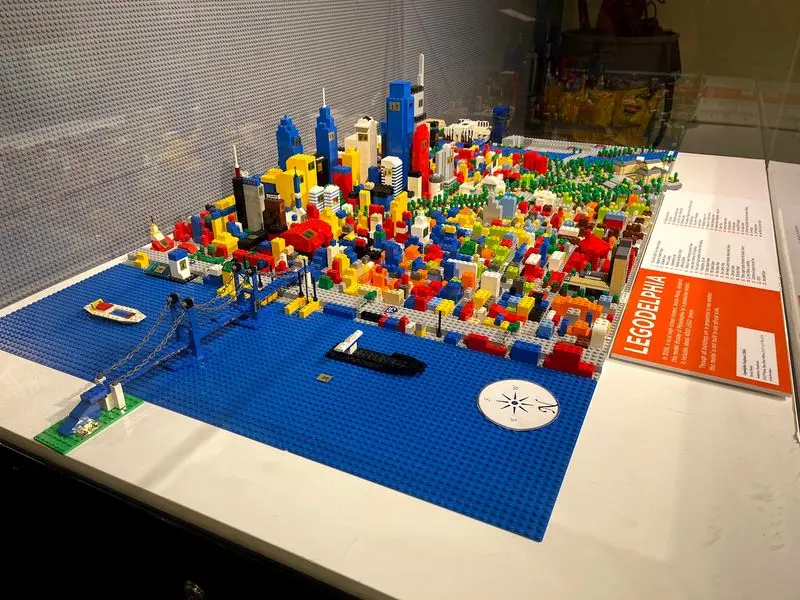
Nearby, Creation Station offers even more building. It’s packed with Imagination Playground blocks, KEVA planks, Tinker Toys, and LEGO and Duplo bricks.
Little engineers can happily spend a long time here.
Don’t skip Your Brain, either. That exhibit explores how we think and how the brain works.
Pairing it with Changing Earth gives kids a look at both big systems and tiny thoughts.
These spots are a great fit for younger kids. They mix creativity with simple science ideas.
Let them lead the way.
Refuel Without Leaving The Building
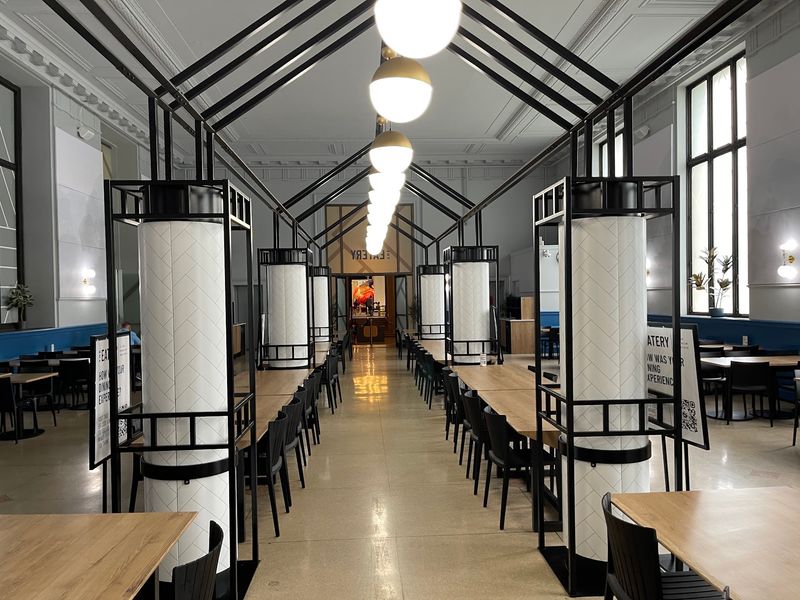
Hungry kids can end a museum day faster than any closing bell. Luckily, The Franklin Institute has more than one way to fix that problem.
The Eatery sits on the second floor. It serves hot entrées, lighter options, and a salad bar.
It’s open from 11 AM to 3 PM on weekdays and until 4 PM on weekends.
The Café near ticketing stays open during museum hours. Grab sandwiches, salads, baked snacks, and drinks.
Philly Pretzel Factory soft pretzels make a very Pennsylvania snack.
Sweet tooth on the loose? Dippin’ Dots and ICEE treats are on hand at the Café.
Consider them a reward for surviving SportsZone.
Packing your own lunch works, too. Guests are welcome to bring food.
When the weather cooperates, the outdoor Science Park opens seasonally for picnics.
Same-day re-entry is allowed with a valid ticket or wristband. That opens up nearby restaurants within walking distance.
Some local spots even offer discounts for ticket holders.
A real lunch break helps stretch your visit. Kids come back with fresh energy and full bellies.
That’s how you make it to hour five.
Know The Smart Moves Before You Head To Philadelphia
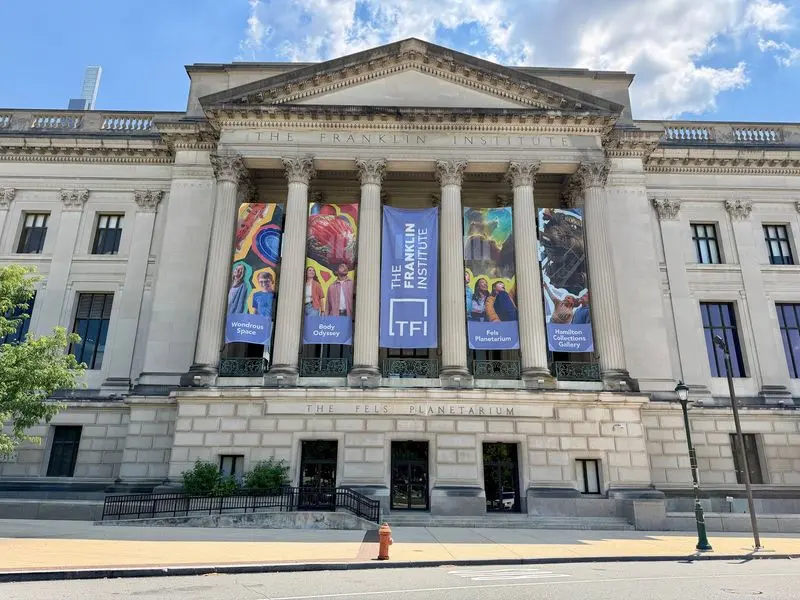
A 20-foot marble Ben Franklin greets you at the Benjamin Franklin National Memorial. The memorial is inside the museum and is free and open to the public.
You’ll find The Franklin Institute at 222 N 20th St, Philadelphia, PA 19103. It opens daily from 9:30 AM to 5 PM.
It closes on New Year’s Day, Thanksgiving, Christmas Eve, and Christmas Day.
Driving? A parking garage sits at 271 North 21st Street.
Strollers are welcome inside, and the building is wheelchair accessible.
Families with babies can use the Mother’s Room. Service animals are welcome, too.
Those small details make a long day much easier.
Founded in 1824, the institute is one of the oldest science education centers in the country. Its current building opened on January 1, 1934.
It now holds over 400,000 square feet of exhibit space.
Watch for special exhibitions, too. Universal Theme Parks: The Exhibition ran through September 7, 2026.
A STAR WARS experience is set to open on February 13, 2027.
This Pennsylvania classic rewards a full-day plan. Arrive early, pace yourself, and expect someone to beg for more time.