The biggest theater in Michigan sits inside a science museum, and its giant dome first lit up in 1978. Back then, it was only the third dome theater of its kind on the planet.
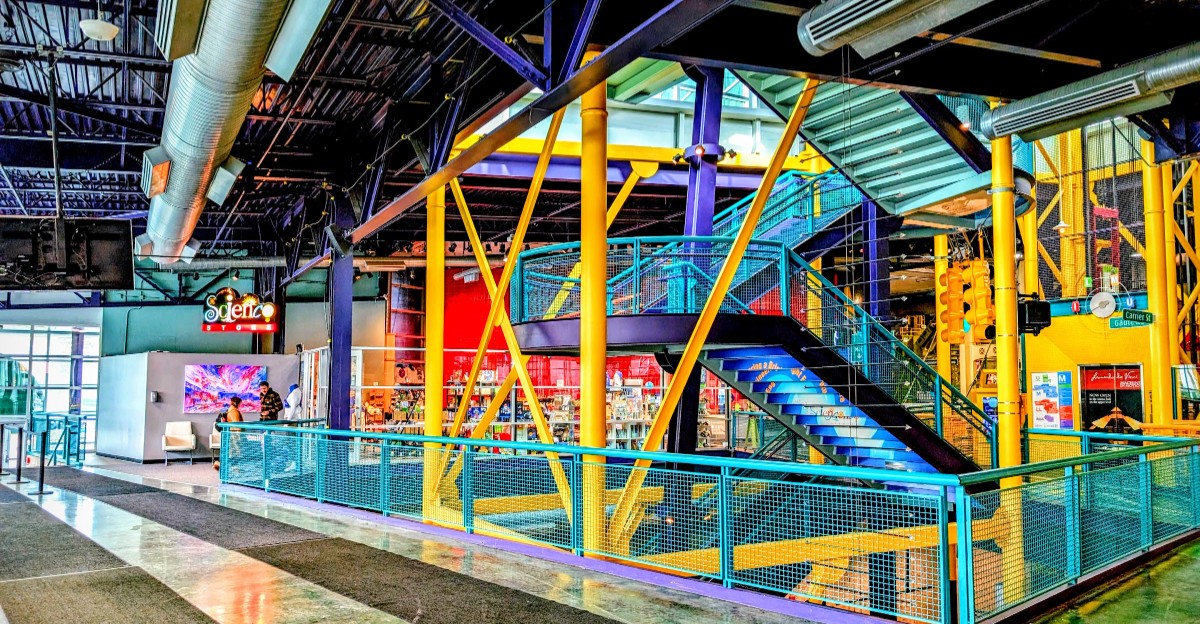
That screen is just one chapter. The same building holds more than 220 hands-on exhibits, a freshly rebuilt planetarium, and a stage where staff fire up a Tesla coil.
I like how the place treats curiosity like a full-contact sport. Kids pull levers, fold paper airplanes, and build bridges instead of just reading signs about them.
I couldn’t find a better rainy-day rescue anywhere in Michigan, even if I tried. Kids who usually beg to leave early may start bargaining for one more hour.
A Dome Screen So Big It Swallows Your Whole View
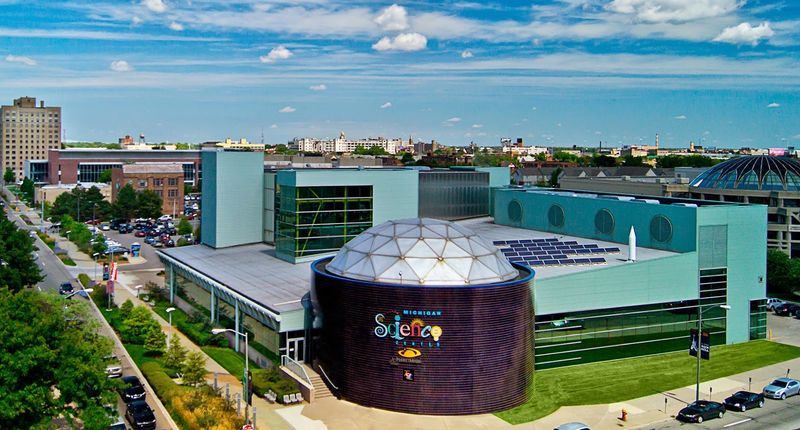
Few museum theaters can claim a world ranking, but the Michigan Science Center has one. Its Immersive Dome Theatre opened in 1978 as the third dome theater on Earth.
It’s also the largest theater in Michigan, with 239 custom-designed seats. Today it ranks as the sixth-oldest theater of its type still running anywhere.
So yes, your kids get to brag about watching a movie inside a piece of history. That’s a pretty strong argument for sitting still for a while.
The screen curves overhead, so the picture wraps around your whole field of view. Space scenes feel huge, and nature films feel close enough to touch.
Shows here usually require a separate ticket from general admission. Check the schedule when you arrive, then plan your exhibit time around the showtime.
The seats lean back comfortably, which sounds great until a tired parent starts nodding off. Consider yourself warned before that big lunch.
Younger kids who dislike loud sound or dark rooms may need a quick pep talk first. Sitting near an aisle makes an early exit easy if anyone gets nervous.
For everyone else, this dome might become the part they describe at dinner for weeks.
The New Planetarium Shows Off Real Space Data In 8K
December 2025 brought a big upgrade to the stars in Detroit. The Penske Planetarium reopened with 8K digital projection and a smooth NanoSeam dome.
That seamless dome matters more than it sounds. With no visible panel lines, the night sky looks like one clean sweep overhead.
New inclined seating tilts you toward the action. A 5.1 audio system fills the room, so rocket launches rumble around you instead of from one corner.
The coolest part might be the science behind the scenery. The planetarium uses real-time data visualization tools to show real information about space.
That means kids aren’t just watching pretty pictures. They’re seeing how scientists actually map planets, stars, and distant galaxies.
Shows take you on full journeys through space, from nearby planets to the far edges of the universe. It’s a quick trip with no packing required.
Planetarium tickets are usually sold separately, so add them early when you buy admission. Popular times can fill up, especially on busy weekends and school breaks.
Very young kids may struggle with the dark room. Older kids, though, might leave announcing a new career plan as astronauts.
Live Shows Here Come With Sparks, Booms, And A Tesla Coil
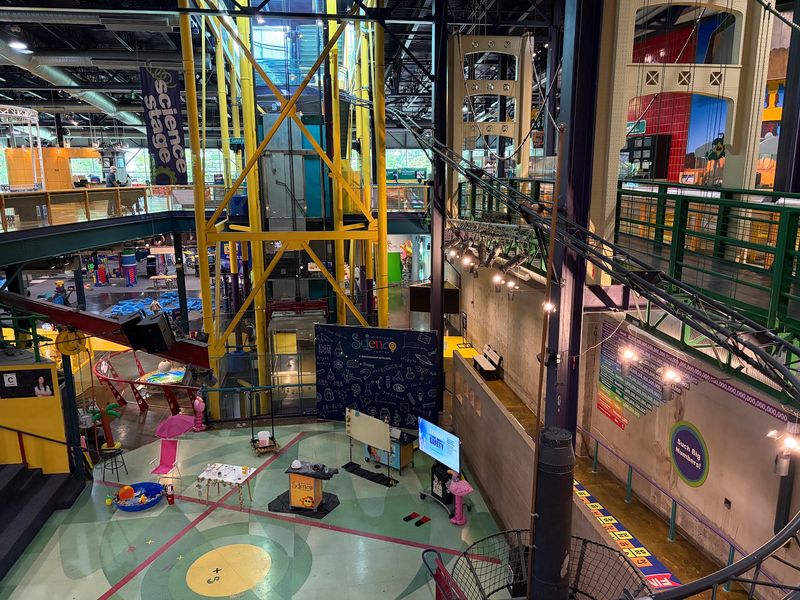
Lightning on a stage, on purpose. The Sparks Electricity Show uses a Tesla coil, a Van de Graaff generator, and an exploding wire.
Kids who think science is boring tend to change their minds fast here. Nothing wins over a skeptical ten-year-old like a controlled zap.
Kaboomistry is another crowd-pleaser on the science stage. It mixes physics and chemistry with loud effects that make everyone jump a little.
Prefer something calmer? Anatomy Academy covers the basics of the human body in a friendly, easy-to-follow way.
These shows happen at the Chrysler Science Stage and the DTE Energy Sparks Theater. Times change from day to day, so grab a schedule when you arrive.
Explainer Stations add even more live fun around the building. Staff members run small experiments and share science facts right on the museum floor.
Weekends bring something bolder for curious older kids. The Insides Out Dissection Series features live dissections explained by Mi-Sci educators on Saturdays and Sundays.
Not every child will want a front-row seat for that one. Still, the ones who do will probably talk about it nonstop on the drive home.
Little Scientists Five And Under Get A Town Of Their Own
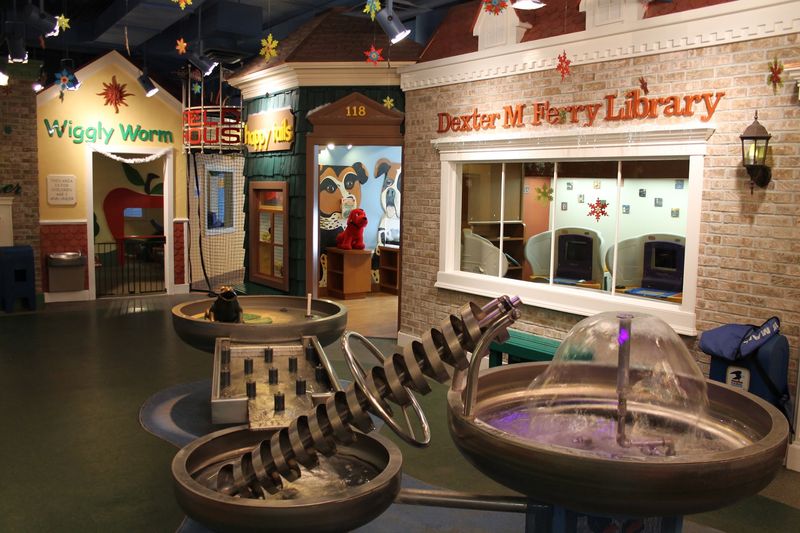
Toddlers deserve their own playground of ideas, and Kids Town delivers one. This whole area is designed for children ages 5 and under.
Pretend play rules the space. Little ones can run a market, serve customers at a cafe, or care for animals in a vet clinic.
An interactive sports arena gives wiggly kids a place to burn energy. A mini Level Up Arcade adds button-pushing fun sized for small hands.
A STEAM lab invites tinkering with simple materials. Next door, a theater with interactive lighting and costumes lets kids stage their own dramatic moments.
Need a quieter break? The Scibarium works as a digital library with sensory-friendly spaces for kids who feel overwhelmed.
Then there’s the water feature, which usually becomes the main event. Packing a spare shirt is a smart move unless you enjoy soggy car rides.
Parents of mixed-age families will appreciate this setup. Big siblings can explore nearby while preschoolers play in a space built just for them.
It also gives tiny kids something real to brag about later. They didn’t just visit a museum, after all.
They ran an entire town.
Rockets, Mars Homes, And A Trip Toward The Sun
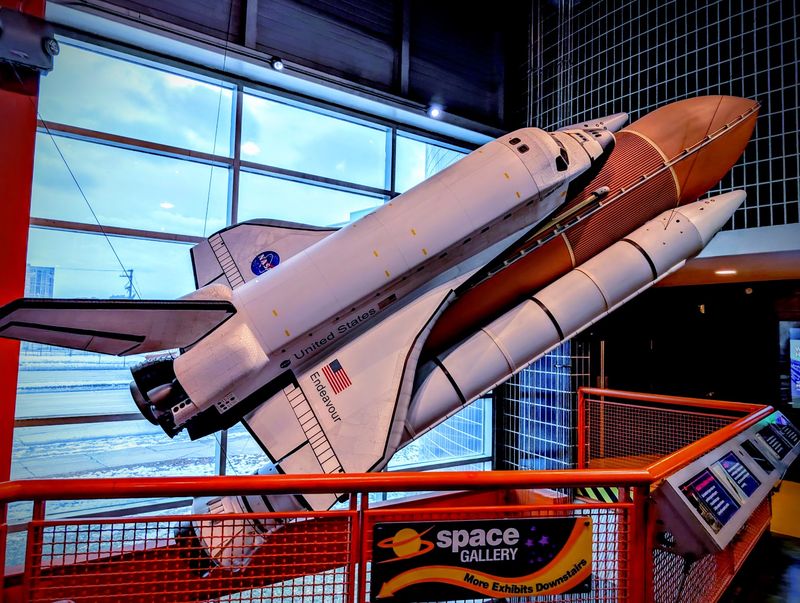
Building a house on Mars sounds like homework from the future. In the Space Gallery, it’s part of the fun.
This area explores human space travel and how rockets actually work. Kids can follow exhibits about traveling toward the sun and building a habitat on Mars.
A galaxy tour rounds out the experience. It’s a big universe, and this gallery breaks it into bite-sized pieces.
Space fans will want to pair this stop with the planetarium. Seeing a rocket exhibit, then watching stars overhead, makes the ideas click together nicely.
Interactive games like moon and Mars landers test steady hands. Expect some friendly sibling competition over who sticks the smoothest landing.
Out here, questions are the whole point. How far away is Mars?
Why do rockets need so much fuel? The gallery invites kids to wonder out loud.
Parents might learn a thing or two as well. Few adults remember every planet fact from grade school, and nobody needs to admit that.
Kids who love astronauts could easily spend a long stretch here. Plan extra time if your crew includes a future mission commander.
Paper Airplanes And A Mini Mackinac Bridge Steal The Show
A folded sheet of paper can turn into a flight lab. At the STEM Playground, kids create paper airplanes and test how they fly.
The space covers flight, wind navigation, engineering, and building. Every crash landing becomes a chance to tweak the wings and try again.
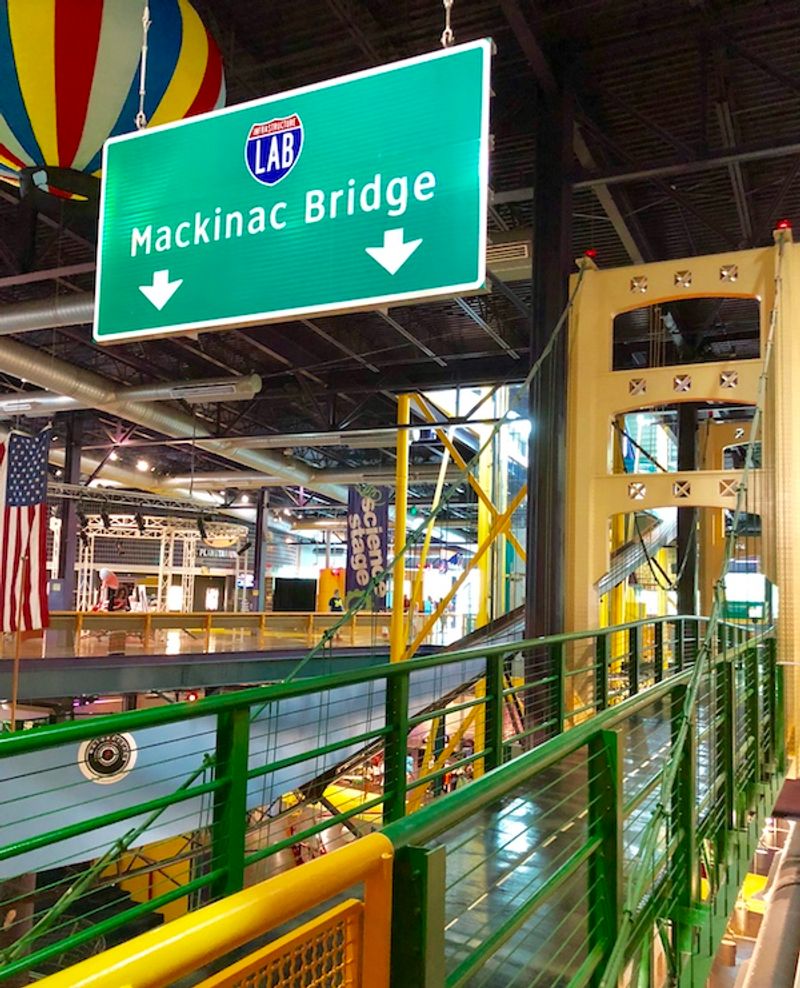
Nearby, Roads, Bridges, Tunnels brings civil engineering down to kid level. A reproduction of the Mackinac Bridge gives Michigan families a familiar landmark to study.
The exhibit also explains tunnel boring machines and how cement works. Suddenly, those orange cones on the highway get a lot more interesting.
The Smithsonian Spark!Lab adds another creative stop. Here, visitors work through the invention process with hands-on activities.
Kids learn that inventors rarely get things right the first time. That lesson might be the most useful one in the entire building.
Math Mountain also challenges visitors with addition, subtraction, multiplication, and division. Even math-shy kids may forget they’re practicing.
Bring patience for this corner of the museum. Builders tend to lose track of time when an airplane almost flies perfectly.
Magnets, X-Rays, And Tiny Science Hide Around Every Corner
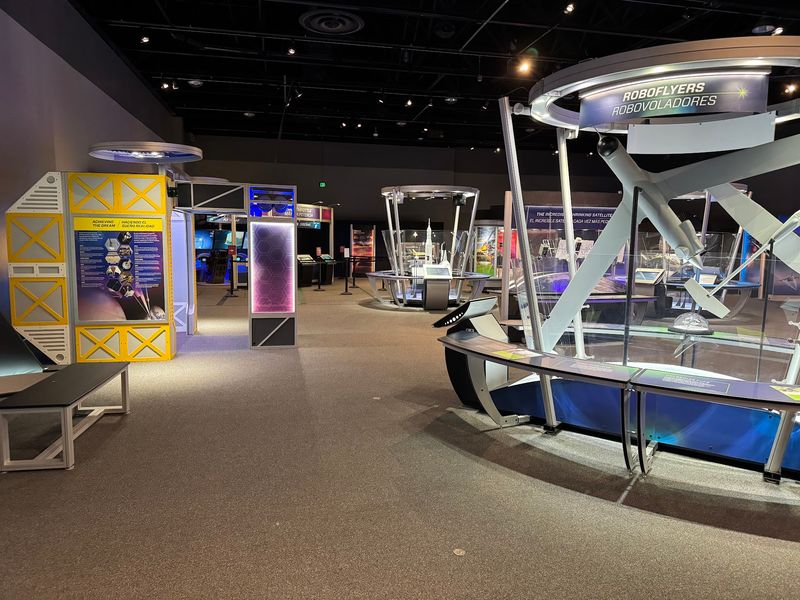
Simple machines get a serious spotlight in the Motion Gallery. Kids explore energy and matter through magnets, light, radio, and even X-rays.
These exhibits make invisible forces feel real. Watching a magnetic field in action beats reading about it in a textbook.
The Nano Gallery shrinks things way down. It focuses on nanotechnology, the science of materials far too small to see.
Sound and light experiments fill Waves and Vibrations. Earth, Wind, Weather, meanwhile, invites kids to explore what happens in the atmosphere above them.
Health gets its own spot too. The Health Gallery covers fitness, good nutrition, and making smart choices for your body.
Educators also lead themed activities in the Centennial and Cell Labs. These hands-on sessions let kids explore different science topics with real guidance.
With more than 220 exhibits in the Michigan Science Center, trying everything in one visit is ambitious. Picking a few favorites usually works better than racing through.
Exhibit signs appear in both English and Spanish, which helps many families. Kids can read along and explain the science back to you, which they’ll absolutely love doing.
A Cardboard Maze Turns Detroit Into A Giant Puzzle
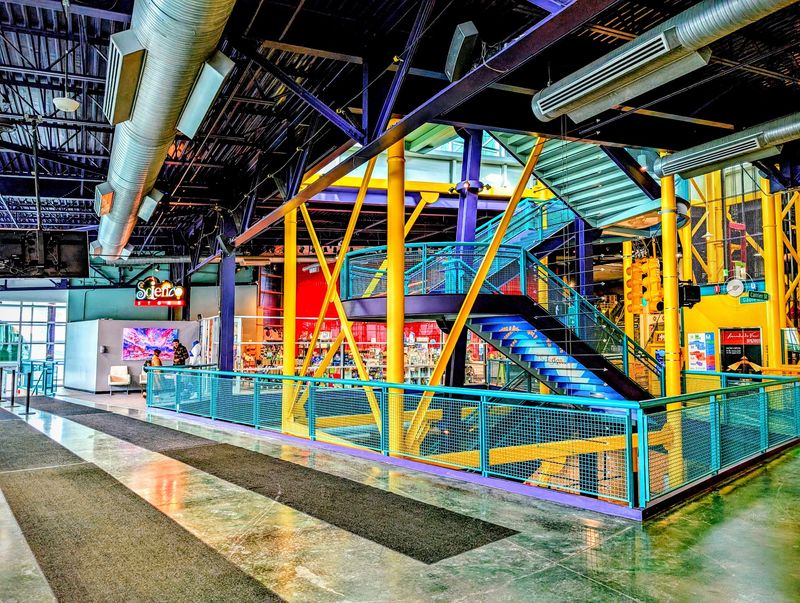
Cardboard has rarely looked this ambitious. A-MAZING Detroit: All Paths Lead to Mi-Sci opens May 9, 2026, as a limited-time maze experience.
The maze celebrates Detroit’s neighborhoods, landmarks, and culture. Mural art lines the paths, so every turn shows off a piece of the city.
Robotics adds a high-tech twist to the paper walls. Kids can also try cardboard construction activities, including a homemade-style game of skee-ball.
Families who live in Detroit may spot places they know well. Visitors from other parts of Michigan get a fun crash course in the city’s character.
Accessibility shaped the whole design. The maze is built to be fully accessible, so everyone in the group can explore together.
Limited-time exhibits come and go, which makes timing important. Check the museum’s schedule before your trip to confirm it’s open when you plan to visit.
Getting a little lost is basically the goal here. Let the kids lead and see how long it takes them to find the way out.
Don’t be surprised if they want to build a cardboard maze at home afterward. Maybe save a few delivery boxes, just in case.
Plan Smart And Your Midtown Day Gets Even Better
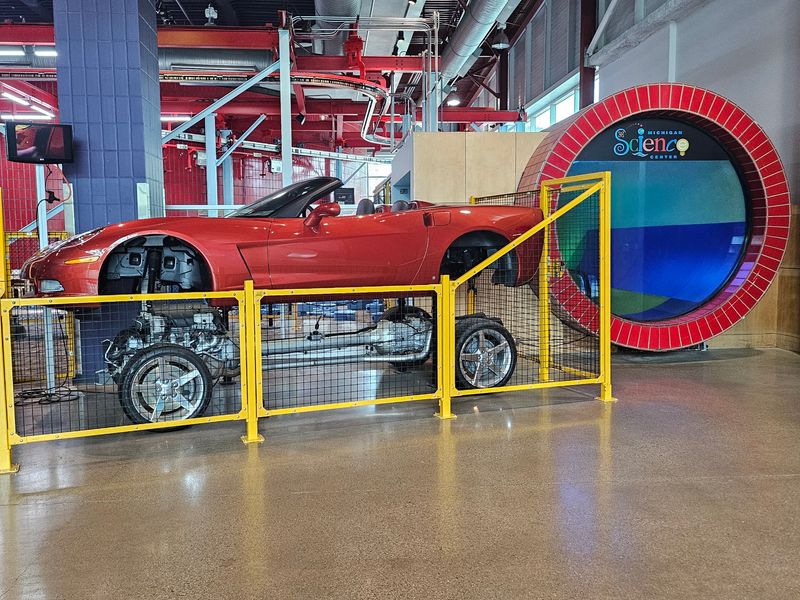
Good planning saves tired legs and cranky moods. You’ll find the museum at 5020 John R St, Detroit, MI 48202, in Midtown’s Cultural Center district.
It sits at the corner of Warren Avenue and John R Street. The Detroit Institute of Arts and the Charles H.
Wright Museum of African American History are right nearby.
Hours generally run 10 a.m. to 4 p.m., Tuesday through Sunday. Mondays are closed, so don’t schedule a surprise trip that day.
Metered street parking is available around the area. For a longer stay, the nearby Cultural Center parking structure offers all-day parking.
Food options inside are limited, so packing snacks or planning a lunch stop is wise. A family-friendly dining space is available for breaks.
The Science Store makes a fine final stop, especially for kids who want a souvenir. Birthday parties are also hosted here, with exhibits, demos, and lab activities included.
The building offers ground-level entrances, ramps, and wide pathways. Families with strollers or wheelchairs can move around more easily.
Since 2012, the Michigan Science Center has welcomed curious kids under its current name. Your family’s big day might be the next one they remember.