
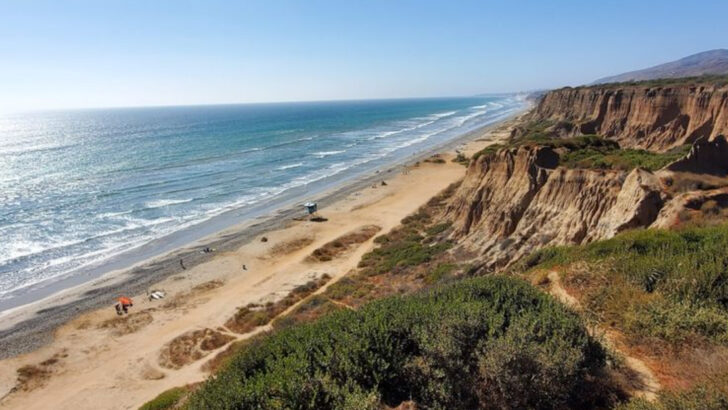
California rewards planners. With new park infrastructure, wildfire-aware seasons, and bucket-list permits opening months ahead, 2026 is the year to secure the adventures you usually just daydream about.
From coast to crest, you can stitch together weekend thrills and weeklong epics that feel custom-built for your calendar. Start early, pack smart, and you will snag moments most travelers miss.
Summit Mount Whitney via the Main Trail
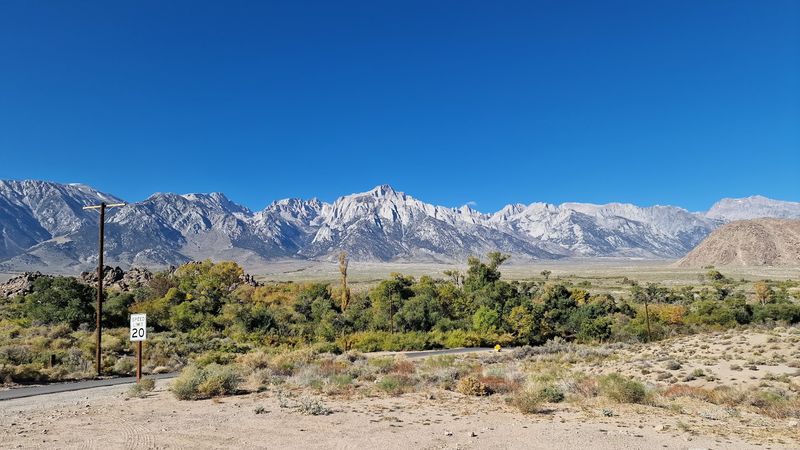
Securing your permit is half the journey, so mark the lottery window and set reminders weeks in advance. Training on local stair climbs and weekend elevation hikes pays off when switchbacks stack up between Outpost Camp and Trail Crest.
Hydrate aggressively and stage a predawn start to reach the granite crown before afternoon weather turns fickle.
Packing light still matters, but do not skimp on sun protection, electrolytes, or a real layering system. Trekking poles tame the descent that often chews knees more than the climb itself.
Keep an eye on snowpack reports, because a big winter can reshape the chute and demand microspikes well into July.
If camping at Trail Camp, filter early, eat salty snacks, and commit to a steady pace rather than surges. The payoff is panoramic Sierra skyline and that quiet, shared grin with folks who earned the same view.
Back at Whitney Portal, celebrate with something greasy and a cold drink, then note what worked for next time.
Paddle the Channel Islands Sea Caves
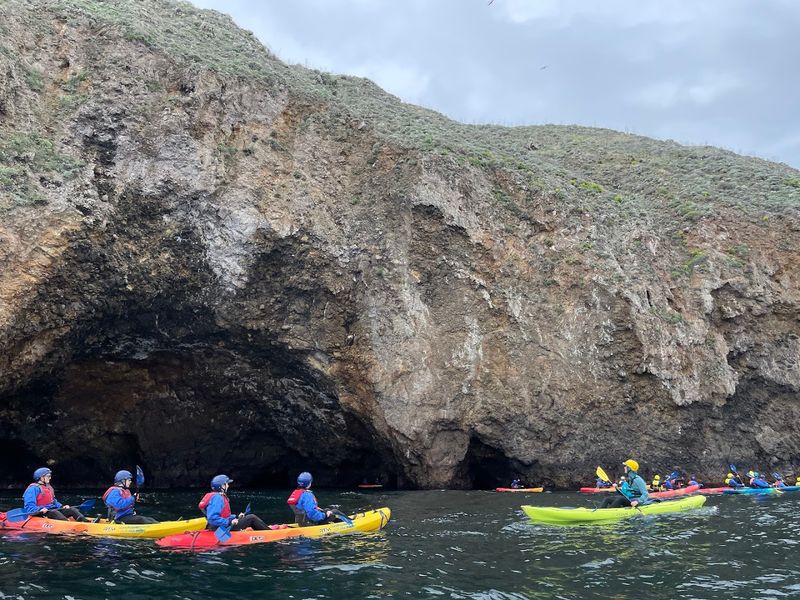
Glassier mornings and smaller wind windows make early launches your best friend out here. Booking the first boat from Ventura or Oxnard puts you on the water while swell and crowds stay quiet.
A dry top plus neoprene keeps spray chill from stealing your focus inside echoing lava tubes and cathedral arches.
Guided trips earn their price with tide timing, landing etiquette, and wildlife-safe distances. You will thread kelp forests like a maze, watching harbor seals materialize from the green.
Bring a snug-fitting hat and lanyard your sunglasses, because a cave ceiling can nudge your brim without warning.
Pack a compact lunch and stash it in a true dry bag, not the “almost” kind. Onshore, short hikes reveal island foxes trotting the trail like locals on coffee runs.
Leave time buffer for afternoon winds, and remember that the boat will not wait if you are late from a long cove.
Backpack the Lost Coast Trail
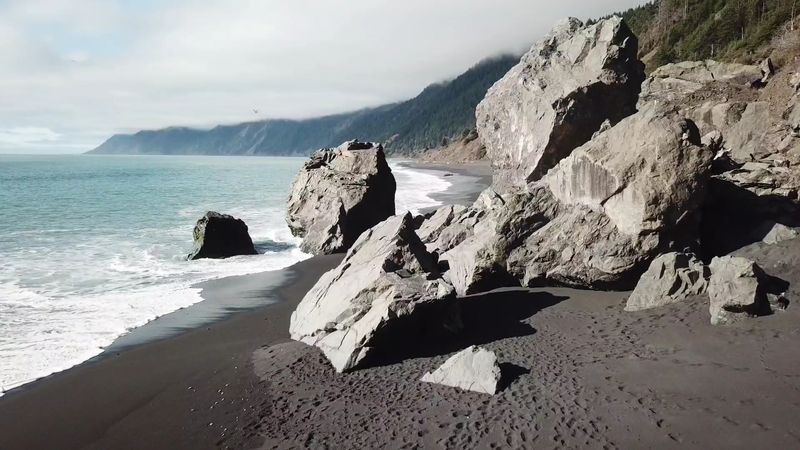
Tides rule everything here, so build your itinerary around the chart, not the other way around. Those impassable zones are no joke, and soft sand miles double the work compared to inland dirt.
Bear canisters are required, and they make great camp stools during fog-laced dinners beside driftwood.
Gaiters keep sand out, while trail runners dry faster than boots after creek crossings. Pitch above the wrack line and anchor guylines with rocks because wind sneaks up after sunset.
A lightweight puffy and a bomber rain shell earn a permanent spot in your pack, even in July.
Keep meals simple and high calorie, since headwinds can torch energy faster than expected. Give yourself time to look up and scan for whales and bobbing sea otters that share the surf with you.
Shuttles simplify logistics, but screenshot meeting points because signal fades the minute you leave pavement.
Ski Spring Corn at Mammoth Mountain
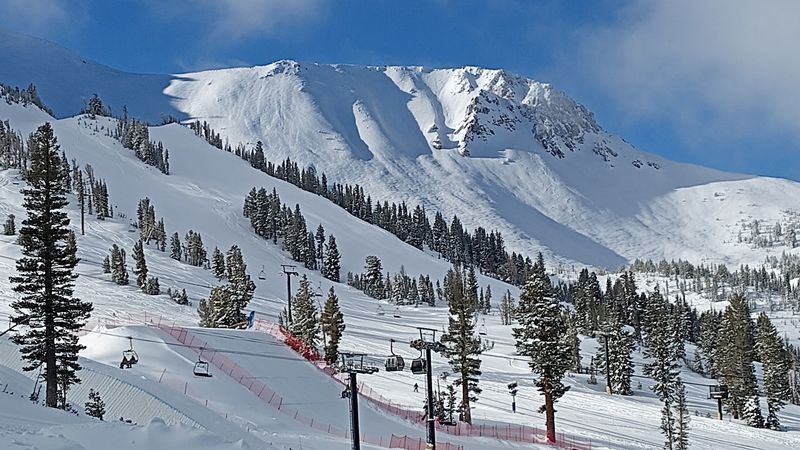
Chasing corn is about timing, not heroics, so set your watch by the freeze-thaw cycle. Lifts spin you to carvable velvet between late morning and early afternoon, then things turn to mashed potatoes.
Wax for warmer temps and detune edges slightly to keep chatter down on refrozen sections.
Layer like you mean it, because a brisk dawn at Main Lodge can become T-shirt weather by lunch. Sunscreen needs reapplication more than once, and a buff keeps wind and rays at bay.
Keep snacks handy since perfect laps align in short windows and cafeteria lines spike fast.
Off the hill, hot springs soak away quad grumbles, but bring sandals for sharp pumice. Check road openings for scenic detours around the June Lake Loop.
By 2 pm, head to the patio, sip something cold, and relive the best turns while your skis nap.
Hike to Half Dome via Cables
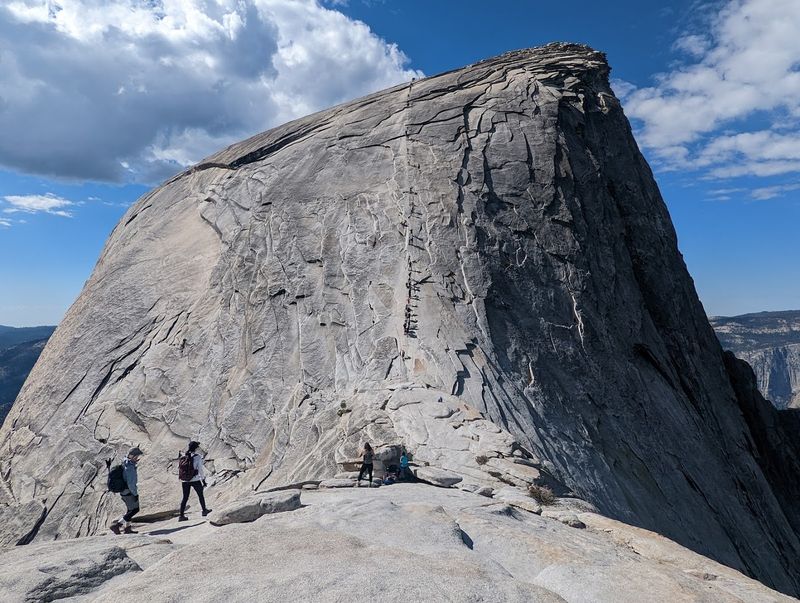
Permits disappear quickly, so be ready the minute applications open and build backup dates. Training on steep local hills primes calves for the Subdome stair-master session.
Good grip gloves and sticky-soled shoes turn the cables from intimidating to methodical progress.
Start before sunrise and stash headlamps for the return because finishing in dusk shadows feels different on granite. Filter water at reliable points like the Merced above Vernal or carry enough to skip bottlenecks.
Respect the forecast, since a sprinkle on polished stone can cancel plans in a heartbeat.
Snack often and keep conversations short on the ascent so breathing stays calm. At the top, step back from edges and savor the moment without crowding folks setting photos.
On the way down, take your time with cable traffic and remember that patience beats shaky legs every time.
Surf San Onofre’s Old Man’s
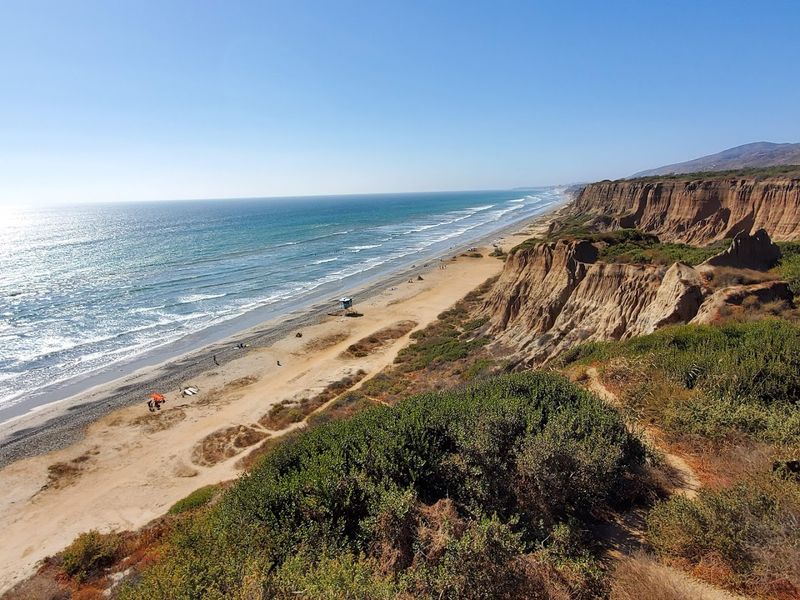
Knee to chest-high peelers make this a longboard classroom with a friendly lineup vibe. A soft-top works, but a classic log with a single fin turns trimming into poetry.
Paddle out wide, wait your turn, and you will score set waves that glide forever.
Parking fills fast on summer weekends, so arrive early with coffee and patience. Reef booties help on cobbles during low tide shuffles, though many go barefoot just fine.
Pack shade, a cooler, and a spare leash, since wind knots have a personality here.
Between sessions, chat with locals, watch groms noseride, and learn by observation. Sunscreen reapplications keep shoulders from frying during social beach hours.
After your last wave, rinse gear, log a few notes on tides and board choice, and you will progress faster than you expect.
Snowcamp in Lassen Volcanic National Park
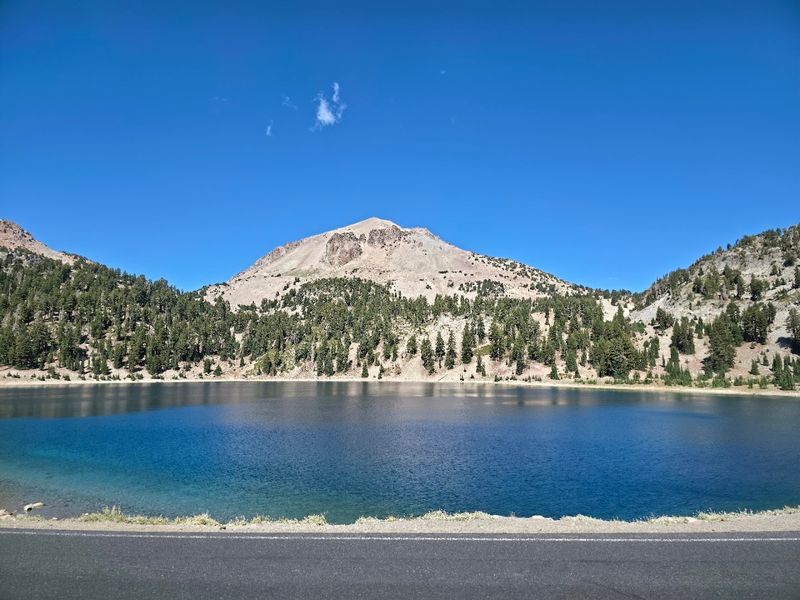
Cold management starts with a solid sleep system and a foam pad under the inflatable. Dig a kitchen trench and wind walls, then treat hot drinks as part of your safety plan.
Practice stove operation with gloves at home because dexterity taxes patience in subfreezing air.
Route finding gets real after storms, so download offline maps and carry a compass as more than decoration. Steam vents remind you this landscape is alive, but give them space and stay upwind.
Keep skins or snowshoes ready when a crusty morning softens into ankle-sucking mash.
Dry gloves stored near your body at night feel like a tiny miracle at dawn. Breakfast should be simple, fatty, and fast, letting you move before chill balloons.
When stars spill over camp, step away from headlamps and enjoy a sky that feels almost private.
Raft the American River South Fork
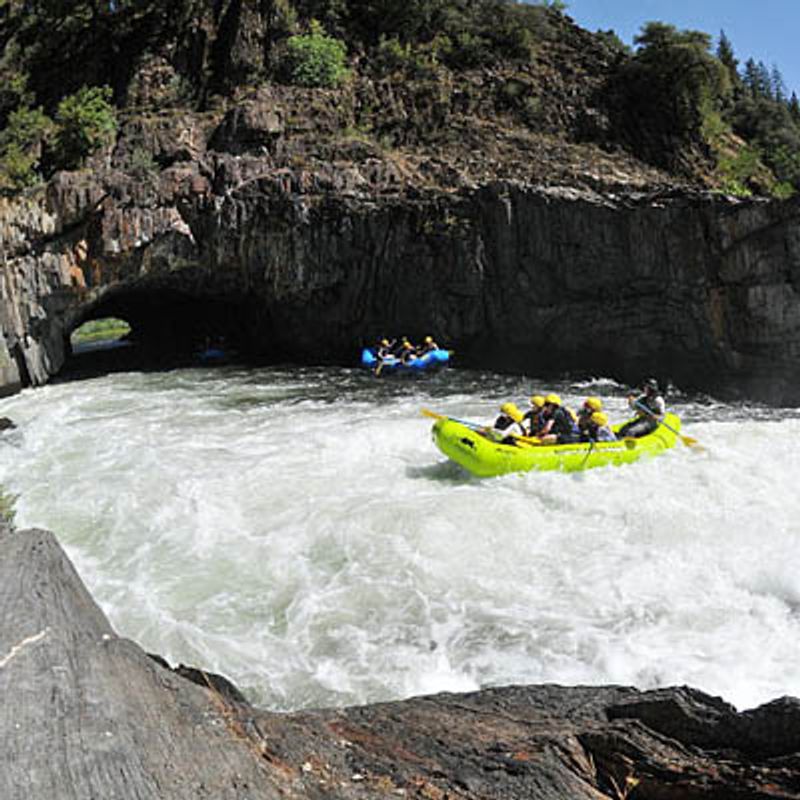
Class III rapids make this run rowdy enough for grins but friendly to first-timers. Booking with an outfitter simplifies shuttles, safety gear, and that crucial pre-trip talk.
Sunscreen, secure sandals, and a strap for sunglasses keep you from losing essentials mid-splash.
Hydrate early since adrenaline disguises thirst while you high-five through rapids like Troublemaker. Guides love a paddler who listens and looks where they want the boat to go.
On calm stretches, breathe, glance at ospreys overhead, and reset before the next drop.
Post-trip, camp nearby for golden-hour river swims and stories around a stove. If you want more spice, arrange a second day on the Middle Fork for bigger gradient.
Either way, tip your guide, note what layers worked, and save that photo of your surprised face.
Stargaze in Death Valley National Park
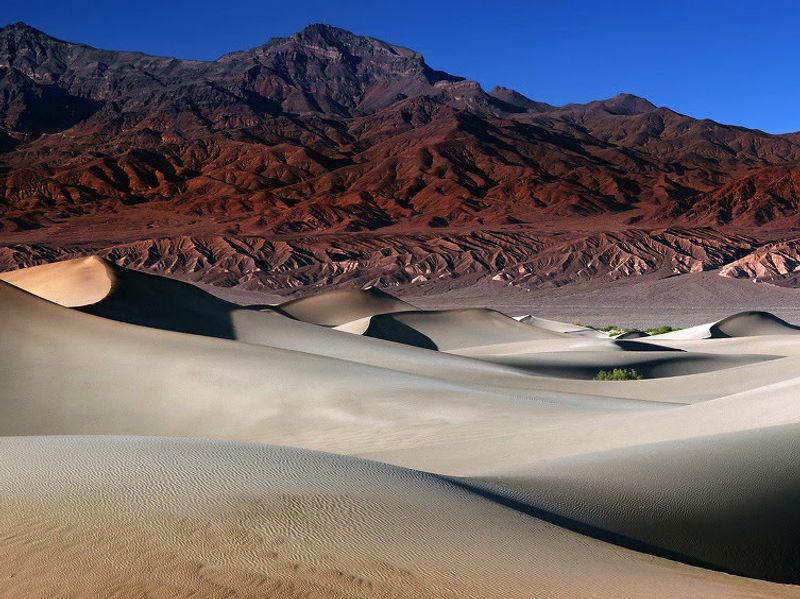
Dark sky status here means galaxies feel almost within reach on moonless nights. Check the lunar calendar and aim for cool seasons when air steadies the view.
A reclining camp chair, warm layers, and a thermos stretch your session well past midnight.
Scout dunes before sunset to memorize safe walking lines and avoid fragile crusts later. Red headlamps protect night vision while you frame the Milky Way near foreground ripples.
If you have binoculars, sweep Orion and the Pleiades for immediate cosmic payoff without heavy gear.
Wind can surge suddenly, so stash electronics in zip bags and keep lenses capped. When the chill finds fingers, take a break and let the quiet do its work.
By dawn, soft pastels paint the sand, and you get a second show for the price of one.
Climb at Joshua Tree’s Hidden Valley
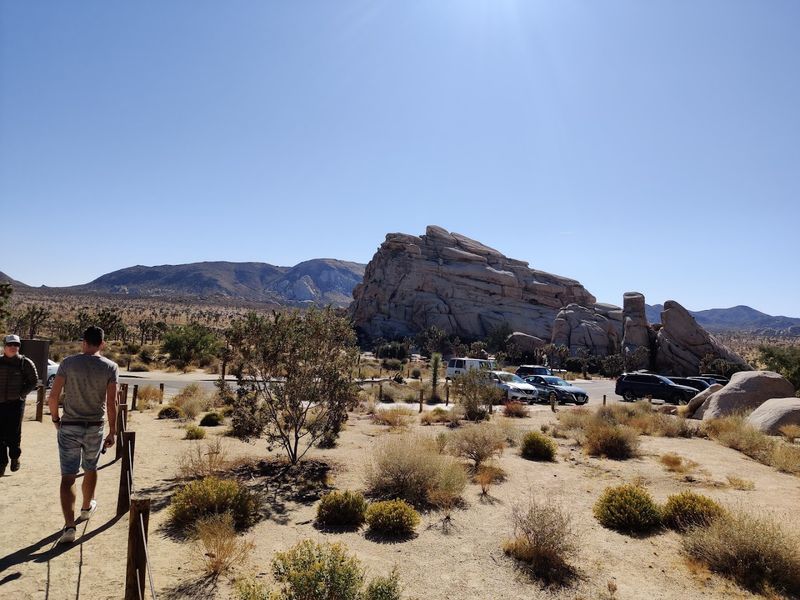
Grippy monzogranite rewards precise footwork, so trust smears and breathe through the stance. A basic trad rack and a patient belayer unlock classic moderates tucked among boulders.
Tape early if your hands are new to crack climbing before splits call the shots.
Mornings stay cool in spring, then sun bakes the domes by lunch. Carry extra water, shade, and a puffy for surprising breezes after sunset.
Practice clean anchors on quieter crags before sampling the popular lines near the campground.
Desert ethics matter, so skip climbing after rain to protect fragile rock. Keep noise low, swap beta kindly, and your circle of partners grows quickly.
When skin says stop, scramble for sunset viewpoints and watch shadows stretch across a sculpted playground.
Backcountry Ski the Eastern Sierra
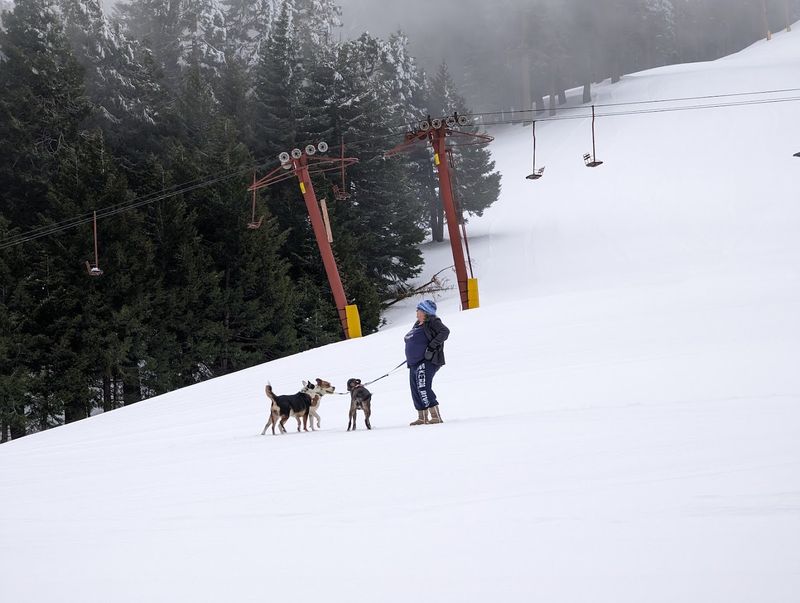
Snowpack knowledge outranks bravado, so invest in an avalanche course before eyeing couloirs. Dawn starts give you firm skin tracks and safer exits before solar heating wakes the slopes.
A lightweight kit still includes beacon, shovel, probe, repair bits, and an honest turnaround time.
Study recent observations and aspect notes, then choose lines that match skills and conditions. Radios speed communication when partners leapfrog safe zones between islands of protection.
Keep transitions tidy so you snag the best snow while others are still fiddling.
On the descent, link conservative turns up high and open it gradually as confidence grows. Hot soup in a thermos feels luxurious on a windy col.
Back at the car, debrief openly, because truth-telling today builds smarter decisions for the next storm.
Camp and Hike in Big Basin Redwoods Reimagined
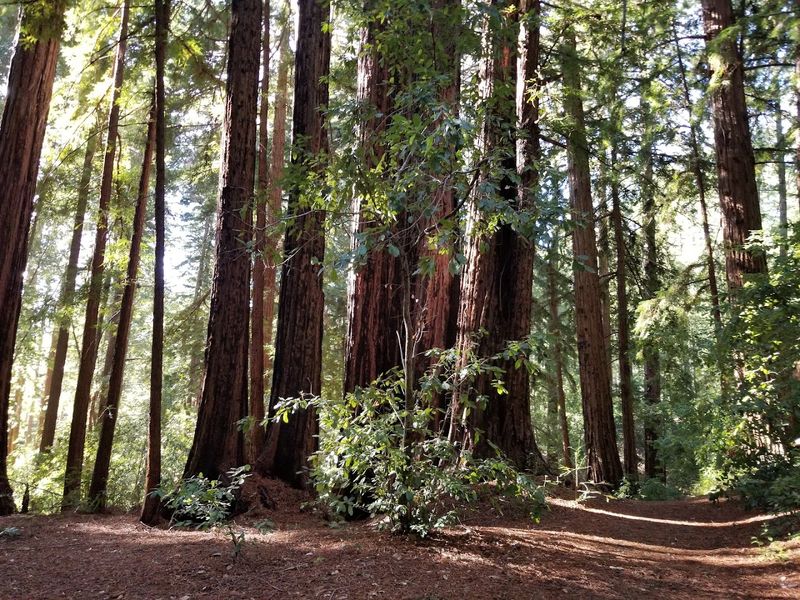
Post-fire recovery has reshaped trails, facilities, and how visitors move through the park. Booking timed entries or campsites early ensures a calm first look at restored groves.
Quiet mornings showcase birdsong bouncing between trunks older than family lore.
Footing changes fast from soft duff to reworked paths, so traction helps on damp days. Pack layers for a cool understory that feels air conditioned even in summer.
Rangers share the latest closures and wildlife notes, which often lead to better detours.
Choose a modest loop first, then build toward longer routes as daylight allows. Picnic away from fragile roots, carry out every crumb, and treat burned snags with respect.
When fog rolls in, pause and watch light braid through branches like a living cathedral.
Snorkel La Jolla’s Underwater Park
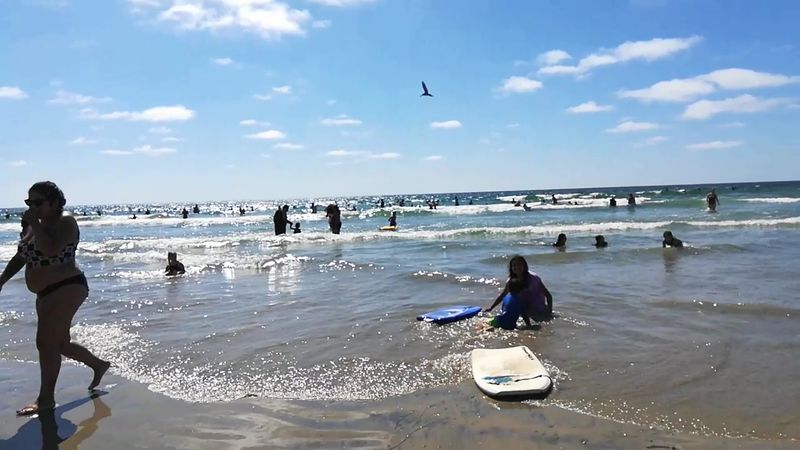
Calm mornings and summer water temps mean longer, happier sessions among garibaldi and rays. A low-profile mask and a snug wetsuit keep leaks and chills from stealing focus.
Enter at the beach, kick past surf lines, and follow reef contours like a natural highway.
Lifeguard flags and local briefings help you avoid surgey pockets near the caves. Leopard sharks congregate seasonally in shallow, warm areas, so glide slowly and give them room.
A bright snorkel top and a buddy make you visible when boats or kayaks pass.
Rinse gear after salt sessions and stash a dry towel in the car for quick warmth. If visibility drops, switch to tide pool scouting and still learn a ton.
Post-snorkel tacos nearby close the feedback loop on a simple, smile-heavy morning.
Ride the Palm Springs Aerial Tram and Hike the Rim
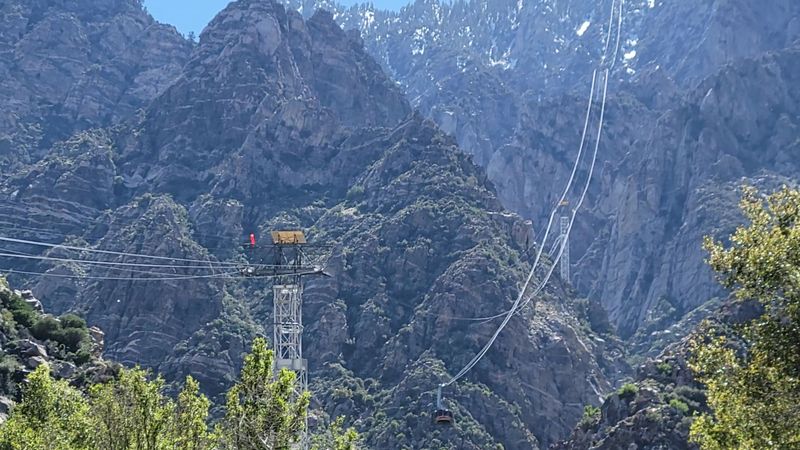
In minutes you jump from desert heat to breezy pines, so wardrobe planning matters. A light puffy and sun hat cover both microclimates while you loop rim trails.
Trail maps near the station simplify choosing a route that fits daylight and legs.
Altitude creeps up on some visitors, so pace early and sip water even if it feels cool. Watch footing where patches of snow linger after storms into spring.
The best vistas arrive near golden hour, when the valley glows like a circuit board.
Down at the base, lines shrink if you book off-peak tickets and arrive a bit early. Pack snacks to extend your hike, then treat yourself at the cafe afterward.
One tram ticket often unlocks a full afternoon that feels like two trips in one.