
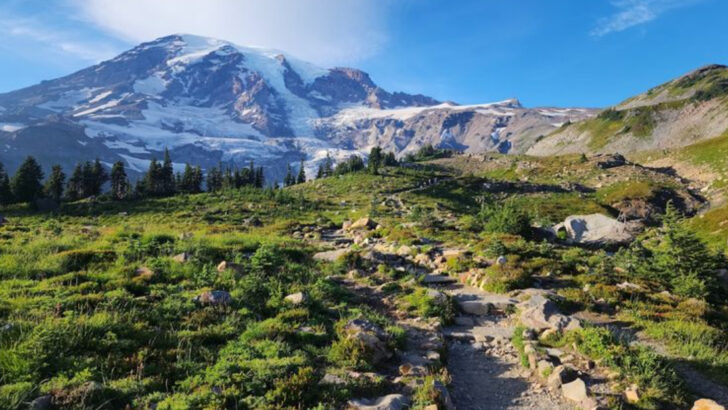
Washington State rewards planners. If 2026 is your year for big trails, alpine lakes, and salty coastlines, this guide lines up the best routes and seasonal windows so you never miss a peak moment.
Expect smart timing tips, realistic logistics, and a few under-the-radar detours that feel like insider secrets. Pack a flexible mindset and a backup plan, because the Pacific Northwest loves a plot twist.
Summit Push on Mount St. Helens (Monitor Ridge)
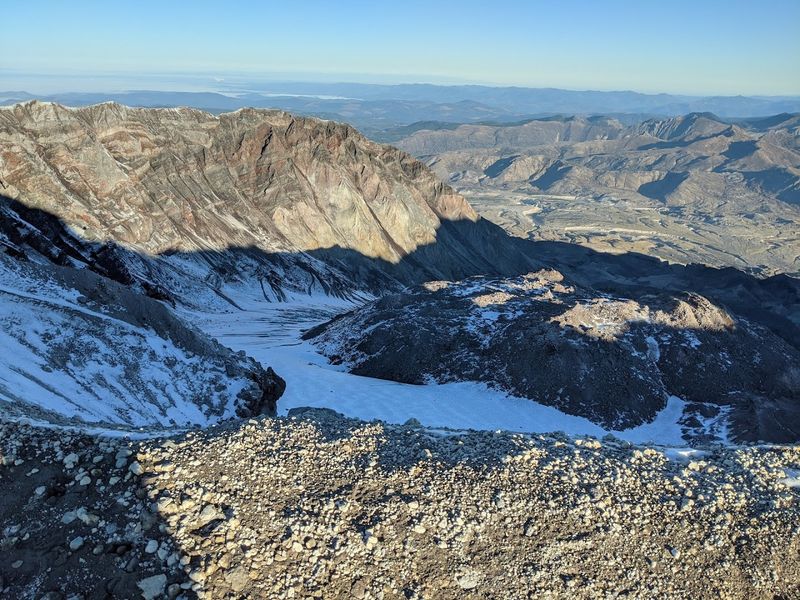
Volcanic grit gives your boots a workout long before the crater rim appears. The climb starts in forest, shifts to boulder hopping, then turns into a stair-step grind on ash where each step can slide half back.
Strong legs help, but smart pacing and steady fueling matter more than ego here.
Permits are limited and release monthly, so mark the calendar and pounce. A mid July to early September window usually delivers the friendliest snow conditions, though early starts beat heat and afternoon winds.
Carry goggles for flying grit, plus microspikes if late snow patches linger higher up.
Navigation is straightforward in clear weather thanks to tall wooden posts, yet clouds can erase everything fast. Save a GPX track and know turnaround times before enthusiasm overrides judgment.
At the rim, stay well back from cornices, then soak in the blast zone, Spirit Lake, and the Cascade chain stretching forever.
For recovery, stop in nearby Woodland for hearty food and a milkshake that tastes like victory. Your calves will protest stairs the next day, so plan a mellow walk to keep blood moving.
Check current alerts for rockfall, closures, and permit changes before locking flights.
Backpacking the Enchantments Core Zone
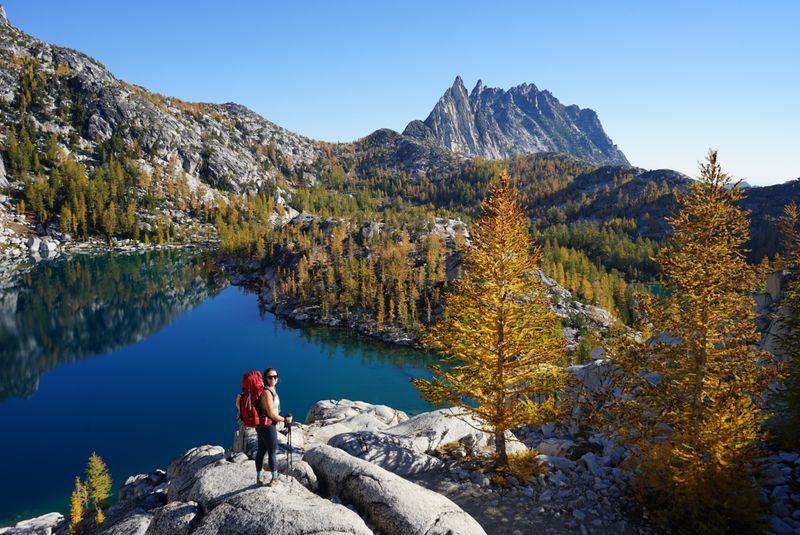
Granite, glassy lakes, and curious mountain goats make this feel mythical, but logistics are real. Lottery permits are fierce, so enter every available window and consider weekday dates.
Shoulder season in late September adds golden larches and colder nights that thin crowds but demand warmer bags.
Expect relentless elevation from either trailhead and plenty of granite stair steps. Lightweight trekking poles save knees on the Aasgard Pass descent, which feels endless after a big day.
Pack microspikes if freeze thaw turns shaded slabs into surprise ice, and stash layers where breeze bites hardest.
Camp choices define the trip vibe, from Colchuck’s teal drama to Snow Lakes’ quieter corners. Store food properly, since goats and marmots treat salt like currency.
Water is plentiful yet cold, and a compact filter keeps things simple without weighing you down.
Permits aside, flexibility is your superpower. Day tripping the full traverse works if shuttles align and fitness is solid, but start pre dawn to bank cool miles.
Back in town, Leavenworth’s pretzels and coffee move you from feral to civilized in a hurry, and you will have earned every crumb.
Circumnavigating Mount Rainier on the Wonderland Trail
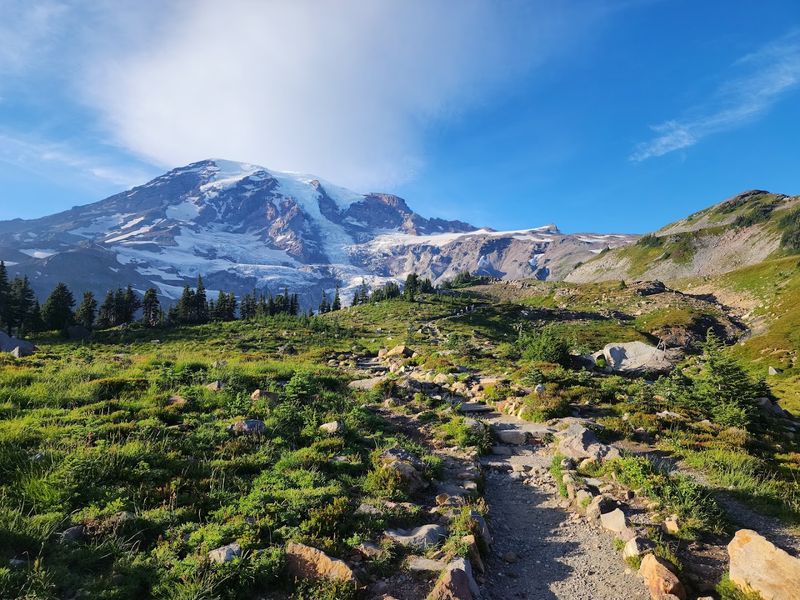
Elevation swings define this loop, so train for climbs stacked like a staircase to the sky. Campsites book fast through a quota system, and 2026 dates will disappear sooner than you think.
Build an itinerary with buffer miles and identify bail points where roads intersect in case weather flips.
Glacial rivers shift routes overnight, so expect temporary bridges and detours. Gaiters help in muddy valleys, and a compact umbrella shines during sticky drizzle when vents alone struggle.
Wildflowers peak mid July to early August, with late season bringing crisper mornings and fewer mosquitoes.
Resupply options are limited but priceless. Mail a box to Longmire or Mowich with high calorie snacks you actually love, plus fresh socks to lift morale.
Water is abundant, yet silt can clog filters, so carry a pre filter or let sediment settle before pumping.
Bear canisters are not required in all zones, but smart food storage still matters. Start early each day to bank cool miles before heat and thunderheads build.
A post trail burger at Ashford tastes otherworldly, and your quads will swear the stair machine is gentler than Washington’s finest rollercoaster.
Sea Kayaking the San Juan Islands
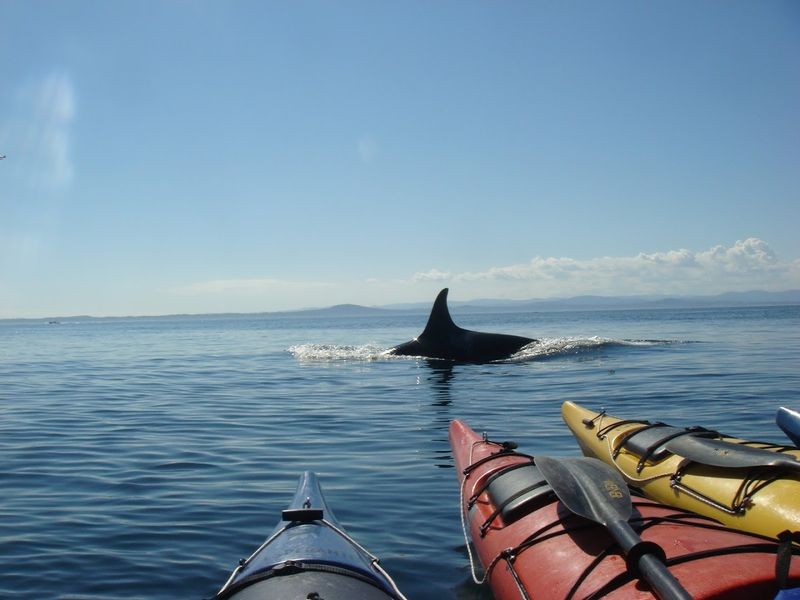
Tides and currents call the shots here more than muscle. A competent guide or thorough planning with current tables keeps crossings calm and wildlife friendly.
Fog can roll in like theater curtains, so carry a chart, compass, and a GPS you actually know how to use.
Launch from San Juan, Orcas, or Lopez based on your comfort with traffic and fetch. Campsites on marine trails book early, so reserve quickly and pack compact, dry bags that double as pillows.
Stay the legal viewing distance from orcas and switch to whispers when whales are near.
Wind often kicks up in the afternoon, making morning paddles smoother and more photogenic. Neoprene booties beat sandals for slippery kelp landings, and fingerless gloves save hands from long mileage days.
Bring hot drinks for morale on gray stretches and a bright flag to stay visible around points.
Back on shore, fish tacos become essential fuel and the sunset show rarely disappoints. If you get only one glassy evening, aim for a bioluminescent bay to watch each paddle stroke sparkle.
Ferries book fast in summer 2026, so set alarms early and treat reservations like golden tickets.
Hiking Maple Pass Loop in Peak Larch Season
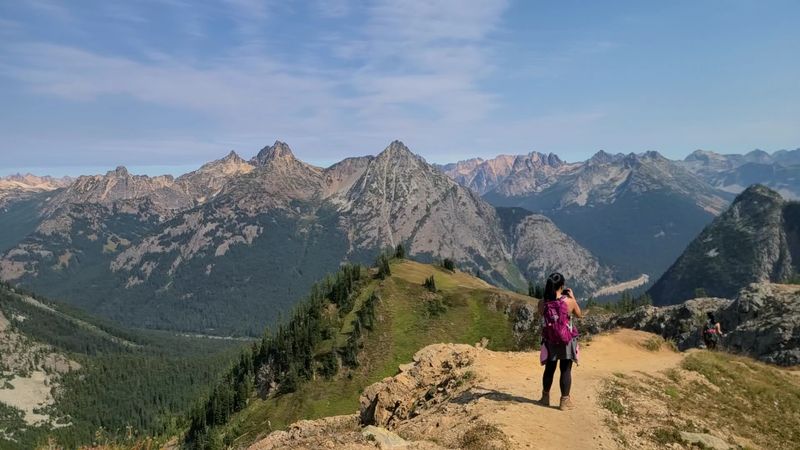
Golden needles flip the switch from great to unforgettable, but timing is tricky. Most years, late September to early October delivers, with a one to two week sweet spot.
Start at dawn to score parking and watch first light sweep the valley like a slow spotlight.
The loop climbs fast, rewarding every step with new angles on Lake Ann and endless peaks. Traction matters on early frost, so microspikes ride along even if the forecast looks kind.
Pack a warm hat and a thermos, then linger on the ridge while the sun warms fingers back to life.
Photography crowds stack up near the classic overlook, but you can step beyond for quieter frames. Keep dogs leashed to protect fragile meadows recovering from short snow seasons.
A headlamp earns its keep on lazy descents when sunset ambushes the last switchbacks.
Marblemount coffee fuels the return, and a trunk stash of dry socks turns comfort back on instantly. Consider weekday dates to ease parking stress and savor a less hurried pace.
Check North Cascades updates for smoke, construction, or road washouts that can redirect plans without warning.
Climbing Vantage Crags at Frenchman Coulee
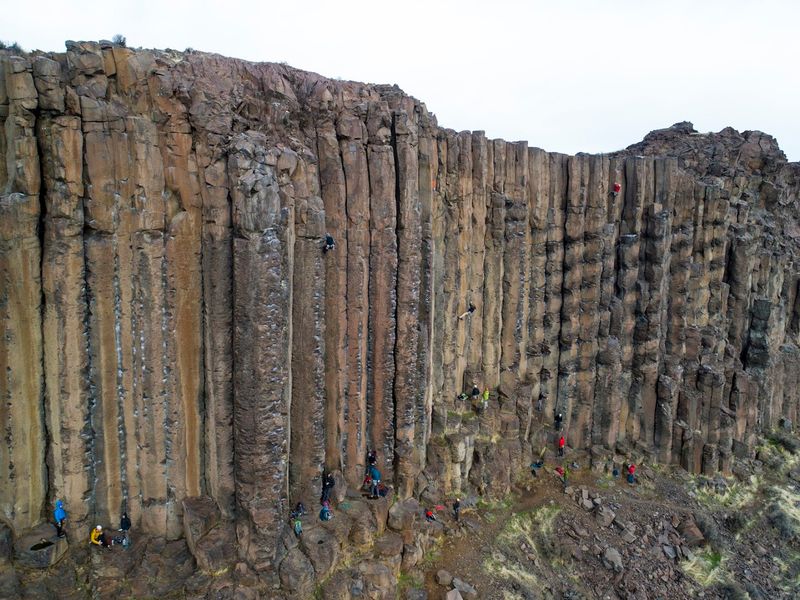
Basalt columns rise like organ pipes above the coulee, offering bolt protected routes for wide ranges of grades. Early spring and late fall shine with cool friction and quieter lots.
A stick clip plus fresh rubber makes the opening moves friendlier on classic lines that start spicy.
Wind can howl, so bring layers and tape for gritty days that chew fingertips. Helmets are non negotiable under loose tops, and a 60 meter rope covers most routes with smart knotting.
Walkoffs vary, so preview anchors and descents before committing on unfamiliar walls.
Camps cluster around primitive sites where sunsets are the main event. Pack extra water, because the desert pretends you are fine until suddenly you are not.
Mornings reward early risers with empty sectors and soft light that photographs well for your patient belayer.
Rest days pair with wine tasting in nearby vineyards or a cold float on the Columbia. Respect trail closures during nesting seasons to keep access strong.
If grades are a stretch, embrace hangdogging and treat burns as beta gathering missions that turn projects into send stories later.
Backpacking Shi Shi Beach and Point of Arches
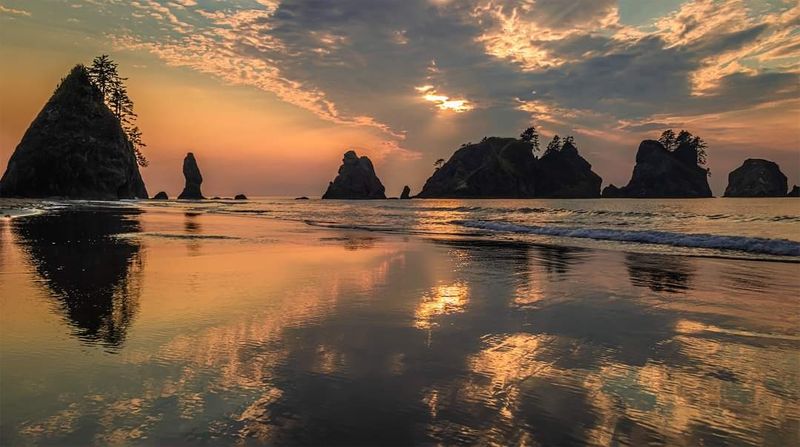
Salt, cedar, and surf soundtrack a route that feels wilder with every tide line crossed. Permits and bear canisters are required, so book ahead and pick one that rides well on your pack.
The trail can be muddy year round, making gaiters and sturdy footwear worth the carry.
Plan arrivals around tide charts to pass headlands safely and unlock the best tidepools. Camp above the last high tide mark, then anchor your shelter against sneaky night gusts.
Cooking under a driftwood windbreak adds warmth and cuts sand in dinner to a tolerable crunch.
Sunsets on Point of Arches turn sea stacks into silhouettes, and owls sometimes call from the forest behind camp. Mornings reward shell hunters and photographers with glassy reflections before footprints return.
Pack extra trash bags to haul microplastics out, which oddly becomes satisfying as the beach brightens.
Expect damp everything, so dry sacks and a spare lighter are non negotiable. A cotton bandana serves as a lens wipe that doubles for coffee filtering emergencies.
On the drive home, Neah Bay snacks revive spirits, and your car will smell briny in the best possible way.
Mountain Biking Galbraith Mountain (Bellingham)
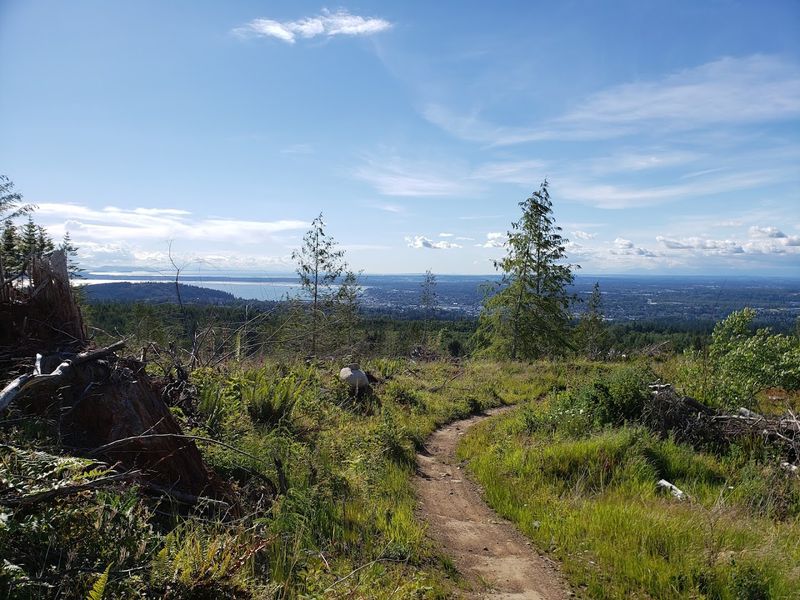
Flow trails blend into tech lines here, letting you stack laps that fit any mood. Climb trails spread riders nicely, and downloadable maps keep you on the right side of private timber boundaries.
Morning mist adds hero dirt, while late afternoons bring playful light through big firs.
Fresh brake pads and tubeless tires with sealant turn mishaps into shrugs. Kneepads are smart even on mellow days because confidence sometimes overshoots skill mid berm.
Practice features on low consequence lines first, then graduate to the hits you saved for dry runs.
Etiquette matters. Yield to uphill riders, give friendly heads ups, and keep headphones low so bells actually work.
Trails close quickly for logging or weather, so check the local mountain bike coalition page before loading the car.
Post ride culture thrives in Bellingham, from burritos to stout flights that taste like chocolate campfires. Pack a small brush to knock mud off the drivetrain before it cooks on the ride home.
In 2026, expect a few reroutes and new lines, so treat your favorite map as a living document.
Ski Touring at Washington Pass
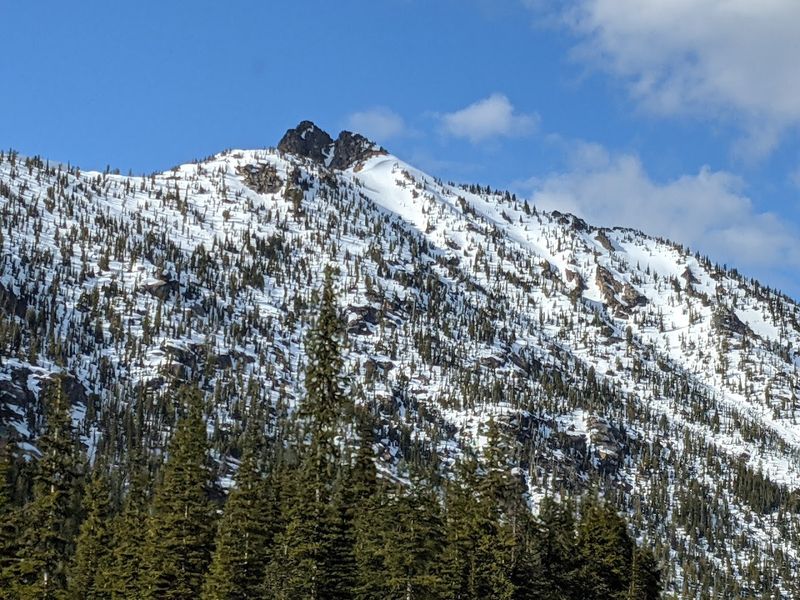
Sharp granite and generous snowfall craft big terrain that rewards disciplined decision making. Early season brings thin coverage over sharks, while spring offers smooth corn if you nail the timing.
Avy gear and partners who practice regularly are non negotiable, and a conservative mindset ages well.
Approaches vary from quick glades to complex ridges, so pick objectives that match stability. Cold snaps create persistent slabs that linger longer than weekend optimism, and wind can load cross aspects overnight.
Keep descent plans flexible, preserving options to downshift when hand pits talk back.
Road access hinges on plowing schedules and closures near the pass. A thermos and a down skirt or pant break the shiver cycle during transitions on windy cols.
Skins cut to sidewall length climb better on firm switchbacks than sloppy edges that peel under pressure.
Finish days with a safety debrief and actionable notes. Archive weather plots, pit data, and photos into a simple log so patterns emerge across weeks.
When confidence returns in spring 2026, corn laps feel like free speed and the North Cascades deliver a graduate course in glide.
Trail Running on Mount Si and Teneriffe
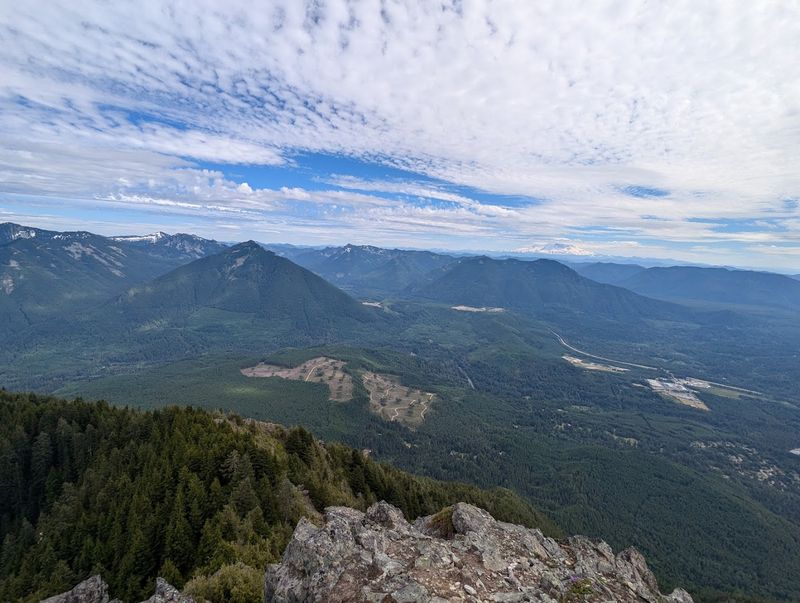
Steep grades make these classics perfect for building climbing legs without long drives. Early starts keep the lot manageable and the temperature friendly, especially on summer weekends.
A light vest, handheld flask, and soft flasks hit the sweet spot for fast efforts without bounce.
Use the Talus or Teneriffe routes to mix terrain and dodge the busiest lines. Poles fold away cleanly for rockier sections near the haystack or ridge viewpoints.
Even in heat, shady forests offer microclimates that take the edge off grinds and keep pace honest.
Downhills punish quads, so add eccentric strength and controlled descents to training. Watch for ankle biting rocks under maple leaves in fall and icy patches in January mornings.
A headlamp ride home feels earned when city lights sparkle from the final overlook.
Cooldowns at the river help legs forgive you faster, and a spare towel in the trunk is clutch. Track vert and time, not just miles, to celebrate progress that flat routes hide.
Rotate shoes with different stack heights to spread stress and keep feet happier into 2026.
Kiteboarding at Hood River to White Salmon Bridge Corridor
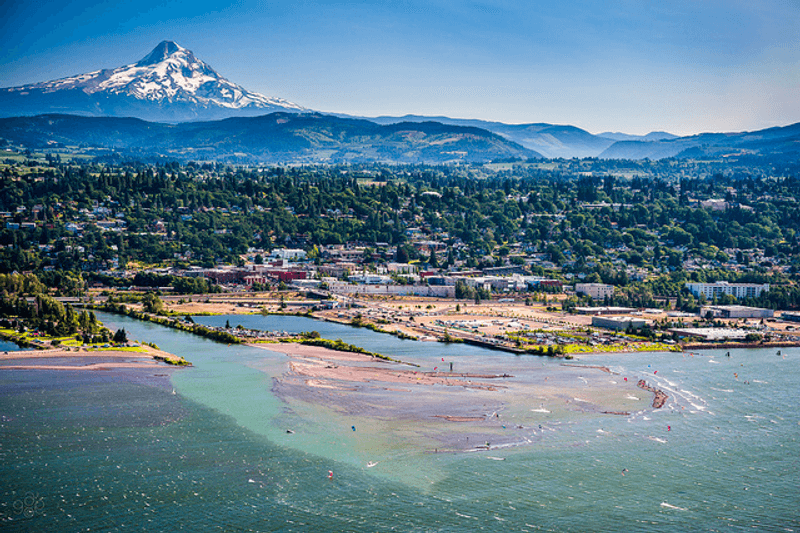
Thermal winds funnel here like clockwork on hot days, but gusts make timing everything. Launch rules are specific at each beach, so learn local etiquette before pumping a kite.
A quiver that spans a couple sizes handles the switch from glassy morning to punchy afternoon sessions.
Helmets and impact vests keep crashes boring, and booties help with rocky exits near the bridge. Practice self rescue until it feels automatic, then ride upwind to escape crowds when the river packs in.
Watch for barges and give them room like they own the channel, because they do.
On lull days, foil setups salvage sessions and add range to your kit. Sunscreen plus a nose guard earn their keep under relentless reflection off chop.
Park passes and parking fill fast, so carpool and keep gear tidy to reduce beach chaos.
Post session tacos in Bingen restore all faith, and a wind log refines your 2026 quiver choices. When forecasts waver, trust sensors over glossy apps and bring patience.
The corridor rewards consistency, and small technique gains pay off bigger than chasing the perfect kite size.
Snowshoeing Hurricane Ridge at Sunrise
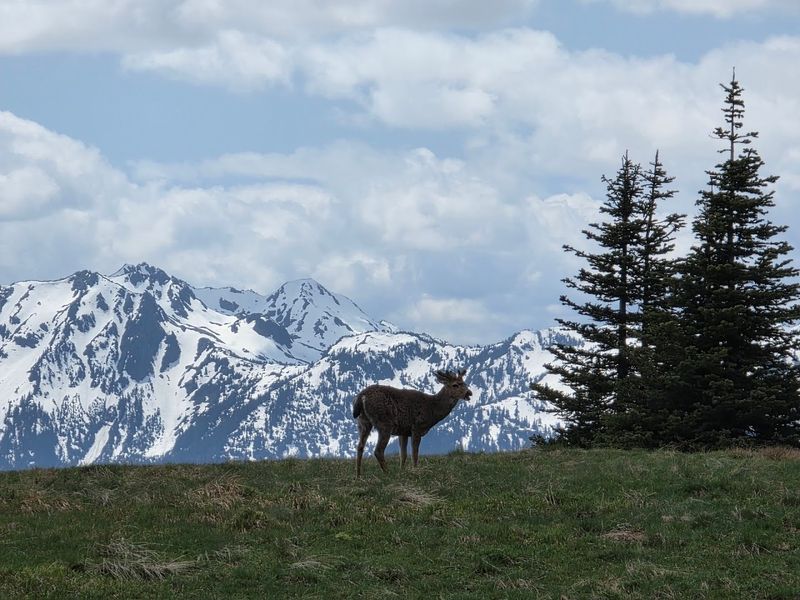
First light paints the Olympics in sherbet colors that make early alarms painless. The road opens based on weather and staffing, so verify the schedule the night before.
Pack hot drinks, spare gloves, and a puffy that zips high when wind sneaks under layers.
Gentle ridges let beginners settle in while still scoring grand views. Stay aware of cornices and avoid steep rollovers that hide wind slabs on lee sides.
A simple route plan plus turnaround time keeps smiles high when cold fingers start lobbying for the car.
Crampons are usually overkill, yet microspikes help on icy parking lots and short steeps. Sunscreen matters on bright days when snow glare multiplies exposure.
Keep goggles handy for spindrift, which turns a bluebird morning into snow globe chaos in minutes.
Back in Port Angeles, pancakes hit like a hug and thaw morale quickly. Toss a wool blanket in the trunk for instant tailgate comfort while boots steam.
In 2026, expect shifting access rules, so bookmark the park alerts page and adapt fast to winter mood swings.
Paddling Lake Chelan into the Stehekin Valley
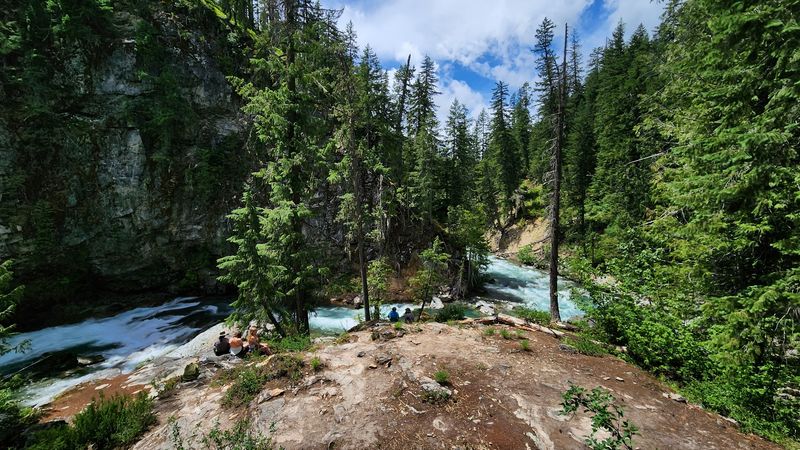
Deep water and dramatic walls create a fjord like feel that rewards calm mornings. Prevailing winds build chop by afternoon, so aim for early crossings and stay near shore when possible.
A dry top or light shell saves core heat, even on bright days that look harmless from the dock.
Overnight trips shine when paired with Stehekin pastries and a campsite that faces sunset. Secure food from critters and stash headlamps where grab and go actually works.
If the forecast turns feisty, the ferry doubles as a smart bailout that still feels like an adventure.
Navigation is simple on a clear lake, yet distance adds up fast. Pace with steady strokes, snack every hour, and stretch hips during beach breaks to avoid the kayak shuffle.
Inflatable boards can work, but hard shells track straighter and fight side winds better.
Back on land, rent bikes to waterfalls or book the shuttle for deeper trailheads. Shoulder seasons in 2026 bring cooler air and wide open reservations that feel luxurious.
Leave time for a chilly swim, because nothing resets a road trip brain like Chelan’s blue mirror.