
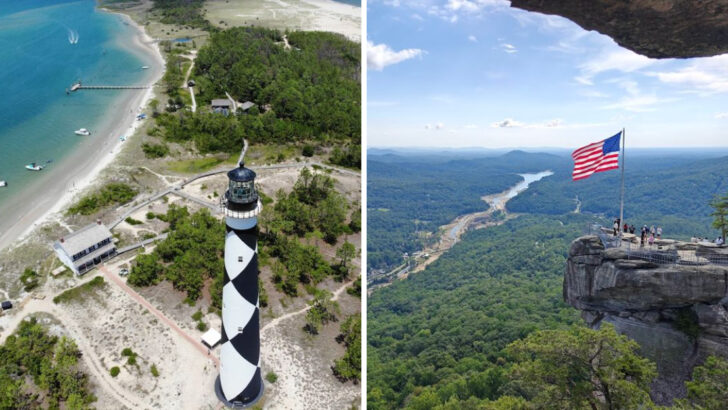
North Carolina is one of those rare states where you can stand on a misty mountain peak in the morning and be digging your toes in ocean sand by evening.
From the rugged Blue Ridge Mountains to the wild Atlantic coastline, the state is packed with outdoor adventures waiting to be discovered.
Whether you love hiking, paddling, birdwatching, or simply soaking in a stunning view, there is something here for every kind of explorer.
These 13 outdoor destinations deserve a spot on your 2026 travel list.
Blue Ridge Parkway
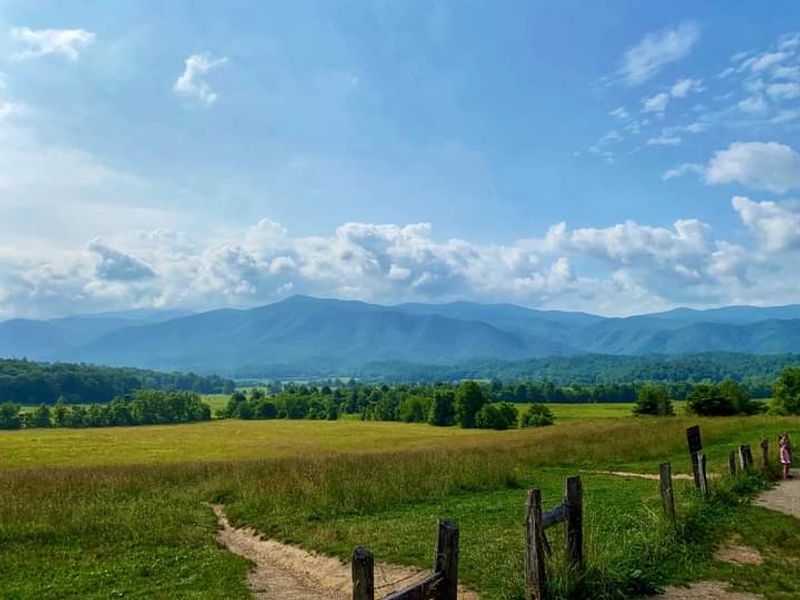
Few roads in America feel as magical as the Blue Ridge Parkway, a 469-mile ribbon of asphalt that drifts through the Appalachian Highlands like a slow-moving dream. Stretching from Virginia into North Carolina, it connects dozens of overlooks, trailheads, and picnic spots that reward visitors at every mile marker.
Sunrise here is something special — layers of blue mountain ridges fade into the morning sky like watercolor brushstrokes.
Fall is the most popular season, when leaf peepers crowd every pullout to catch the blazing oranges, reds, and yellows. But honestly, any season brings something worth stopping for.
Spring wildflowers carpet the roadsides, summer keeps the mountains cool, and winter offers a quiet, frosty beauty that feels almost secret.
Trailheads along the parkway connect to longer routes like the Mountains-to-Sea Trail. Picnic areas are plentiful and free, making it easy to slow down and actually enjoy the scenery.
Whether you drive the whole thing or just a short stretch, the Blue Ridge Parkway has a way of making you forget what you were rushing toward in the first place.
Jockey’s Ridge State Park
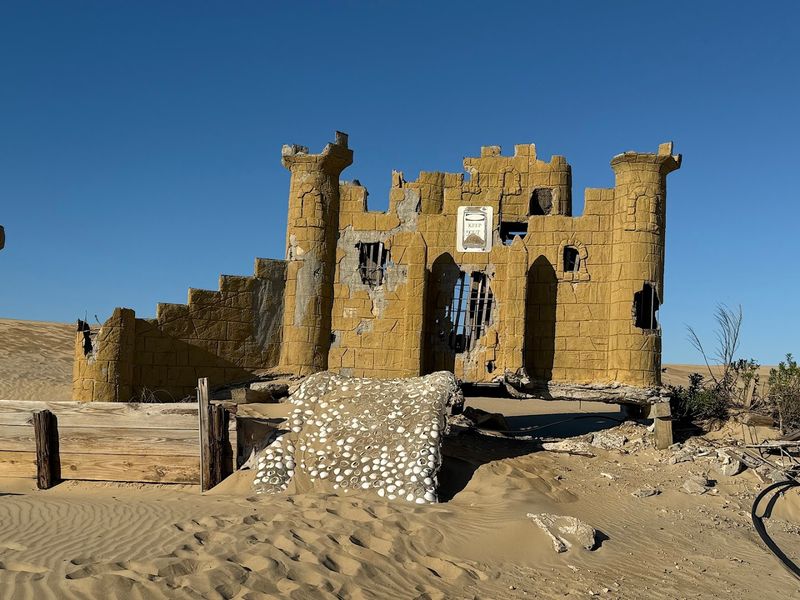
Standing on top of Jockey’s Ridge feels a little like being dropped into the Sahara — except you can see the Atlantic Ocean on one side and the calm waters of Roanoke Sound on the other. Located in Nags Head on the Outer Banks, this park is home to the tallest living sand dune system on the entire East Coast, rising up to 80 feet at its peak.
That alone makes it worth the trip.
Sandboarding is the go-to thrill here — strap a board to your feet, hike up the dune, and ride down through soft, warm sand. Kite flying is equally popular, and the open dune face catches wind from nearly every direction.
Families love it because there are no crowds of trees or rocks to worry about — just open space and sky.
Sunset from the top of the dune is genuinely jaw-dropping. The sky turns shades of pink, orange, and purple over the sound while the ocean glows behind you.
Admission to the park is free, and the dunes are accessible year-round. Pack water and sunscreen — the sand reflects heat in a big way during summer months.
Chimney Rock State Park
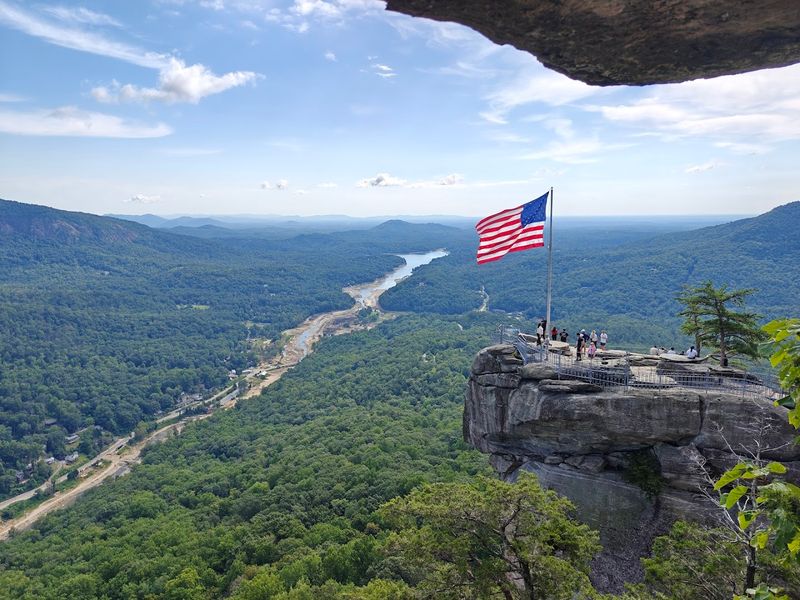
There is something almost prehistoric about Chimney Rock State Park. The park’s centerpiece — a 315-foot granite monolith jutting straight out of the Rocky Broad River Gorge — looks like it belongs in a fantasy film.
And actually, it has appeared in one: scenes from the movie “The Last of the Mohicans” were filmed right here in the gorge.
Trails wind through rugged terrain to reach sweeping panoramic views from the top of Chimney Rock itself, accessible by elevator or a steep staircase carved into the mountain. Hickory Nut Falls, one of the tallest waterfalls in the eastern United States at 404 feet, tumbles dramatically through the gorge and is reachable via a moderate trail.
The combination of waterfalls, cliffs, and mountain vistas makes every hike here feel like a small adventure.
The town of Chimney Rock sits right at the park entrance and offers charming shops and local restaurants. Spring and summer bring lush green canopies, while fall transforms the gorge into a brilliant display of color.
Plan for at least half a day — there is more to explore here than most first-time visitors expect, and the views are worth every step.
Cape Hatteras National Seashore
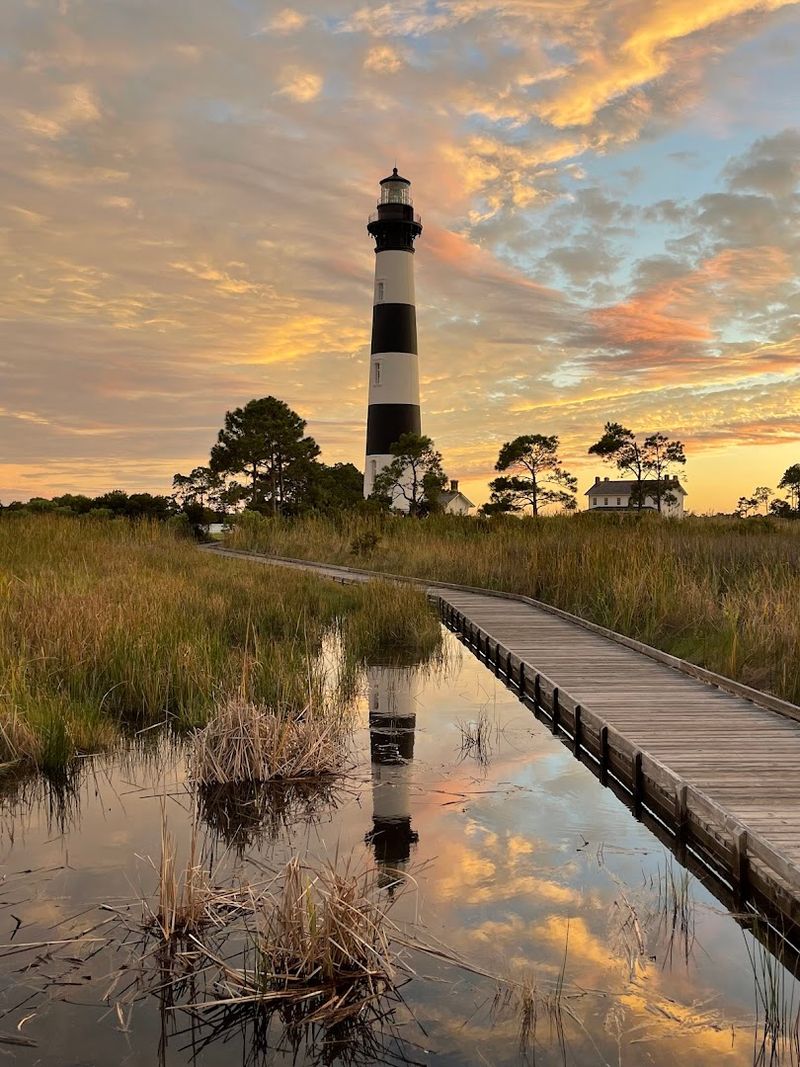
Cape Hatteras National Seashore stretches across 70 miles of barrier island coastline along the Outer Banks, and it feels refreshingly untamed compared to most beach destinations. No resort towers or boardwalk shops here — just wide-open beaches, rolling dunes, salt marshes, and the kind of quiet that makes you exhale deeply the moment you arrive.
The Cape Hatteras Lighthouse, the tallest brick lighthouse in the United States at 198 feet, is a must-see landmark. Climbing its 257 steps earns you a spectacular view of the island and the ocean beyond.
Offshore, where the warm Gulf Stream meets colder coastal waters, fishing is legendary — anglers come from across the country to cast lines from the beach or charter boats into the blue water.
Surfers love the powerful Atlantic swells, and birdwatchers flock here during spring and fall migrations when the island becomes a highway for hundreds of species. Camping is available at multiple locations within the seashore, putting you right in the heart of the action.
Whether you come for the waves, the wildlife, or the wide-open space, Cape Hatteras has a way of making the rest of the world feel very far away.
Neusiok Trail (Croatan National Forest)
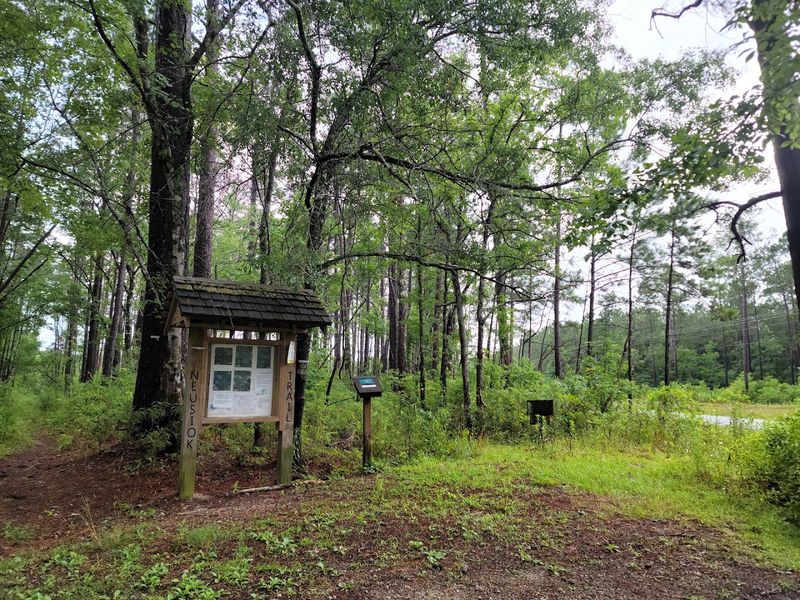
Not every great trail comes with a famous name, and the Neusiok Trail is proof of that. Tucked inside Croatan National Forest in coastal North Carolina, this 21-mile route connects the Neuse River Recreation Area to the Newport River, passing through an astonishing mix of habitats along the way.
Longleaf pine savannas, black water swamps, hardwood ridges, and tidal salt marshes all show up within a single hike.
Multi-day backpackers love this trail for its solitude and biological diversity. Pitcher plants, carnivorous sundews, and rare orchids grow in the boggy sections, while river otters, alligators, and wading birds inhabit the wetland areas.
It is one of those places where every mile feels genuinely different from the last.
Mountain bikers can also tackle portions of the trail, and the flat terrain makes it more accessible than the steep western mountain routes. Because this trail sees far fewer visitors than the state’s more famous parks, you are likely to have long stretches entirely to yourself.
Bring insect repellent — the coastal forest is prime mosquito territory in warm months. But for those willing to prepare, the Neusiok Trail delivers a wild, immersive outdoor experience unlike anywhere else in North Carolina.
Crystal Coast & Cape Lookout National Seashore
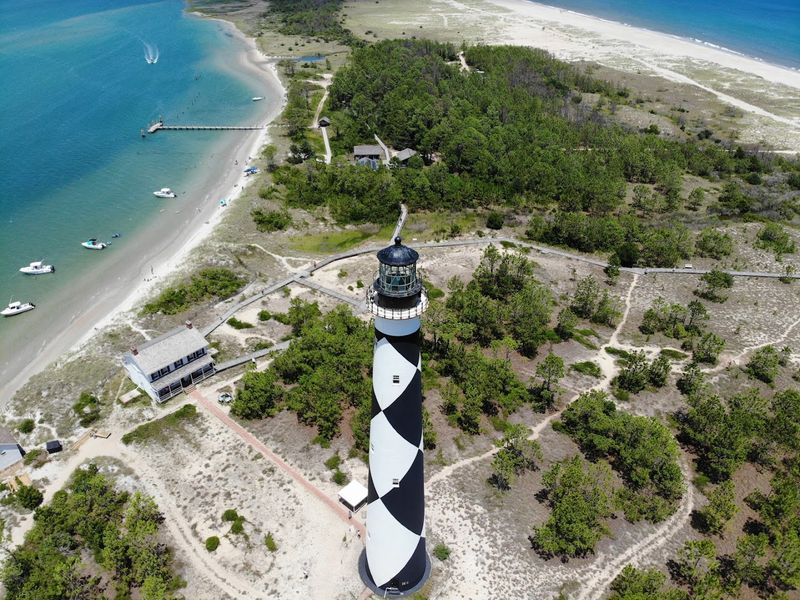
Stretching 85 miles along the southern Outer Banks, the Crystal Coast is one of North Carolina’s most scenic and underappreciated coastal regions. Cape Lookout National Seashore anchors the area with four barrier islands that are only accessible by ferry — no bridges, no cars, and no development.
That inaccessibility is exactly what makes it so spectacular.
The beaches here are genuinely pristine, lined with shells and sea glass that collectors dream about. The Cape Lookout Lighthouse, painted in a distinctive black-and-white diamond pattern, stands as one of the most photographed landmarks on the entire Atlantic coast.
Wild horses roam the shores of Shackleford Banks, descendants of Spanish mustangs that have called this island home for centuries.
The charming town of Beaufort nearby offers excellent seafood, a maritime museum, and easy kayak or paddleboard access to the estuary. Camping on the islands is primitive and unforgettable — just you, the stars, and the sound of the ocean.
Spring and fall offer the most comfortable temperatures for exploring. Whether you are paddling through calm estuaries, searching for shells, or watching horses wade through the surf, the Crystal Coast rewards every kind of outdoor traveler.
Great Smoky Mountains National Park (NC Side)
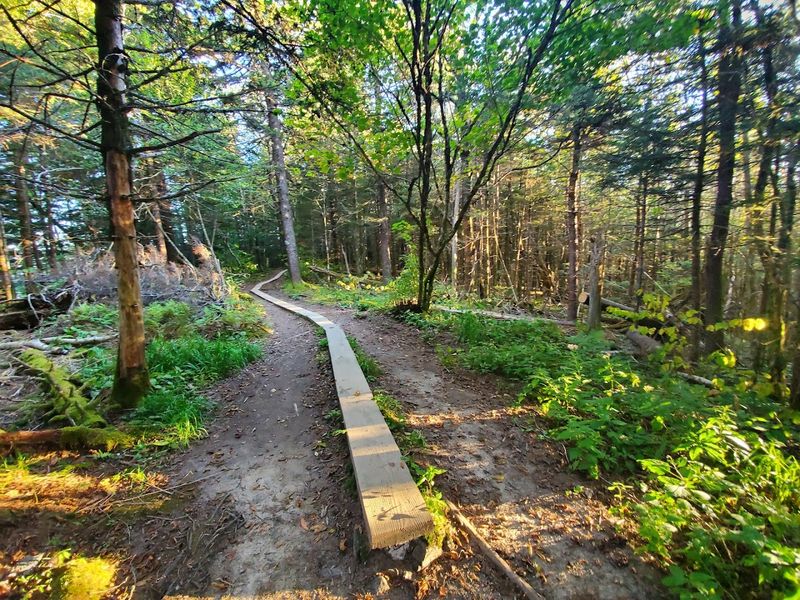
Great Smoky Mountains National Park is the most visited national park in the entire country, drawing more than 12 million people each year — and the North Carolina side offers some of its wildest and most rewarding experiences. Towns like Cherokee and Bryson City serve as gateways to hundreds of miles of trails, rushing rivers, and ancient forest that feels untouched by time.
Mingo Falls, located just outside Cherokee, drops 120 feet into a rocky stream below and is one of the most dramatic waterfalls in the southern Appalachians. The Appalachian Trail crosses through the park along the state line ridge, offering backpackers some of the most iconic miles of the entire 2,200-mile trail.
Elk, black bears, wild turkeys, and salamanders — more species than anywhere else in North America — call this park home.
The Deep Creek area near Bryson City is beloved for tubing through gentle rapids in summer, while Cataloochee Valley offers one of the best chances in the eastern U.S. to spot elk in the wild at dawn or dusk. Entry to the park is free, which makes it one of the best outdoor values anywhere.
Pack layers — mountain weather changes fast, and the mist rolls in without much warning.
Mount Mitchell State Park
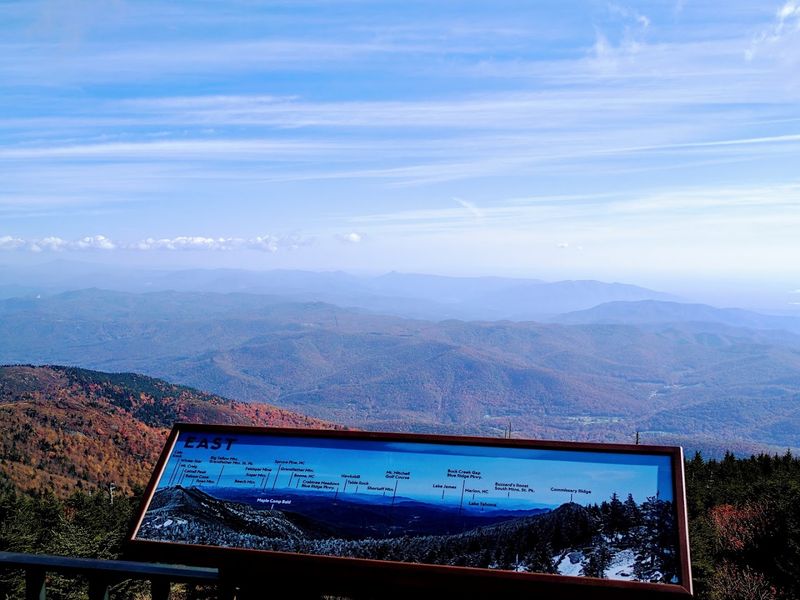
At 6,684 feet above sea level, Mount Mitchell is the highest peak east of the Mississippi River — and standing on its summit, it is easy to understand why that distinction matters. The views stretch endlessly across the Blue Ridge Range, ridge after ridge fading into a hazy blue horizon that seems to go on forever.
On clear days, you can see mountain peaks in multiple states.
The cool mountain air is a welcome relief during hot summer months, often running 10 to 15 degrees cooler than the surrounding lowlands. A paved road winds most of the way to the top, making the summit accessible even for those who are not up for a strenuous hike.
But the hiking trails here are excellent — the Old Mitchell Trail and the connecting routes through the Black Mountains offer challenging and rewarding trekking through spruce-fir forest that feels more like Canada than the American South.
Sunrise and sunset from the observation tower are genuinely memorable experiences. The park also has a small museum, a restaurant, and tent camping available nearby.
Visiting in spring means rhododendrons blooming in brilliant pink clusters along the trails. Mount Mitchell is one of those places that earns repeat visits — every season brings an entirely different kind of beauty to the summit.
Linville Gorge & Falls
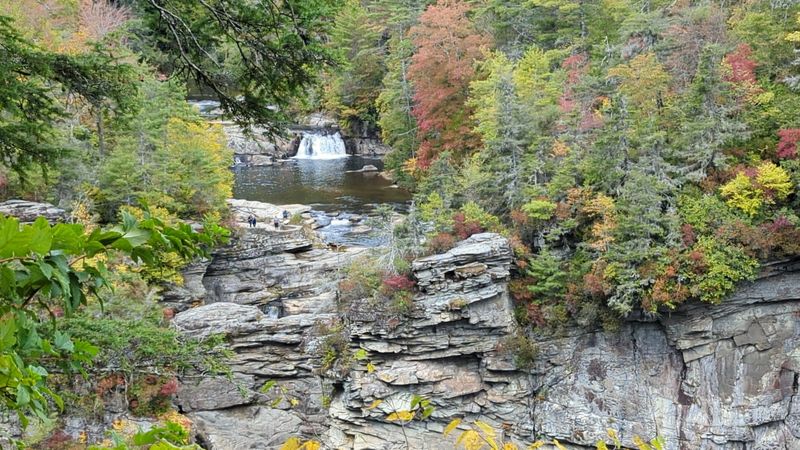
People call Linville Gorge the “Grand Canyon of the East,” and once you peer over the rim, you understand why. The gorge drops more than 2,000 feet through ancient rock and dense forest, carved over millions of years by the Linville River.
It is one of the most rugged and dramatic landscapes in all of the eastern United States, and it rewards hikers willing to work for the view.
Linville Falls itself is the crown jewel — a two-tiered cascade that plunges into a dark, mist-filled pool surrounded by ancient hemlock trees and moss-covered boulders. Multiple trail options approach the falls from different angles, each offering a distinct perspective.
The gorge trails below are more demanding, with steep switchbacks and rocky scrambles that serious hikers love.
A permit system is now required for weekend gorge access during peak season, so plan ahead and reserve your spot early for 2026. Camping inside the gorge is primitive and spectacular — campfire smoke drifts up through the trees while the river hums below.
Rock climbers are also drawn to the gorge’s challenging cliff faces. Whether you are a casual waterfall visitor or an experienced backcountry hiker, Linville Gorge delivers an outdoor experience that stays with you long after you leave.
Singletary Lake State Park
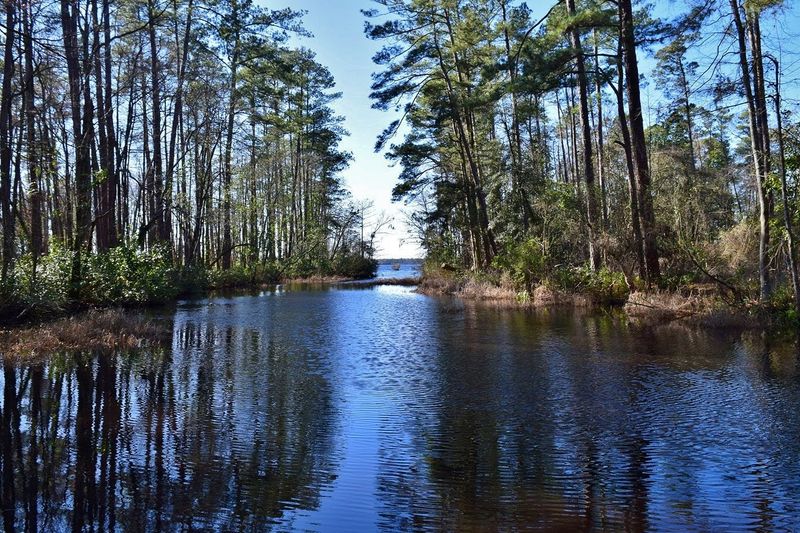
Singletary Lake is not the kind of place that shows up on every travel blog, and that quiet obscurity is a big part of its charm. Nestled in the coastal plain of Bladen County, this park is centered on one of the largest and most pristine Carolina bay lakes in the state — an oval-shaped, tannin-dark body of water that formed thousands of years ago under mysterious geological circumstances scientists still debate today.
The lake’s dark, tea-colored water is actually clean and healthy, stained naturally by the surrounding vegetation. Fishing from the banks or a canoe is a relaxed and rewarding way to spend a morning here.
The wetland forest surrounding the lake shelters wood ducks, herons, otters, and a remarkable variety of amphibians that thrive in the boggy conditions.
Because the park focuses on group camping and environmental education, it tends to attract nature enthusiasts who genuinely want to slow down and observe. Trails wind through longleaf pine forest that is being carefully restored to its native state — a conservation story worth appreciating.
If you are looking for an outdoor experience that feels calm, unhurried, and connected to something older and quieter than most parks offer, Singletary Lake is absolutely worth the detour.
Hammocks Beach & Cedar Island
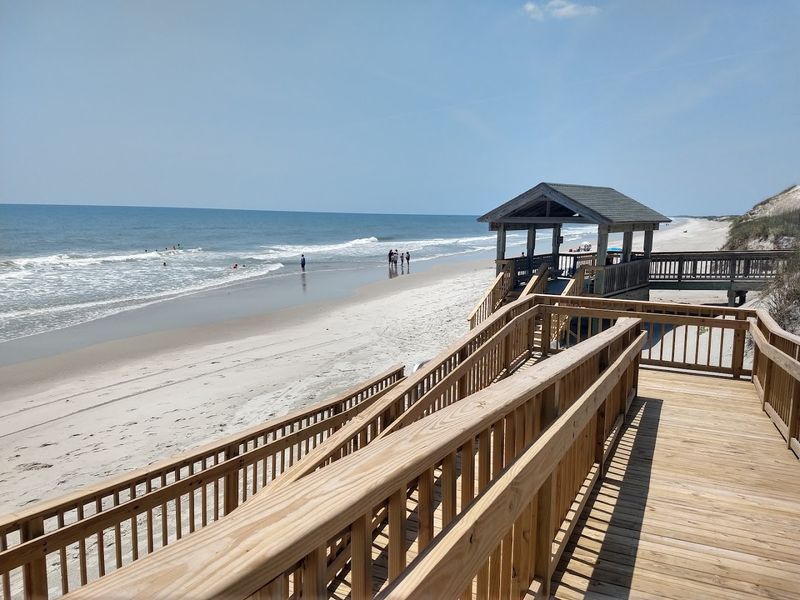
Getting to Bear Island at Hammocks Beach State Park requires a ferry ride, and that small effort filters out the crowds in the best possible way. The island sits off the coast near Swansboro, and because there is no bridge or road access, it remains one of the most undeveloped and unspoiled beaches in the entire state.
Wide white sand beaches, rolling dunes, and clear Atlantic surf greet you the moment you step off the boat.
Primitive camping on the island puts you right at the edge of the ocean, with nothing between your tent and the stars but a sea breeze. Shelling is excellent here — loggerhead sea turtles also nest on the beach during summer, which makes evening walks especially magical.
Swimming, picnicking, and simply doing nothing are all equally valid activities.
Cedar Island, further east near the ferry terminus to Ocracoke, offers a similarly remote and peaceful coastal experience. The national wildlife refuge there is a haven for migratory birds and waterfowl.
Both destinations reward travelers who are willing to step off the beaten path and embrace a slower, quieter kind of outdoor adventure. Reserve ferry tickets in advance during summer — spots fill up faster than you might expect for such a low-key destination.
Pilot Mountain State Park
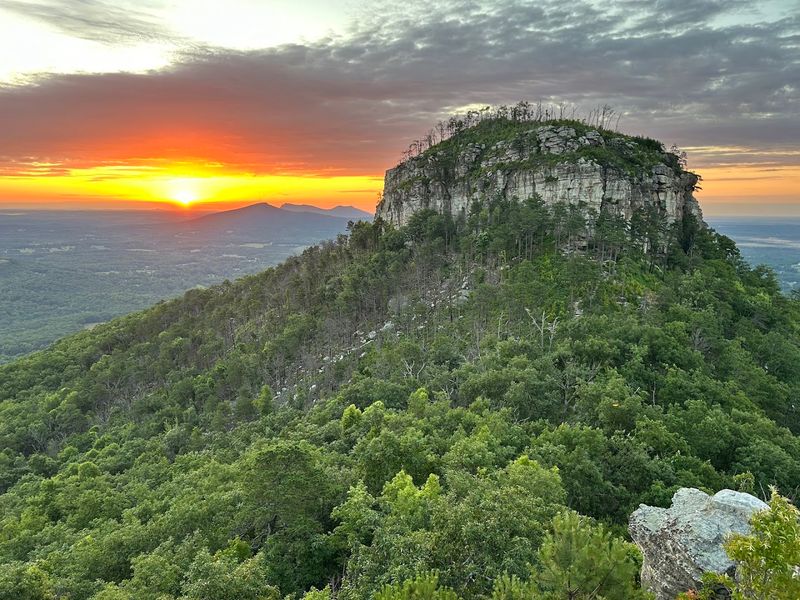
You can spot Pilot Mountain from miles away — a bold quartzite knob rising 2,421 feet above the Piedmont, its flat-topped summit looking almost sculpted by hand. The Cherokee called it Jomeokee, meaning “great guide” or “pilot,” because travelers used it as a landmark across the otherwise flat surrounding landscape.
That sense of dramatic presence has not faded one bit.
The Pinnacle Trail loops around the base of the Big Pinnacle, offering 360-degree views of rolling foothills, farmland, and distant mountain ridges that stretch toward the Blue Ridge. Rock climbers are drawn to the vertical faces of the Little Pinnacle, which offers routes ranging from beginner-friendly to seriously challenging.
The park also connects to the Horne Creek corridor, allowing hikers to explore riparian forest along the Yadkin River.
Fall color here is outstanding — the hardwood forest surrounding the summit turns brilliant shades of red and gold, and the open views make the color feel even more expansive. Camping is available at the park, and the relatively short drive from Winston-Salem and the Triad area makes it an easy weekend escape.
Pilot Mountain is the kind of place that surprises first-time visitors — it looks iconic from a distance, and it delivers completely once you are standing on the trail.
Hot Springs & Appalachian Trail Corridor
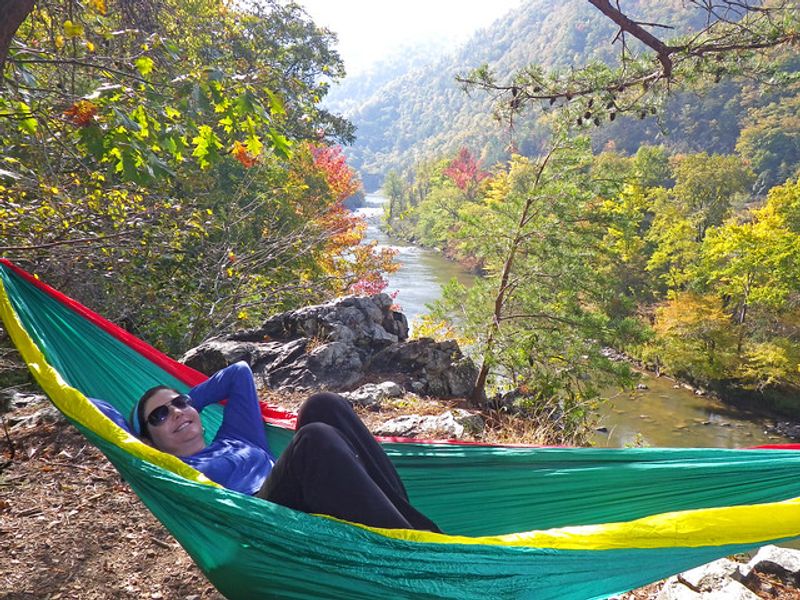
Hot Springs, North Carolina, is one of those small mountain towns that feels like it was built specifically for people who love being outdoors. The Appalachian Trail runs directly through the center of town — you can walk from the trailhead to a restaurant, grab a burger, and be back on the trail within an hour.
That rare combination of wilderness access and small-town comfort makes Hot Springs genuinely unique along the entire 2,200-mile AT corridor.
The natural hot springs themselves are the town’s original claim to fame, with mineral-rich water flowing from the earth at around 100 degrees Fahrenheit. Soaking in the riverside tubs after a long day of hiking is the kind of simple pleasure that feels almost impossibly good.
The French Broad River, which runs alongside town, is also popular for tubing and kayaking during warmer months.
Hiking options extend well beyond the Appalachian Trail into the surrounding Pisgah National Forest, with trails ranging from easy riverside walks to strenuous ridge climbs. Max Patch, a bald summit with panoramic 360-degree views just a short drive away, is one of the most photographed spots on the entire Appalachian Trail.
Whether you come to soak, hike, or simply breathe mountain air, Hot Springs delivers a refreshingly real outdoor experience.