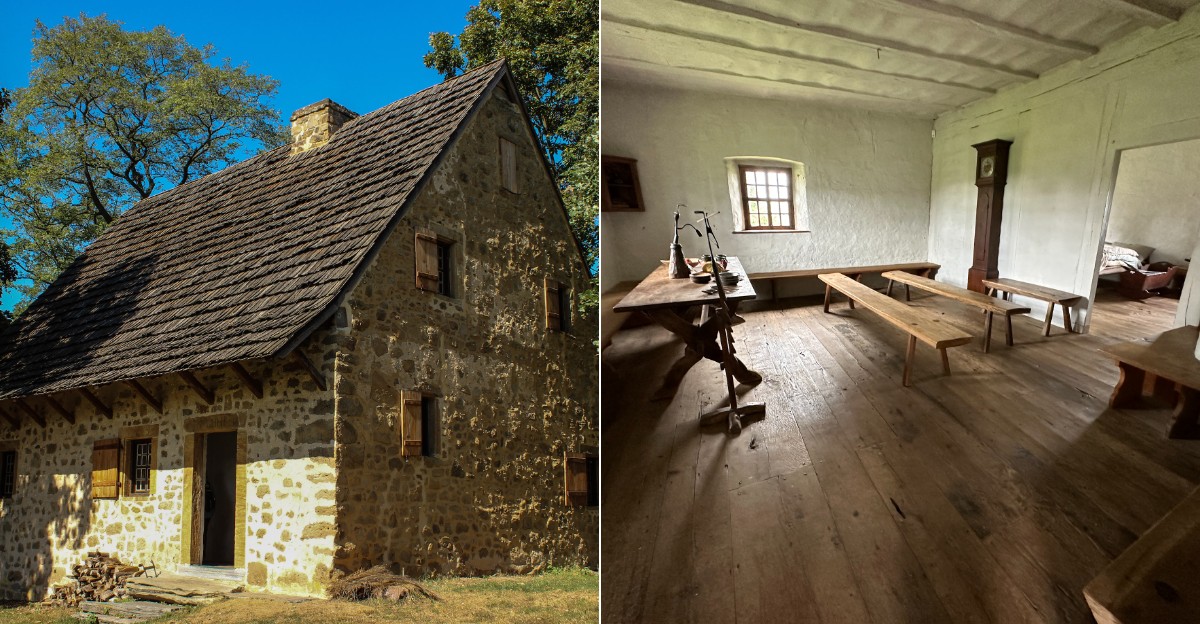
The stone for this house came straight out of the ground it sits on. Someone quarried sandstone on the spot in 1719, stacked it up, and the walls are still standing today.
That alone got my attention. Then I learned the home also served as a place of worship for early Mennonite settlers.
It’s called the oldest surviving Mennonite meetinghouse in the Western Hemisphere.
I like how ordinary family life and Sunday worship shared the same rooms. A kitchen, a living room, and a bedroom all doubled as part of something bigger.
You can still stand inside them in Pennsylvania.
By 1900, this precious place was being used as a barn. Somehow it survived the hay bales and the years.
So how does a house this old end up looking this intact?
The Oldest Home In The County Still Has Its Original Stone Walls
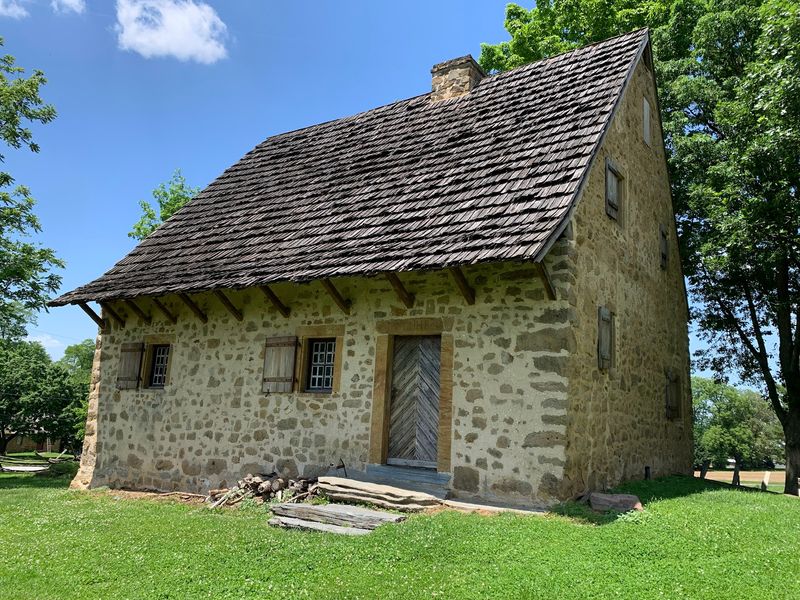
Sandstone dug from the very property makes up the walls of the 1719 Herr House. It stands at the heart of the 1719 Museum, run by Mennonite Life.
Christian Herr and his wife, Anna, built it in 1719. Christian was the son of Bishop Hans Herr, a leader among early Mennonite settlers.
Today, it holds the title of the oldest surviving dwelling in Lancaster County, Pennsylvania. That’s a big claim in a county packed with old farmhouses.
Plenty of buildings look historic around here, but this one actually beats them all.
The house is a one-and-a-half-story rectangle. Its design follows medieval Germanic building traditions, which the Herr family carried with them from Europe.
Think about what that means for a second. These settlers didn’t buy bricks from a store or order lumber online.
They pulled stone right out of their own land and shaped a home that has outlasted nearly every neighbor.
I can’t imagine the sore backs involved. Yet their hard work paid off for about three centuries and counting.
It’s the kind of craftsmanship that makes modern drywall look a little embarrassed.
Sunday Services Happened Right Here In The Living Room
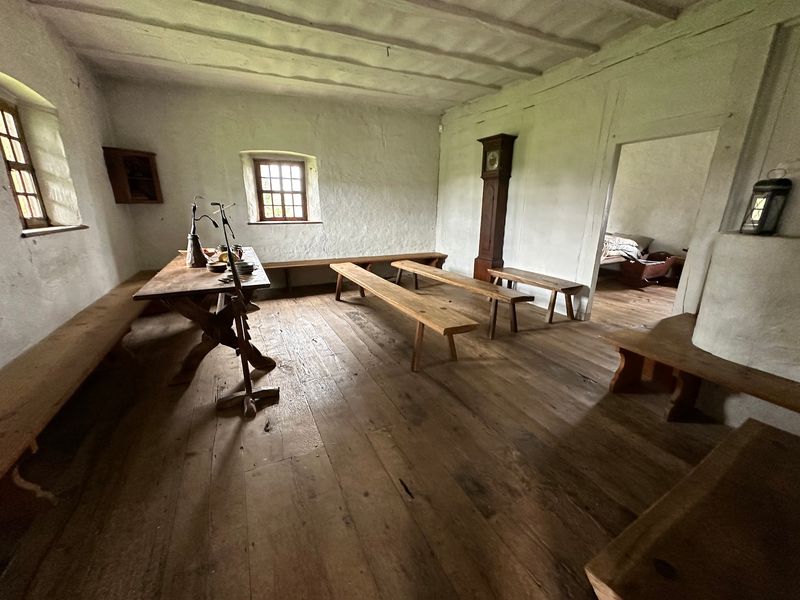
Church didn’t always mean a steeple and a parking lot. For early Mennonites in this area, worship happened inside family homes.
The 1719 Herr House served both purposes. It was a home for the Herr family and a gathering spot for the local Mennonite community.
Because of that, it’s recognized as the oldest surviving Mennonite meetinghouse in the Western Hemisphere. That’s a whole half of the globe, which feels like a lot of pressure for one stone house.
Picture setting the table for dinner in the same space where neighbors gathered for prayer. Daily chores and faith lived side by side under one roof.
Mennonites had faced persecution back in Europe. Settling in Pennsylvania gave them a chance to worship freely, and this house became part of that new beginning.
I believe that’s what makes the place feel meaningful, not just old. The rooms tell a story about people searching for peace and finding it.
When you stand inside, you’re in the same spot where those early gatherings took place. History doesn’t get much closer than that.
Your Guide Shows Up Dressed For The 1700s
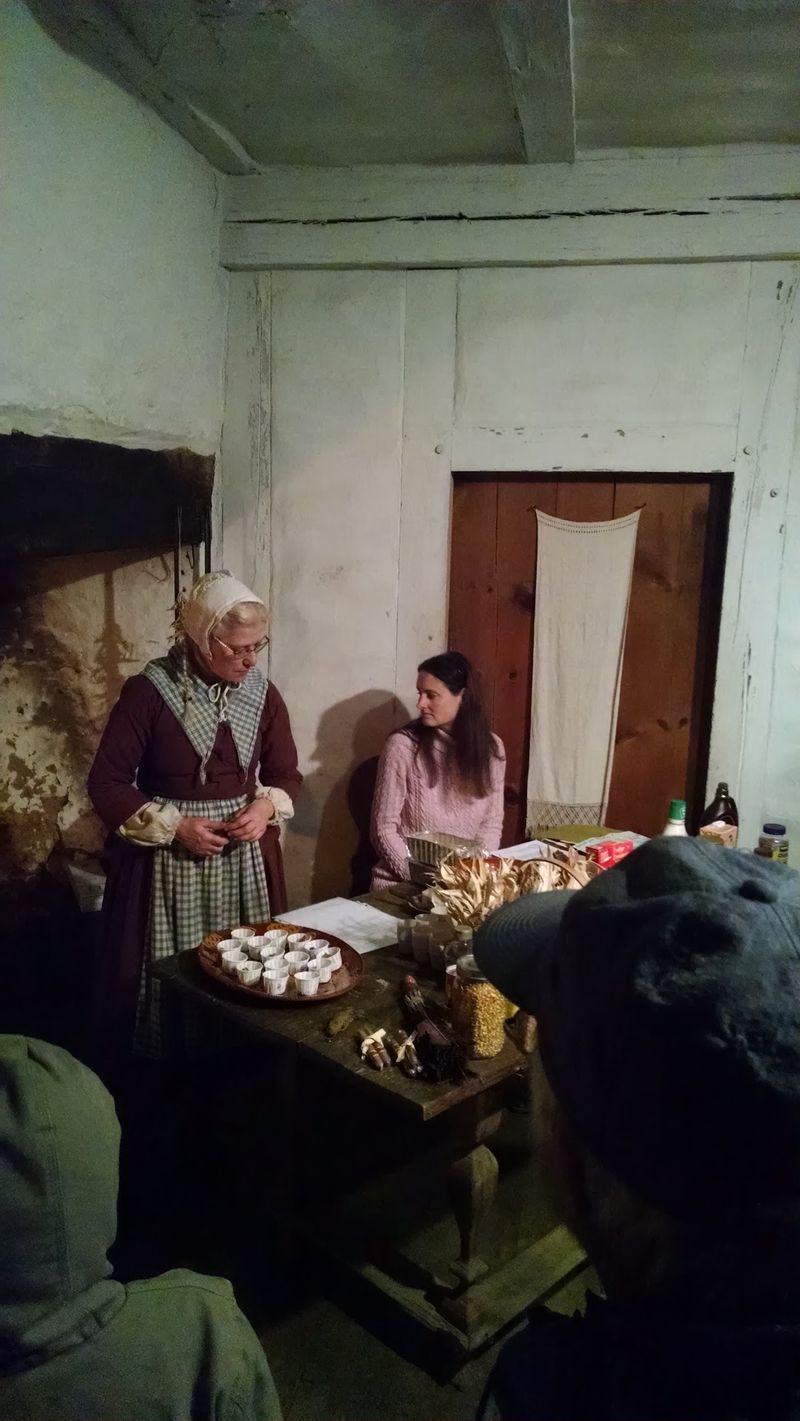
Good luck finding a more fitting tour outfit. Docents at the 1719 Museum wear period attire while they lead you through the house.
Guided tours start at 10:00 AM, 11:30 AM, 1:00 PM, and 2:30 PM. Each one runs about 75 minutes, so plan your snack timing wisely.
You’ll move through rooms with old German names. There’s the küche, which is the kitchen, and the stube, which is the living room.
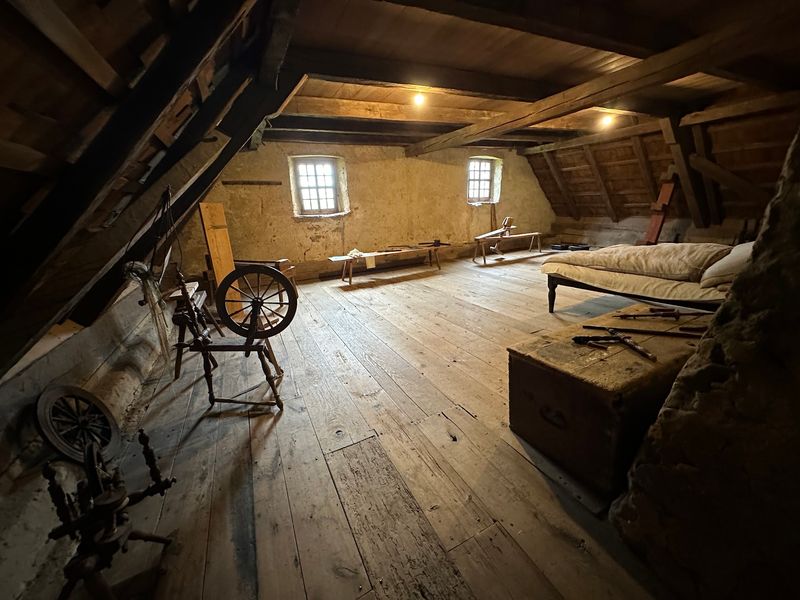
The kammer is the bedroom. The tour also heads up into the attic and down into the cellar.
That top-to-bottom route is a treat for curious minds. Most old houses keep attics and cellars locked away, but here they’re part of the story.
Wear comfortable shoes for this one. The full tour covers about half a mile of walking and includes some stairs.
Questions are part of the fun, so bring a few. Ask about cooking, sleeping, or keeping warm in winter.
You’ll leave knowing more about 18th-century life than most history textbooks bothered to explain.
A Massive Chimney And A Steep Roof Reveal Old-World Roots
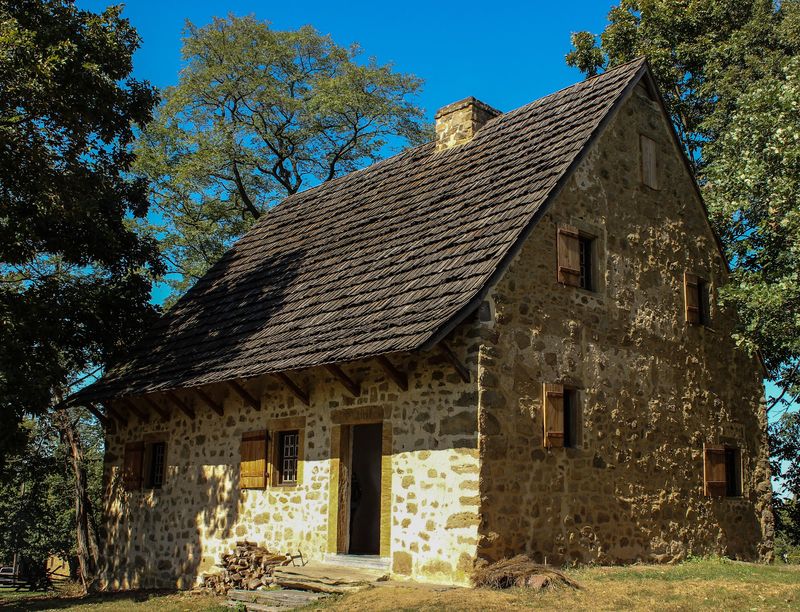
Look up first. The roof on this house rises at a steep pitch, a signature of medieval Germanic design.
Right in the middle sits a massive central chimney. In a home from 1719, that chimney was basically the heating system, the stove, and the gathering spot rolled into one.
The windows are small and irregular. Big glass panes weren’t exactly on sale in colonial Pennsylvania, and smaller openings helped hold in heat.
Every detail had a job to do. Nothing here was built just to look pretty, though it ended up handsome anyway.
Architecture fans will find plenty to study. The house shows how European building traditions crossed an ocean and took root in American soil.
For kids, it’s a fun game of spot-the-difference. Compare these features to your own house and count how many changes three hundred years made.
I like how honest the design feels. There’s no fancy trim hiding anything, just stone, wood, and smart choices.
Bring a camera and step back on the lawn for the full view. That roofline deserves a good photo.
From Storage Barn To National Treasure, The Comeback Is Real
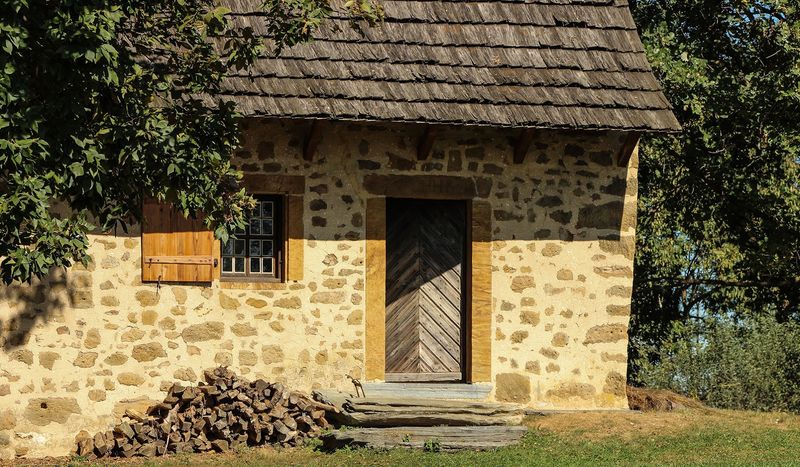
Hans Herr lived in this house until his passing in 1725. After that, the Herr family kept the property for several generations.
Then things took an unglamorous turn. The home was used for storage, and by 1900, it was even serving as a barn.
A meetinghouse turned hayloft? That’s quite the career change.
Still, those thick sandstone walls kept standing through it all.
In 1969, the Lancaster Mennonite Historical Society bought the property. They carefully restored the house in the early 1970s.
The work earned big recognition fast. The house joined the National Register of Historic Places in 1971.
It reopened as a museum in 1974. Since then, visitors have been able to explore the home instead of stacking feed inside it.
That comeback story is part of the charm. It proves that old buildings can get a second life when people care enough to save them.
Next time you pass a crumbling barn in Pennsylvania, give it a second look. You never know what history might be hiding under the dust.
The Longhouse Next Door Tells An Even Older Story
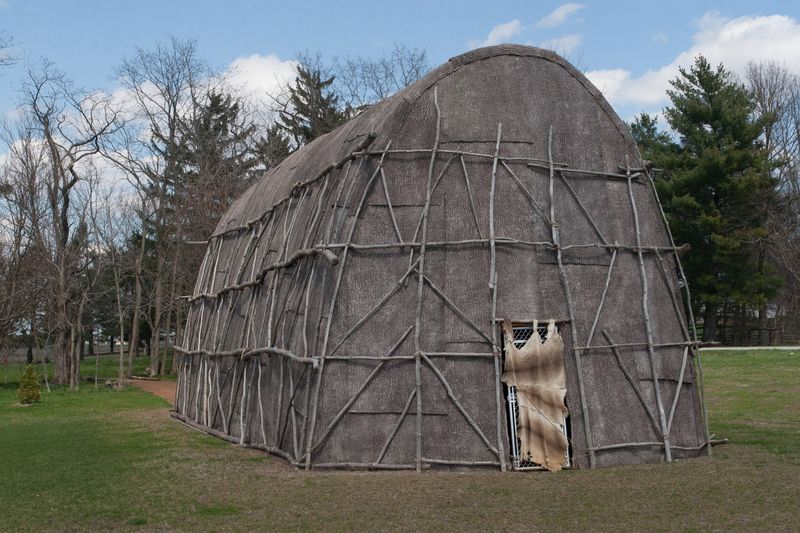
Long before the Herr family arrived, Indigenous peoples called this land home. The Lancaster Longhouse honors that history.
Built in 2010, it’s a full-sized reproduction of a Native longhouse. Its shape and story offer a striking contrast to the Germanic stone house nearby.
Inside, exhibits feature artifacts that help explain daily life. The focus is on Eastern Woodland peoples and archaeological cultures connected to the region.
These include the Conoy, Lenape, Mohawk, Nanticoke, Seneca, Shawnee, and Susquehannock peoples, as well as the prehistoric Shenks Ferry culture. Each represents a different part of the region’s rich history.
Seeing both buildings on one visit changes the picture. You get two very different ways of living on the same Pennsylvania ground.
Kids especially tend to connect with hands-on history. The longhouse makes the past feel less like a list of dates and more like a real neighborhood.
I believe this pairing is the smartest part of the museum. It gives a fuller, more honest look at the people and cultures that shaped Lancaster County.
Save time here before or after the Herr House. It’s well worth slowing down for.
Eleven Acres Of Barns, Tools, And A Bake Oven Await
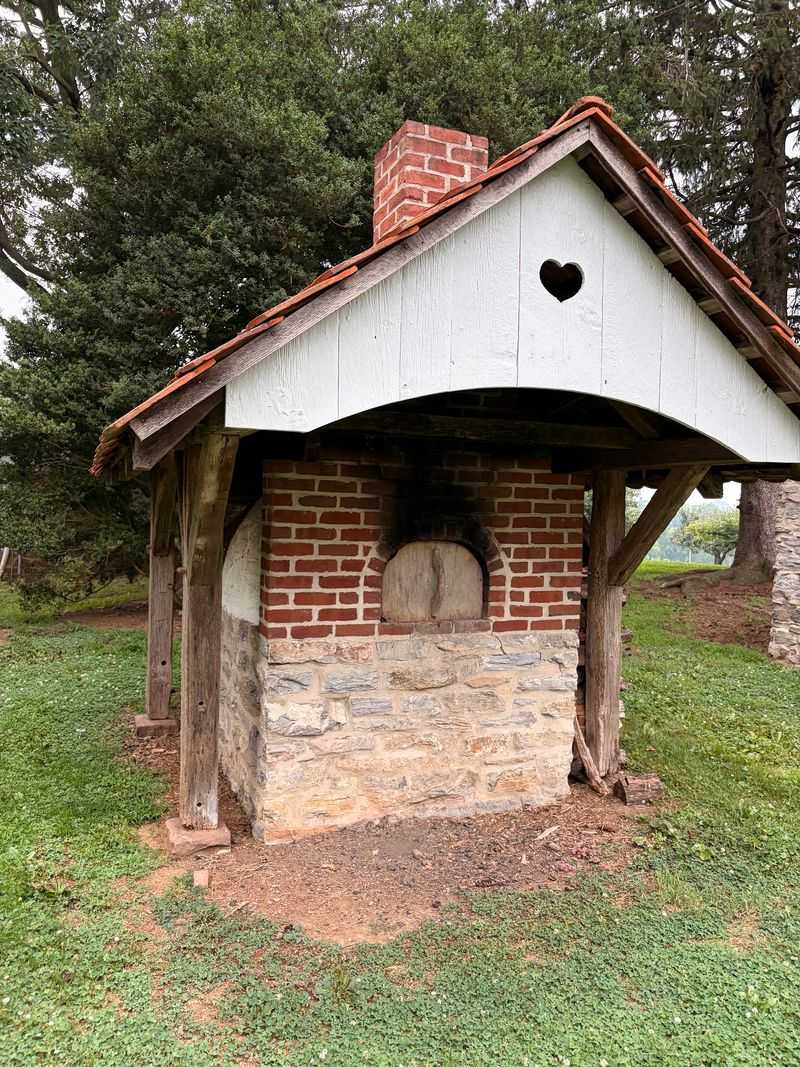
One house would be enough for most museums. This campus stretches across 11 acres instead.
You’ll find additional historic farmhouses and barns spread around the grounds. There’s also a blacksmith shop, a smokehouse, and an outdoor bake oven.
Farm tool fans, this is your moment. The museum holds an extensive collection of agricultural tools and equipment covering three centuries.
Some of those gadgets look downright puzzling at first. Half the fun is guessing what each one did before your guide explains it.
Picnic tables are available on site, so packing lunch is a solid plan. A quiet meal outside makes a nice break between tours.
Parking is on site too, including wheelchair-accessible spaces. Keep in mind the tour itself involves walking and stairs.
The 1719 Museum sits at 1849 Hans Herr Drive, Willow Street, PA 17584. It’s just south of Lancaster city, surrounded by farmland.
Leave yourself extra time to wander. The grounds reward anyone who likes poking around old buildings and imagining the clang of a blacksmith’s hammer.
Apples, Snitz, And Music Make The Calendar Fun
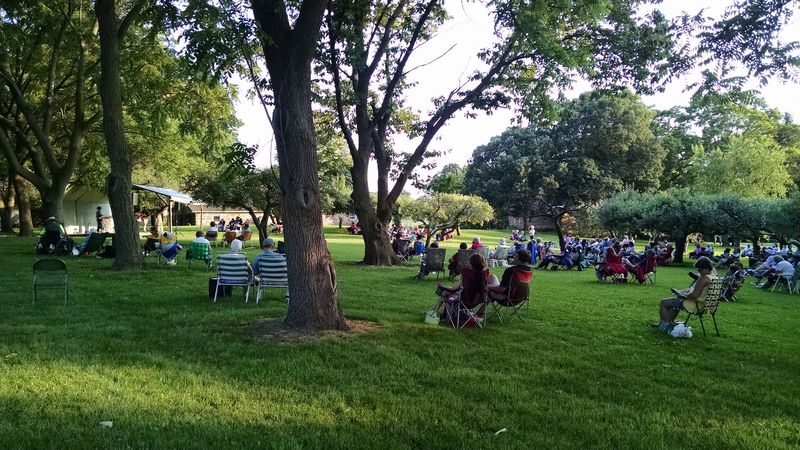
Snitz is the Pennsylvania German word for dried apple slices. It also shows up in the name of one of the museum’s favorite events.
The Maize and Snitz Fest celebrates Pennsylvania German food, crafts, and farm life. Apples get special attention, which feels right for orchard country.
Music in the Orchard is another event on the schedule. Live tunes and fruit trees sound like a pretty great combination.
Prefer exploring at your own pace? A self-guided Historic Driving Tour points you toward nearby historic sites.
Students can join School Frolics for a taste of 18th-century tasks. It’s a field trip that beats staring at worksheets.
Adults aren’t left out either. The museum offers folk-art classes and hands-on blacksmithing classes for anyone ready to try something new.
Hammering hot metal might be the most memorable thing you do all year. At minimum, it makes a great story at work on Monday.
Check the schedule before you go. Events change by season, and you’ll want to time your visit for the fun stuff.
Plan Around Fridays And Saturdays To Catch It Open
Timing matters here. The 1719 Museum opens seasonally from April through October.
Public hours run Friday and Saturday from 10:00 AM to 4:00 PM. Groups can book tours by appointment Tuesday through Thursday.
Kids 6 and under get in free. Youth and adult tickets are reasonably priced, and groups of 12 or more get a discount.
Got extra time? The Mennonite Life Visitors Center sits right next door and makes a great starting point.
It offers a movie and custom countryside tours. You’ll also find the Biblical Tabernacle Experience, a full-scale reproduction.
The Mennonite Life Museum displays handicrafts, antique furniture, fraktur, needlework, quilts, and clothing. Together, they trace 300 years of Mennonite and Amish culture.
Pairing everything turns a quick stop into a full day. You could easily fill a Saturday without hopping back on the highway.
Few places in Pennsylvania let you touch this much history in one spot. Grab a weekend, pick a tour time, and go see the house that refused to quit.